








There’s something fascinating about peeking into the daily food habits of professional athletes, almost like opening a window into how they keep their bodies performing at such a high level. Their meals are usually simple rather than flashy, built around fuelling, recovering and feeling good enough to train again the next day.
If you’ve ever wondered what really lands on their plates, this breakdown will give you a clear, down-to-earth look at how the pros eat without making it feel overwhelming.
This guide shares general nutrition insight only, as individual needs vary based on sport, training load and personal health considerations. Images are for illustrative purposes only.
Fuel First, Not Aesthetic: Why Carbs Still Rule
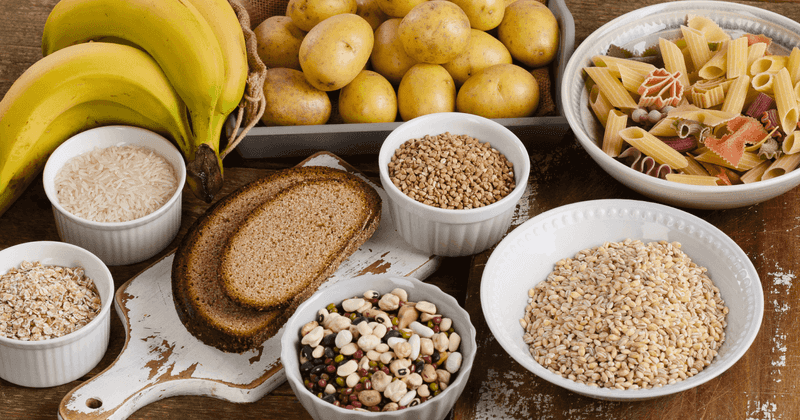
Most professional athletes eat more carbohydrates than the average person, because their main job is to fuel training and recovery, not to stay on a low-carb trend. Sports dietitians typically recommend endurance athletes get a large chunk of their calories from carbs such as rice, pasta, potatoes, oats and fruit to keep muscle glycogen topped up for repeated sessions.
Distance runners like Eliud Kipchoge have spoken about eating plenty of ugali, rice, potatoes and bread as part of their normal training diet, rather than avoiding carbs. Sprinters, footballers and tennis players will do something similar, just adjusting the total amount to fit their training load.
Hydration And Electrolytes Are Planned, Not Guesswork
For professionals, drinking is not just having a bottle nearby and hoping for the best. Sports scientists often measure sweat loss and electrolyte loss to build personal hydration plans, especially for endurance sports, tournament tennis, cycling and marathons in the heat.
You'll see real-world examples in events like the Tour de France, where riders drink water, electrolyte drinks and take in carbohydrates on the bike at regular intervals, aiming for specific amounts per hour. Tennis players at big tournaments often sip electrolyte drinks between games to replace sodium and fluids lost in sweat.
Protein Is About Repair, Not Bodybuilding
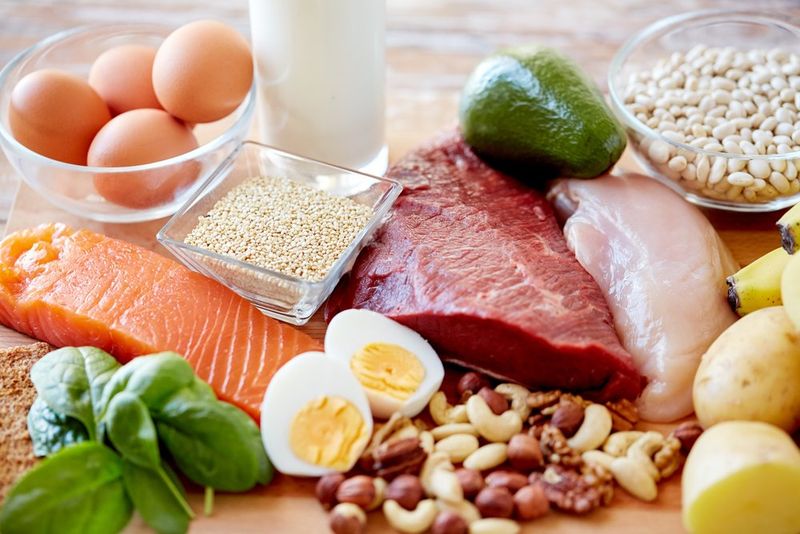
Pro athletes do not live on shakes alone, but protein is a non-negotiable part of their day. Sports nutrition guidelines usually suggest around 1.6 to 2.2 grams of protein per kilogram of body weight for strength and power athletes, and slightly lower but still higher than average for endurance athletes, to support muscle repair and adaptation.
Rugby players, weightlifters and sprinters often spread their protein over meals with foods like eggs at breakfast, chicken or tofu at lunch, yogurt or cottage cheese as snacks and fish or lean meat at dinner. Many will use whey or plant-based protein shakes around training because it is convenient.
Snacks, Timing And Little And Often
A lot of pros do not just eat three huge meals and nothing in between. Because they are training once, twice or even three times a day, many spread food into several smaller meals and snacks, so they never get to the point of feeling completely drained.
Common snack examples include Greek yogurt with fruit, nut butter on toast, smoothies, bananas, cereal bars or rice cakes with toppings. Swimmers who train early in the morning might grab a small snack before the pool, have a bigger breakfast after, then continue with lunch, an afternoon snack and an evening meal.
Supplements Are Careful, Boring And Checked
Despite all the flashy adverts, most evidence-based sports nutrition programmes only lean on a few proven supplements and treat the rest with caution. Well-supported options include things like creatine monohydrate for strength and power athletes, caffeine for performance in certain events, vitamin D if blood tests show a deficiency and sometimes whey protein for convenience.
Professional teams usually work with dietitians and medical staff to check everything is batch tested and allowed under anti-doping rules. Many big clubs and Olympic programmes keep a strict food-first policy, meaning the bulk of nutrition must come from normal food.
What Athletes Eat On Heavy Days Versus Light Days

Professional athletes adjust their food depending on how tough the day ahead is, and the difference can be surprisingly big. On hard training days or match days, meals usually contain far more carbohydrates, because carbs are the quickest, most reliable fuel for intense exercise. You'll often see athletes loading up on foods like pasta with a simple sauce, rice bowls, oats, potatoes, bananas and even sports drinks.
On lighter or rest days, the plate usually shifts to more lean protein and vegetables and slightly fewer carbs. Think grilled fish with greens, eggs, soups, salads or yoghurt bowls.