








Green beans are one of the simplest, yet most versatile veggies out there, but you’d be surprised at how many little mistakes we make while cooking them. Whether you steam them, toss them in a pan or roast them until crisp, the smallest misstep can change the flavour completely.
If you want your next batch to taste brighter, fresher and far more delicious, you’re in the right place.
This guide is simply here to help you in the kitchen and is meant for general use.
1. Not Trimming The Ends
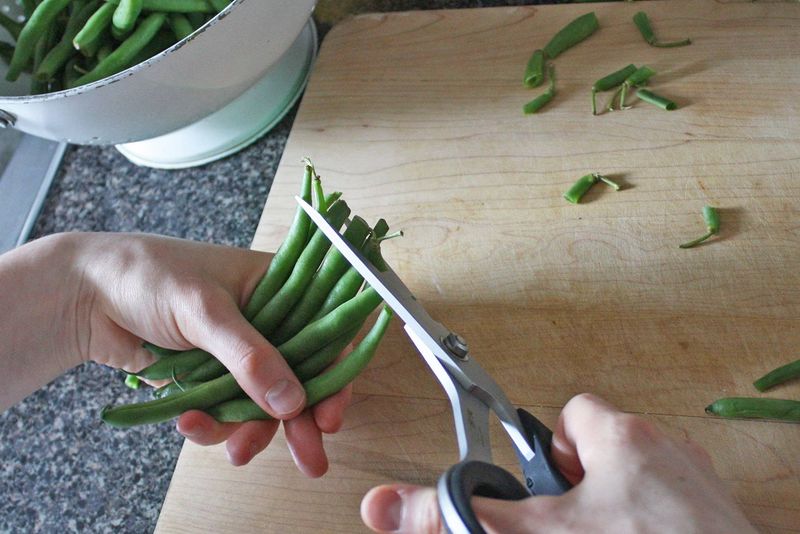
Those tough, woody ends aren't just unpleasant to look at - they're genuinely difficult to chew. Many people skip this step to save time, but it only takes a minute to trim them off.
Simply line up a handful of beans and slice off the stem ends with a sharp knife. Your guests will appreciate not having to bite through stringy, fibrous bits during dinner.
2. Skipping The Ice Bath
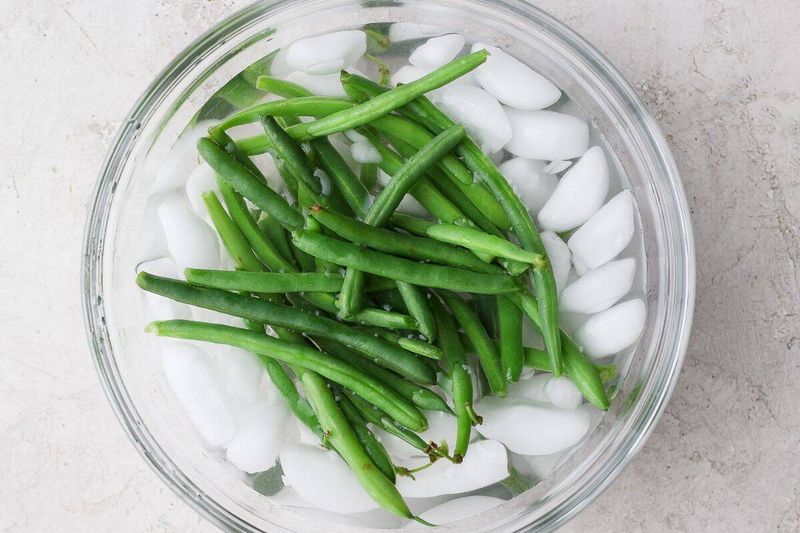
Plunging hot green beans into ice water isn't just a fancy chef trick - it actually stops the cooking process immediately. Without this step, residual heat continues cooking your beans even after draining, turning them mushy.
The ice bath also locks in that brilliant green colour and keeps the texture perfectly crisp. Prepare your ice water before you start cooking for best results.
3. Using Too Little Salt
Green beans need more salt than you might think, especially in the cooking water. Underseasoned beans taste flat and boring, no matter what else you do right.
Your boiling water should taste like the sea - around one tablespoon of salt per litre works brilliantly. This seasons the beans from the inside out, creating flavour that can't be matched by simply sprinkling salt on top afterwards.
4. Crowding The Pan
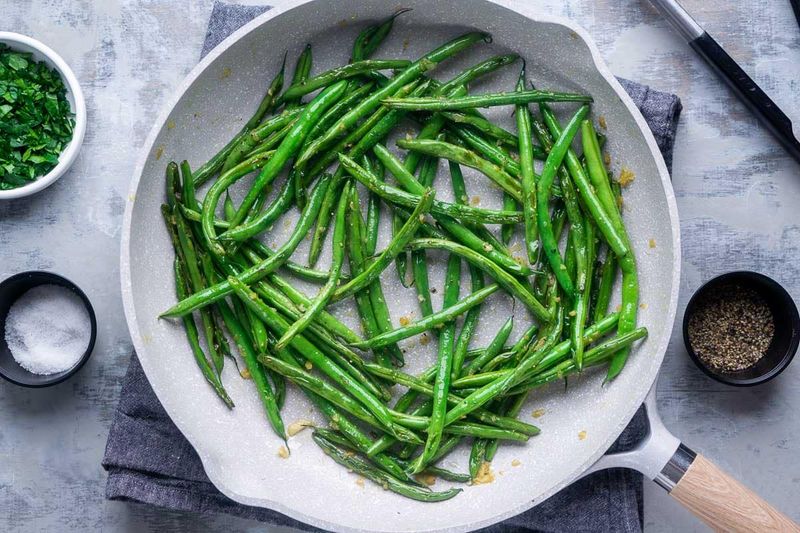
Piling too many beans into one pan creates steam instead of the lovely caramelisation you're after. When vegetables are crowded, they release moisture that gets trapped, causing them to steam and turn soggy.
Give your beans breathing room by cooking them in batches or using a larger pan. Proper spacing allows hot air to circulate, creating those delicious browned spots and concentrated flavour.
5. Starting With Cold Oil
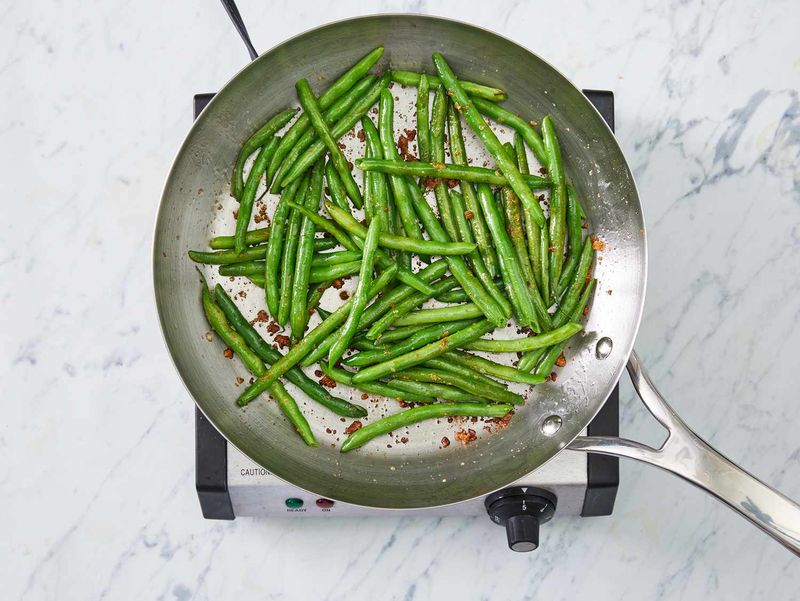
Adding beans to a cold pan means they'll absorb excess oil and turn greasy rather than crisp. The oil needs to be properly heated first - shimmering but not smoking - before your vegetables go in.
When the pan is hot enough, beans sizzle immediately upon contact, creating a beautiful sear. This quick, high-heat cooking preserves their bright colour and gives them irresistible flavour.
6. Not Drying Them First
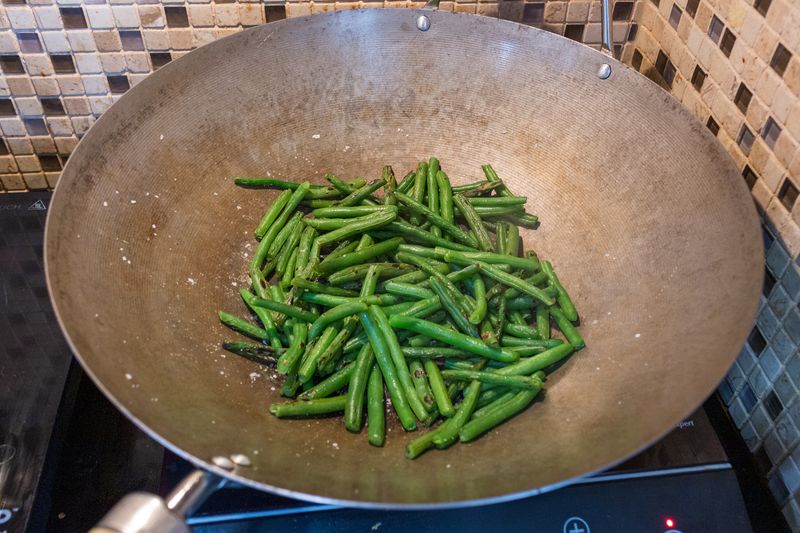
Water and hot oil don't mix well, and wet beans will splatter dangerously when they hit the pan. Excess moisture also prevents proper browning, leaving you with steamed rather than sautéed vegetables.
After washing your beans, spread them on a clean tea towel and pat them thoroughly dry. This simple step ensures even cooking and helps achieve that perfect golden-brown exterior everyone loves.
7. Cooking Them Straight From The Fridge
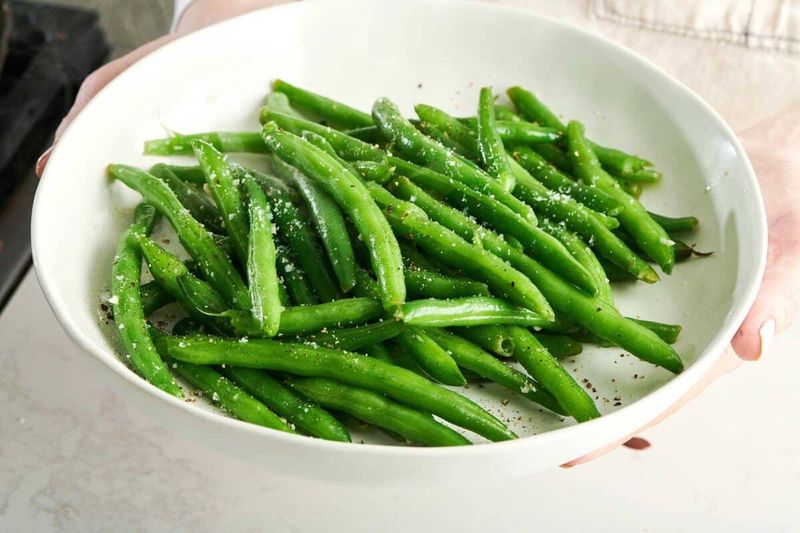
Cold beans dropped into a hot pan lower the temperature dramatically, disrupting the cooking process. This temperature shock means uneven cooking - some beans end up overdone whilst others remain undercooked.
Taking beans out of the fridge fifteen to twenty minutes before cooking allows them to reach room temperature. This ensures they cook evenly and develop better flavour and texture throughout.
8. Forgetting Aromatics
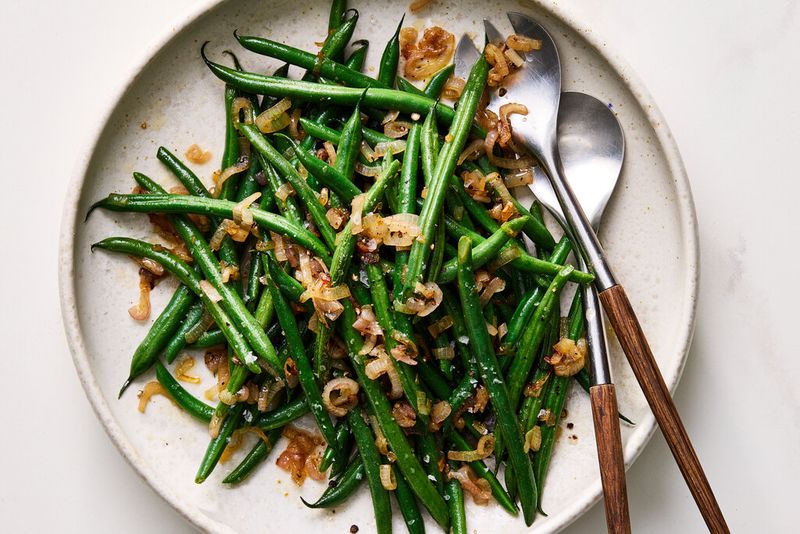
Plain beans are fine, but aromatics like garlic, shallots, or ginger transform them into something genuinely special. These flavourful additions take mere seconds to add but make an enormous difference to the final dish.
Sauté your chosen aromatics briefly in oil before adding the beans, allowing their fragrance to bloom. Even a single crushed garlic clove can elevate ordinary green beans into a memorable side.
9. Adding Acid Too Early
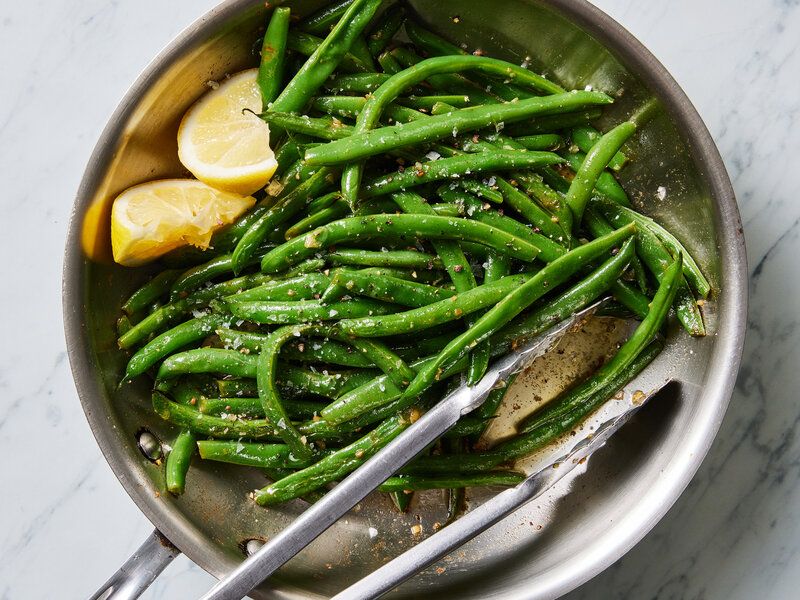
Acids like lemon juice or vinegar are brilliant for brightening green beans, but timing matters enormously. Adding them too early in the cooking process causes a chemical reaction that turns your beautiful green beans an unappetising brownish colour.
Wait until the very end - right before serving - to squeeze on fresh lemon juice or drizzle vinegar. This preserves the vibrant colour whilst still delivering that lovely tangy flavour.