








Winter might feel bare in the garden, but the season is full of vegetables that come into their own when the temperature drops. These cold-weather favourites deliver rich flavour, satisfying texture and the kind of depth that turns simple cooking into proper comfort food.
Whether you are roasting them until caramelised or simmering them gently into soups and stews, these hardy vegetables deserve a prime spot in your winter recipes.
This article offers general information on seasonal produce, and availability can vary by region and retailer. Any photos included are for illustrative purposes only.
1. Brussels Sprouts
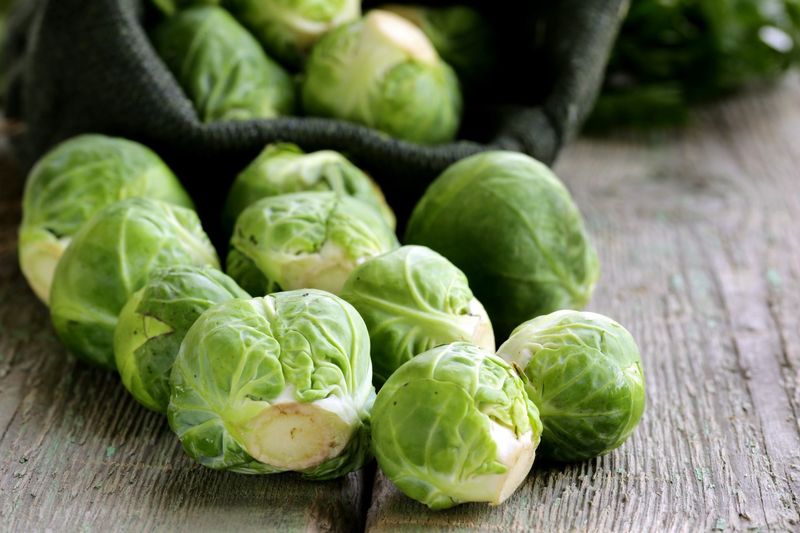
Believe it or not, these little green orbs actually taste better after a frost hits them. Cold weather converts their starches into sugars, giving them a sweeter, nuttier flavour that wins over even the skeptics.
Roasting them until crispy with a bit of butter brings out their best qualities, far removed from the soggy boiled versions that haunted school dinners. They're brilliant tossed with chestnuts and bacon for a proper festive side.
2. Parsnips
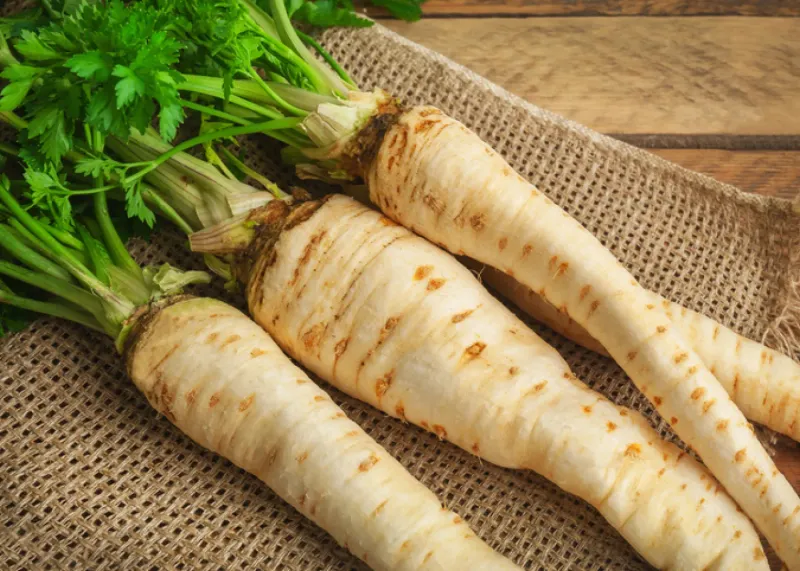
Romans introduced these cream-coloured roots to Britain, and we've been obsessed ever since. Their natural sweetness intensifies in cold soil, making them perfect for honey roasting or mashing into buttery clouds.
Parsnip crisps have become a posh alternative to potato at gastropubs across the country. Chuck them into a Sunday roast alongside your spuds, or blend them into soup for something warming and slightly peppery that hits differently on a grey January afternoon.
3. Carrots
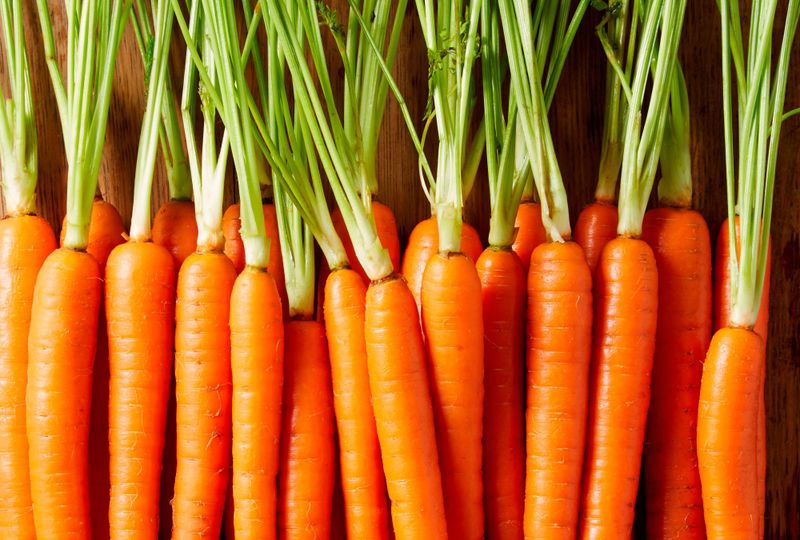
Originally purple before Dutch growers made orange fashionable, carrots reach peak sweetness during winter months. Chantenay varieties have become supermarket favourites, perfectly sized for roasting whole without any faffing about.
Their natural sugars caramelise beautifully under high heat, creating sticky, golden edges that kids and adults alike can't resist. Grated into coleslaw or simmered in a beef stew, they add earthy sweetness and a vitamin A boost that keeps winter sniffles at bay.
4. Swedes
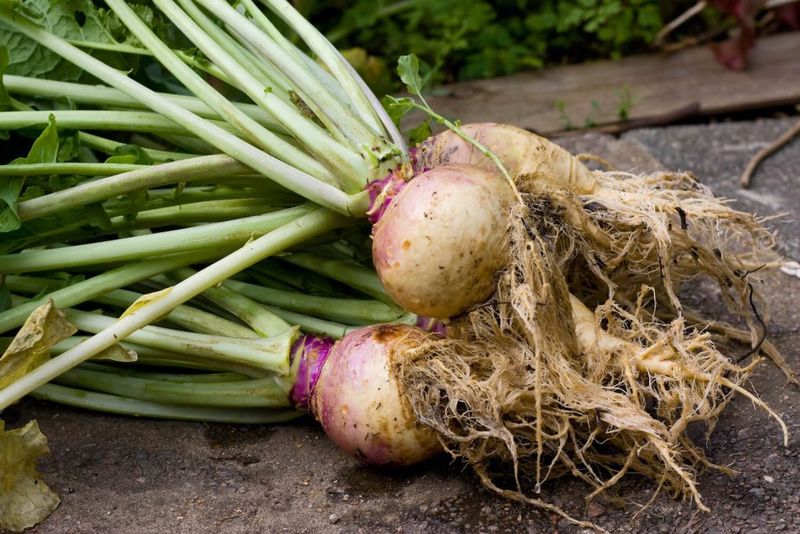
North of the border, they call them neeps and serve them mashed with haggis on Burns Night. This Swedish import thrives in harsh British winters, developing a sweet, slightly peppery taste that's dead handy in hearty dishes.
Mash them with butter and black pepper for a traditional accompaniment, or cube them for Lancashire hotpot where they soak up all those lovely meat juices. Their firm texture holds up brilliantly in slow-cooked casseroles without turning to mush.
5. Celeriac
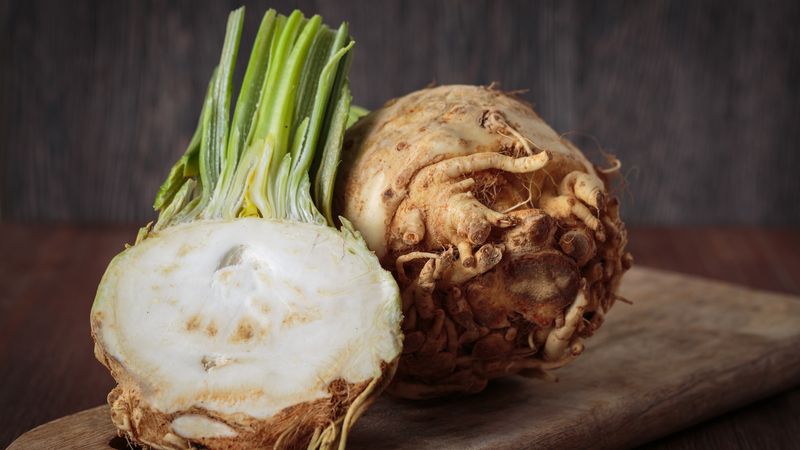
This gnarly-looking character wins no beauty contests, but its celery-like flavour with creamy texture makes it a winter kitchen hero. French bistros have long celebrated it in rémoulade, though British cooks are finally catching on to its versatility.
Roast it in chunks until golden, or purée it into silky mash that's lighter than potato but just as satisfying. It makes cracking soup too, especially paired with apple or paired with blue cheese for something a bit fancy that impresses dinner guests.
6. Leeks
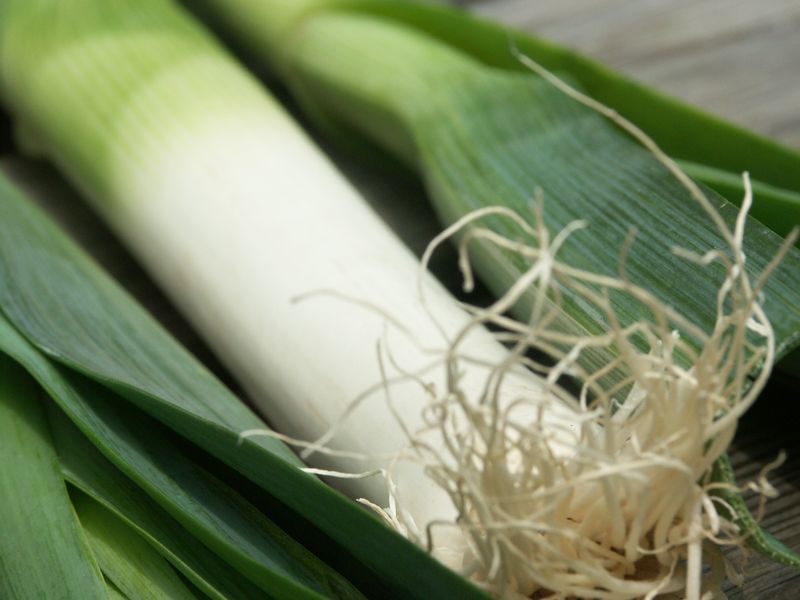
Wales claims this mild allium as its national symbol, and for good reason. They're far gentler than onions, adding subtle sweetness to pies, soups and gratins without overpowering other ingredients.
Cock-a-leekie soup remains a Scottish classic, whilst leek and potato makes for proper comfort in a bowl. Braised slowly in stock until tender, they become meltingly soft and almost buttery. Baby leeks work brilliantly on the barbecue too, charred and dressed simply with vinaigrette for a smoky side dish.
7. Savoy Cabbage
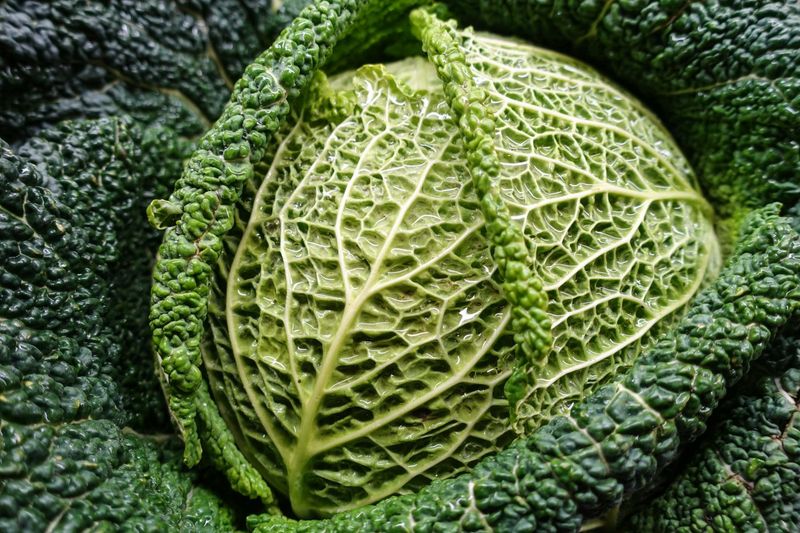
With its distinctive crinkled leaves and darker green colour, savoy stands apart from its smoother cousins. It's more tender and sweet than standard white cabbage, making it the superior choice for winter slaws and stir-fries.
Shred it finely and sauté with butter and caraway seeds for a German-inspired side that pairs beautifully with sausages. The outer leaves work brilliantly for stuffed cabbage parcels, whilst the inner heart stays crisp in salads, adding crunch and a peppery bite to winter plates.
8. Kale
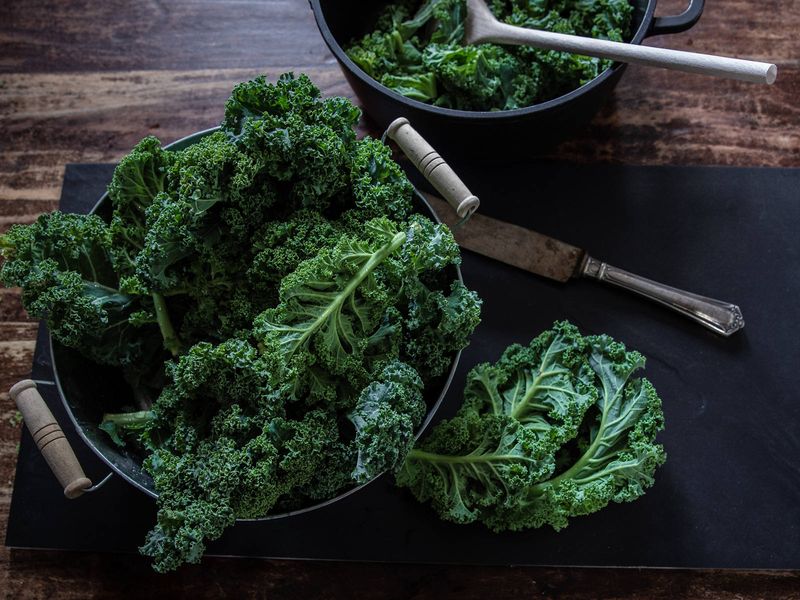
Hipster cafés made it trendy, but British gardeners have grown this hardy brassica for centuries. Cavolo nero, the dark Tuscan variety, has become particularly fashionable, though curly kale remains a solid workhorse in traditional recipes.
Massage it with olive oil to soften those tough leaves for salads, or wilt it into soups and pasta dishes. Colcannon, the Irish potato and kale mash, deserves more love on British tables. Baked into crisps, it becomes a virtuous snack, though honestly, it's never quite as satisfying as proper crisps.
9. Turnips
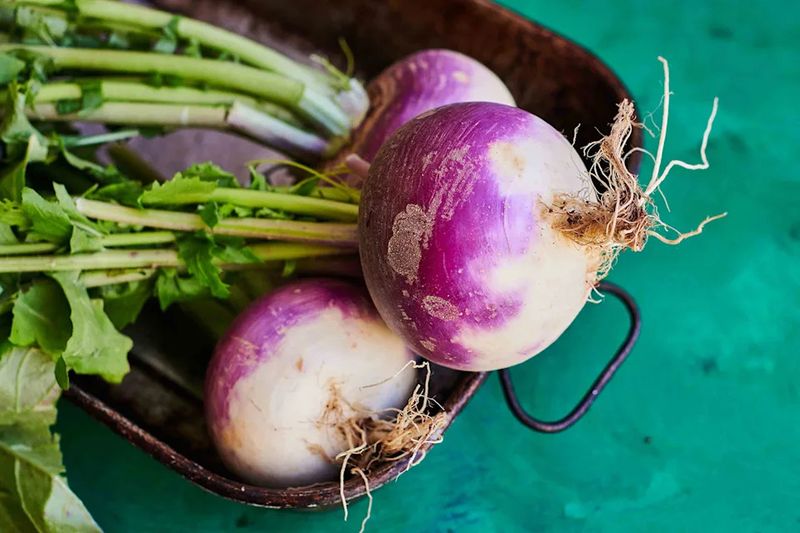
Often confused with swedes, proper turnips are smaller with white flesh and a sharper, more peppery bite. They've fallen out of fashion somewhat, which is a shame because they're brilliant when treated right.
Young turnips can be eaten raw, thinly sliced into salads for a radish-like crunch. Roast them alongside other roots, or add to stews where they absorb flavours beautifully. In Scotland, they're mashed for traditional clapshot, mixed with potatoes and chives for a side dish that's simple but satisfying.
10. Beetroot
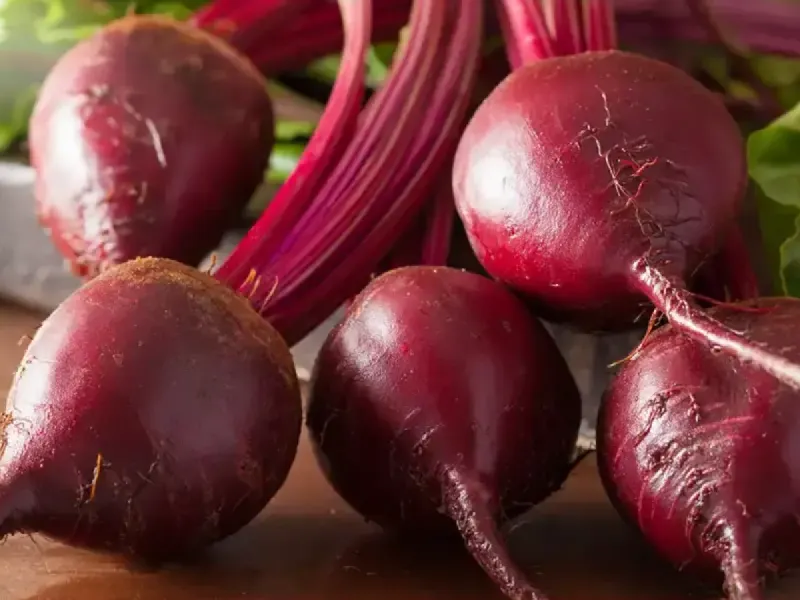
Most Brits only know them pickled from jars, swimming in vinegar alongside fish and chips. Fresh beetroot, however, offers earthy sweetness that transforms salads, risottos and even chocolate cakes into something special.
Roasting them whole in foil concentrates their flavour and makes peeling dead easy once cooled. Golden and striped varieties add visual interest to winter plates without the dramatic purple staining. Grate them raw into slaws, or purée into hummus for a vibrant pink dip that's Instagram-worthy and genuinely delicious.