




The way we eat is already changing, and it feels like technology is only just getting started. From kitchens that think for themselves to personalised menus built around our daily routines, the future of food is shaping up to be surprisingly exciting.
If you’ve ever wondered how different your meals might look a few years from now, this peek into what’s coming next will give you plenty to think about.
This article is for informational and entertaining purposes only, and future predictions may evolve as technology continues to develop.
Alternative Proteins Redefine What's On Our Plates
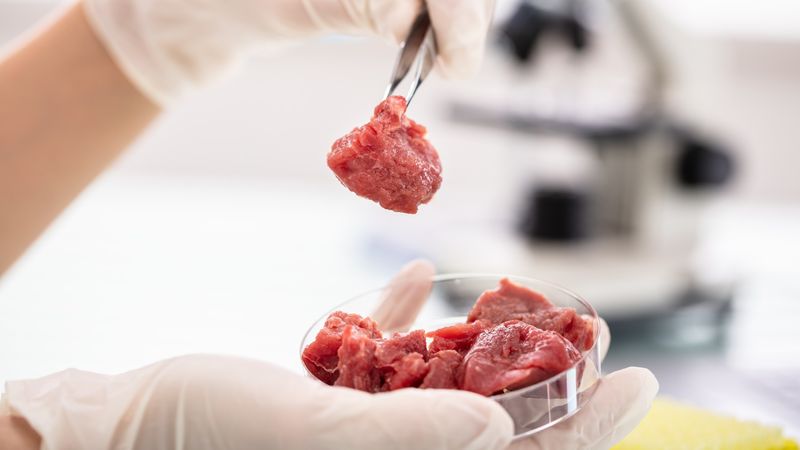
Researchers are increasingly looking to technologies like lab-cultured meat, insects, and seaweed as realistic alternatives to conventional livestock. A recent review found that emerging food systems are poised to include these novel proteins alongside underutilised crops and advanced aquaculture.
This shift is driven by the need for more sustainable, nutritious food sources as the global population grows and resources become more constrained. Companies developing cultured meat anticipate future scalability and cost reductions.
Meanwhile, edible insects and sea-derived proteins are already appearing in niche markets, signalling early stages of wider acceptance. Traditional meat may remain common, but what counts as meat on our plates could change dramatically.
Personalised Nutrition Powered By Data And Devices
Wearables, diet apps and biometric tracking mean meals could soon be tailored to your own genes, lifestyle and health history. Studies show artificial intelligence and machine-learning tools are already being used to match diets with individual metabolic and nutritional needs.
This personalised approach has the potential to prevent diet-related illnesses and improve long-term wellbeing by providing food recommendations based on real-time data. As consumers demand options aligned with both health goals and flavour preferences, food producers are responding.
Smart kitchens and connected appliances will bolster this trend, monitoring eating habits and caloric intake in real-time. Instead of generic meal plans, eating could become a uniquely personalised experience.
Smart Kitchens And Connected Appliances Take Centre Stage
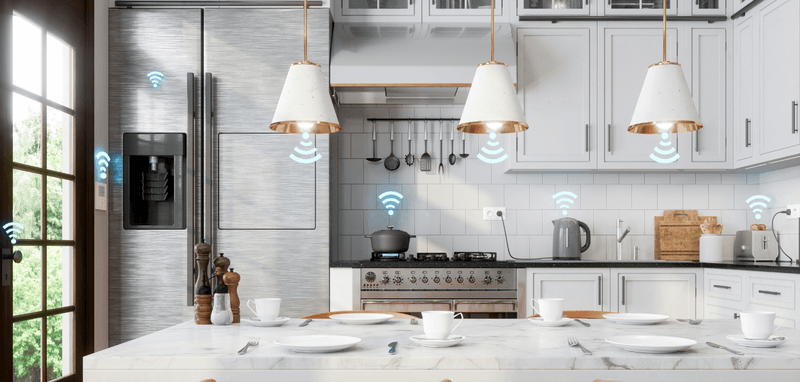
Imagine a kitchen where your oven knows what you're cooking and adjusts automatically. The move toward smart kitchens is underway, with connected devices, IoT appliances and cooking assistants already making their mark.
Features like automated recipe suggestions, temperature sensors, and integrated inventory apps are helping home cooks reduce guesswork and improve consistency. These tools also assist in timing, freshness and energy-use optimisation, reducing waste and improving efficiency.
As prices drop and connectivity becomes standard, the luxury of a guided cooking experience may become normal. Home cooking could move from old-school effort to tech-supported artistry.
Automation, Robotics And The Way We Dine Out
Robots aren't just science fiction in the kitchen - they're already shaping food service in real life. Automated cooking systems, robot chefs, AI-powered order kiosks and cashier-less dining are gaining traction as restaurants seek innovation and cost-efficiency.
These technologies handle repetitive tasks - like frying, flipping or dispensing - freeing human staff to focus on creativity, interaction and customer experience. Staff shortages and rising labour costs mean automation is becoming more than just a novelty; it's a strategic move in hospitality.
While human touch remains important, the food-service landscape is evolving fast. You might be served by a machine, or at least a machine-assisted process.
Transparent Supply Chains And Traceable Food Histories
In future, the story behind your meal might matter as much as its taste. Digital tools like blockchain, sensor networks and AI tracking are transforming food supply chains into transparent, resilient systems.
These technologies allow consumers and businesses to trace food from farm to fork - covering origin, nutritional data and environmental impact. This level of transparency helps build trust in food sources and supports sustainability goals.
Knowing where your food comes from will not just be a luxury - it could become standard. Food labels may evolve into digital profiles, offering detailed provenance if you scan them.
3D Food Printing Creates Customized Meals
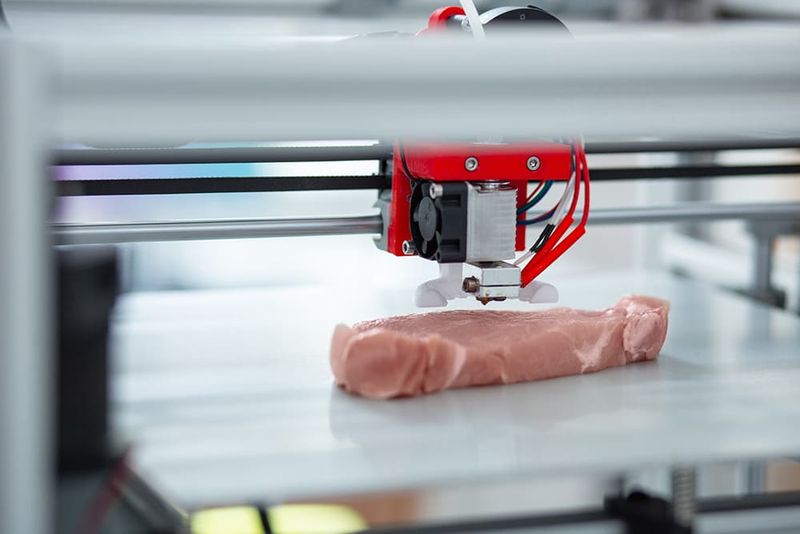
Picture a machine that prints your dinner layer by layer, exactly how you want it. 3D food printing is moving from laboratories into kitchens, allowing chefs and home cooks to create intricate designs with precise nutritional content.
This technology lets you customise texture, shape, flavour and nutrients in ways traditional cooking can't match. Hospitals could print soft meals for patients with swallowing difficulties, while athletes might print protein-rich snacks tailored to training needs.
Although still developing, food printing could revolutionise how we think about meal preparation. Your next birthday cake might be printed, not baked.
Sustainability And Circular Food Systems Become Core
The future of food isn't just about flavour - it's about responsibility. Emerging models emphasise circular food systems, which aim to use resources efficiently, reduce waste and regenerate ecosystems.
Technologies are emerging that transform food by-products into new ingredients, reduce resource use in production, and leverage under-utilised crops for nutrition. These innovations respond to climate risk, soil degradation and food-system fragility.
Consumers are increasingly seeking food that aligns with both health and environmental aims. The next era of eating will connect what's on your plate to what's happening in the world.
Vertical Farms Bring Fresh Produce To Cities
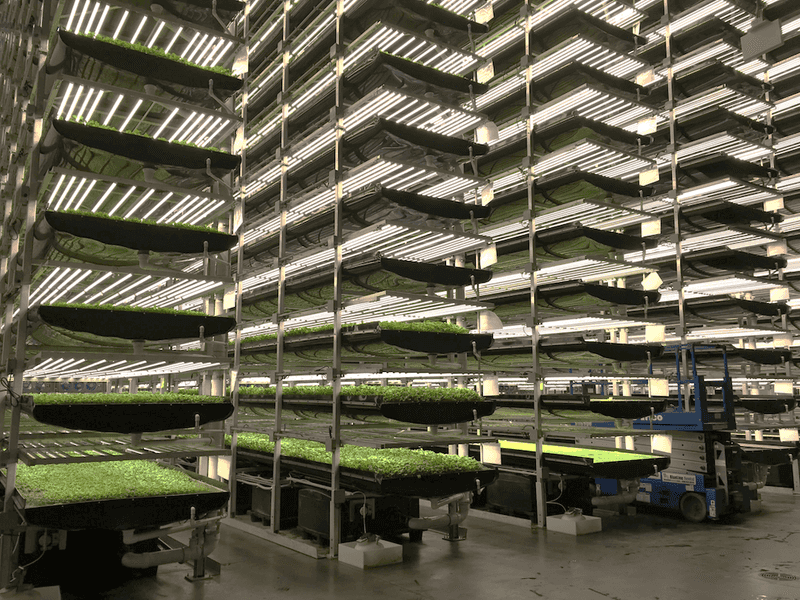
Skyscrapers filled with lettuce, tomatoes and herbs are popping up in cities worldwide. Vertical farming uses stacked layers, controlled environments and LED lighting to grow crops indoors year-round, using far less water and land than traditional agriculture.
Because these farms sit close to consumers, produce arrives fresher and transportation emissions drop significantly. Advanced sensors monitor plant health, while automated systems handle watering and harvesting.
As urban populations swell and farmland shrinks, growing food in cities makes increasing sense. Your salad greens might soon come from a building downtown rather than a distant field.