








Pickles have always been a beloved snack, but could they actually be doing wonders for your gut health? With their tangy crunch and distinctive flavour, pickles might just be more than a tasty treat – they could be helping to support your digestion. Let’s take a deeper look at whether this popular snack really does live up to the gut health hype.
This content is for general informational purposes only. While pickles can be beneficial for gut health due to their fermentation process, they may not be suitable for everyone, especially those watching their salt intake. Always consult with a healthcare provider for personalised advice.
Fermented Pickles And Their Probiotics Advantage
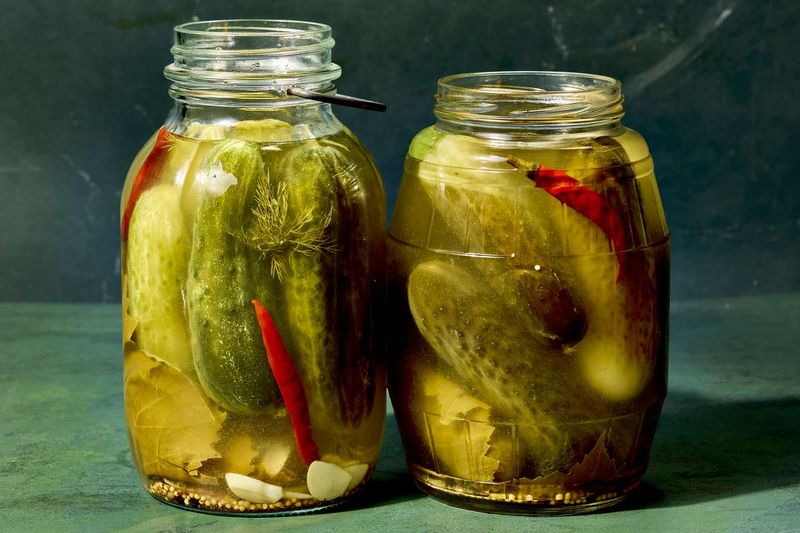
Fermented pickles contain live bacteria that can support digestive health by promoting a balanced gut microbiome. During the fermentation process, beneficial microorganisms like lactobacillus are produced, which may help with digestion and gut health. However, not all types of pickles are fermented, and some store-bought versions are made with vinegar, which doesn’t provide the same probiotic benefits.
Look for labels that mention "lacto-fermented" or "contains live cultures" to ensure you're getting the full benefits.
How To Identify Gut‑Friendly Pickles At The Store
Reading labels carefully makes all the difference when shopping for gut-healthy pickles. Check ingredient lists for simple components like cucumbers, water, salt, and spices without added vinegar or preservatives.
Refrigerated pickles typically contain active cultures, whilst shelf-stable jars have usually been pasteurised. Pasteurisation kills beneficial bacteria, eliminating probiotic advantages you're seeking for digestive wellness.
Words like "raw," "unpasteurised," or "contains live cultures" signal genuine probiotic content. Avoid products with artificial colours, excess sugar, or chemical preservatives that undermine gut health goals.
Nutritional Benefits Beyond Gut Health
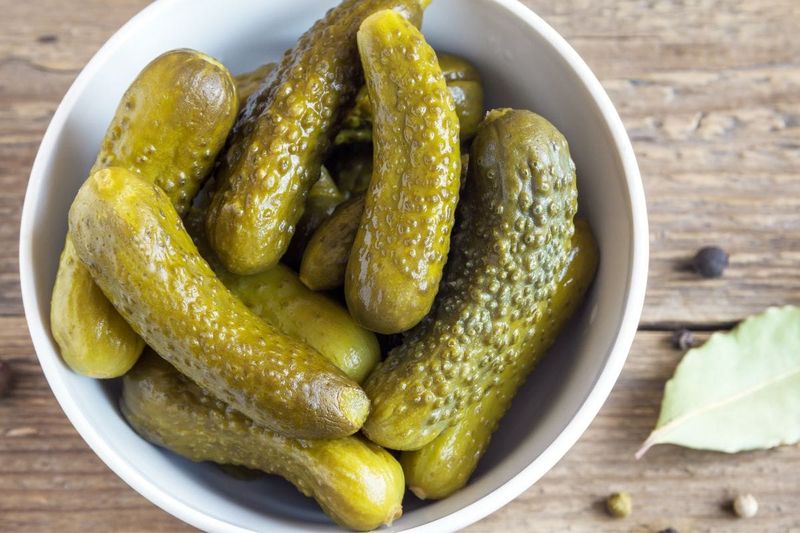
Pickles can offer some surprising nutritional benefits beyond gut health. Fermented pickles are low in calories and provide small amounts of vitamins and minerals, including vitamin K, which supports bone health. Additionally, cucumbers, the main ingredient in pickles, contain antioxidants that may help reduce inflammation.
While not a major source of these nutrients, they can still be a valuable addition to a balanced diet.
High Sodium And Other Potential Drawbacks
One of the main concerns with pickles is their high sodium content, which can contribute to high blood pressure if consumed in excess. While sodium is necessary for bodily functions, it’s important to consume pickles in moderation, especially if you're on a low-sodium diet.
Some people may also experience bloating or discomfort from the salt content, so it’s always a good idea to balance pickles with lower-sodium foods.
Pickle Juice Versus Whole Pickles For Gut Support
Both pickle juice and whole pickles can provide probiotic benefits due to the fermentation process, but whole pickles offer the added advantage of fiber. The fiber in pickles helps promote healthy digestion by supporting gut bacteria and aiding in bowel regularity.
While pickle juice can provide a quick electrolyte boost, whole pickles are a more complete option for long-lasting gut support, thanks to the fiber and probiotic content.
Making Pickles Part Of A Balanced Gut Health Strategy
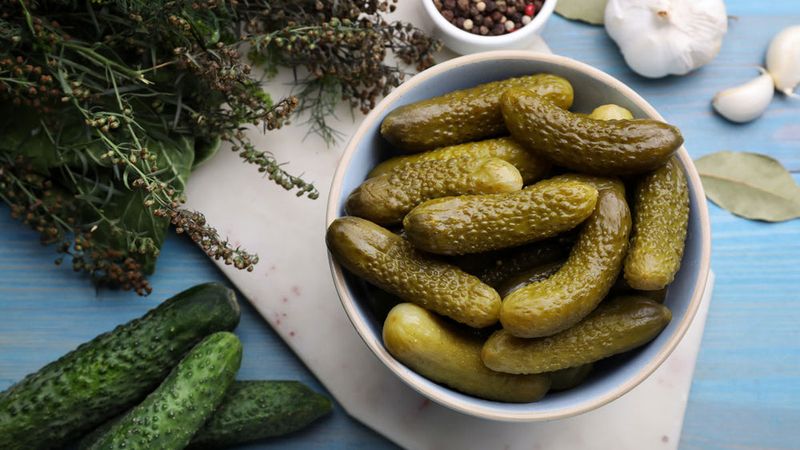
Pickles work best as one component of a comprehensive gut health approach rather than a miracle cure. Combine them with other fermented foods like yoghurt, kefir, and sauerkraut for diverse probiotic strains.
Pair your pickle consumption with plenty of fibre-rich fruits, vegetables, and whole grains. This combination feeds beneficial bacteria whilst probiotics colonise your digestive tract for optimal microbiome diversity.
Start with small portions if you're new to fermented foods, gradually increasing as your system adjusts. Consistency matters more than quantity - regular, moderate consumption yields better results than occasional overindulgence.