




King Charles III is known for his refined palate and long-standing commitment to mindful eating. Yet even with his appreciation for fine cuisine, there are certain foods he chooses to avoid altogether.
From ingredients commonly found in British kitchens to delicacies served at royal banquets, his food preferences reveal both personal taste and principle.
This article is for general information only and reflects publicly available details about King Charles III’s reported food preferences. Availability and presentation of items may vary. Photos are for illustrative purposes only.
1. Coffee
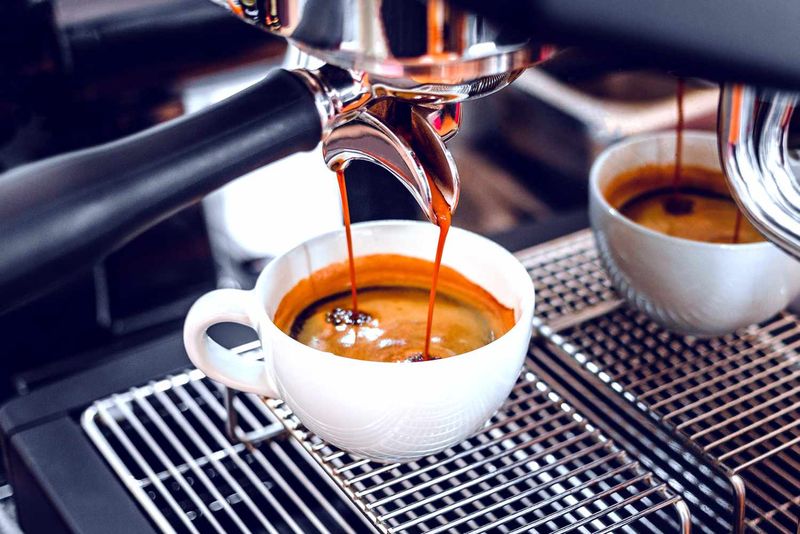
Millions of Brits start their day with a proper brew, but not the one you might expect at Buckingham Palace. His Majesty has never been keen on coffee, preferring instead a cup of tea to kickstart his mornings.
According to former royal chef Darren McGrady, the King has always favoured loose leaf tea over any coffee variety. It's quite the departure from many modern households where coffee machines have pride of place.
This preference isn't just about taste either – it reflects a lifelong commitment to traditional British customs and routines that have shaped his daily rituals for decades.
2. Hard-Boiled Eggs
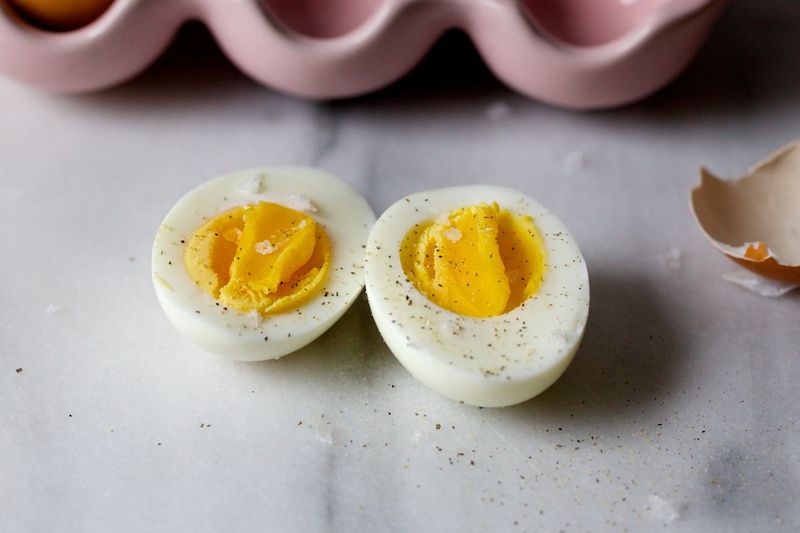
Picture the quintessential British breakfast: toast, eggs, and all the trimmings. But there's a particular way the King insists his eggs must be prepared, and it's rather exacting.
Hard-boiled eggs never appear on his breakfast tray because he requires them boiled for exactly four minutes – no more, no less. Former royal staff have shared that timing is absolutely crucial, and palace kitchens use special techniques to ensure perfection.
The result? A soft-boiled egg with a runny yolk that's just right for dipping those toast soldiers, a childhood favourite that remains a non-negotiable part of his morning routine.
3. Garlic
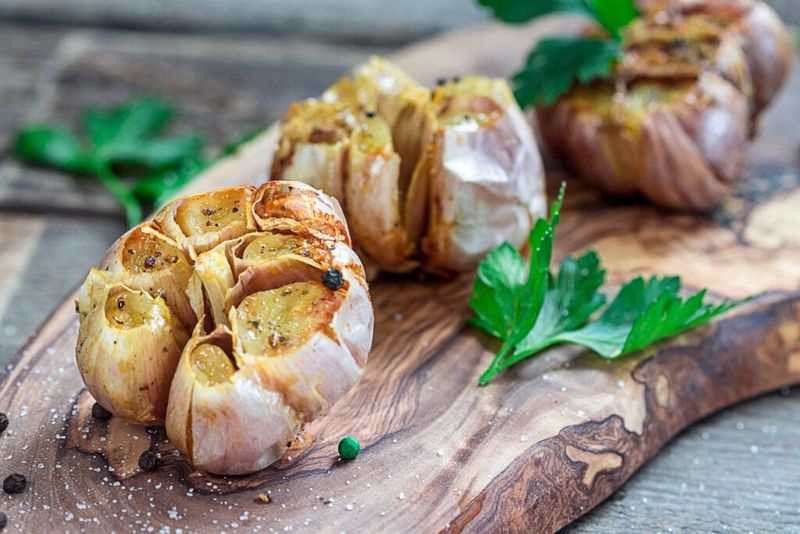
Fancy a bit of garlic bread with your Sunday roast? Well, you won't find it served at any royal engagement. The palace has a longstanding ban on this pungent ingredient, and it's all rather practical when you think about it.
Royal protocol dictates that garlic should be avoided because of the close conversations and public interactions that come with official duties. Nobody wants garlic breath when meeting dignitaries or greeting members of the public at garden parties.
This rule applies across all royal households, ensuring everyone from the King down maintains fresh breath during their countless daily engagements and formal dinners.
4. Unseasonal Fruits And Vegetables
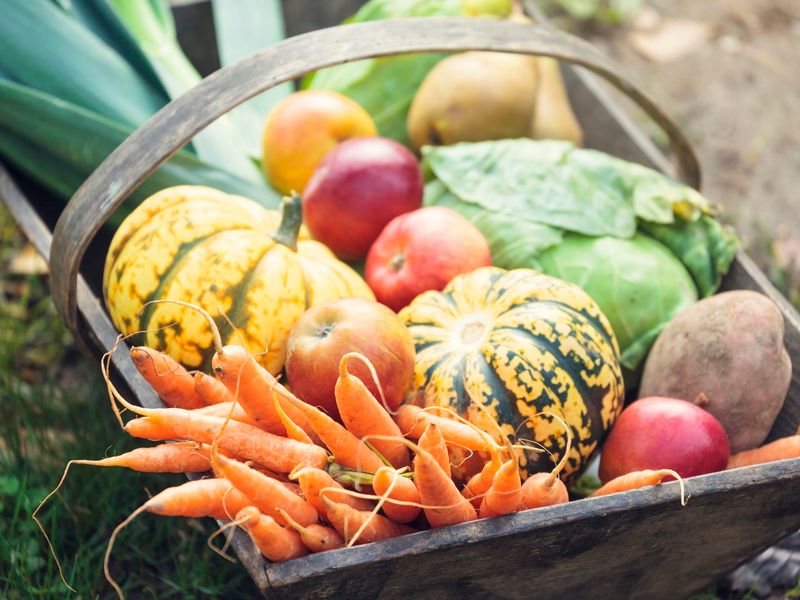
Walk into any supermarket and you'll find strawberries in December and asparagus in autumn. But this modern convenience doesn't fly with the King's environmental principles.
His Majesty refuses to eat fruit and vegetables that aren't in season, a stance rooted in his decades-long commitment to sustainable living and supporting British farmers. This means no imported berries in winter or greenhouse tomatoes when they shouldn't naturally grow.
Former palace staff confirm that menus are carefully planned around what's available locally and seasonally, reflecting his broader environmental advocacy and organic farming principles at his Highgrove estate.
5. Wrong-Temperature Biscuits
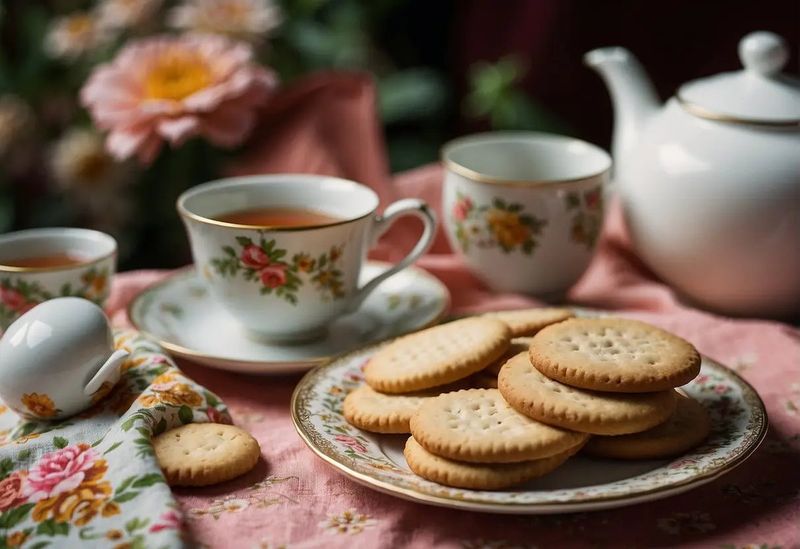
Biscuits are a cornerstone of British tea culture, but the King has rather exacting standards about how they should be served. Temperature matters more than you might think when it comes to dunking.
Reports suggest he prefers his biscuits served at room temperature, never cold from the tin or warm from the oven. This ensures the perfect texture for accompanying his afternoon tea – not too hard, not too soft.
It's the sort of detail that might seem fussy to some, but when you've enjoyed thousands of tea breaks over a lifetime, you know exactly how you like things done.
6. Whole Bananas
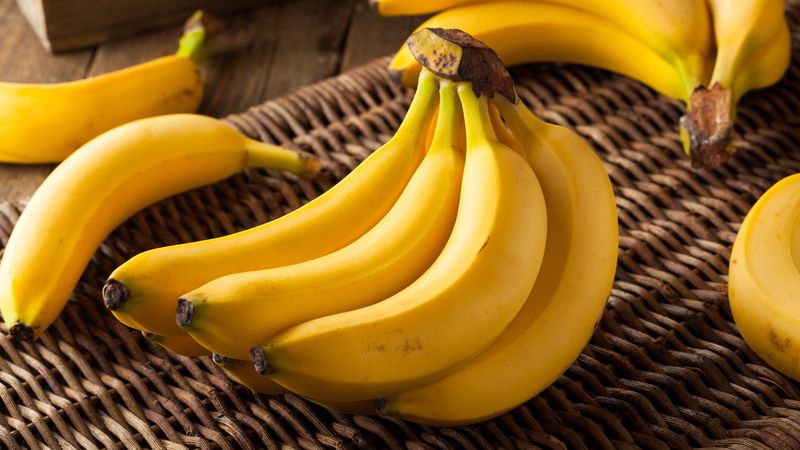
Most of us would simply peel a banana and eat it straight from the skin. But royal etiquette demands something rather more refined, and the King follows protocol to the letter.
He never eats whole bananas the way ordinary folk do. Instead, palace staff prepare them properly – peeled, sliced with a knife and fork, and served on a plate. Former butler Grant Harrold confirmed this practice extends to most fruits, as eating with one's hands at formal meals simply isn't done.
It might seem over the top, but when you're dining at state banquets, certain standards must be maintained throughout every course.
7. Foie Gras
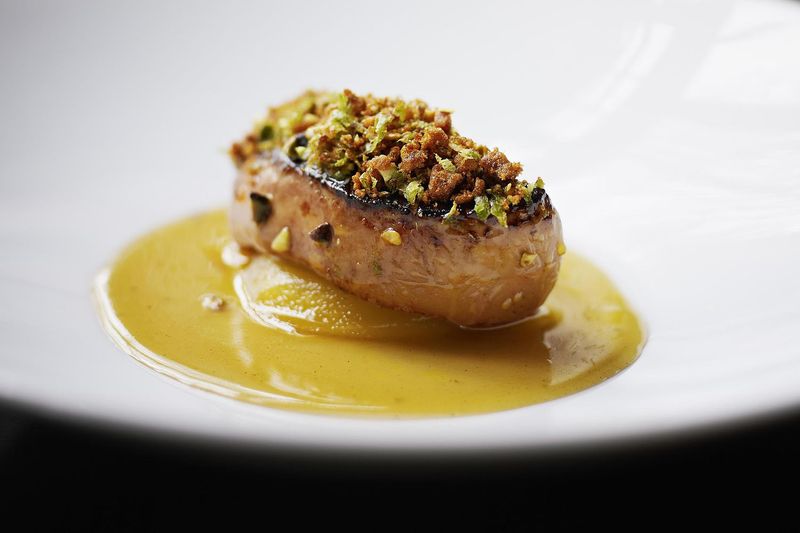
This French delicacy appears on many fine dining menus across Britain, but you'll never find it at a royal function hosted by King Charles. His reasoning goes beyond personal taste preferences.
The King banned foie gras from all royal residences years ago due to animal welfare concerns surrounding its production. The force-feeding process used to create the dish conflicts directly with his ethical stance on farming and animal treatment.
This decision reflects his broader commitment to compassionate food practices and has influenced catering policies across all royal households. It's a clear example of how personal values can shape institutional practices at the highest level of British society.
8. Chocolate
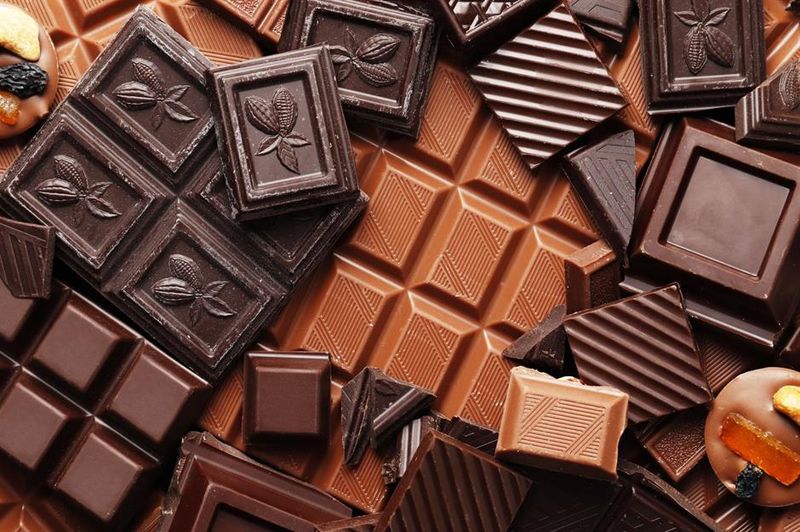
In a kingdom filled with culinary delights, chocolate is notably absent from King Charles's plate. This sweet treat, adored by many, doesn't find favor with him. Perhaps it's the richness or the overwhelming sweetness that deters his royal palate.
Given his commitment to health and wellness, it's no surprise he avoids chocolate, often linked with indulgence. Instead, King Charles might prefer a more subtle dessert or something with a light, fruity taste.
Interestingly, chocolate's absence from his diet showcases a unique aspect of his tastes. Even in matters of food, the king makes deliberate choices that align with his values.