







Picture this – you’re browsing the chocolate aisle and, among the familiar browns and creams, something truly stands out: a chocolate bar that’s naturally rosy-pink, not dyed or berry-flavoured.
That’s ruby chocolate, widely described as the fourth type of chocolate alongside milk, dark and white, and it’s quietly making its mark in the confectionery world.
This content is for general information only. Taste, appearance and availability may vary depending on brand and location. Photos are for illustrative purposes only.
1. A New Chapter In Chocolate History
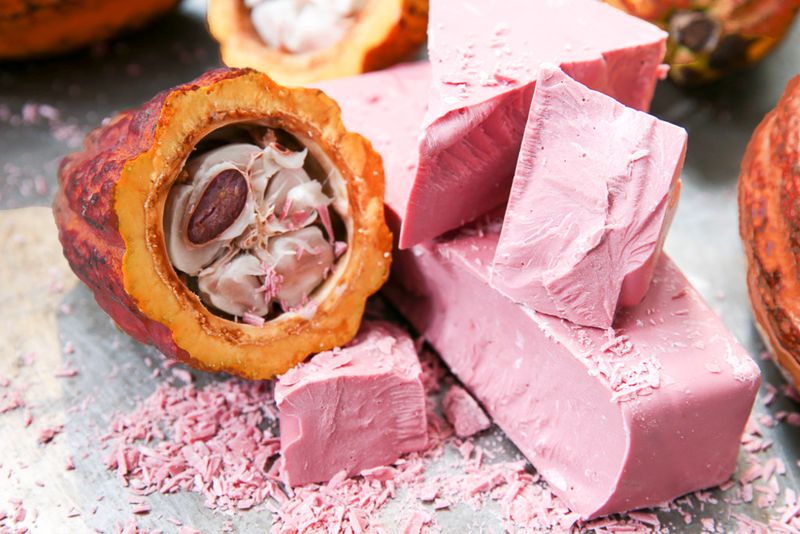
For over 80 years, chocolate lovers only had three main types to choose from. Then, in 2017, Swiss chocolatier Barry Callebaut dropped a bombshell that sent ripples through the food industry worldwide.
Ruby chocolate arrived on the scene, and suddenly, everything changed. It wasn't artificially coloured or berry-infused – this was something genuinely different, born from unique cocoa beans that had been quietly studied for more than a decade.
The chocolate world hadn't seen innovation like this since white chocolate appeared in the 1930s, making ruby's debut a proper game-changer.
2. Where Ruby Chocolate Comes From
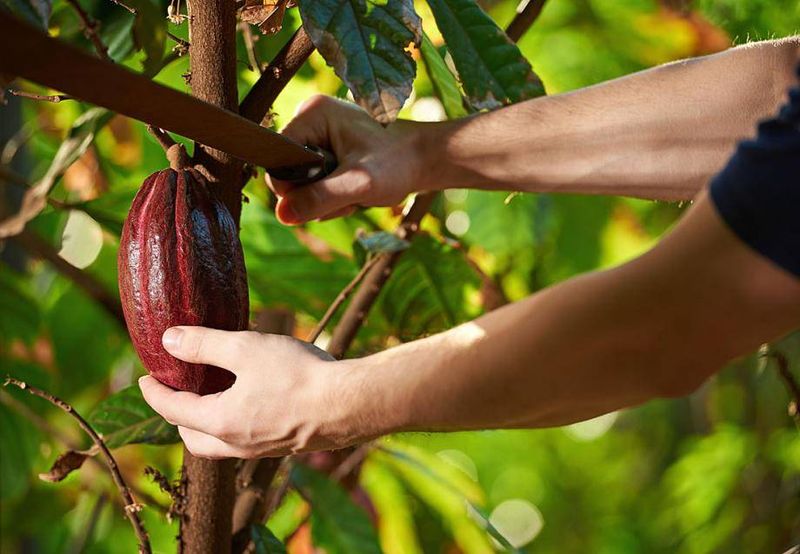
Unlike what you might expect, ruby chocolate doesn't grow on special pink trees. The magic lies in particular cocoa beans sourced from Ecuador, Brazil, and Ivory Coast – regions known for producing exceptional cacao.
These beans possess unique precursors that, when processed correctly, unlock that signature rosy hue. Barry Callebaut spent years identifying which beans had the right stuff, essentially hunting for chocolate's hidden treasure.
The whole operation is a bit like wine-making, where terroir and bean selection matter enormously to the final product.
3. How Ruby Chocolate Is Made
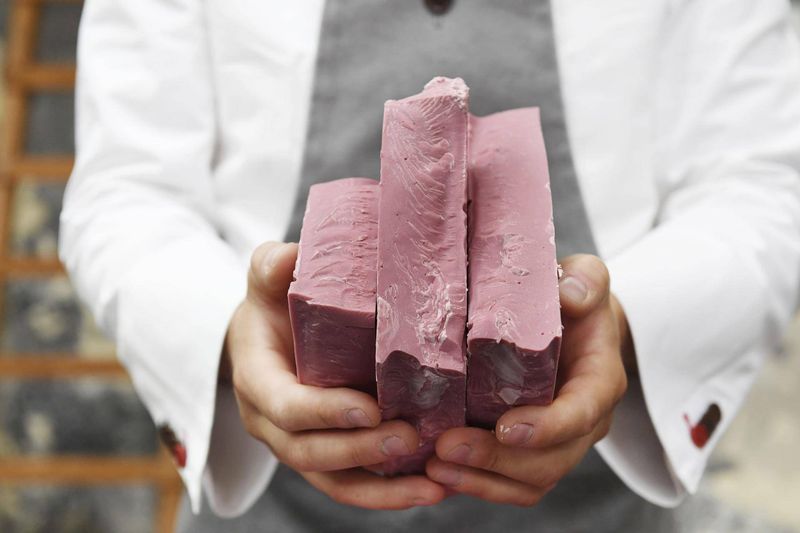
Creating ruby chocolate isn't just about melting down any old cocoa beans and hoping for the best. Barry Callebaut developed a proprietary process that's kept under wraps tighter than the Crown Jewels.
What we do know is that specific processing techniques unlock the naturally occurring pink pigments and fruity flavour compounds already present in the beans. No artificial colours, no berry extracts – just clever science meeting nature.
The entire method took over a decade to perfect, proving that good things truly come to those who wait.
4. How It Gets Its Distinctive Pink Colour
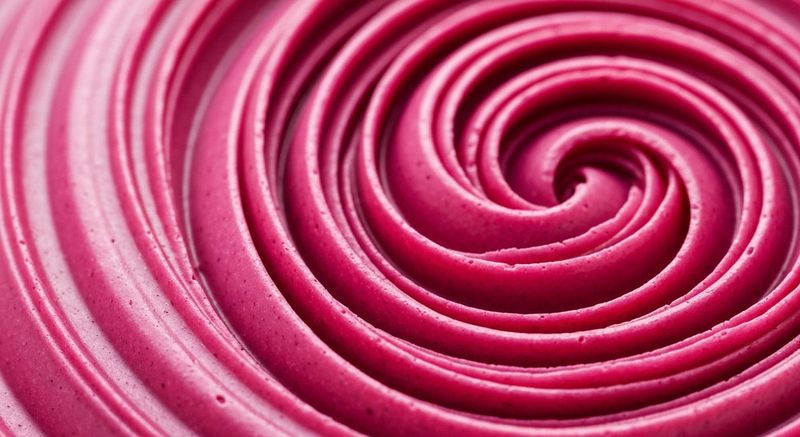
Here's where ruby chocolate gets really interesting: that gorgeous pink isn't painted on or mixed in. The colour comes from natural precursors found within the cocoa beans themselves, which are carefully preserved during processing.
When treated with Barry Callebaut's special technique, these compounds reveal their true colours – literally. It's somewhat like how heating brings out caramelisation in onions, except here we're coaxing out pink tones instead of golden browns.
This natural approach means each batch can vary slightly in shade, adding to ruby's artisanal charm.
5. The Flavour That Sets It Apart
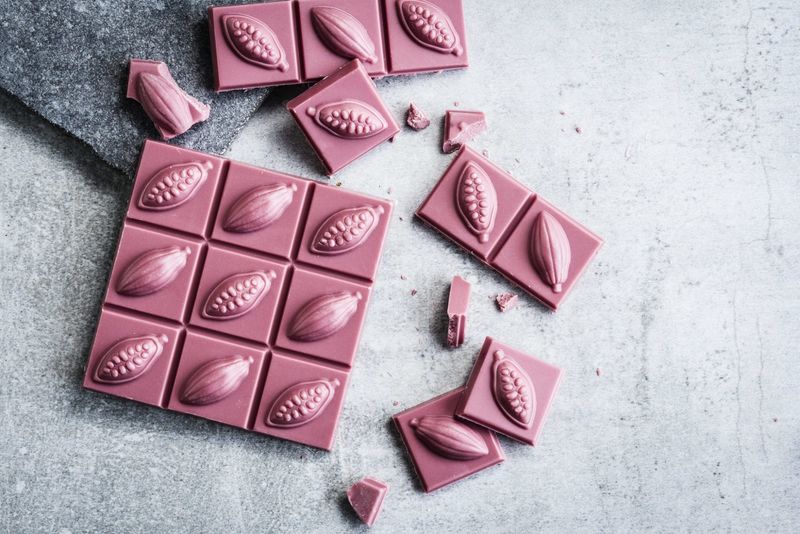
Forget everything you know about chocolate flavour – ruby doesn't play by the usual rules. Instead of the deep, roasted notes you'd expect, it delivers a surprisingly fruity, slightly tart taste that's been compared to berries, yet contains none.
Some tasters detect hints of citrus, whilst others pick up on a gentle sourness that balances the sweetness beautifully. The texture is smooth and creamy, similar to good quality milk chocolate, but the flavour profile is entirely its own beast.
It's this uniqueness that has chefs and chocolatiers absolutely buzzing with creative possibilities.
6. How It Compares To Milk, Dark, And White Chocolate
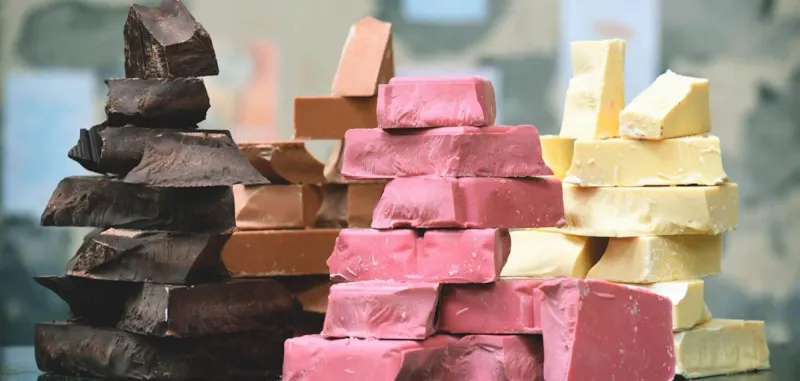
Ruby sits in its own category, refusing to be pigeonholed alongside its older siblings. Milk chocolate brings comfort with its sweet creaminess, dark offers sophisticated bitterness, and white provides vanilla-rich indulgence.
Ruby, however, arrives with fruity tartness and that stunning pink hue, creating an entirely fresh experience. It contains cocoa solids like dark and milk chocolate, but the flavour leans lighter and brighter than either.
Think of it as the adventurous cousin who studied abroad and came back with exciting stories – familiar enough to love, different enough to intrigue.
7. Creative Ways To Enjoy Ruby Chocolate
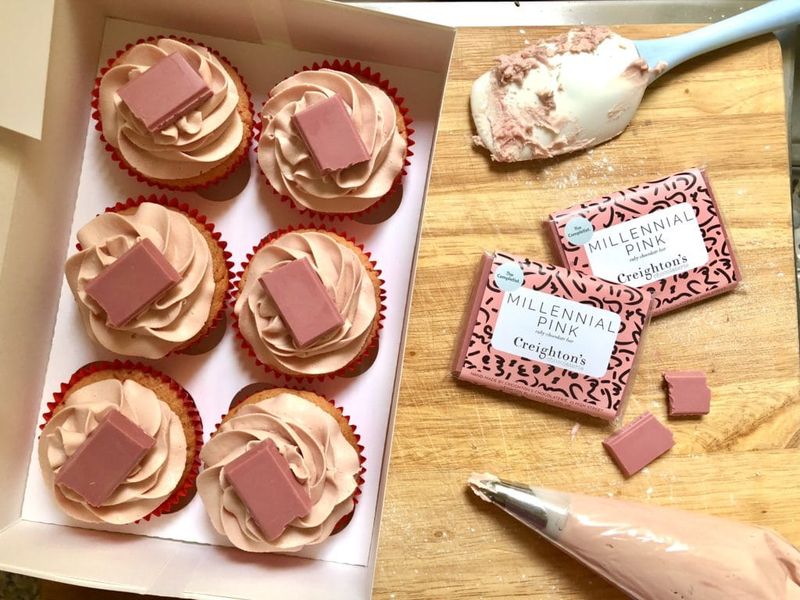
British supermarkets and high street shops have embraced ruby with open arms. You'll find it in KitKat bars at Tesco, Waitrose stocks ruby truffles, and artisan chocolatiers across the country are crafting everything from ruby brownies to pink hot chocolate.
The fruity notes pair brilliantly with raspberries, strawberries, and even pistachios, making it perfect for afternoon tea treats. Some adventurous bakers are incorporating it into Victoria sponges, whilst others create stunning pink chocolate shards for decorating cakes.
The possibilities are genuinely endless, limited only by imagination.
8. Why It's Gaining Popularity Around The World
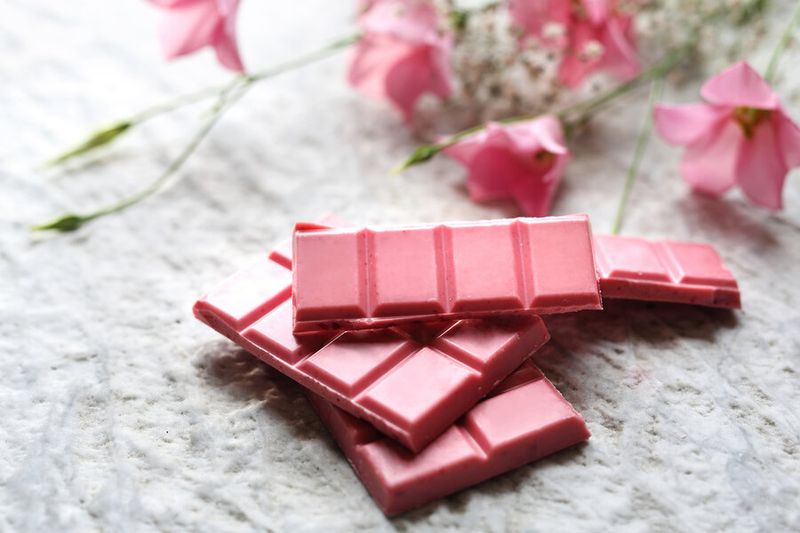
Social media has played a massive role in ruby's rise to fame – that photogenic pink colour is Instagram gold. But there's more to its success than just good looks.
Consumers are increasingly seeking novel experiences, and ruby delivers something genuinely new in a market that hadn't seen real innovation in decades. It appeals to adventurous eaters who want to try the latest thing, whilst the natural positioning resonates with those avoiding artificial additives.
From Tokyo to London, ruby chocolate has become a symbol of culinary innovation and a testament to what's still possible in food science.