


There’s something wonderfully unpredictable about British cuisine - one moment you’re biting into something comforting, the next you’re questioning what on earth is on your plate. From pies with unexpected fillings to spreads that divide households, Britain’s love for quirky food runs deep.
If you’ve got an adventurous palate, this list will give you a taste of the country’s most unusual yet beloved eats.
This article is for general informational and cultural interest only. Regional recipes and ingredients may vary, so always check local availability and food labels if you plan to try any of these dishes yourself.
1. Stargazy Pie
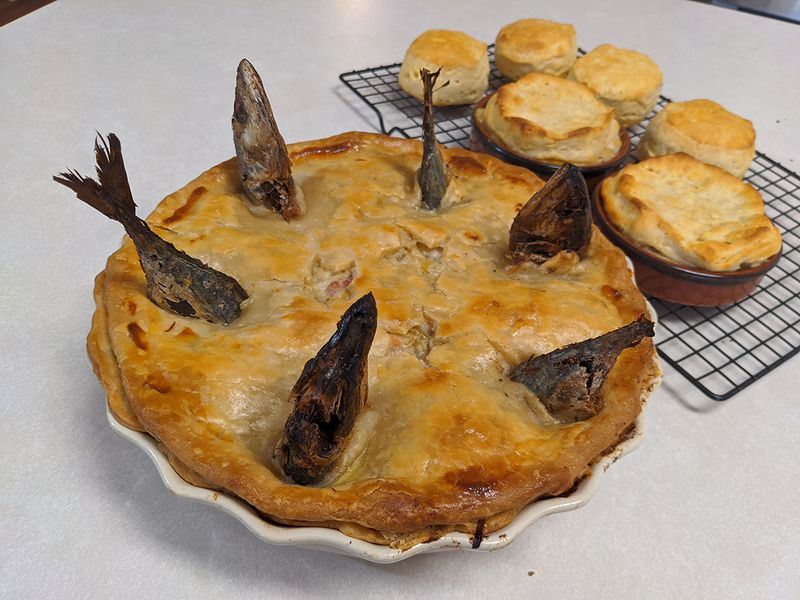
Pilchards poke their heads through the pastry crust in this Cornish speciality, creating an unforgettable appearance. The fish are baked whole with their heads and tails sticking out, supposedly gazing at the stars.
Legend says a fisherman named Tom Bawcock saved his village from starvation by catching enough fish during a storm. Today, locals celebrate this tale every December with this peculiar pie that honours his bravery and generosity.
2. Jellied Eels
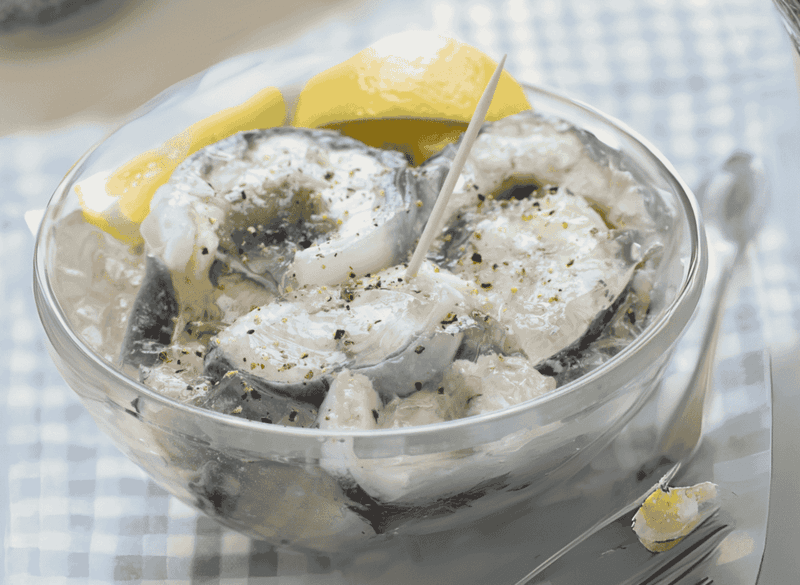
Chopped eels set in a cloudy meat jelly might sound strange, but Londoners have cherished this dish since the 18th century. The eels are boiled with herbs and left to cool, forming a natural gelatine.
Street vendors once sold this affordable protein-rich snack throughout the capital's East End. Though less common now, you can still find jellied eels in traditional pie and mash shops, where they're served cold with vinegar and white pepper.
3. Black Pudding
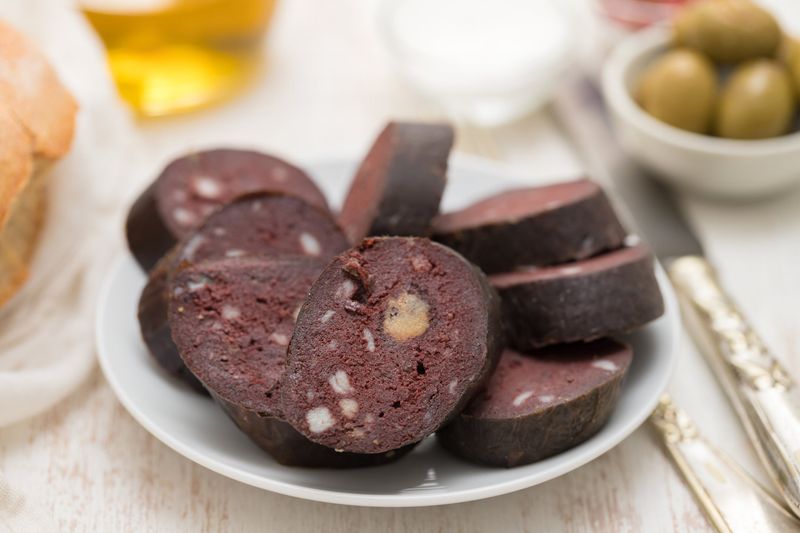
Blood sausage gets a British makeover with oatmeal, pork fat, and spices mixed into congealed pig's blood. The result is a dark, crumbly sausage that's either loved or avoided entirely.
Fried slices often appear on full English breakfasts, adding an earthy, rich flavour. Different regions produce their own versions, with Lancashire's Bury black pudding particularly famous for its quality and distinctive taste that locals defend passionately.
4. Laverbread
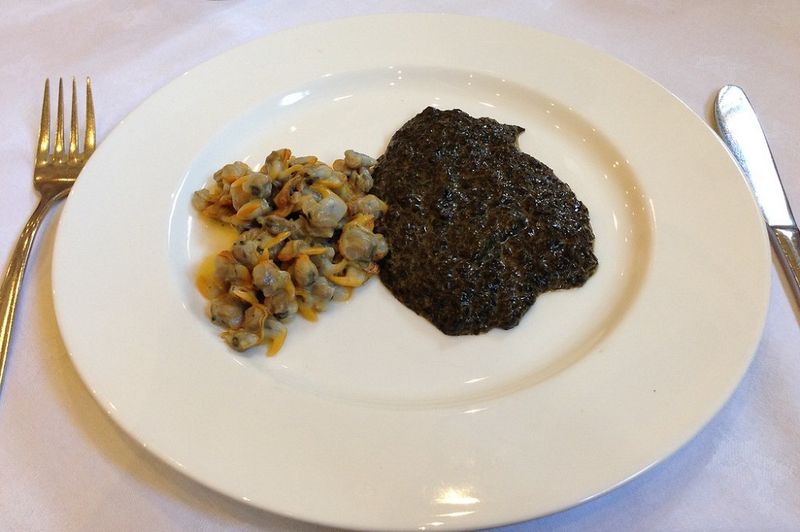
Despite its name, laverbread contains no bread whatsoever—it's actually boiled seaweed formed into a dark green paste. Welsh coastal communities have harvested this nutritious laver seaweed for generations.
The slimy texture might seem off-putting initially, but it's packed with vitamins and minerals. Traditionally served with bacon and cockles for breakfast, some describe the flavour as oceanic and slightly metallic, whilst others simply call it an acquired taste.
5. Haggis
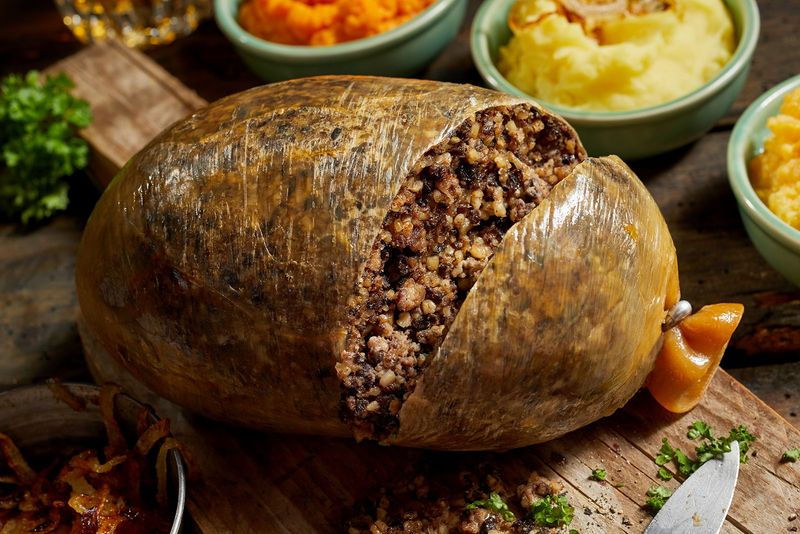
Scotland's national dish combines sheep's heart, liver, and lungs with oatmeal, onions, and suet, all encased in the animal's stomach lining. Robert Burns even wrote a famous poem celebrating this savoury pudding.
Burns Night celebrations on 25th January wouldn't be complete without haggis served alongside mashed turnips and potatoes. The peppery, nutty flavour surprises first-timers who expect something far more unpleasant than this actually delicious creation.
6. Pork Pie With Egg Centre
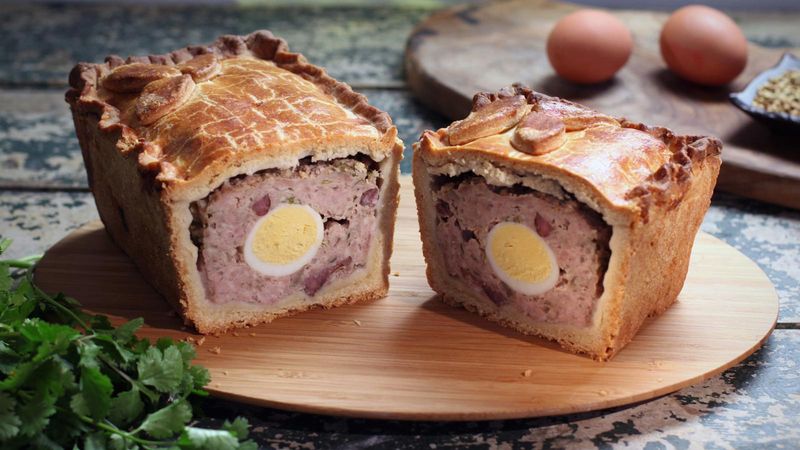
Imagine biting into a pork pie and discovering a whole hard-boiled egg nestled inside. This Melton Mowbray variation transforms the classic snack into something more substantial and visually striking.
The egg sits perfectly centred within seasoned pork and hot water crust pastry, with savoury jelly filling the gaps. Picnickers and travellers appreciate this portable meal that combines protein sources in one convenient, delicious package that stays fresh for days.
7. Scotch Egg
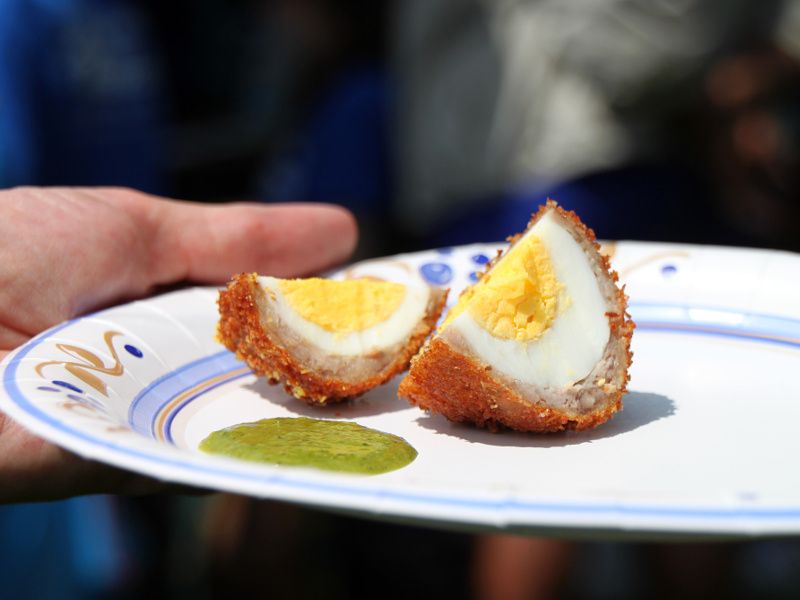
A hard-boiled egg wrapped in sausage meat, coated in breadcrumbs, and deep-fried creates this portable British invention. London's Fortnum & Mason claims to have created scotch eggs in 1738 for wealthy travellers.
Modern versions often feature runny yolks that ooze when cut open, elevating this humble snack to gastropub status. Whether enjoyed cold at picnics or warm from the fryer, scotch eggs remain a beloved treat found everywhere from supermarkets to fancy restaurants.
8. Marmite On Toast
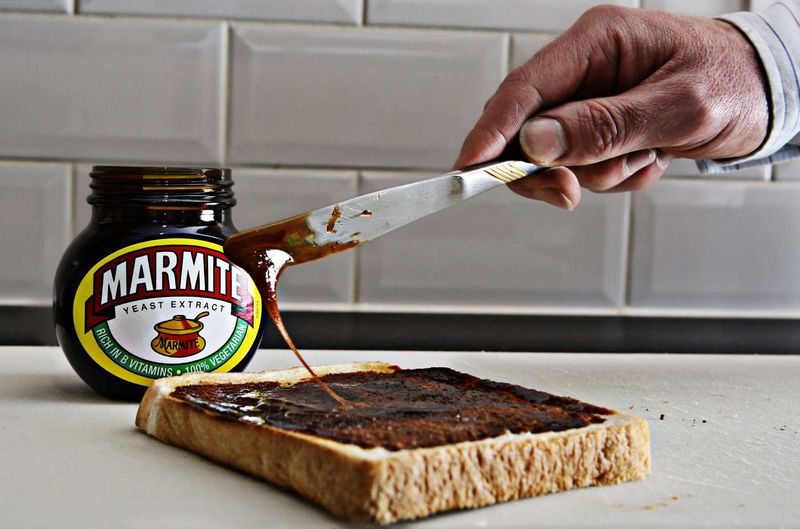
You'll either adore or detest this divisive yeast extract spread—there's rarely any middle ground. Made from leftover brewer's yeast, Marmite delivers an intensely salty, savoury punch.
The company's famous slogan acknowledges this polarising nature: "Love it or hate it." Spread thinly on hot buttered toast, it provides B vitamins and a distinctive umami flavour that devoted fans crave daily, whilst others find absolutely revolting and incomprehensible.
9. Bubble And Squeak
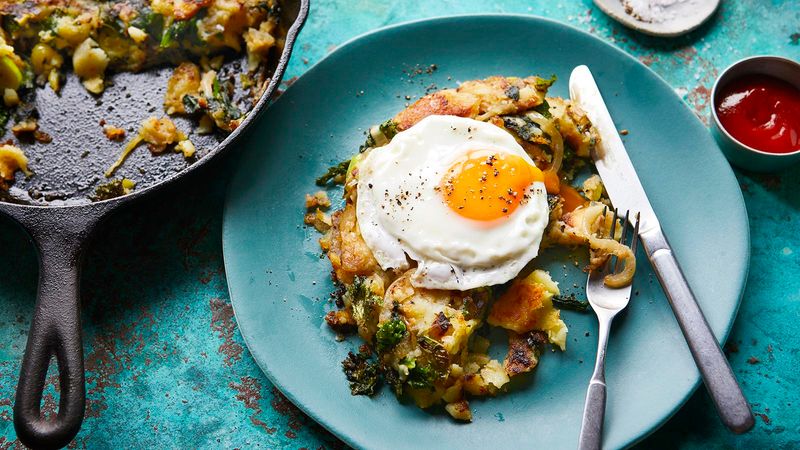
Leftover Sunday roast vegetables get transformed into this thrifty fried dish, traditionally made with potatoes and cabbage. The name supposedly comes from the sounds vegetables make whilst cooking in the pan.
Wartime rationing made bubble and squeak essential for stretching meals further. Today, it's still a brilliant way to avoid food waste whilst creating something genuinely tasty. Serve it with a fried egg on top for a satisfying breakfast or lunch.
10. Pease Pudding
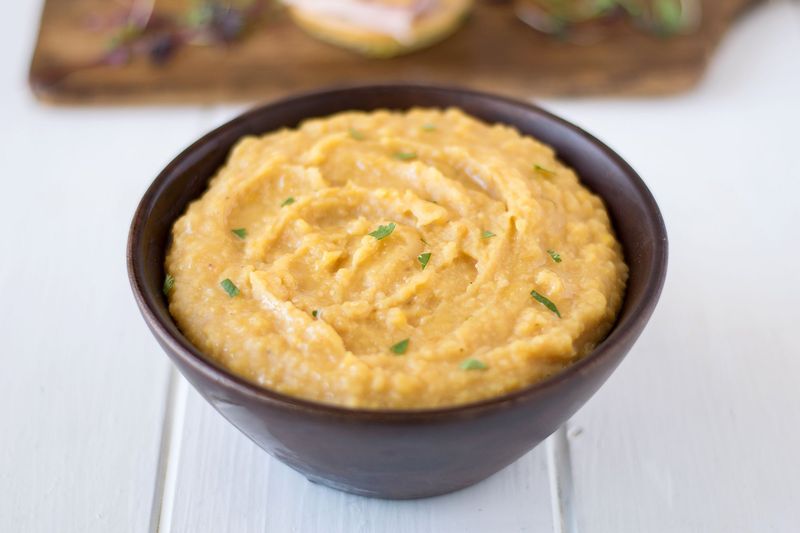
Split yellow peas boiled with ham until mushy create this thick, porridge-like accompaniment that's particularly popular in Northeast England. Children's nursery rhymes even mention this ancient dish.
"Pease pudding hot, pease pudding cold, pease pudding in the pot, nine days old," goes the traditional verse. Spread on bread or served alongside ham and saveloys, this protein-rich food has sustained working-class families for centuries with its filling, economical nature.
11. Pie, Mash And Liquor
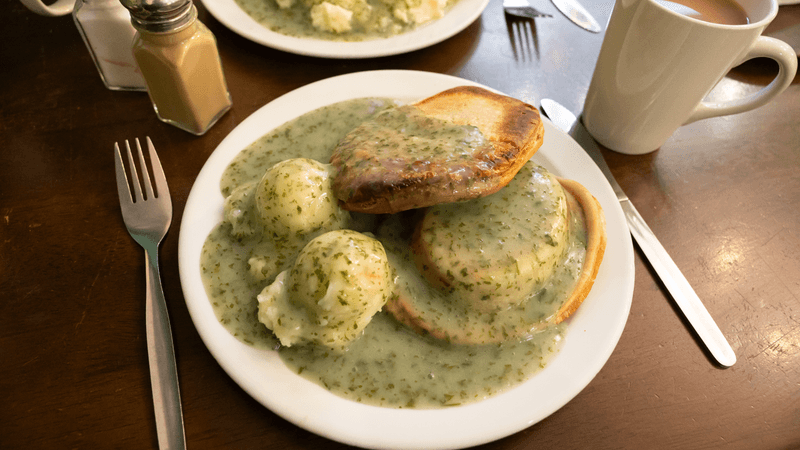
London’s East End is home to this classic meal of meat pie, mashed potatoes, and a bright green parsley sauce known as liquor. The sauce’s distinctive colour and flavour come from fresh parsley blended into a light savoury base.
Traditional pie and mash shops have been serving it for generations, often alongside jellied eels. Though simple, the combination remains a comforting British favourite with deep cultural roots.
12. Chip Butty
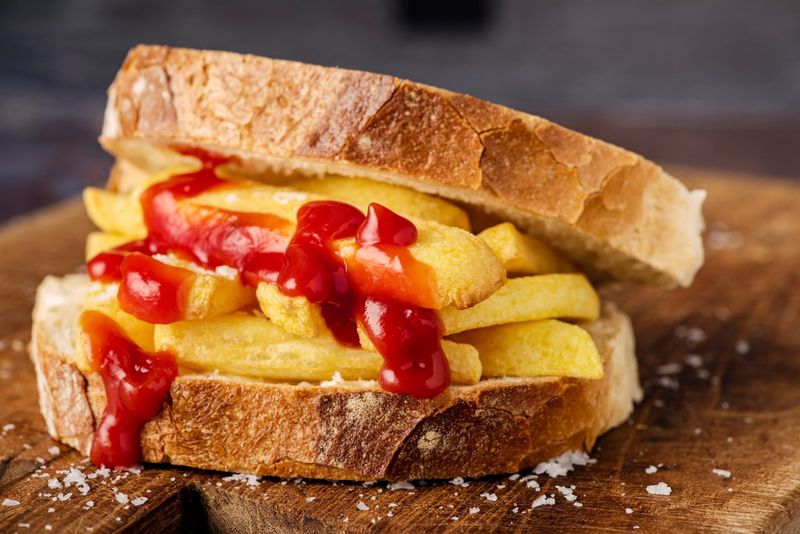
Carbohydrates meet more carbohydrates in this beloved sandwich that places hot chips between two slices of buttered bread. Northerners particularly champion this simple but satisfying creation.
Some add ketchup, brown sauce, or vinegar to their chip butty, whilst purists insist butter alone suffices. Critics call it unhealthy and boring, yet there's something undeniably comforting about soft bread contrasting with crispy, fluffy chips that keeps Britons coming back for more.
13. Bread And Dripping
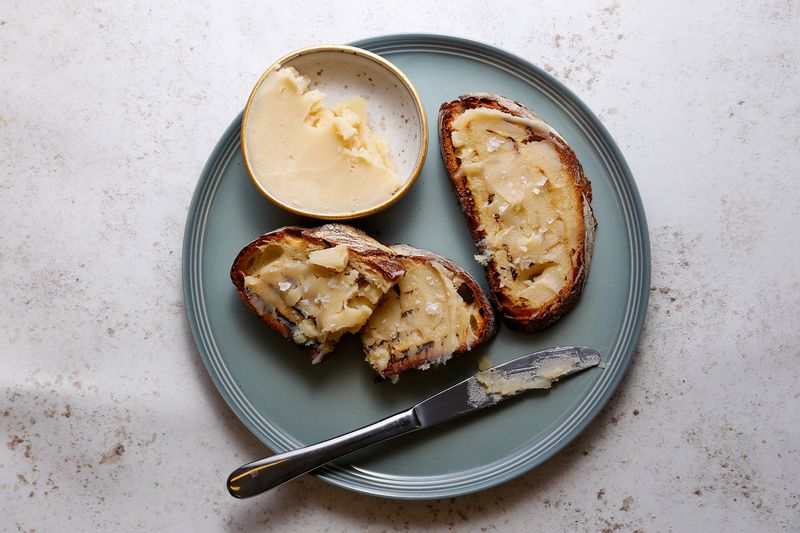
Fat collected from roasted meat gets spread on bread like butter in this frugal snack that sustained previous generations. The dripping solidifies when cooled, creating a spreadable consistency.
Underneath the white fat layer sits dark, flavourful meat jelly that many consider the best part. Though less common today due to health concerns, older Britons remember bread and dripping fondly as an affordable treat that delivered maximum flavour from minimal ingredients during harder times.
14. Tripe And Onions
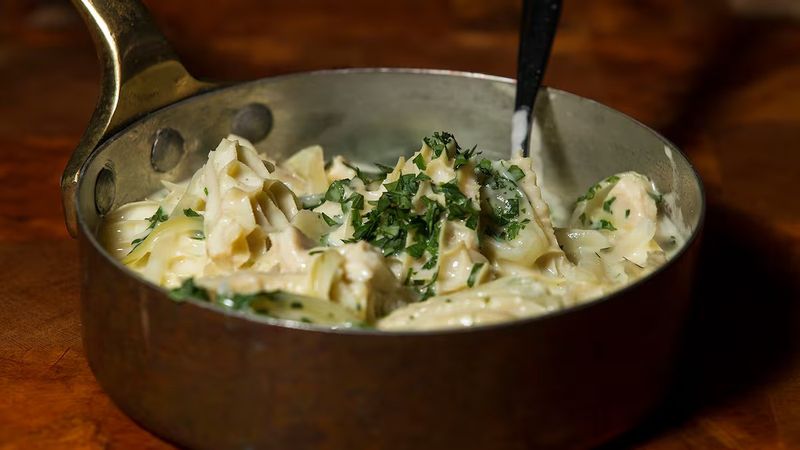
Cow stomach lining simmered with onions in milk creates this divisive dish that older generations remember from childhood. The rubbery, honeycomb-textured tripe requires lengthy cooking to become tender.
Lancashire and Yorkshire once considered tripe and onions a delicacy, with specialist shops selling various stomach chambers. Nowadays, fewer people appreciate this acquired taste, though dedicated fans still seek out the increasingly rare establishments that prepare tripe properly with traditional methods and recipes.
15. Potted Shrimps
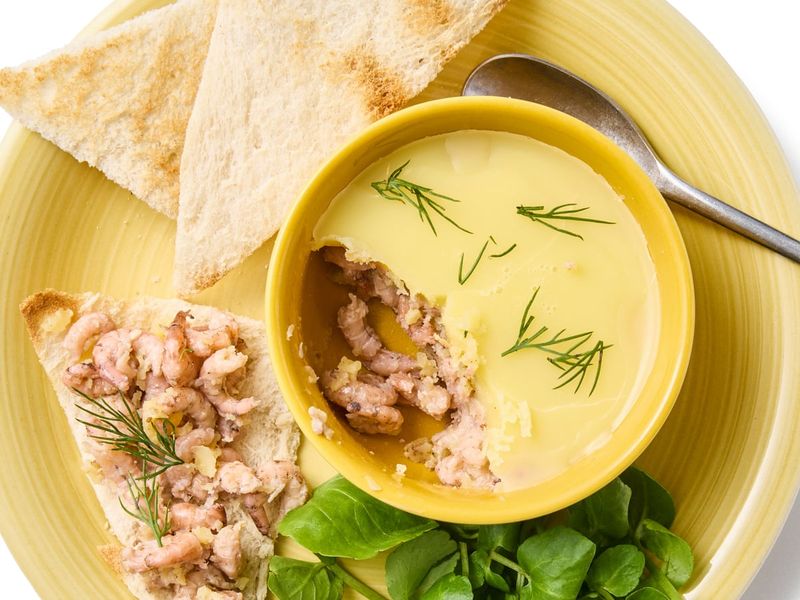
Tiny brown shrimps preserved in spiced butter originated in Morecambe Bay, where these sweet crustaceans thrive. The butter solidifies when chilled, sealing the shrimps and extending their shelf life considerably.
Mace, nutmeg, and cayenne pepper flavour the butter, complementing the shrimps' delicate taste. Spread on hot toast, the butter melts and releases the shrimps, creating an elegant starter or light lunch that showcases British coastal cuisine at its most refined and delicious.