











• Skip to primary navigation
  • Skip to main content
  • Skip to primary sidebar
The Daily Dish
  • About Me
  • Recipes
  • Wellbeing🧡
  • Contact
  • Subscribe
  • Gluten-Free
  • Navigation Menu: Social Icons

    Connect With Me

    • Facebook
    • Instagram
    • Pinterest
menu icon
go to homepage
  • About Me
  • Recipes
  • Wellbeing🧡
  • Contact
  • Subscribe
  • Gluten-Free
  • Let's Connect

    • Facebook
    • Instagram
    • Pinterest
  • subscribe
    search icon
    Homepage link
    • About Me
    • Recipes
    • Wellbeing🧡
    • Contact
    • Subscribe
    • Gluten-Free
  • Let's Connect

    • Facebook
    • Instagram
    • Pinterest
  • ×
    • 10 Indiana Catfish Houses Where The Weekend Fish Fry Is A Ritual
    • 12 North Carolina Food Halls Where Every Stall Is Worth A Visit
    • 11 Ohio Spots Where Pierogi Are Made By Hand Like The Old Country
    • 15 Classic Pies That Deserve A Place On The Winter Table
    • 14 Easy Ways To Use Up A Bag Of Potatoes
    • 9 Wisconsin Spots Where The Butter Burger Is The Whole Point
    • 12 Indiana Mexican Restaurants Locals Drive Out Of Their Way For
    • 11 New Hampshire Farm-To-Table Spots Serving The Freshest Local Ingredients
    • 13 Simple Fillings For Homemade Toasties
    • 12 Chesapeake Bay Virginia Restaurants Where The Oysters Come Straight Off The Boat
    • 13 Hole-In-The-Wall New Hampshire Diners Locals Have Loved For Years
    • 10 Easy Sauces That Make Roast Chicken Taste Even Better
    Home » Food news & trends

    These Sugar Substitutes May Be Associated With Accelerated Cognitive Decline

    Published:Nov 10, 2025· Modified: Nov 10, 2025 by Isla Clarke

    • Share
    • Email

    If you’ve ever swapped sugar for something “lighter” in your tea or morning yoghurt, you’re not alone. Sweeteners are in nearly everything these days, from drinks to protein bars, and most of us assume they’re the smarter choice.

    But new research suggests that some of these sugar substitutes might not be as harmless as they seem - and the findings are giving scientists plenty to think about.

    This article is intended for general informational purposes only. It’s not medical advice, and individual reactions to sweeteners can vary. If you’re concerned about your diet or cognitive health, speak with a qualified healthcare professional before making changes.

    What The New Study Actually Found

    A new long-term study published in Neurology, the journal of the American Academy of Neurology, found that people who regularly consumed low or no-calorie sweeteners such as aspartame, saccharin, and erythritol experienced faster declines in memory and thinking skills compared with those who ate less. Researchers followed more than ten thousand adults for about eight years and noticed the link was most noticeable in participants under sixty.

    It’s important to note this was an observational study, meaning it shows an association but not direct cause and effect.

    Which Sweeteners Were Tracked
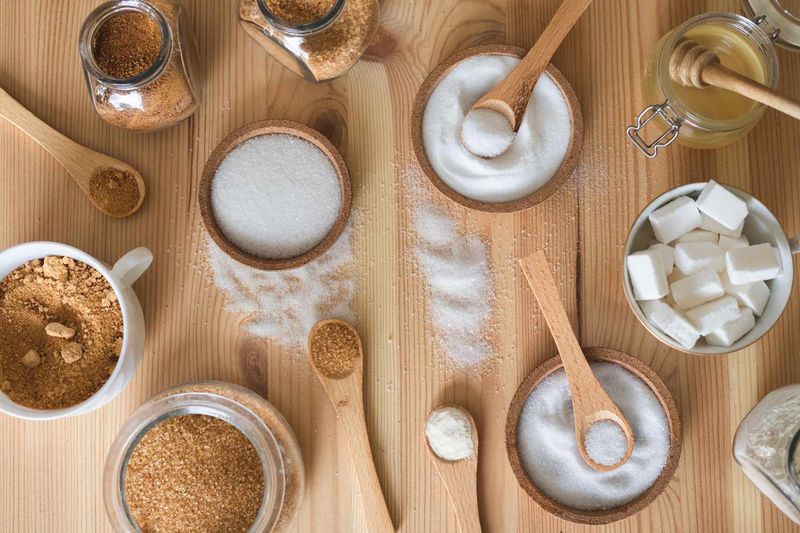
    Which Sweeteners Were Tracked
    Image Credit: © Treehugger

    Seven sweeteners were assessed via diet questionnaires: aspartame, saccharin, acesulfame-K, erythritol, xylitol, sorbitol, and tagatose.

    In analyses of individual sweeteners, aspartame, saccharin, acesulfame-K, erythritol, sorbitol, and xylitol were associated with faster decline; tagatose was not linked to decline in this dataset. Not all sweeteners (for example, sucralose) were evaluated.

    How Big Might The Effect Be?

    These figures were adjusted for factors such as age, education, physical activity, and overall diet quality to help isolate the relationship with sweetener intake. The researchers also noted that the link appeared strongest among participants with type 2 diabetes, suggesting that metabolic health may play a role in how these sweeteners affect the brain.

    Association Versus Causation

    Because diets were self-reported and many lifestyle factors co-vary, residual confounding cannot be ruled out; the authors adjusted for numerous variables, but the design cannot prove that sweeteners cause cognitive decline.

    How This Compares With Earlier Research
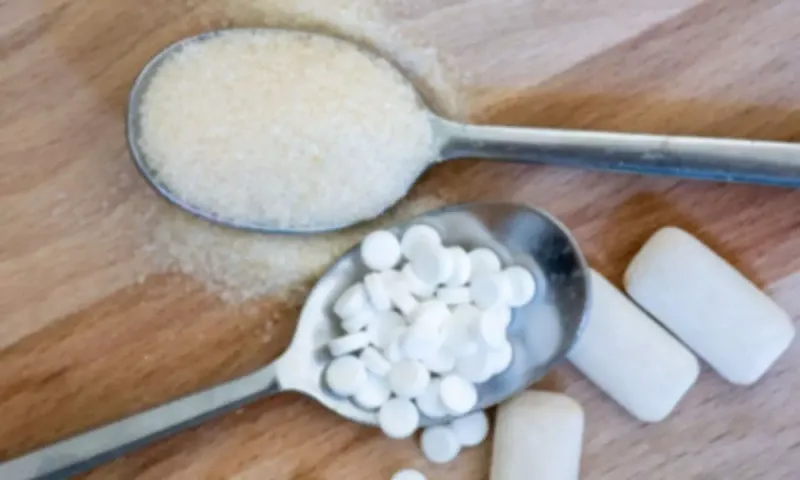
    How This Compares With Earlier Research
    Image Credit: © The Hans India

    Other cohort studies, such as those published in Stroke and Alzheimer’s & Dementia, have reported similar associations between diet drink consumption and poorer brain outcomes. Experimental studies in animals have also hinted at possible effects of aspartame and other sweeteners on neurotransmitters and oxidative stress.

    However, human data remain limited, and scientists continue to emphasise that more controlled trials are needed to confirm any direct impact.


    More Food news & trends

    • 13 Missouri Diners Where The Regulars Never Need A Menu
    • The 12 Best Breakfast Spots In And Around Des Moines, Iowa, Ranked By Locals
    • 10 Pittsburgh, Pennsylvania Restaurants Where The Wait Is Always Worth It
    • 10 Kentucky Spots Serving The Hot Brown The Way It Was Meant To Be

    Primary Sidebar

    Keri Bevan

    Welcome, I'm Keri

    I'm the food photographer and recipe developer and writer behind Daily Dish.

    More About Me
    SUBSCRIBE

    Popular Posts

    • 12 Illinois Italian Beef Stands Locals Swear By
    • 13 Texas Steakhouses Where The Ribeye Is Bigger Than The Plate
    • 14 Secret California Dining Spots Most Visitors Never Find
    • 16 Classic Fillings For A Homemade Omelette

    Cozy Soups

    • Fava bean soup in a ceramic bowl.
      Fava Bean Soup
    • Vegan potato soup in a bowl with chives and croutons.
      Creamy Vegan Potato Soup
    • Bok choy soup with garlic and ginger.
      Bok Choy Soup With Garlic & Ginger
    • gluten free and dairy free tomato soup
      Creamy Gluten Free And Dairy Free Tomato Soup
    Company logs of people I have worked with.

    Footer

    ↑ back to top

    Recipes

    • Breakfast
    • Lunch
    • Dinner
    • Sauces and Dips
    • Gluten Free

    Newsletter

    • Sign Up! for emails and updates

    Contact

    • Contact
    • Privacy Policy
    • Daily Dish Web Stories

    As an Amazon Associate I earn from qualifying purchases.

    Copyright © 2024 Daily Dish