

Some dishes quietly slipped out of everyday life, tucked away in old cookbooks and family memories, even though they once appeared on nearly every table. Looking back at these foods can feel a bit like opening a time capsule - familiar and strange all at once, with flavours that tell stories about the way people lived, cooked, and shared meals together.
Revisiting them isn’t just nostalgia; it’s a reminder of how much our tastes evolve and how trends can shift without us even noticing.
This piece is for general food history interest. Recipes and traditions can vary widely by region and family, so consider these as starting points for exploration rather than exact rules to follow.
1. Brown Windsor Soup
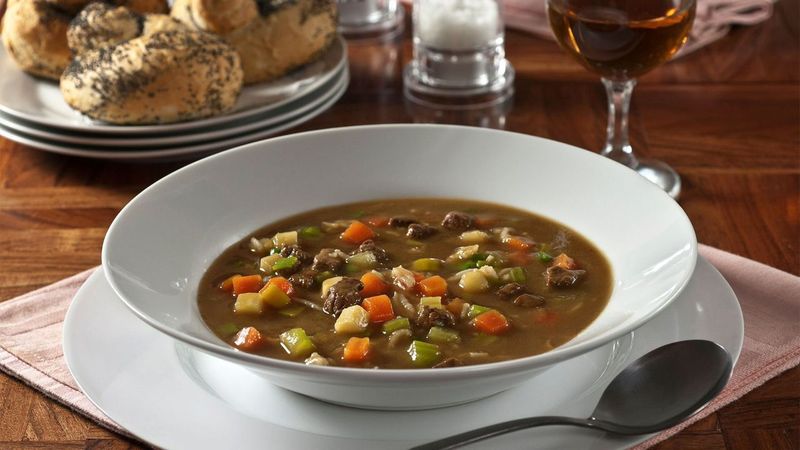
Brown Windsor Soup became well known in hotel dining rooms and railway restaurants during the late nineteenth and early twentieth centuries. It was a thick, dark, beef-based soup, often enriched with vegetables and sometimes Madeira for depth.
Though often linked to Victorian dining in popular imagination, its exact origins and royal associations are unclear and not well documented. Today, it appears only occasionally on nostalgic or traditional menus, remembered as a hearty, old-fashioned starter.
2. Jellied Eels
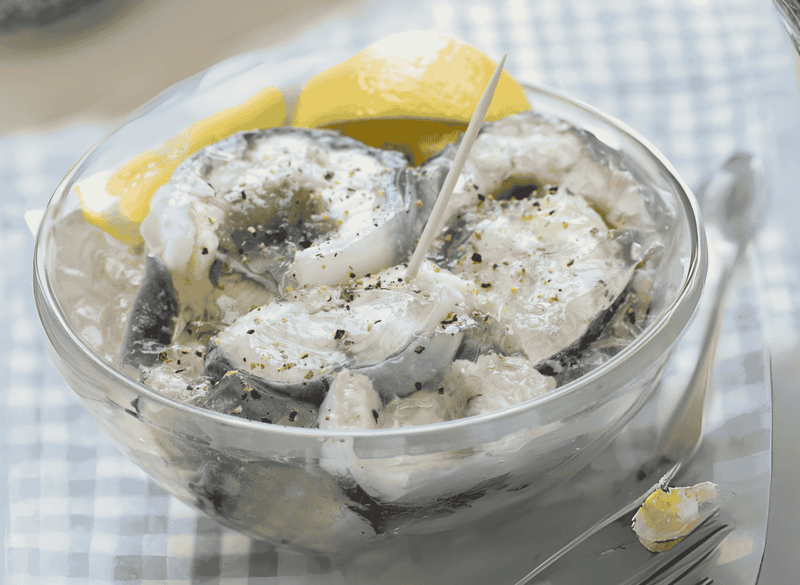
East End Londoners couldn't get enough of these slippery treats back in the day. Eels were chopped, boiled with herbs, then left to cool until the natural gelatin made everything wobble like jelly.
Street vendors sold them from stalls throughout the city. The texture might seem strange now, but working-class families considered them an affordable, protein-rich meal that filled empty bellies without emptying wallets.
3. Tripe And Onions
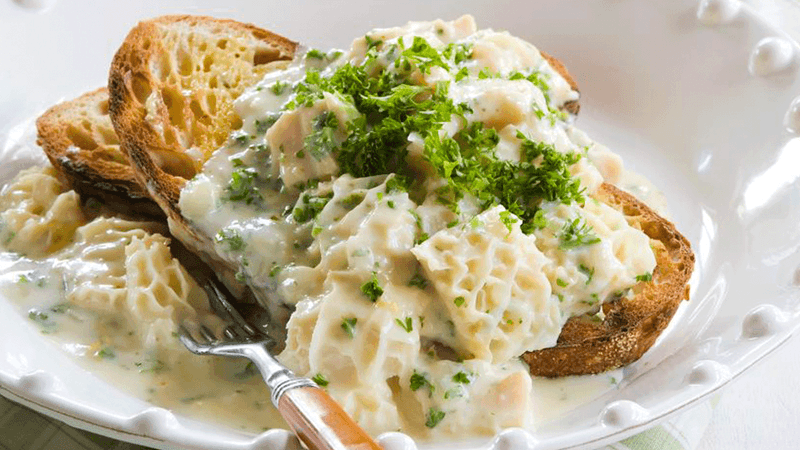
Cow stomach might not sound appetising, but generations of British families grew up eating this economical dish. The tripe was thoroughly cleaned, slowly simmered until tender, then smothered in a creamy onion sauce.
Northern England particularly loved this meal, serving it with bread for dipping. Its unique texture - slightly chewy yet soft - took some getting used to, but it provided valuable nutrition when money was tight.
4. Mock Turtle Soup
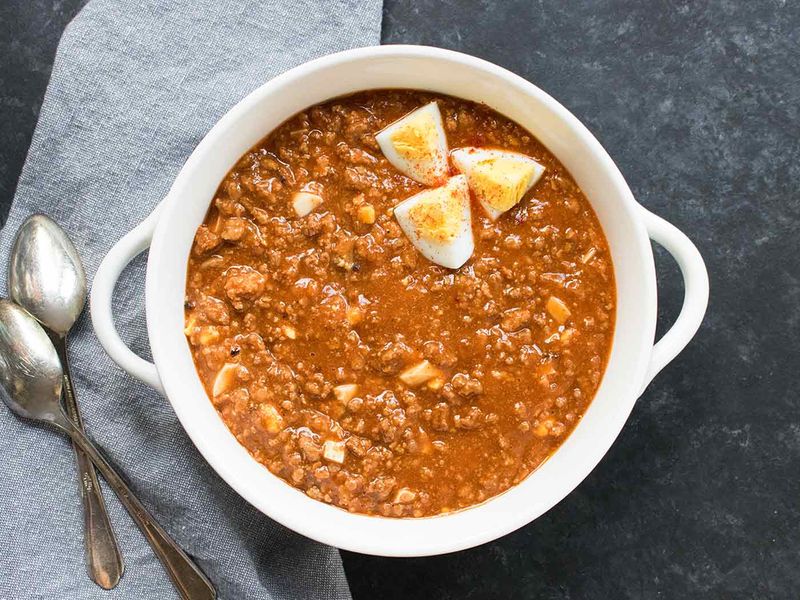
Real turtle soup cost a fortune, so clever cooks created this cheaper version using calf's head instead. The result tasted surprisingly similar, with rich, gelatinous broth that impressed dinner guests without bankrupting the host.
Victorian cookbooks devoted entire pages to perfecting this recipe. Lewis Carroll even referenced it in Alice's Adventures in Wonderland, showing how popular it was during that era.
5. Dripping Sandwiches
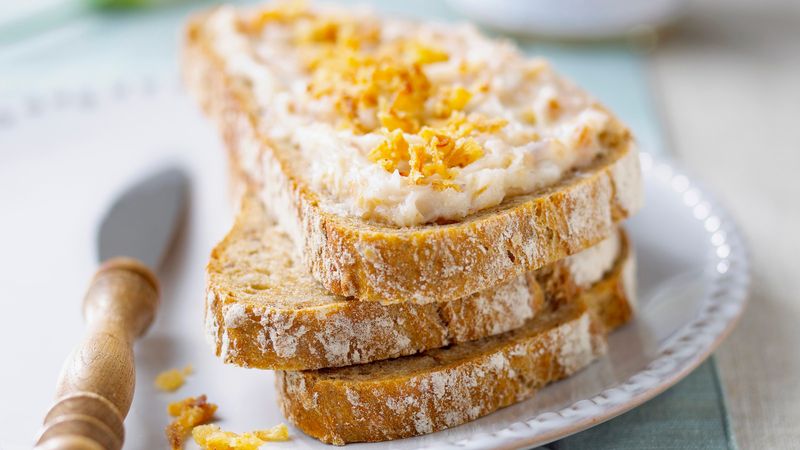
Nothing went to waste in frugal households, especially the flavourful fat left after roasting meat. Families spread this dripping - sometimes still warm - onto thick slices of bread, adding a sprinkle of salt for extra taste.
Children rushed home from school hoping for this simple yet satisfying snack. Post-war Britain relied heavily on such economical foods, turning leftovers into something genuinely delicious that modern health guidelines have since banished.
6. Chicken À La King
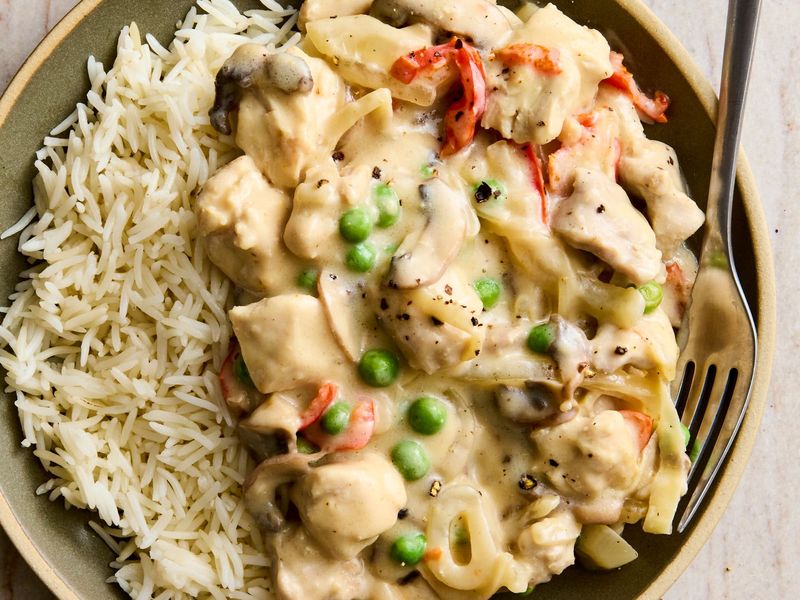
This glamorous American import became wildly fashionable in post-war Britain. Diced chicken swam in a velvety cream sauce studded with mushrooms, peppers, and pimentos, usually served over toast or rice.
Housewives considered it sophisticated dinner party fare during the 1950s and 1960s. Restaurant menus featured it prominently, but tastes eventually shifted towards lighter cuisine, leaving this creamy classic gathering dust in vintage cookbooks.
7. Potted Shrimps
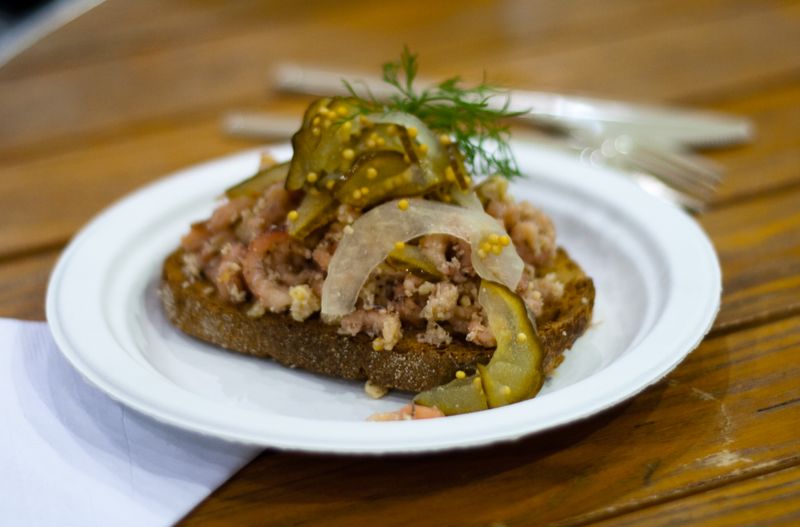
A northern seaside favourite, potted shrimps were once considered a delicacy served in pubs and tearooms alike. Tiny brown shrimps were gently cooked in spiced butter, then packed into small pots where they set into a smooth, savoury spread. Families would smear the mixture onto warm toast or crusty bread, letting the butter melt just slightly as they ate. Lancashire was especially proud of this dish, treating it as a staple for Sunday tea.
Today, it’s rarely seen outside specialist shops or traditional coastal cafés. Yet for those who remember it, the taste is pure nostalgia with a whisper of salty sea breeze.
8. Devilled Kidneys
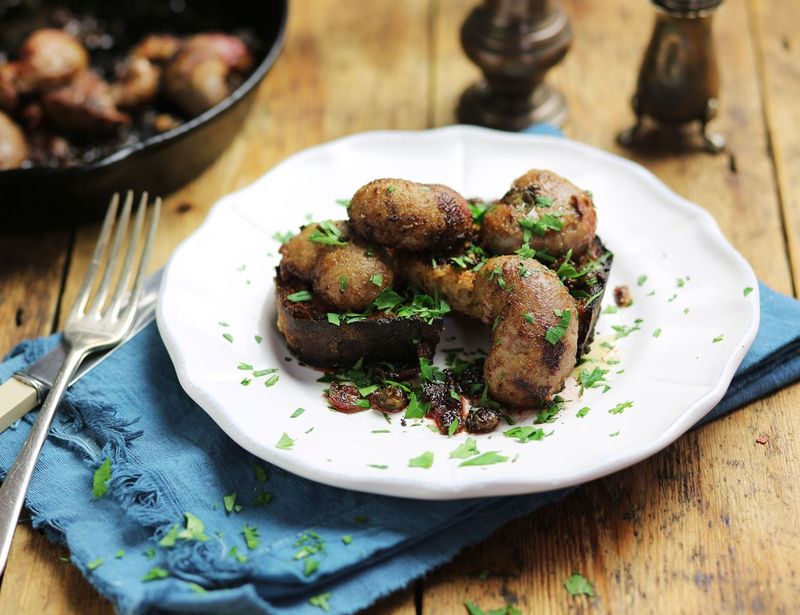
Once a popular breakfast dish, devilled kidneys offered a fiery, savoury start to the day. Lambs’ kidneys were cleaned, sliced, and cooked in a bold sauce of mustard, Worcestershire, cayenne, and butter - a flavour combination that certainly woke you up. Victorian households and Edwardian hotel menus featured this dish proudly, considering it hearty and proper.
Over time, as organ meats fell out of everyday cooking, devilled kidneys slipped quietly off breakfast plates. You’ll occasionally find them on nostalgic gastropub menus, but they’re far from mainstream now. Those who enjoy bold flavours still swear they’re worth reviving.
9. Rabbit Stew
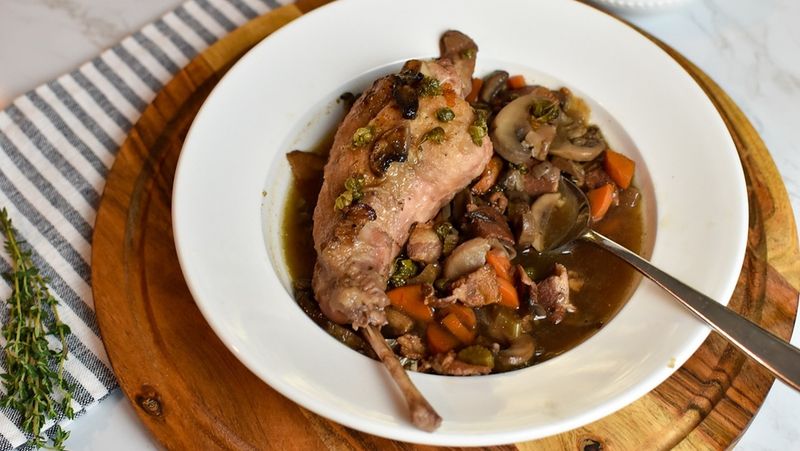
Before chicken became cheap and widely available, rabbit was a standard source of protein across rural Britain. Stews simmered low and slow with root vegetables, herbs, and sometimes a splash of cider created a meal that was comforting and deeply flavourful. Hunting or trapping rabbits was common, meaning families could eat well without spending much. Its gamey flavour and lean meat made it perfect for cold weather cooking.
As supermarkets prioritised other meats, rabbit gradually disappeared from everyday kitchens. Today, it’s mostly found in farm shops or speciality butchers, waiting patiently for a comeback.
10. Lamb’s Fry And Bacon
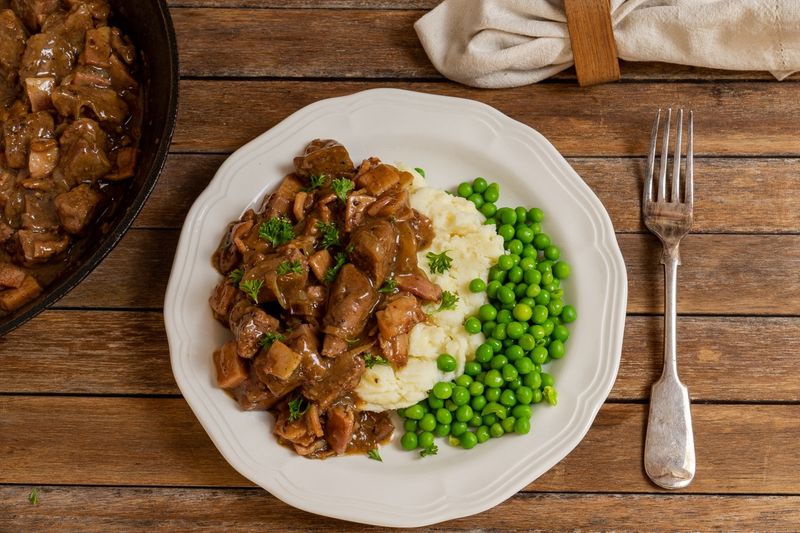
This dish combined lamb liver or kidneys with crispy bacon and onions, cooked into a rich, savoury skillet meal that was both inexpensive and filling. Once considered a nutritious breakfast or supper, it was especially common in working-class homes. The strong flavour of the offal balanced beautifully with salty bacon and sweet onion - a taste that older generations remember fondly.
As preferences shifted and organ meats fell out of fashion, lamb’s fry faded from family routines. You’ll still find the recipe in old community cookbooks and handwritten kitchen notebooks. It’s a dish that tells the story of frugality, necessity, and clever home cooking.