

Wales has its own long-established food traditions, shaped by local ingredients, regional farming, and community cooking practices. Some dishes may be unfamiliar to visitors from England, especially when names or preparation methods differ from what they are used to.
Exploring these foods can highlight how culinary identity develops differently even within neighbouring regions, offering a chance to appreciate distinct flavours and cultural history.
This article provides general information only and is intended for entertainment. Recipes, ingredients, and availability can vary by region and household. Images, if included, are for illustrative purposes only.
1. Cawl
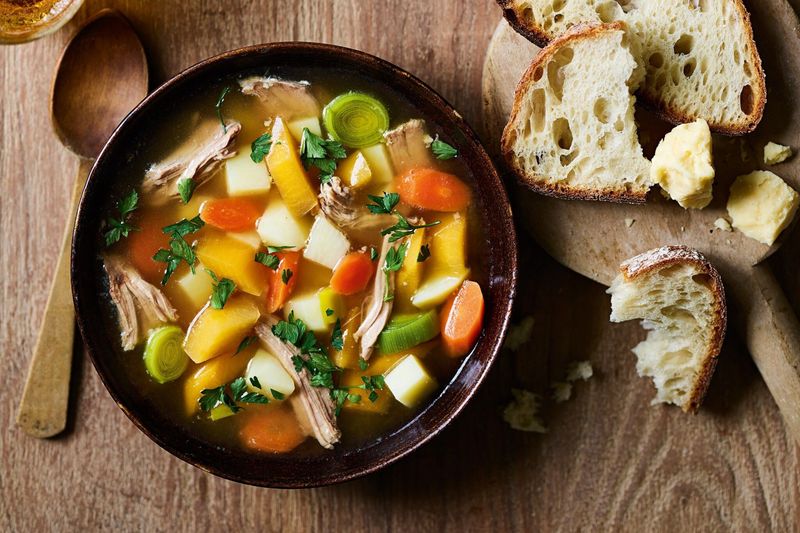
Picture a stew that's been bubbling away since medieval times, and you've got cawl. This hearty one pot wonder combines lamb or beef with leeks, potatoes, carrots, and swede in a rich broth that warms you from the inside out.
English visitors expecting a quick soup are baffled when they're told it tastes better the next day, after the flavours have had time to properly mingle. Traditionally served in two courses – broth first, then meat and veg – it's comfort food that refuses to rush.
2. Laverbread (Bara Lawr)
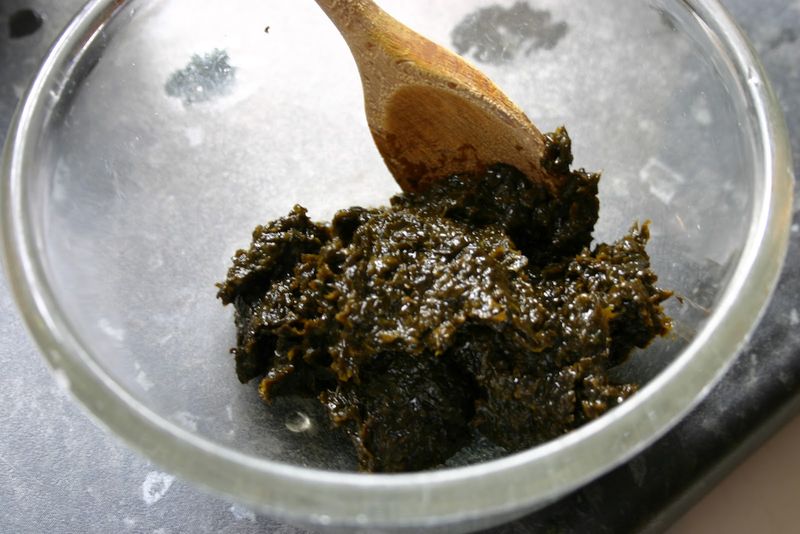
Despite its name, there's not a crumb of bread in sight. Laverbread is actually seaweed that's been boiled for hours until it becomes a dark, glossy paste that looks a bit like spinach gone rogue.
English breakfast lovers are often gobsmacked when this appears alongside their bacon and eggs. Coastal Welsh folk have eaten it for centuries, usually mixed with oatmeal and fried, or served with cockles. It's packed with vitamins and minerals, though its appearance takes some getting used to.
3. Glamorgan Sausages
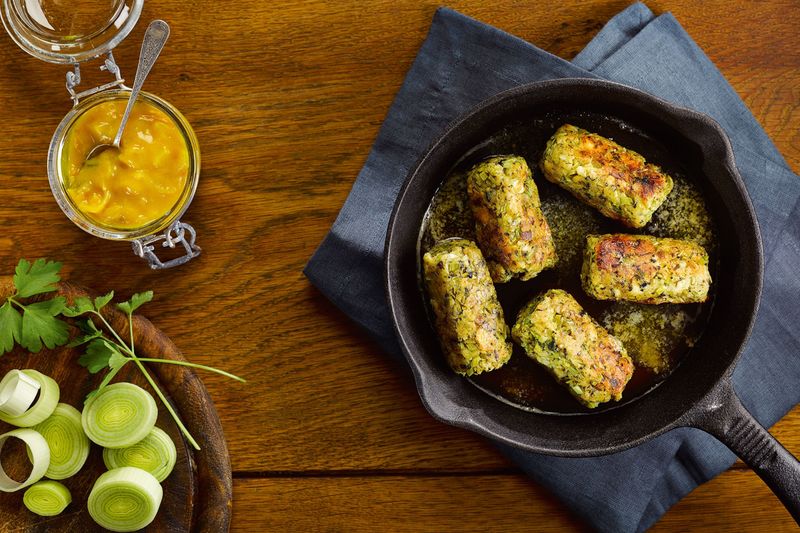
Ask for a sausage in Wales and you might get one without a scrap of meat in it. Glamorgan sausages are made from Caerphilly cheese, leeks, breadcrumbs, and herbs, all rolled into sausage shapes and fried until golden.
They've been around since the 1800s, created when meat was scarce but cheese was plentiful. English visitors often do a double take when they bite into what looks like a regular banger and taste sharp cheese instead. Proper vegetarian comfort food before it was trendy.
4. Welsh Rarebit
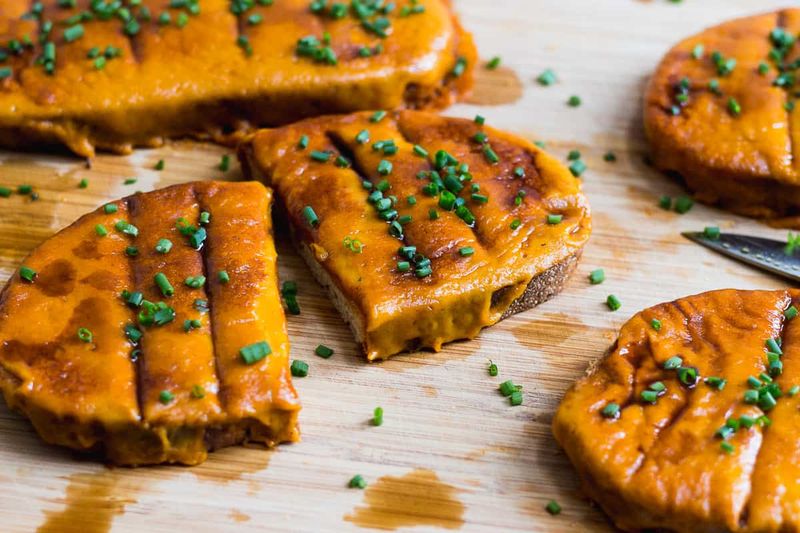
Calling this cheese on toast is like calling the Crown Jewels some nice sparkly bits. Welsh rarebit involves a proper cheese sauce made with mature Cheddar, mustard, Worcestershire sauce, and sometimes a splash of stout, all grilled until bubbling.
The name itself confuses everyone – there's no rabbit involved whatsoever. English folk expecting simple melted cheese are surprised by the rich, tangy sauce that's miles away from a quick snack. It's pub grub elevated to an art form.
5. Tatws Pum Munud
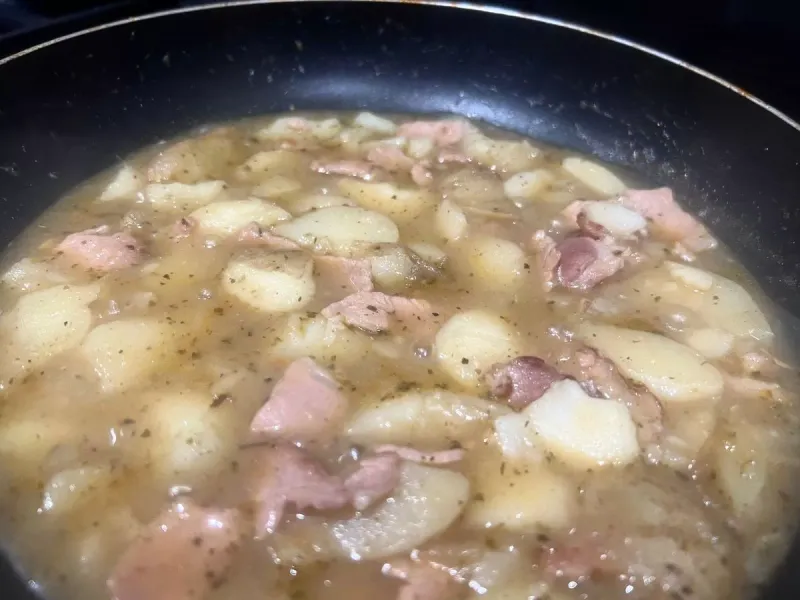
The name translates to five minute potatoes, which is a bit cheeky considering it takes longer than that to cook. This simple supper dish layers sliced potatoes with bacon, onions, and stock, then simmers until everything melds together beautifully.
English visitors struggle with the pronunciation first and the concept second – it's not quite a hotpot, not quite a hash. Originally a thrifty meal for using up odds and ends, it's now a nostalgic favourite that grandmothers still make best.
6. Welsh Cakes
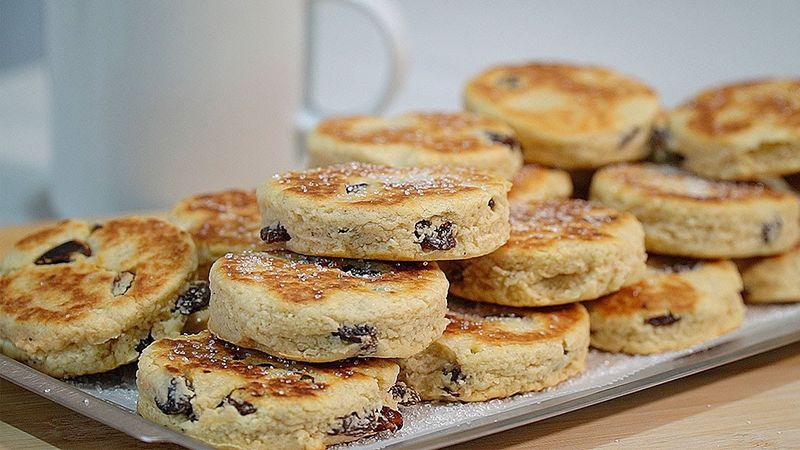
Not quite a biscuit, not quite a scone, Welsh cakes occupy their own delicious category. These flat, round treats are cooked on a griddle or bakestone, studded with currants, and dusted with sugar while still warm.
English visitors expecting a cake in the traditional sense are puzzled by these griddle cooked beauties that taste best eaten fresh. The Welsh name means cakes on the stone, referring to the hot bakestone they're traditionally cooked on. Perfect with a cuppa, no butter needed.
7. Bara Brith
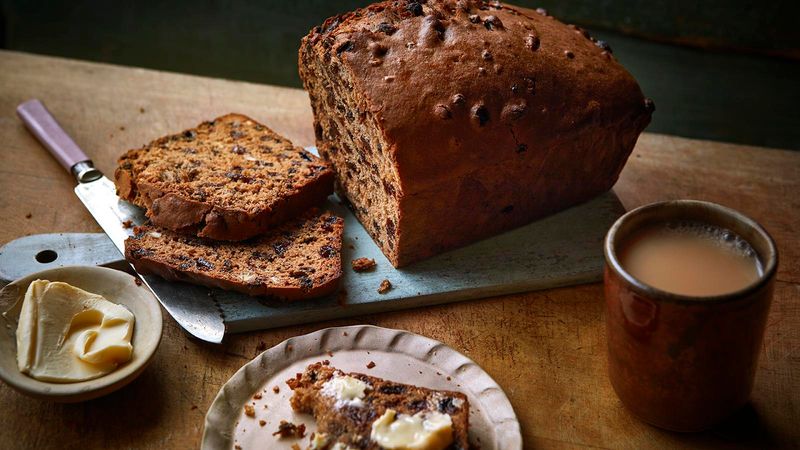
Bara brith means speckled bread, and it's essentially fruit that's been soaked in tea overnight, then baked into a moist, dark loaf. It's denser than English fruit cake and not as sweet, with a unique flavour from the tea soaked dried fruit.
English visitors often mistake it for a heavy fruit cake at first glance. Sliced thick and spread with proper butter, it's an afternoon tea staple in Welsh homes. Each family has their own recipe, passed down through generations.
8. Crempogau
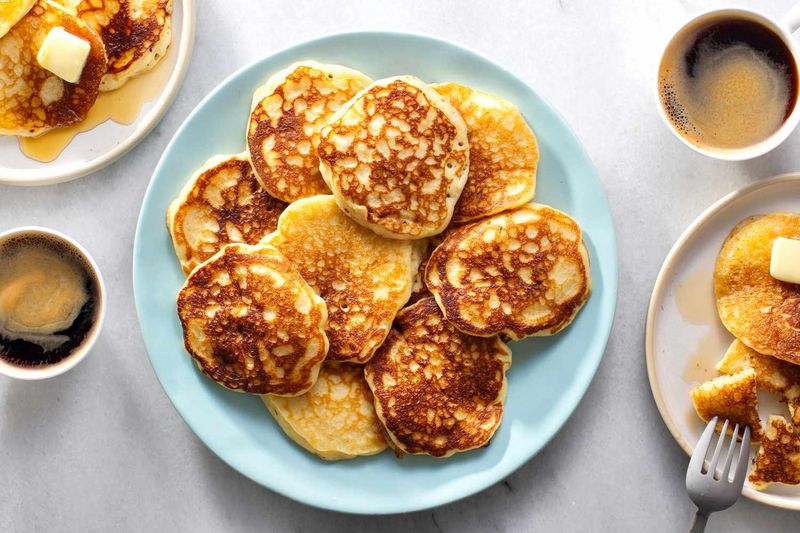
Wales has its own take on pancakes, and crempogau are thicker and more substantial than the English version. Made with buttermilk or sour milk traditionally, they've got a slight tang and a satisfying, fluffy texture.
English visitors expecting thin crepes are surprised by these hearty rounds that are closer to American style pancakes. Traditionally eaten during Lent or on Shrove Tuesday, they're served simply with butter and sugar or jam. The buttermilk gives them a distinctive flavour that sets them apart from their cross border cousins.