

Many well-known snack brands in Britain have been familiar parts of everyday life for decades, appearing in lunchboxes, on supermarket shelves, and during tea breaks at home.
Some of these companies have longer histories than people often realise, with origins that reflect changing tastes, manufacturing developments, and cultural traditions across different periods.
Looking at when these brands first began can offer a clearer picture of how they became established favourites over time.
This article provides general information only. Product availability and packaging may vary by region and over time. Images are for illustrative purposes only.
1. Walkers
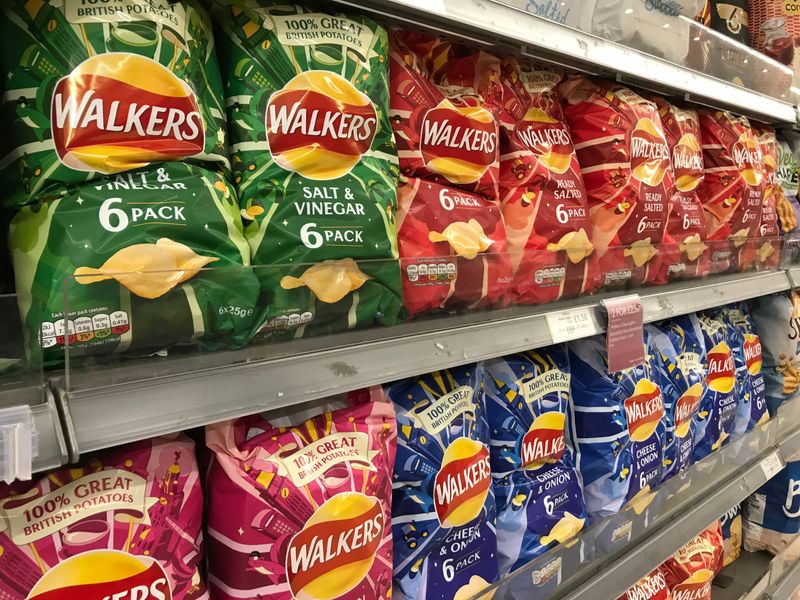
Picture a Leicester butcher's shop in 1948, post-war Britain still rationing, and Henry Walker deciding meat wasn't the future. Crisps were, apparently. What started as a side hustle became Britain's most recognisable crisp brand, now shifting over 11 million bags daily.
Gary Lineker has been the face since 1995, making it one of the longest-running celebrity endorsements in British advertising. At 76 years old, Walkers has outlasted most marriages and remains the undisputed king of the crisp aisle.
2. McVitie's
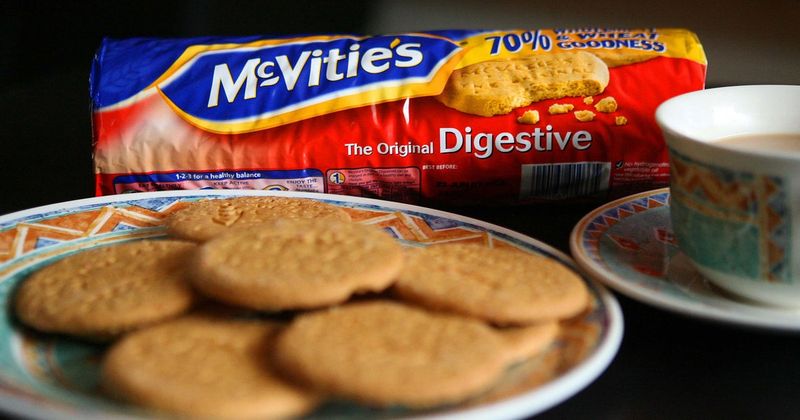
Back in 1830, a Scottish baker named Robert McVitie opened a shop in Edinburgh, probably unaware he'd eventually create a biscuit empire. The Digestive arrived in 1892, originally marketed as a stomach-settler thanks to the sodium bicarbonate. Questionable health claims aside, it worked.
The Jaffa Cake followed in 1927, sparking the eternal cake-or-biscuit debate that even reached the courts. At a staggering 194 years old, McVitie's has been dunking biscuits in tea longer than anyone else in the game.
3. Cadbury
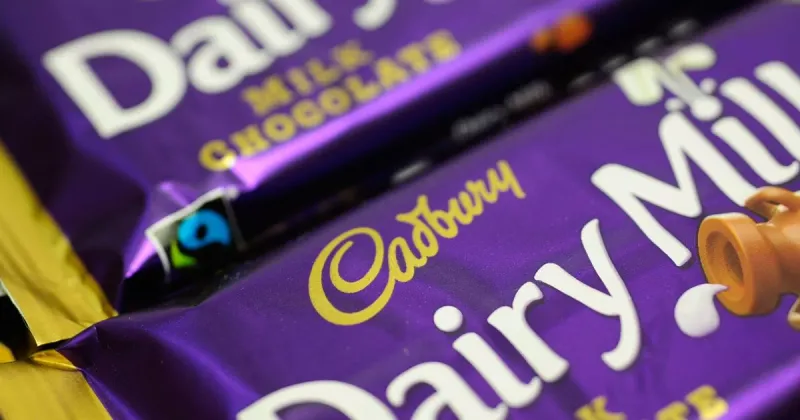
John Cadbury started flogging cocoa and drinking chocolate from a Birmingham shop in 1824, back when chocolate was a luxury most folks couldn't afford. Fast forward to 1905, and Dairy Milk arrived, changing the British chocolate game forever with its creamy, melt-in-your-mouth formula.
The purple wrapper became so iconic that Cadbury tried (and failed) to trademark the colour itself. Now 200 years old, Cadbury remains Britain's favourite chocolate brand, despite the controversial Kraft takeover that still gets people riled up down the pub.
4. Nestlé
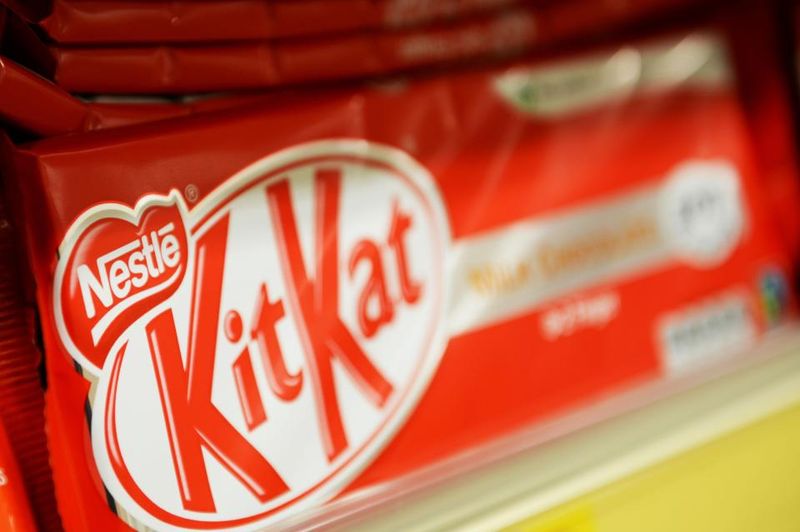
A German pharmacist named Henri Nestlé created infant formula in Switzerland back in 1866, aiming to tackle child mortality rates. Not exactly snacks, granted, but the company quickly branched out. By the time Nestlé hit British shores properly, they'd already acquired Rowntree's and were churning out KitKats and Aeros.
Today, Nestlé owns a ridiculous chunk of what's in your cupboard, from Smarties to Quality Street. At 158 years old, this Swiss giant has gone from baby food to basically feeding the entire planet, controversies and all.
5. Jacobs
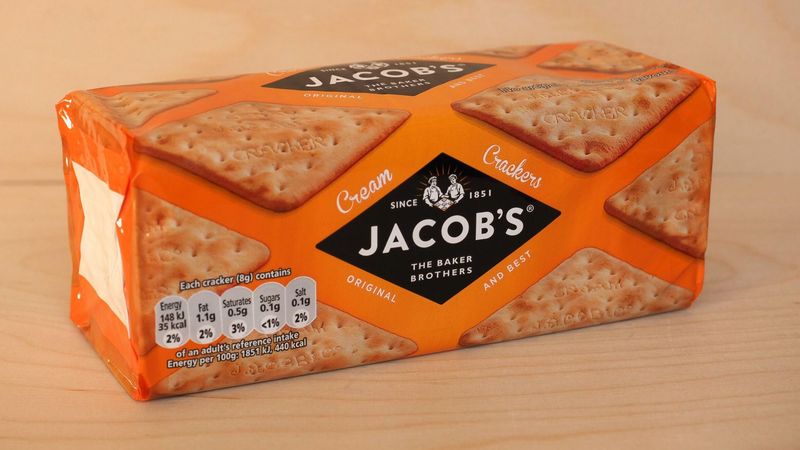
William Beattie Jacob opened his bakery in Waterford, Ireland, in 1851, eventually creating the Cream Cracker in the 1880s. Simple, unsalted, and utterly dependable, it became the go-to base for cheese, pâté, or whatever leftovers needed using up.
Jacobs merged with several other biscuit makers over the decades, eventually landing under the Pladis umbrella alongside McVitie's. At 173 years old, Jacobs might not be the flashiest brand on the shelf, but those Cream Crackers have been holding British cheese steady for over a century.
6. Fox's Biscuits
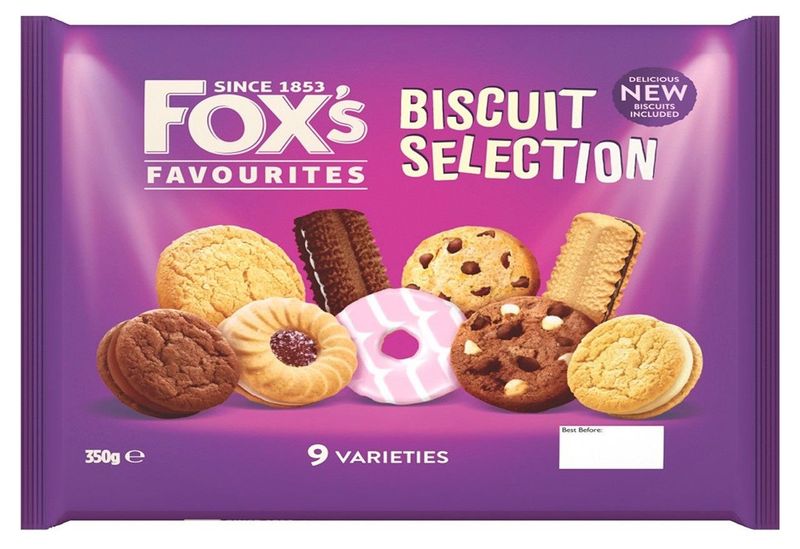
In 1853, a young Michael Fox started baking in Batley, West Yorkshire, eventually building a proper factory that still stands today. Fox's became famous for making own-brand biscuits for supermarkets before launching their own ranges, including the beloved Viennese fingers and jam rings.
The company remained family-owned until 2006, which is pretty impressive in an industry dominated by massive conglomerates. At 171 years old, Fox's proves that Yorkshire grit and good biscuits never go out of fashion, even if nobody can agree on how to pronounce Viennese properly.
7. KP Snacks
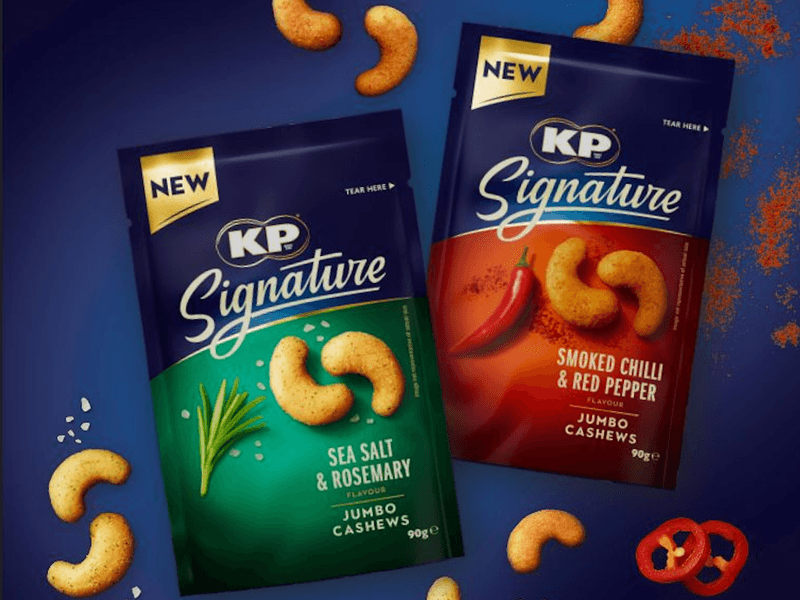
Kenyon Produce started life in Rotherham in 1853, initially selling confectionery before pivoting to nuts. The name KP Nuts stuck, and by the 1950s, they'd become the pub snack of choice, usually paired with a pint and some questionable chat.
KP expanded into crisps and other savoury snacks, gobbling up brands like Hula Hoops, Skips, and McCoy's along the way. At 171 years old, KP has gone from Victorian sweetshop to crisp empire, proving that Brits will always need something salty to munch on while socialising.
8. Rowntree's
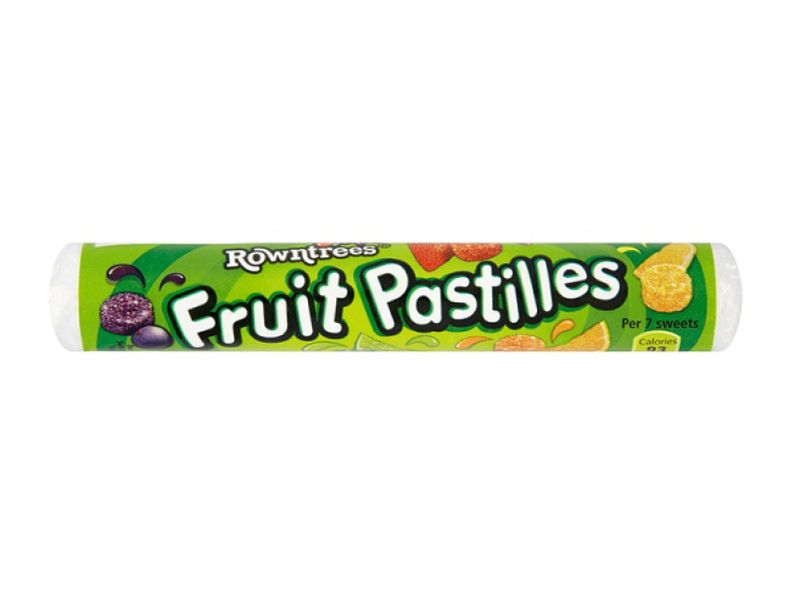
Henry Isaac Rowntree took over a small cocoa business in York in 1869, transforming it into a confectionery powerhouse. Fruit Pastilles arrived in 1881, Fruit Gums in 1893, and the genius of putting chewy sweets in tubes was born.
Rowntree's also created KitKat, Aero, and Smarties before Nestlé snapped them up in 1988, much to the dismay of York locals. At 155 years old, Rowntree's legacy lives on in every pick 'n' mix and corner shop sweet shelf, even if the name's now just a brand under the Nestlé umbrella.
9. Kellogg's
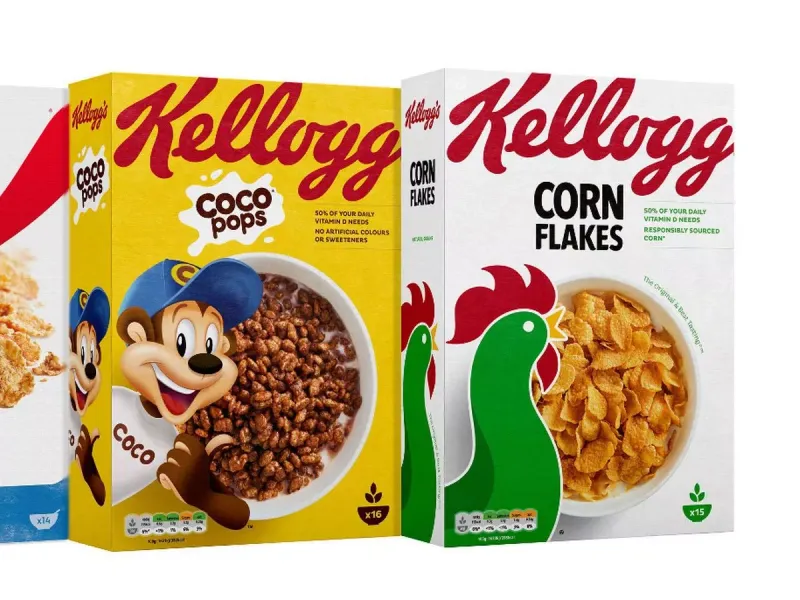
Will Keith Kellogg accidentally invented cornflakes in 1894 while working at his brother's sanitarium in Michigan, trying to create healthy food for patients. The flakes caught on, and by 1906, Kellogg's was born, eventually crossing the Atlantic to conquer British breakfast tables.
Coco Pops, Frosties, and Rice Krispies became childhood staples, despite parents moaning about the sugar content. At 118 years old as a company (and 130 since those first flakes), Kellogg's remains the breakfast cereal king, even if we all know cornflakes taste better with sugar sprinkled on top.
10. Burtons Biscuits
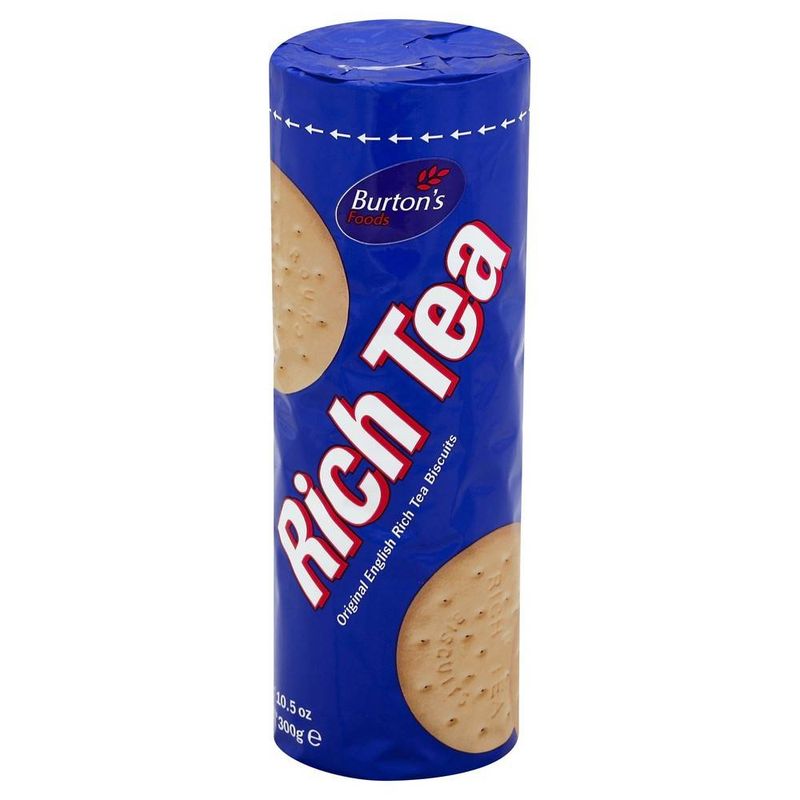
George Burton opened his first bakery in Blackpool in 1935, right between the wars, when a decent biscuit was still considered a treat. Wagon Wheels launched in 1948, becoming an instant hit despite shrinking mysteriously over the decades (or did we just grow?).
Burtons also owns Jammie Dodgers, Maryland Cookies, and a load of other nostalgic favourites. At 89 years old, Burtons might not have the ancient pedigree of McVitie's, but they've still been filling British biscuit tins for nearly a century, one jammy heart at a time.