



Some dishes from previous generations feel like they came from a completely different world. Our grandparents cooked with what they had, nothing went to waste, and meals often reflected local traditions rather than supermarket convenience.
Looking back at some of these foods can be surprising, a little odd, and honestly fascinating - and it makes you wonder what people in the future will think about our favourites.
This article is for general interest only and reflects traditional regional cooking practices. People’s tastes, dietary needs and cultural backgrounds vary, so it’s always best to explore new foods thoughtfully and choose what feels comfortable for you.
1. Tripe And Onions
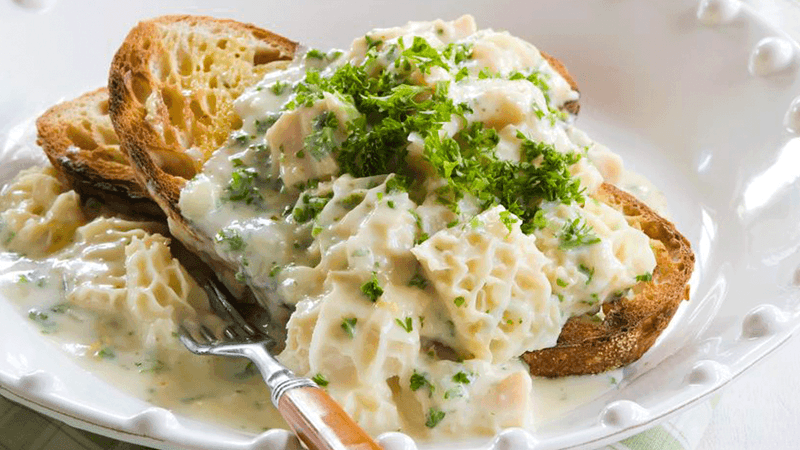
Cow stomach might not sound appetising, but tripe was incredibly popular in working-class British households. The chewy texture takes some getting used to, and preparing it properly requires hours of cleaning and boiling.
Grandmothers would simmer it with onions in milk until tender, creating a surprisingly comforting meal. Today, most people wouldn't recognise tripe at the butcher's counter, let alone know how to cook it at home.
2. Jellied Eels
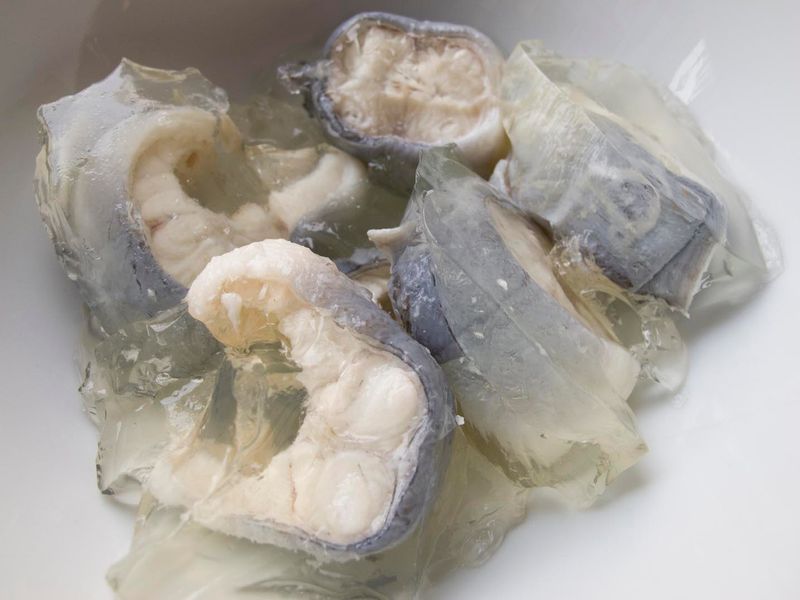
East London's famous delicacy sounds bizarre to modern ears. Chopped eels are boiled with herbs and left to cool, forming a natural jelly from the fish's collagen.
The wobbly texture and fishy flavour made this a cheap protein source for Victorian families. Pie and mash shops still serve them, but younger generations usually pass them by. Your great-grandmother probably enjoyed them regularly from street vendors around the city.
3. Brown Windsor Soup
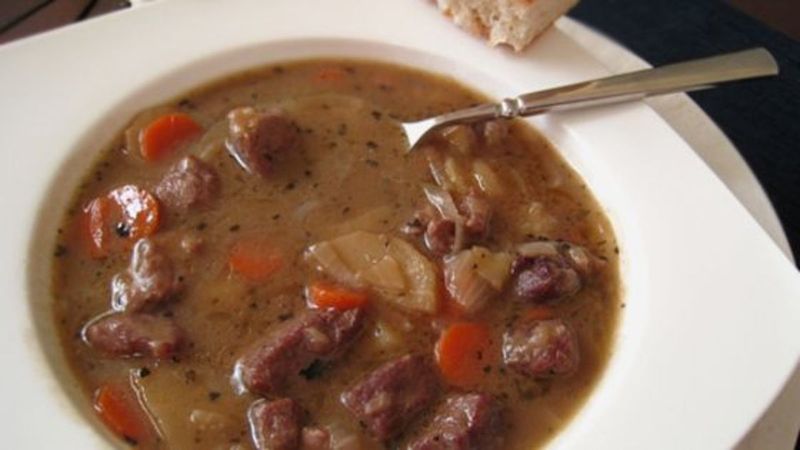
Made with beef stock, vegetables, and sometimes madeira wine for richness, this thick soup had a distinctive dark colour.
Hotels and restaurants served it constantly throughout the 19th century. The heavy, filling nature suited colder climates and hard-working people perfectly. Nowadays, you'd struggle to find it on any menu, though some traditional establishments occasionally feature it as a historical curiosity.
4. Mock Turtle Soup
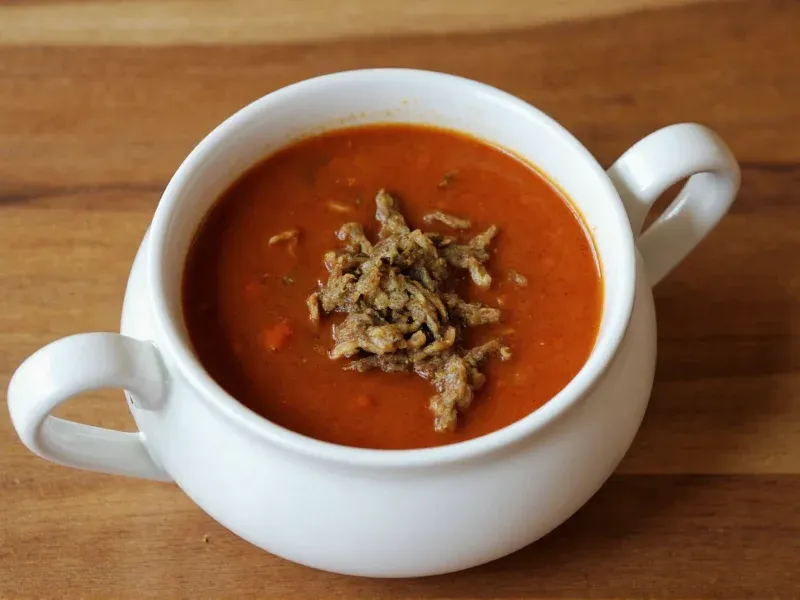
Actual turtle soup was expensive, so clever cooks created this substitute using calf's head. The gelatinous texture mimicked real turtle surprisingly well, making it accessible to ordinary families.
Preparing it involved boiling the entire head for hours until tender. Lewis Carroll famously referenced it in Alice's Adventures in Wonderland with his Mock Turtle character. Today, the very idea makes most people squeamish.
5. Laverbread
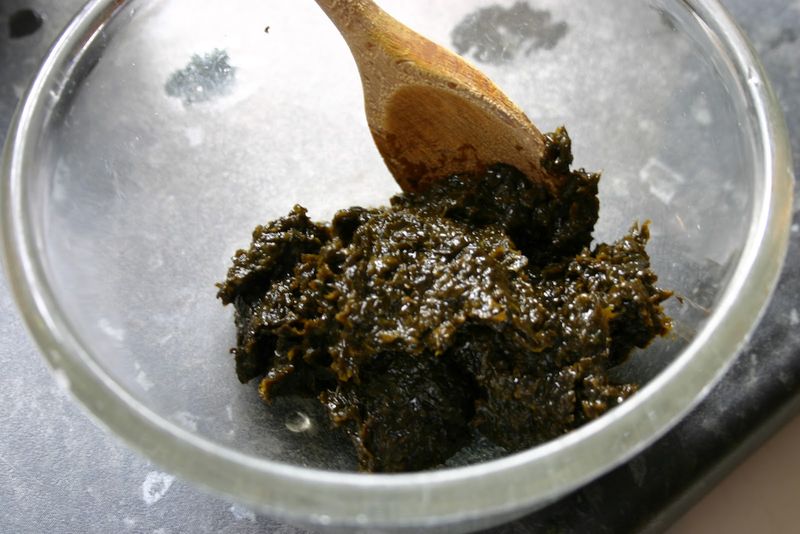
Despite its name, laverbread contains no bread whatsoever. This Welsh speciality consists of boiled seaweed, mashed into a dark green paste with an acquired taste.
Coastal communities harvested laver from rocks at low tide, then spent hours preparing it. Often mixed with oatmeal and fried, it provided essential vitamins and minerals. Modern supermarkets rarely stock it, though it's experiencing a small revival amongst adventurous foodies.
6. Dripping Sandwiches
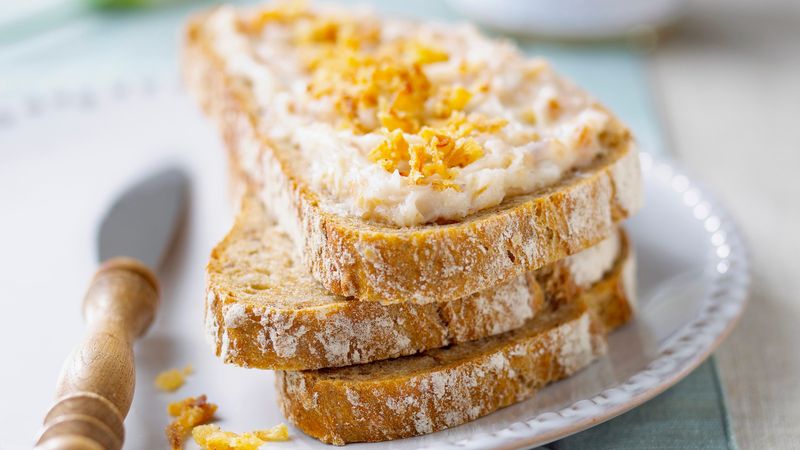
Leftover fat from roasted meat was never wasted in frugal households. Beef dripping, spread cold on bread with a sprinkle of salt, made a common snack or packed lunch.
The meaty jelly at the bottom was considered the best part. Children would rush home from school for dripping on toast as a treat.
7. Steak And Kidney Pudding
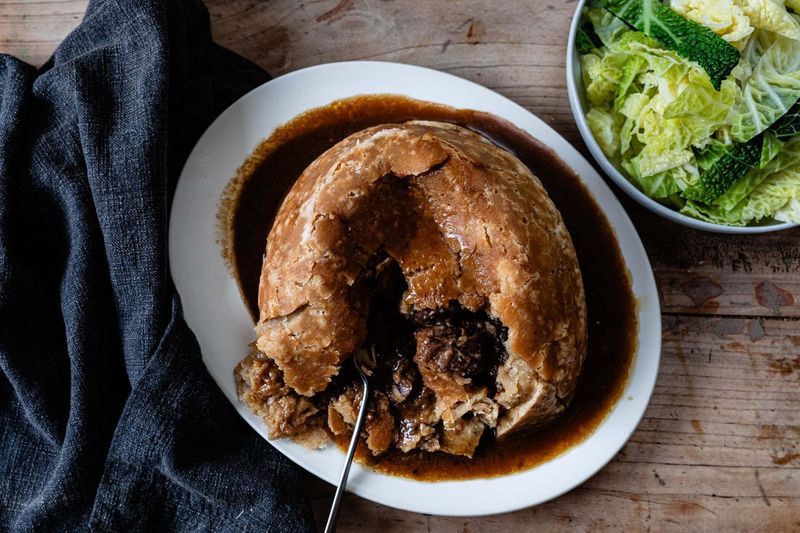
Wrapped in suet pastry and steamed for hours, this hearty pudding was Sunday dinner royalty. Chunks of beef and kidney created a rich, savoury filling that fed hungry families.
The kidney's strong flavour puts off many modern eaters who didn't grow up with it. Making the suet crust from scratch requires skills most people lack today. Butchers report that kidney sales have dropped dramatically over recent decades.
8. Liver And Onions
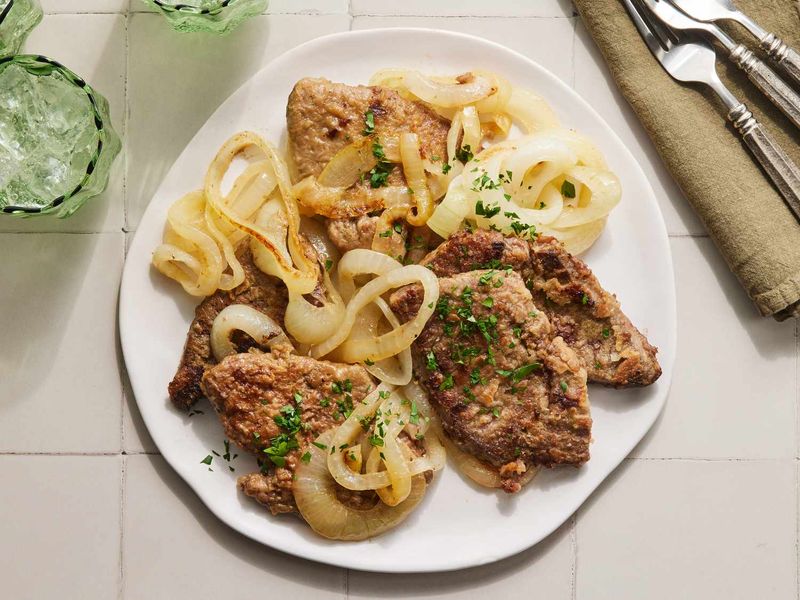
Liver was cheap, nutritious, and appeared on tables weekly in most households. Fried with onions until just cooked through, it provided essential iron for growing children.
Overcooking makes it tough and bitter, which probably put off an entire generation. Schools served it regularly in canteens, creating traumatic memories for many. Today's parents rarely force it upon their children, preferring less challenging proteins instead.
9. Rabbit Stew
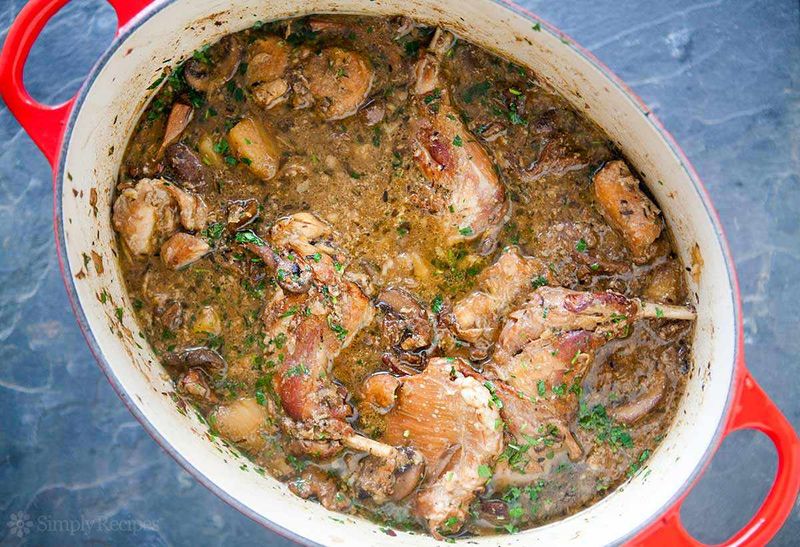
Wild rabbits provided free meat for rural families and allotment keepers. Slow-cooked with root vegetables, the gamey flavour created a warming winter meal.
Grandfathers would trap or shoot rabbits themselves, and grandmothers knew how to prepare them completely. The small bones require careful eating, which modern diners find fiddly. Supermarkets rarely stock rabbit now, though some farmers' markets still offer it occasionally to adventurous cooks.
10. Suet Dumplings
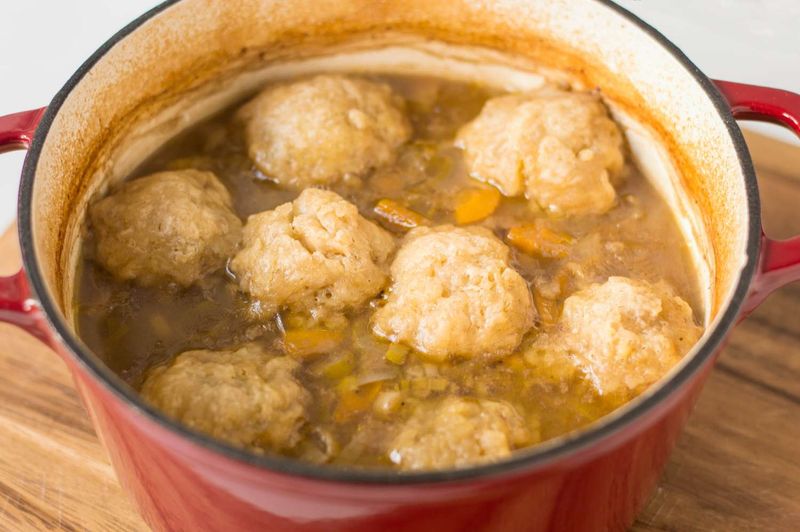
These filling spheres of flour and beef fat stretched meagre stews to feed more mouths. Dropped into simmering liquid, they absorbed flavours whilst providing bulk and calories.
The texture is dense and satisfying, perfect for cold weather and physical labour. Making them required rendered suet from the butcher, something few modern cooks would recognise. Today, most people use shop-bought alternatives or skip dumplings entirely in favour of lighter options.
11. Bread And Butter Pudding
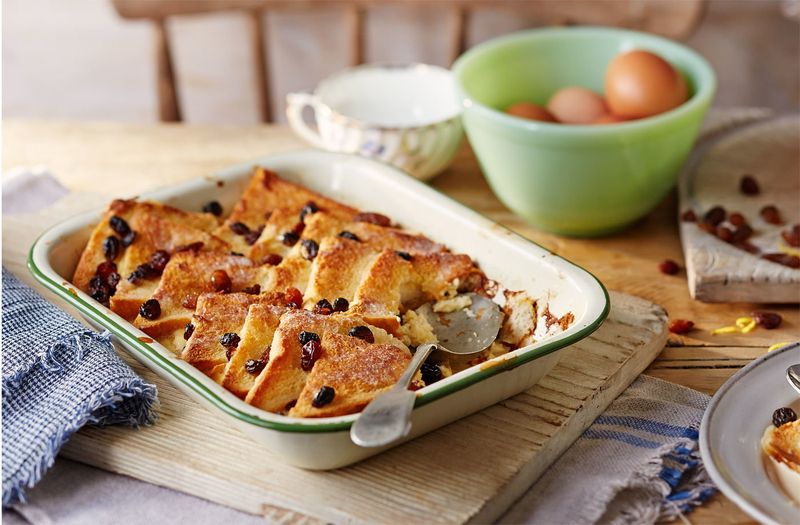
Stale bread never went to waste when you could transform it into dessert. Layered with butter, dried fruit, and custard, then baked until golden, it became something special.
Every household had their own secret touches, like nutmeg or lemon zest. The economical pudding used up leftovers beautifully whilst satisfying sweet cravings. Though some restaurants serve fancy versions now, the humble home-cooked original has largely vanished from everyday menus.
12. Piccalilli
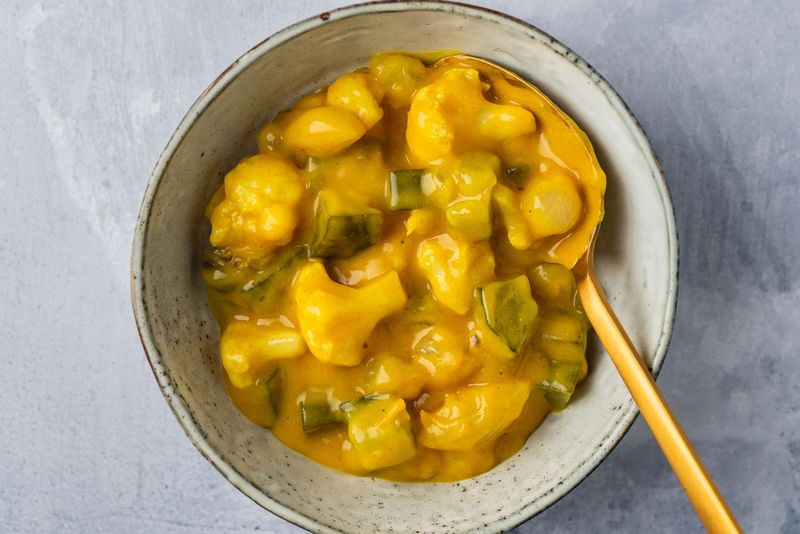
Bright yellow and tangy, this vegetable pickle accompanied cold meats and cheese at every tea table. Cauliflower, onions, and gherkins sat in a thick, spicy mustard sauce.
Grandmothers made vast quantities during harvest time, filling jars to last through winter. The strong flavour and unusual colour seem old-fashioned to younger palates accustomed to milder condiments. Supermarkets still stock it, but sales have declined as tastes have shifted towards international flavours.