

British Christmas tables have not always looked the way they do today.
Many dishes that were once routine parts of the festive meal have gradually slipped out of everyday use, remembered mainly through family stories or handwritten recipes.
Looking back at these foods helps show how tastes, habits, and traditions naturally change over time, even during celebrations that feel timeless.
This article is for cultural and historical interest only.
Holiday foods and traditions vary by region, household, and personal preference, and some dishes mentioned may still be prepared today or found in speciality settings.
Photos are for illustrative purposes only.
1. A Christmas Table From Another Time
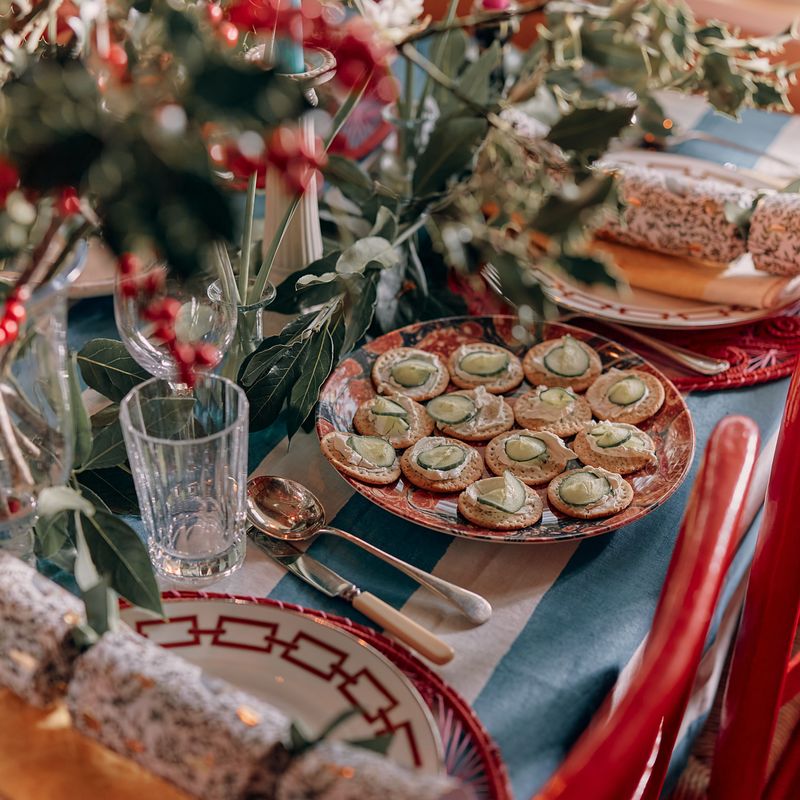
Christmas dinner hasn’t always looked like it does today, and many festive foods once considered essential have quietly disappeared from the modern table.
Some faded because ingredients became harder to find, while others fell out of favour simply because tastes changed.
Yet these dishes tell us a great deal about how families celebrated, cooked, and gathered together.
Revisiting them feels a bit like opening a window into Christmases remembered only in stories and old recipe books.
2. Roast Goose
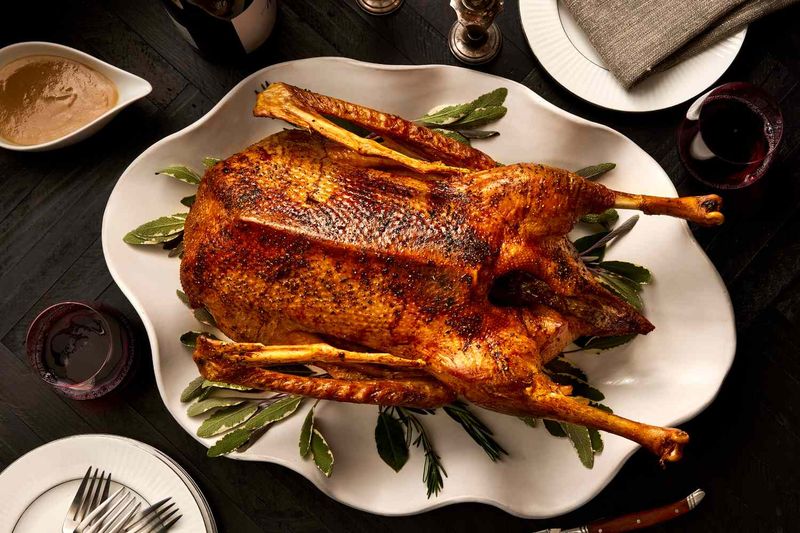
Before turkey became the centrepiece of British Christmas feasts, roast goose reigned supreme for centuries.
Families across Britain would raise geese throughout the year specifically for the Christmas celebration.
The bird's rich, fatty meat and crispy skin made it a luxurious holiday treat.
Goose clubs even existed where working families could pay weekly instalments to afford their Christmas bird.
Turkey gradually replaced goose during the Victorian era because it was larger and could feed more people, making it more economical for growing families.
3. Figgy Pudding
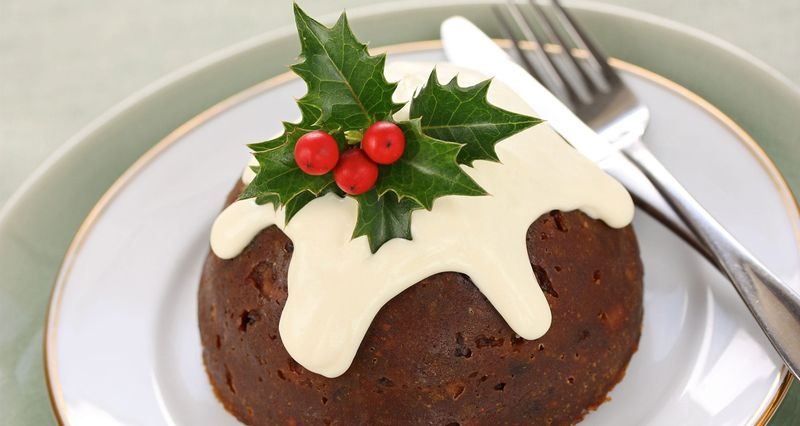
Remember the carol lyrics demanding figgy pudding?
This dense, fig-filled dessert was once a Christmas essential that predates modern Christmas pudding.
Unlike today's dried-fruit-heavy Christmas pud, figgy pudding contained generous amounts of actual figs mixed with breadcrumbs, suet, and spices.
The texture was more cake-like than the steamed puddings we know now.
As figs became expensive imports and other dried fruits grew more popular, this specific version faded away.
Most modern recipes labelled "figgy pudding" are actually just regular Christmas pudding with figs added.
4. Sugar Plums
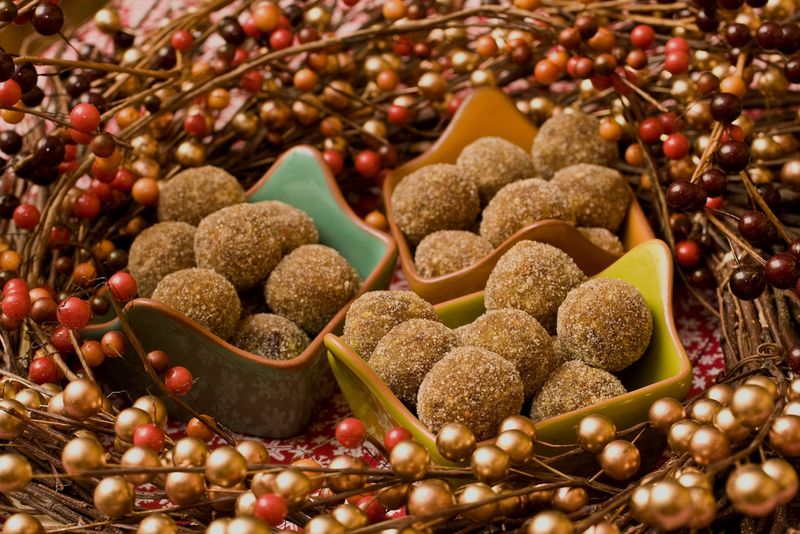
Despite their name, sugar plums contained no actual plums whatsoever.
These labour-intensive sweets were made by repeatedly coating seeds, nuts, or spices with layers of boiled sugar syrup.
Creating them required days of work, with each coating needing to dry completely before adding the next layer.
The result was a hard, jewel-like candy that sparkled on Christmas tables.
Factory-made chocolates and simpler sweets eventually replaced these time-consuming treats.
The phrase "visions of sugar plums" in Christmas poetry is now the main way most people encounter them today.
5. Wassail
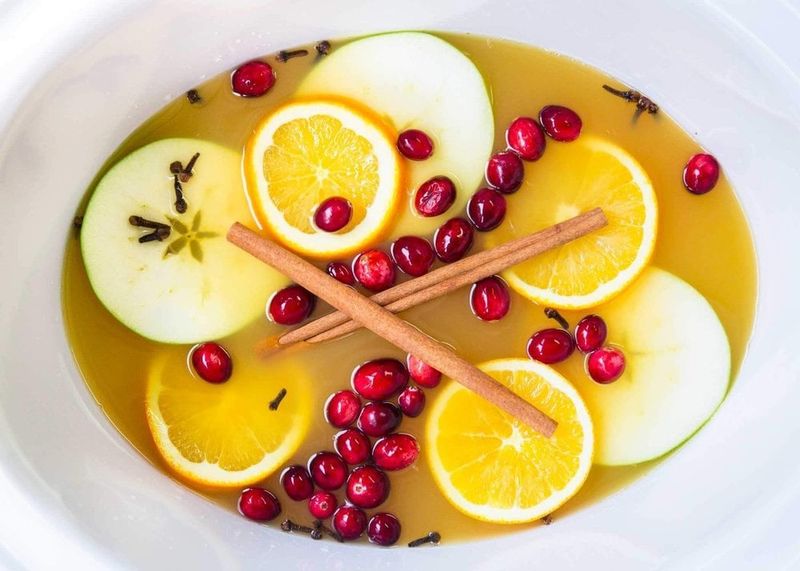
Wassailing involved drinking from a communal bowl filled with hot spiced cider or mulled fruit juice whilst singing Christmas carols.
Communities would gather round the wassail bowl to toast each other's health and good fortune.
The drink typically contained roasted apples, spices like cinnamon and nutmeg, and honey for sweetness.
Some versions included beaten eggs, creating a frothy, nourishing beverage perfect for cold winter nights.
This ancient tradition has largely disappeared from British homes, though some rural communities still practise orchard wassailing to bless apple trees for the coming harvest season.
6. Boar's Head Centrepiece
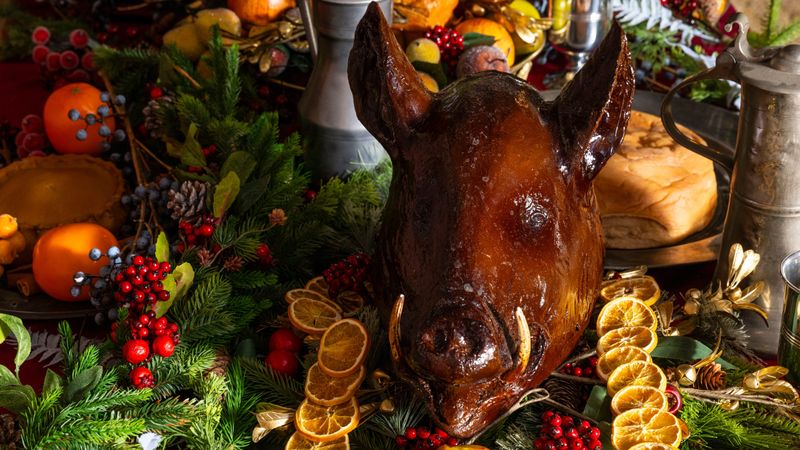
Medieval and Tudor Christmas feasts featured an entire boar's head as the spectacular centrepiece, carried into the hall with great ceremony.
The head would be elaborately decorated with gilding, herbs, and an apple or orange in its mouth.
Special carols were sung specifically for the boar's head procession, with servants parading it through the household.
This impressive display symbolised strength, abundance, and the defeat of evil.
As wild boar became extinct in Britain and tastes changed, this dramatic tradition vanished from most tables, surviving only in a few Oxford colleges' formal Christmas dinners.
7. Twelfth Cake
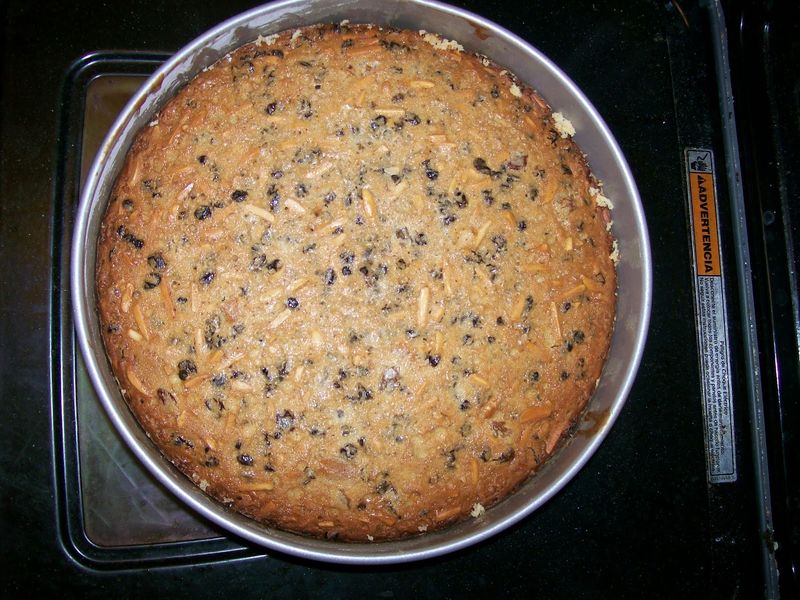
Twelfth Night, celebrating the end of Christmas on 6th January, once featured spectacular cakes more important than Christmas Day desserts.
These elaborate creations were decorated with sugar figurines, intricate icing, and hidden tokens baked inside.
Finding the bean or coin hidden in your slice made you king or queen of the evening's festivities.
Bakers competed to create the most impressive designs, with some cakes reaching extraordinary heights.
When Victorians shortened Christmas celebrations and stopped observing Twelfth Night properly, these magnificent cakes disappeared.
Birthday cakes inherited some decorating traditions from these forgotten showstoppers.
8. Mince Pies Made With Real Meat
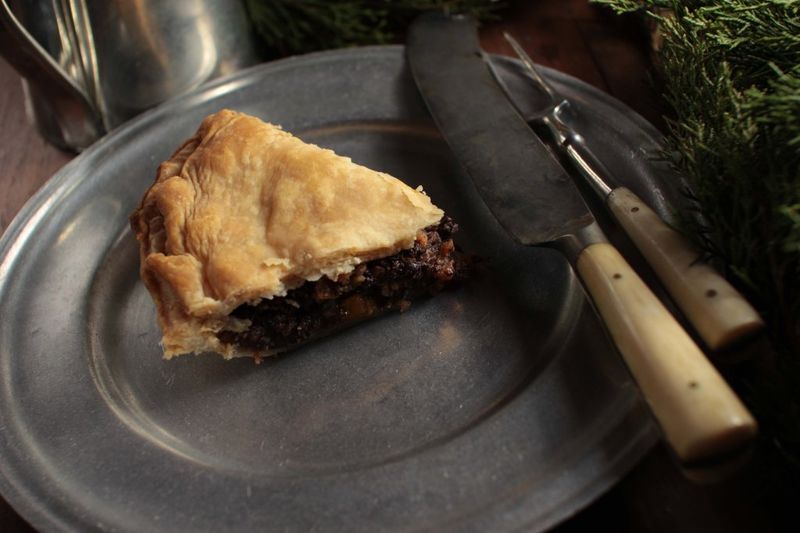
Original mince pies genuinely contained minced meat, not just the dried fruit mixture we enjoy today.
Mutton or beef was mixed with suet, dried fruits, spices, and sometimes even wine to create a rich, savoury-sweet filling.
These substantial pies were larger than modern versions and served as a proper course during Christmas feasts.
The meat content made them more of a meal than a sweet treat.
Victorian tastes shifted towards sweeter desserts, and the meat gradually disappeared from recipes.
Today's mincemeat contains no actual meat, though the suet and name remain as reminders of its carnivorous past.
9. Plum Porridge
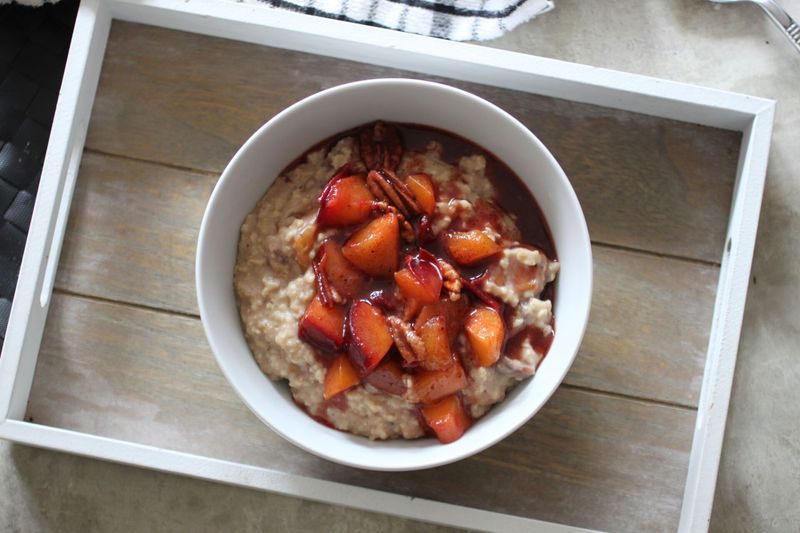
Christmas morning once began with plum porridge, a thick, spiced mixture of meat broth, breadcrumbs, dried fruits, and warming spices.
Despite its name, it rarely contained actual plums but was loaded with raisins and currants.
This hearty dish was the direct ancestor of Christmas pudding, evolving from a breakfast porridge into a dessert over several centuries.
The meaty, savoury base gradually disappeared as sweet ingredients took over.
By the Georgian era, plum porridge had transformed into the steamed pudding we recognise today.
Few people remember this soupy predecessor that fuelled Christmas morning activities for generations of British families.
10. Frumenty
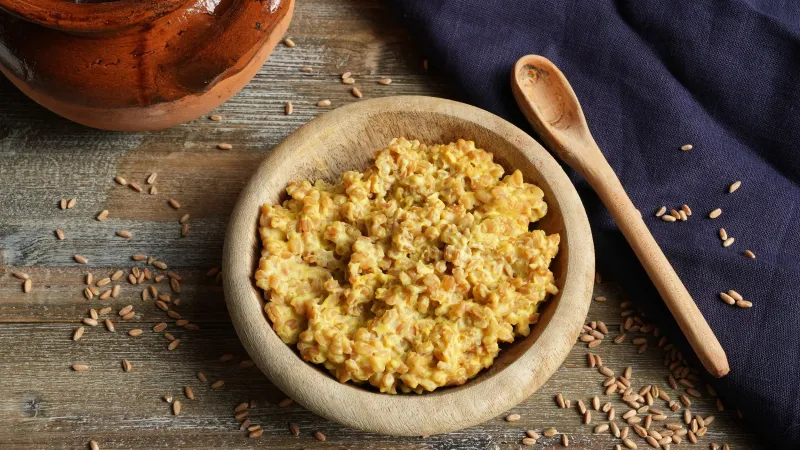
Frumenty was a creamy wheat porridge enriched with milk, eggs, and spices, served as a Christmas staple from medieval times through the Tudor period.
Wheat grains were soaked and simmered until they burst and created a thick, nourishing consistency.
Wealthier households added saffron, turning their frumenty a luxurious golden colour.
The dish could be served alongside meat or sweetened with honey as a dessert course.
This ancient grain dish disappeared as British tastes moved away from wheat-based porridges and towards lighter, more refined Christmas foods.
Today, it's completely unknown outside historical cooking enthusiast circles.
11. Gingerbread Husbands
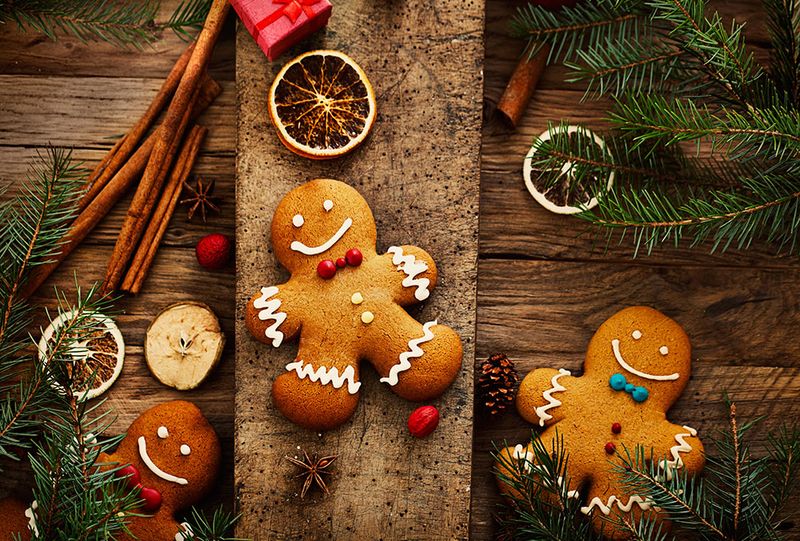
Victorian Christmas markets sold elaborate gingerbread figures shaped as fashionably dressed gentlemen, complete with icing details showing waistcoats, top hats, and walking sticks.
These weren't simple biscuits but thick, cake-like creations often measuring nearly a foot tall.
Young women would receive these gingerbread husbands as Christmas gifts, with the figures sometimes costing significant sums.
The fancier the decoration, the more valuable the token of affection.
Simple gingerbread men replaced these elaborate figures as mass production made plain versions cheaper.
The romantic tradition of gifting decorative gingerbread husbands vanished, leaving only basic shapes in modern Christmas baking.
12. Soused Herrings
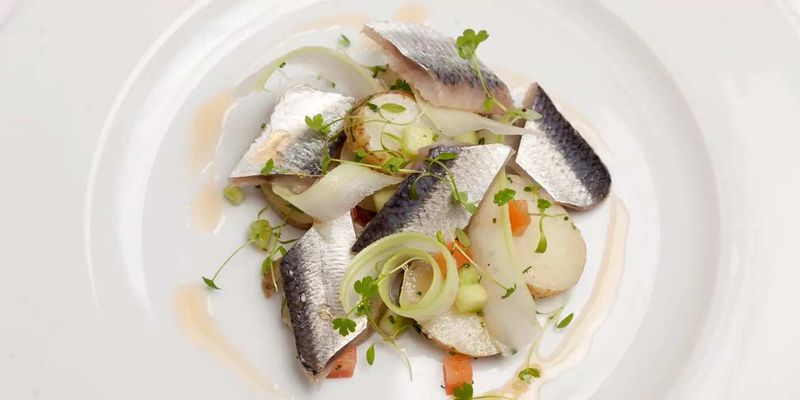
Soused herrings were once a staple in British households during the holidays.
These fish, pickled in vinegar with spices, offered a tangy delight.
The tradition stems from a time when preserving foods for winter was essential.
Adding a zesty kick to the Christmas spread, soused herrings were beloved for their bold flavors.
Though they have mostly vanished from modern tables, they remain a testament to culinary ingenuity.
Nostalgia surrounds these herrings, as those who remember them often recall family gatherings in simpler times.
13. Tansy Pudding
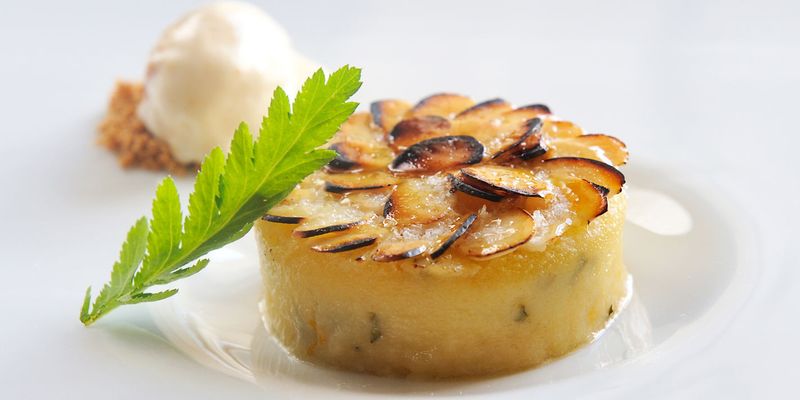
Tansy pudding, a unique dessert, once added a herbal touch to Christmas meals.
Made with tansy leaves, eggs, and cream, it offered a bittersweet flavor.
Traditionally used for its medicinal properties, tansy gave this pudding an aromatic twist.
Its green hue and distinctive taste made it a conversation starter.
Though rarely seen today, tansy pudding was a festive favorite for centuries.
Its unique ingredients and preparation reflect a deep connection to nature and ancient culinary practices.