








Grocery shopping feels like second nature after years of doing it, which is why it’s so easy to slip into habits without even realising it. Sometimes the supermarket layout, packaging, or clever promotions can quietly influence what goes in the trolley, even when we think we’re being careful. A few small tweaks can make shopping feel easier, clearer, and kinder on the budget.
This article is for general information only. Everyone’s needs, budgets, and routines are different, and what works well for one person may not suit another. Photos are for illustrative purposes only and products, availability, and prices can vary by location and store.
1. Shopping Without A List

Wandering the aisles without a plan often leads to impulse purchases and forgotten essentials. Your trolley fills with items you don't really need, whilst the milk you came for gets left behind.
Writing down what you need before leaving home keeps you focused and prevents overspending. A simple list ensures you remember everything and stick to your budget, making each shop more efficient and less stressful overall.
2. Forgetting To Check Unit Prices
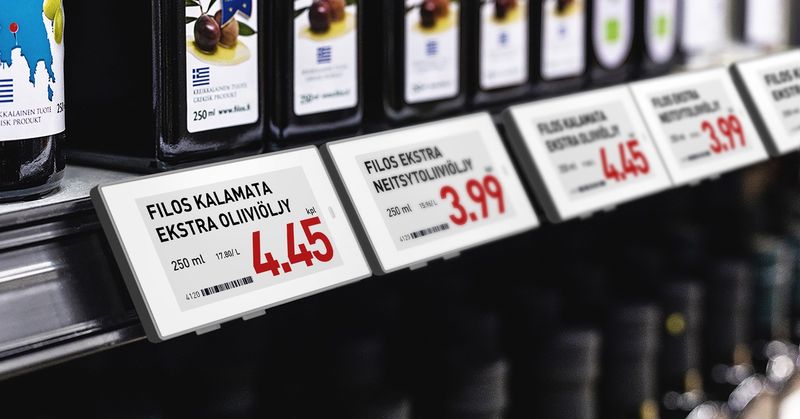
Bigger packages don't always mean better value, yet many shoppers assume they do. The small labels showing price per 100g or per litre reveal the true bargain.
Comparing these unit prices helps you spot which size actually saves money. Sometimes the medium pack costs less per unit than the jumbo version. Taking a moment to check these figures can trim pounds off your weekly bill without any extra effort required.
3. Buying Fresh Produce Instead Of Frozen

Fresh fruit and veg can spoil quickly, especially if you’re cooking for one or two, which sometimes leads to waste. Frozen options stay good much longer and are usually frozen soon after harvesting, helping them keep their flavour and nutrients well. They’re also pre-washed and chopped, which makes them convenient to cook with.
Choosing a mix of fresh and frozen can help reduce waste and make meal planning easier.
4. Choosing Name Brands Over Store Brands
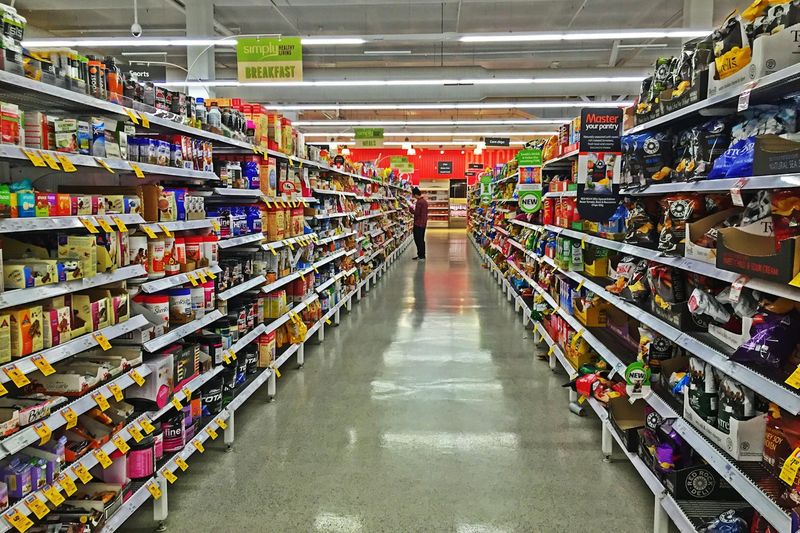
Familiar logos can feel reassuring, but own-brand options are worth trying too. While they aren’t always made using the exact same recipes, many are still good quality and much more affordable. Testing store brands on everyday staples like pasta, rice, or tinned tomatoes can noticeably lower your bill.
If you find versions you genuinely enjoy, the savings build steadily without feeling like a compromise.
5. Shopping During Busy Hours
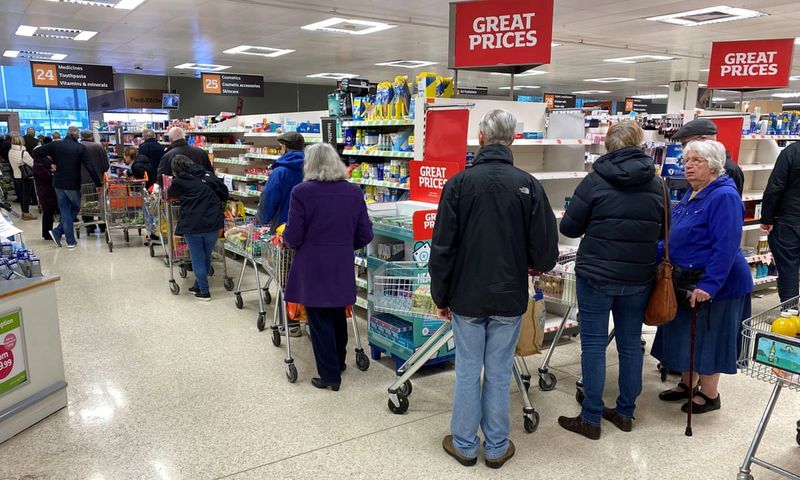
Saturday afternoons and weekday evenings turn supermarkets into chaotic obstacle courses. Crowds make it hard to reach items, queues stretch forever, and the noise becomes exhausting.
Early mornings or mid-week afternoons are quieter, allowing you to browse calmly and ask staff for help when needed. You'll finish faster, feel less stressed, and avoid the rush that makes shopping feel like a chore rather than a simple errand.
6. Not Checking Expiration Dates
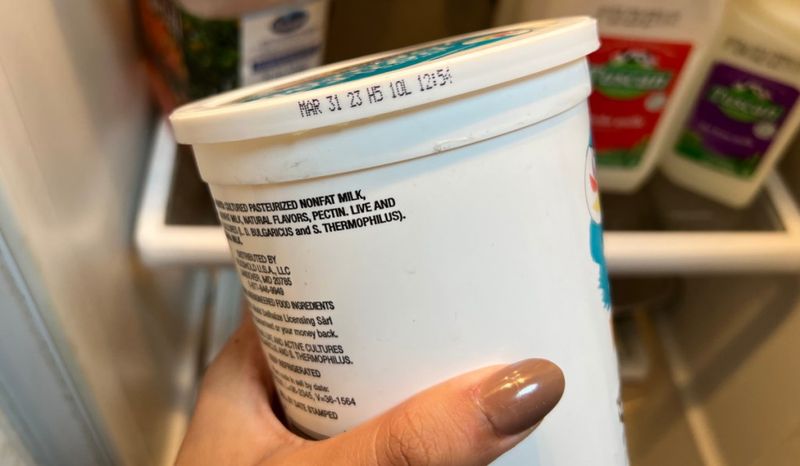
Grabbing the first yoghurt or milk carton you see might mean it expires tomorrow. Shops stock shelves with oldest items at the front, hoping customers won't notice the dates printed on top.
Reaching towards the back often reveals fresher stock with dates weeks ahead. This simple habit prevents food waste and saves you from another trip to replace spoiled goods, making your shop last longer and stretch further overall.
7. Buying More Than Needed Due To Multi-Buy Deals
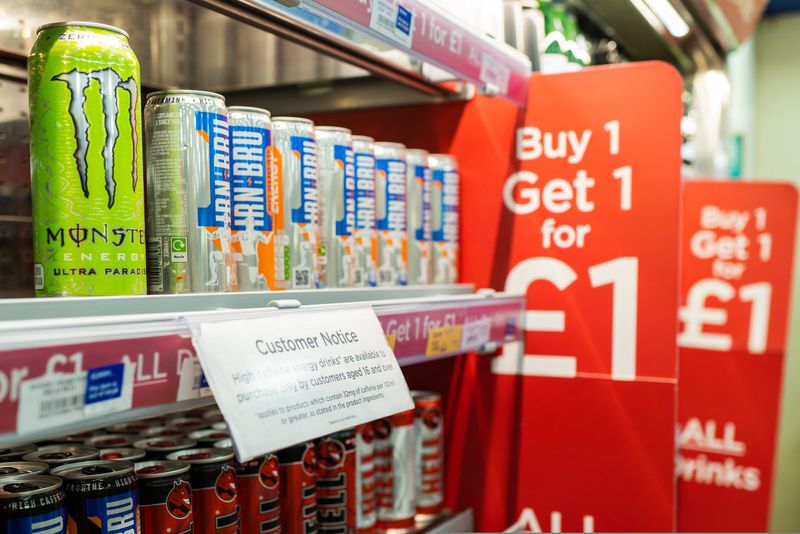
Three-for-two offers seem brilliant until the extra items go off before you use them. Bargains only save money if you actually consume what you buy, not when half ends up wasted.
Ask yourself whether you genuinely need multiple packs before the expiration date arrives. Sharing deals with a neighbour or freezing portions can help, but sometimes skipping the promotion altogether proves more economical and sensible in the long run.
8. Ignoring Loyalty Card Savings

Loyalty schemes offer genuine discounts and personalised coupons based on what you regularly purchase. Many shoppers forget to scan their cards, missing out on pounds of savings each month without realising it.
Signing up takes minutes, and the rewards accumulate quickly. Some programmes offer bonus points on certain days or extra vouchers for your birthday. Keeping your card handy and using it consistently makes a noticeable difference to your annual grocery spending.
9. Not Comparing Prices Between Aisles
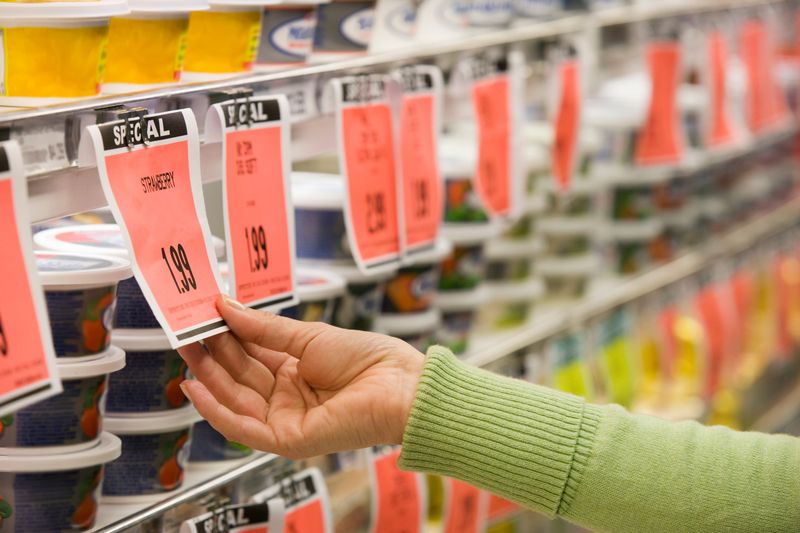
The same item often appears in multiple locations with different prices attached. Tinned sweetcorn might sit in the vegetable aisle and also in a promotional end-of-aisle display for less money.
Walking past special offer sections and comparing prices across departments reveals hidden bargains. Shops deliberately place pricier versions at eye level whilst cheaper alternatives hide higher or lower. Taking time to scan shelves thoroughly pays off with unexpected savings you'd otherwise miss completely.
10. Shopping While Hungry

An empty stomach turns every aisle into temptation. Suddenly, crisps, biscuits, and ready meals you hadn't planned on seem absolutely essential, and your trolley overflows with unnecessary extras.
Eating a proper meal or snack before heading out keeps your willpower strong and your spending sensible. You'll stick to your list, avoid impulse buys, and return home with exactly what you need rather than bags full of regrettable treats.
11. Overlooking Discounted "Reduced To Clear" Sections
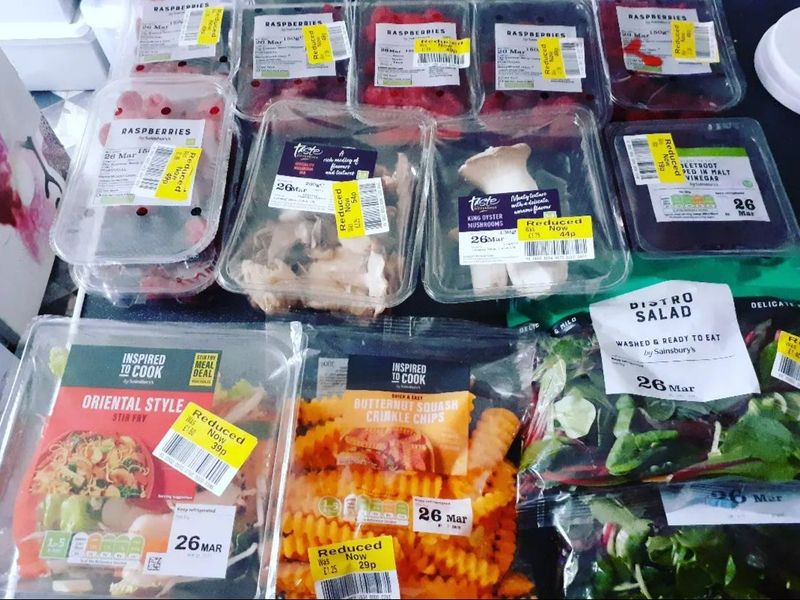
Yellow sticker sections hide genuine treasures—perfectly good food nearing its sell-by date at half price or less. Many shoppers walk straight past, missing excellent deals on meat, bakery items, and fresh produce that's still perfectly fine.
Visiting these areas before closing time reveals the best bargains. Freeze meat immediately or use produce that evening, and you'll eat well whilst spending far less than usual on quality ingredients you'd normally pay full price for.
12. Not Planning Meals Before Shopping

Without knowing what you'll cook this week, you end up buying random ingredients that don't quite work together. Meals become harder to plan, and you're back at the shops mid-week for forgotten items.
Deciding on five or six dinners beforehand means your list includes everything needed and nothing wasted. You'll cook more confidently, reduce food waste, and avoid those frustrating moments staring into the fridge wondering what on earth to make tonight.
13. Buying Large Packages That Are Hard To Store Or Use Up

Warehouse-sized containers promise savings but create problems when your cupboards are already full or you can't finish the contents before they expire. That massive jar of mayonnaise seemed economical until it sat half-used for months.
Consider your actual storage space and consumption rate before choosing the biggest option available. Smaller packages might cost slightly more per unit but prevent waste and fit comfortably in your kitchen, making them the smarter choice overall.
14. Forgetting To Bring Reusable Bags
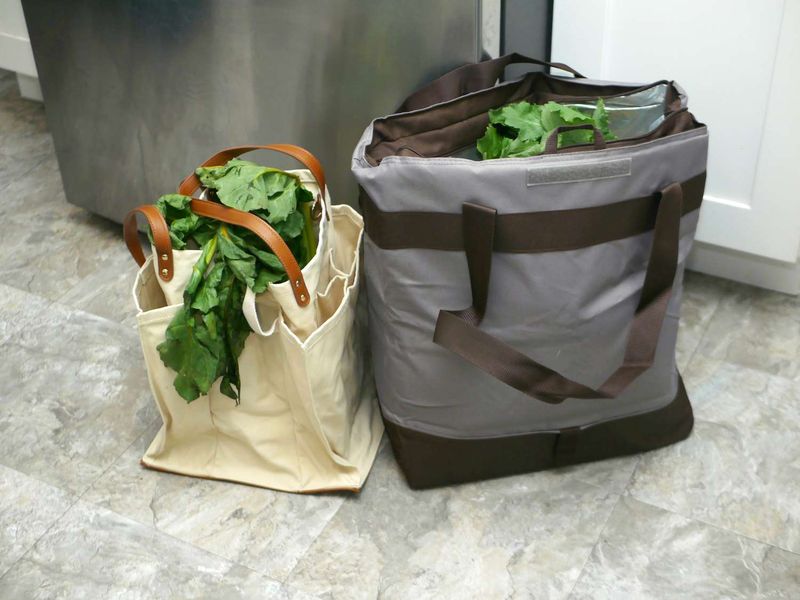
Plastic bag charges add up quickly when you forget your reusables at home. Five or six bags each week means spending over £15 yearly on something completely avoidable and environmentally wasteful.
Keeping folded bags in your car boot or by the front door ensures they're always available when needed. Many reusable bags are sturdier and hold more than disposable ones, making carrying shopping easier whilst saving money and reducing plastic waste significantly.
15. Sticking Only To Familiar Products And Missing New Value Options
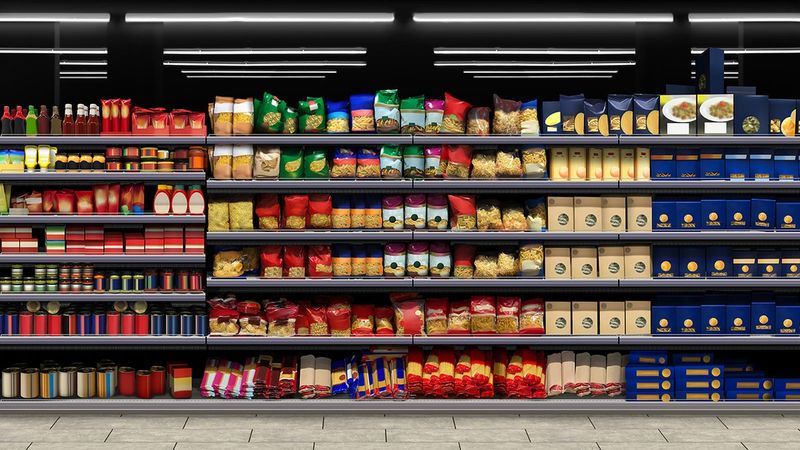
Buying the same brands for decades feels comfortable, but supermarkets constantly introduce better-value alternatives that might suit your needs perfectly. New ranges often offer improved quality at lower prices, yet loyalty to old favourites keeps you paying more unnecessarily.
Trying one or two new items each shop helps you discover hidden gems without overwhelming yourself. You might find a cheaper coffee you prefer or a store-brand cereal that tastes better than your usual choice, refreshing your routine whilst saving money.