






For generations, the full English fry-up reigned as Britain’s hearty breakfast standard – a comforting plate stacked with sausages, bacon, eggs and toast. But in recent years, morning menus have shifted.
Step into cafés across the country now and you’re just as likely to find protein bowls, yoghurt with fruit, or lighter egg dishes taking centre stage. This change reflects evolving attitudes toward health, fitness culture and the growing influence of social media on what we choose to eat.
This article is for general informational purposes only and should not be taken as dietary or health advice. Nutritional needs vary from person to person, and anyone considering changes to their diet should seek guidance from a qualified health professional.
The Rise Of High-Protein Trends
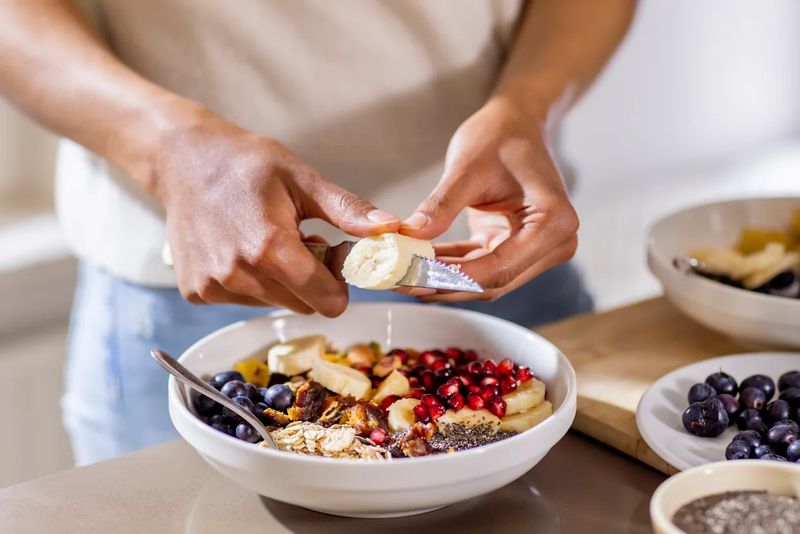
Protein became the superstar nutrient of the 2010s, and breakfast got a complete makeover because of it. Suddenly, everyone from gym enthusiasts to busy office workers started counting their grams and swapping toast for turkey rashers.
British supermarkets responded brilliantly, stocking everything from protein porridge sachets to cottage cheese pots marketed specifically for morning fuel. Brands like Skyr and FAGE turned Greek yoghurt into a breakfast staple, whilst high street chains introduced egg white breakfast wraps and chicken sausage options.
This wasn't just a fad either. Nutritionists confirmed that protein keeps you fuller longer, helping avoid the mid-morning biscuit raid that follows a carb-heavy meal.
Health Concerns Around Fry-Ups
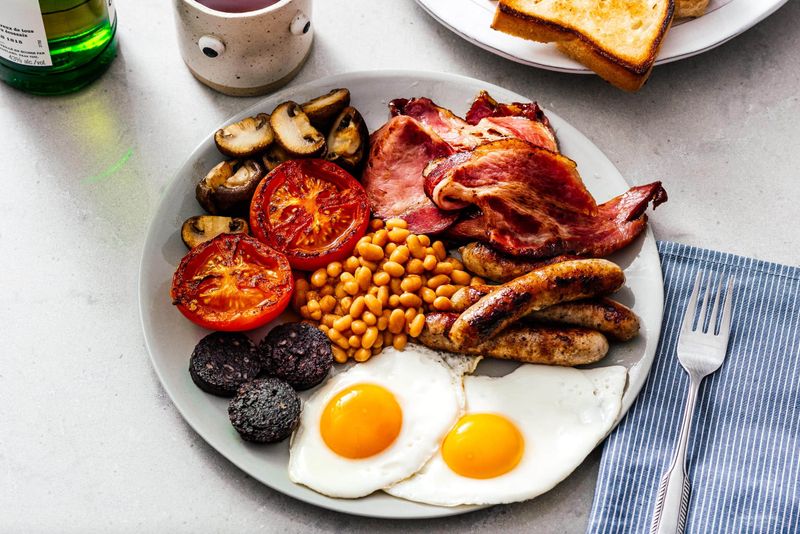
The beloved fry-up started getting a reputation problem when studies linked processed meats to health risks. Doctors and nutritionists began warning about saturated fats, cholesterol, and the sheer calorie load of a plate piled with fried goods.
Public health campaigns highlighting heart disease and obesity made people rethink their morning choices. The NHS guidelines encouraged reducing red and processed meat consumption, which put sausages and bacon squarely in the spotlight.
Even die-hard fry-up fans started treating it as an occasional weekend luxury rather than a daily ritual, swapping greasy spoons for lighter alternatives during the week.
Influence Of Social Media Food Culture

Instagram changed everything about how we eat breakfast, turning the morning meal into visual art. Suddenly, a beige plate of bangers and mash couldn't compete with the rainbow appeal of açai bowls and chia seed puddings topped with edible flowers.
British influencers and wellness bloggers championed photogenic protein bowls, avocado toast, and smoothie creations that looked as good as they supposedly tasted. Cafés across London, Manchester, and Bristol quickly adapted their menus to cater to this Insta-worthy demand.
The pressure to post picture-perfect plates meant traditional breakfasts felt decidedly unglamorous, pushing protein-packed, colourful alternatives into the spotlight.
Supermarket Ready-to-Eat Protein Options
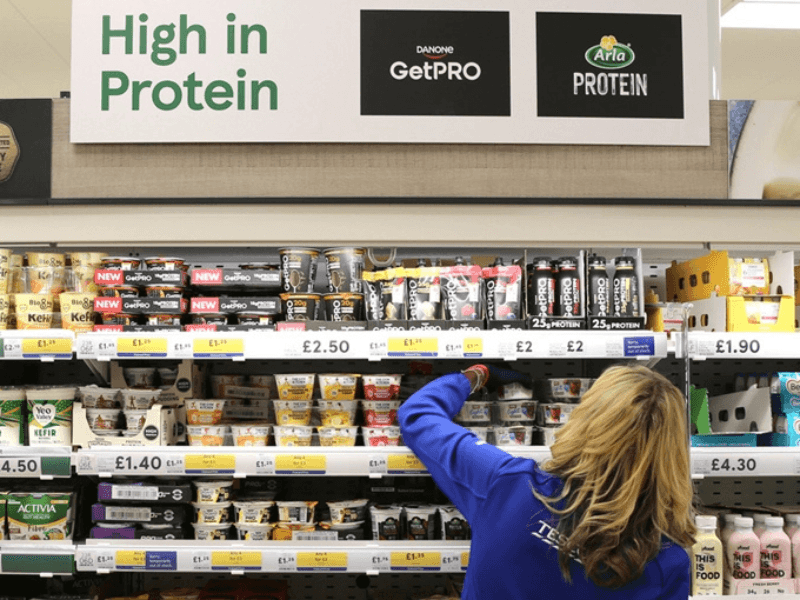
Convenience became king when supermarkets spotted the protein trend and ran with it. Tesco, Sainsbury's, and Marks & Spencer started filling their chilled aisles with grab-and-go protein pots, boiled egg snack packs, and pre-portioned Greek yoghurt with granola toppings.
These weren't just healthier options but time-savers for commuters who previously might have grabbed a bacon butty at the station. Brands like The Collective and Arla launched high-protein yoghurt ranges specifically aimed at breakfast eaters seeking quick nutrition without the fuss.
This retail revolution made healthy eating accessible and effortless, removing excuses for sticking with greasy takeaway breakfasts.
Gym And Fitness Culture Shaping Breakfast Choices
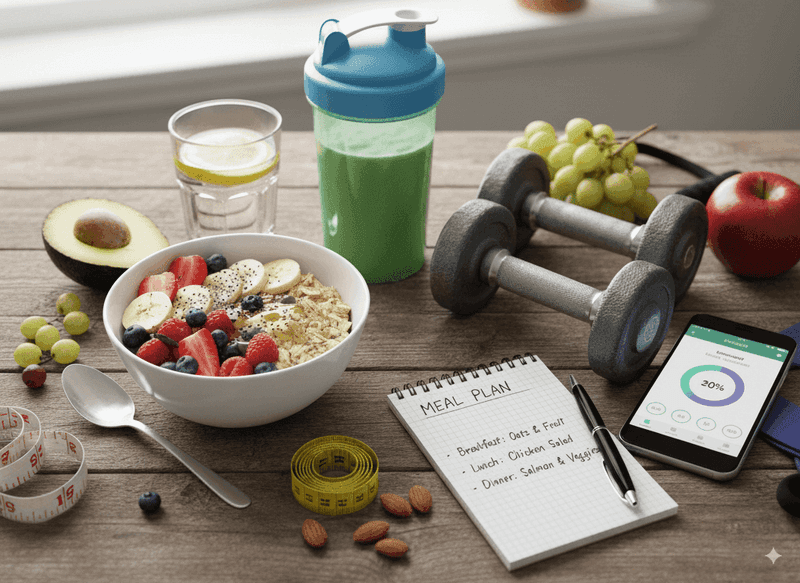
The explosion of gym memberships and boutique fitness studios across Britain fundamentally altered breakfast expectations. CrossFit boxes, F45 classes, and early morning spin sessions meant people needed fuel that supported their training goals rather than weighing them down.
Personal trainers and fitness influencers preached the importance of post-workout protein, making scrambled eggs, protein shakes, and chicken breast breakfast wraps suddenly seem normal. High street chains like Leon and Pret adapted quickly, introducing muscle-building breakfast options alongside their traditional offerings.
Fitness culture transformed breakfast from comfort food into performance fuel, prioritising macros over nostalgia.