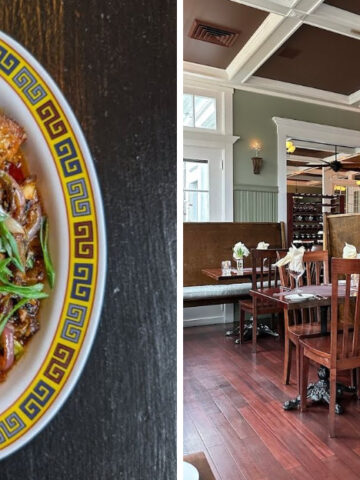








Skipping breakfast has become more common in Britain, and it’s not just about rushing out the door anymore. With changing habits and the rise of healthier, quicker options, more people are finding new ways to fuel their mornings.
Curious about what’s replacing the classic fry-up or cereal bowl? Let’s dive into the reasons behind the trend and the fresh alternatives Brits are choosing instead.
This article explores current breakfast trends and is for general informational purposes. Always consult a healthcare professional for advice on dietary choices.
Lack Of Time
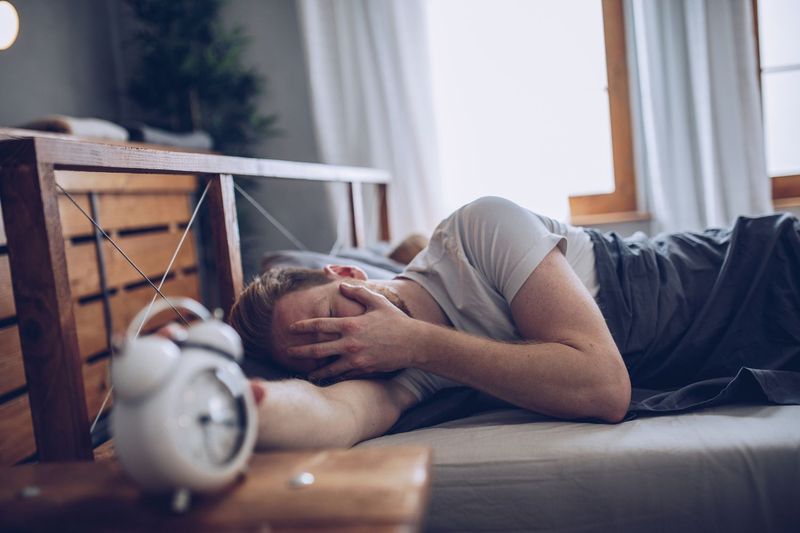
Modern life moves at lightning speed, and breakfast often becomes the first casualty. Many people find themselves racing against the clock each morning, prioritising showers, getting dressed, and commuting over sitting down to eat.
Preparing even a simple breakfast takes precious minutes that many simply don't have. The result? Grabbing a coffee on the way out becomes the norm.
Instead of traditional meals, busy Brits are choosing quick protein bars, smoothies in travel cups, or packaged breakfast biscuits they can eat during their commute or at their desk.
Busy Schedules
Packed calendars leave little room for morning routines. Between early meetings, school runs, and jam-packed to-do lists, breakfast gets pushed aside as people juggle multiple responsibilities before 9 AM.
Work demands have intensified, with many starting their day earlier than ever. Family commitments add another layer of complexity, making sit-down breakfasts feel impossible.
When schedules calm down, people often reach for convenient options like yoghurt pots, instant porridge sachets, or grab-and-go breakfast wraps from local shops that require zero preparation time.
Intermittent Fasting Trends
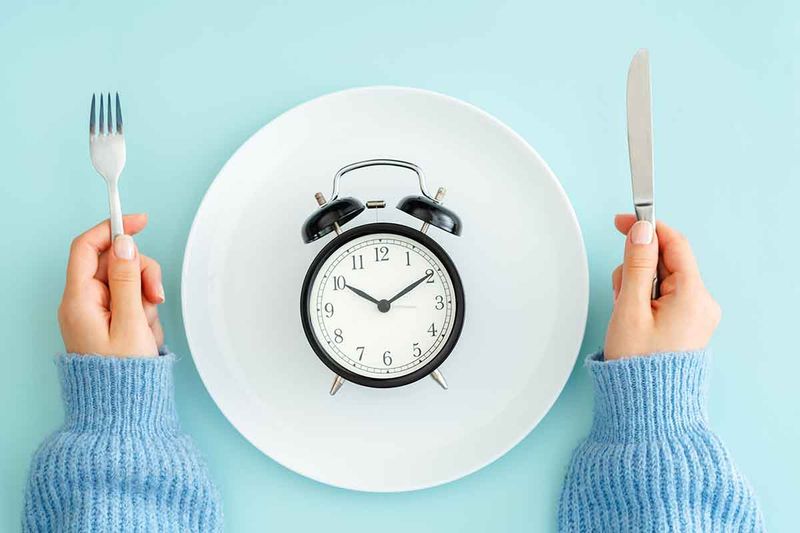
Intermittent fasting has taken the UK by storm, with thousands adopting eating windows that exclude breakfast entirely. This approach typically involves fasting for 16 hours and eating within an 8-hour window, often starting at lunchtime.
Supporters claim benefits including weight management, improved energy, and better focus. The trend has gained traction through social media and wellness influencers promoting the lifestyle.
When their eating window opens, followers usually break their fast with nutrient-dense meals, green juices, or substantial lunches packed with protein and vegetables rather than traditional breakfast foods.
Prefer To Sleep Longer
Sleep wins the battle against breakfast for countless Brits. Given the choice between waking up earlier to eat or grabbing those precious extra minutes under the duvet, many choose the latter without hesitation.
Research shows that sleep deprivation affects millions across the UK. Prioritising rest over food makes perfect sense when you're exhausted from late nights or poor sleep quality.
Later in the day, these sleepy individuals typically opt for brunch-style meals, mid-morning snacks like fruit and nuts, or larger lunches that make up for the skipped morning meal.
Focus On Healthier Eating Later
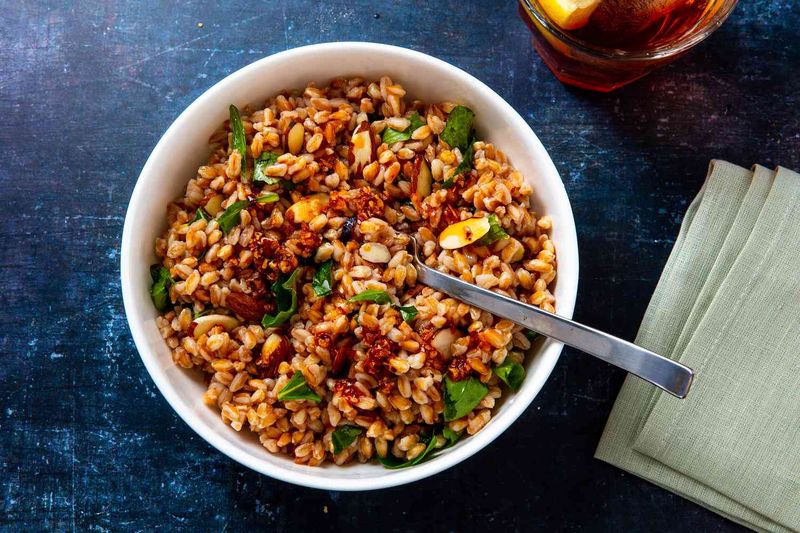
Some Brits deliberately skip breakfast to save their appetite for more nutritious meals later. They believe concentrating their eating on lunch and dinner allows them to make better food choices when they have more time to prepare properly.
Morning hunger often leads to sugary cereals or pastries, which many now avoid. Waiting until later means planning balanced meals with whole foods and proper portions.
These health-conscious individuals typically choose hearty salads, homemade grain bowls, vegetable-packed stir-fries, or protein-rich dishes that align better with their wellness goals than rushed morning options.
Morning Stress Or Rush
The anxiety of running late, worrying about deadlines, or dealing with difficult commutes creates a knot in the stomach that makes eating feel impossible.
Cortisol levels spike during stressful situations, naturally suppressing hunger signals. For many, the morning rush triggers this response daily, making breakfast unappealing or even nauseating.
Once stress subsides mid-morning, people typically turn to comforting snacks like biscuits with tea, toasted sandwiches, or pastries from the office kitchen to finally satisfy their returning hunger.
Lack Of Appetite Early In The Day
Not everyone wakes up hungry, plain and simple. Body clocks vary dramatically between individuals, and some people's digestive systems simply don't wake up as quickly as the rest of them does each morning.
Forcing food when you're not hungry feels unpleasant and can cause discomfort. Natural appetite patterns differ, with some people genuinely not feeling ready to eat until several hours after waking.
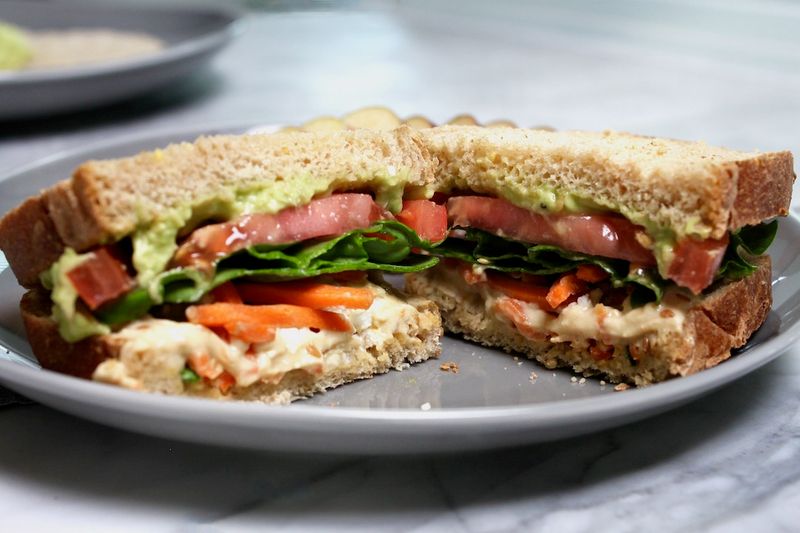
These individuals typically wait until their hunger naturally appears, then choose light options like fruit, a small sandwich, cheese and crackers, or a warm cup of soup that feels more appealing than traditional breakfast fare.