

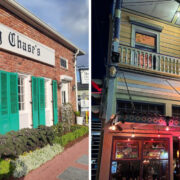
There’s a Welsh town where the British diet is laid bare in all its greasy, deep-fried glory, and locals are starting to notice.
In Ebbw Vale, South Wales, you can’t walk far without bumping into a takeaway, a bakery, or a chip shop.
The air smells of salt, batter, and burgers, and while the food might be comforting, it also tells a bigger story about the way Britain eats – and why our national health is suffering because of it.
This article is intended for general information only. It is not a substitute for professional medical advice. Always consult a healthcare provider before making major changes to your diet. Photos are for illustrative purposes only.
A High Street Built On Fast Food

Ebbw Vale’s main shopping street paints a familiar picture: kebabs, curries, Chinese takeaways, and the unmistakable blue of a Greggs sign glowing in the drizzle.
Convenience rules here. It’s quick, cheap, and filling, but it comes at a cost.
Locals say there’s already more than enough fast food in town, yet another takeaway is reportedly on the way.
Health experts aren’t thrilled. Public health officials have warned that easy access to calorie-dense, nutrient-poor food directly links to rising obesity levels.
In Blaenau Gwent, the county Ebbw Vale calls home, around three-quarters of adults are overweight, and more than a third are classed as obese.
Many residents, like Jodie Hughes, have turned to drastic measures such as gastric surgery or weight-loss injections to regain control of their health.
Why Healthy Choices Feel So Hard

Ebbw Vale isn’t unique. Across the UK, our high streets and supermarkets are filled with ultra-processed foods high in fat, salt, and sugar.
It’s not that people don’t want to eat well; it’s that doing so can feel impossible. Healthier options are often more expensive, harder to find, and take longer to prepare.
Nutritionist Jenna Hope says modern life plays a huge role. People are busier than ever, juggling work and family with little time to cook. She explains:
“We’ve lost that family unit where we used to cook and eat dinner together, and that was a big part of the day. Now there’s a culture where we need to be working or doing something productive at all hours. Food becomes a convenience thing… and people feel they don’t have time for cooking because it’s not a priority.”
As a result, more of us rely on pre-made or takeout meals packed with additives designed to make us crave more.
How Britain Got Hooked On Junk

Experts trace our current diet back to post-war Britain, when affordability and efficiency became the main priorities in food production.
The rise of microwaves, freezers, and ready meals in the 1980s changed the way we eat forever. Small-town butchers and greengrocers gave way to supermarkets, and then to global food corporations.
In other words, we’ve lost touch with what we’re really putting into our bodies.
Unhealthy foods have become deeply woven into British culture – from Christmas adverts to the nostalgic snacks we still associate with childhood comfort.
Can We Fix The Problem?

The problem isn’t just personal willpower; it’s environmental, economic, and cultural.
Healthier food tends to cost more per calorie, and in deprived areas like the Welsh Valleys, it can be nearly impossible to find fresh produce at all.
Meanwhile, processed foods are aggressively marketed and conveniently placed at every checkout, bus stop, and delivery app screen.
Some progress has been made. The UK’s sugar tax has helped reduce sugar intake from soft drinks, and supermarkets now limit where they display junk food.
But bigger changes, like banning certain promotions or tightening advertising laws, have been repeatedly delayed.
Experts argue that Britain needs stronger food policies and more affordable healthy options if it wants to turn things around.
A Town That Reflects A Nation
Ebbw Vale might seem like just another small town, but it mirrors a nationwide struggle. The British diet has drifted from fresh and home-cooked to fast and ultra-processed, leaving us with rising obesity rates and long-term health costs.
Still, there’s hope – and locals say they’d welcome more balance on their high street.
If Ebbw Vale is any indication, it’s clear that Britain’s eating habits are overdue for a rethink – not just for our waistlines, but for our wellbeing.