

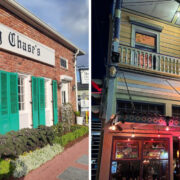
There’s something special about walking into a place that feels frozen in time - where the food, the chatter, and even the tiled walls tell stories from decades past.
M.Manze, London’s oldest surviving pie and mash shop, has been serving hungry locals for generations, and it’s still just as busy today as it was in its early days. It’s proof that good food, family pride, and a touch of East End charm never go out of style.
This article is for general cultural and historical interest. Information about menus, prices, and availability may vary depending on the location and season.
Roots In Italy And Early London

Michele Manze was born in London to Italian parents and grew up surrounded by the city’s busy food markets and working-class spirit. Inspired by his family’s roots and London’s growing appetite for hearty, affordable meals, he learned the pie and mash trade from local craftsmen. His dedication to quality and understanding of what Londoners loved to eat soon set him apart.
By 1902, he opened his first shop in Bermondsey, establishing what would become one of the city’s most iconic family-run food businesses. His descendants carried on his work, keeping the same recipes and traditions alive through changing times.
Today, the Manze name remains a symbol of genuine East End heritage, representing over a century of craftsmanship, family pride, and authentic London fare.
Why The Family Legacy Still Matters
Family ownership means something deeper than just business. At M. Manze, recipes, techniques, and values are handed down personally from one generation to the next. This ensures consistency and authenticity that corporate chains simply can't replicate.
Each family member grows up understanding the importance of quality and customer relationships. They know regular customers by name and remember their preferences. This personal touch creates loyalty and trust that money can't buy.
When you eat at M. Manze, you're supporting a family's livelihood and preserving a piece of London's cultural heritage that might otherwise disappear in our fast-paced modern world.
London's Eel, Pie And Mash Tradition

Eel, pie and mash shops emerged in Victorian London as affordable, filling meals for working-class families. Eels were plentiful in the Thames, making them an inexpensive protein source. Combined with pastry and potatoes, these dishes provided essential energy for labourers.
At their peak, hundreds of these shops dotted London's streets, especially in the East End. Sadly, most have closed over the years due to changing tastes and rising costs. M. Manze stands as one of the few remaining guardians of this culinary tradition. Eating there isn't just a meal - it's experiencing living history and connecting with generations of Londoners who've sat at those same tables.
The Crowd And Atmosphere Today
Step inside M. Manze and you'll find an amazing mix of people. Elderly locals sit alongside young families and curious tourists, all united by their love of good food. The décor hasn't changed much - marble tables, tiled walls, and wooden benches create an authentic Victorian atmosphere.
Despite the old-fashioned setting, the vibe is warm and welcoming. Staff serve quickly but with genuine friendliness. There's often a queue, especially at lunchtime, but it moves fast. People chat while waiting, sharing recommendations and stories.
This sense of community is rare in modern London, making M. Manze feel like a neighbourhood treasure that belongs to everyone who walks through the door.
Adaptation Without Losing Identity

Staying relevant for over 120 years requires smart adaptation. M. Manze has modernised behind the scenes - updating kitchen equipment, meeting health regulations, and embracing social media to reach younger audiences. However, they've never compromised on what matters most: the food and atmosphere.
The recipes remain unchanged, and the décor stays authentically vintage. They focus on maintaining quality at their existing locations. This careful balance between honouring tradition and practical updates explains their enduring success.
They prove that businesses can evolve without losing their soul, staying true to their roots whilst welcoming the future.