







Pies have long held a familiar place in British food culture, valued for their warmth, convenience, and comforting flavours. Over time, changes in production methods, portion sizes, and ingredient sourcing have altered how many shop bought pies are made and consumed.
While traditional recipes once focused on simple fillings and practical use of ingredients, modern versions often prioritise shelf life and speed of preparation.
Understanding how these shifts occurred can help shoppers make more informed choices when selecting pies today.
All information is provided for general information only. Individual dietary needs and preferences may vary. Consult a qualified professional, doctor, or nutritionist for personalised guidance.
Taste, appearance, and availability may vary. Photos are for illustrative purposes only.
From Simple Suppers To Processed Pastries

The earliest pies were practical, designed to make the most of ingredients on hand. Thick crusts acted as a vessel for meat and vegetables, helping families stretch their food budget.
As the pace of life changed, so did our pies.
The rise of mass production brought about longer shelf lives, cheaper fillings, and thicker crusts. Convenience won out, but nutritional quality slipped away.
The Pastry Problem
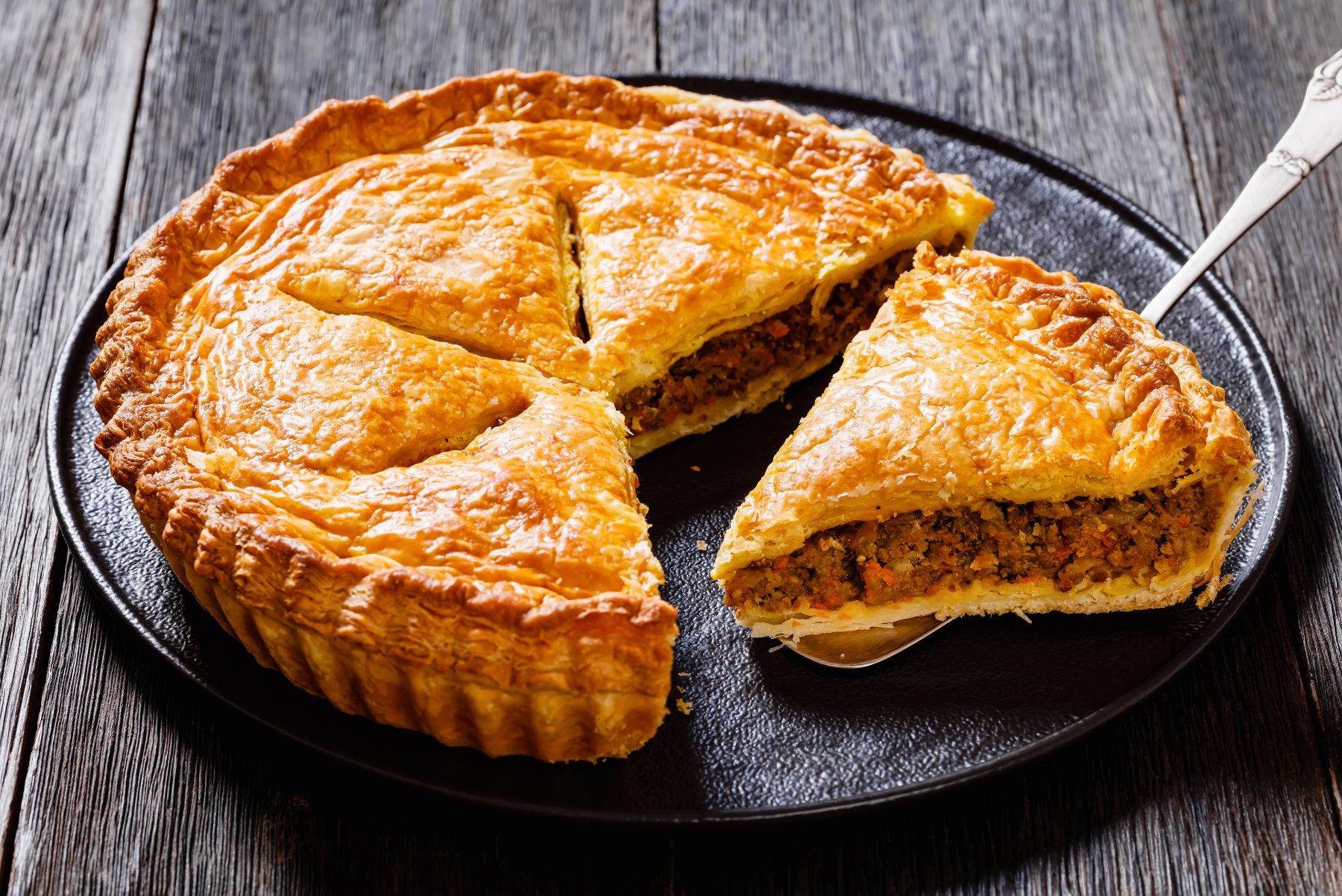
Modern pies often contain more pastry than filling, which means more saturated fat, salt, and calories in every bite.
Many ready-made versions rely on shortcrust or puff pastry that’s heavy on butter or processed fats.
Over time, portion sizes have grown too, turning a once-balanced meal into something far richer than intended.
The Filling Factor

Homemade pies were traditionally packed with lean meats, vegetables, and stock.
Today’s ready-made versions often contain processed meat, preservatives, and extra salt for flavour and shelf life.
These ingredients make pies tastier and more convenient, but less beneficial for long-term health.
The Healthier Way To Enjoy Pies
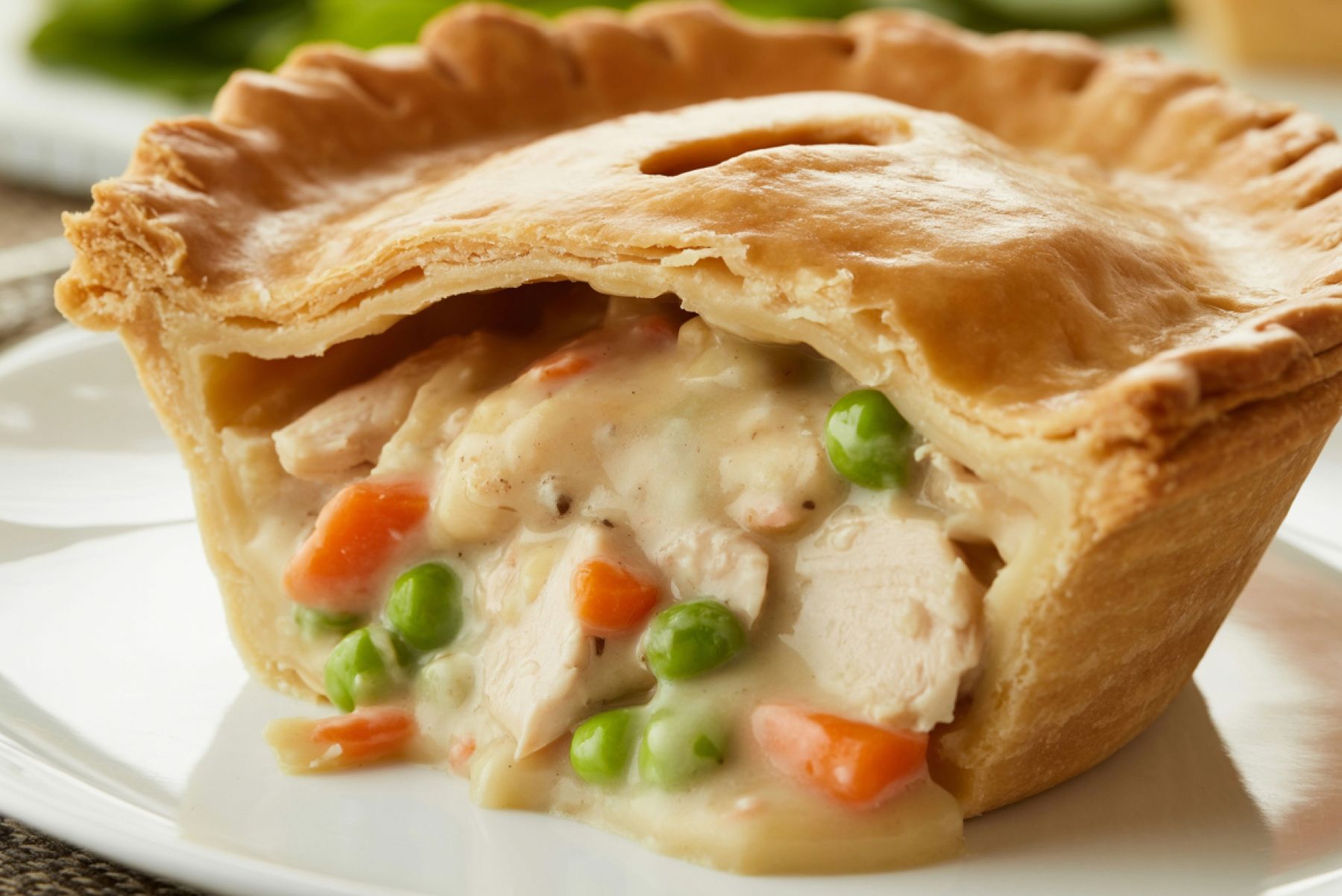
A pie can still be part of a balanced diet when made thoughtfully. Using filo or wholewheat pastry cuts down on saturated fat and adds fibre.
Lean proteins such as chicken or lentils, plus plenty of vegetables, make for a more nutritious filling.
Even choosing smaller portions and pairing them with a salad can make a noticeable difference.
Pies Worth Picking

Some shop-bought options have worked hard to strike a balance between comfort and health.
Pies with vegetable-rich fillings, lighter pastry, or lean meat such as chicken or venison can offer fewer calories and better nutritional value than their heavier counterparts.
When in doubt, read the label and keep an eye on salt and fat content.
Portion Size And Frequency
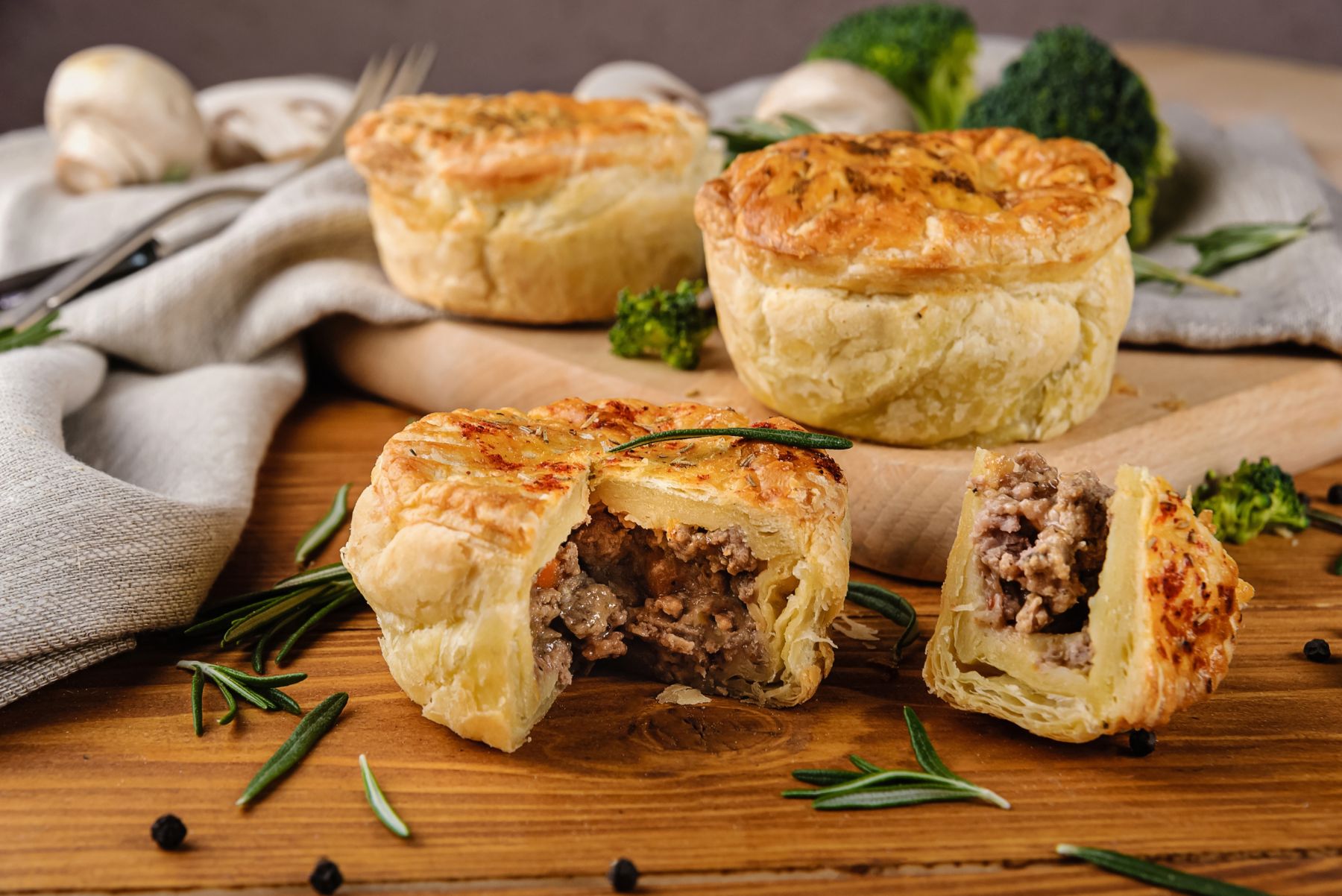
Portion size plays a significant role in how pies fit into everyday eating patterns. Larger ready made portions can increase overall intake of pastry, salt, and fats without necessarily improving nutritional balance.
Enjoying pies less frequently or sharing larger portions can help maintain variety across weekly meals. Pairing smaller servings with vegetables or lighter sides may also support more balanced meal planning.
Ingredient Transparency And Labelling
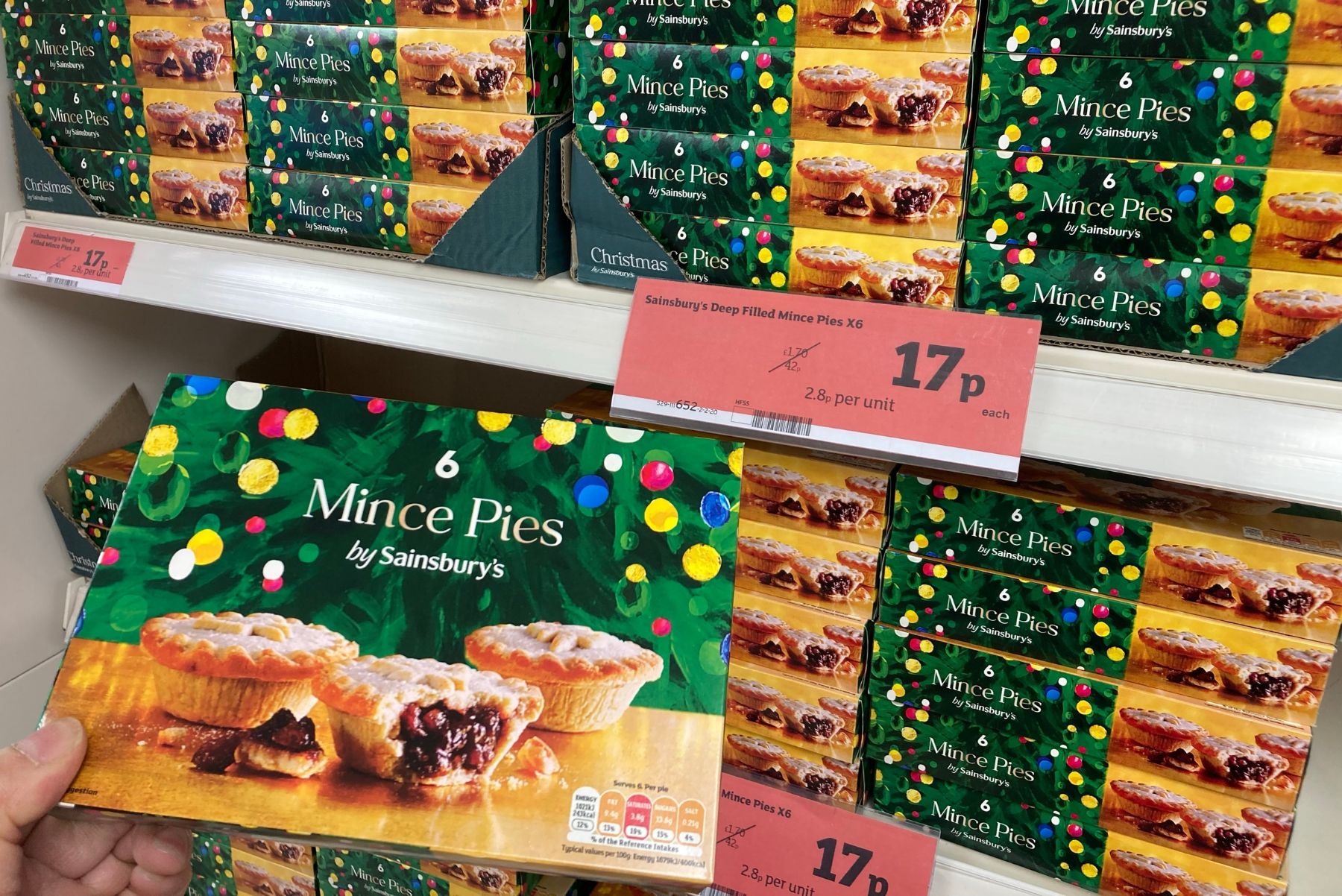
Food labelling has become increasingly important for shoppers looking to understand what goes into prepared foods. Checking ingredient lists, salt levels, and fat content provides useful context when comparing similar products on supermarket shelves.
Some brands now highlight vegetable content or lean protein sources, making it easier to identify lighter options. Using labels as a guide supports more informed decision making without relying on assumptions about appearance or branding.