








They seem like the perfect healthy choice - colourful, fruity, and easy to blend up in minutes. But sometimes, what looks like a good idea for your waistline can quietly work against it. Smoothies can be surprisingly sneaky when it comes to calories and sugar, and a few simple habits might be turning your morning blend into a diet detour.
This article is for general informational purposes only and should not replace professional medical or nutritional advice. The impact of smoothies on weight loss can vary depending on ingredients, portion size, and overall diet. Always consult a qualified healthcare professional or dietitian before making significant changes to your eating routine.
1. Hidden Sugar Bombs In Disguise
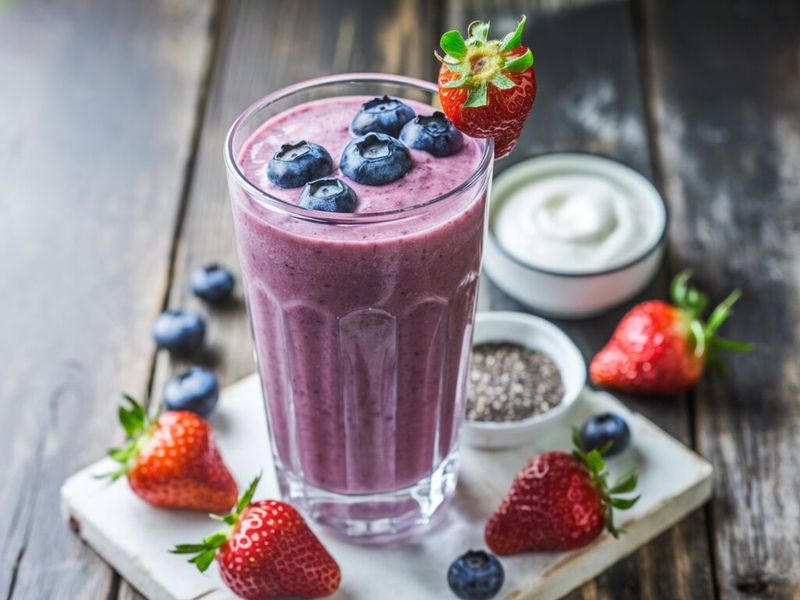
It’s easy to forget that even natural ingredients can pack more sugar than you realise. When you blend several portions of fruit together, the total sugar content can rise quickly, especially if you’ve added fruit juice or sweetened yoghurt.
While blending doesn’t destroy fibre, drinking your fruit means you consume it faster, so your body doesn’t register fullness the same way. That quick hit of sweetness might leave you craving more soon after. Keeping an eye on portions and avoiding extra syrups or honey makes your smoothie far more balanced.
2. Portion Sizes That Add Up Fast
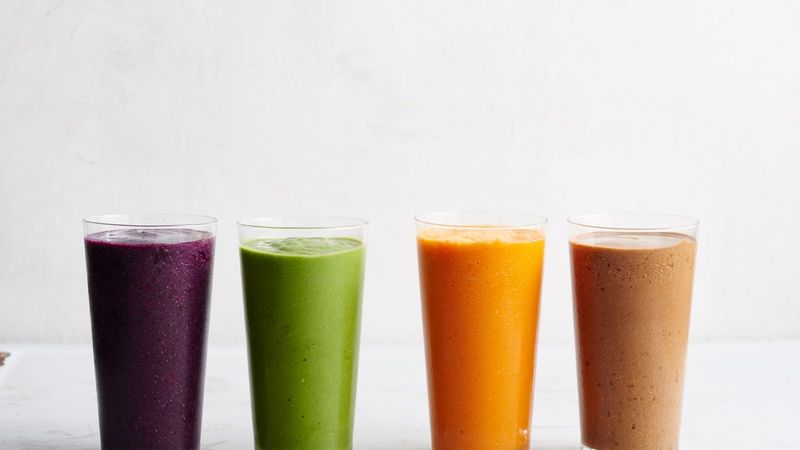
Blending makes it easy to gulp down massive servings without realising it. A standard smoothie might contain two or three bananas, handfuls of berries, and nut butter, totalling far more than you'd eat whole.
Your brain doesn't register liquid volume the same way as solid meals. Before you know it, you've consumed 500 calories in minutes, derailing your weight-loss progress.
3. Calorie-Dense Ingredients You Overlook
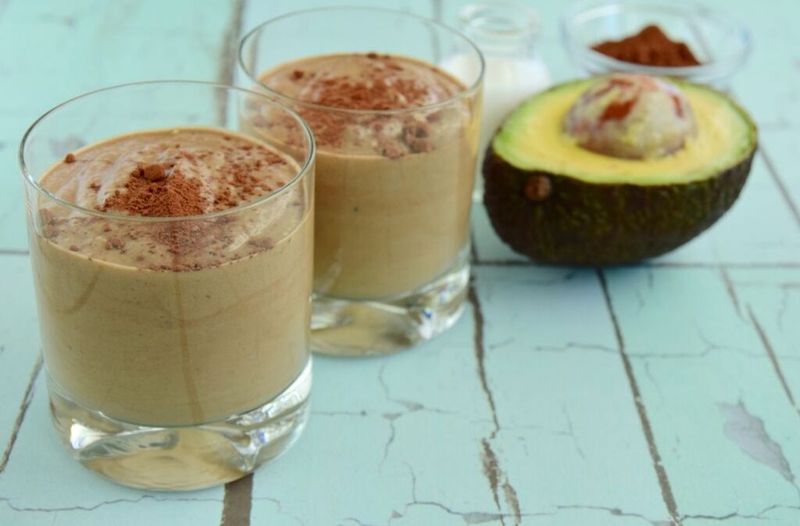
Avocados, nut butters, coconut oil, and protein powders deliver healthy fats and nutrients, but they're incredibly calorie-rich. Just two tablespoons of almond butter adds around 200 calories to your blend.
When you toss in multiple high-calorie add-ins without measuring, your smoothie transforms into a calorie bomb. Tracking each ingredient helps you stay within your daily energy budget and lose weight effectively.
4. Lack Of Fibre Keeps You Hungry
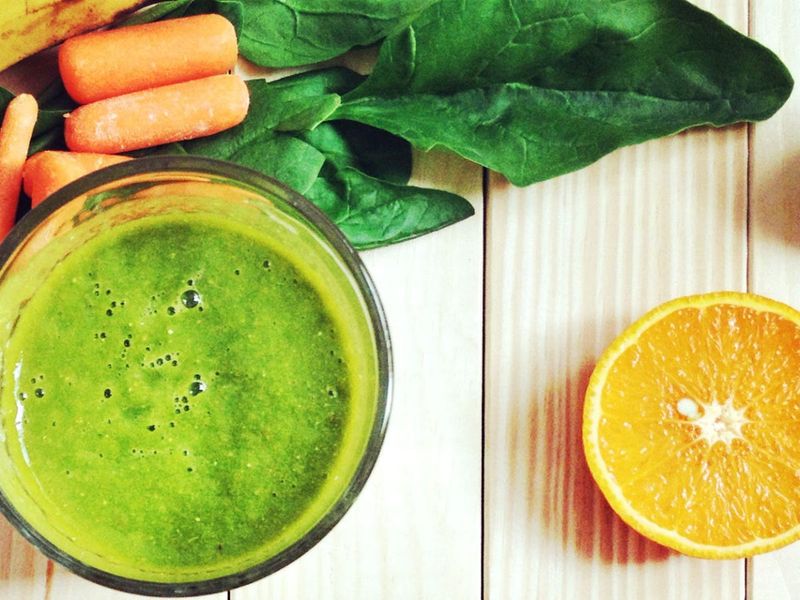
Smoothies can be filling, but only if you keep the fibre in. The good news is that blending fruit doesn’t remove fibre - it just changes its texture. However, straining or juicing does take much of it out, which can leave you feeling hungry again sooner.
If your smoothies leave you reaching for snacks, try adding oats, flaxseeds, or whole fruit instead of juice. That way, you’ll stay satisfied longer and get the full benefit of your ingredients.
5. Protein Shortages Stall Metabolism
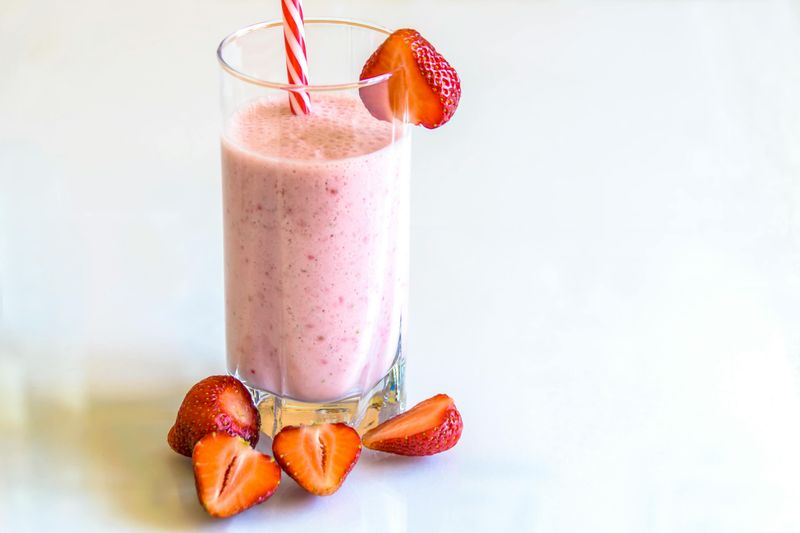
Many fruit-based smoothies lean heavily on sweetness and forget about protein. That’s not ideal if you want a balanced drink that keeps you full and energised. While a lack of protein won’t suddenly slow your metabolism, it can make your smoothie less satisfying, leading to extra snacking later.
Toss in a scoop of protein powder, some Greek yoghurt, or a handful of nuts to keep hunger at bay. It’s all about balance, not perfection - just making small tweaks can help your smoothie work for you, not against you.
6. Liquid Calories Don't Satisfy Like Solid Food
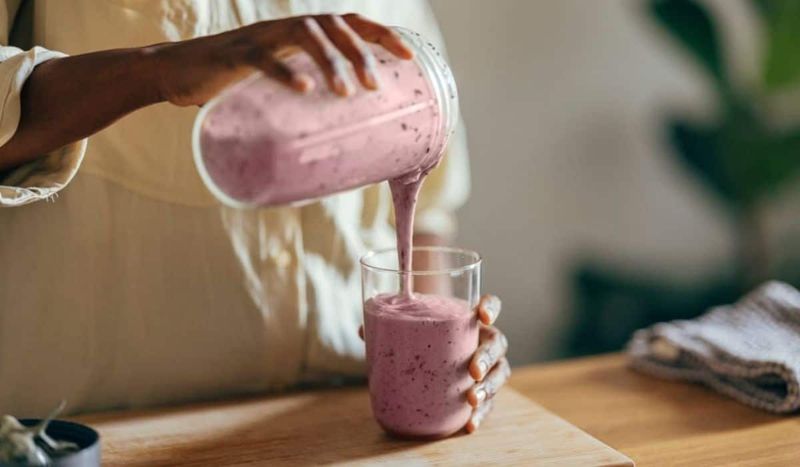
Research shows that drinking calories doesn't trigger the same fullness signals as chewing solid meals. Your brain relies on jaw movement and stomach stretch to feel satisfied, and smoothies bypass both cues.
Consequently, you might finish a 400-calorie smoothie and still feel peckish, prompting you to eat more. Choosing whole foods instead encourages mindful eating and better appetite control throughout the day.
7. Store-Bought Smoothies Aren't Always Healthy
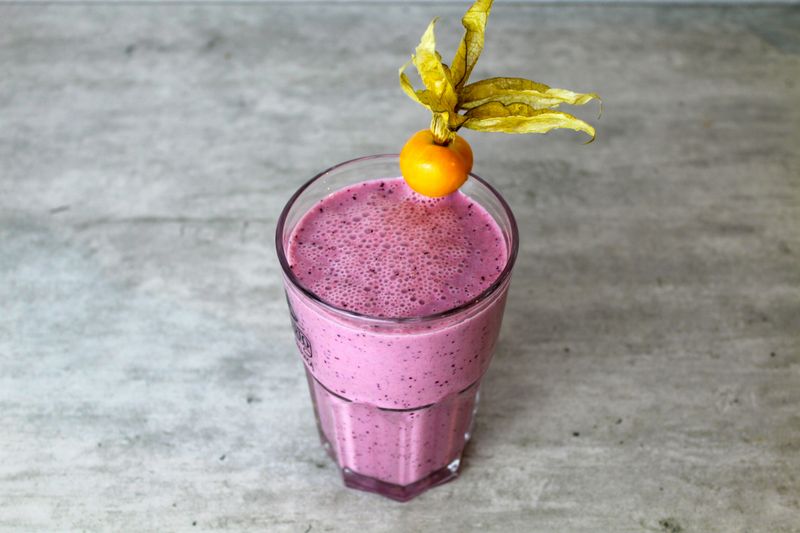
Commercial smoothies often contain added sugars, syrups, and preservatives to boost flavour and shelf life. A single bottle can deliver more sugar than a fizzy drink, completely undermining your diet efforts.
Marketing labels like "all natural" or "organic" don't guarantee low calories or balanced nutrition. Always check ingredient lists and nutritional panels, or better yet, make your own smoothies at home for full control.
8. Smarter Ways To Blend For Weight Goals
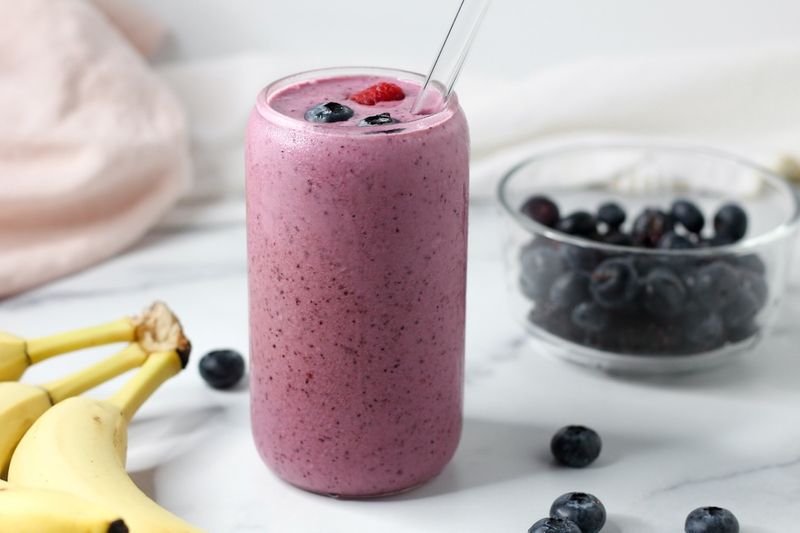
Start by measuring ingredients and prioritising vegetables like spinach or kale over high-sugar fruits. Add a quality protein source, a small serving of healthy fat, and plenty of water or unsweetened almond milk.
Keep total calories under 300 if it's a snack, or around 400 for a meal replacement. Experiment with spices like cinnamon or ginger for flavour without extra sugar, ensuring your smoothie supports your weight-loss journey.