



There’s something comforting about the foods our grandparents once made - simple recipes that filled the house with warmth and nostalgia. For many millennials, bringing those classic dishes back isn’t just about taste, it’s a way to reconnect with family traditions and slow down in a fast-paced world.
Old-fashioned meals are finding new life in modern kitchens, proving that comfort food never really goes out of style.
This article is for general informational purposes only. Food preferences, ingredients, and preparation methods may vary by region. Photos are for illustrative purposes only.
Nostalgia On The Plate
Comfort comes wrapped in familiar flavours for many young adults today. Millennials grew up during rapid technological change, making simpler times feel especially appealing.
Classic recipes remind them of childhood dinners and family gatherings. Foods like bread pudding, cottage pie, and jelly desserts offer emotional warmth that trendy dishes simply cannot match.
Recreating these meals brings a sense of connection to happier, less complicated days.
Rediscovering Grandma's Recipes
Handwritten recipe cards are treasures worth more than gold to this generation. Many millennials are digging through family archives to find their grandmothers' secret dishes.
Recipes for Victoria sponge, steak and kidney pudding, or fruit crumbles carry stories and memories. Cooking these meals creates a tangible link to ancestors and preserves family heritage.
Social media is filled with people proudly sharing their gran's specialities.
Comfort Food In Uncertain Times
Many millennials have faced economic challenges, making nostalgic meals especially comforting.
Turning to reliable dishes like toad in the hole, macaroni cheese, or rice pudding provides psychological comfort. These foods are affordable, filling, and emotionally reassuring.
When life feels chaotic, a plate of familiar vintage fare offers stability and warmth.
The Return Of Home Cooking
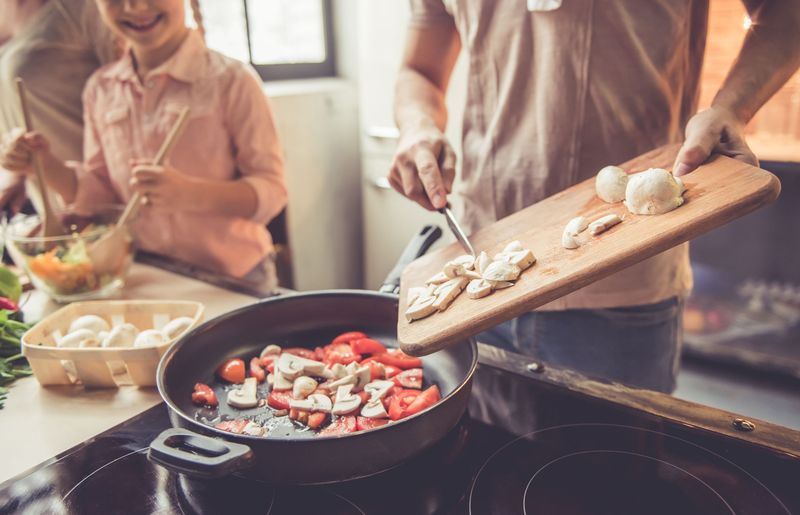
Cooking from scratch is no longer seen as old-fashioned but rather impressive. Economic pressures and health awareness pushed millennials back into their kitchens.
Traditional techniques like slow roasting, baking bread, and making stocks from scratch are trendy again. These methods produce tastier, healthier meals whilst saving money.
Home cooking also offers creative satisfaction that takeaway simply cannot provide for this generation.
Social Media's Retro Food Obsession
Instagram and TikTok are bursting with vintage food content right now. Millennials love photographing aesthetically pleasing retro dishes for their followers.
Prawn cocktails, cheese fondue, and pineapple upside-down cake look fantastic on camera. These photogenic classics get thousands of likes and shares.
Creating content around grandma-style cooking has become genuinely cool, encouraging even more people to try these forgotten recipes.
Sustainable Eating With Old-Fashioned Values
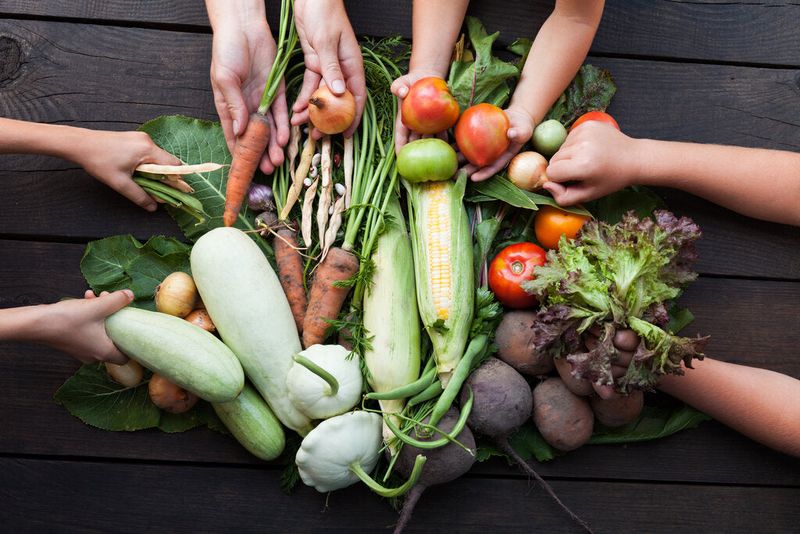
Waste-not-want-not philosophy perfectly aligns with millennial environmental concerns. Vintage cooking emphasised using every ingredient and preserving seasonal produce.
Techniques like pickling, jam-making, and using leftovers creatively reduce food waste significantly. Millennials appreciate how their grandparents' generation valued resourcefulness.
Old-fashioned sustainability practices offer practical solutions to modern environmental problems whilst creating delicious homemade preserves.
Classic Dishes Getting A Modern Twist
Traditional recipes are being reimagined with contemporary ingredients and techniques. Millennials respect vintage dishes but are not afraid to experiment.
Coronation chicken gets vegan makeovers, whilst Beef Wellington uses plant-based alternatives. Classic flavour profiles remain, but adaptations suit modern dietary preferences.
This creative approach keeps old recipes relevant and introduces them to broader audiences with different nutritional needs.
Vintage Cookbooks Making A Comeback
Charity shops and online marketplaces are seeing growing interest in old cookery books. Millennials are searching for authentic vintage recipes and inspiration from earlier decades. Books by Fanny Cradock, Marguerite Patten, and other classic authors are especially sought-after for their timeless guidance.
These well-tested recipes and straightforward methods have turned collecting vintage cookbooks into a cherished hobby for many young home cooks.
Rejecting Fast Food For Slow Meals
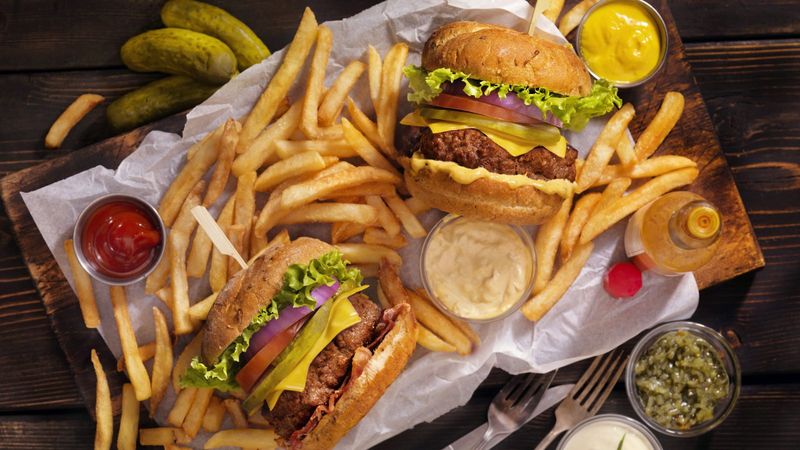
Speed culture is being deliberately rejected by many millennials today. Fast food once symbolised convenience, but now represents poor quality and unhealthy choices.
Slow-cooked vintage meals like Lancashire hotpot, braised beef, or cassoulet require time and patience. This mindful approach to cooking offers therapeutic benefits.
Taking hours to prepare a proper meal becomes an act of self-care and rebellion against rushed modern life.
How Retro Flavours Connect Generations
Food bridges age gaps like nothing else can manage. When millennials cook vintage recipes, they create opportunities to connect with older relatives.
Grandparents love sharing cooking tips and family food stories with younger generations. These kitchen conversations preserve family history and strengthen relationships.
Preparing traditional meals together builds understanding, respect, and love across generations through shared culinary experiences and memories.