








Your digestive system is constantly hard at work – breaking down food, absorbing nutrients, and keeping everything running smoothly. But not all foods make its job easy.
Some ingredients help things flow effortlessly, while others can lead to bloating, discomfort, or sluggish digestion. Knowing which foods support your gut – and which ones to avoid – can make a world of difference to how you feel day to day.
This article is for general informational and entertainment purposes only and is not a substitute for professional medical advice. Individual digestive responses may vary. Always consult a qualified healthcare provider for personalised guidance.
1. Yogurt

Ever wondered why yogurt has been a breakfast staple for centuries? The secret lies in those tiny living organisms called probiotics that call it home. These friendly bacteria work wonders in your gut, helping to balance the delicate ecosystem that keeps digestion running smoothly.
Pop down to any British supermarket and you'll find shelves packed with yogurt options, from classic natural pots to Greek-style varieties. According to nutritionists, choosing plain yogurt without added sugars gives you the best digestive benefits whilst letting you control what goes in.
2. Ginger
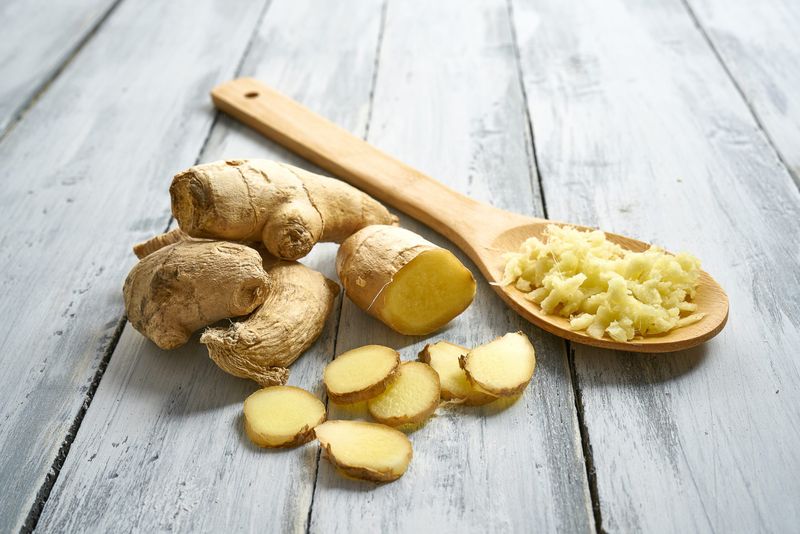
Long before it became a trendy ingredient in fancy cafés, ginger was treasured in British kitchens for its remarkable ability to settle upset stomachs. This knobby root contains compounds that speed up the movement of food through your digestive tract, preventing that uncomfortable bloated feeling.
Whether you grate it into a stir fry, steep it in hot water for tea, or nibble on crystallised ginger from the corner shop, you're giving your gut a helping hand. Many doctors recommend it for nausea too, making it a proper all-rounder.
3. Oats
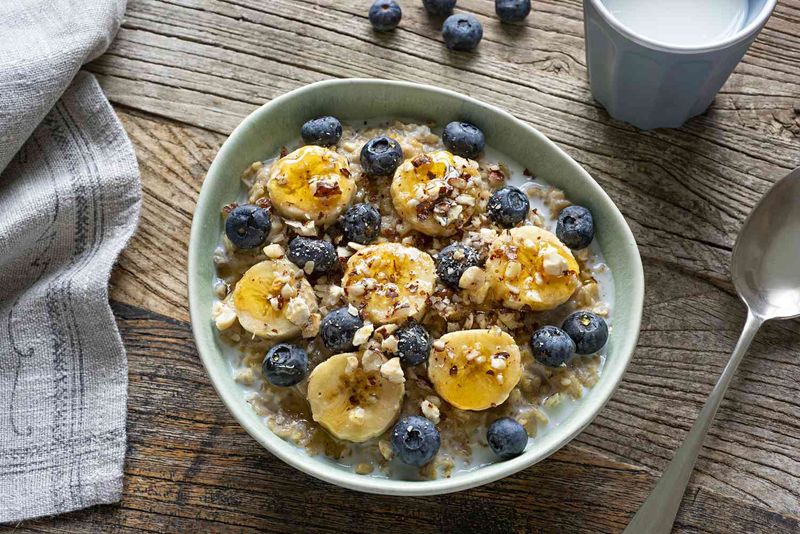
Scotland's gift to breakfast tables everywhere isn't just filling – it's a digestive superstar. Oats contain a special type of fibre called beta-glucan that acts like a gentle broom, sweeping through your intestines and feeding the good bacteria living there.
From humble porridge to fancy overnight oats, this grain has been keeping Brits regular for generations. Nutritionists particularly love how oats release energy slowly, keeping your digestive system working at a steady pace rather than overwhelming it with a sugar rush that causes havoc later on.
4. Bananas
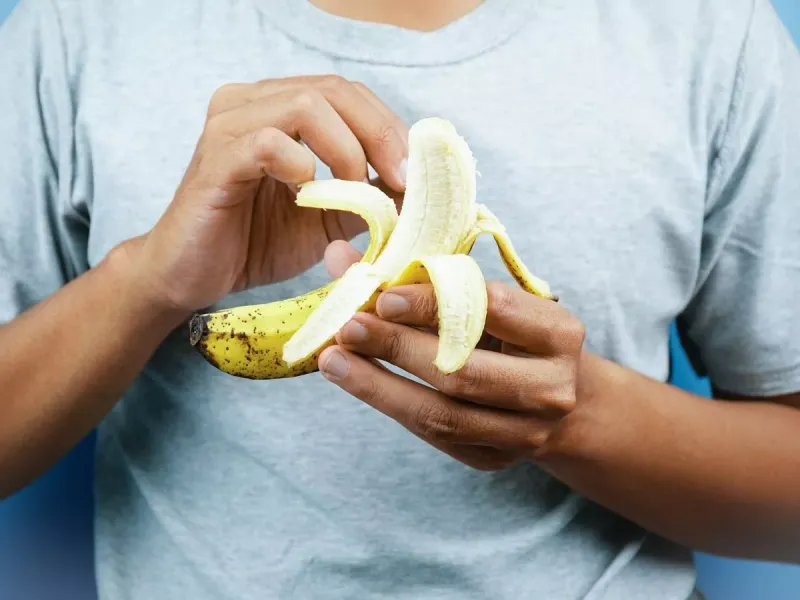
Here's a fun fact – bananas contain a type of starch that your stomach can't fully digest, which sounds bad but is actually brilliant news for your gut. This resistant starch feeds beneficial bacteria in your colon, helping them thrive and multiply.
British shoppers buy millions of bananas every week, making them our most popular fruit by far. They're gentle on sensitive tummies and packed with potassium, which helps regulate fluid balance in your digestive system. Grab one slightly green for maximum resistant starch, or fully ripe for easier digestion when you're feeling delicate.
5. Kefir

Think of kefir as yogurt's more adventurous cousin who studied abroad and came back with impressive credentials. This fermented milk drink packs even more probiotic strains than regular yogurt, creating a proper party of beneficial bacteria in your gut.
Once considered exotic, kefir now sits proudly on British supermarket shelves next to the regular milk. Its tangy, slightly fizzy taste takes some getting used to, but your digestive system will thank you. Nutritionists often suggest starting with small amounts and building up, especially if your gut isn't used to fermented foods.
6. Leafy Greens
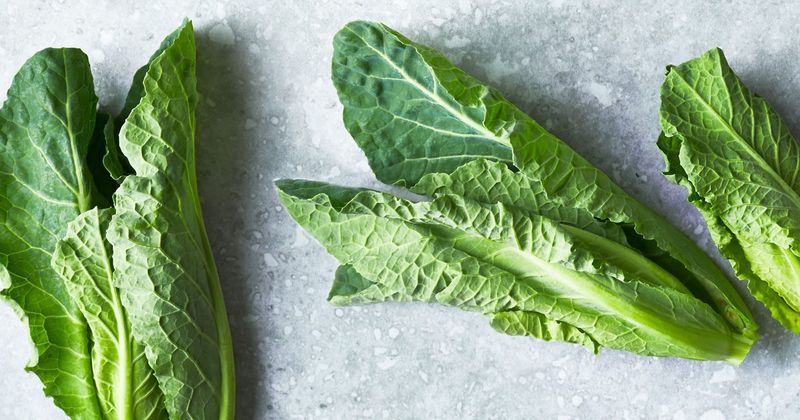
Your mum wasn't wrong when she insisted you eat your greens – spinach, kale, rocket and their leafy mates are absolute champions for your digestive health. They're loaded with fibre and magnesium, both essential for keeping things moving through your system at the right pace.
British greens like spring cabbage and watercress deserve special mention for their traditional place in our cuisine. These vegetables also contain compounds that feed your gut bacteria whilst providing nutrients that help repair your intestinal lining, making them proper multitaskers in the digestive department.
7. Chia Seeds
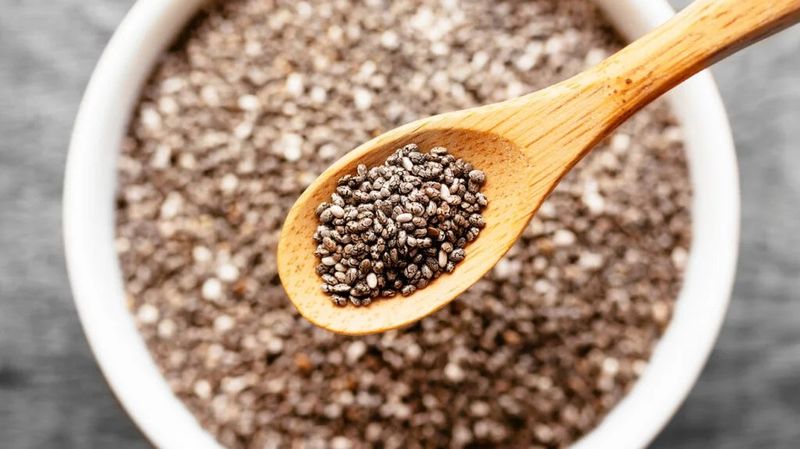
These tiny seeds might look unimpressive in their packet from Holland & Barrett, but add water and they transform into something rather magical. Chia seeds absorb liquid and form a gel that helps slow digestion, keeping you fuller for longer whilst supporting regular bowel movements.
Originally from Central America, they've become a British health food staple in recent years. Just one tablespoon contains nearly five grams of fibre – that's a fair chunk of your daily needs. Sprinkle them on your morning porridge or stir into yogurt for an easy digestive boost.
8. Fried Foods

We all love a proper chippy tea now and then, but here's the uncomfortable truth – all that hot oil can wreak havoc on your digestive system. Fried foods take ages to break down, sitting heavily in your stomach and slowing everything to a crawl.
The high fat content in battered fish, chips, and fried chicken can trigger symptoms like bloating, heartburn, and that sluggish feeling that makes you want to lie on the sofa for hours. Nutritionists explain that greasy foods can also relax the valve between your stomach and oesophagus, letting acid splash back up where it shouldn't be.
9. Processed Meats

That full English breakfast might be a national treasure, but the processed meats piled on your plate aren't doing your gut any favours. Bacon, sausages, and sliced deli meats contain preservatives, high salt levels, and saturated fats that your digestive system struggles to handle efficiently.
Research shows that regularly eating processed meats can alter your gut bacteria balance, tipping it away from the helpful varieties. Doctors also point out that these foods lack fibre entirely, which means they move through your system slowly, potentially causing constipation and discomfort along the way.
10. Spicy Foods
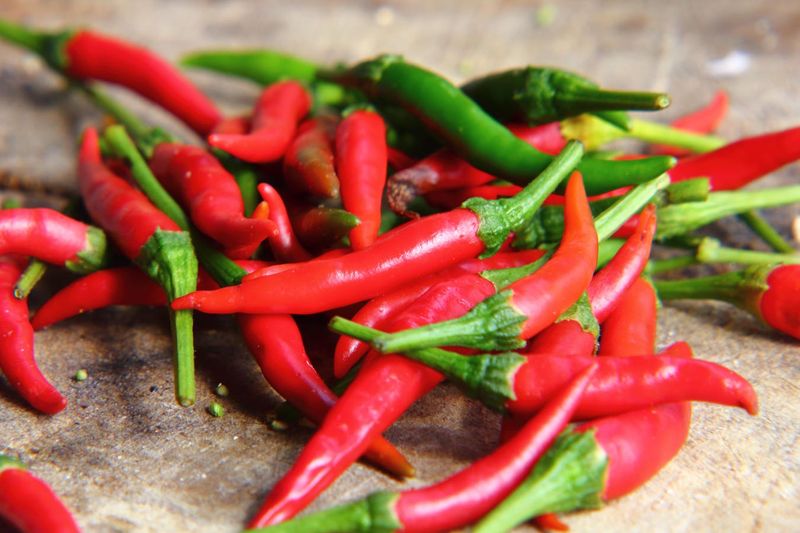
Britain's love affair with curry is well documented, but those fiery vindaloos and extra-hot wings can set your digestive tract ablaze in ways you'd rather avoid. Capsaicin, the compound that makes chillies hot, can irritate your stomach lining and speed up digestion too much, leading to urgent bathroom visits.
If you've got a sensitive stomach or conditions like IBS, spicy foods often trigger flare-ups that leave you feeling miserable. That burning sensation you feel going in? Your gut feels it too, sometimes causing cramping, diarrhoea, or acid reflux that ruins your evening.
11. Artificial Sweeteners

Those little pink and blue packets promising sweetness without calories might seem like a clever trick, but your gut isn't fooled. Artificial sweeteners like aspartame and sucralose can't be properly digested, so they hang about in your intestines causing bloating and gas.
Recent studies have shown these sugar substitutes can actually change your gut bacteria composition, and not in a good way. Nutritionists warn that some people experience laxative effects from certain sweeteners, particularly sorbitol and xylitol found in sugar-free sweets and chewing gum. Your digestive system much prefers recognising what you're feeding it.
12. Dairy (For The Lactose Intolerant)

For the millions of Brits who can't properly digest lactose, that innocent-looking glass of milk or chunk of cheddar becomes a digestive nightmare. Without enough lactase enzyme to break down milk sugar, these foods ferment in your gut, producing gas, cramping, and urgent trips to the loo.
Interestingly, lactose intolerance often develops in adulthood, catching people by surprise when their beloved dairy suddenly turns against them. Doctors can test for this condition, and thankfully British supermarkets now stock loads of lactose-free alternatives that let you enjoy your tea and cereal without the aftermath.
13. Carbonated Drinks

All those bubbles rising up in your glass don't just disappear once you swallow – they're heading straight into your digestive system where they cause all sorts of bother. Carbonated drinks introduce extra gas into your stomach and intestines, leading to bloating, uncomfortable pressure, and embarrassing moments.
The fizz can also relax the muscle that keeps stomach acid where it belongs, making heartburn more likely. Whether it's cola, lemonade, or sparkling water, nutritionists suggest limiting fizzy drinks if you're prone to digestive discomfort. Your gut prefers still beverages that don't add extra air into an already busy system.
14. Refined Sugars

Walk down any British high street and you'll be surrounded by temptation – from pick 'n' mix to chocolate bars to sticky buns. Whilst these treats taste brilliant, refined sugars are absolute villains for your digestive health, feeding harmful bacteria whilst starving the beneficial ones.
Sugar gets absorbed quickly in your small intestine, causing energy spikes followed by crashes that disrupt your whole system's rhythm. Nutritionists explain that high sugar intake can lead to inflammation in your gut lining, making it harder to absorb nutrients properly. Those sweet treats might bring momentary joy, but your digestive system pays the price afterwards.