







British cooking has long been shaped by seasonality, local produce, and a practical approach to feeding families well.
Many traditional soups once formed the backbone of everyday meals, using affordable ingredients and slow cooking methods to create filling dishes that suited colder climates and busy households.
Over time, changing shopping habits, faster cooking preferences, and shifting tastes have pushed several of these recipes out of regular rotation.
Revisiting these lesser known soups offers a useful glimpse into how people once cooked, conserved ingredients, and adapted recipes to suit what was available locally.
All information is provided for general information only. Taste, appearance, and availability may vary.
Photos are for illustrative purposes only.
1. Brown Windsor Soup
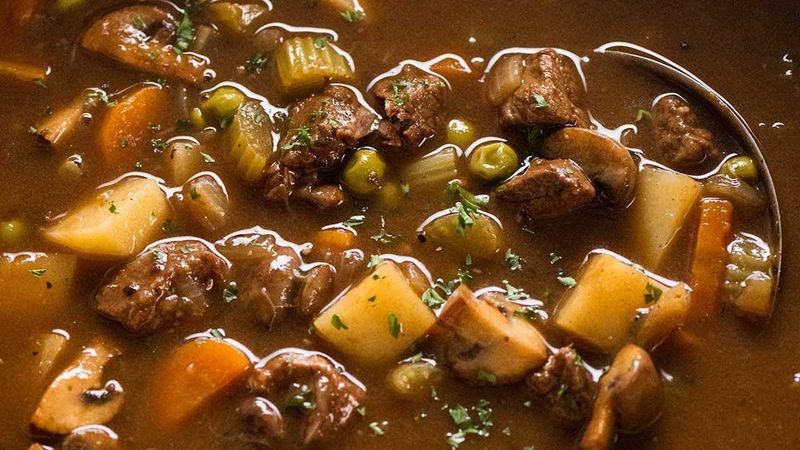
Queen Victoria adored this rich, meaty creation that graced royal banquets throughout the Victorian era. The soup combined beef stock, madeira, and carefully browned vegetables into a thick, luxurious bowlful.
Its distinctive dark colour came from caramelised ingredients and long, slow cooking. Restaurants served it as the height of sophistication during the 1800s.
Today, you'd struggle to find it anywhere outside historical recipe books.
2. Mock Turtle Soup
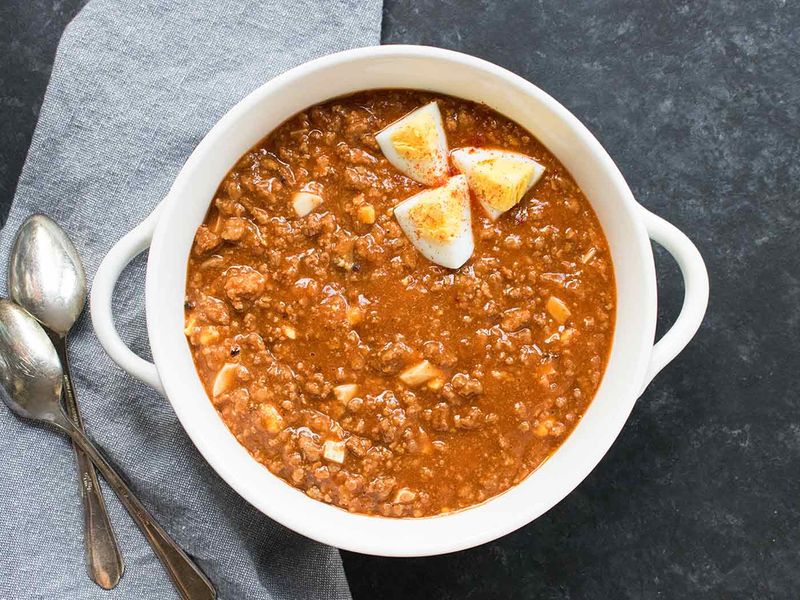
Calf's head replaced expensive turtle meat in this clever Victorian substitute that fooled many diners. Cooks simmered the head with spices, lemon, and forcemeat balls to mimic genuine turtle soup's flavour.
The dish required hours of preparation and strong stomachs for handling unusual ingredients. Charles Dickens mentioned it in his novels, showing how popular it once was.
Modern squeamishness about offal has sent this recipe into obscurity.
3. Pease Pudding Soup
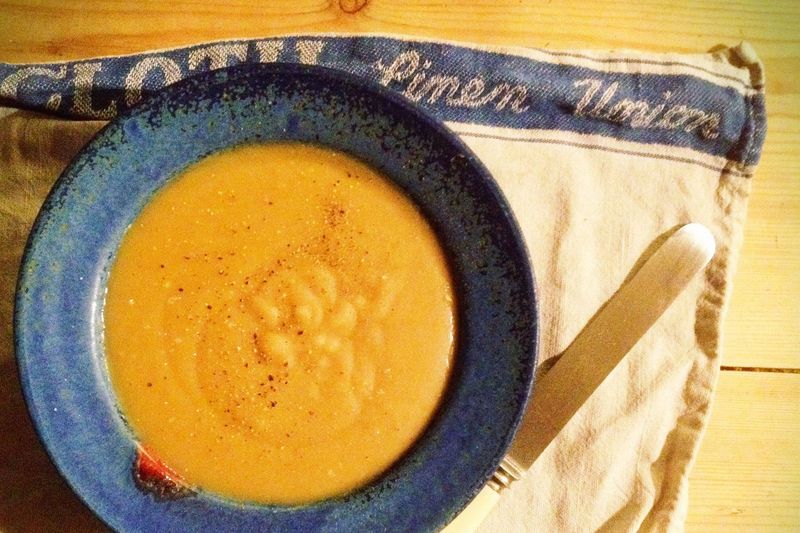
Split yellow peas created this humble, filling soup that sustained working families for centuries. The peas simmered until they broke down into a thick, porridge-like consistency that stuck to your ribs.
Northern English families often cooked it alongside ham, letting the flavours mingle beautifully. It cost almost nothing to make yet provided excellent nutrition.
Nowadays, tinned soups have replaced this time-honoured staple in most households.
4. Ox Cheek Soup
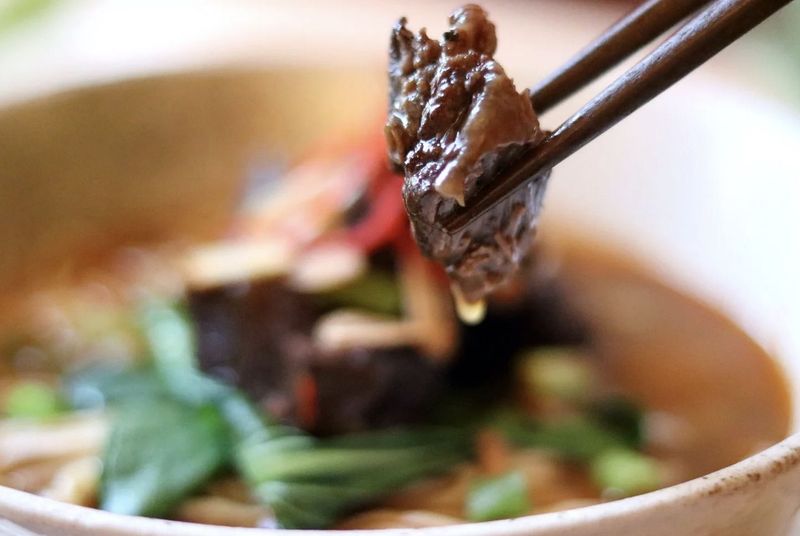
Butchers practically gave away ox cheeks, making them perfect for thrifty cooks creating nourishing soups. The meat became incredibly tender after hours of gentle simmering, falling apart at the slightest touch.
Root vegetables and barley stretched the dish further whilst adding earthy sweetness. Working-class families relied on such economical cuts to feed large households.
Modern convenience culture has pushed aside these slow-cooked, labour-intensive recipes entirely.
5. Mutton Broth
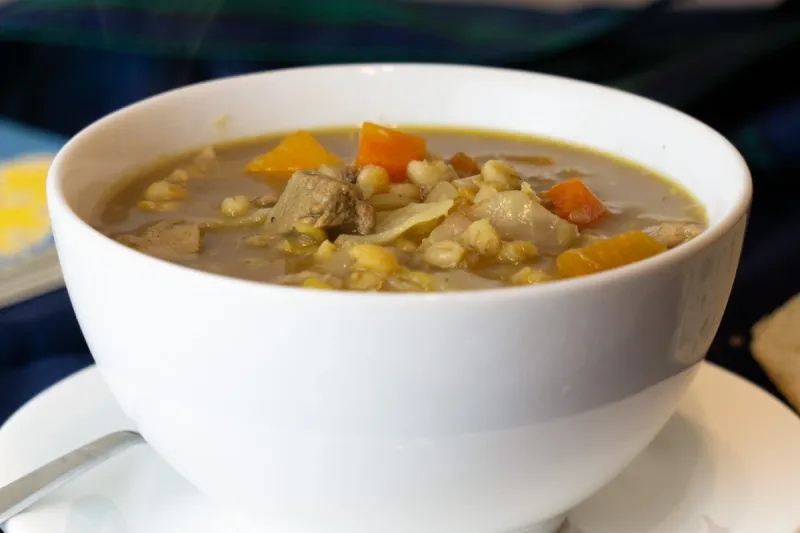
Scottish and Northern English cooks mastered this warming broth using older sheep meat and pearl barley. The mutton's stronger flavour created a more robust soup than mild lamb ever could.
Families simmered neck bones or scrag end for hours, producing deeply savoury liquid gold. Carrots, turnips, and leeks added colour and vitamins to the pot.
Mutton's near-disappearance from shops means this traditional recipe has virtually vanished too.
6. Rabbit Soup
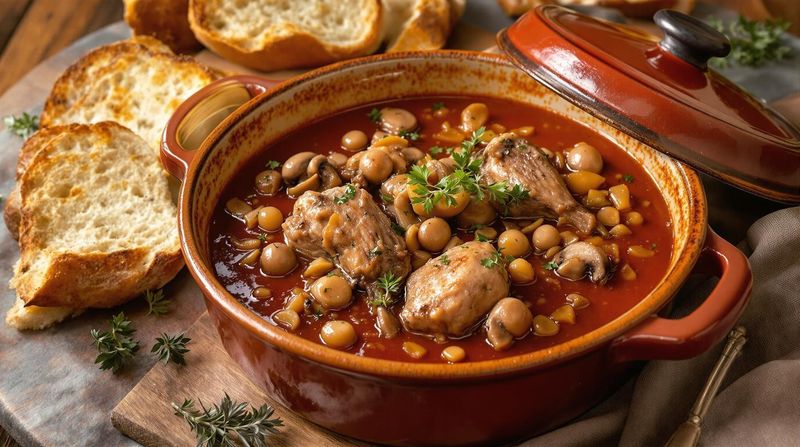
Wild rabbits provided free meat for countryside families who turned them into delicious, gamey soups. Hunters brought home their catch, and cooks wasted absolutely nothing from the animal.
The meat simmered with onions, herbs, and sometimes bacon to create comforting bowlfuls. Children grew up eating rabbit regularly without thinking twice about it.
Changing attitudes towards eating cute animals have made this soup practically extinct from British tables.
7. Giblet Soup
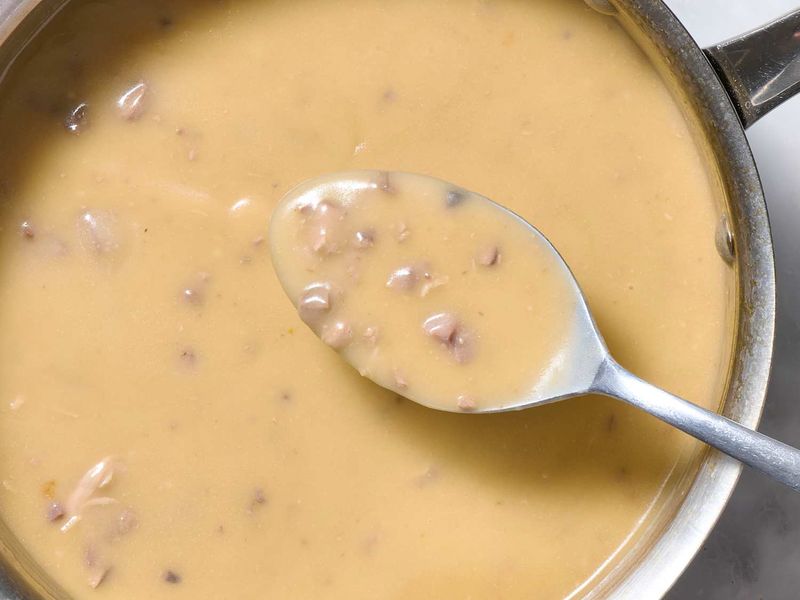
Nothing went to waste when families kept chickens, including necks, hearts, livers, and gizzards for soup. These organ meats created incredibly flavourful broths that tasted far richer than plain chicken stock.
Thrifty housewives collected giblets over time, freezing them until enough accumulated for soup-making. The resulting dish provided iron and protein at minimal cost.
Modern pre-packaged chicken rarely includes giblets, making this resourceful recipe nearly impossible to recreate.
8. Oxtail Soup
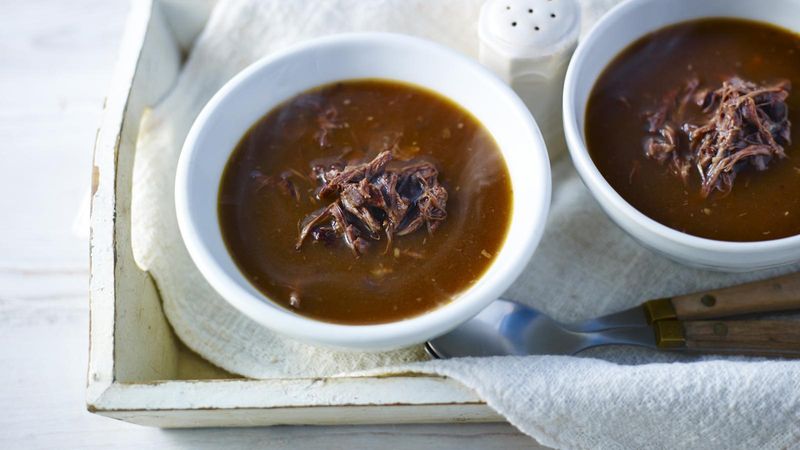
Gelatine-rich oxtails produced luxuriously thick soups that coated your spoon like velvet. The tails required patient cooking but rewarded cooks with melt-in-your-mouth meat and incredible depth of flavour.
Posh restaurants and humble homes alike served this versatile soup throughout British history. Carrots and celery balanced the richness perfectly.
Though still available occasionally, oxtail soup has largely disappeared from everyday menus, replaced by quicker modern alternatives.
9. Nettle Soup
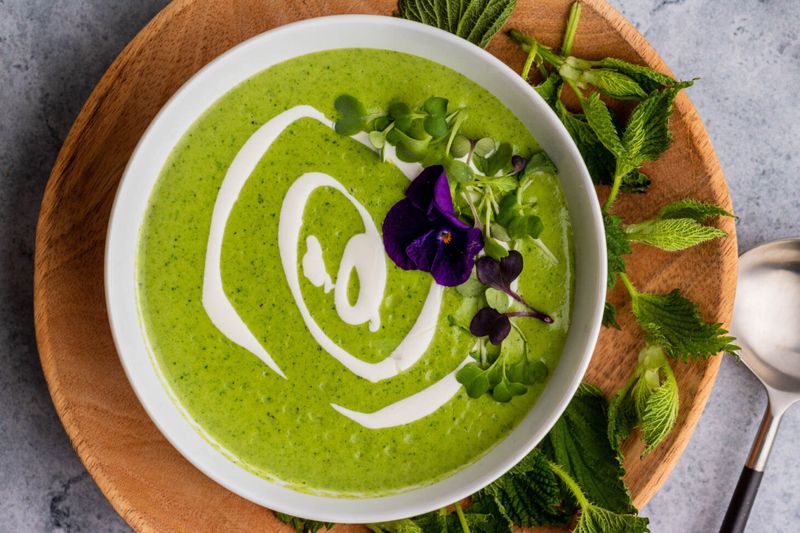
Springtime hedgerows provided free, nutritious greens for country folk who knew nettles lost their sting when cooked. Young nettle tops created vibrant green soups packed with vitamins after long, vegetable-scarce winters.
Foragers gathered them wearing gloves, then simmered them with potatoes and stock until tender. The taste resembled spinach but earthier and more interesting.
Supermarket convenience has made most people forget this seasonal, foraged soup that once marked spring's arrival.
10. Cock-a-Leekie Soup
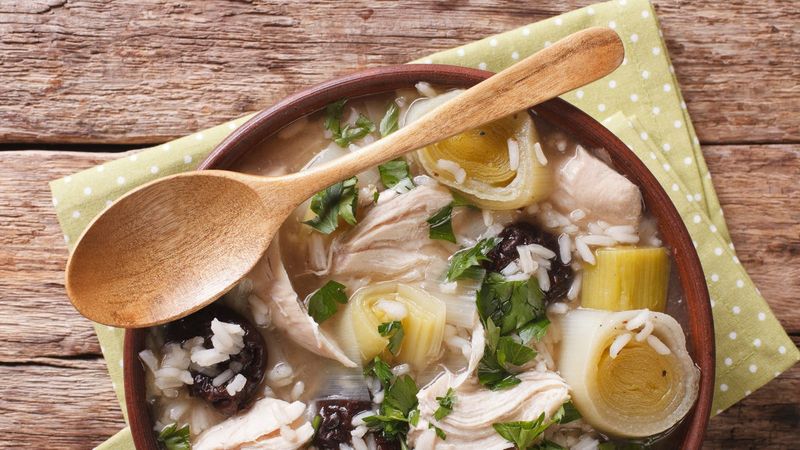
Scotland's national soup combined chicken, leeks, and surprisingly, prunes in one satisfying bowl. The sweet dried fruit balanced the savoury chicken and mild leeks in unexpected harmony.
Old roosters too tough for roasting became tender and flavourful through long, gentle simmering. Every Scottish household had their own treasured family recipe with slight variations.
Whilst not completely vanished, this distinctive soup appears far less frequently on modern Scottish tables than it once did.
11. Vegetable Mulligatawny
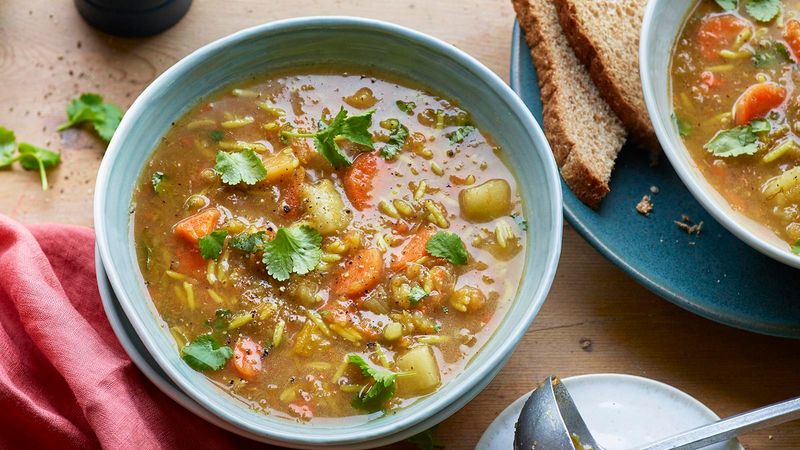
Originally influenced by Anglo Indian cooking during the British colonial period, mulligatawny became a popular Victorian household soup adapted to British pantries.
Early versions often featured lentils, apples, mild spices, and vegetables rather than heavier proteins.
The soup offered warming flavours without relying on expensive ingredients, making it accessible across a wide range of households.
Today it appears occasionally on café menus or in packaged form, but traditional homemade versions using slow simmered bases are rarely prepared from scratch.
12. Scotch Broth
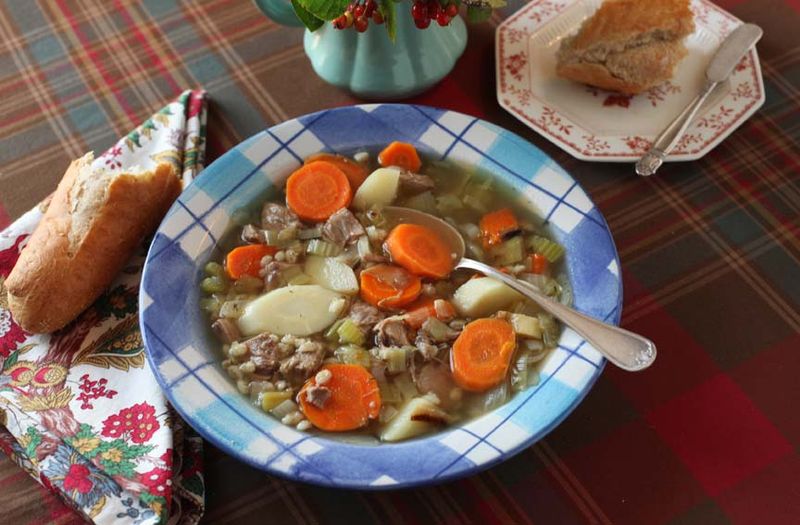
Scotch broth is one of Britain’s oldest documented soups, traditionally prepared with pearl barley, root vegetables, and slow simmered meat bones to create a hearty, nourishing base.
It was valued for its ability to stretch modest ingredients into filling meals that could feed large households over several days.
Seasonal vegetables such as carrots, swede, onions, and leeks were added depending on availability, giving each household its own variation.
While still recognised by name, homemade versions are now far less common as ready made alternatives and quicker cooking habits have taken priority in many kitchens.