








For some, coriander is the perfect finishing touch, adding a burst of freshness to curries, salads, and salsas.
For others, though, it’s the stuff of nightmares – tasting not of citrus and herbs, but of soap.
So why does this humble herb split opinion so dramatically?
This article is for general informational purposes only.
Individual taste preferences can vary due to genetic, cultural, and environmental factors.
Images are illustrative.
A Herb That Divides The Nation
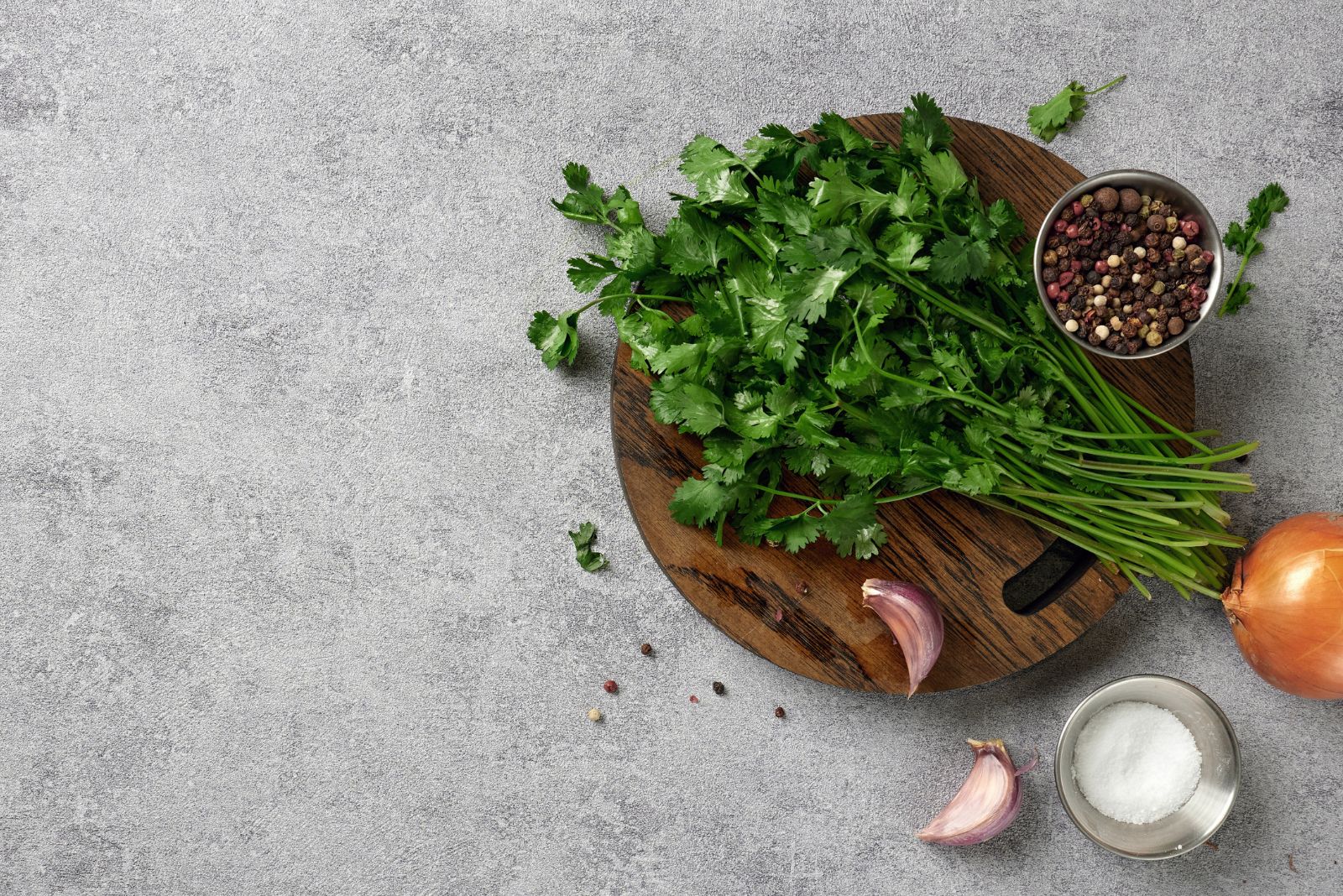
Coriander is one of the most divisive ingredients in British kitchens.
While many happily sprinkle it over a curry or stir-fry, plenty of people pick it out without hesitation.
What makes one person’s garnish another person’s culinary enemy?
The Genetics Behind The Soap Taste
Scientists have found the answer hiding in our genes.
Certain people carry a variation in the OR6A2 gene, which makes them extra sensitive to aldehydes – the compounds responsible for coriander’s flavour.
These same chemicals are also found in soaps and detergents, which explains why the herb tastes like washing up liquid to some unlucky diners.
Cultural And Regional Differences

It’s not just genetics at play.
How we grow up eating coriander can shape whether we like it.
In countries such as Mexico, India, and Thailand, where coriander is used daily, people are more likely to enjoy it.
In Britain, where coriander wasn’t as common until more recently, there’s less of that early exposure that can help us develop a taste for it.
Can You Learn To Love It?
Good news for coriander haters – taste preferences aren’t always fixed.
Some studies suggest repeated exposure in small amounts can change the way we perceive strong flavours.
Cooking coriander seeds, rather than using raw leaves, also mellows the intensity and might be an easier way to warm up to it.
Why It Still Matters In Cooking
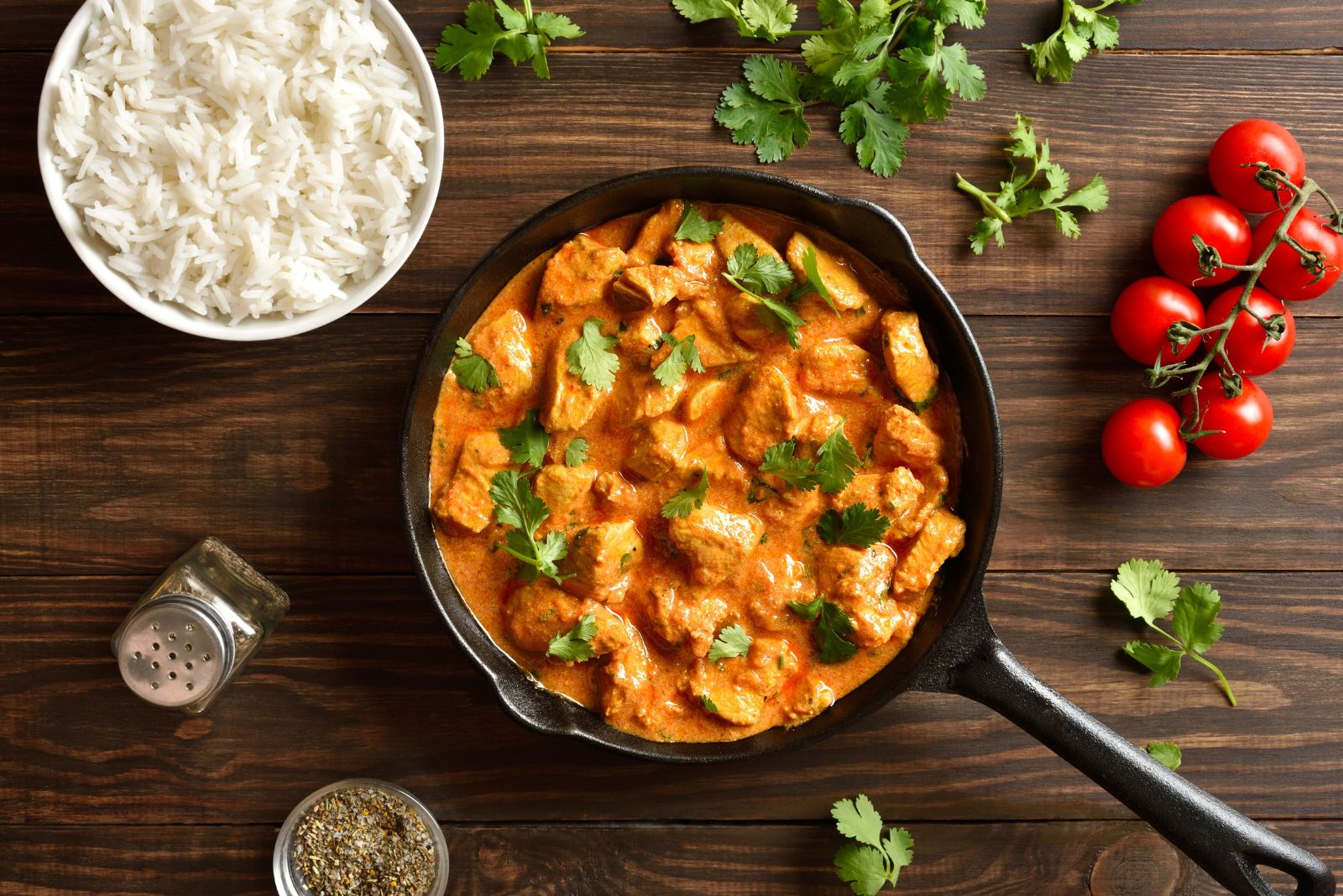
Even if it’s not your favourite, coriander plays a big role in global cuisines.
Its seeds and leaves add complexity, freshness, and balance to dishes.
For those who enjoy it, coriander isn’t just an extra sprinkle – it’s a flavour essential.