






British sweet shops of the past offered flavours that might surprise today’s taste buds.
Long before fruity favourites like strawberry and orange became the norm, shelves were lined with sweets inspired by flowers, herbs, and even vegetables.
What may seem unusual now was once enjoyed by many, with these quirky flavours proving popular across the country.
This article is for general information only.
Some sweets mentioned are historic and may no longer be available.
Taste, appearance, and availability may vary, and photos are for illustrative purposes.
1. Rhubarb And Custard

Picture a vegetable that's technically a fruit, paired with creamy custard in sweet form.
Rhubarb and custard boiled sweets became legendary during the 1960s, capturing the essence of a classic British pudding.
The tangy rhubarb flavour balanced perfectly with smooth custard notes.
These striped yellow and pink sweets reminded people of Sunday dinners at gran's house, making them irresistible comfort food in candy form.
2. Aniseed

Long before energy drinks existed, aniseed sweets provided that distinctive liquorice-like kick that either thrilled or horrified taste buds.
Victorian sweet makers discovered this Mediterranean spice created intensely flavoured treats.
Aniseed balls and twists dominated sweet shop jars throughout the early 1900s.
The strong, almost medicinal taste appealed to adults who appreciated sophisticated flavours rather than simple sugar rushes that modern sweets provide.
3. Blackcurrant And Liquorice

Two of Britain's most divisive flavours combined to create something unexpectedly brilliant.
Blackcurrant and liquorice sweets emerged during wartime when exotic fruit flavours were scarce.
The sharp, vitamin-rich blackcurrant perfectly complemented liquorice's earthy depth.
These dark purple treats satisfied both sweet cravings and provided genuine nutritional benefits, making mothers happy to buy them for their children during rationing periods when health mattered most.
4. Coltsfoot

Believe it or not, people once queued for sweets flavoured like weeds.
Coltsfoot, a common British wildflower, became a surprisingly popular confectionery flavour during the 1800s.
These golden-coloured drops tasted mildly herbal with honey-like sweetness.
Chemists originally sold coltsfoot sweets as throat soothers, but their pleasant flavour made them recreational treats.
The medicinal origins gave parents permission to indulge their children's sweet tooth guilt-free.
5. Spearmint And Peppermint

Fresh breath wasn't the only reason our grandparents adored mint sweets.
Spearmint and peppermint dominated British confectionery for decades, offering cooling relief during stuffy Victorian summers.
These intense flavours provided genuine sensory experiences beyond mere sweetness.
Mint humbugs, imperials, and drops cleared sinuses whilst satisfying sugar cravings.
The medicinal associations made mint sweets acceptable treats even for temperance movement supporters who avoided anything purely indulgent.
6. Barley Sugar

Golden, glass-like sweets that took forever to dissolve made barley sugar the ultimate test of patience.
These amber-coloured treats originated in 17th-century apothecary shops as medicinal preparations.
The complex manufacturing process created sweets with sophisticated caramel notes.
Barley sugar's reputation for soothing coughs made it socially acceptable during church services.
Many a sermon was endured with the slow, satisfying crunch of barley sugar providing both comfort and respectability.
7. Floral Gums

Rose, violet, and lavender flavours might sound bizarre today, but floral gums were once the height of confectionery sophistication.
Edwardian sweet makers created these perfumed treats for discerning palates.
The delicate flower essences provided subtle, complex flavours that appealed to refined tastes.
These pastel-coloured gums were considered ladies' sweets, often served at afternoon tea parties.
The connection to English country gardens made them quintessentially British treats that celebrated our horticultural heritage beautifully.
8. Cherry Bakewell

Capturing the essence of Derbyshire's famous tart in sweet form seemed impossible, yet confectionery makers achieved exactly that.
Cherry Bakewell sweets combined almond and cherry flavours with remarkable accuracy.
These pink and white treats delivered the nostalgic taste of traditional British baking.
The marzipan-like almond notes paired beautifully with sharp cherry flavours.
Sweet shops across the country couldn't keep them in stock as customers craved these edible reminders of home-baked comfort.
9. Mint Crisp

Combining chocolate's richness with mint's freshness created something magical in sweet form.
Mint crisp sweets featured crunchy centres surrounded by smooth, minty coatings that delivered textural excitement.
The satisfying crunch followed by cooling mint made these treats addictive.
Unlike simple mint sweets, the crispy element added sophistication that appealed to adults.
Sweet shops positioned mint crisps as premium treats, often selling them individually wrapped to emphasise their special status.
10. Iron Brew Crumbles

Scotland's national soft drink inspired a sweet that captured its unique flavour perfectly.
Iron Brew crumbles delivered that distinctive orange fizzy taste in solid form, complete with satisfying crunch.
These orange-coloured treats fizzed gently on the tongue whilst providing the familiar Iron Brew flavour.
The crumbly texture made them interactive sweets that entertained as much as they satisfied.
Scottish sweet shops couldn't keep up with demand from customers wanting their favourite drink in portable form.
11. Violet Creams
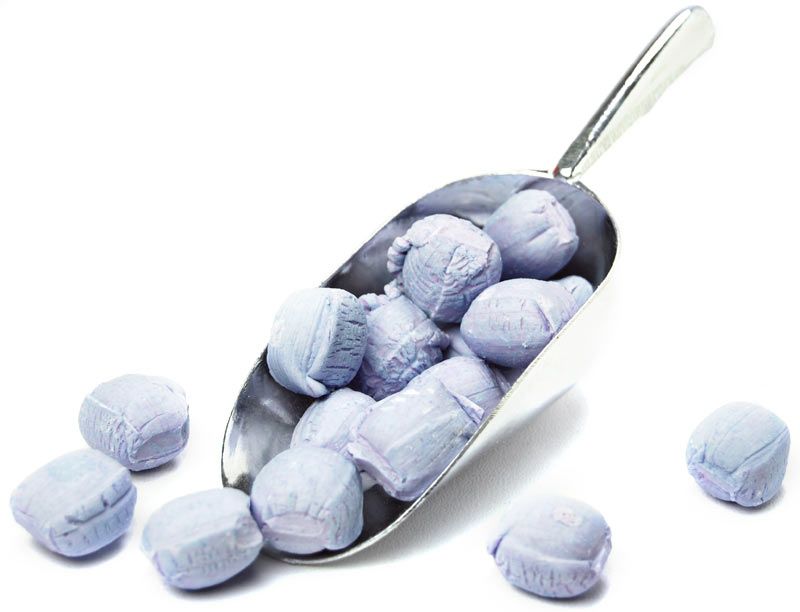
Imagine biting into a candy that transports you to a serene garden.
Violet creams, with their distinct floral essence, offered just that.
Popular in the early 20th century, these sweets enchanted with their gentle purple hue and soft, creamy center.
Their delicate flavor was both a novelty and a treat, leaving an unforgettable impression on those who tasted them.
Often found in upscale candy shops, they were a symbol of luxury and refinement in confectionery.
Though less common today, they still evoke fond memories for those fortunate enough to have experienced their unique charm.
12. Clove Balls
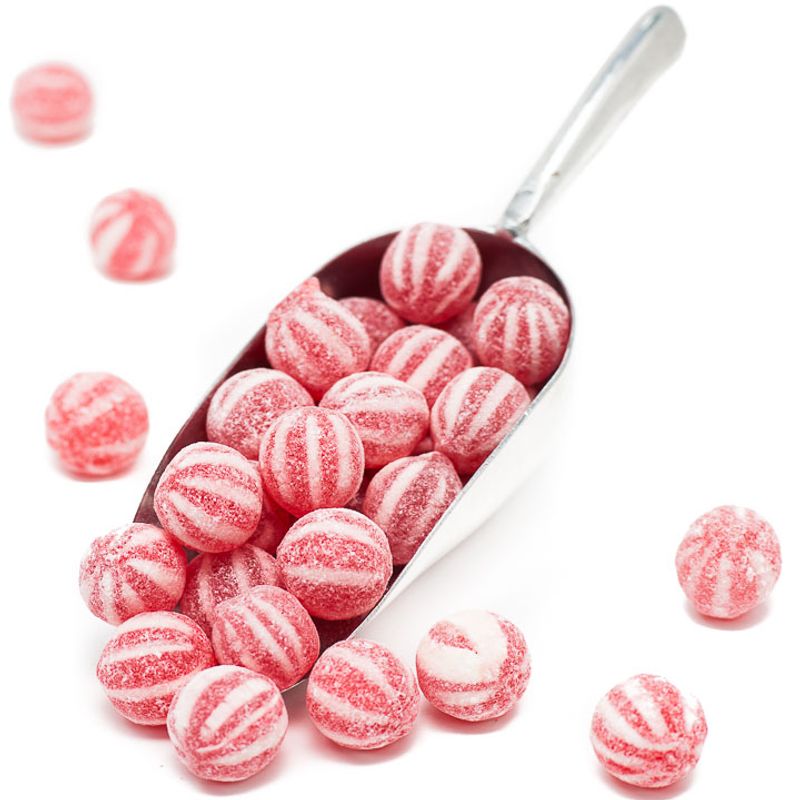
Clove balls were a bold statement in the candy world.
Known for their spicy, aromatic flavor, they catered to adventurous palates.
Each bite was a warm embrace of clove spice, a true departure from conventional sweet treats.
These candies were often favored by those who appreciated spice and warmth, providing a comforting and invigorating sensation.
They stood out in a market dominated by fruity and sugary options.
While their popularity has waned, clove balls remain a nostalgic reminder of a time when candies offered a daring taste adventure.