


Few things feel as comforting as the sound of pastry being rolled out on a floured worktop and the familiar aroma drifting through the house as a pie bakes in the oven. Homemade pies have long been part of British kitchens, carrying family habits, regional twists, and little shortcuts passed down without much fuss.
The simple act of sealing a lid of pastry and waiting for that golden finish somehow turns an ordinary day into something quietly special. Curiosity often leads people to rediscover why this tradition has stayed so firmly rooted in home cooking.
All information is provided for general interest only. Recipes, techniques, and traditions may vary by region and household.
1. Essential Pastry Tools
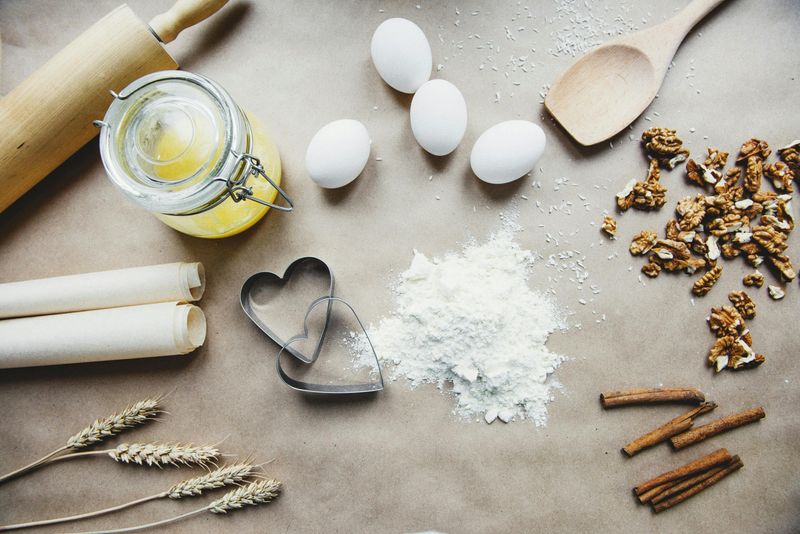
Traditional kitchens often relied on sturdy rolling pins, ceramic bowls, and simple cutters. These tools helped bakers achieve consistent textures without the need for modern appliances.
Accurate measuring and a feel for the dough remain key to creating reliable results. Many of these tools were built to last for decades, often becoming familiar fixtures passed down through families.
2. Shortcrust Techniques
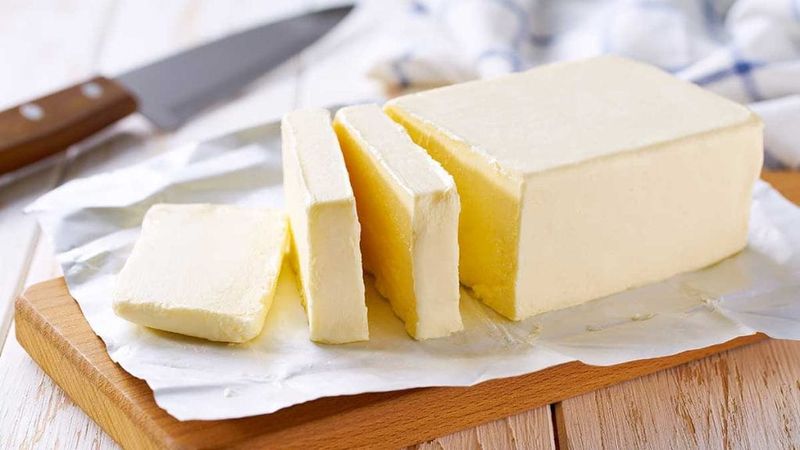
The quality of shortcrust pastry depends on keeping ingredients cold. Using chilled butter or lard creates the layers that give pastry its characteristic flakiness.
A common ratio is half fat to flour by weight, a balance that produces the best texture.
3. Seasonal Fillings
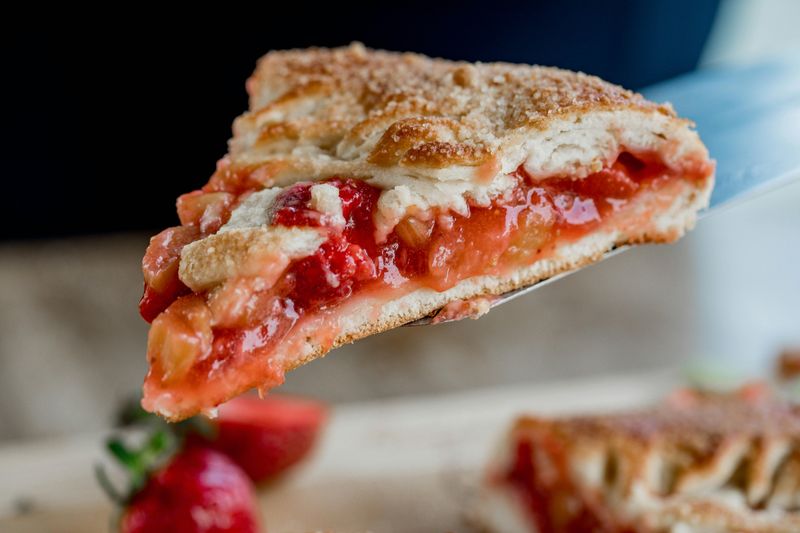
Before year-round produce became available, pies reflected the changing seasons. Rhubarb and gooseberries were common in spring, while apples and blackberries marked autumn.
Root vegetables, potatoes, and onions often provided hearty winter fillings.
4. Hot Water Crust Pastry
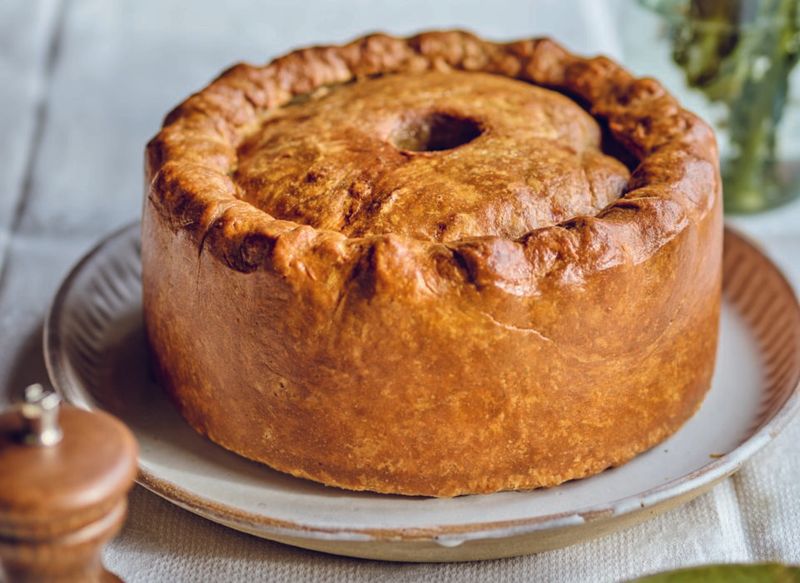
Hot water crust, best known for its role in pork pies, is made with boiling water and lard. This produces a warm, pliable dough that can be moulded by hand while still soft.
Its sturdy structure allows pies to hold generous, savoury fillings. The pastry firms up as it cools, locking the shape in place and creating a robust shell that travels well and slices neatly.
5. Decorative Crimping
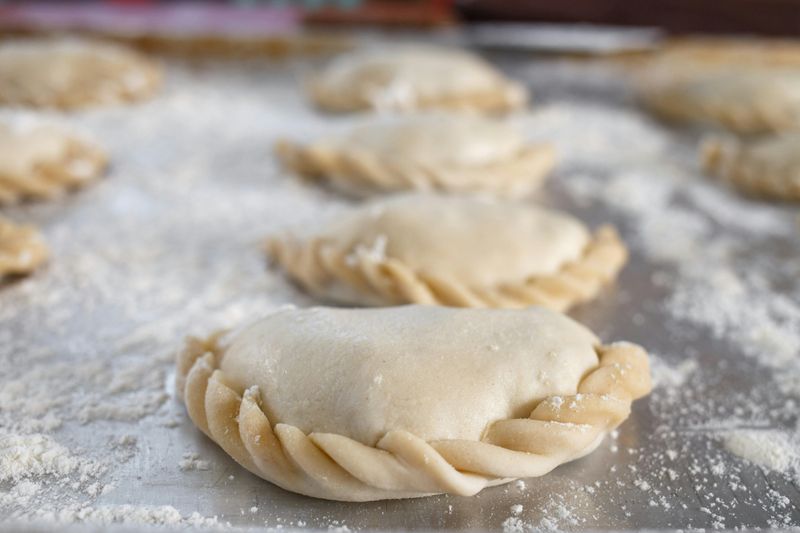
Regional crimping techniques gave pies both identity and function. Cornish pasties used rope-like edges, while Lancashire pies often displayed scalloped borders.
These crimps also acted as seals, keeping the fillings contained during baking.
6. Suet Puddings
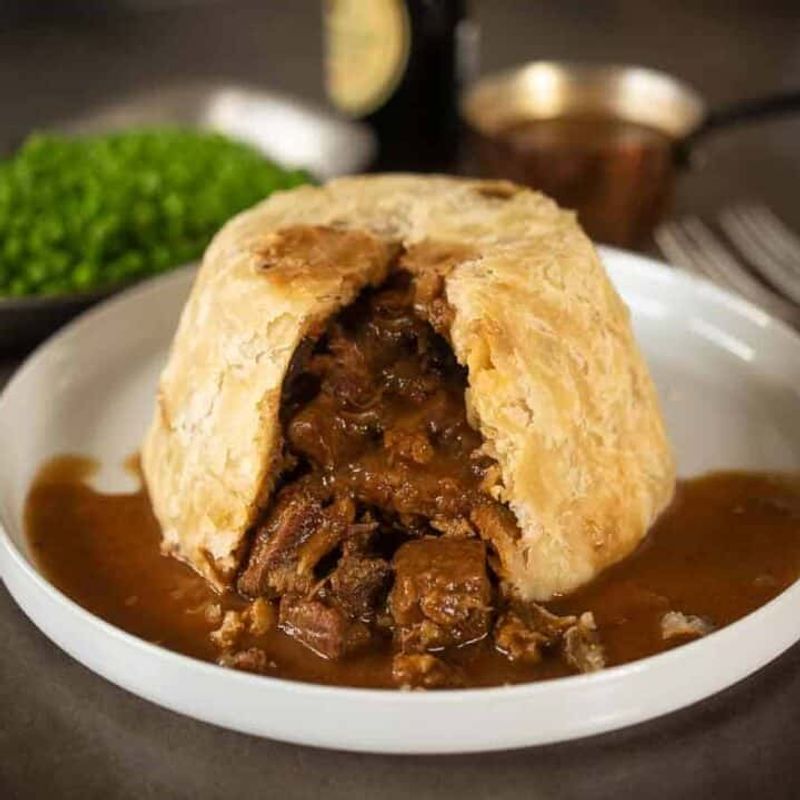
Steak and kidney pudding is one of the best-known examples of suet pastry, made with beef fat for a soft, tender crust.
Unlike baked pies, suet puddings are steamed slowly for several hours. The method produces a casing that absorbs rich gravies while protecting the filling.
7. Gravy And Stock
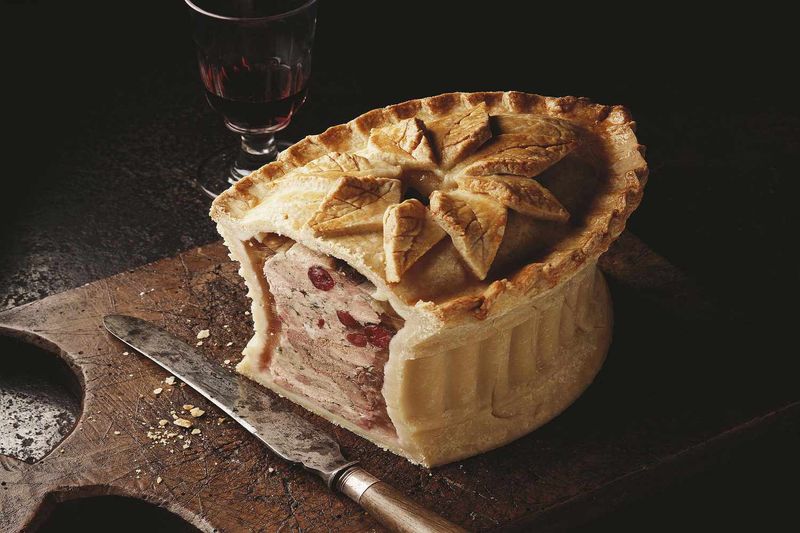
Traditional meat pies often included stock poured through a small hole in the crust after baking. As it cooled, the stock set into a jelly that kept fillings moist and enhanced flavour.
This practice was especially popular in Victorian cookery. Small funnels or paper cones were sometimes used to guide the liquid neatly into the pastry without disturbing the crust.
8. Egg Wash Finishes
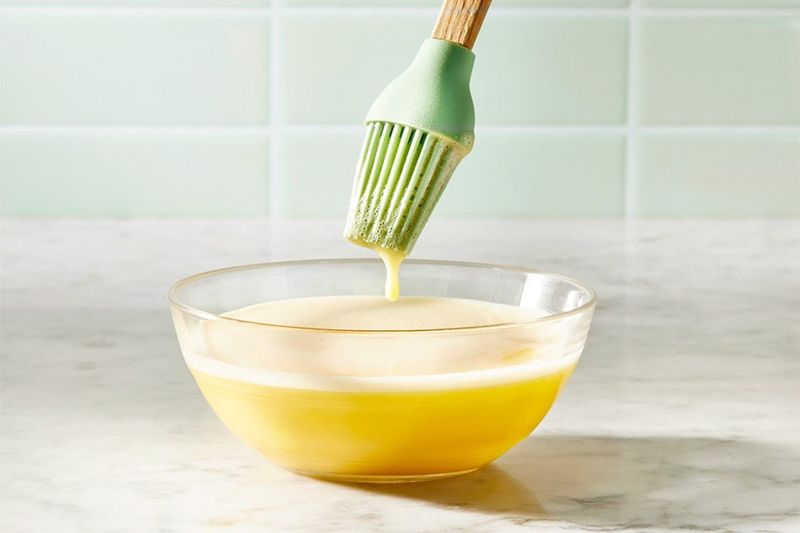
Different egg washes created distinct finishes on pies. Whole egg gave a rich brown glaze, while egg white produced a paler shine.
Applying the wash with a natural-bristle brush ensured even coverage and a professional look.
9. Preserving Recipes
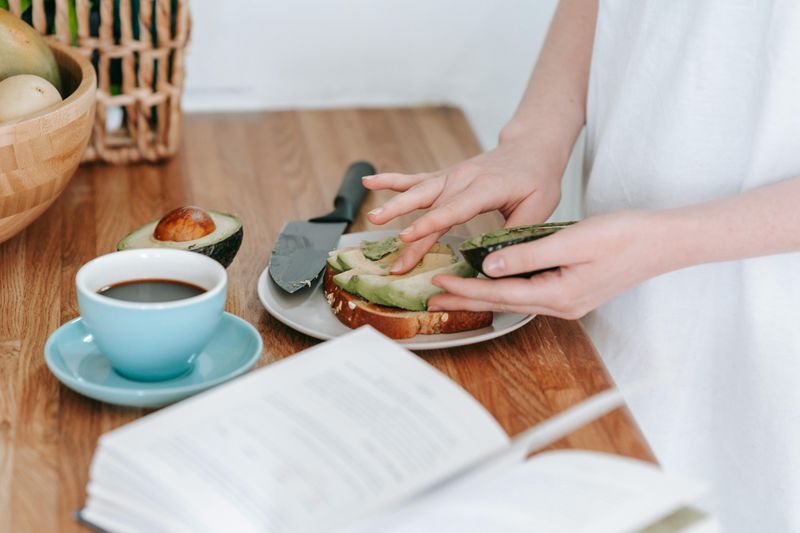
Many families kept handwritten recipe books filled with pie instructions and notes. These collections often carried small adjustments or stories from previous generations.
Recording techniques and variations remains a way to preserve culinary heritage today.
10. Pie Vents And Steam Control
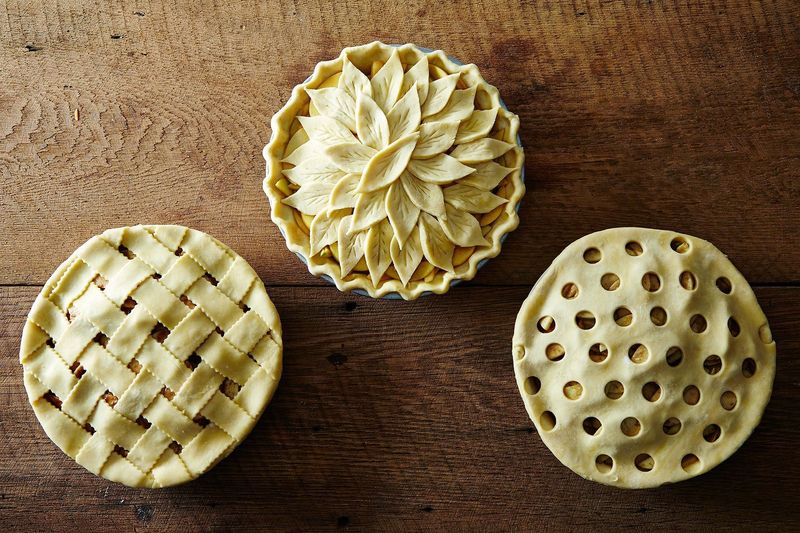
Small holes or decorative vents cut into pastry lids allowed steam to escape during baking. This prevented soggy pastry while helping the filling cook evenly and safely.
Bakers often used the tip of a knife or a small cutter to create simple patterns that doubled as decoration. Over time, these little vents became part of a pie’s visual character as much as its function.
11. Leftover Pie Traditions
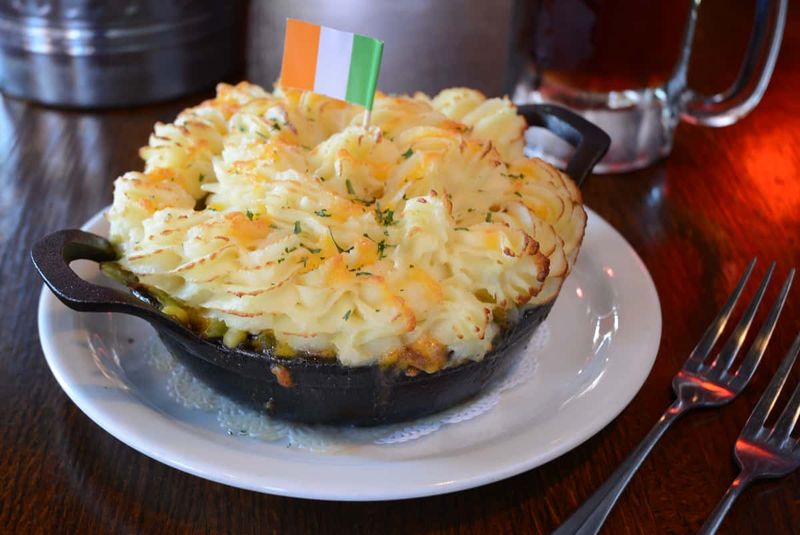
Leftover roast meats and vegetables were rarely wasted in traditional British kitchens, often finding a second life tucked beneath a pastry lid. Sunday dinners frequently became Monday pies, stretching ingredients while creating something that felt new rather than recycled.
The mix of flavours deepened overnight, making reheated slices even more satisfying the next day. This habit reflected practical cooking at its best, turning frugality into comfort.