








Food in the 1970s looked very different to what we see on shelves today. Convenience was the big trend, processed foods were celebrated as modern, and many households didn’t think too much about additives, colours, or what was actually inside those ready-made meals.
Looking back now, it’s surprising to see how many everyday products contained ingredients that would no longer pass today’s stricter safety and quality standards.
It offers a fascinating glimpse into how much our approach to nutrition and regulation has changed since those nostalgic dinner table days.
This article is for general historical and informational purposes only. Food regulations and ingredient guidelines have evolved over time, and product formulations may differ from modern versions. Images are for illustrative use only.
1. Red Dye Number 2 Jelly Babies

Once the crown jewels of Britain's sweet shops, these vibrant little fellows contained Amaranth dye that gave them their eye-catching colour. The Food Standards Agency binned it after studies linked it to cancer in lab rats.
Children across the UK mourned when their favourite red treats suddenly changed shade. The replacement colours never quite captured that same artificial brilliance that stained tongues and fingers for hours.
2. Brominated Vegetable Oil Fizzy Drinks

The secret behind those cloudy citrus pop drinks wasn't just lemons and limes. BVO kept the flavour oils suspended so your Tizer and Corona wouldn't separate into unappealing layers.
Turns out the same stuff was used as a flame retardant. When research showed it could build up in your body and cause memory troubles, regulators promptly showed it the door.
3. Cyclamate-Sweetened Squash

Mums across Britain once reached for these artificially sweetened cordials thinking they were doing their kids' teeth a favour. The sweet-shop taste without the sugar seemed too good to be true.
Turned out it was. After cyclamates were linked to bladder cancer in laboratory animals, they vanished from pantry shelves nationwide in a regulatory flash, leaving many a sweet tooth bereft.
4. Safrole-Infused Root Beer

The distinctive flavour in these frothy brown beverages came from sassafras root, packed with safrole. This natural compound gave British root beers their medicinal tang that divided opinion at children's parties.
Few parents realized they were serving up a precursor to MDMA with their party sausage rolls. Once the connection was made, authorities swiftly pulled the plug on this accidental psychedelic preparation.
5. Sudan I Coloured Salad Cream

The sunshine-yellow dollop atop your cheese and pickle sarnie wasn't just egg yolks. Sudan I dye made British salad cream pop with appetizing colour that brightened many a drab lunch.
The cheerful hue hid a nasty secret – it was actually an industrial dye better suited for shoe polish than sarnies. When scientists flagged its carcinogenic properties, it was yanked from the food chain faster than you could say 'pass the Heinz'.
6. Potassium Bromate White Bread

The secret to those perfectly risen loaves from your local baker wasn't just yeast and elbow grease. Potassium bromate helped create that fluffy texture we all loved slathered with butter and jam.
Scientists later discovered this flour treatment might be slightly more dangerous than a stale crust. With links to nervous system disorders and potential cancer risks, this bread booster was soon toast in British bakeries.
7. Violet Sweets With Methyl Violet

Parma Violets weren't the only purple-hued treats delighting British sweet shops. These vibrant confections got their royal colour from methyl violet, a dye that made them properly eye-catching in penny mix selections.
The same compound was used in printing inks and to stain biological specimens in laboratories. Once regulators cottoned on, these purple pleasures quickly faded from sweetshop jars across the country.
8. Oil Of Calamus Herbal Bitters

Fancy pub landlords once stocked these botanical tipples for patrons seeking a sophisticated nip. The bitter, aromatic profile came from calamus root, believed to aid digestion after a heavy ploughman's lunch.
Nobody mentioned the hallucinogenic properties or potential kidney damage. When research revealed calamus oil contained asarone, a compound with troubling effects on the nervous system, these herbal remedies were promptly shown the door.
9. Raw Milk Cheese With Surface Mould

Cheese counters once featured these pungent, farmhouse varieties that would make health inspectors today reach for their citation books. The fuzzy, multi-coloured rinds were considered signs of character rather than warning flags.
Made from unpasteurised milk and aged in conditions that would give modern food safety officers heart palpitations, these cheeses offered complex flavours alongside rather exciting bacterial cultures. Regulations now strictly control which moulds can party on your cheese board.
10. Olestra-Laden Crisps
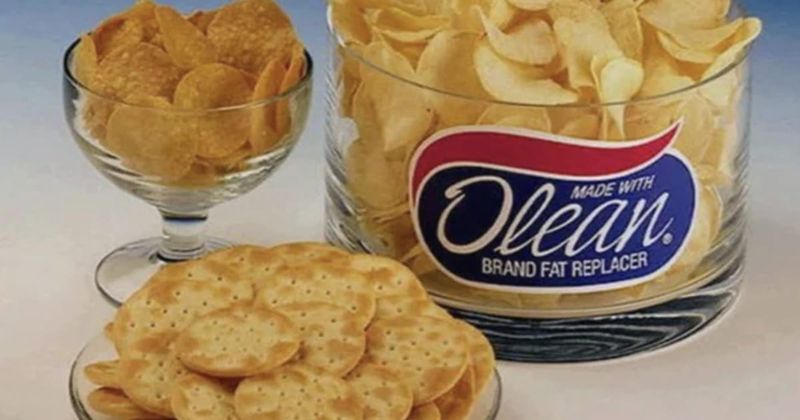
These revolutionary snacks promised guilt-free munching with all the greasy satisfaction of regular crisps. The miracle ingredient was olestra, a fat substitute that slipped through your system without contributing calories.
Unfortunately, it also caused 'unexpected digestive side effects' – not exactly the selling point Golden Wonder was after. After countless ruined cinema seats and awkward moments, these treacherous treats were quietly discontinued from British shelves.
11. Formaldehyde-Preserved Pickled Eggs

Those suspiciously long-lasting pickled eggs in pub jars weren't just preserved with vinegar. A splash of formaldehyde kept them looking appetizingly white for months on end, despite sitting at room temperature.
The same chemical used for embalming corpses seemed perfectly acceptable for preserving pub snacks until someone pointed out the obvious health concerns. Modern pickled eggs rely solely on vinegar, explaining why they don't last nearly as long on the bar.
12. Agene-Treated Flour Products

The secret behind those impossibly white Victoria sponges at church fetes wasn't just good baking. Flour treated with nitrogen trichloride (agene) produced baked goods with supernatural whiteness and texture that won village competitions.
Nobody mentioned it could also cause histamine-like reactions or neurological symptoms. When studies showed dogs fed agene-treated flour developed 'running fits' (not ideal for humans either), this baker's helper was promptly shown the pantry door.
13. Rennet From Unregulated Sources

In the heart of 1970s kitchens, cheese-making was a beloved pastime. Yet, the use of rennet from unregulated sources posed hidden risks. Without strict oversight, this enzyme, essential for curdling milk, often came from questionable origins, potentially introducing harmful bacteria.
Home cheese-makers unknowingly used rennet that could spoil their creations or, worse, cause illness. Such practices were eventually scrutinized, leading to stricter controls. This shift aimed to protect eager culinary enthusiasts from unseen hazards.
Today, rennet is carefully sourced, ensuring both safety and quality. This change reflects broader trends toward safer, more regulated food production methods.
14. High Mercury Fish

During the 1970s, fish like tuna and swordfish were culinary staples. However, they harbored a silent threat: high mercury levels. This toxic element accumulated in larger fish, unknowingly endangering consumers.
Pregnant women and children were particularly at risk, with health officials eventually sounding the alarm. Mercury poisoning could impair neurological development, prompting a reevaluation of dietary guidelines.
These revelations led to increased awareness and the promotion of safer seafood choices. Eating fish became a calculated decision, balancing nutritional benefits against potential risks, ultimately transforming public perception and consumption habits.
15. High-Phosphate Processed Meats

Remember the savory allure of deli meat platters at 1970s gatherings? High-phosphate processed meats were a significant part of many diets. The phosphates acted as preservatives, maintaining flavor and moisture.
However, health concerns emerged, linking excessive phosphate consumption to kidney issues and heart disease. Gradually, regulations tightened, and these meats faded from favor.
Today, phosphate content is limited in processed foods, but the memory of these meats lingers, a testament to changing health standards and consumer awareness.
16. Whale Meat Products
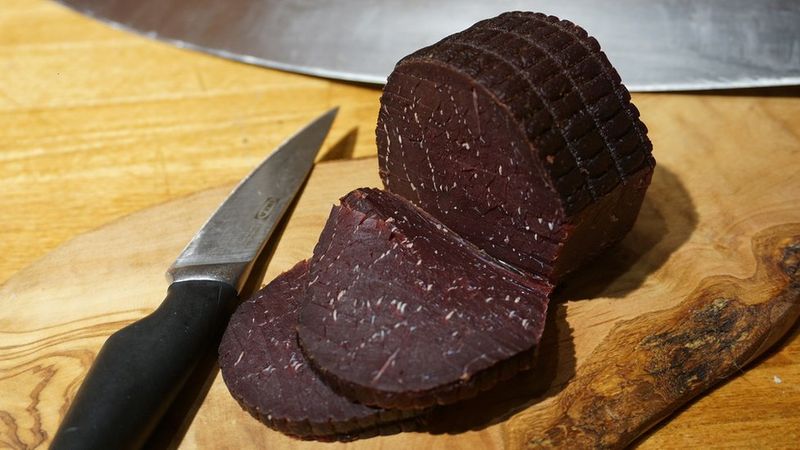
Whale meat was once considered a delicacy, especially in coastal regions. The 1970s saw its peak popularity, but growing environmental awareness shifted perspectives.
The ban on whale meat arose from concerns about whale conservation and ethical sourcing. International regulations eventually curtailed its sale to protect whale populations.
While whale meat is still consumed in some cultures, its availability is tightly restricted, reflecting a global commitment to marine conservation and ethical eating practices.