










Parsnips actually taste sweeter after a hard frost. The cold prompts the plant to turn some of its starch into sugar, a kind of natural antifreeze.
That means the grimmest weather can make for the best eating. I love that winter hands out a small reward for putting up with it.
A hot oven does the rest of the work. High heat browns those natural sugars and turns pale, muddy roots into something crisp and golden.
I can't think of a cheaper way to make a dark evening feel brighter. So which knobbly thing in the veg drawer is getting its turn this week?
1. Parsnips
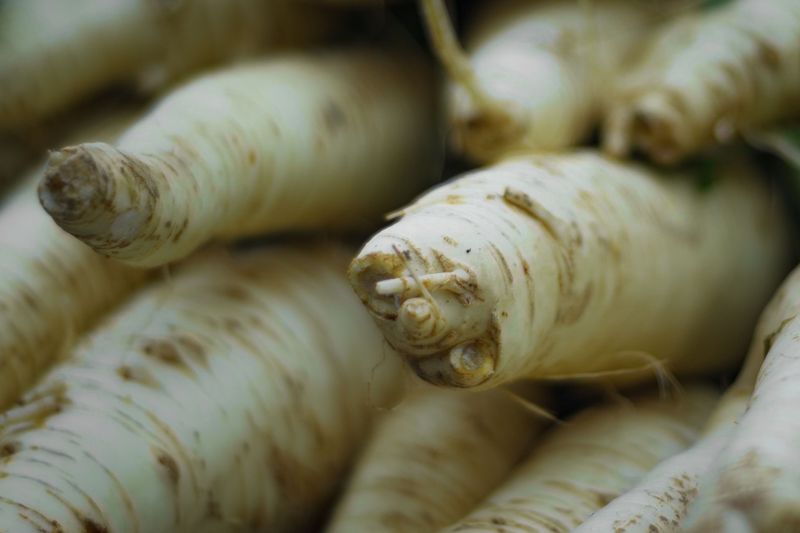
Frost is the parsnip's best friend, nudging its starch into sugar while you shiver indoors. Roasting then cashes in that sweetness. You get soft, creamy middles and edges that crackle like toffee.
Choose small or medium roots, since big ones can turn woody in the centre. Look for firm parsnips rather than bendy ones. Cut them into even batons, quartering the fat tops and simply halving the skinny tips.
For extra crunch, blanch them in boiling salted water for about five minutes first. Then roast in a single layer at 200 to 220°C for 25 to 40 minutes, turning halfway. Thyme or rosemary can go in from the start without fuss.
Honey and mustard are the classic finish here. Add them in the last ten minutes only, because sugar scorches quickly in a hot oven. Serve them beside roast beef or pork, and watch the tray empty faster than the meat.
2. Jerusalem Artichokes
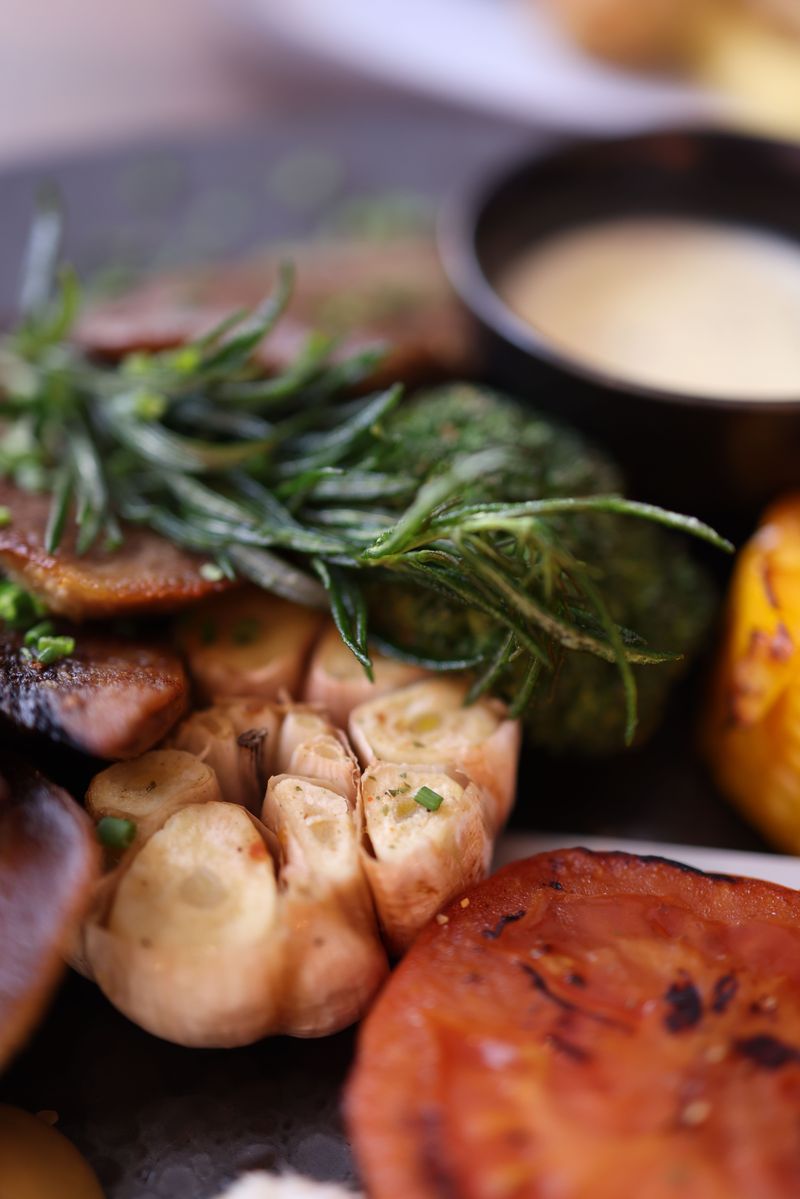
Here's a vegetable with a fibbing name. Jerusalem artichokes aren't artichokes, and they don't come from Jerusalem. They're knobbly tubers from a type of sunflower.
Their flavour sits somewhere between a potato and a parsnip, with a nutty edge. Roasting gives them creamy insides and crisp, almost flaky skins. Their UK season runs roughly from October to March, so grab them while they're about.
Skip the peeler, honestly. Those lumps make peeling a fiddly chore, and the skin crisps up nicely anyway. Just scrub well to shift the soil, then halve or chunk them evenly.
Toss with olive oil, salt and pepper, then roast at around 200°C for 25 to 55 minutes, depending on size. Turn them halfway so they brown on more than one side. Rosemary and garlic suit them well, and a squeeze of lemon at the end wakes up their earthy sweetness.
3. Celeriac
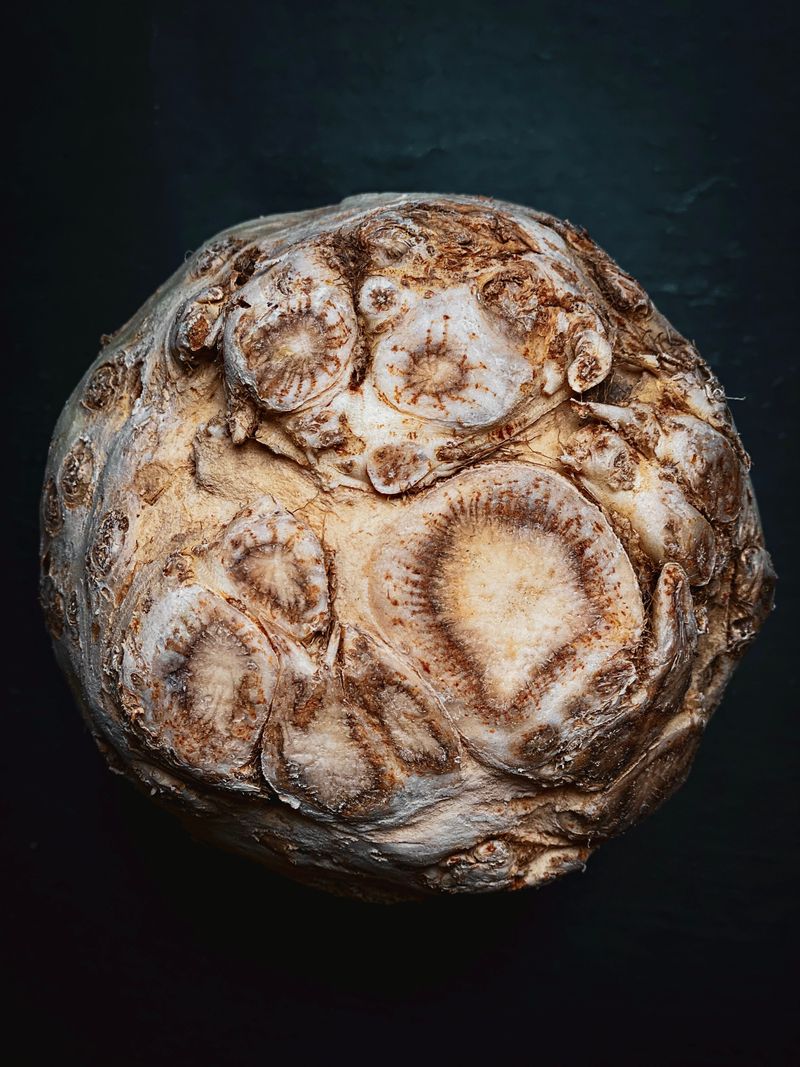
Nobody ever picked celeriac for its looks. It's gnarly, hairy and frankly a bit alarming. Yet underneath that rough coat sits creamy white flesh with a gentle, nutty flavour.
It's a type of celery grown for its swollen base rather than its stalks. It copes well with cool, damp British weather and is at its best from October to March. Raw, it tastes strongly of celery, but the oven softens that right down.
Use a sturdy knife to take off the skin, since a peeler tends to struggle. Mind your fingers on the uneven surface by slicing it flat first. Cut the flesh into even chunks.
Roast with olive oil, salt and pepper at about 200°C until tender and golden, usually 35 to 45 minutes. The middles turn soft and fudgy. Want a richer version?
Roll the chunks in a spoonful of beef dripping before they go in.
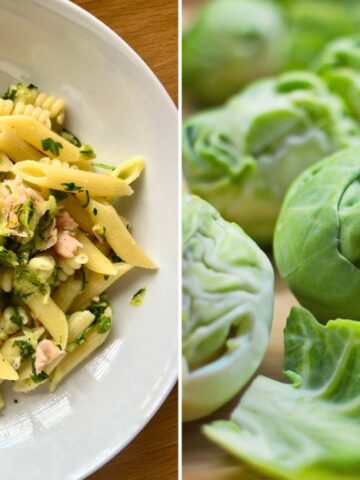
4. Brussels Sprouts
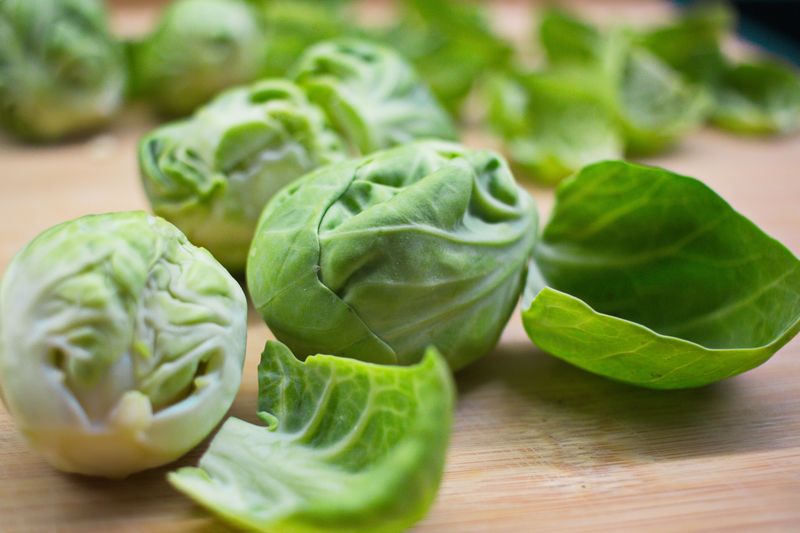
Sprouts have spent years being boiled into grey sadness. Roasting is their comeback story. The outer leaves char and crisp, while the hearts stay tender.
High heat tames their bitterness and brings out a savoury, slightly sweet side. They're at their seasonal best in the UK from December to February. So they're not just for Christmas Day.
Trim the tough base and halve each one. Toss with olive oil, salt and pepper until each sprout has a light sheen. Then spread them out on the tray with plenty of room.
Crowding is the big mistake here, because packed sprouts steam and go soggy. Roast at 200°C for 25 to 35 minutes, giving the tray a shake now and then. Crispy bacon bits are a classic partner, and a drizzle of balsamic glaze adds a sticky-sharp finish worth trying.
5. Swede
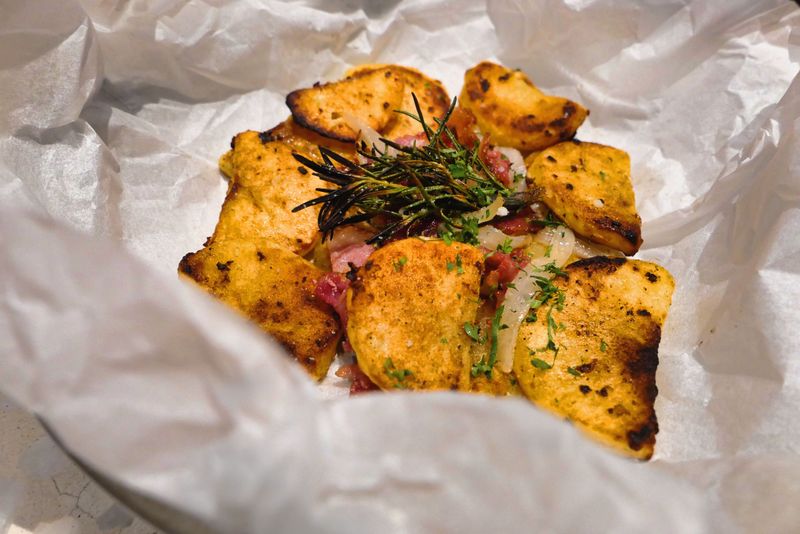
Mostly mashed and often ignored, swede deserves a night out in the oven. In Scotland it's called neeps, served alongside haggis on Burns Night. Roasting shows off a nuttier, sweeter side.
That purple and yellow skin is thick and uneven. Quarter the swede first, then slice the skin away with a sharp knife on a steady board. It's far safer than wrestling a whole one.
Cut the orange flesh into even cubes and coat with olive oil, salt and pepper. Give them space on the tray so they brown. Roast at about 200°C for 30 to 45 minutes.
Cumin and a pinch of chilli suit swede surprisingly well. Thyme and rosemary keep things traditional if you'd rather. Its season runs from mid-October to late February, so it's a reliable cheap friend through the coldest stretch.
6. Fennel
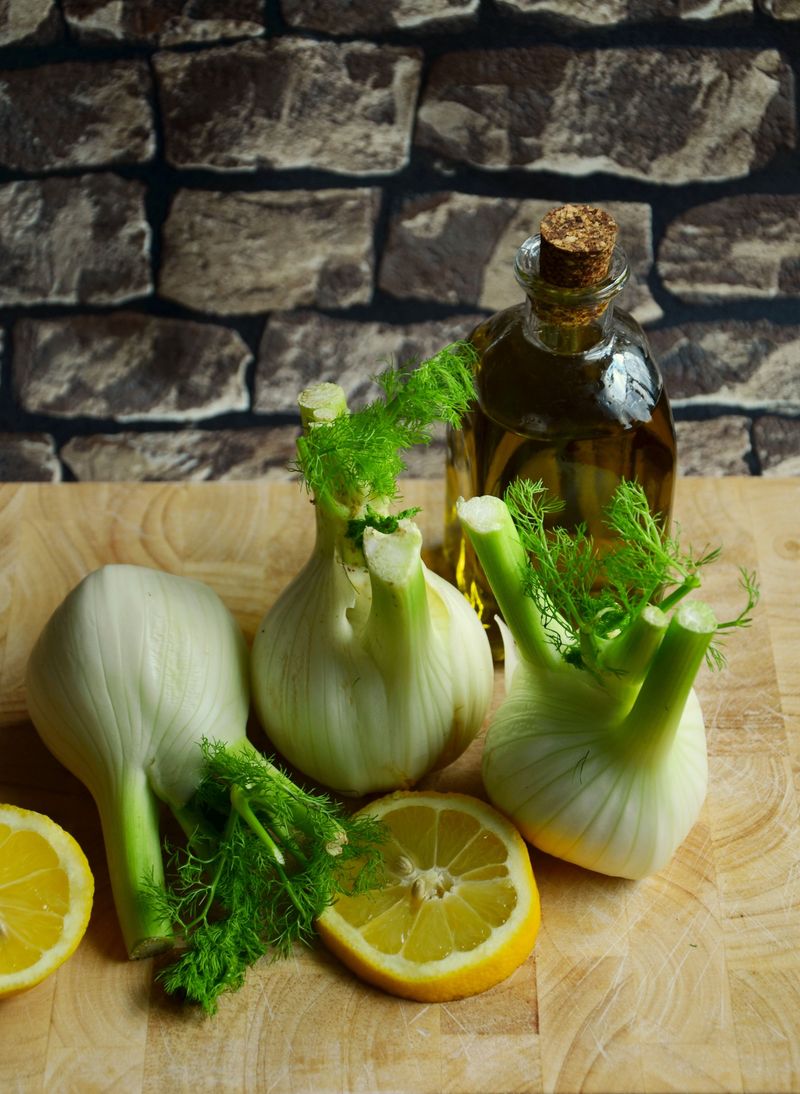
Raw fennel tastes boldly of aniseed, which divides a room fast. Give it half an hour of heat and it mellows into something sweet and soft. Even liquorice doubters may come round.
Trim the stalks and save the feathery fronds for garnish. Slice the bulb lengthways into thick wedges. Leave a bit of core on each so the layers hold together.
Oil and season the wedges, then roast at 200 to 220°C for 20 to 30 minutes. Turn them once so both cut faces catch colour. The insides go jammy, a bit like a slow-cooked onion.
Finish with a squeeze of lemon to brighten things up. Roasted fennel sits nicely beside chicken, pork or baked white fish such as cod. A little grated Parmesan over the top makes a fine extra layer.
7. Romanesco
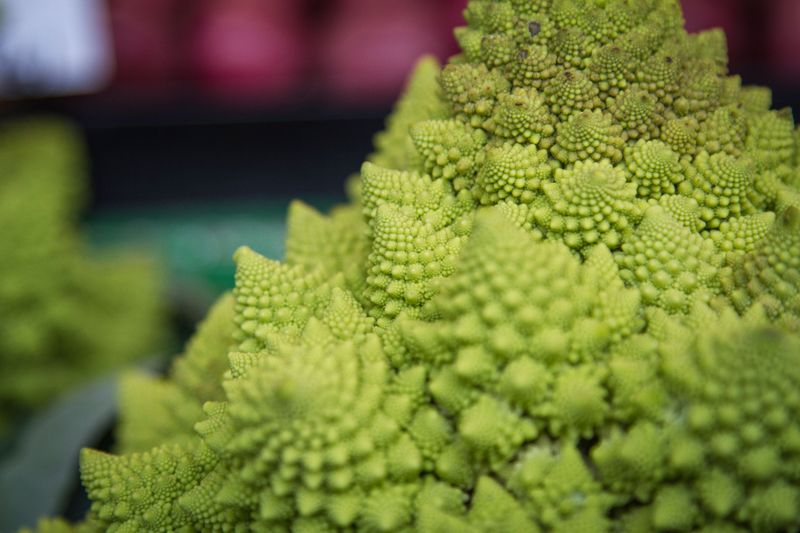
Ever seen a vegetable that looks like maths homework? Romanesco's lime-green spirals repeat in neat little cones. It's technically a type of cauliflower, just a far more dramatic one.
The flavour is milder and nuttier than standard white cauliflower. It also keeps a bit more bite after cooking. Look for it in the UK through autumn and into early winter.
Cut it into even florets, trying to keep those spirals intact for the look. Toss with olive oil, salt and pepper. Roast at about 200°C for 25 to 35 minutes until the tips turn golden.
Garlic and lemon are simple partners that let the nuttiness shine. Curry spices work too if you fancy something bolder. Serve it with the Sunday roast and see who asks what on earth it is.
8. Roast Potatoes
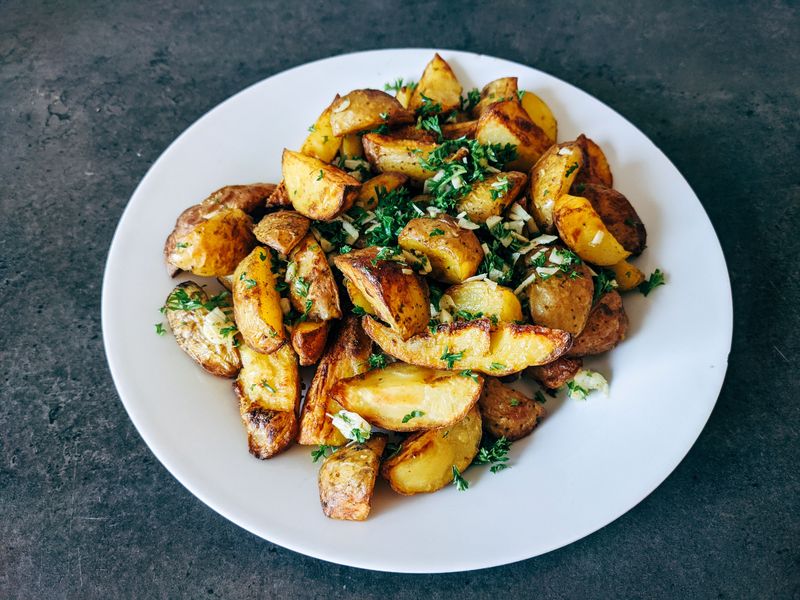
The Sunday roast has a pecking order, and roast potatoes sit at the top. Getting them right is mostly about the variety. Maris Piper and King Edward are the go-to choices, with Rooster a decent backup.
Those floury types are high in starch and low in moisture. That's what gives you fluffy middles and a crunchy shell. Waxy potatoes simply won't behave the same way.
Peel, chunk and parboil them for 10 to 15 minutes until just tender at the edges. Drain well, then shake them in the colander to rough up the outsides. Those scuffed bits become the crunchiest parts.
Heat goose fat or vegetable oil in the tin first, then lower the potatoes in carefully to avoid spitting fat. Roast at 200 to 220°C for 45 to 60 minutes, turning a few times. Toss in rosemary and garlic near the end if you like.
9. Beetroot
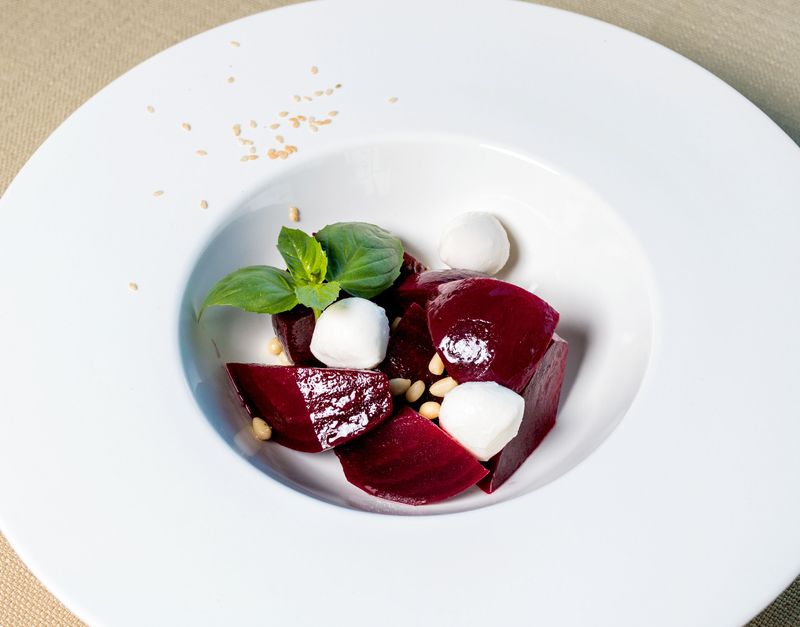
Few vegetables stain your chopping board quite so proudly. Beetroot comes in deep crimson, golden and the candy-striped Chioggia variety. Roasting deepens its earthy sweetness and gives the edges a sticky finish.
Wash the roots well. Small ones can roast whole in their skins, which keeps them juicy. Larger ones are easier peeled and cut into wedges.
A pair of gloves saves your fingers from turning pink for a day. Toss the pieces in olive oil, salt and pepper, then roast at 180 to 200°C. Allow 30 to 60 minutes, depending on size, until a knife slides in easily.
Goat's cheese is the classic match, tangy against all that sweetness. Orange segments and a splash of balsamic add sharpness too. Keep golden and red beetroot apart on the tray if you want the colours to stay clean.
10. Kohlrabi
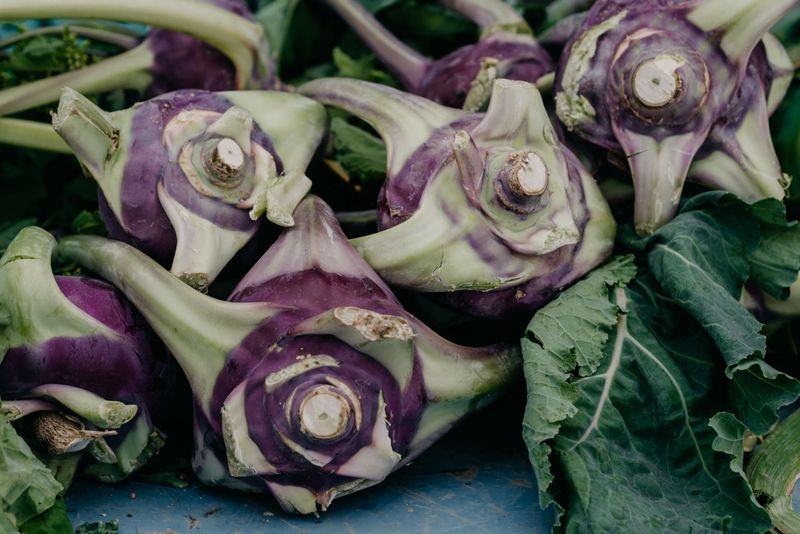
Kohlrabi looks a bit like a tiny alien spaceship with leafy aerials. It's a brassica, so a cousin of cabbage, and it comes in green or purple. Inside, both have crisp white flesh.
Raw, it's crunchy and slightly peppery. In the oven it turns mild, sweet and faintly nutty. Think of a gentler, sweeter turnip.
The UK season runs from July to December, so grab it in the early winter weeks. Peel the skin well, since it can be tough and stringy on bigger bulbs. Then cut it into even wedges or cubes.
Toss with olive oil, salt, pepper and a few thyme leaves. Roast at around 200°C for 25 to 35 minutes, until tender with golden edges. Mix it into a tray of other roots and enjoy watching people try to guess what it is.
11. Butternut Squash
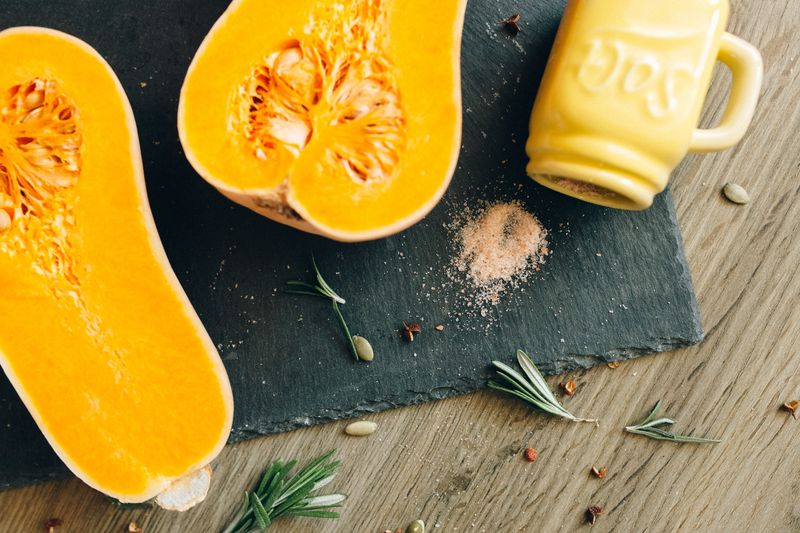
Butternut squash is shaped like a bell and built like a brick. Getting into it takes a little effort, but the payoff is sweet, creamy flesh. Roasting brings out caramel notes you'll never get from boiling.
It's harvested in late summer and autumn but stores brilliantly. That keeps it around right through to March. Choose one that feels heavy for its size.
A Y-shaped peeler handles the skin well. Cut the squash into two halves at the neck first, so it sits flat and doesn't roll under your knife. Scoop out the seeds and cut the flesh into even pieces.
Roast at 200°C for 30 to 45 minutes, turning halfway. Sage is the classic herb partner, crisping up nicely in the oil. Don't bin those seeds, either, because rinsed, dried and roasted they make a crunchy snack.
12. Cauliflower
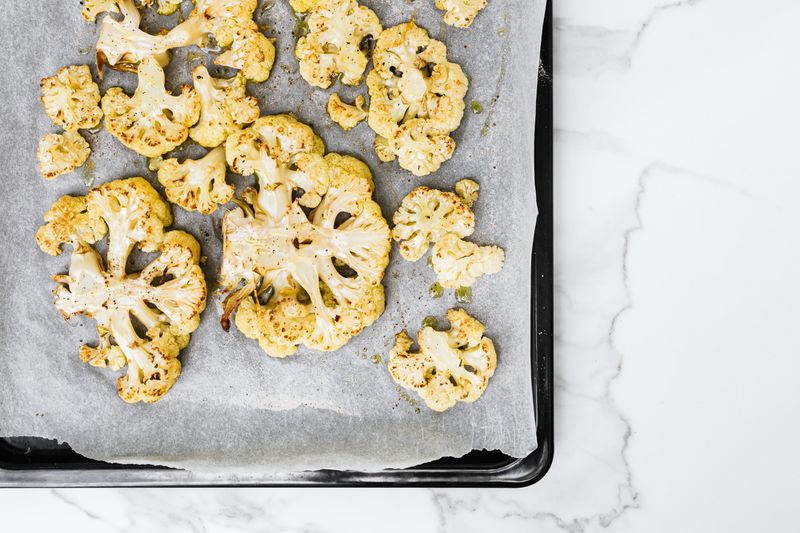
Boiled cauliflower is school dinner territory. Roasted cauliflower is another vegetable altogether. The florets go nutty and sweet, with crispy brown tips.
Break the head into even florets so they cook at the same rate. You can also slice thick steaks through the middle or roast the whole thing. Leave space between pieces so hot air can move around.
Florets need 25 to 40 minutes at 200 to 220°C. A whole head takes much longer, roughly 60 to 90 minutes. Check the centre with a knife before serving.
Spice is where this one really shines. Smoked paprika, curry powder or za'atar all cling well to the oily florets. A whole roasted head, crusted in spices, makes a striking centrepiece for a meat-free tea.
13. Leeks
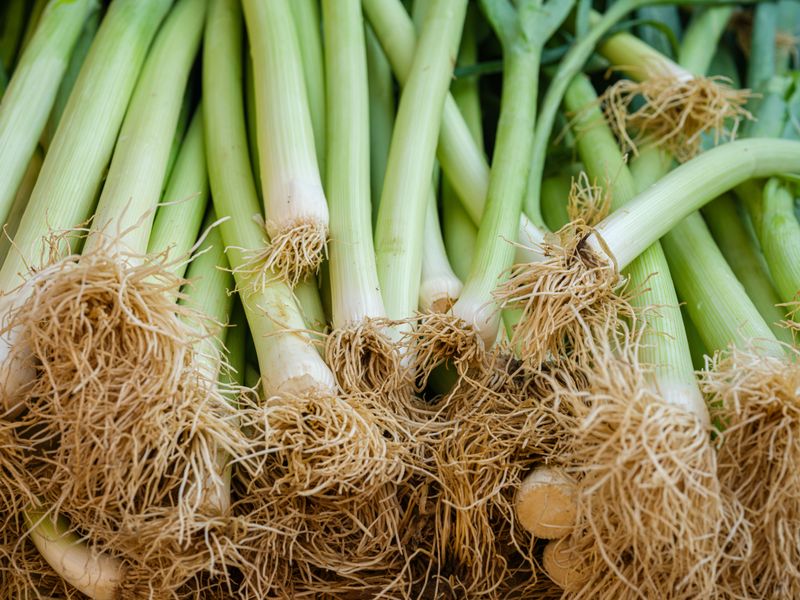
Leeks hide soil in their layers like a toddler hides peas. A quick rinse won't shift it. Wash them properly or you'll get a gritty surprise at the table.
Trim off the dark green tops and the root end. Halve each leek lengthways, then fan the layers under running water. Pat them dry so they roast rather than steam.
Lay them cut-side up on a tray and drizzle with olive oil. Season well and add thyme or a few garlic slices. Roast at 200 to 220°C for 20 to 30 minutes.
The outer layers crisp at the edges while the middles turn soft and sweet. A knob of butter melting over the top at the end is a fine idea. Finish with lemon juice for a little sharpness alongside roast chicken or fish.
14. Red Onions
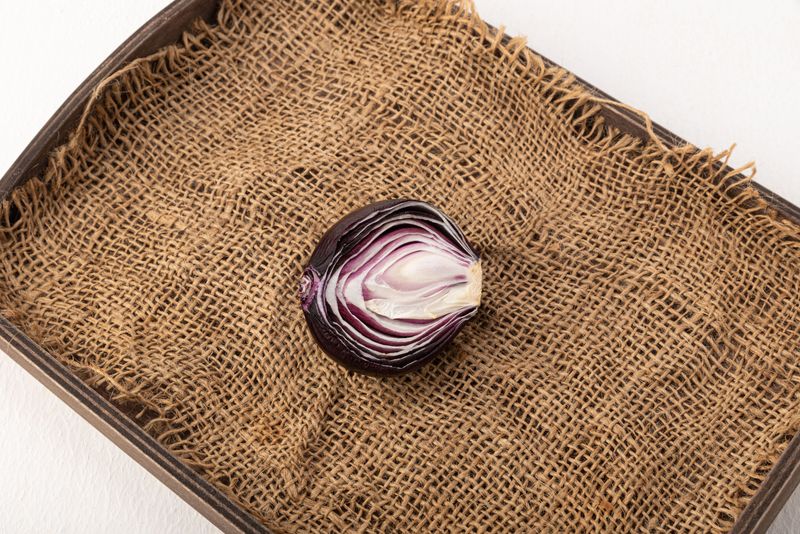
Raw red onion can make your eyes stream. After a stint in the oven, it's mellow, sweet and soft enough to spread. It's quite the personality change.
Peel the onions and cut them into thick wedges through the root. Keeping a bit of root on each piece stops them falling apart. Toss with olive oil, salt and pepper.
Spread them in one layer and roast at about 200°C for 25 to 35 minutes. The edges char slightly, adding a smoky note. The centres turn jammy and silky.
A drizzle of balsamic vinegar before serving boosts that sweetness. Pile them beside roast pork or lamb, where they cut through the richness. Leftovers make a cracking topping for a cheese toastie the next day.
15. Carrots
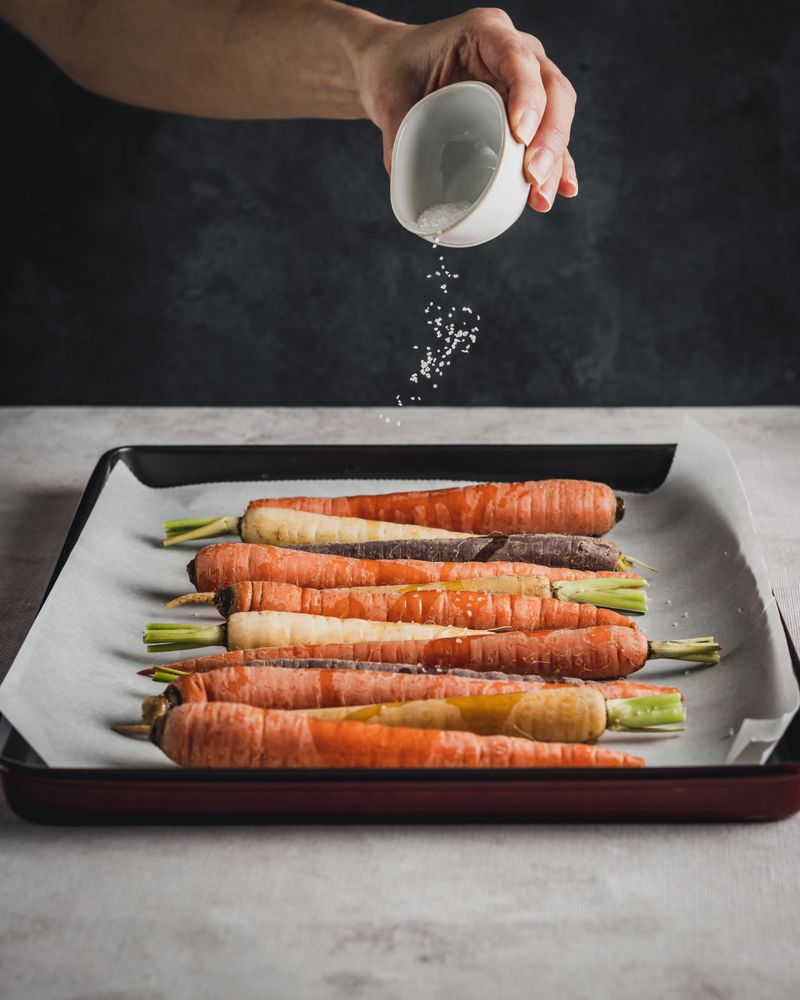
Carrots are so familiar that we forget to make a fuss of them. Boiling them is easy, but roasting gives far more flavour. Their natural sugars brown into something nutty and rich.
Peel and cut them into even chunks or long diagonal slices. Dry them well after washing, as wet carrots steam instead of browning. That small step matters more than you'd think.
Roast at 200 to 220°C for 20 to 30 minutes, flipping them halfway. Add whole garlic cloves at the midway point so they soften without burning. Squeeze the soft garlic over the carrots before serving.
Honey with a pinch of cinnamon brings out their sweet side. Dijon mustard or grated Parmesan takes them in a savoury direction. Either way, they'll brighten a plate of grey winter stew.
16. Sweet Potatoes
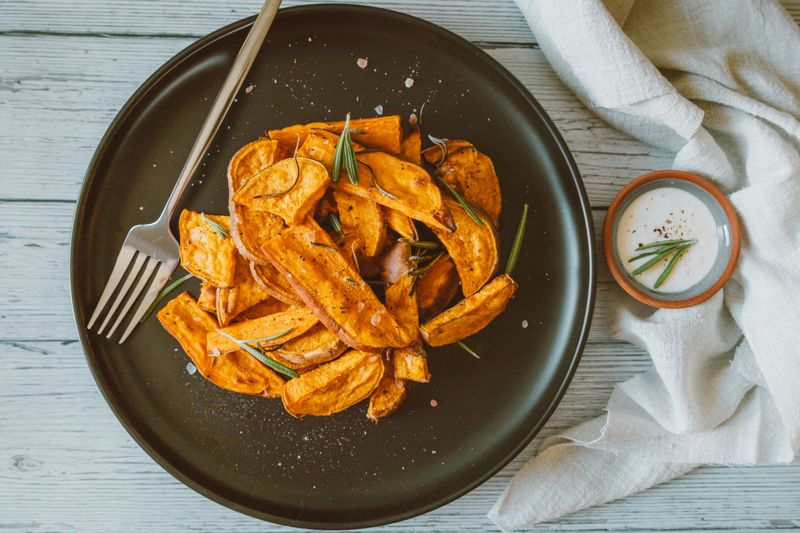
Sweet potatoes travel a long way to reach British supermarkets. Luckily, they store well, so they're easy to find through winter. Their orange flesh roasts into soft, sticky chunks.
Peel or simply scrub them, then cut into even wedges. Toss with olive oil, salt and black pepper. A pinch of smoked paprika or cumin adds warmth.
Roast at 200°C for 25 to 35 minutes, until a fork slides through easily. They have more sugar than regular potatoes, so watch for edges darkening too quickly. Lower the tray a shelf if they colour too fast.
Crumbled feta adds a salty, tangy contrast to their sweetness. Kale, roasted on the same tray for the last ten minutes, crisps up nicely. That gives you a simple traybake with barely any washing-up.
17. Turnips
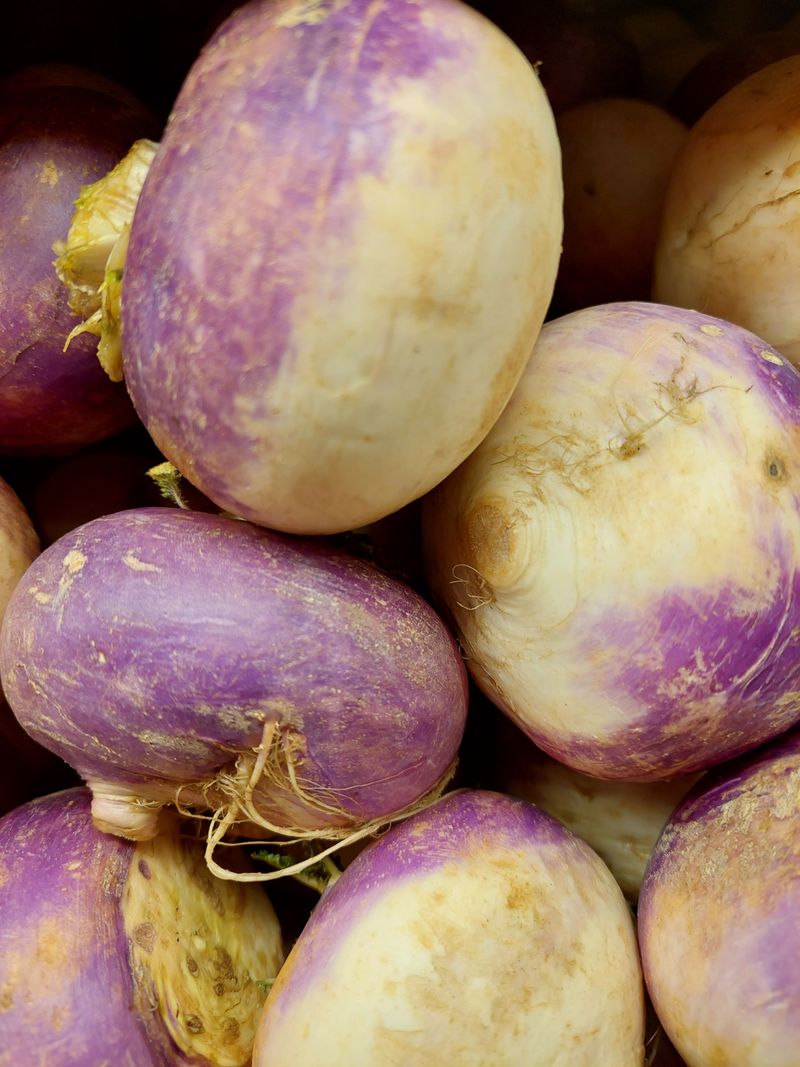
Turnips often get mixed up with swede, but they're smaller and paler. Look for white roots with a purple blush near the top. Younger ones are sweeter and less woody.
The flavour is lightly peppery with a mustardy edge. Roasting softens that bite and draws out a nutty sweetness. The edges brown up nicely too.
Peel larger turnips, though tiny young ones can keep their skins. Cut them into chunks about 2.5cm across. Roast with olive oil and seasoning at around 200°C for 35 to 60 minutes, turning now and then.
Rosemary, sage or a pinch of nutmeg all suit them. A Dijon mustard glaze brushed on near the end adds shine and tang. Or tuck them into the tin around a roasting chicken, where they'll soak up the juices and leave you very glad you bothered.