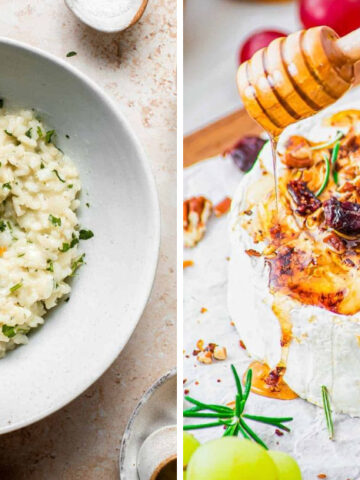











Pumpkin seed oil from Styria in Austria is so dark green it can look almost black in the bottle. Locals pour it over vanilla ice cream, which sounds odd until you learn how nutty it tastes.
That single bottle shows how much oils can differ. Some barely taste of anything, while others carry the full flavour of a toasted seed or nut.
I find that the supermarket oil aisle quietly decides how good tea will be. Pick the wrong bottle and your stir-fry smokes, or your dressing tastes flat and greasy.
I love the idea that a single swap can fix both problems. So which bottle deserves the front of your cupboard, and which one belongs only on the table?
1. Pumpkin Seed Oil
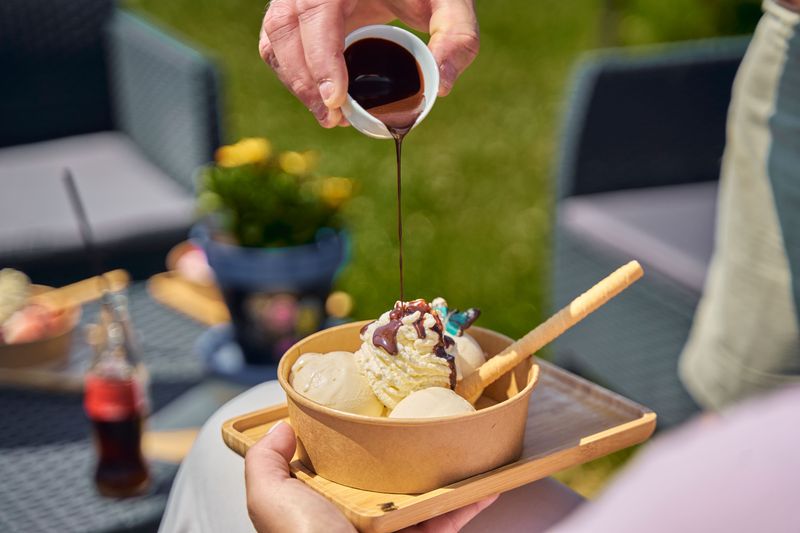
Few oils look quite this dramatic on a spoon. Styrian pumpkin seed oil is pressed from roasted seeds, giving it a deep green colour and a rich, toasty flavour.
Keep it well away from the hob, because heat dulls the taste and the smoke point sits low. Treat it as a finishing oil and use a light hand.
In Austria, it's classically trickled over vanilla ice cream, and the nutty edge works brilliantly with sweet, cold cream. It also suits a bowl of butternut squash soup, swirled in just before serving.
Try a few drops on a potato salad or sliced tomatoes with a pinch of salt. Store the bottle somewhere cool and dark, and use it within a few months of opening.
2. Rapeseed Oil
Those bright yellow fields you spot from the train each spring end up in this bottle. Rapeseed oil is grown widely across Britain, and it's a handy everyday choice.
Cold-pressed versions taste mildly grassy and nutty, with a golden colour. Refined rapeseed oil is paler and more neutral, and it copes better with high heat.
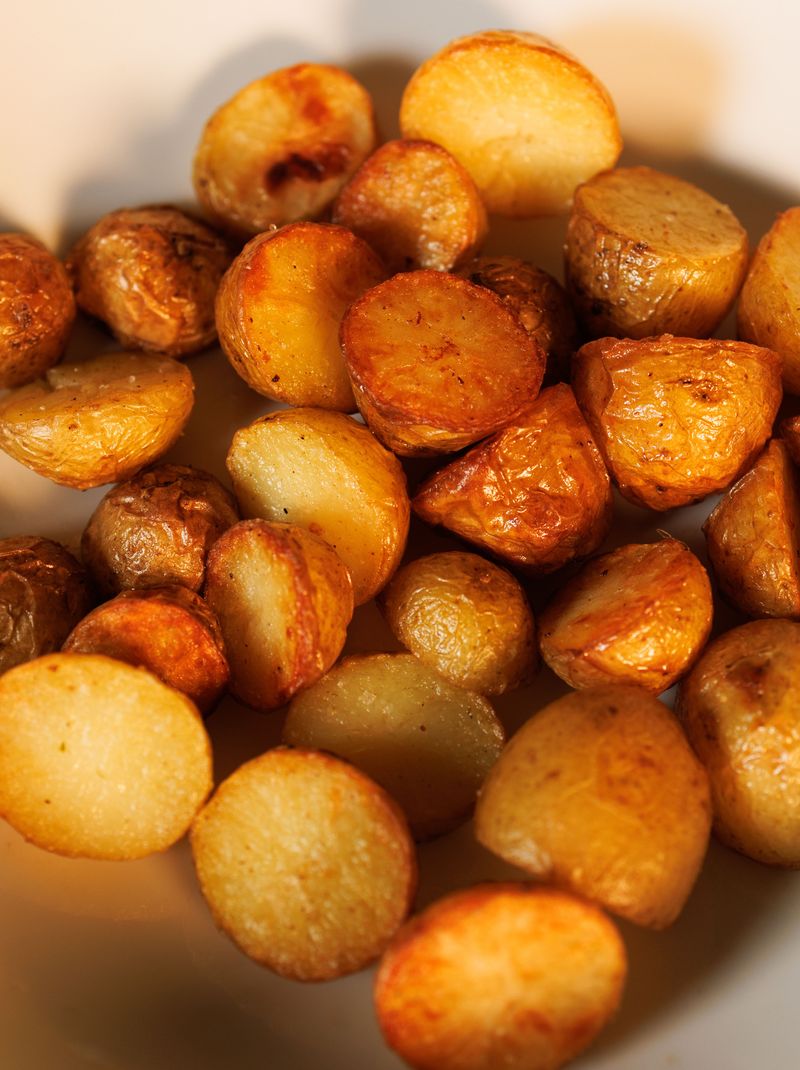
For roast potatoes, heat a few tablespoons in the tin at around 200°C before tipping in your parboiled spuds. The sizzle on contact helps build that crunchy shell.
Yorkshire puddings also love a hot tin of refined rapeseed oil. Save the cold-pressed bottle for dressings, where its flavour actually shows up in a simple green salad.
3. Extra Virgin Olive Oil
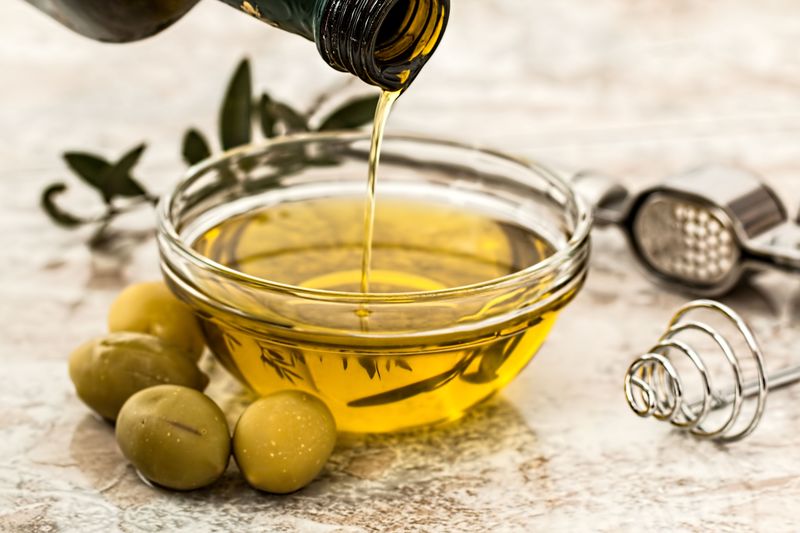
Good extra virgin olive oil can catch the back of your throat with a peppery tickle. That little kick comes from natural compounds in fresh olives, and it's a sign of quality.
Because it's unrefined, the flavour is the whole point. You can cook with it over medium heat, but its grassy notes shine brightest when barely warmed.
Pour it over a tomato and mozzarella salad with torn basil and flaky salt. A generous swirl on minestrone or a bowl of hummus finishes things nicely, too.
Bread dipping counts as a meal in some households, and nobody should judge. Keep the bottle away from the hob, as heat and light both turn the oil stale faster.
4. Toasted Sesame Oil
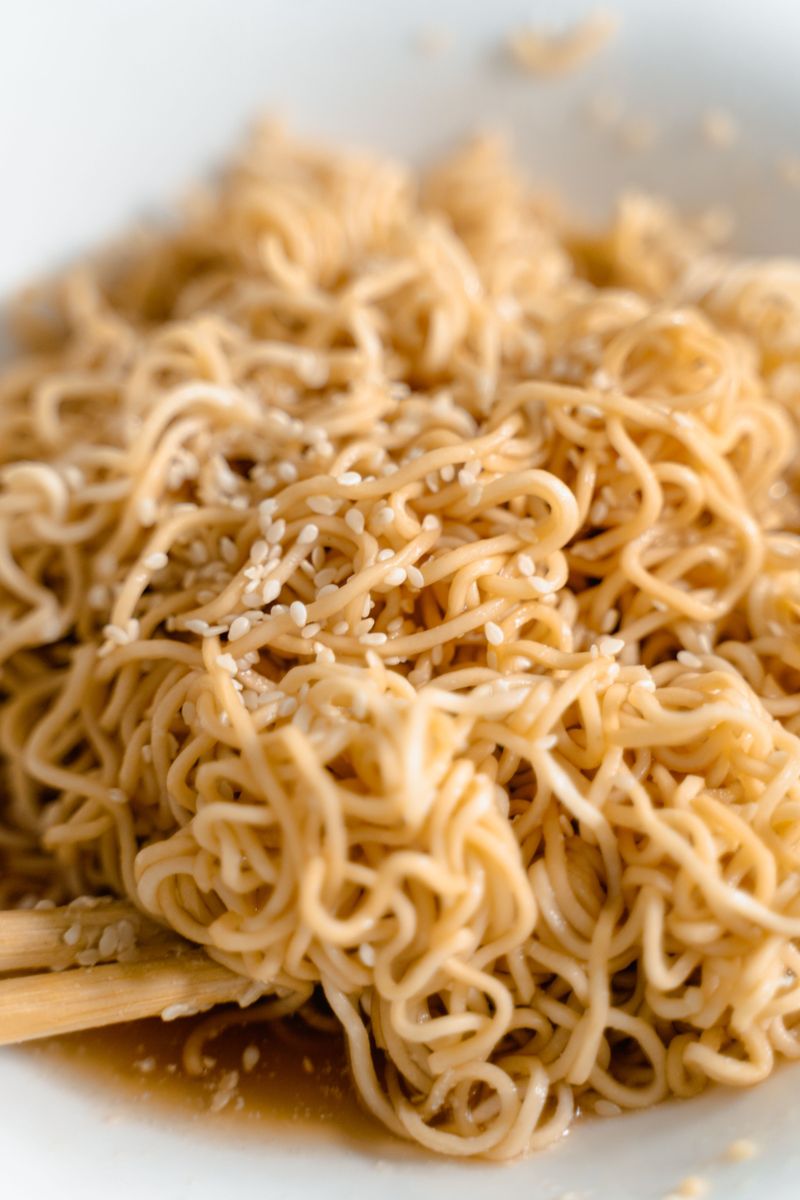
Open a bottle and the whole kitchen smells like a takeaway in seconds. Toasted sesame oil is pressed from roasted seeds, so it's dark, nutty and very strong.
A teaspoon usually does the job. Think of it as a seasoning rather than a frying oil, because high heat turns its flavour bitter.
Stir a little into cold sesame noodles with soy sauce, rice vinegar and sliced spring onions. It also lifts steamed pak choi or a dipping sauce for dumplings.
Add it at the end of a stir-fry, after cooking in a more heat-friendly oil. Anyone with a sesame allergy needs to steer clear, so mention it when feeding guests.
5. Groundnut Oil
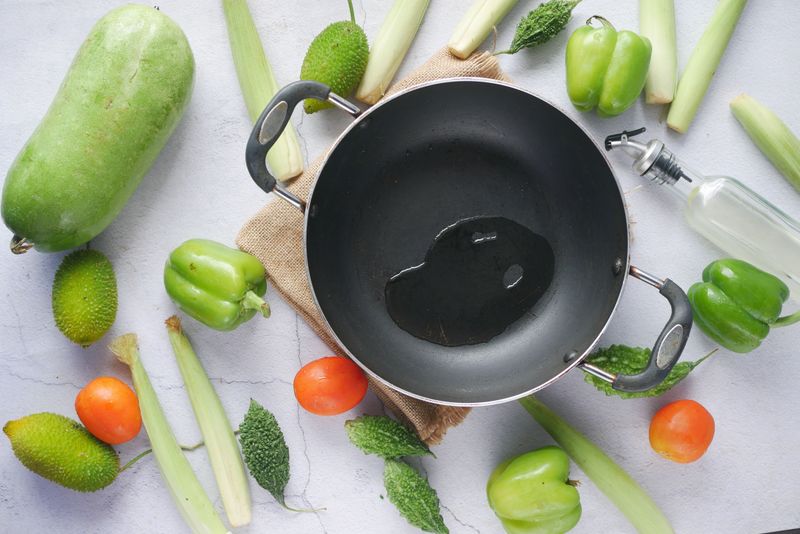
Peanuts go by a grander name on British supermarket labels. Groundnut oil is simply peanut oil, and the refined kind is a favourite for wok cooking.
It has a high smoke point and a very mild flavour. That means you can get a wok properly hot without filling the room with acrid smoke.
Use it for a classic chicken and cashew stir-fry, cooked fast in small batches. Crowding the wok drops the temperature, and your vegetables end up steaming instead of searing.
6. Virgin Coconut Oil

On a chilly British morning, this oil sits in the jar as a solid white block. It melts at around 24°C, so it turns liquid on a hot summer's day.
Virgin coconut oil keeps a clear coconut aroma. That's lovely in the right dish and slightly baffling in the wrong one.
Fry curry paste in a spoonful for a Thai-style prawn curry, then add coconut milk and lime leaves. Sliced plantain also fries up sweet and golden in it.
Medium heat suits it best, as it smokes sooner than refined oils. In baking, try it in flapjacks, where its tropical note sits happily alongside oats and golden syrup.
7. Refined Coconut Oil
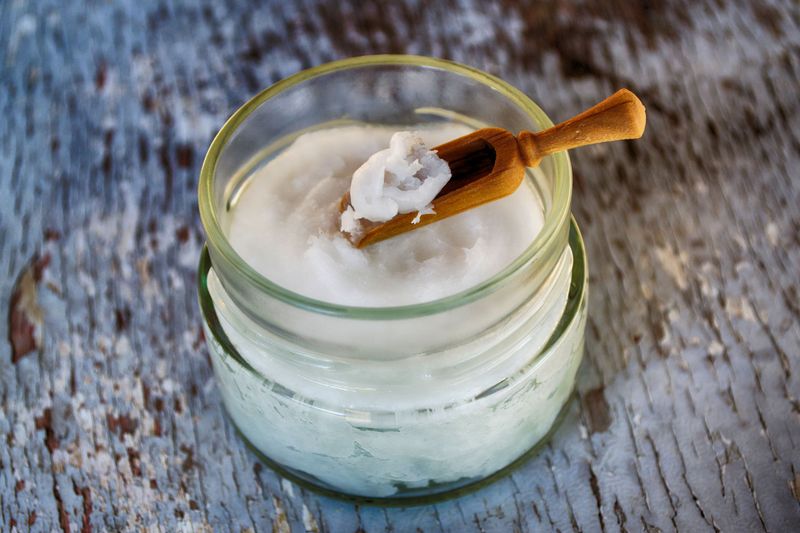
Here's coconut oil with the coconut politely removed. Refining strips out the aroma, leaving a neutral fat that still sets firm when cool.
That solid texture makes it handy for vegan bakers. Chilled and rubbed into flour, it can stand in for butter in shortcrust pastry or crumble toppings.
It also copes with higher heat than the virgin version. Shallow-fry vegetable fritters or onion bhajis in it without worrying about a sweet, beachy flavour.
Measure it while soft for accuracy, then chill your dough well. Warm coconut fat makes pastry greasy, so work quickly and keep your hands cool.
8. Sunflower Oil
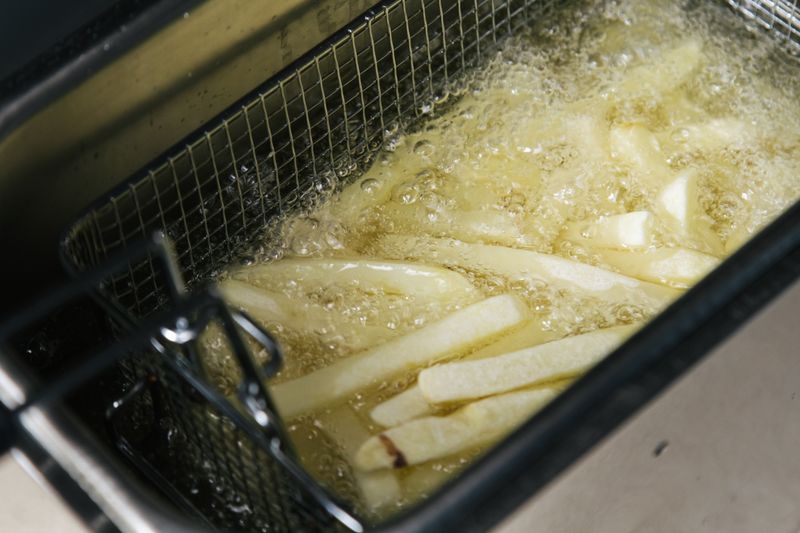
Plenty of chippies have long relied on oils like this one, alongside beef dripping. Sunflower oil is cheap, neutral and widely sold in British supermarkets.
Refined sunflower oil handles deep-frying well. Heat it to about 180°C for home-made chips, ideally after a first, lower-temperature fry to cook them through.
A clip-on thermometer takes the guesswork out. Never leave a pan of hot oil unattended, and never pour water on an oil fire.
Bakers use it in moist carrot cake and chocolate traybakes, where butter isn't needed. Once used for frying, cool it fully, strain it, and keep it in a sealed bottle.
9. High-Oleic Sunflower Oil
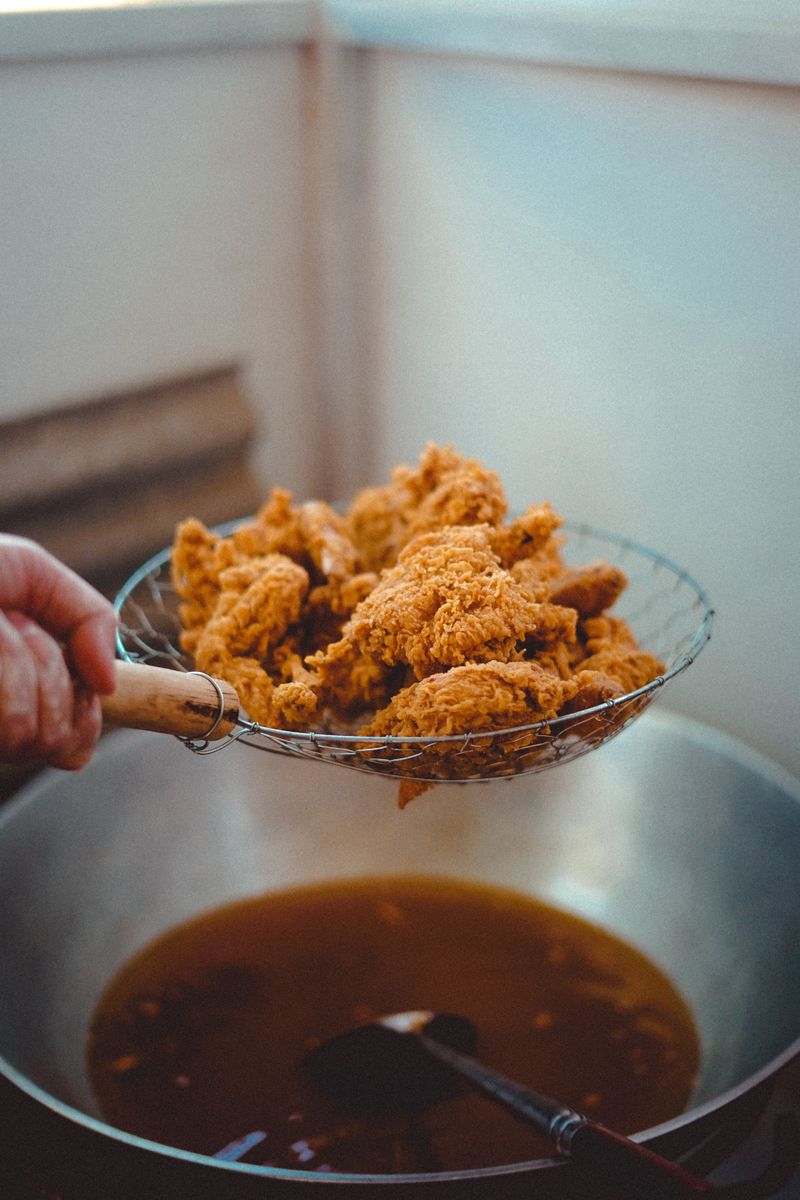
Plant breeders tweaked the humble sunflower to make this tougher cousin. High-oleic varieties are richer in monounsaturated fat, which makes the oil more stable under heat.
That stability matters when you fry for a long time. Ordinary oils break down faster, darken and start to taste stale.
Buttermilk fried chicken is an ideal match, since thicker pieces need steady frying at around 160 to 170°C. The coating stays crisp while the meat cooks through safely.
Check the thickest piece reaches 75°C inside before serving. You'll find this oil in plenty of restaurant kitchens, and its clean taste lets your spice mix take the credit.
10. Light Olive Oil
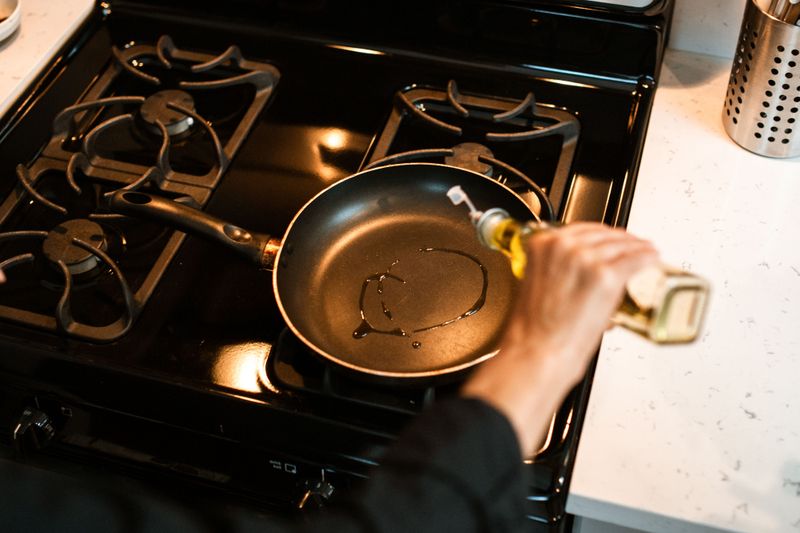
Despite the name, light olive oil has the same calories as any other. The word refers to its pale colour and mild taste.
It's mostly refined olive oil, sometimes blended with a little virgin oil. That processing raises its smoke point and softens its flavour.
Shallow-fry breaded chicken escalopes in it until golden, then serve with lemon wedges. It's also a good pick for sautéing peppers and onions for fajitas.
Bakers sometimes use it in olive oil cakes when they want a gentler result. Keep the pan around medium-high, and add the chicken only once the oil shimmers.
11. Avocado Oil
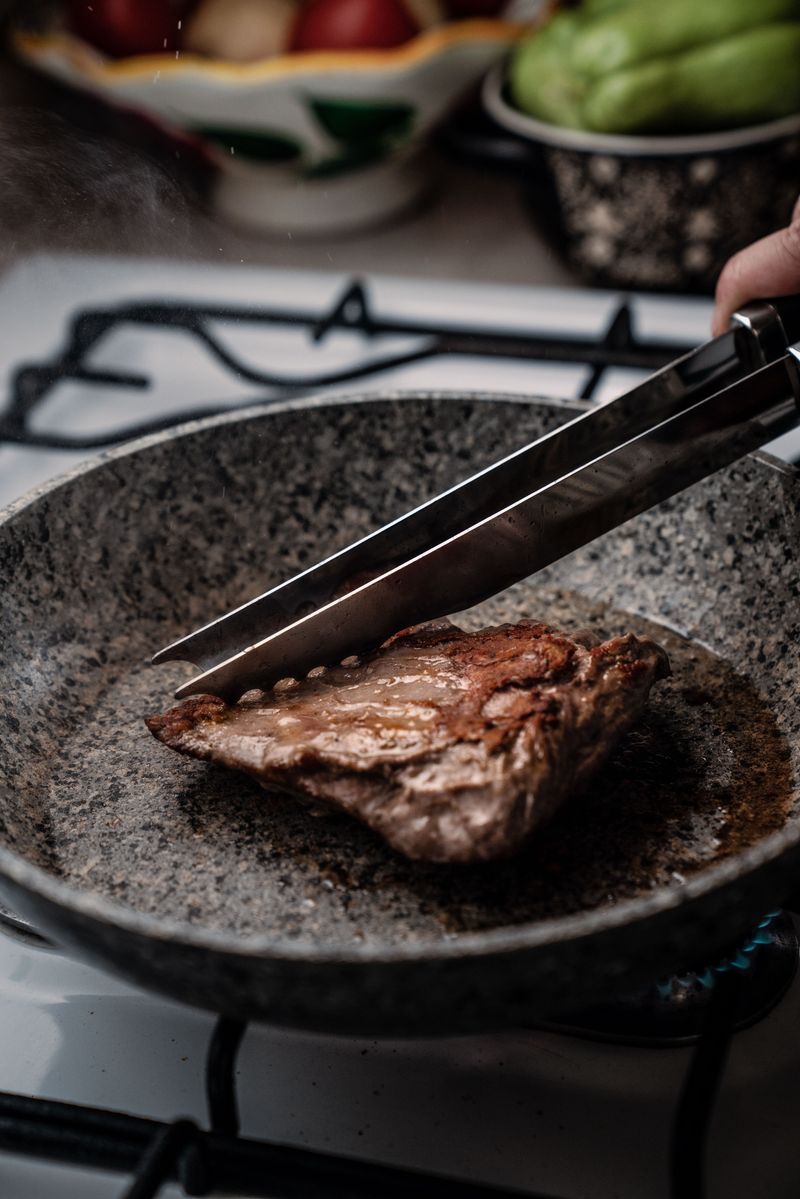
Squeeze an avocado hard enough and, eventually, you get this. Refined avocado oil has one of the highest smoke points around, often quoted near 270°C.
That makes it a strong choice for searing steak in a very hot pan. You get a dark crust before the oil starts smoking up the kitchen.
Pat the steak dry first, as moisture stops browning. Rub a thin coat of oil on the meat rather than flooding the pan.
Unrefined avocado oil is a different beast, green and buttery, and better for dressings. It's pricier than most, so save it for the jobs where heat really counts.
12. Light Sesame Oil
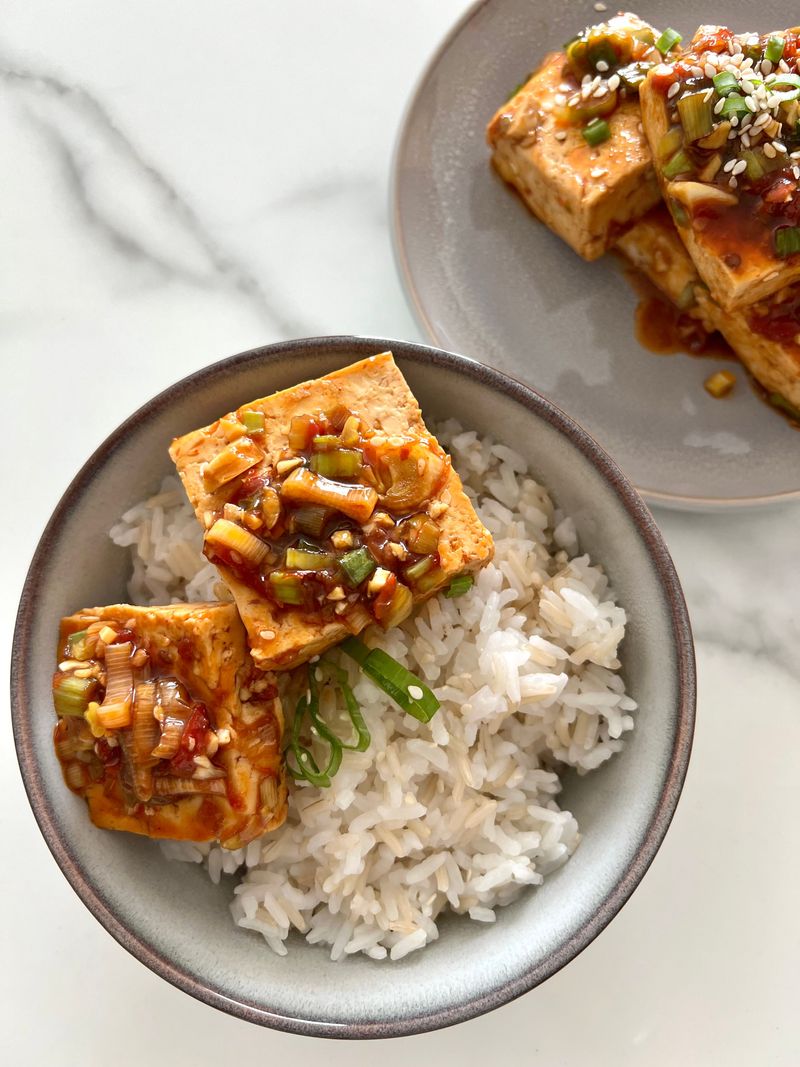
Pale sesame oil gets mistaken for its darker sibling all the time. Made from untoasted seeds, it's light gold, mild and far more heat-tolerant.
You'll find it in Asian supermarkets and some larger supermarkets. Check the label, because toasted and untoasted bottles look similar from a distance.
Fry cubes of pressed tofu in it until crisp on each side, then toss with garlic and soy. It also suits Korean-style vegetable side dishes cooked quickly in a pan.
The flavour stays in the background, a quiet hum of sesame. As with toasted oil, flag it for anyone with a sesame allergy.
13. Walnut Oil
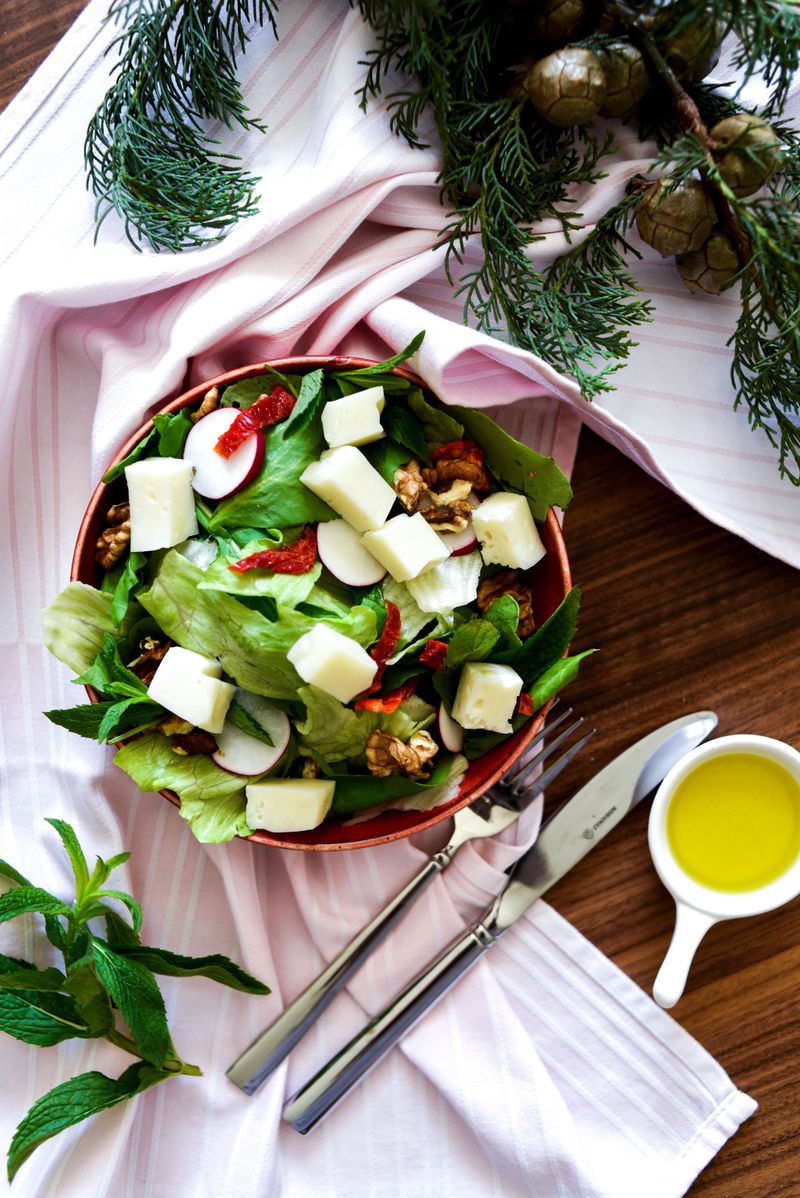
French kitchens have prized walnut oil for generations, especially in the Périgord region. It tastes like the inside of a fresh walnut, only richer.
Heat spoils it quickly, so leave the frying pan out of this. It's a dressing oil through and through.
Whisk one part one part lemon juice, with three parts oil and a little mustard. Toss with chicory, sliced pear, crumbled blue cheese and toasted walnuts.
It goes rancid faster than most, so buy small bottles and keep them in the fridge once open. Nut allergies apply here, so check before serving.
14. Hazelnut Oil
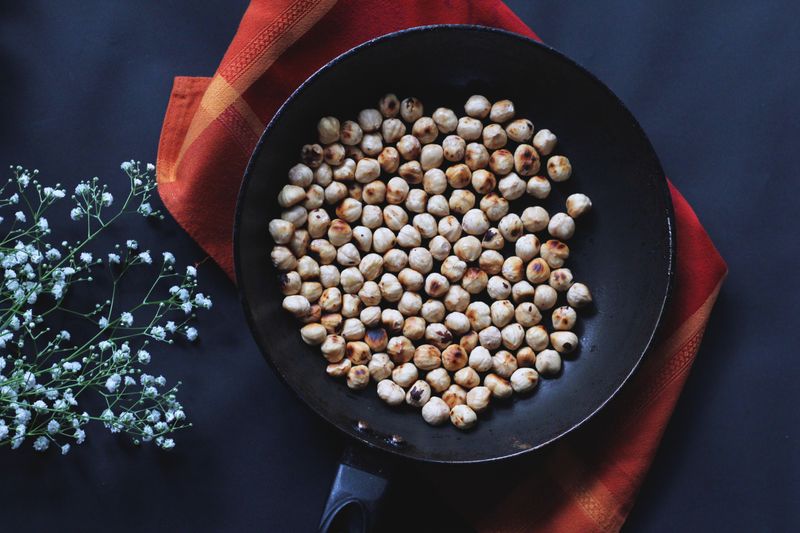
A few drops of hazelnut oil can smell like a chocolate shop counter. It carries a toasty, sweet nuttiness that's hard to mimic.
Like walnut oil, it's best used cold or added after cooking. Heat flattens that roasted aroma you've paid good money for.
Drizzle it over warm roasted carrots or green beans with chopped toasted hazelnuts. A goat's cheese salad with beetroot welcomes a splash in the dressing.
Swap a little into chocolate brownies for a quiet hazelnut note. Store it in the fridge, and remember the nut allergy warning for guests.
15. Grapeseed Oil
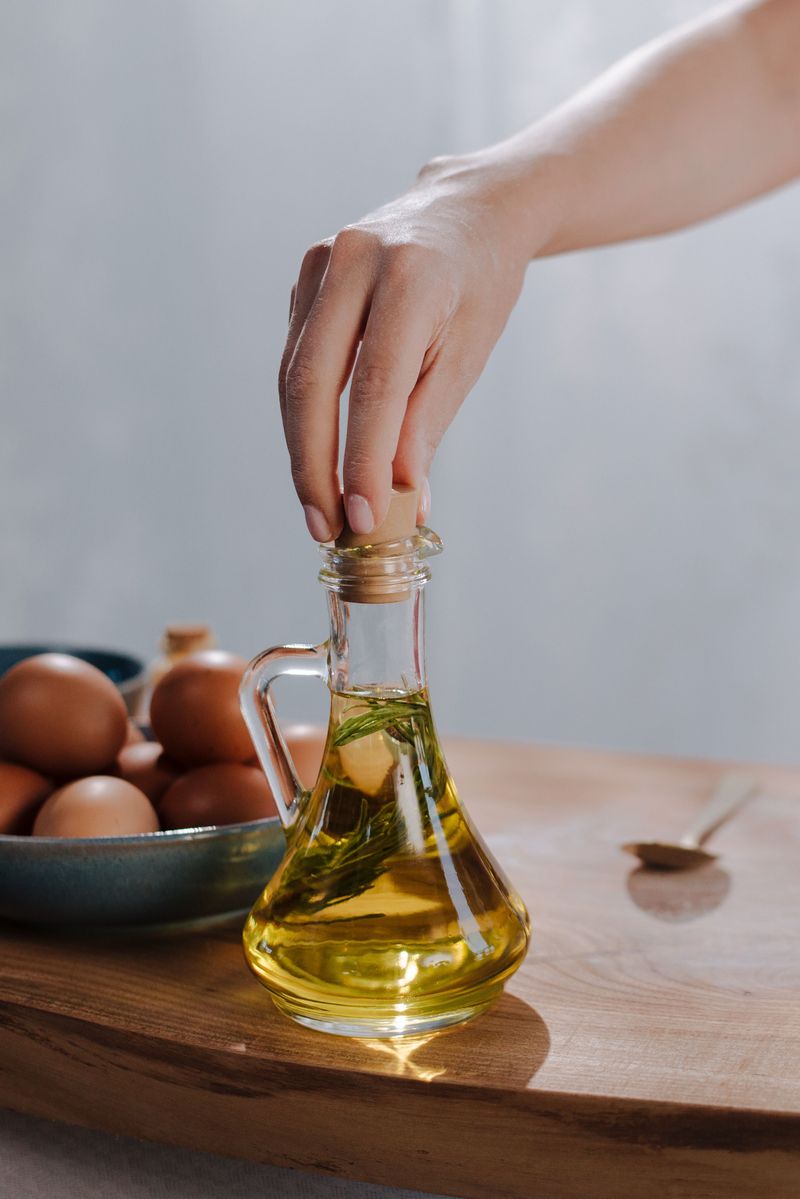
Every grape hides a few tiny pips, and those pips get pressed into grapeseed oil.
That blank canvas is the appeal. In home-made mayonnaise, it lets egg, lemon and mustard do the talking.
If you make mayo with raw eggs, use eggs with the British Lion mark, and keep it chilled. Pregnant readers and vulnerable guests should follow current food safety guidance.
It also makes a bright green basil oil when blended with blanched leaves and strained. Spoon that over burrata or a bowl of tomato soup.
16. Corn Oil
Corn oil comes from the germ of maize kernels, a tiny part of each grain. It's refined, golden and very neutral.
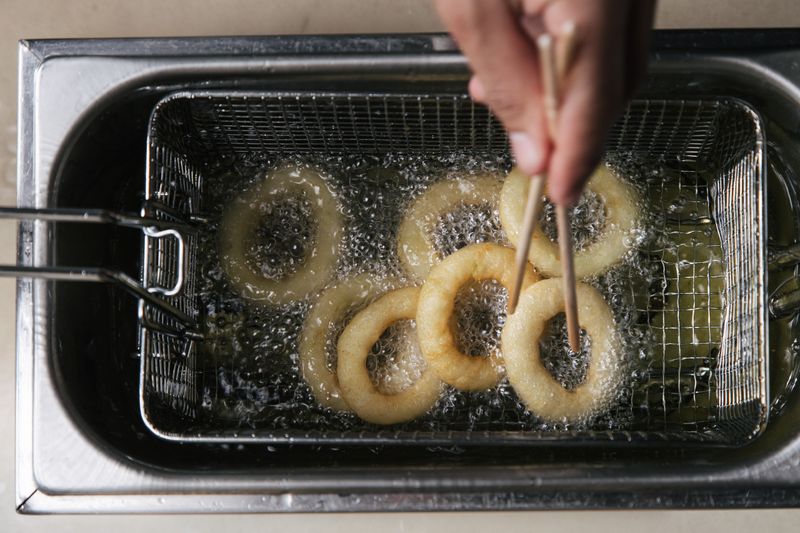
Its high smoke point makes it a steady frying oil. Batter-coated onion rings come out crisp at around 180°C.
Fry in small batches so the temperature doesn't crash. Drain on kitchen paper and season straight away while the surface is still hot.
It also works in pancake batter and simple sponge traybakes. Buy it in modest sizes, as big tins can sit open long enough to turn stale.
17. Almond Oil
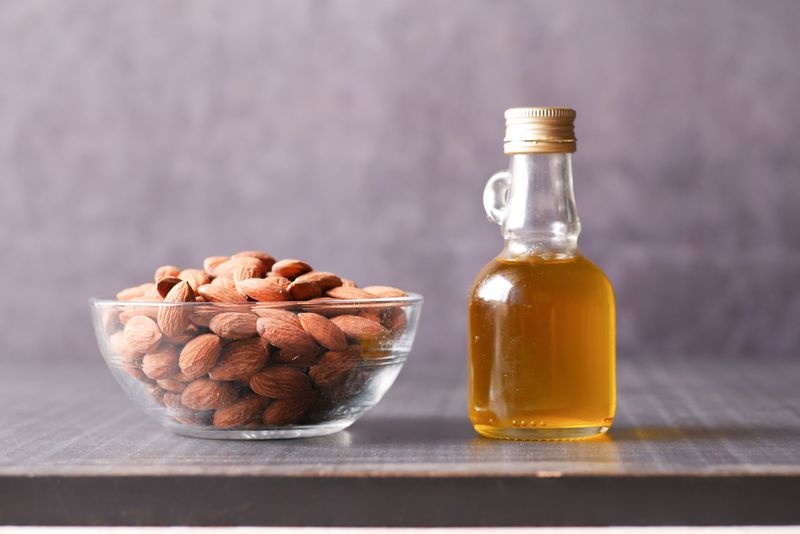
You may have spotted almond oil in the chemist before the baking aisle. Make sure you buy a food-grade bottle for the kitchen.
Its flavour is soft and gently sweet. Toasted versions taste stronger, while refined ones are milder and cope better with heat.
Use it in an almond and orange cake for a tender crumb and a soft nutty note. It also suits macaroon-style biscuits and fruit crumbles.
Lightly greasing cake tins with it adds a faint nutty edge. Almonds are a common allergen, so always label bakes clearly.
18. Chilli Oil
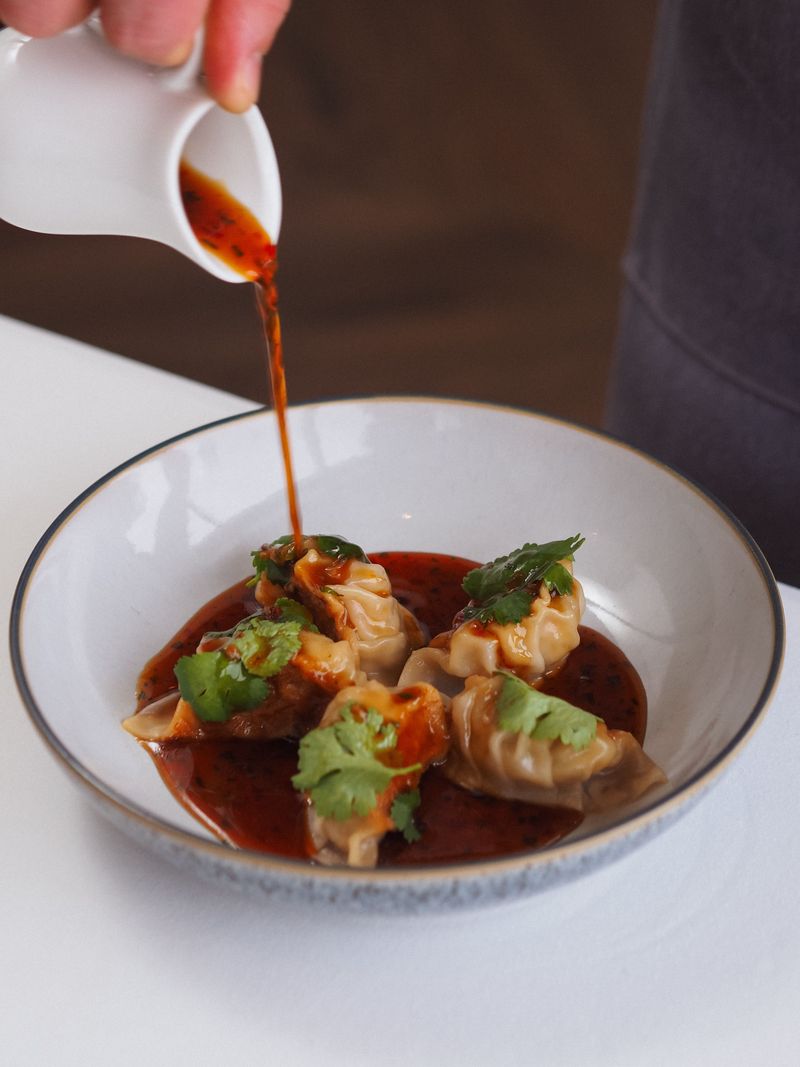
Chinese chilli crisp has gone from niche jar to cult condiment. It's neutral oil infused with chilli flakes, garlic and often Sichuan pepper.
Spoon it over dumplings, fried eggs or plain rice. A dollop on cheese on toast is surprisingly good.
Making it at home means pouring hot oil over dried chilli and spices. Use a heatproof bowl and pour slowly, as it bubbles up fiercely.
Home-made infusions with fresh garlic should go in the fridge and be eaten quickly. Shop-bought jars last longer, which is handy if you keep finding new uses.
19. Linseed Oil
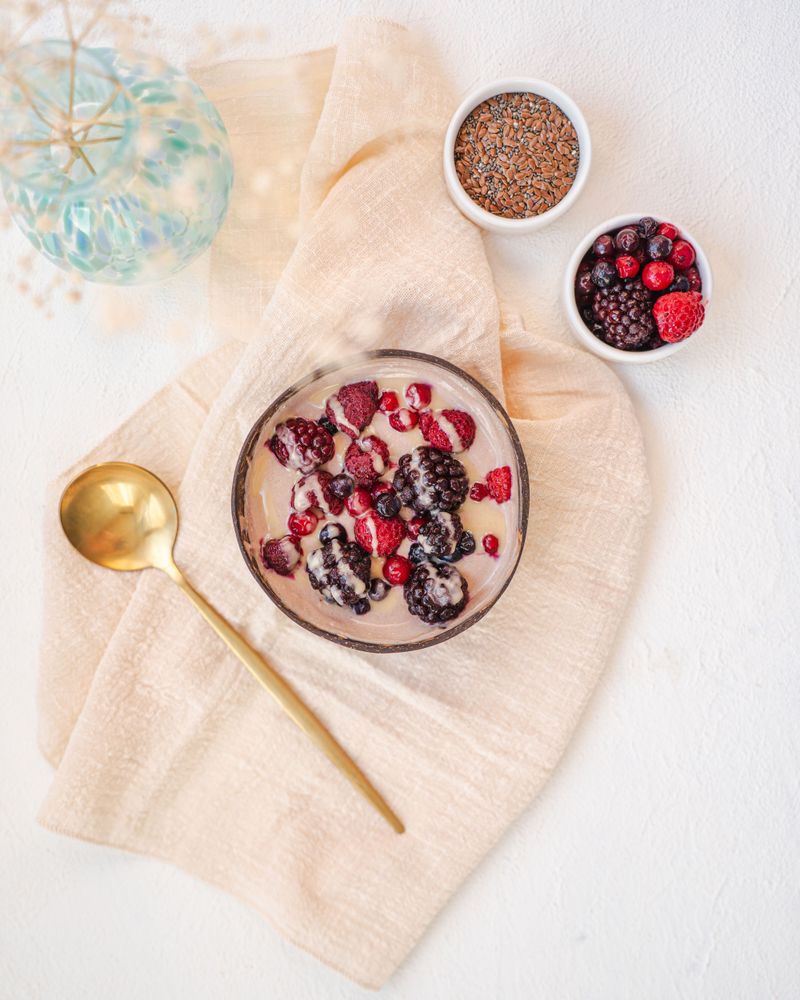
Painters and carpenters know linseed oil too, so check you've got the food-grade version. In the kitchen it's sometimes sold as flaxseed oil.
It has an earthy, slightly grassy flavour. Heat damages it fast, so this one stays strictly cold.
Stir a teaspoon into porridge or yoghurt after cooking, topped with berries. It also blends into dressings for beetroot or lentil salads.
Keep it in the fridge and use it within a few weeks of opening. A sharp, fishy smell means it's turned, and the bottle belongs in the bin rather than your breakfast.