













Food is more than just fuel for our bodies. It tells stories, connects cultures, and brings people together around the table.
Throughout history, certain chefs have gone far beyond cooking meals. They changed the way we think about food, flavor, and creativity, leaving behind legacies that still shape kitchens and dining tables around the world today.
1. Auguste Escoffier
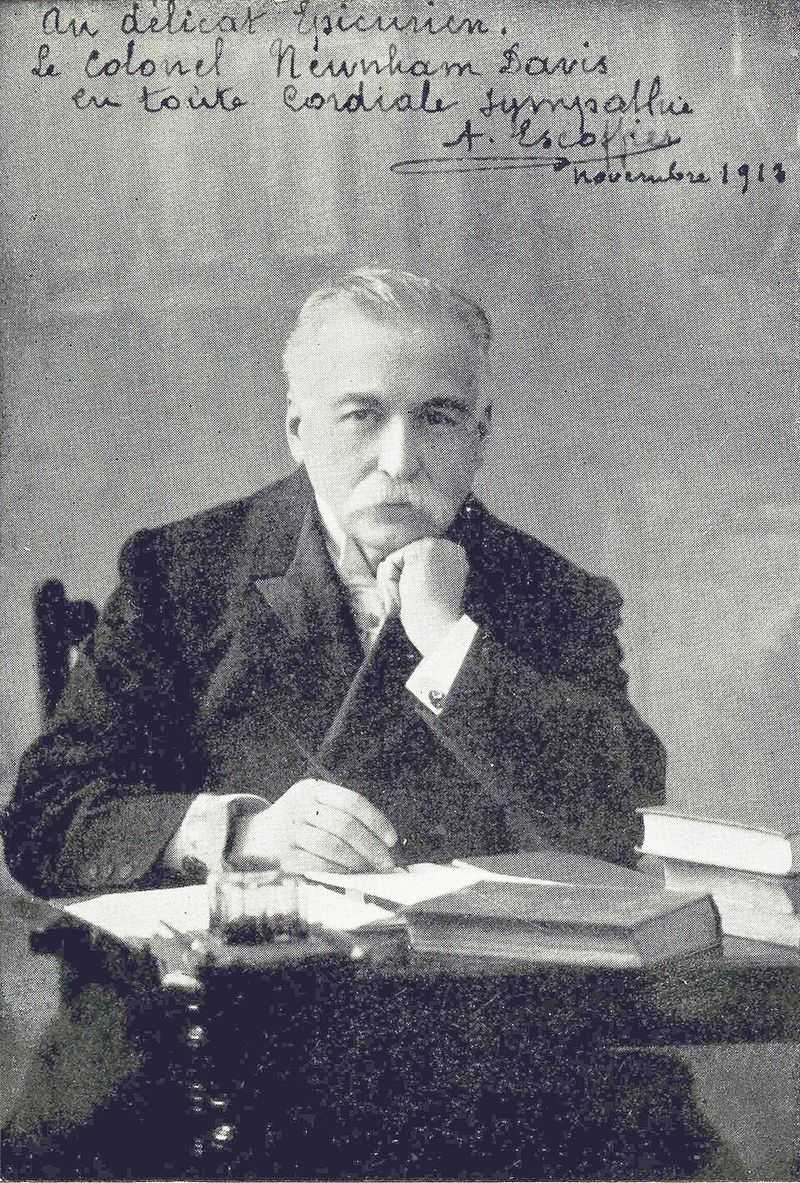
Known as the "King of Chefs," Auguste Escoffier turned cooking into a respected profession. He organized professional kitchen brigades, created a clear chain of command, and wrote the cookbook "Le Guide Culinaire" in 1903, which chefs still reference today.
His work modernized French cuisine and raised standards in restaurants worldwide. Without Escoffier, the professional kitchen might look completely different.
He truly built the foundation that every chef since has built upon.
2. Julia Child
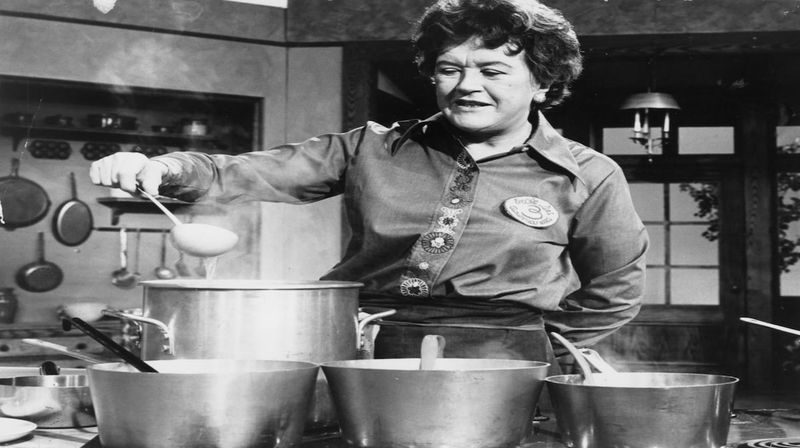
Julia Child made French cooking feel approachable for everyday Americans, and she did it with a laugh. Her television show "The French Chef," which debuted in 1963, brought gourmet cooking right into living rooms across the country.
She was not afraid to make mistakes on camera, which made viewers trust her completely. Her book "Mastering the Art of French Cooking" became a bestseller and a kitchen essential.
Julia proved that cooking is meant to be joyful, not stressful.
3. Fernand Point
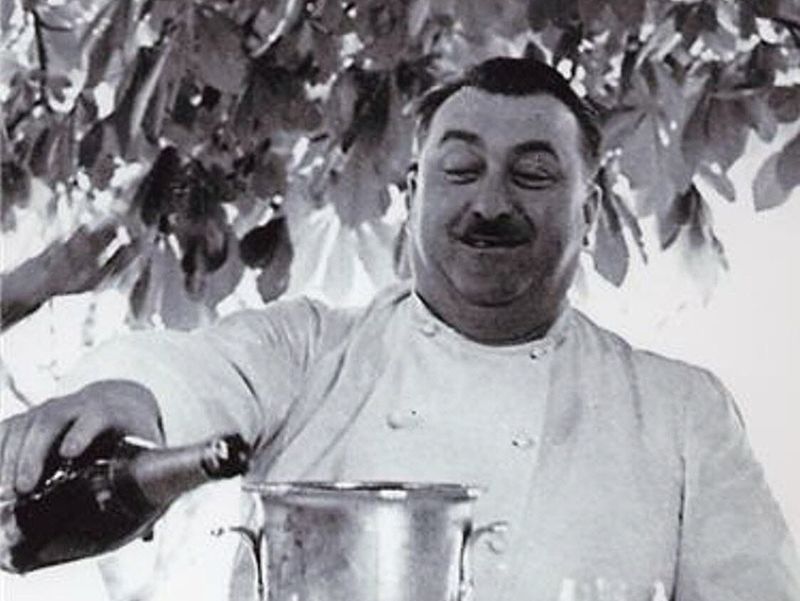
Fernand Point is often called the father of modern French cuisine, and that title is well earned. His restaurant, La Pyramide in Vienne, France, became a pilgrimage destination for food lovers in the mid-20th century.
He mentored legendary chefs like Paul Bocuse and the Troisgros brothers, shaping an entire generation of culinary talent. Point believed that simplicity and quality ingredients were the heart of great cooking.
His influence quietly echoes through almost every fine dining restaurant today.
4. Paul Bocuse
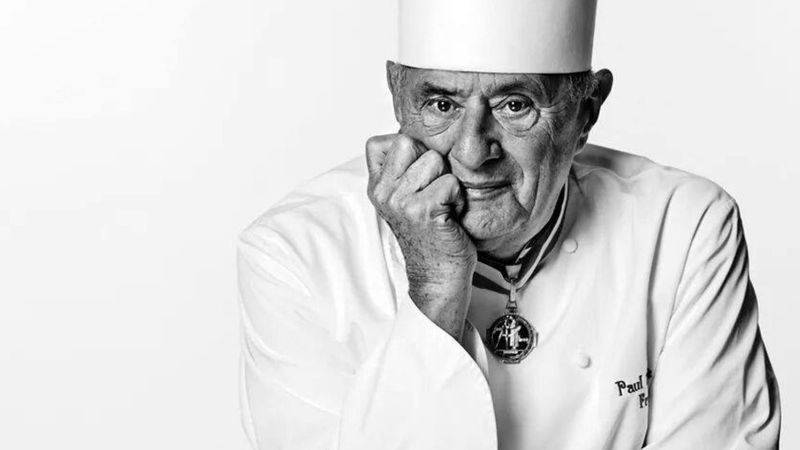
Paul Bocuse was the rock star of the culinary world, and he embraced that role with pride. Based in Lyon, France, he championed the Nouvelle Cuisine movement in the 1970s, which focused on lighter sauces and fresher ingredients instead of heavy, butter-soaked dishes.
He became the first chef to grace the cover of a major newsmagazine, treating chefs as celebrities. His restaurant has held three Michelin stars for decades.
Bocuse showed the world that chefs deserve the same respect as artists.
5. Marco Pierre White
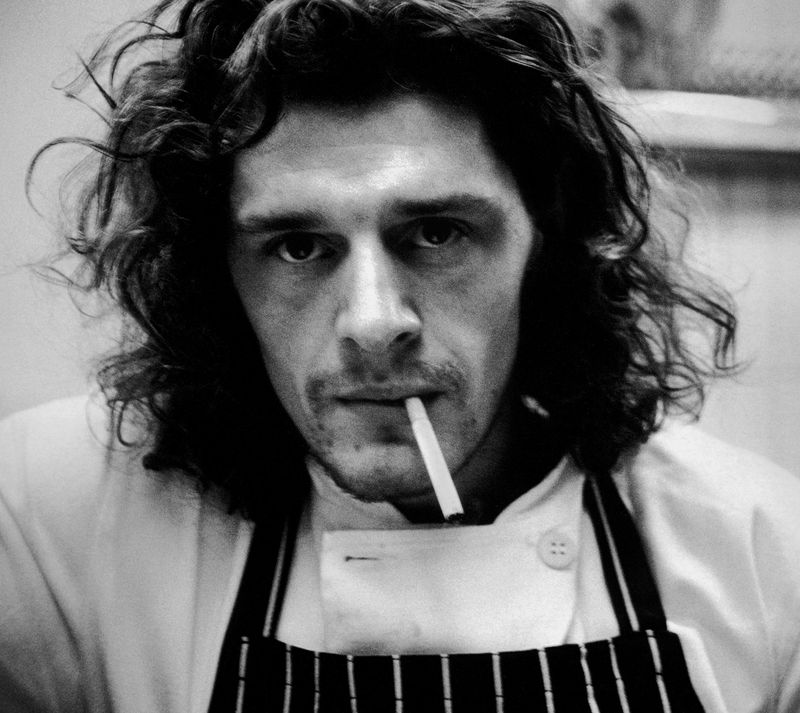
Marco Pierre White became the youngest chef ever to earn three Michelin stars, achieving that milestone at just 33 years old. His rebellious attitude and fierce intensity in the kitchen were as legendary as his food.
He later shocked the culinary world by returning all his Michelin stars, saying he no longer wanted to cook for the guide. Marco trained Gordon Ramsay and influenced a generation of bold, ambitious chefs.
He proved that cooking could be as dramatic and passionate as any art form.
6. Gordon Ramsay
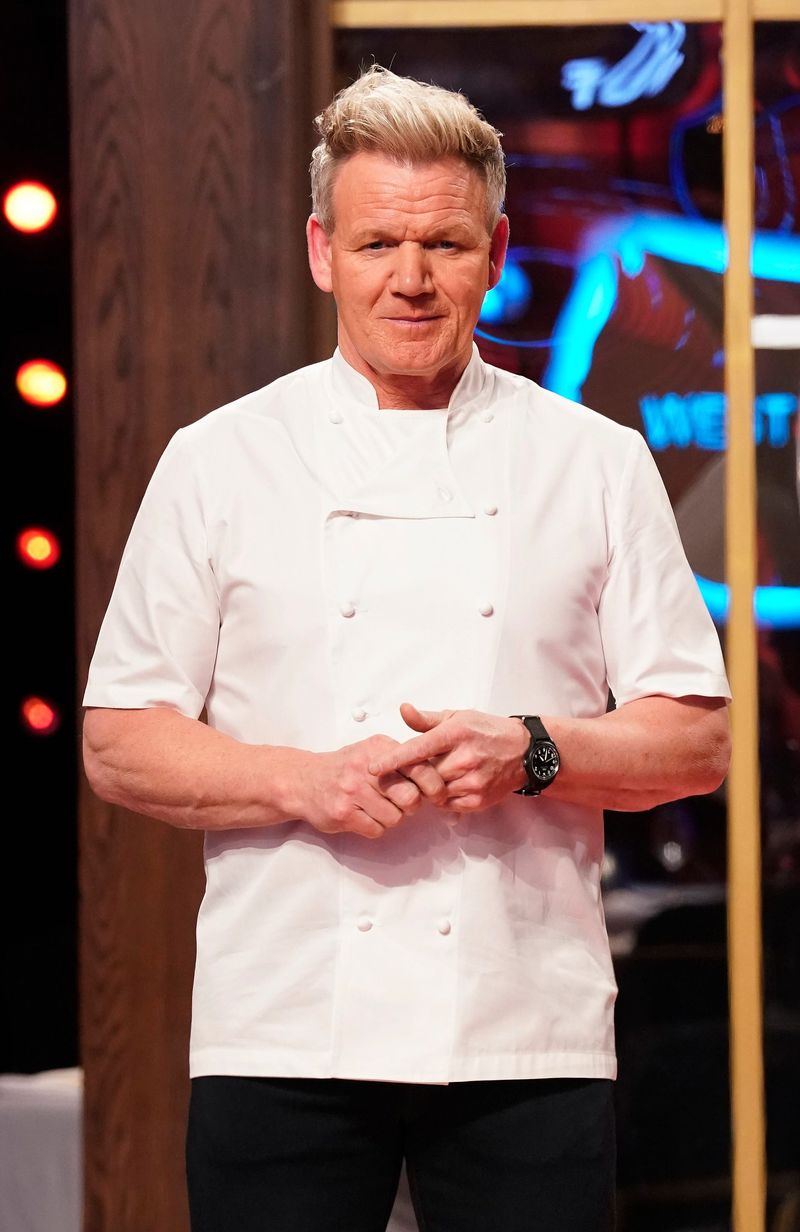
Few chefs have crossed over into mainstream pop culture the way Gordon Ramsay has. Known for his fiery personality on shows like "Hell's Kitchen" and "MasterChef," he has made cooking exciting and dramatic for millions of television viewers worldwide.
Behind the cameras, he is a serious culinary artist who has earned multiple Michelin stars at his restaurants. He trained under legends like Marco Pierre White and Joel Robuchon.
Ramsay helped turn chef culture into something the whole world wanted to watch and follow.
7. Joel Robuchon
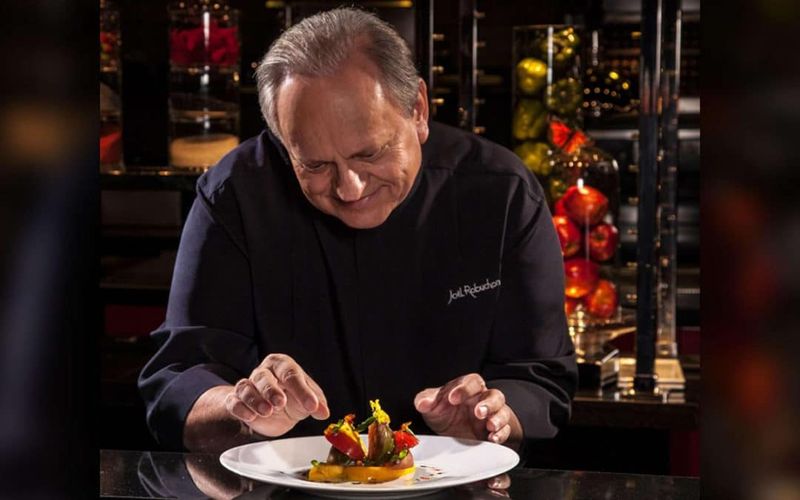
Joel Robuchon holds more Michelin stars than any other chef in history, earning an astonishing 32 stars across his restaurants around the globe. His buttery, silky mashed potatoes became one of the most talked-about dishes in the world of fine dining.
He retired early, then came back with a completely new restaurant concept called L'Atelier, where guests sat at a counter and watched chefs work up close. Robuchon turned fine dining into an interactive experience, blending perfection with warmth and accessibility.
8. Ferran Adria
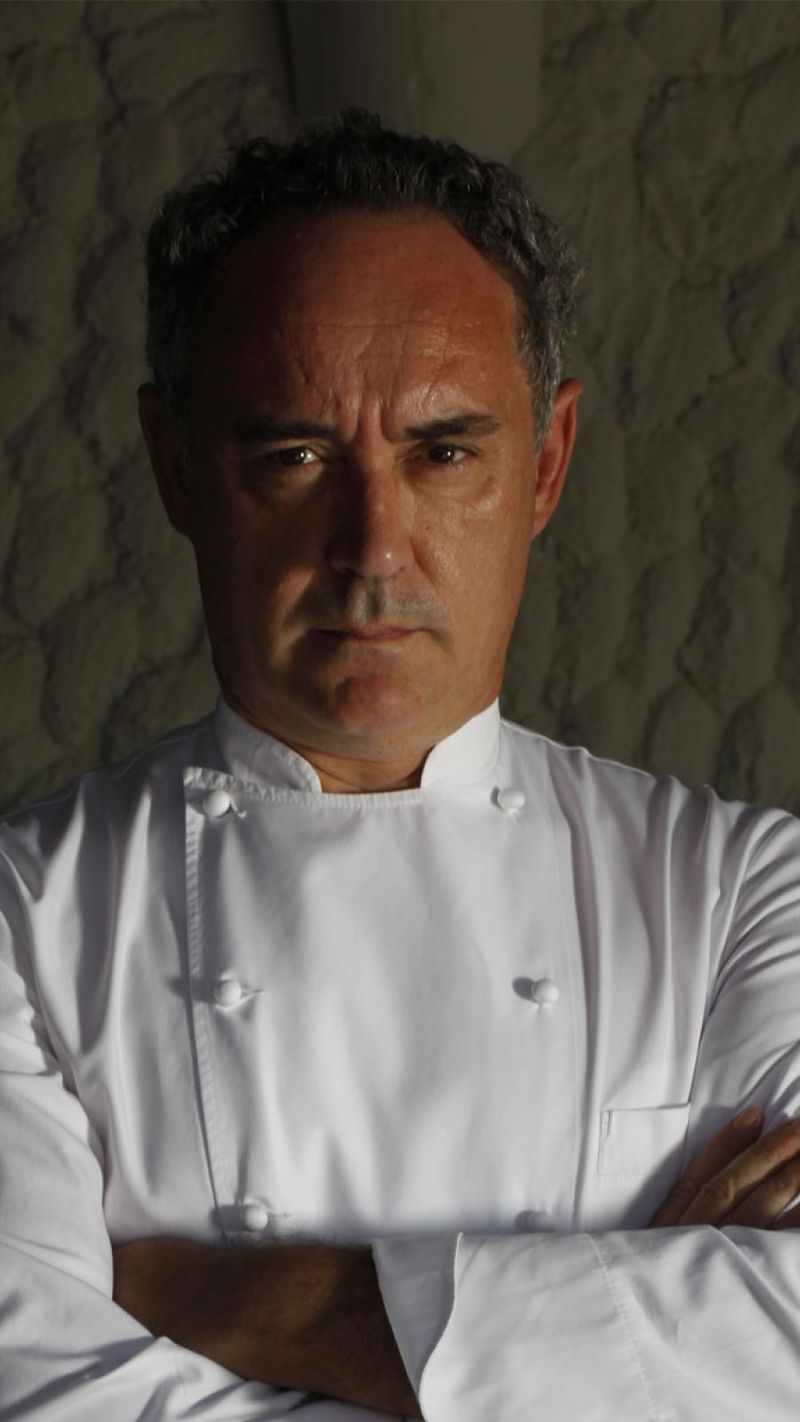
Ferran Adria turned cooking into science fiction. His restaurant elBulli in Catalonia, Spain, was voted the best restaurant in the world five times, and it earned that praise by serving dishes that seemed impossible, like edible foam, liquid olives, and frozen powder.
He pioneered a style called molecular gastronomy, using chemistry to transform familiar ingredients into completely unexpected textures and forms. elBulli closed in 2011, but its influence never stopped growing. Adria permanently changed the question chefs ask themselves: not just "how" to cook, but "why."
9. Alice Waters
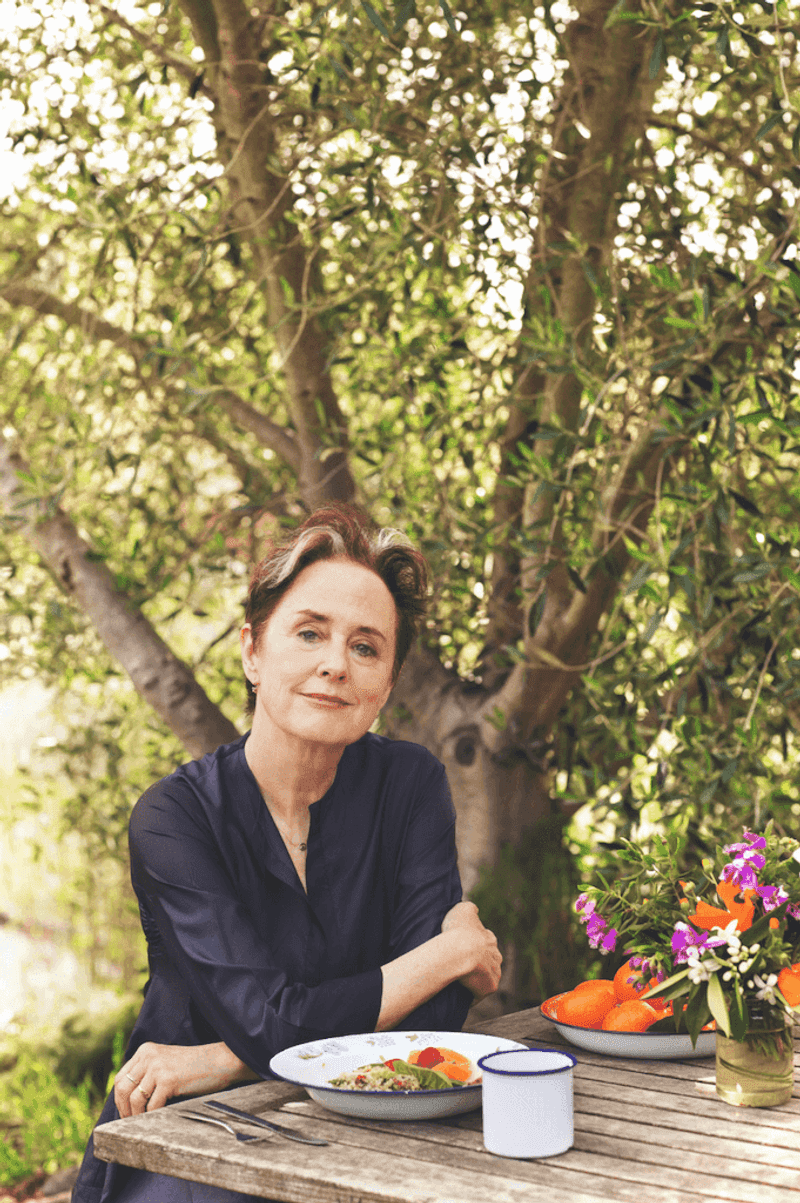
Alice Waters started a quiet revolution from a small restaurant in Berkeley, California. When she opened Chez Panisse in 1971, she insisted on using only fresh, local, and seasonal ingredients at a time when processed food dominated American kitchens.
Her farm-to-table philosophy eventually became one of the biggest food movements in American history. She also founded the Edible Schoolyard Project, bringing gardens and cooking into public schools.
Waters proved that caring about where food comes from can change not just menus, but entire communities.
10. Heston Blumenthal
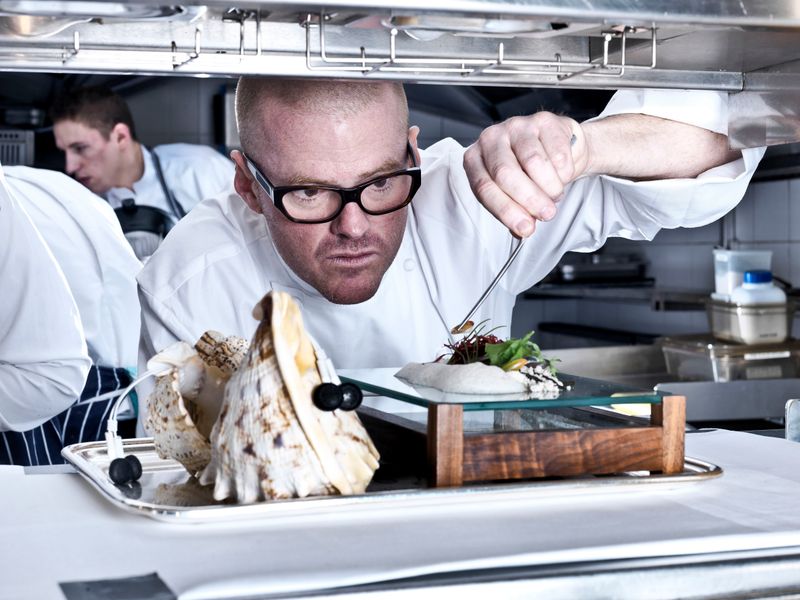
Heston Blumenthal treats his kitchen like a laboratory, and the results are absolutely mind-blowing. His restaurant The Fat Duck in Bray, England, has earned three Michelin stars for serving dishes like snail porridge, bacon-and-egg ice cream, and "Sound of the Sea" with an iPod playing ocean sounds.
He believes that all five senses should be involved in a meal, not just taste. His research into the science of flavor has genuinely changed how chefs everywhere think about the dining experience.
Eating at his table is nothing short of theatrical.
11. Thomas Keller
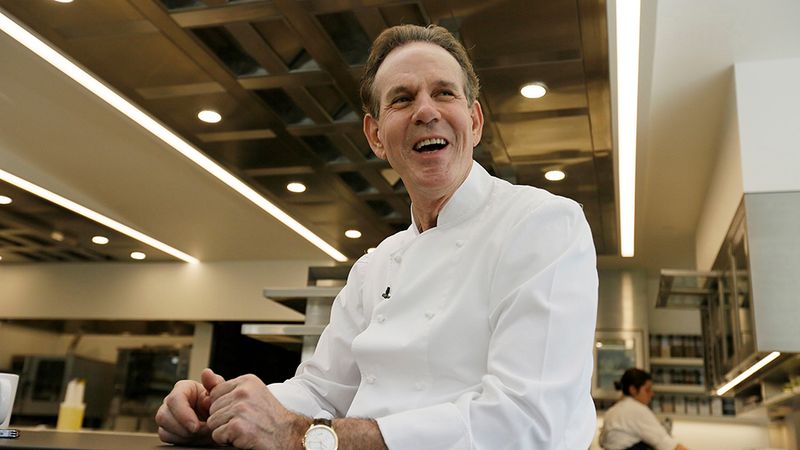
Thomas Keller is the only American chef to hold three Michelin stars at two different restaurants at the same time. His flagship restaurant, The French Laundry in Napa Valley, California, is widely considered one of the greatest restaurants on earth.
Keller is obsessed with technique, detail, and consistency, believing that every single dish must be perfect every single time. He also wrote "The French Laundry Cookbook," a book that changed how serious home cooks approach cooking.
His dedication to craft set an almost impossibly high standard for American fine dining.
12. Nobu Matsuhisa
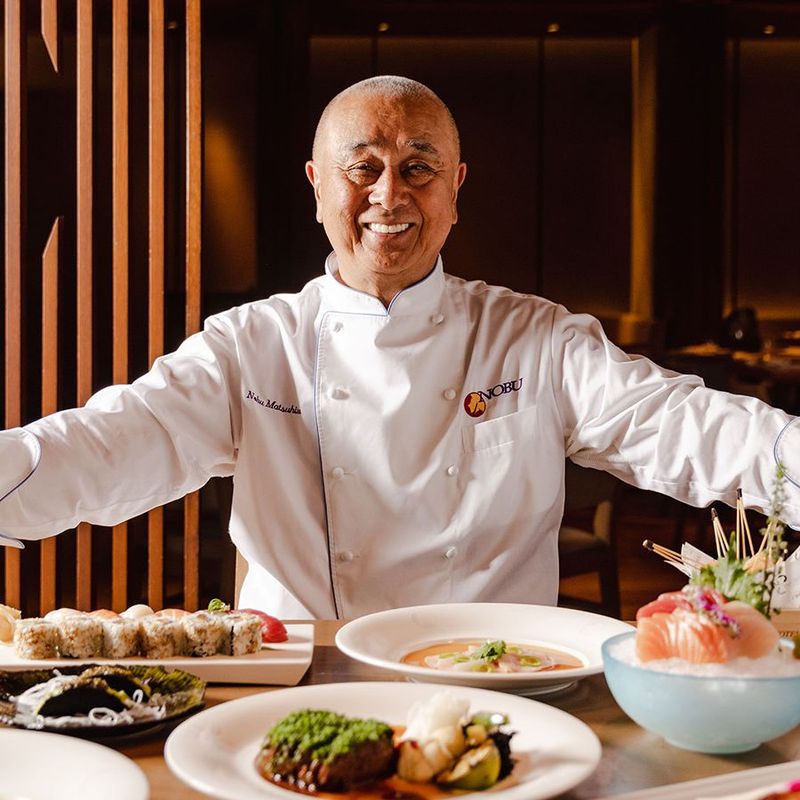
Nobu Matsuhisa's life story reads like a movie. After struggling through hardship and even losing his restaurant to a fire in Alaska, he rebuilt his dream from scratch and created an entirely new style of cuisine blending Japanese technique with Peruvian ingredients.
His signature dish, black cod with miso, became one of the most imitated recipes in the world. Actor Robert De Niro helped him open his first Nobu restaurant in New York, which grew into a global brand.
Nobu turned personal struggle into extraordinary creative success.
13. Rene Redzepi
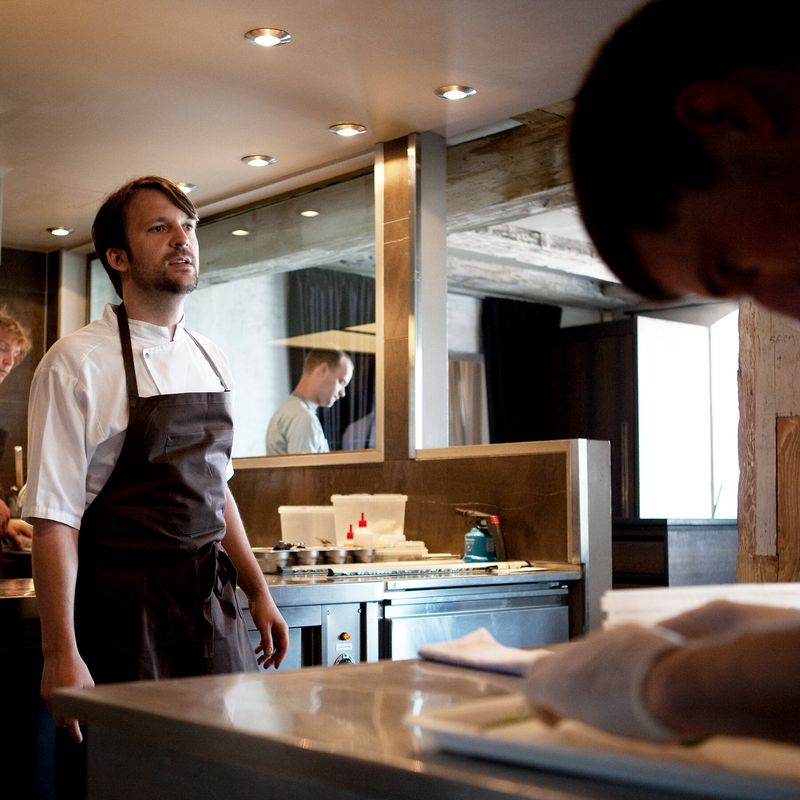
Rene Redzepi made the world pay attention to Scandinavia in a way nobody expected. His Copenhagen restaurant Noma was named the best restaurant in the world four times, serving dishes made entirely from foraged, local Nordic ingredients like sea buckthorn, moss, and wild mushrooms.
He helped launch the New Nordic food movement, inspiring chefs everywhere to look at their own local landscapes for inspiration. Redzepi even temporarily moved Noma to Japan, Mexico, and Australia, adapting his philosophy to each region.
His creativity redefined what local cuisine can truly mean.
14. Anthony Bourdain
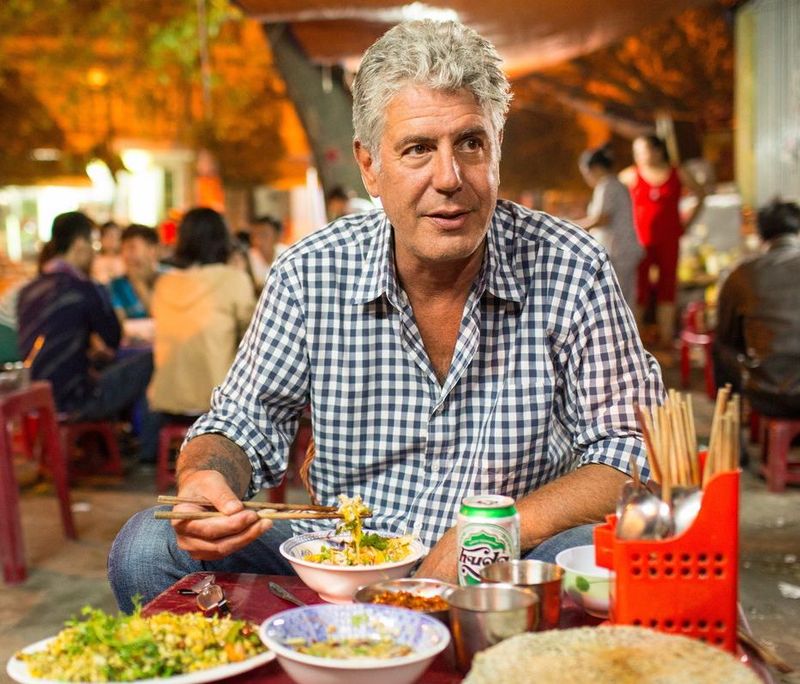
Anthony Bourdain was not just a chef. He was a storyteller who used food as a passport to understand the world.
His book "Kitchen Confidential" ripped open the curtain on the brutal, beautiful reality of professional kitchens, becoming an instant bestseller in 2000.
His television shows, especially "Parts Unknown," took viewers to places most travel shows ignored, sharing meals with ordinary people in war zones, slums, and remote villages. Bourdain taught millions that eating someone's food is the most honest way to understand their culture and humanity.
15. Massimo Bottura
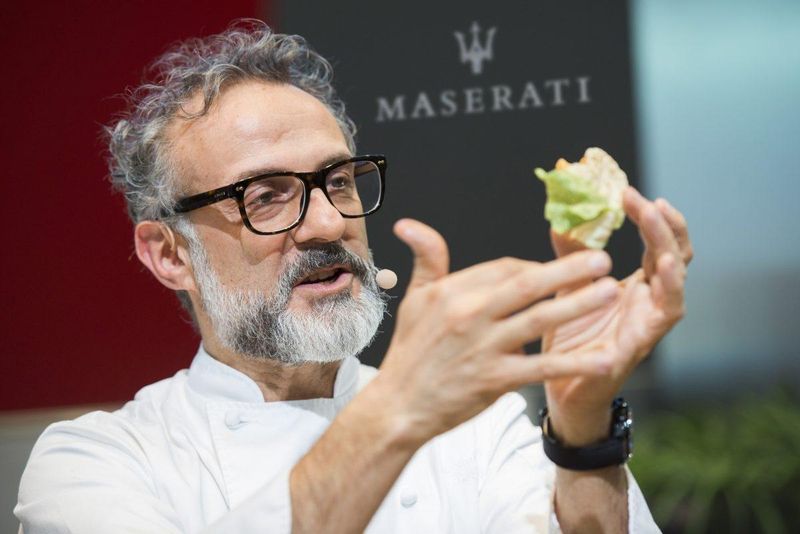
Massimo Bottura runs what many consider the most creative Italian restaurant on the planet. His Osteria Francescana in Modena, Italy, has been ranked number one in the world and holds three Michelin stars, yet it challenges every traditional idea of Italian cooking.
One of his most famous dishes, "Oops! I Dropped the Lemon Tart," was inspired by an actual accident in his kitchen.
Beyond cooking, he founded Food for Soul, a nonprofit fighting food waste globally. Bottura proves that great food can also feed the conscience, not just the stomach.




Comments
No Comments