













Food myths have been passed down for generations, and many of us accept them as truth without ever questioning where they came from. From warnings about swimming after eating to the idea that carrots give you super vision, these beliefs stick around because they sound so convincing.
The truth is, science has debunked a surprising number of them. Get ready to rethink everything you thought you knew about food.
1. Carrots Give You Night Vision

You have probably heard that eating carrots will help you see in the dark. While carrots do contain beta-carotene, which your body converts into vitamin A, that only helps if you already have a vitamin A deficiency.
Eating extra carrots beyond your daily need will not sharpen your eyesight at all.
This myth was actually spread by British military propaganda during World War II to hide their use of radar technology from enemies.
2. You Lose Most Body Heat Through Your Head

Bundling up your head in winter sounds like smart science, but the idea that you lose most of your body heat through your head is simply not accurate. Your head accounts for only about 10 percent of your body's total surface area, so heat loss there is roughly proportional to that size.
This myth likely grew from old military field manuals. Keeping your whole body covered matters far more than focusing only on your head.
3. Eating at Night Makes You Gain Weight

Many people avoid eating after 8 p.m., convinced that nighttime calories are somehow more fattening. The reality is that your body does not have a clock that decides when to store fat.
What truly matters is the total number of calories you consume versus the number you burn throughout the day.
Late-night eating can lead to weight gain mostly because people tend to snack mindlessly on high-calorie foods when they are tired or bored.
4. You Should Drink Eight Glasses of Water a Day

The eight-glasses-a-day rule sounds clean and simple, but it has no solid scientific backing. Your hydration needs depend on your body size, activity level, climate, and the foods you already eat.
Many fruits, vegetables, and other beverages contribute to your daily fluid intake as well.
A much easier guide is to pay attention to your thirst and the color of your urine. Pale yellow generally means you are well hydrated without needing to count glasses obsessively.
5. Swallowed Gum Stays in Your Stomach for Seven Years
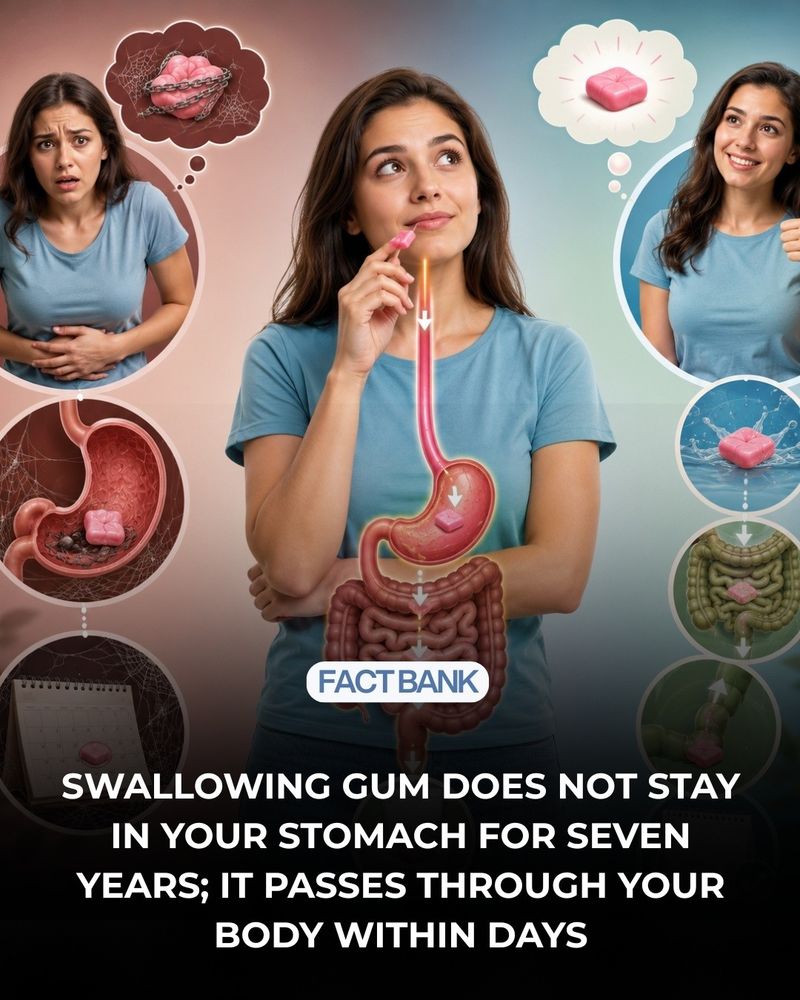
Accidentally swallowing a piece of gum as a kid probably came with a stern warning about its seven-year journey through your stomach. While it is true that your body cannot fully digest the gum base, it does not just sit there for years collecting dust.
Your digestive system moves things along through muscular contractions, and swallowed gum typically passes through within a few days, just like other indigestible materials. Swallowing gum occasionally is generally harmless.
6. Coffee Stunts Your Growth
Parents have warned kids away from coffee for decades by claiming it will keep them from growing tall. This fear largely traces back to old, flawed studies that suggested caffeine was linked to osteoporosis.
Later research showed the connection was weak and not related to height at all.
Growth in children and teens is primarily driven by genetics and overall nutrition. Moderate caffeine intake has not been shown to interfere with normal bone development or height in young people.
7. Sugar Makes Kids Hyperactive

Every parent has seen a child go wild at a birthday party and blamed the frosted cake. The sugar-hyperactivity link feels completely obvious, but controlled scientific studies have consistently failed to support it.
In double-blind tests, parents who thought their kids had sugar reported more hyperactivity even when the children had consumed none.
The real culprit is usually the excitement of the event itself. Parties, holidays, and celebrations naturally ramp up energy levels in children, with or without sweets involved.
8. Cracking Your Knuckles Causes Arthritis

Few habits annoy people more than knuckle cracking, and many believe it leads directly to arthritis. One determined scientist even cracked the knuckles on only one hand for 60 years and compared both hands at the end.
He found no difference in arthritis between them.
The popping sound you hear comes from gas bubbles bursting in the fluid around your joints. While excessive cracking may cause temporary swelling, it has not been linked to arthritis in any credible long-term research.
9. Organic Food Is Always More Nutritious
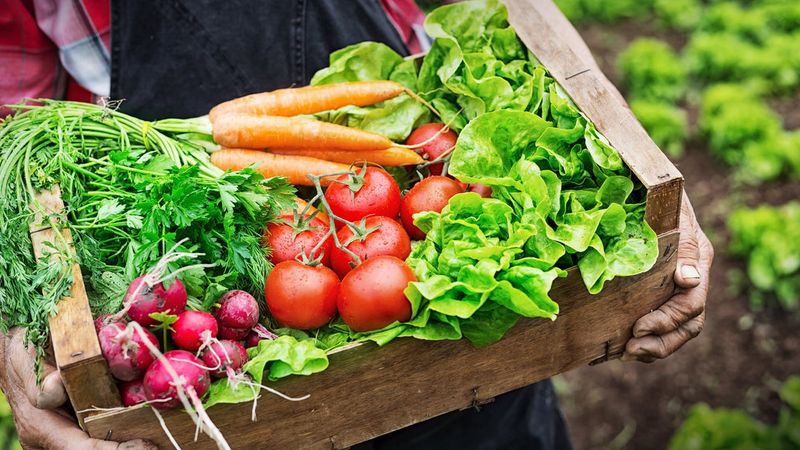
Organic produce has a wholesome reputation, and many shoppers pay premium prices expecting superior nutrition. However, a large review of studies found no strong evidence that organic foods consistently deliver more vitamins or minerals than conventionally grown options.
Organic farming does reduce pesticide exposure, which is a real benefit worth considering. But if your goal is purely nutritional value, choosing a variety of fresh fruits and vegetables, whether organic or not, matters far more than the label on the package.
10. Brown Eggs Are Healthier Than White Eggs

Brown eggs sitting next to white ones in the grocery store seem like the obviously healthier choice. Many shoppers assume the color signals better nutrition or a more natural product.
Nutritionally speaking, the two are essentially identical in protein, fat, and vitamin content.
Shell color is determined entirely by the breed of the hen. Brown eggs often cost more simply because the hens that lay them tend to be larger and require more feed, raising production costs for farmers.
11. You Should Not Swim After Eating

Waiting 30 minutes to an hour after eating before jumping into the pool was practically a rule of summer childhood. The fear was that your muscles would cramp up and you might drown.
While your body does direct more blood to your digestive system after a meal, this does not significantly reduce blood flow to your muscles.
Mild cramps are possible but rare, and there is no documented case of someone drowning solely from swimming on a full stomach.
12. Microwaving Food Destroys Its Nutrients
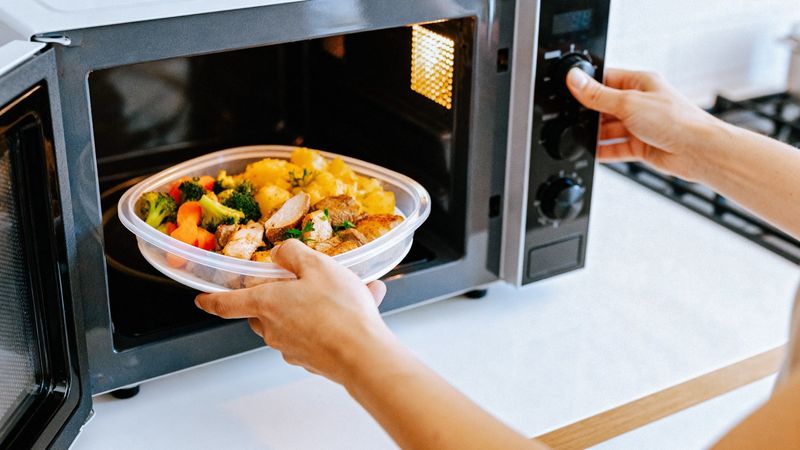
Microwaves get a bad reputation as nutrition destroyers, but they are actually one of the gentler cooking methods when it comes to preserving vitamins. The key factors that break down nutrients are heat, time, and water.
Microwaving is typically fast and uses little water, which actually helps retain nutrients better than boiling.
Steaming and microwaving are both excellent ways to cook vegetables while keeping their goodness intact. The cooking method matters far less than avoiding overcooking your food in the first place.
13. Eating Fat Makes You Fat
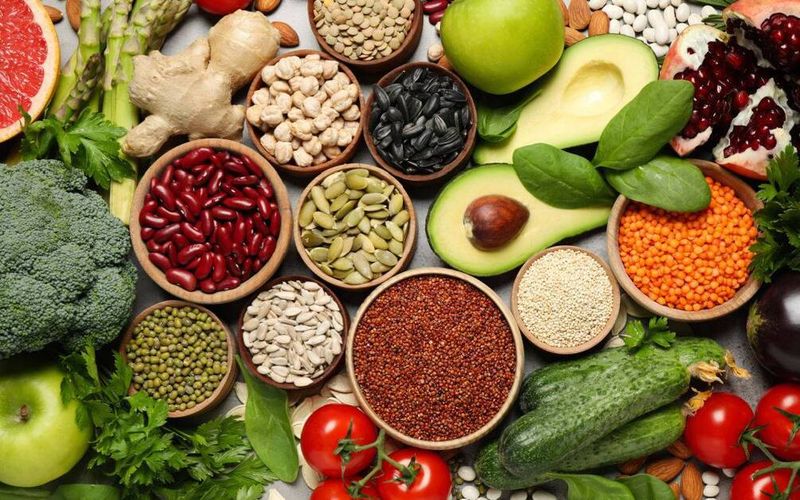
For decades, dietary fat was the villain blamed for expanding waistlines everywhere. Low-fat products flooded grocery store shelves, and people avoided avocados and nuts out of fear.
The truth is more nuanced: not all fats are created equal, and eating fat does not automatically make your body store fat.
Healthy unsaturated fats found in olive oil, fish, and nuts actually support heart health. Excess calories from any source, including refined carbohydrates and sugar, are what lead to weight gain over time.
14. Spicy Food Causes Stomach Ulcers
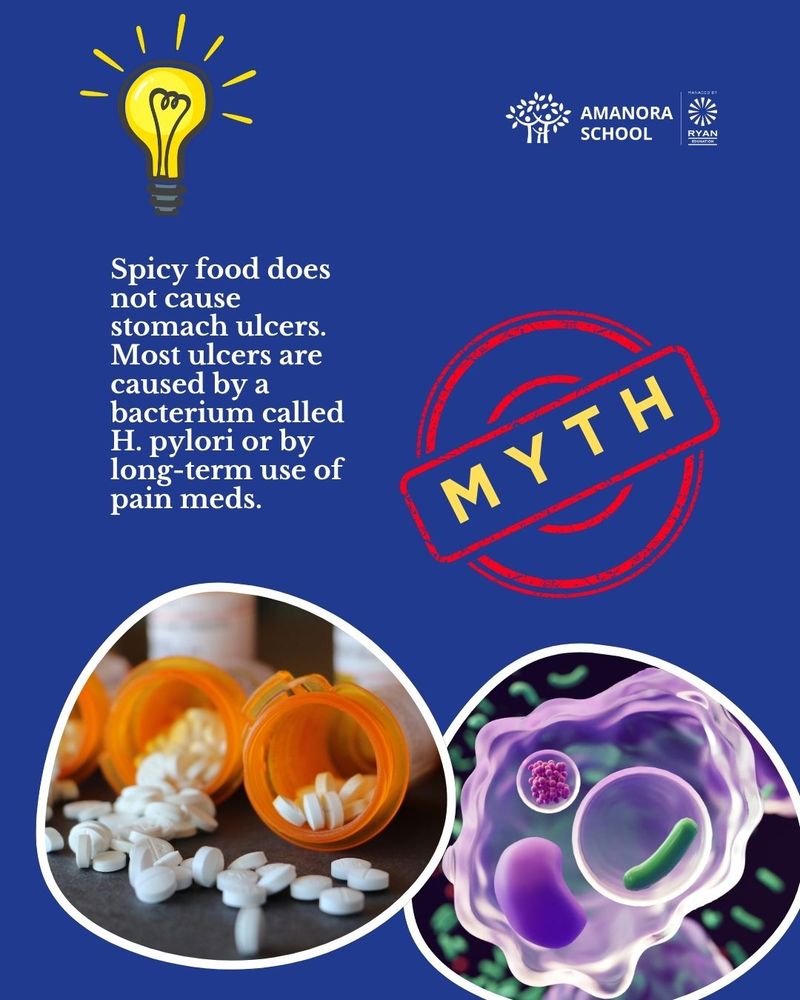
Hot sauce lovers have long been blamed for their own stomach troubles, with spicy food accused of burning holes in the stomach lining. The real cause of most stomach ulcers is a bacterial infection called H. pylori, or long-term use of anti-inflammatory medications like ibuprofen.
Spicy foods can irritate an existing ulcer and make symptoms feel worse, but they do not create ulcers on their own. People with sensitive stomachs may want to moderate their spice intake, but casual spice lovers have nothing to worry about.
15. Fresh Produce Is Always Better Than Frozen
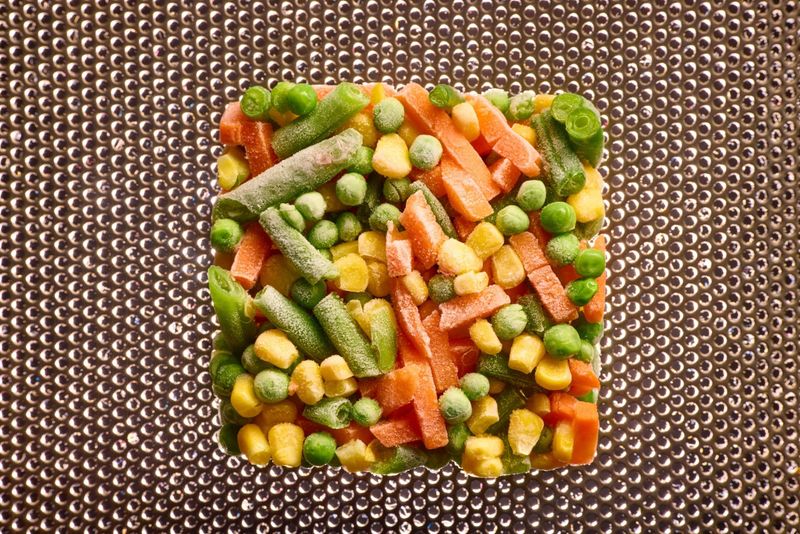
Fresh vegetables picked at peak ripeness and eaten the same day are wonderful, but that is rarely how most people shop. Produce at the grocery store has often traveled long distances and sat in storage for days, losing nutrients along the way during transit and display time.
Frozen vegetables are typically flash-frozen shortly after harvest, locking in vitamins and minerals at their peak. Studies show frozen vegetables can actually be more nutritious than their fresh counterparts by the time they reach your dinner plate.
16. Alcohol Kills Brain Cells
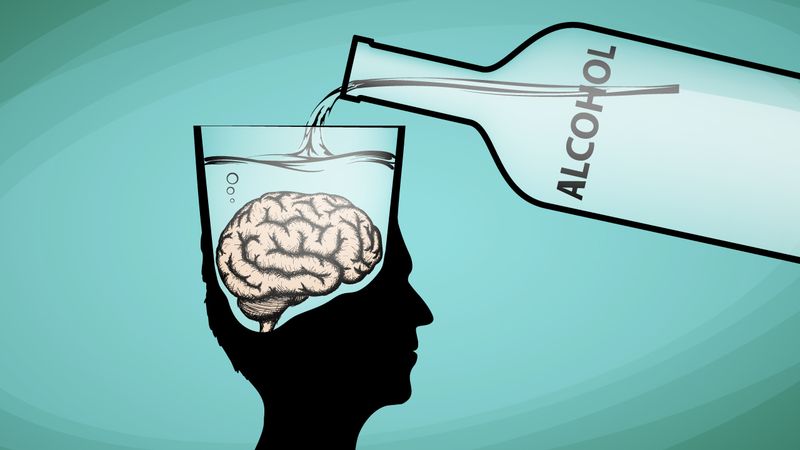
Heavy drinking certainly harms the brain, but the popular idea that alcohol literally kills brain cells with each sip overstates things. Research shows that moderate alcohol use does not destroy neurons outright.
Instead, it damages the connections between brain cells, called dendrites, which affects communication between neurons.
This distinction matters because dendrite damage can sometimes be partially reversed with abstinence. Long-term heavy drinking, however, does cause serious and lasting neurological damage that goes well beyond a simple cell count.
17. Searing Meat Seals In the Juices

Cooking shows and grilling enthusiasts have long promoted searing as a way to lock moisture inside a cut of meat. It sounds logical because the browned crust looks like a sealed barrier.
Food scientist Harold McGee tested this idea and found that seared meat actually loses just as much moisture as unseared meat.
What searing does create is a beautifully browned, flavorful crust through a chemical reaction called the Maillard reaction. That is reason enough to sear your steak, even if the juices are not going anywhere.
18. Vitamin C Prevents Colds
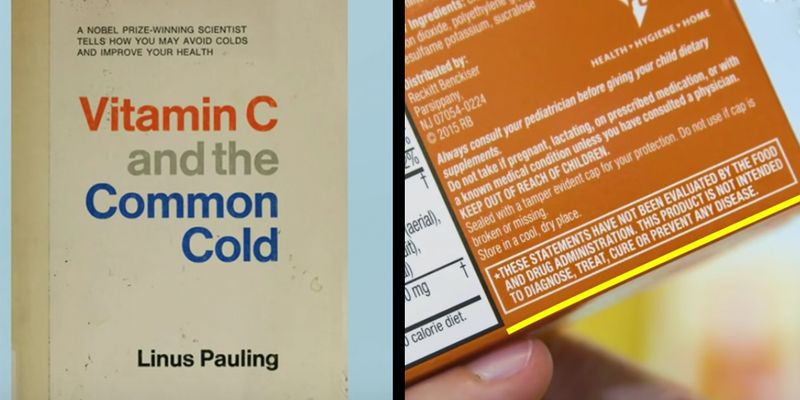
Orange juice sales skyrocket every cold season because millions believe vitamin C will keep them healthy. Linus Pauling famously championed mega-doses of vitamin C in the 1970s, and the idea stuck hard in popular culture.
However, large-scale studies have found that vitamin C does not prevent colds in the general population.
It may slightly shorten the duration of a cold once you already have one. For most people, focusing on sleep, handwashing, and a balanced diet is far more effective than loading up on supplements.
19. Raw Cookie Dough Is Dangerous Because of Eggs

Most people who avoid raw cookie dough point to the raw eggs as the danger zone. Salmonella from eggs is a real concern, but flour is actually the sneakier culprit.
Raw flour is an unprocessed agricultural product that can harbor E. coli and other harmful bacteria before it ever reaches your mixing bowl.
Several outbreaks have been traced directly to raw flour in recent years. Baking or heat-treating your flour before use is the safest approach if you love sneaking tastes of your dough.
20. Breakfast Is the Most Important Meal of the Day

This phrase is so familiar it almost feels like a law of nature. Interestingly, it was popularized in the early 20th century largely through marketing campaigns by cereal companies trying to boost sales.
The science behind breakfast being uniquely essential is far less clear-cut than the slogan suggests.
Some people genuinely feel better and perform well after eating breakfast. Others thrive skipping it entirely.
What your body needs in the morning depends on your individual metabolism, schedule, and overall eating patterns throughout the day.




Comments
No Comments