













Food is something we all enjoy every single day, but most of us never stop to think about the wild and weird stories hiding behind our favorite meals and snacks. From fruits that are technically something else to foods that never expire, the world of food is packed with surprising secrets.
These facts are so interesting that you will want to share them at your next meal. Get ready to look at your plate in a whole new way.
1. Honey Never Expires

Archaeologists once found 3,000-year-old honey in Egyptian tombs, and it was still perfectly edible. Honey lasts forever because of its low moisture content and natural hydrogen peroxide, which stop bacteria from growing.
It might crystallize over time, but that does not mean it has gone bad.
Just warm it up gently and it returns to its smooth, golden form. No expiration date needed for this sweet treat.
2. Strawberries Are Not Actually Berries
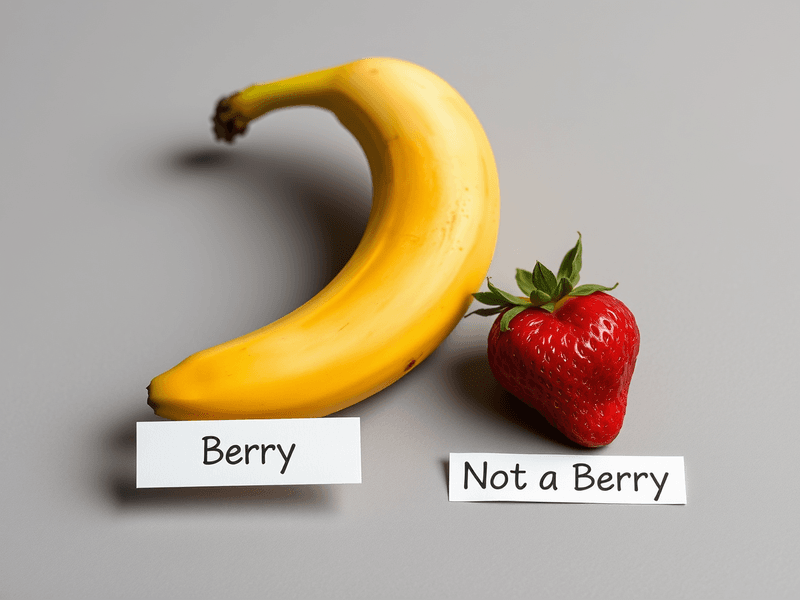
Botanically speaking, strawberries are not true berries at all. A real berry develops from a single flower with one ovary, but strawberries grow from a flower with multiple ovaries.
That makes them what scientists call an "accessory fruit."
Here is the twist: bananas, avocados, and even watermelons are technically berries by the botanical definition. Food science has a funny way of flipping everything you thought you knew upside down.
3. Bananas Are Technically Berries
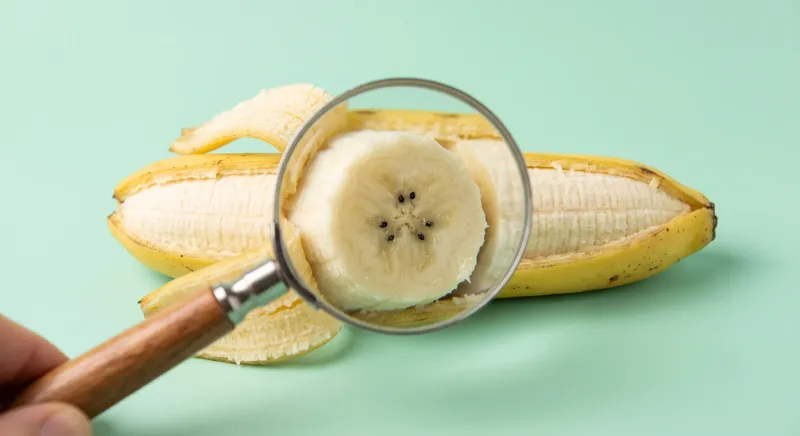
Yes, you read that right. Bananas qualify as true berries under botanical rules because they develop from a single flower with one ovary and have a fleshy middle layer.
Meanwhile, raspberries and blackberries are not berries at all by that definition.
This fun mix-up happens because everyday language and science use the word "berry" very differently. Next time someone says "pass the berries," hand them a banana and explain why.
4. Apples Are Related to Roses
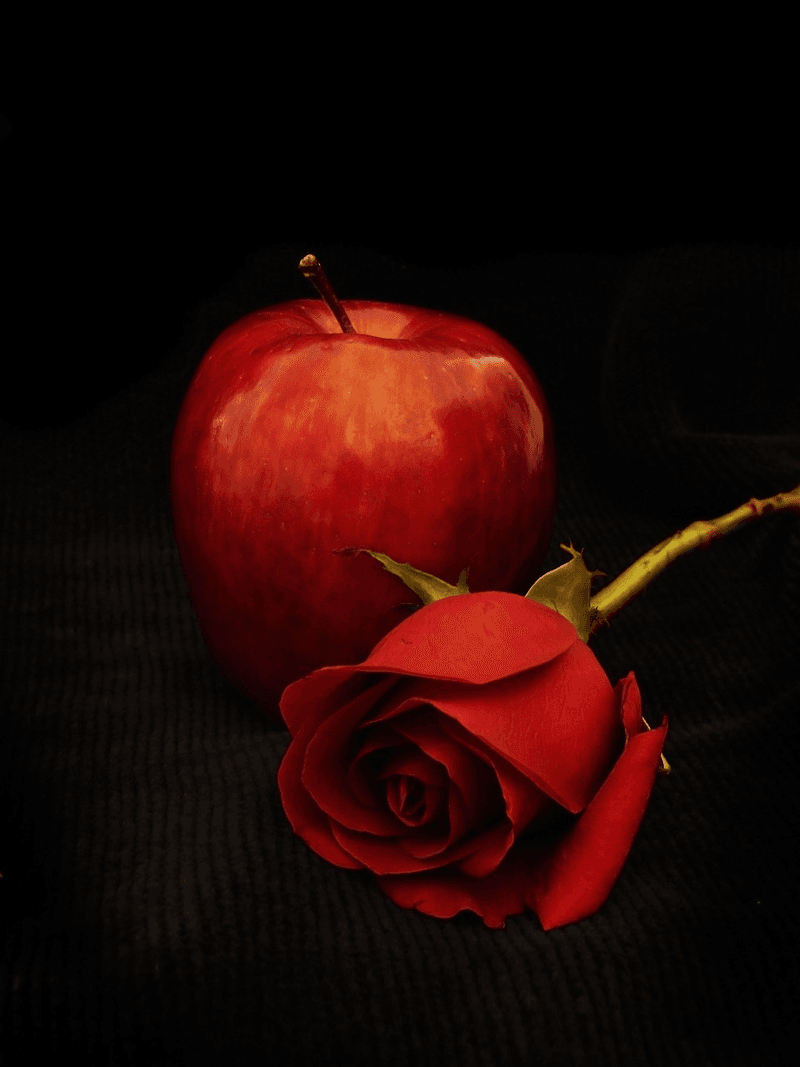
Apples belong to the Rosaceae family, which also includes roses, pears, cherries, and peaches. That means every time you bite into a crispy apple, you are technically eating a relative of the rose.
The blossoms on apple trees even look remarkably similar to rose flowers.
This connection stretches back millions of years through plant evolution. Who knew your fruit bowl and a bouquet of flowers could be distant cousins?
5. Chocolate Was Once Used as Currency

Long before chocolate became a candy bar, the ancient Aztecs and Mayans treated cacao beans like gold. They used them to buy goods, pay taxes, and even pay soldiers.
A turkey might cost about 100 cacao beans, while a ripe avocado could be traded for three.
Cacao was so prized that only royalty and warriors could drink it. The rich, bitter cacao drink they enjoyed was nothing like the sweet hot chocolate we know today.
6. Peanuts Are Not Nuts
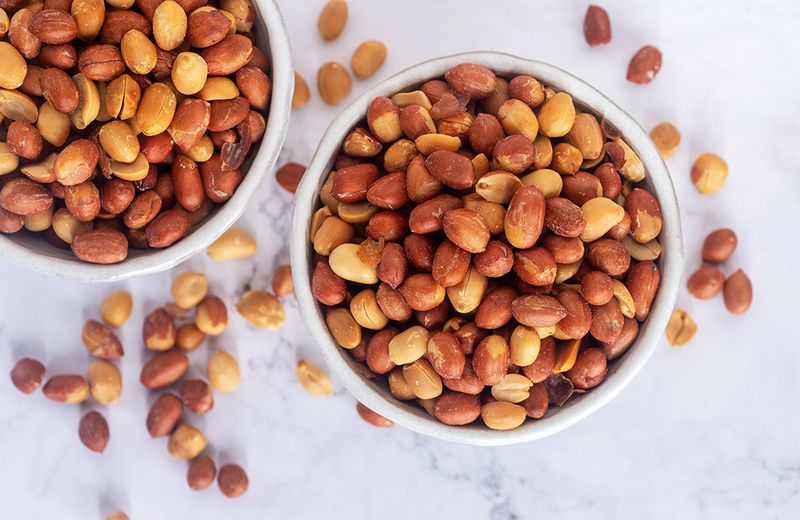
Peanuts grow underground and belong to the legume family, making them much closer relatives to beans and lentils than to walnuts or almonds. True nuts grow on trees and have a hard shell that does not open on its own, but peanuts develop in pods beneath the soil.
Cashews, almonds, and pistachios are also not true nuts by botanical standards. The snack world has been misleading us for a long time.
7. Carrots Were Originally Purple
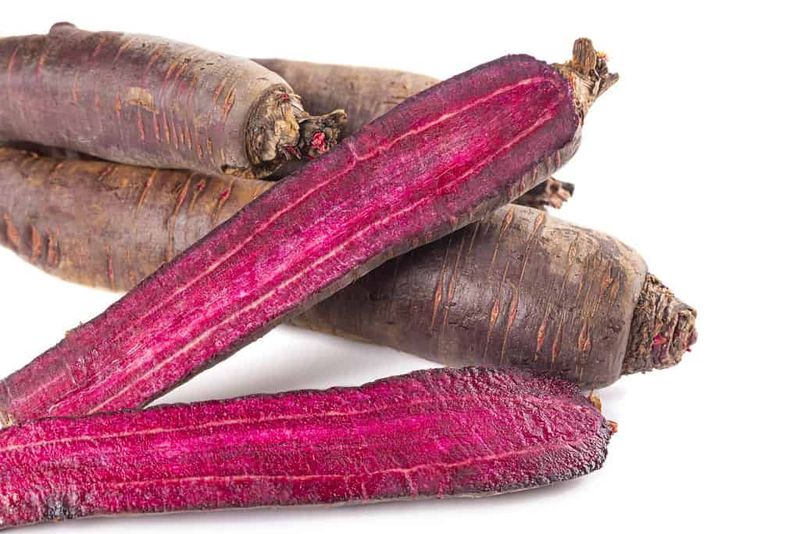
Orange carrots are a fairly modern invention. For centuries, carrots were mostly purple, yellow, or white.
Dutch growers in the 17th century selectively bred orange carrots, possibly to honor the Dutch royal family, the House of Orange.
Purple carrots contain anthocyanins, which are powerful antioxidants. Today, heirloom varieties of purple and yellow carrots are making a comeback at farmers markets.
The carrot you grew up eating has a surprisingly colorful past.
8. Ketchup Was Once Sold as Medicine
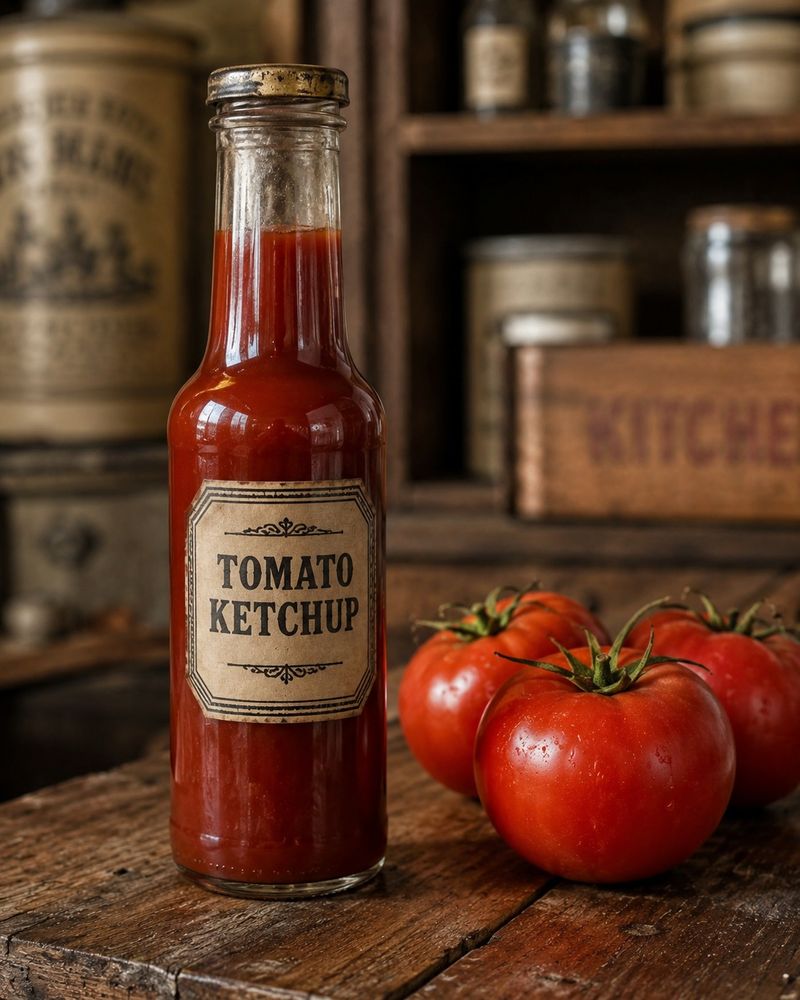
Back in the 1830s, tomatoes were believed to cure all kinds of illnesses, from liver problems to indigestion. A physician named John Cook Bennett promoted tomato ketchup as a medical remedy, and it was even sold in pill form.
At the time, many people thought tomatoes were poisonous, so convincing them to eat tomatoes as medicine was quite the challenge. Thankfully, ketchup eventually found its true calling next to french fries.
9. Cashews Grow on the Outside of a Fruit

Most people picture cashews coming from a bag, not a tree. But cashews grow attached to the bottom of a cashew apple, a bright yellow or red tropical fruit.
The nut hangs on the outside of the fruit, which is the opposite of how most fruits work.
The cashew apple is edible and popular in Brazil and parts of Asia, but it rarely makes it to grocery stores outside those regions because it spoils very quickly after picking.
10. Cucumbers Are 96% Water
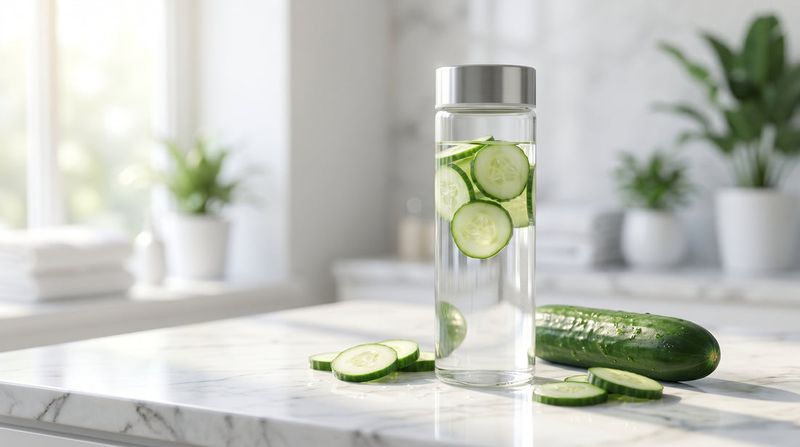
Cucumbers are one of the most hydrating foods on the planet. At 96% water content, they beat out lettuce and even watermelon in the hydration race.
Snacking on cucumber slices is almost like drinking a glass of water, which is why they are popular in summer salads and spa water.
They also contain vitamins K and C along with small amounts of potassium. Staying hydrated has never tasted so crisp and refreshing.
11. Almonds Are a Type of Peach
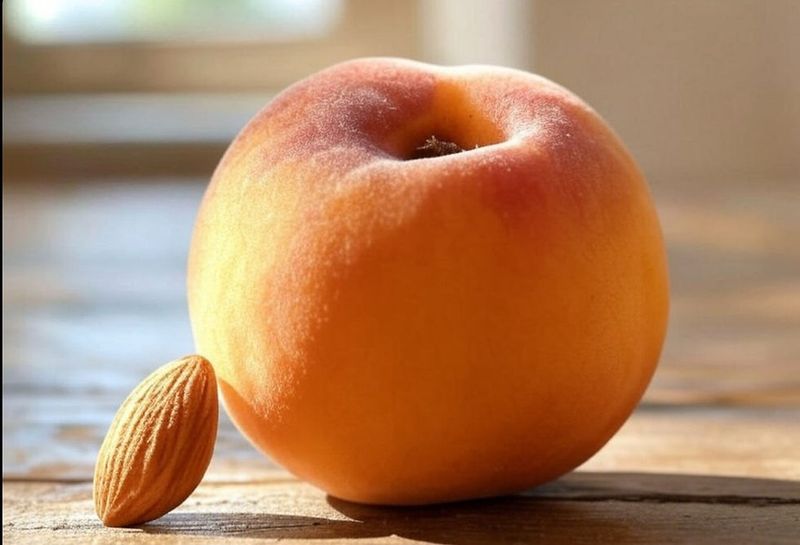
Almonds and peaches are more alike than they appear. Almonds are actually the seed found inside the pit of a drupe fruit, which is the same category as peaches and cherries.
When you eat an almond, you are essentially eating the inner seed of a fruit very similar to a peach.
The almond tree even produces flowers that look just like peach blossoms. This connection makes perfect sense once you crack open a peach pit and see the seed hiding inside.
12. Popcorn Has Been Around for Thousands of Years
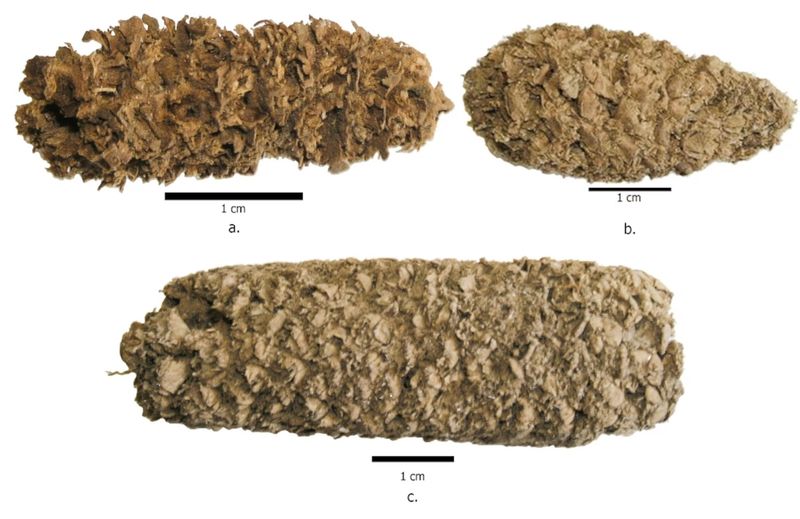
Popcorn is one of the oldest snack foods in human history. Archaeologists have found popcorn remnants in Peru that are over 6,000 years old.
Native Americans were popping corn long before movie theaters ever existed, and they even used it to make popcorn garlands for decoration.
Early European explorers were fascinated when they first saw corn pop over an open flame. What started as a ceremonial food became the world's favorite movie snack over centuries of snacking history.
13. Lemons Float But Limes Sink
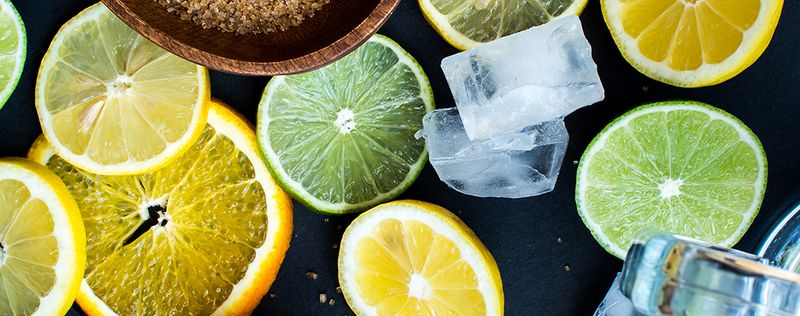
Here is a fun experiment you can try at home. Drop a lemon in water and it floats, but toss in a lime and it sinks straight to the bottom.
The reason comes down to density. Lemons are slightly less dense than water because of their thicker, airier peel.
Limes have a thinner, denser skin that gives them a higher overall density. Two fruits that look so similar behave completely differently in water, which makes for a great kitchen science trick.
14. The Most Stolen Food in the World Is Cheese
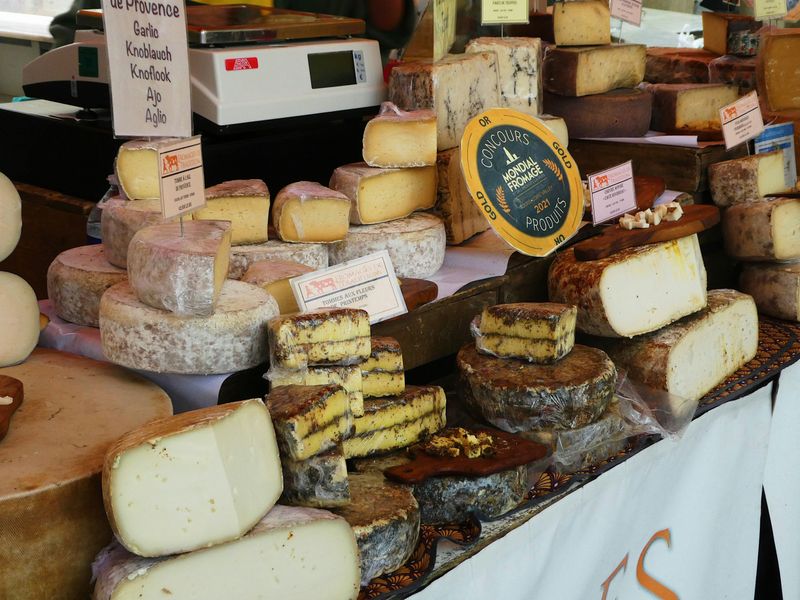
Cheese tops the list as the most shoplifted food in the world, according to the Centre for Retail Research. About 4% of all cheese produced globally is stolen each year.
Its high price, small size, and easy concealability make it a frequent target for food theft.
From fancy brie to simple cheddar, cheese thieves apparently have great taste. This quirky statistic has made cheese famous in a way that no food advertisement ever could have managed.
15. Figs Contain Tiny Wasps
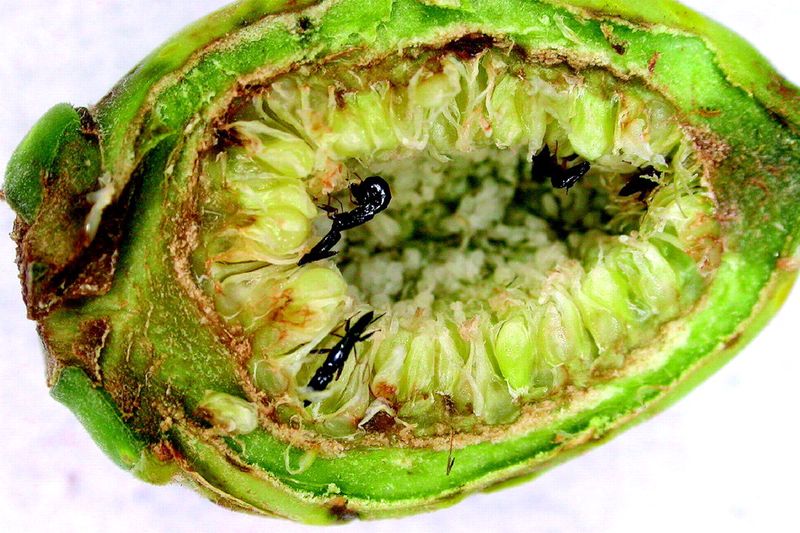
Figs have a strange and fascinating relationship with wasps. Female wasps crawl inside figs to lay eggs, and in the process they pollinate the fig flower.
The wasp often dies inside the fig, but an enzyme called ficin breaks down the wasp completely.
So technically, every fig you have eaten may have contained a dissolved wasp. This process, called mutualism, means figs and wasps depend on each other for survival.
Nature is wild, even in your fruit bowl.
16. Coconut Water Can Be Used as Blood Plasma in Emergencies

During World War II and in some emergency situations, doctors used coconut water as a short-term substitute for blood plasma when medical supplies ran out. Coconut water is sterile, isotonic, and compatible with human blood, making it a surprisingly effective emergency option.
While it is not a perfect replacement, it has saved lives in remote areas where medical resources were scarce. That refreshing tropical drink in your fridge has a genuinely heroic side to its story.
17. Tomatoes Were Once Feared as Poisonous
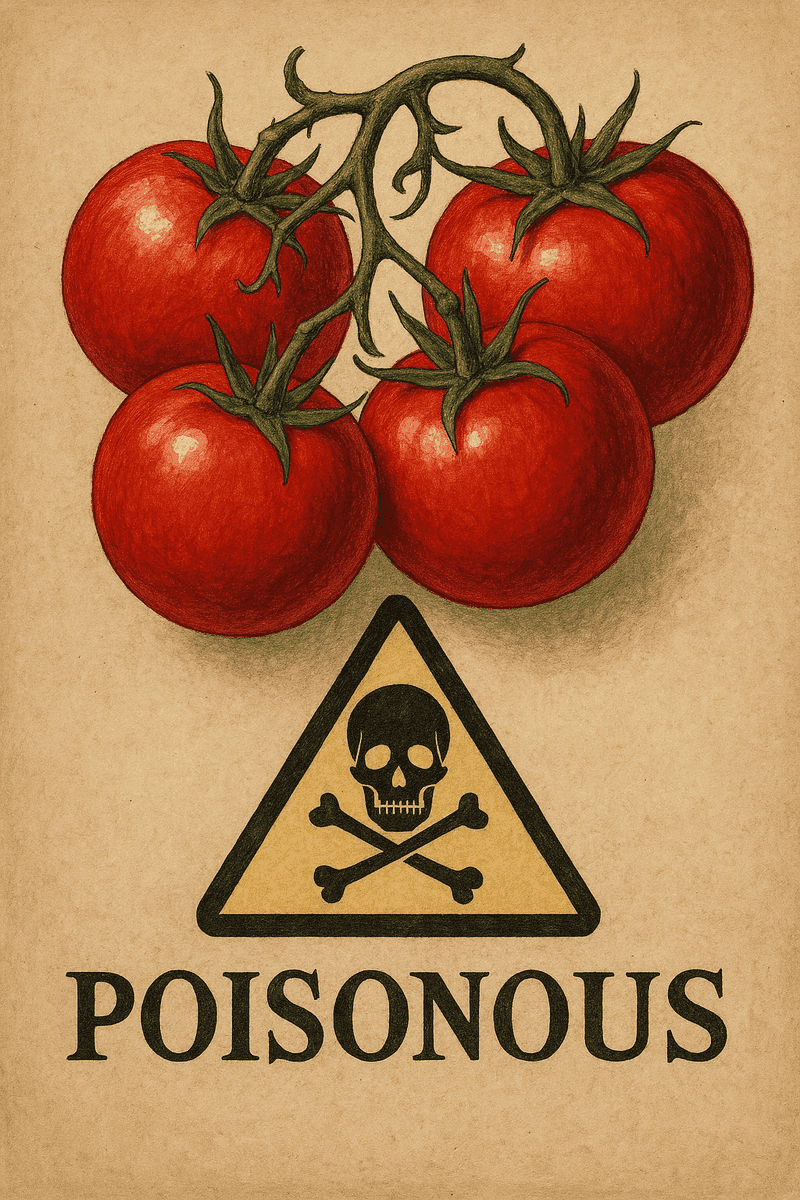
For hundreds of years, Europeans believed tomatoes were deadly. When tomatoes were first brought to Europe from the Americas in the 1500s, wealthy people ate off pewter plates, which were high in lead.
The acid in tomatoes would leach the lead out of the plates, causing lead poisoning.
Naturally, people blamed the tomato. Poor people who ate off wooden plates never had this problem.
It took centuries to clear the tomato's unfair reputation as a killer fruit.
18. Coffee Is Actually a Fruit
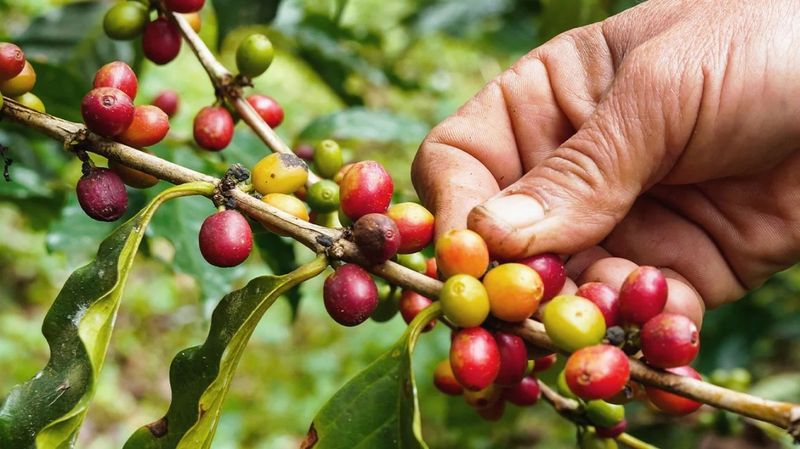
Coffee beans are not really beans at all. They are the seeds found inside a small red or yellow fruit called a coffee cherry.
Each cherry typically contains two seeds, and those seeds are what get roasted and ground into the coffee you drink every morning.
Coffee plants grow in tropical regions and produce fruit that looks a lot like a small cherry or cranberry. Your morning cup of coffee started its life as a sweet, fruity snack hanging off a tropical tree.
19. Eating Carrots Really Can Improve Your Night Vision
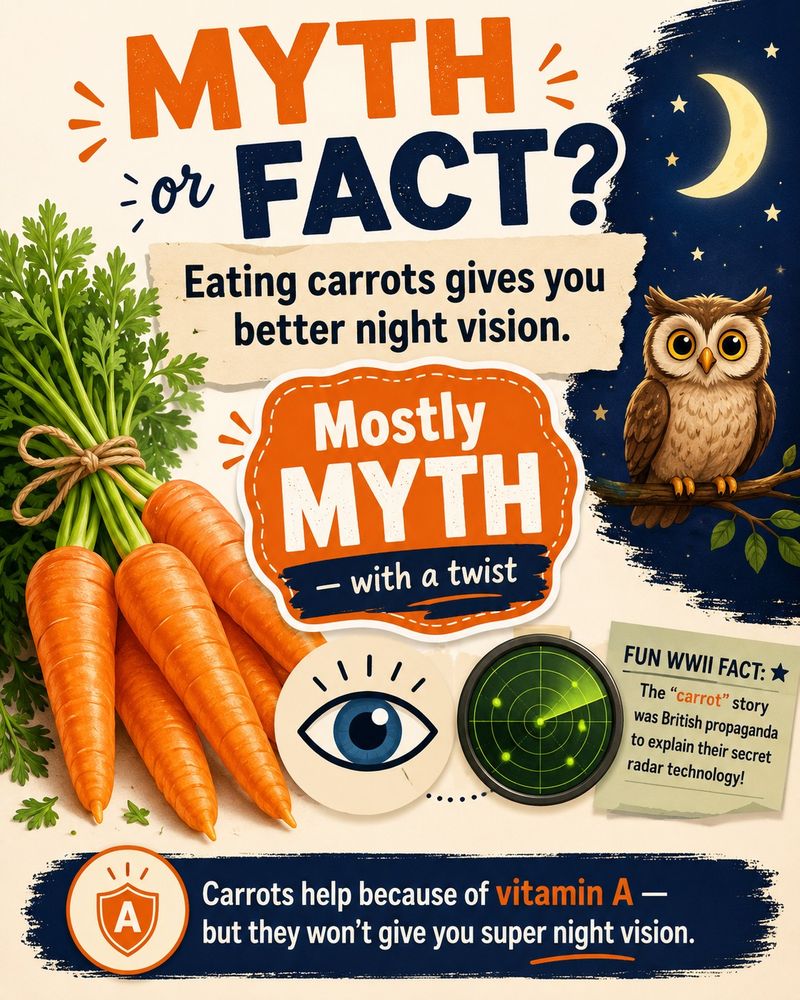
This one is not entirely a myth. Carrots are rich in beta-carotene, which your body converts into vitamin A.
Vitamin A is essential for producing rhodopsin, a pigment in your eyes that helps you see in low light. A deficiency in vitamin A can actually cause night blindness.
However, eating extra carrots will not give you superhero vision if you already get enough vitamin A. The saying has roots in World War II British propaganda meant to hide radar technology from enemies.
20. Pineapple Breaks Down Protein, Including Your Tongue
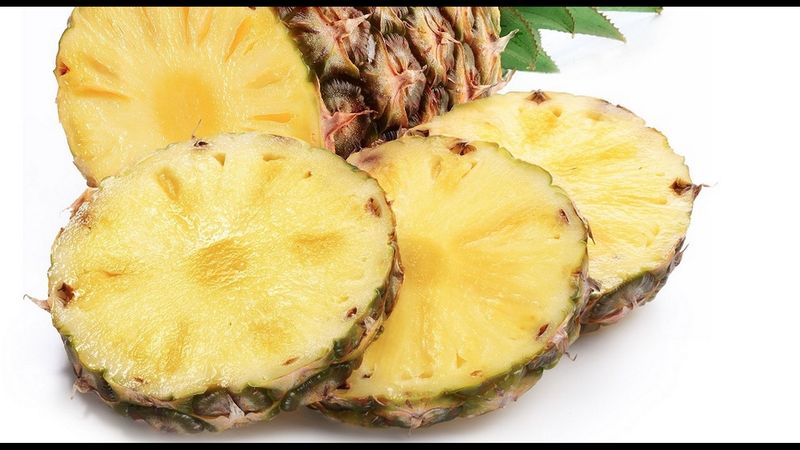
Ever noticed a tingling or slightly sore feeling on your tongue after eating a lot of pineapple? That sensation comes from bromelain, an enzyme in pineapple that actively breaks down proteins.
Since your mouth and tongue are made of protein, the pineapple is essentially starting to digest you back.
Cooking or canning pineapple deactivates bromelain, which is why canned pineapple does not cause that tingly feeling. Fresh pineapple, on the other hand, is a two-way snacking experience.
21. Vanilla Flavoring Often Comes from Beaver Glands

Castoreum is a secretion from beaver scent glands located near the tail, and it has been used as a food flavoring for centuries. It has a warm, vanilla-like aroma and was historically used in perfumes and food products labeled as "natural flavoring."
The good news is that actual vanilla extract from vanilla beans is far more common in modern food production. Still, the fact that beaver glands can smell like vanilla is one of those food truths that is hard to forget once you know it.
22. The World's Most Expensive Spice Is Saffron
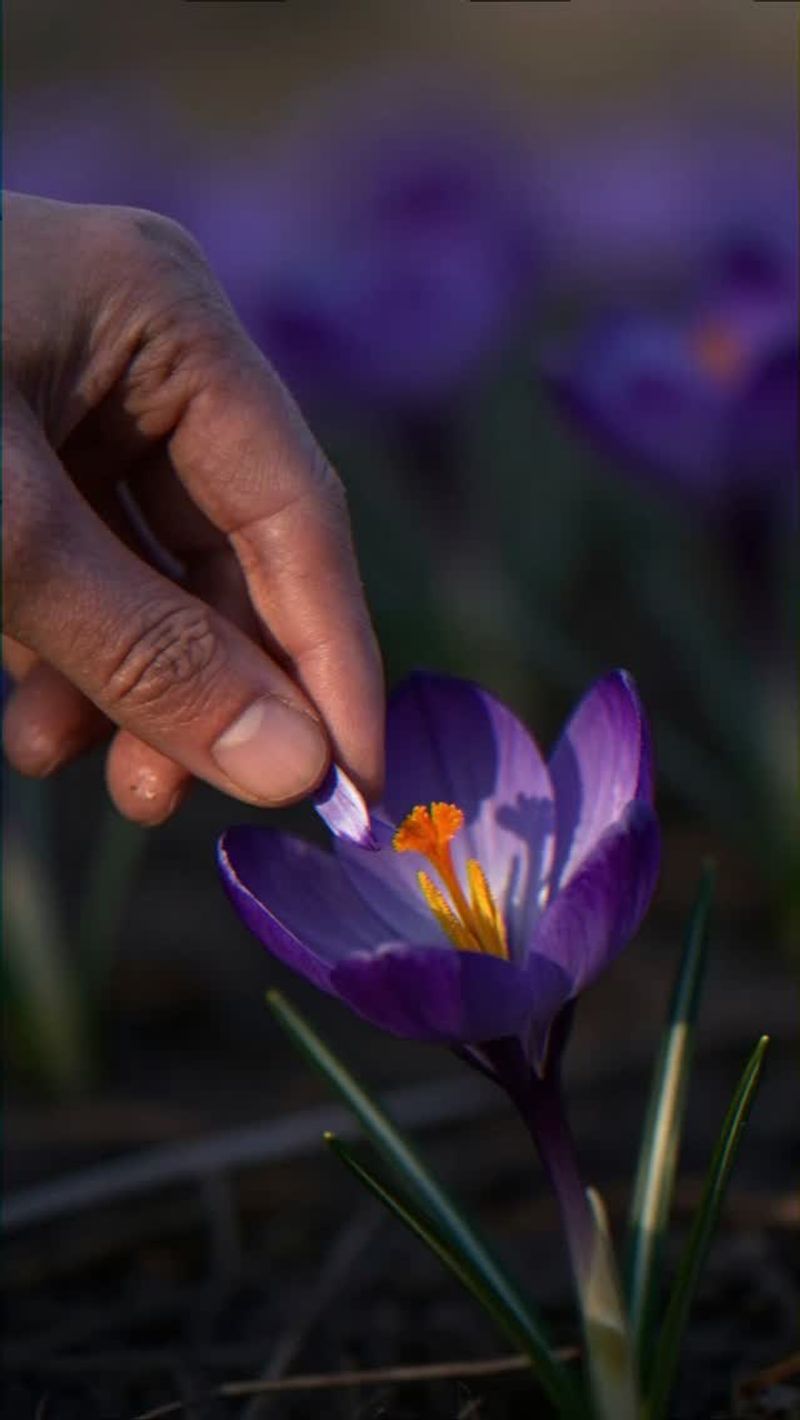
Saffron can cost anywhere from $500 to $5,000 per pound, making it the priciest spice on earth. Each saffron thread is actually the stigma of a crocus flower, and each flower only produces three of them.
Workers must harvest them entirely by hand during a very short blooming season.
It takes roughly 75,000 crocus flowers to produce just one pound of saffron. A tiny pinch of this ruby-red spice is enough to color and flavor an entire pot of rice or paella.




Comments
No Comments