













Most of us think we are pretty smart shoppers, but some everyday habits quietly drain our wallets without us even noticing. From impulse buys to skipping the shopping list, small mistakes at the grocery store can add up to hundreds of dollars lost each year.
Knowing what these habits are is the first step to keeping more money in your pocket. Read on to find out which common grocery shopping mistakes might be costing you way more than you think.
1. Shopping Without a List
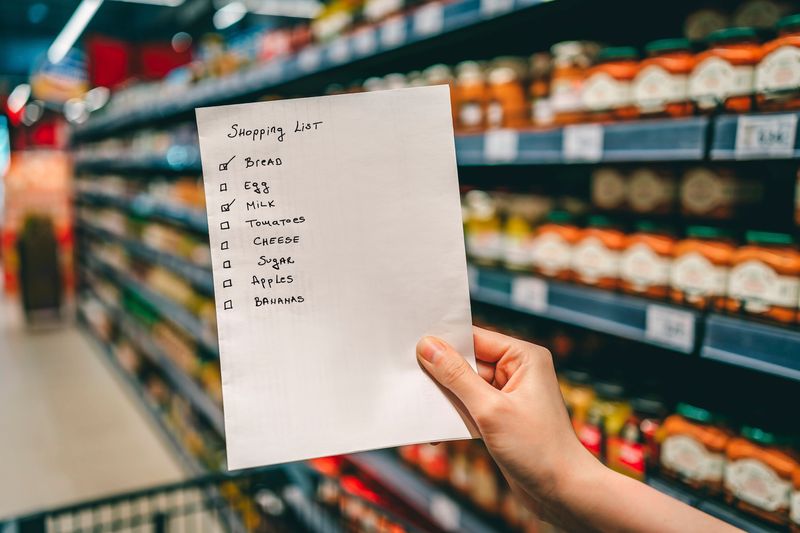
Walking into a grocery store without a list is like driving somewhere new without directions. You wander, you browse, and suddenly your cart is full of things you never planned to buy.
Studies show that unplanned purchases account for nearly 50% of grocery spending.
A simple handwritten or phone list keeps you focused and on budget. Spending five minutes planning before you shop can save you a surprising amount of money every single week.
2. Going to the Store When You Are Hungry

Hunger is one of the sneakiest budget busters at the grocery store. When your stomach is growling, everything looks delicious, and your brain starts saying yes to things your wallet would normally say no to.
Research from Cornell University found that hungry shoppers buy more high-calorie, high-cost items than those who shop after eating. A small snack before heading out can save you from a cart full of regret and an oversized receipt.
3. Ignoring Store Brand Products

Name brands spend millions on advertising to make their packaging look trustworthy and premium. But here is the truth: store brand and generic products are often made in the same factories with nearly identical ingredients.
Choosing the store brand version of staples like canned goods, pasta, or cleaning supplies can save you 20 to 30 percent on each item. Over a full year of grocery shopping, that difference adds up to a genuinely impressive amount of savings.
4. Not Checking Unit Prices
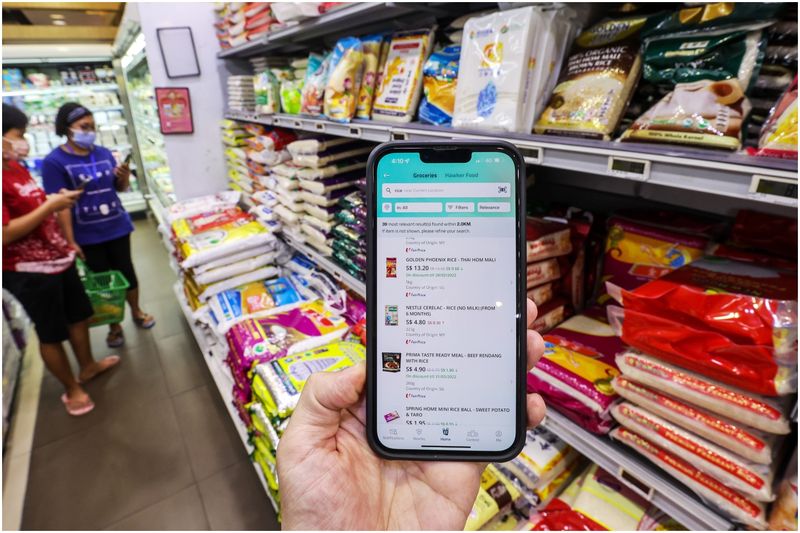
The bigger package is not always the better deal. Grocery stores use unit pricing on shelf labels to show you the cost per ounce, pound, or item, but most shoppers never look at that number.
Sometimes a medium-sized box of cereal actually costs less per ounce than the jumbo version. Training yourself to check unit prices instead of total prices is one of the easiest ways to stretch your grocery budget further without buying less food.
5. Buying Pre-Cut and Pre-Packaged Produce
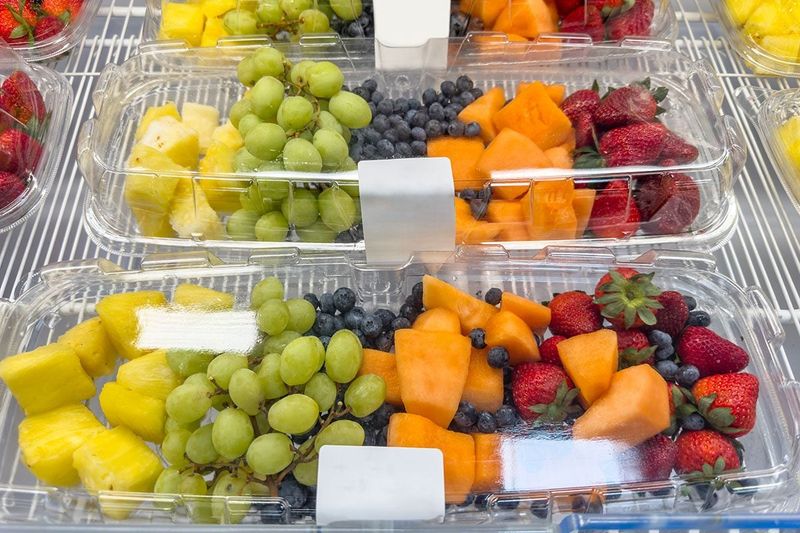
Pre-cut fruit cups, shredded cabbage bags, and spiralized zucchini are super convenient, but that convenience comes with a serious price markup. You can pay two to three times more for vegetables that someone else chopped for you.
Buying whole produce and cutting it yourself takes only a few extra minutes. A whole pineapple, for example, costs a fraction of what the pre-sliced container does.
Your knife and a cutting board are two of the best money-saving tools in your kitchen.
6. Falling for Sale Signs That Are Not Real Deals
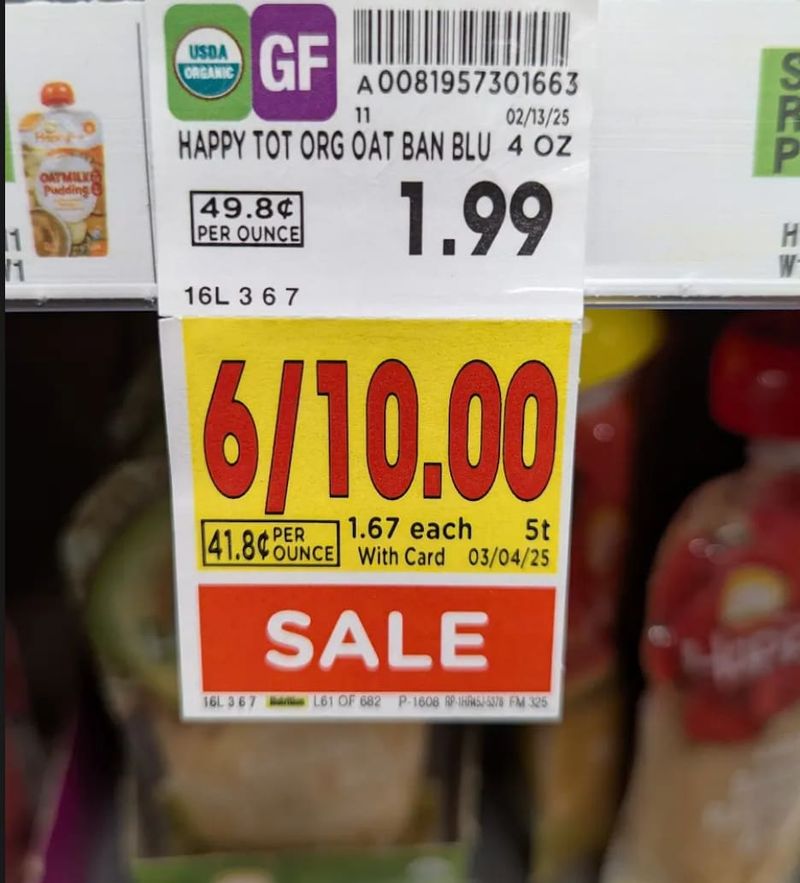
Bright red sale signs are designed to trigger excitement in your brain. But not every sale is actually a discount.
Sometimes stores mark items as on sale when the price has barely changed, or when the per-unit cost is still higher than a competitor.
Before grabbing a sale item, check if you actually need it and whether the price is genuinely lower. Buying things just because they are labeled as a deal is one of the most common ways shoppers overspend without realizing it.
7. Skipping Loyalty Programs and Coupons
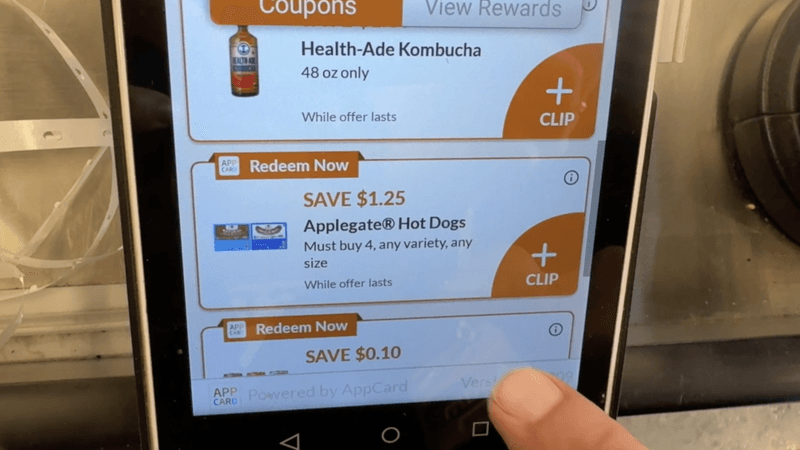
Loyalty programs are free to join and can save you a noticeable chunk of money over time. Many stores offer member-only prices that are significantly lower than the regular shelf price, and digital coupons make it even easier to stack savings.
Apps like Ibotta or your store's own app let you clip coupons in seconds. Skipping these programs because they feel like too much effort is basically leaving cash on the table every single time you check out.
8. Buying in Bulk When You Do Not Need To
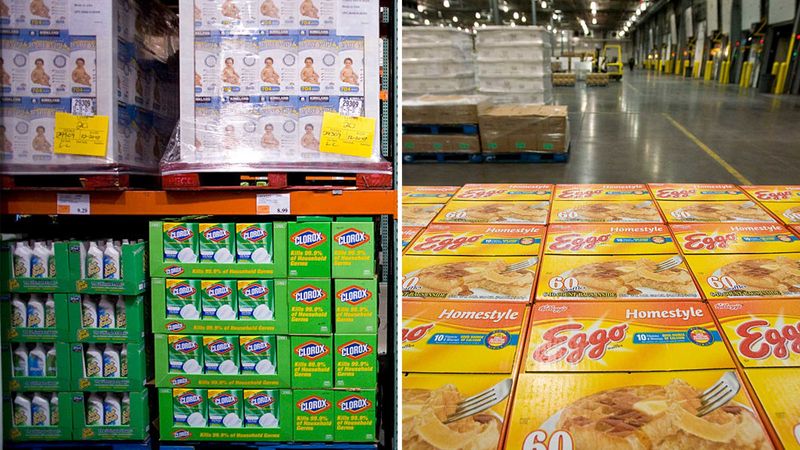
Bulk buying has a reputation as a money-saver, but it backfires when you buy more than you can use before items expire. Perishable foods bought in giant quantities often go bad before the household can finish them.
Wasting half a bulk bag of spinach or tossing expired yogurt cups erases any savings you thought you were getting. Buy in bulk only for non-perishables or items your family genuinely goes through fast, like rice, canned beans, or toilet paper.
9. Shopping at Only One Store

Brand loyalty to a single grocery store might feel convenient, but it often means you are paying higher prices on certain items. Different stores have different strengths when it comes to pricing, especially on produce, meat, and pantry staples.
Checking weekly ads for two or three stores near you can help you buy each item where it is cheapest. Even shopping at a discount grocer like Aldi or Lidl for basics while visiting another store for specialty items can make a real difference.
10. Tossing Leftovers and Forgetting Fridge Inventory
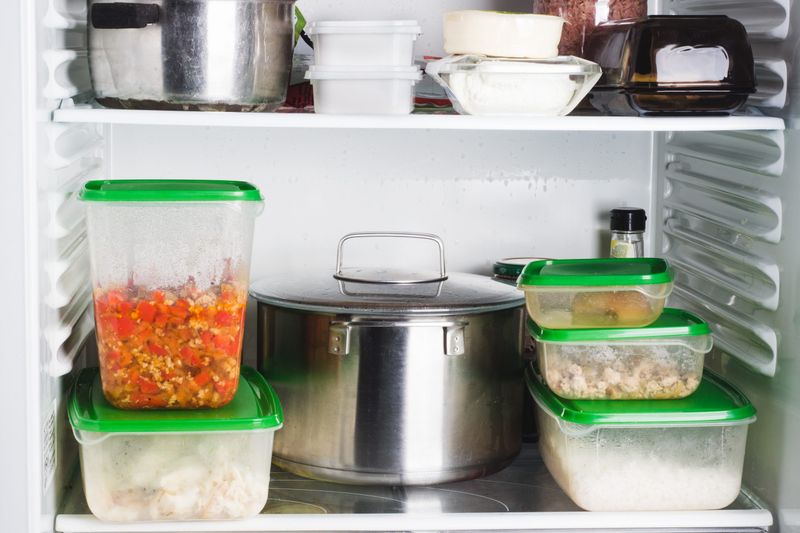
About one-third of all food bought in American households ends up in the trash. A big reason for this is that people shop without checking what they already have at home, then forget about leftovers until they go bad.
Before every grocery trip, do a quick fridge and pantry scan. Plan meals around what you already have.
Not only does this cut down on food waste, but it also means you buy less at the store and spend less money overall.
11. Choosing Convenience Foods Over Simple Ingredients

Boxed mac and cheese, frozen stir-fry kits, and pre-seasoned meat packages are tempting because they make cooking feel easier. But the price per serving for these convenience foods is almost always much higher than cooking from scratch.
A bag of dry pasta and a jar of marinara sauce feeds four people for under three dollars. Learning even a handful of simple recipes using basic ingredients can dramatically lower your grocery bill without sacrificing taste or much extra time.
12. Overlooking the Markdown Section
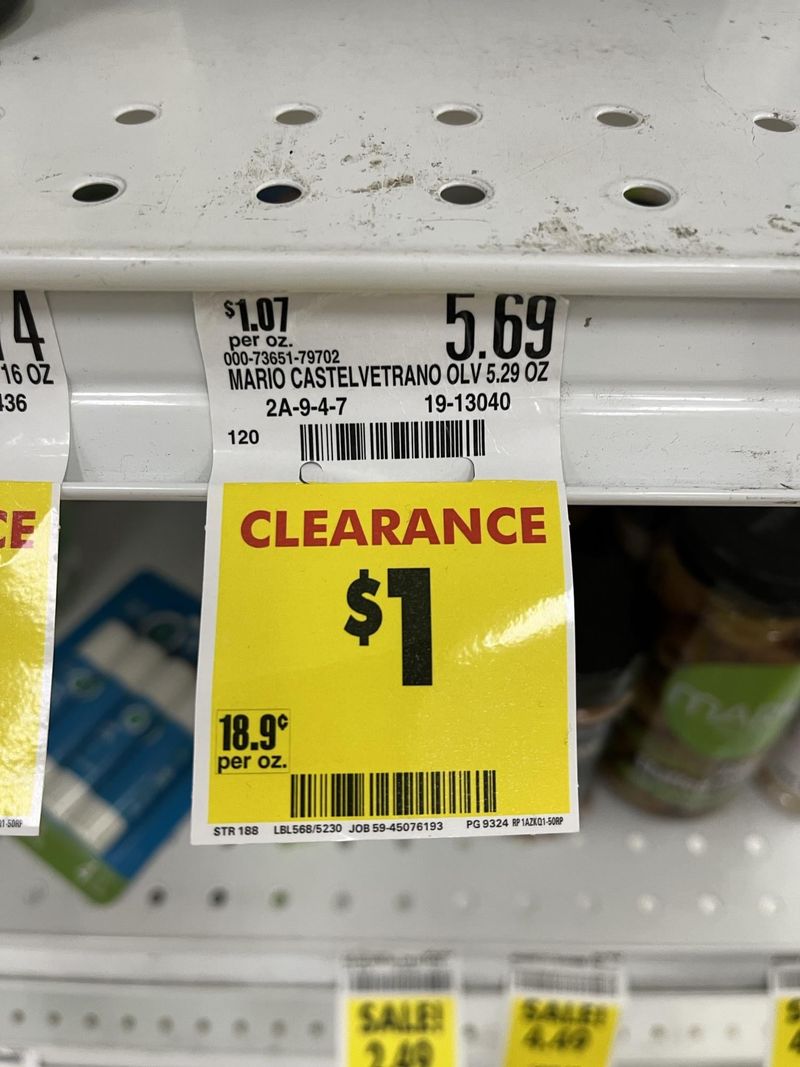
Most grocery stores have a hidden gem tucked away in a corner: the markdown section. This is where bread nearing its sell-by date, slightly bruised produce, and near-expiration packaged goods get deeply discounted, sometimes by 50 percent or more.
These items are still perfectly good to eat. Bread can be frozen the same day, and produce works great in soups or smoothies.
Shoppers who skip this section are missing out on some of the best deals in the entire store.
13. Letting Kids or Others Add Items Without a Plan

Shopping with kids or letting a partner add freely to the cart can turn a focused trip into a free-for-all. Every extra item tossed in without discussion can push your total well over budget before you even reach the checkout line.
Setting clear expectations before entering the store helps a lot. Give kids a small, specific choice, like picking between two approved snacks.
Having a shared household list that everyone agrees on before the trip keeps things organized and prevents budget-busting surprises.
14. Paying Full Price for Seasonal Items Out of Season
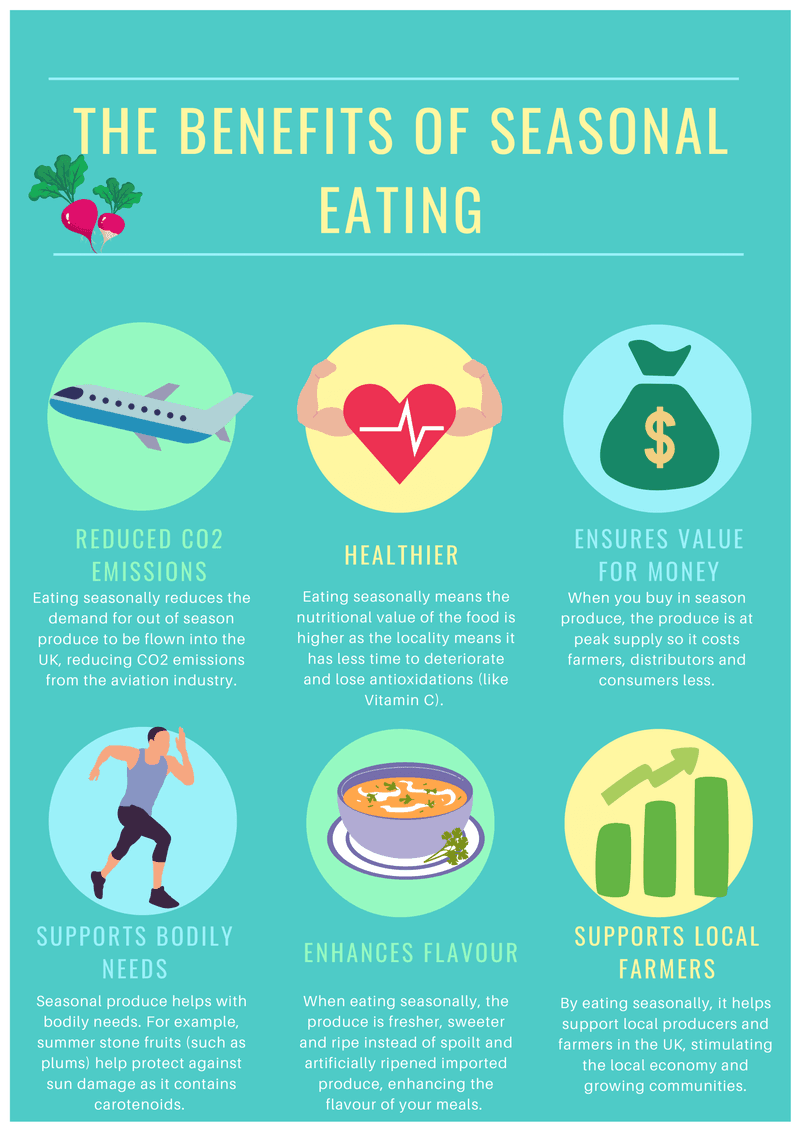
Strawberries in December and asparagus in October come with a premium price tag because they are out of season and have to be shipped from far away. Buying produce out of season can cost two to four times what you would pay during peak growing months.
Learning which fruits and vegetables are in season near you helps you plan meals around cheaper, fresher options. Frozen versions of out-of-season produce are nutritionally similar and significantly more affordable, making them a smart swap for most recipes.
15. Grabbing Items at Eye Level Without Looking Around

Grocery stores are designed with strategy. The most profitable items, often name brands with higher prices, are placed right at eye level so you grab them without thinking.
Cheaper alternatives are typically stocked on the lower or upper shelves.
Next time you reach for something, pause and look up and down the shelves. You might find a nearly identical product at a noticeably lower price just one shelf away.
This one small habit change can quietly save you money on every single shopping trip.
16. Not Meal Planning Before Shopping
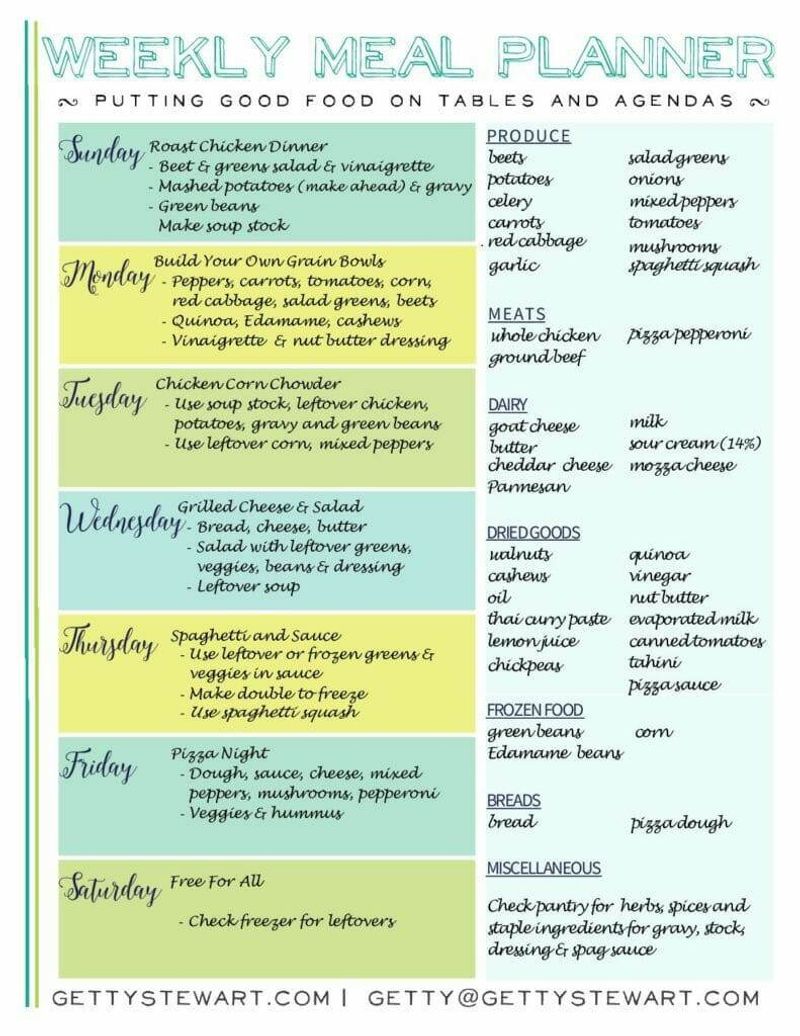
Showing up at the store without a meal plan means you buy random ingredients that may never come together into an actual meal. You end up with half-used jars, random proteins, and missing pieces that lead to more trips and more spending.
Spending 10 to 15 minutes on the weekend planning your meals for the week saves both time and money. When you know exactly what you are cooking, you buy only what you need, and food waste drops dramatically.
Meal planning is one of the most powerful budget tools available.
17. Buying Bottled Water Instead of Filtering Tap Water

Buying case after case of bottled water is one of the most quietly expensive grocery habits out there. Americans spend billions on bottled water every year, even though tap water in most areas is safe, tested, and nearly free.
A simple pitcher filter like a Brita costs around 20 to 30 dollars and filters hundreds of gallons of water before needing a replacement. Switching from bottled to filtered tap water can save a family of four over 500 dollars a year with almost zero lifestyle change.
18. Ignoring Expiration Dates When Stocking Up
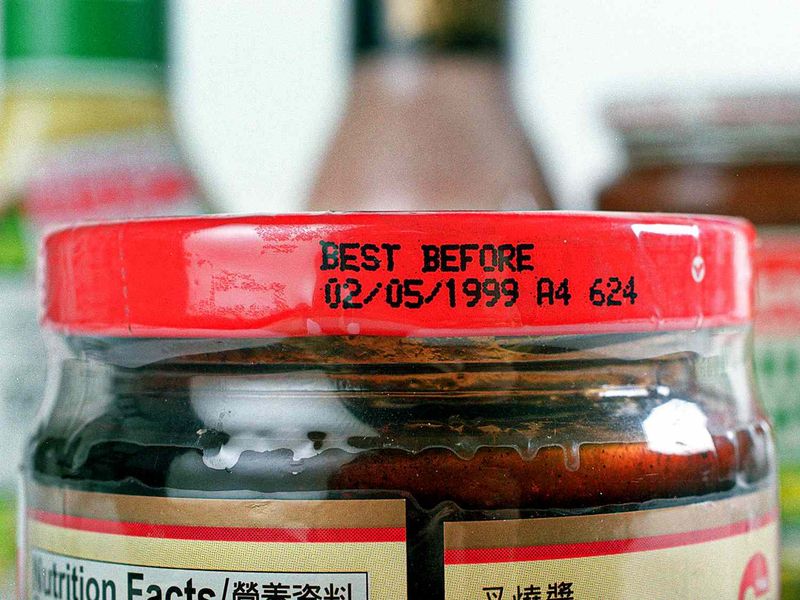
Stocking up on a great sale feels smart until you realize the items expire before you can use them. Buying 10 yogurts because they were cheap does not save money if six of them go bad in the back of the fridge.
Always check expiration dates before loading up on perishables. Match the quantity you buy to how fast your household actually uses that item.
A deal is only a deal if you use the product. Otherwise, you are just paying to eventually throw it away.
19. Shopping Too Frequently Without a Plan

Popping into the grocery store three or four times a week might feel harmless, but each trip is an opportunity to spend more than you intended. The more often you visit, the more chances there are for impulse buys to creep into your budget.
Consolidating your shopping into one or two planned trips per week keeps you more focused and disciplined. You spend less time in the store, make fewer unplanned grabs, and stick closer to your budget.
Fewer trips almost always means a lower monthly grocery total.
20. Using a Large Cart When You Only Need a Few Items

Cart size actually influences how much you buy. Studies from marketing researchers found that shoppers with larger carts purchase significantly more items, often filling the extra space without even noticing they are doing it.
If you are running in for five or six items, grab a hand basket instead of a full cart. The physical limit of what you can carry keeps your shopping focused and your total lower.
Small choices like this one quietly add up to real savings over time.
21. Skipping the Freezer Aisle for Protein Savings

Fresh meat and seafood are usually the most expensive items in any grocery cart. What many shoppers do not realize is that frozen proteins are just as nutritious and often cost significantly less per pound than their fresh counterparts.
Frozen chicken breasts, salmon fillets, and shrimp are flash-frozen right after harvest, locking in nutrients just as well as fresh options. Buying frozen protein and thawing it as needed can cut your meat spending by 30 percent or more without any noticeable difference in taste or quality.




Comments
No Comments