













Fresh sage is one of those herbs that most people only think about during the holidays, but it deserves a spot in your kitchen all year long. With its earthy, slightly peppery flavor and amazing aroma, sage can do a lot more than just season a turkey.
From beauty routines to home remedies, this humble herb is surprisingly versatile. Get ready to discover creative ways to put that fresh sage to good use before it wilts away.
1. Brown Butter Sage Sauce for Pasta

Browning butter with fresh sage leaves is one of the simplest kitchen tricks that tastes incredibly fancy. The butter turns golden and nutty while the sage gets crispy and fragrant, creating a sauce that clings beautifully to any pasta shape.
Just melt butter over medium heat, add whole sage leaves, and cook until everything smells amazing. Toss with cooked pasta and a handful of parmesan.
You will be shocked how something so simple feels so restaurant-worthy.
2. Sage-Infused Honey
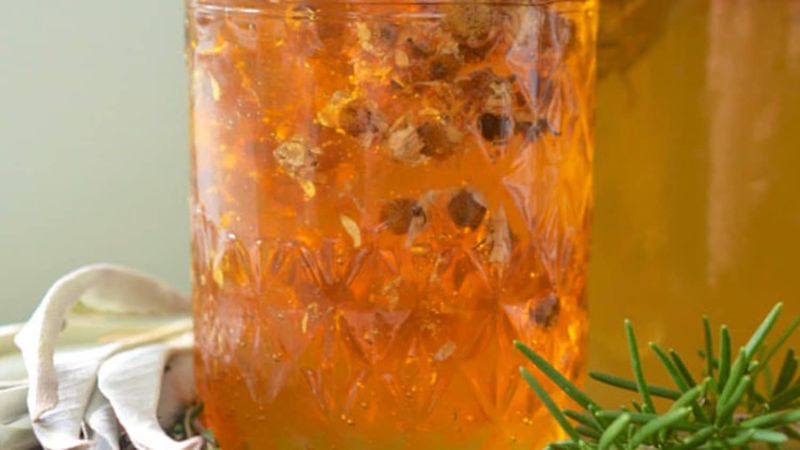
Drizzling plain honey on things is fine, but sage-infused honey? That is a whole different level of delicious.
Warm honey gently with fresh sage leaves for about 15 minutes on low heat, then strain and store in a jar.
The result is a floral, earthy sweetness that pairs beautifully with cheese boards, tea, roasted vegetables, and even pizza. It also makes a thoughtful homemade gift that looks impressive but takes almost no effort to prepare.
3. Sage Tea for Sore Throats

Long before modern medicine, people relied on sage tea to soothe sore throats and calm coughs. Steep a small handful of fresh sage leaves in hot water for about 10 minutes, then strain and add honey and lemon to taste.
Sage contains natural compounds that have antibacterial and anti-inflammatory properties, making this tea genuinely helpful when you are feeling under the weather. Sip it slowly and let the warmth do its work.
4. Sage Butter for Roasted Vegetables

Roasted vegetables are already great, but tossing them in sage butter before they hit the oven makes them absolutely irresistible. Soften butter, mix in finely chopped fresh sage, salt, and garlic, then coat your vegetables generously before roasting.
Carrots, squash, potatoes, and Brussels sprouts work especially well with this treatment. The butter caramelizes in the oven and the sage adds a savory depth that makes even picky eaters go back for seconds without any persuasion needed.
5. Homemade Sage Salt
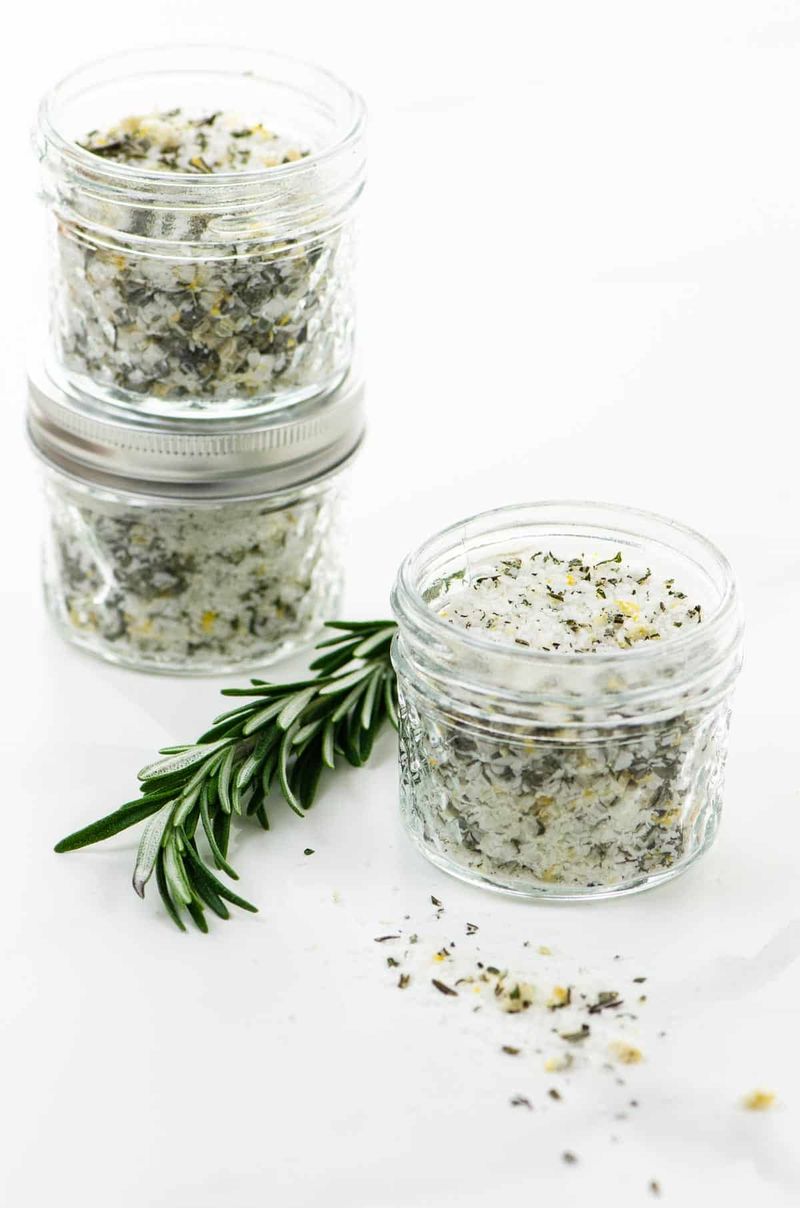
Sage salt sounds fancy, but it is incredibly easy to make at home. Blend fresh sage leaves with coarse sea salt in a food processor until the mixture turns pale green and fragrant, then spread it out to dry for a day or two.
Once dry, store it in a small jar and use it to season meats, eggs, popcorn, or roasted nuts. It also makes a charming little homemade gift tucked into a pretty jar with a ribbon.
6. Sage Lemonade

Sage lemonade sounds unusual, but one sip will completely change your mind about this herb. Make a simple sage syrup by simmering water, sugar, and fresh sage leaves together, then cool and mix with freshly squeezed lemon juice and cold water.
The result is a refreshing drink with a sophisticated herbal twist that feels perfect for warm afternoons. Serve it over ice with a fresh sage sprig and a lemon slice for an impressive presentation.
7. Crispy Fried Sage Leaf Garnish
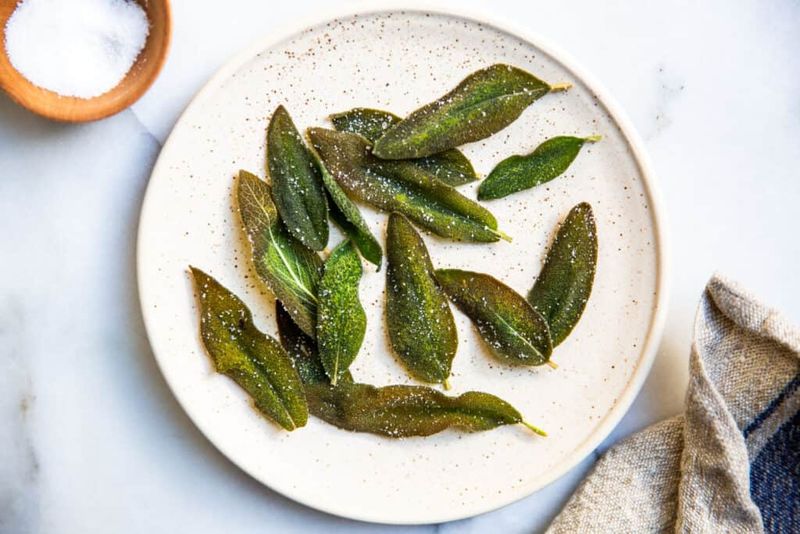
Crispy fried sage leaves are one of those tiny upgrades that make any dish look and taste more impressive. Heat a thin layer of olive oil in a pan, drop in whole fresh sage leaves, and fry for just 30 to 60 seconds until crisp.
Drain them on a paper towel and sprinkle with a pinch of flaky salt. Use them to top soups, risottos, omelets, or even pizza.
They add a satisfying crunch and bold flavor in every bite.
8. Sage Facial Steam for Clear Skin

Here is a skincare trick that costs almost nothing: a sage facial steam. Boil water, pour it into a large bowl, toss in a generous handful of fresh sage leaves, and let the steam rise for a minute before leaning over it with a towel over your head.
The steam opens pores while sage's natural antibacterial properties help fight breakouts. Stay for about five minutes, then rinse with cool water.
Your skin will feel noticeably cleaner and refreshed right after.
9. Sage and White Bean Soup

White beans and sage are a classic Italian pairing for good reason - they were simply made for each other. Saute onion and garlic in olive oil, add canned white beans and broth, then stir in plenty of chopped fresh sage and simmer for 20 minutes.
Blend part of the soup for a creamy texture, then season generously with salt and pepper. It is hearty, warming, and budget-friendly.
A drizzle of good olive oil on top finishes it perfectly.
10. Sage-Scented Drawer Sachets
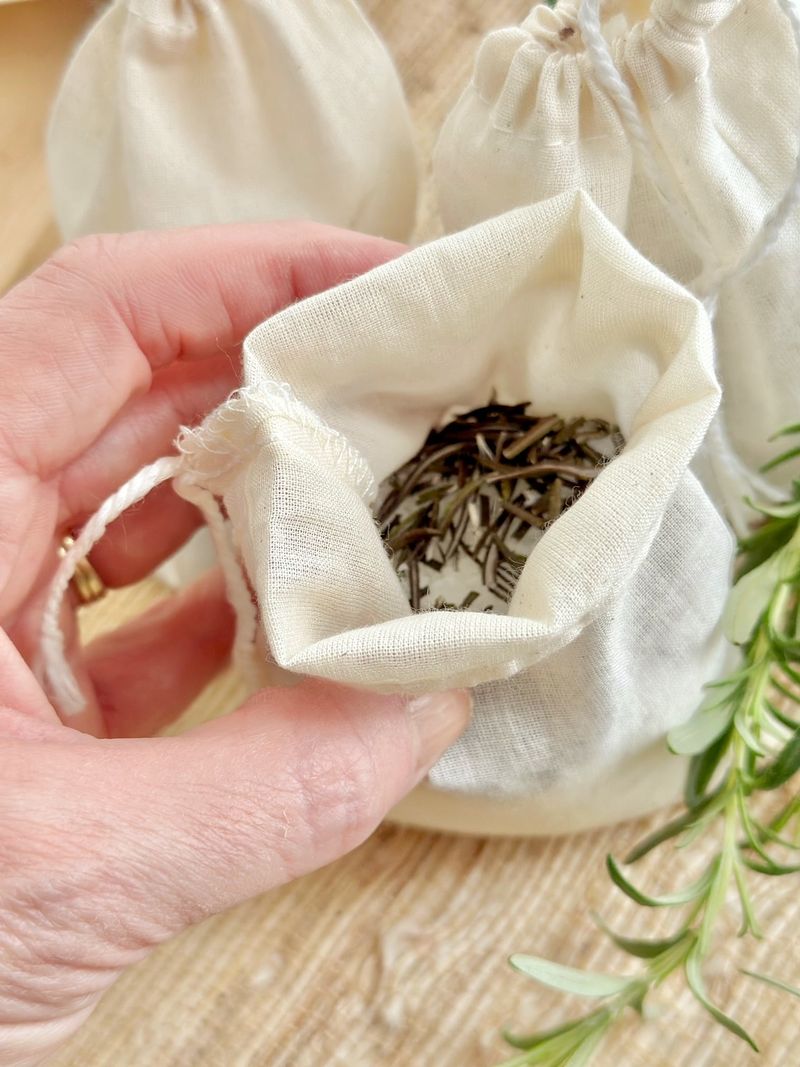
Fresh sage dried and bundled into small fabric sachets works beautifully as a natural drawer freshener. Unlike artificial air fresheners, sage has a clean, earthy scent that is not overwhelming and can even help repel certain insects naturally.
Simply dry your sage leaves, fill small cloth pouches, and tuck them into drawers, closets, or even shoes. Replace every few months when the scent fades.
It is a zero-waste alternative to synthetic fresheners and smells genuinely wonderful without any chemicals involved.
11. Sage Compound Butter for Steak

Steak night gets a serious upgrade when you have sage compound butter waiting in the fridge. Soften butter and mix in finely minced fresh sage, garlic, a squeeze of lemon juice, and a pinch of salt, then roll it into a log using plastic wrap and chill until firm.
Slice a coin off the top and place it on your hot steak right before serving. As it melts, it creates a rich, herby sauce that makes the whole plate extraordinary.
12. Fresh Sage as a Natural Mouth Rinse

Sage has been used as a natural oral care remedy for centuries, and science actually backs this up. Steep fresh sage leaves in boiling water, let it cool completely, then use it as a mouth rinse after brushing your teeth.
Compounds in sage called thujone and camphor have been shown to help fight bacteria that cause bad breath and gum irritation. It will not replace your dentist, but as a daily rinse it is a refreshing, chemical-free addition to your oral hygiene routine.
13. Sage Focaccia Bread
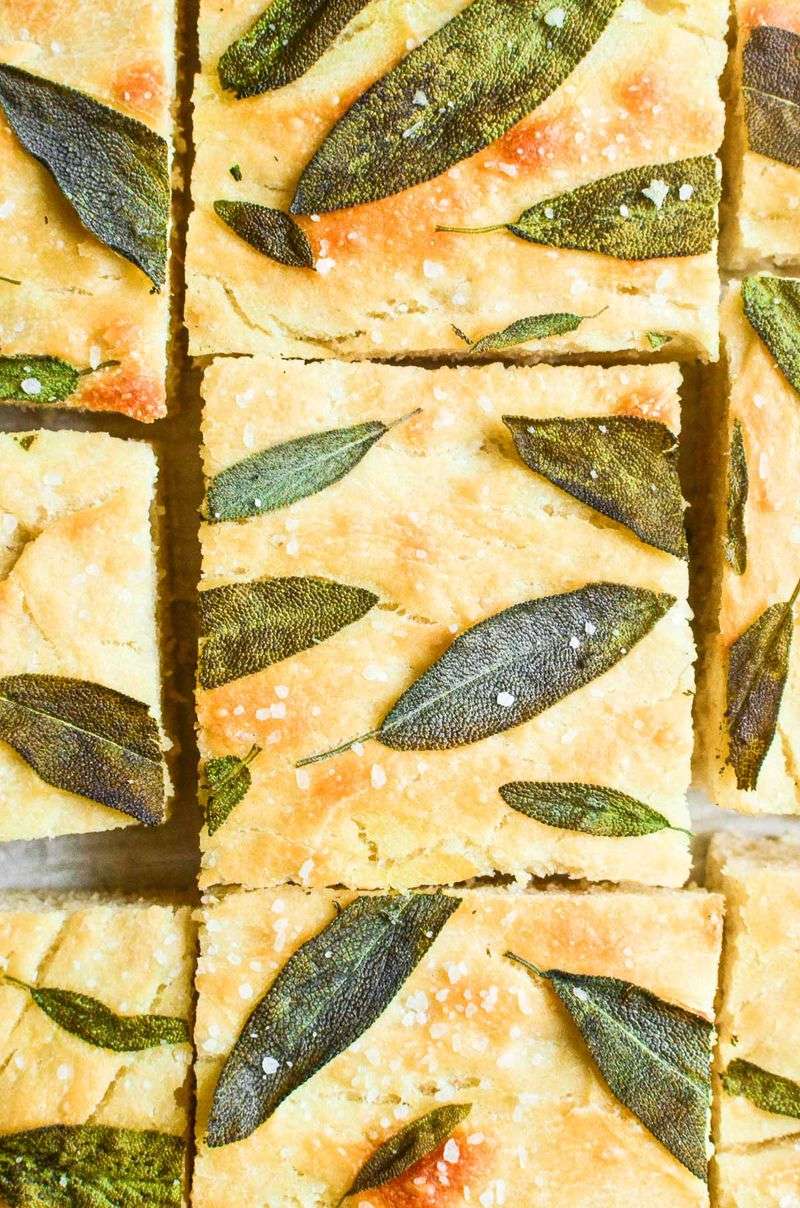
Focaccia is already one of the most satisfying breads to bake at home, and pressing whole fresh sage leaves into the dough before baking takes it to another level entirely. The leaves get slightly crispy on top while infusing the bread with their earthy flavor.
Drizzle generously with olive oil and sprinkle with flaky sea salt before it goes into the oven. Serve it warm alongside soups, salads, or just on its own.
Every bite is genuinely hard to resist.
14. Sage Smudge Stick for Your Home
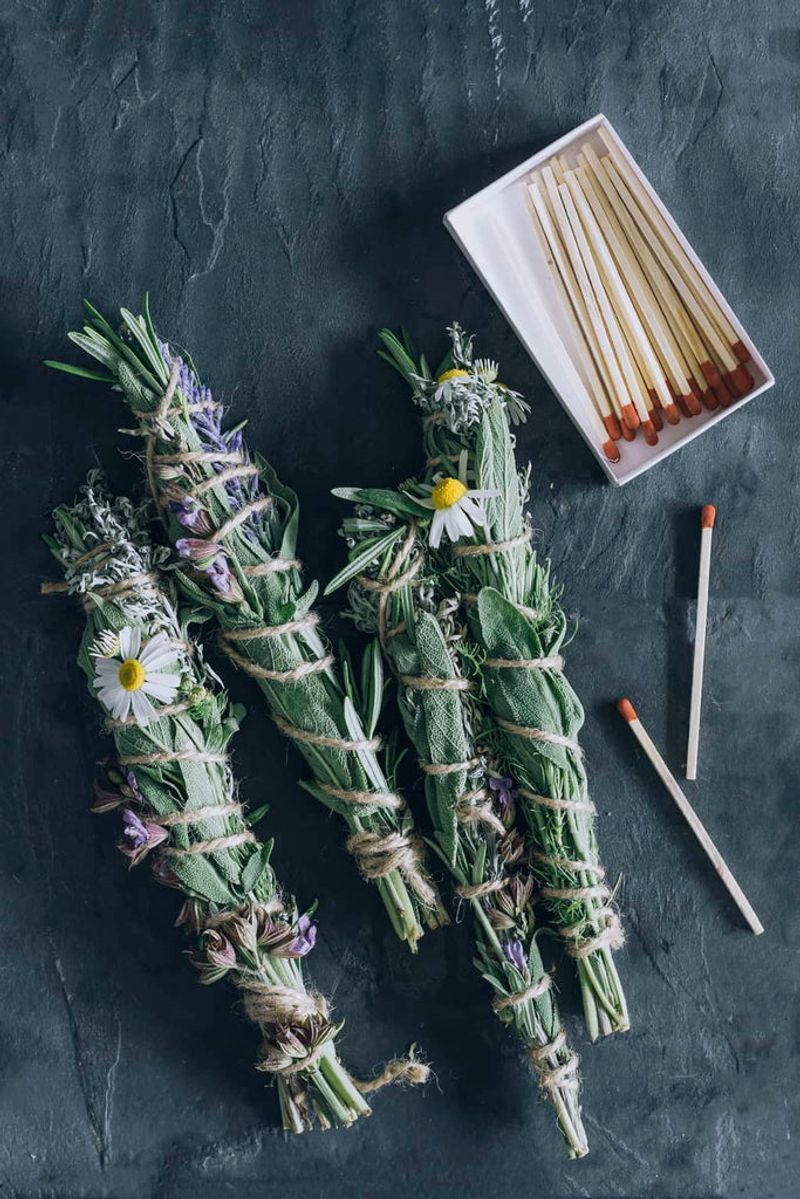
Making your own sage smudge stick is a satisfying little project that uses up a big bunch of fresh sage beautifully. Bundle the stems tightly together, wrap them firmly with natural twine from bottom to top and back again, then hang them upside down to dry for about two weeks.
Once dry, light the tip and gently blow it out so it smolders. Many people use smudge sticks to clear the air and create a calming atmosphere at home.
15. Sage in Homemade Pizza Sauce

Most pizza sauces stick to oregano and basil, but adding fresh sage creates a surprisingly complex and savory flavor that stands out in the best way. Blend sage into your tomato sauce while cooking, or scatter whole leaves across the pizza before baking.
The sage mellows as it cooks and adds a slightly smoky, herbal note that pairs especially well with mozzarella, caramelized onions, or sausage toppings. Try it once and you might never go back to plain tomato sauce again.
16. Sage Vinegar for Salad Dressings
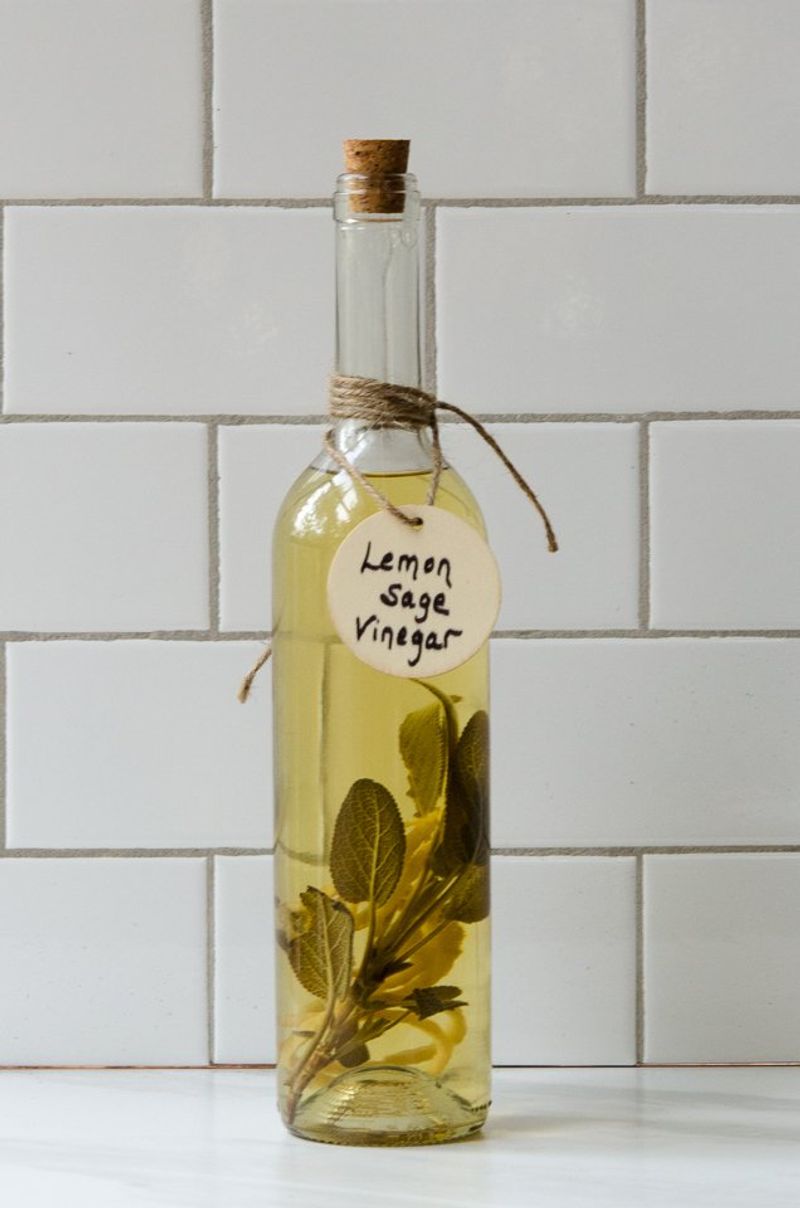
Infusing vinegar with fresh sage is an old-fashioned pantry trick that produces something genuinely special for salad dressings and marinades. Pack a clean glass jar with fresh sage leaves, pour in white wine vinegar or apple cider vinegar, seal it, and wait about two weeks.
The vinegar absorbs the herb's earthy, slightly floral flavor and turns a lovely golden color. Use it in vinaigrettes, drizzle it on roasted vegetables, or add a splash to braised meats for extra depth.
17. Sage Scrambled Eggs

Scrambled eggs are a breakfast staple, but tossing in freshly chopped sage right before the eggs finish cooking turns a boring morning routine into something worth waking up for. The sage wilts gently into the eggs and adds a warm, savory flavor that is hard to place but impossible to ignore.
Pair with buttered toast and a crack of black pepper for a complete meal. It is the kind of simple upgrade that makes you wonder why you never tried it sooner.
18. Sage Hair Rinse for Scalp Health

Fresh sage has a long history as a natural remedy for scalp issues, including dandruff and oiliness. Boil a large handful of sage leaves in water for 10 minutes, strain, and let it cool to room temperature before using it as a final rinse after shampooing.
Massage it gently into your scalp and let it sit for a minute or two before rinsing out. Regular use may help balance oil production and leave your hair smelling fresh and clean naturally.




Comments
No Comments