













Have you ever wondered why a pretzel is twisted or why spaghetti is long and thin? Food shapes are not just about looks — many of them were carefully designed to solve real problems in cooking, eating, or storing food.
From ancient bread loaves to modern pasta, the shape of food often tells a fascinating story. Get ready to look at your favorite snacks and meals in a whole new way.
1. Pretzel Twist
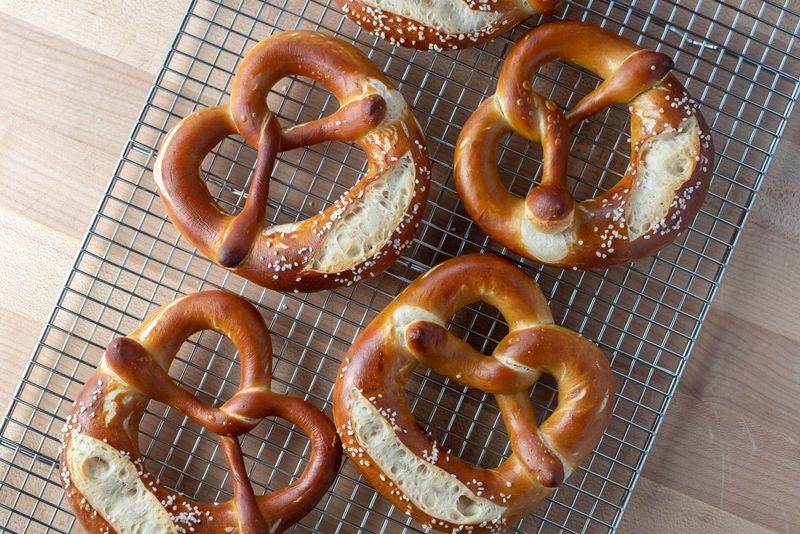
Long before soft pretzels became a ballpark snack, monks in medieval Europe reportedly baked them as rewards for children who memorized prayers. The crossed arms shape was meant to mimic a child folding their arms in prayer.
But the twist also serves a very practical purpose — it creates an even surface area that bakes uniformly. No part gets too thick or too thin, so every bite is perfectly crispy on the outside and chewy inside.
2. Hollow Pasta (Penne and Rigatoni)
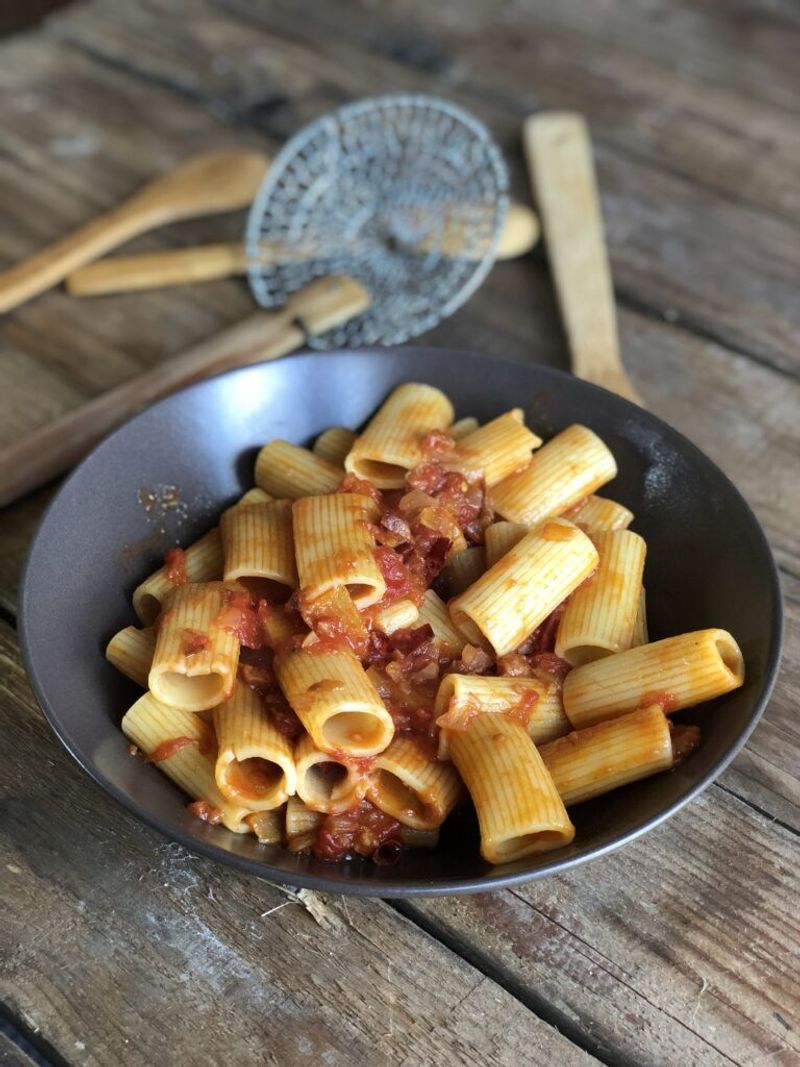
Penne and rigatoni are not hollow just to look cool — the tube shape has a genius purpose. Sauce gets trapped inside the pasta as well as outside, meaning every forkful is loaded with flavor from all directions.
The ridges on the outside of rigatoni make the effect even stronger by gripping chunky sauces. Italian pasta makers figured out centuries ago that shape directly controls how much sauce sticks, turning dinner into a much tastier experience.
3. Bagel Ring
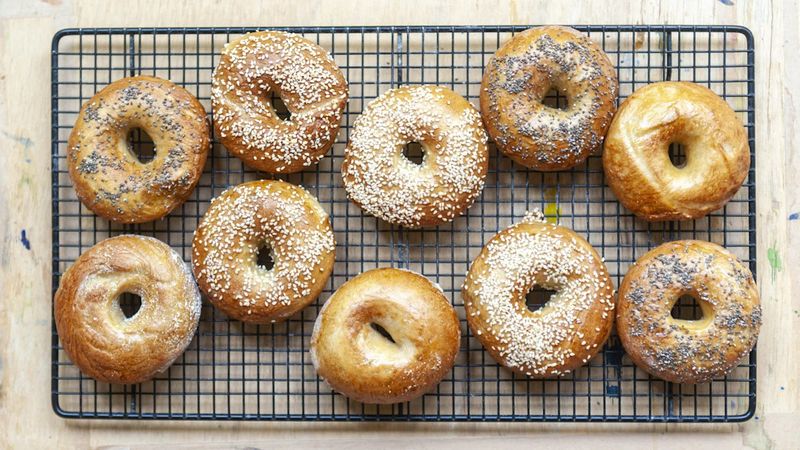
Street vendors in New York City once threaded bagels onto wooden dowels or their arms to carry and sell dozens at once — the hole made that possible. Without it, stacking and transporting bagels would have been a real mess.
The ring shape also helps the bagel cook evenly, since the dough has no thick center to worry about. That means a perfectly chewy texture all the way through, which bagel lovers have been obsessing over for generations.
4. Crinkle-Cut French Fries
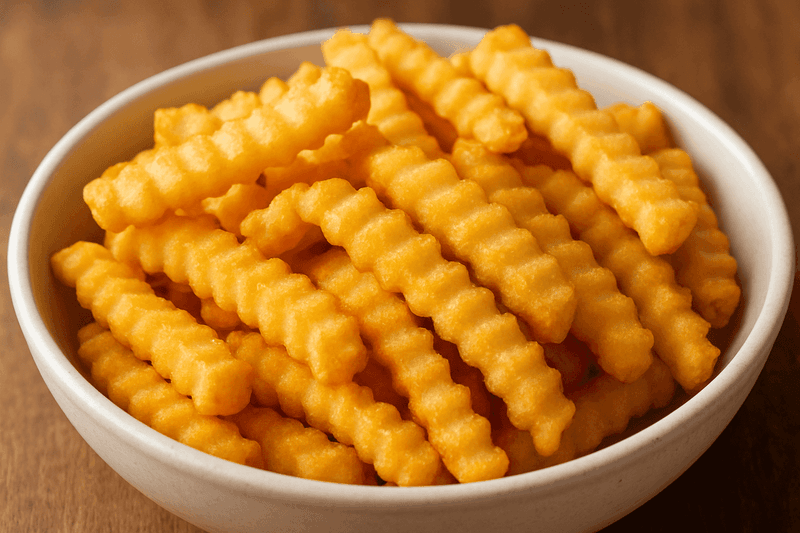
Crinkle-cut fries are not just a fun shape — those wavy ridges dramatically increase the surface area of each fry. More surface area means more contact with hot oil, which results in a crispier exterior compared to a flat-cut fry.
The ridges also act as tiny channels that hold ketchup and dipping sauces better than smooth fries. So every dip gives you a bigger, saucier bite.
That wavy blade in the kitchen was not an accident — it was a flavor upgrade.
5. Spaghetti Long Strands
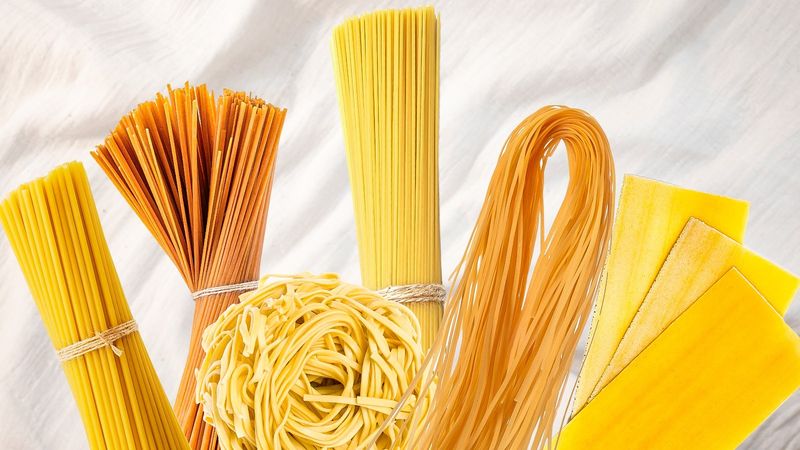
Spaghetti's long, thin shape is a direct result of how it was traditionally made — dough was rolled and stretched by hand, then hung over wooden rods to dry evenly. The length helped the pasta dry without breaking or clumping together.
That thin diameter also means spaghetti cooks fast and coats beautifully with light, oil-based sauces. Thicker pasta would weigh down those delicate sauces.
The shape was essentially engineered by generations of Italian home cooks long before food science had a name.
6. Oreo Cookie Waffle Pattern
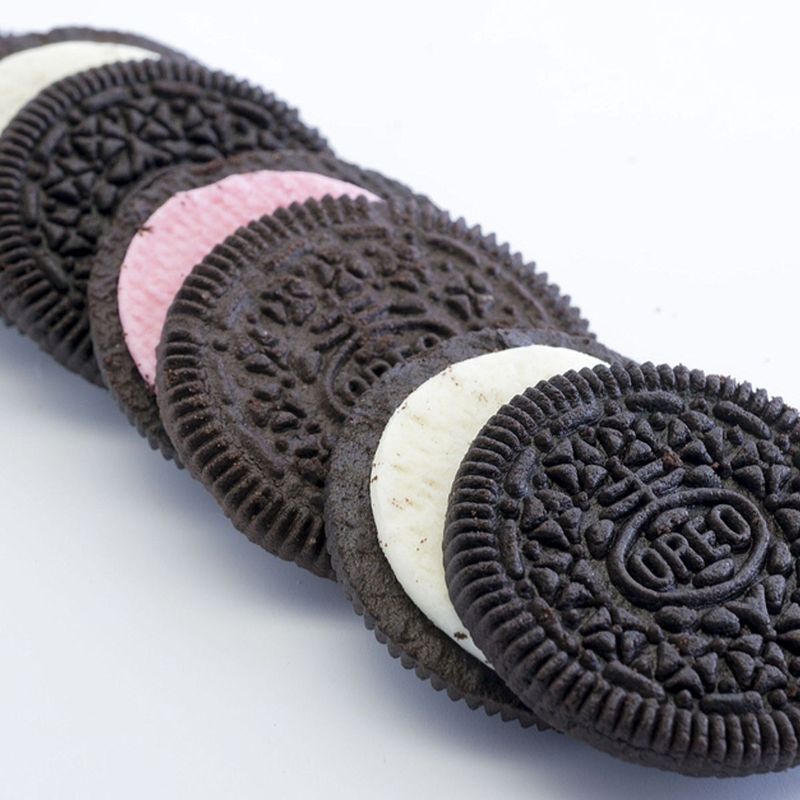
Look closely at an Oreo cookie and you will notice an elaborate embossed pattern on each chocolate wafer. That design is not purely decorative — the raised ridges add structural strength to the thin, crispy cookie so it does not crack during packaging or shipping.
The pattern also increases the surface area touching the cream filling, which helps the two pieces stay bonded together. Nabisco engineers spent serious time on that design, and millions of twist-and-lick fans are quietly grateful every single day.
7. Farfalle Bow-Tie Pasta
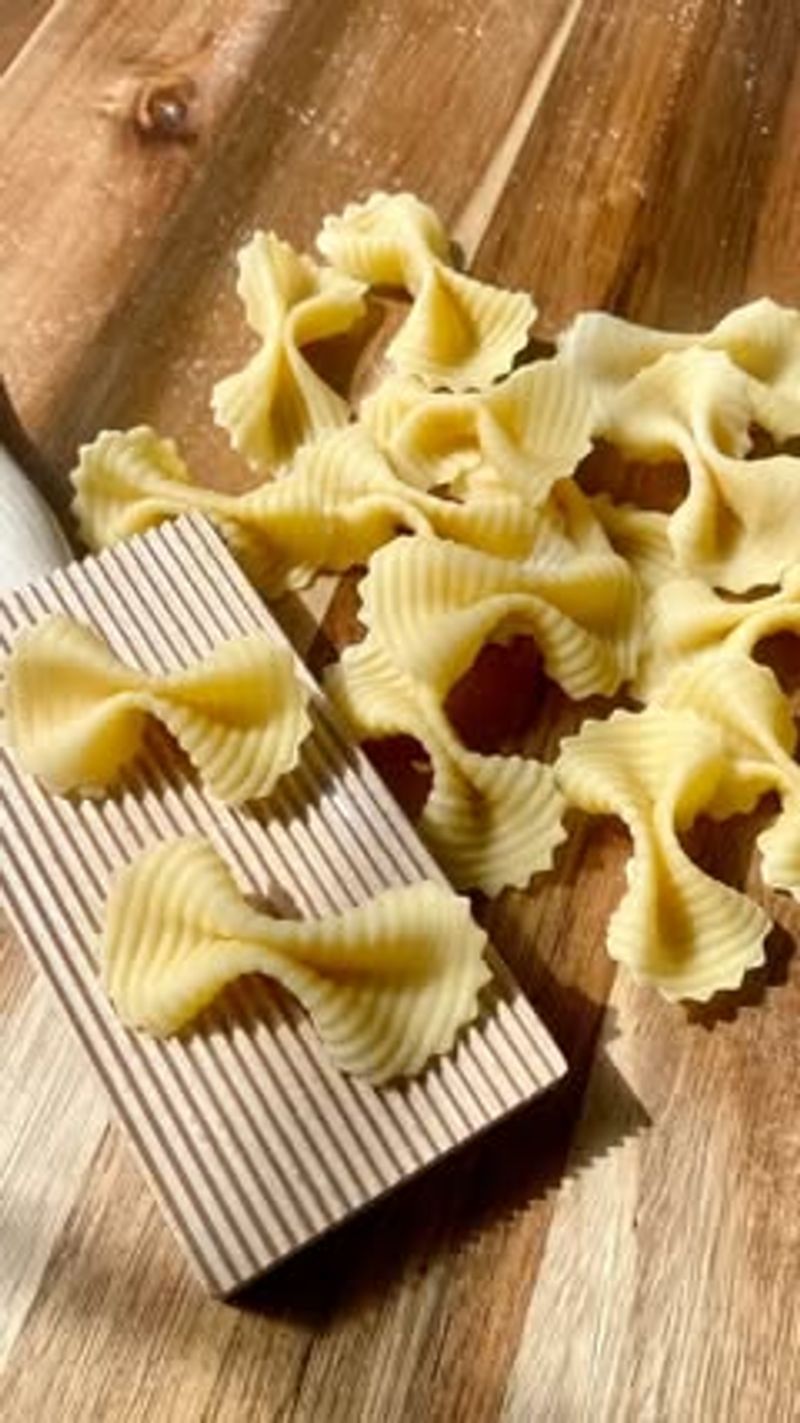
Farfalle, which means butterflies in Italian, looks like a charming fashion choice — but pinching the center of the pasta sheet actually solves a real cooking problem. The pinched middle creates a thicker section that takes longer to cook, while the thinner wings cook faster.
This creates a single piece of pasta with two different textures — slightly chewy in the center and tender at the edges. That contrast makes every bite more interesting, and it pairs especially well with creamy or chunky sauces that fill the ruffled edges.
8. Triangular Sandwich Cut
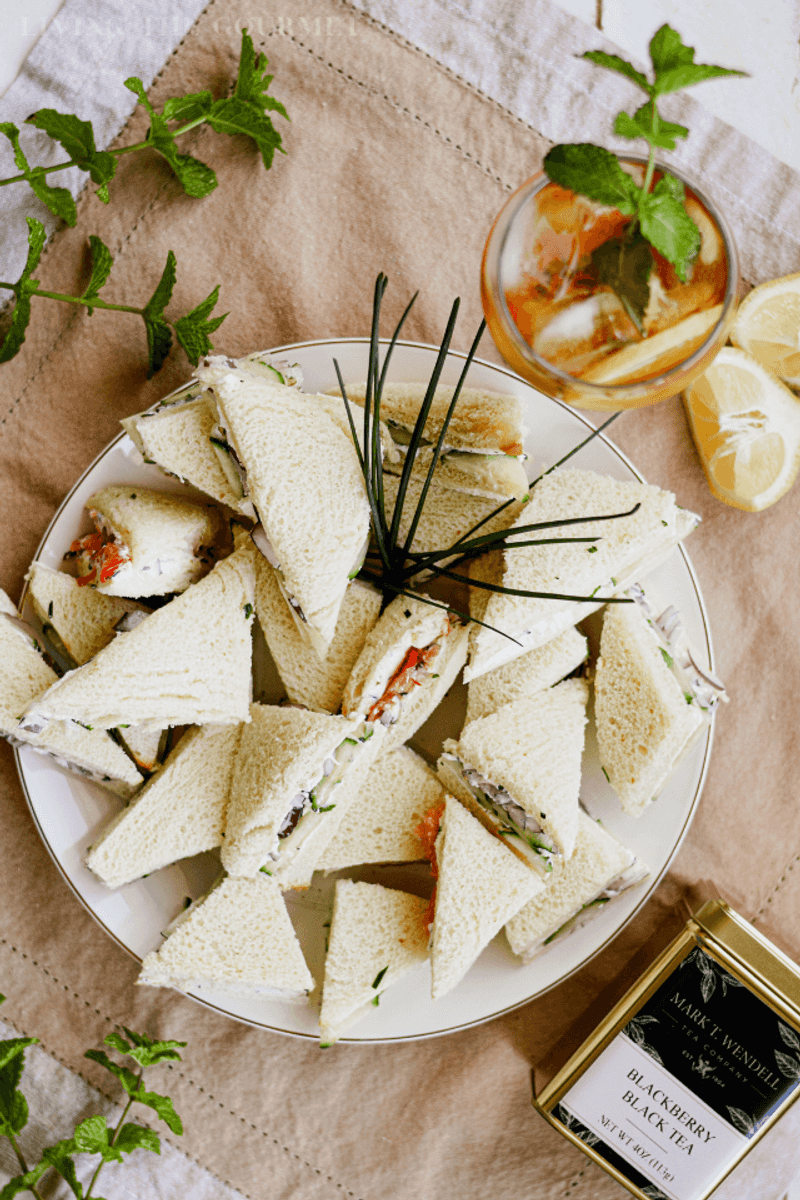
Cutting a sandwich diagonally into triangles instead of straight across is not just an aesthetic choice — it genuinely changes the eating experience. The diagonal cut exposes more of the filling along the edge, giving you more flavor in every bite right from the start.
Triangles are also easier to hold at the pointed tip, letting you guide each bite precisely without squishing the filling out the other end. Sandwich shops figured this out ages ago, and home cooks who switched never looked back.
9. Kidney Beans Shape
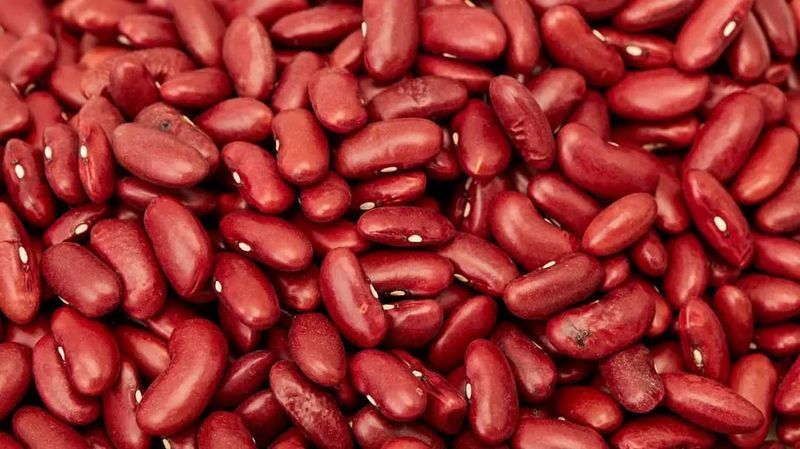
Kidney beans earned their name because they look almost exactly like the human kidney — but that curved, compact shape is actually nature's smart design for the seed. The curved form allows the bean to pack tightly inside its pod, maximizing the number of seeds per plant.
That dense, curved shape also means kidney beans hold their structure during long cooking times better than rounder beans. They stay firm in chili and stews without turning mushy, making them a reliable kitchen staple across many different cuisines.
10. Cone-Shaped Ice Cream Waffle Cone
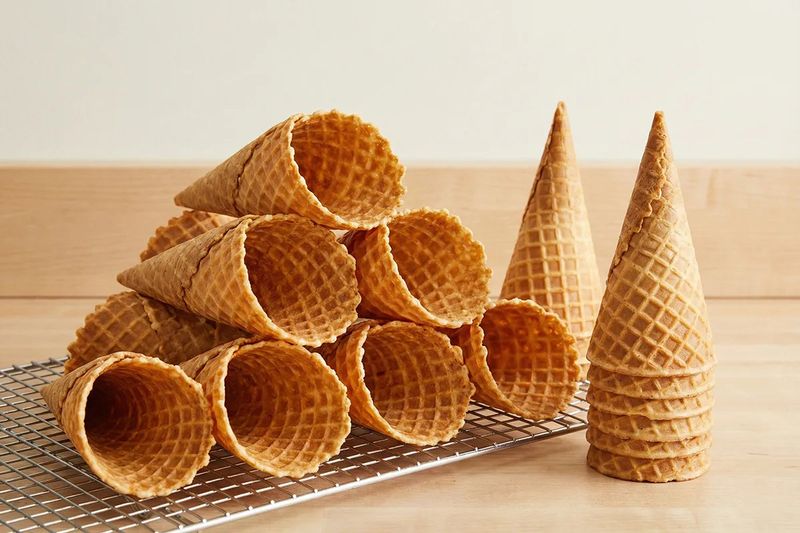
The waffle cone was reportedly invented at the 1904 World's Fair when an ice cream vendor ran out of dishes and a nearby waffle seller rolled his waffles into cones as a solution. That cone shape turned out to be brilliantly practical.
The pointed bottom prevents the cone from rolling off tables, and the wide opening at the top gives plenty of room for scooping. The cone itself is also edible, eliminating the need for a bowl or spoon entirely — a genius zero-waste design that has lasted over a century.
11. Fusilli Corkscrew Pasta
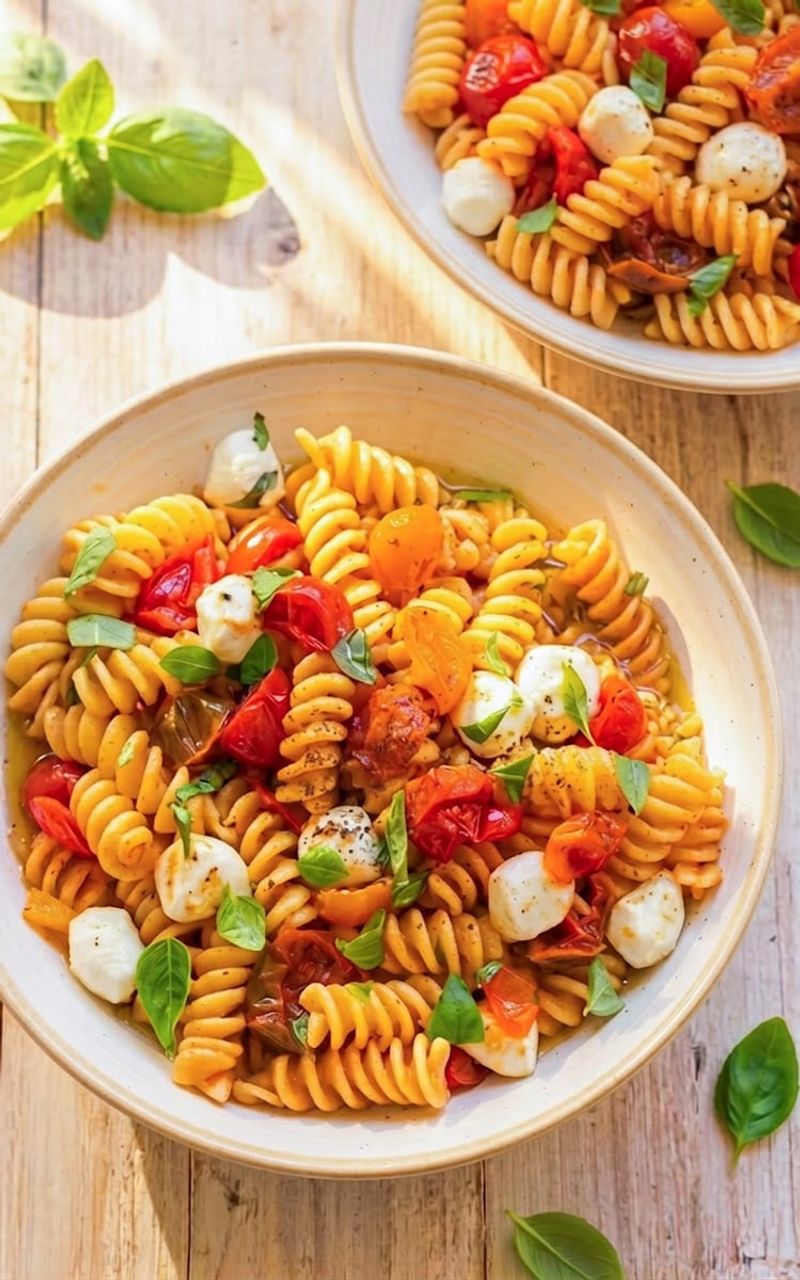
Fusilli's tight spiral shape is a masterclass in sauce-grabbing engineering. Each twist of the corkscrew traps small bits of meat, vegetables, and sauce inside the coils, so the pasta and the toppings never separate on the fork.
Traditionally, fusilli was made by rolling strips of dough around a thin rod — the spinning motion created the spiral shape naturally. Today, machines replicate that same motion at scale.
The result is a pasta shape that works like a tiny flavor-collecting spring with every single bite.
12. Baguette Long Thin Loaf
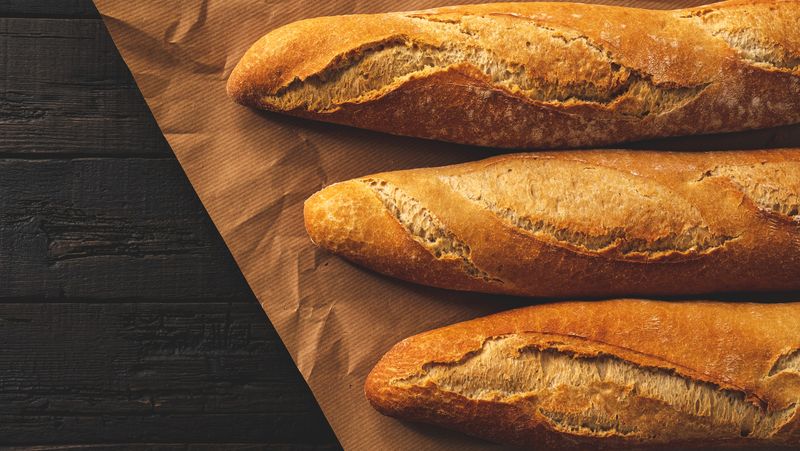
France has strict laws about what counts as a true baguette, including its weight and length — and those rules exist for very practical reasons. The long, thin shape gives the bread a high ratio of crust to soft interior, which is exactly what French bakers and bread lovers want.
More crust means more of that chewy, caramelized flavor that makes baguettes so satisfying. The diagonal scores on top are not decorative — they control where the bread expands during baking, preventing random cracking and giving each loaf its signature look.
13. Pringles Saddle Shape (Hyperbolic Paraboloid)
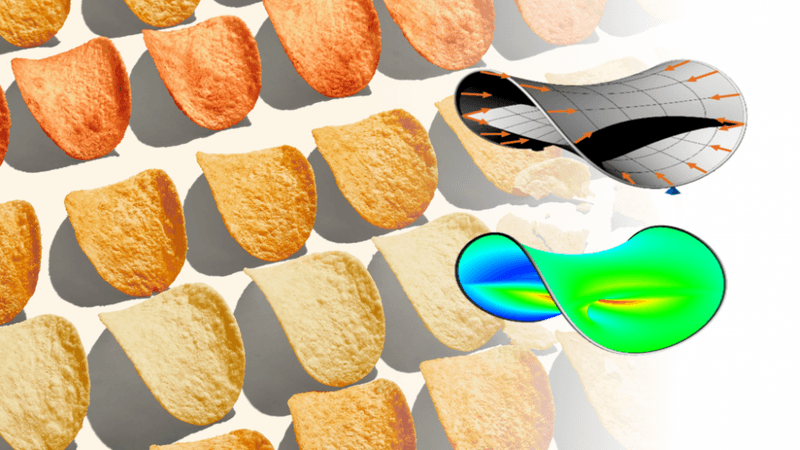
Pringles chips are shaped like a mathematical surface called a hyperbolic paraboloid — basically a saddle shape — and it was not chosen randomly. That curve allows the chips to stack perfectly on top of each other without breaking, making the iconic cylindrical can possible.
The uniform shape also means every chip fries evenly, with no thin edges burning before the center is done. Procter and Gamble engineers actually used a computer model to develop that shape in the 1960s, making Pringles one of the first scientifically engineered snack foods.
14. Gummy Bear Shape

Hans Riegel, a German candy maker, invented gummy bears in the 1920s, and he chose a bear shape because dancing bears were a popular attraction at European street fairs at the time. The chunky, rounded shape was also very deliberate from a manufacturing standpoint.
Thick, rounded molds fill evenly with the gelatin mixture without air pockets, and they release cleanly from the mold once set. The compact bear shape also holds up well during packaging and shipping, arriving at your hands in perfect condition rather than broken pieces.
15. Ritz Cracker Perforated Edges
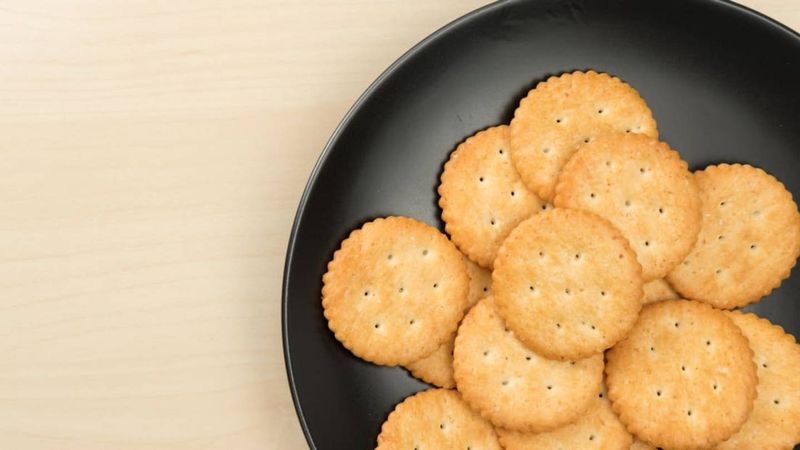
Those tiny holes dotting the surface of a Ritz cracker are called docker holes, and they have a very important job. Without them, steam trapped inside the dough during baking would puff the cracker up into a puffy bubble instead of staying flat and crispy.
The scalloped edge around the outside also helps the cracker break cleanly and evenly rather than crumbling into jagged pieces. Every detail of that small, round cracker was engineered to deliver a consistent, snappable bite — and Nabisco has been quietly perfecting it since 1934.




Comments
No Comments