













Feeling tired or sluggish during the day might have something to do with what you eat. Magnesium is a mineral your body needs to turn food into energy, keep muscles working, and support a healthy nervous system.
Many people don't get enough of it, but the good news is that plenty of tasty, everyday foods are packed with it. Adding more magnesium-rich foods to your meals can make a real difference in how you feel.
1. Dark Chocolate

Yes, chocolate can actually be good for you! Dark chocolate with 70% or more cacao is one of the most surprising sources of magnesium around.
Just one ounce delivers about 64 mg of the mineral.
Beyond magnesium, it also contains antioxidants that support heart health. Choose varieties with less added sugar to get the most benefit.
A small square after lunch is a smart, satisfying way to fuel your afternoon energy.
2. Pumpkin Seeds
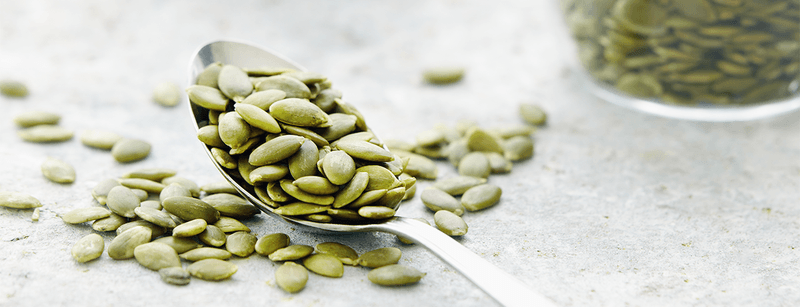
Ounce for ounce, pumpkin seeds are one of the most magnesium-dense snacks you can grab. A single ounce packs nearly 150 mg of magnesium, which is more than a third of what most adults need daily.
They are also rich in zinc, iron, and healthy fats that keep you full between meals. Toss them on salads, mix them into trail mix, or eat them plain.
Their crunchy texture makes snacking feel effortless and energizing.
3. Spinach

Popeye was onto something. Spinach is loaded with magnesium, delivering around 78 mg per cooked half-cup serving.
That makes it one of the easiest ways to boost your intake through everyday meals.
Cooked spinach actually provides more magnesium per bite than raw spinach because the leaves shrink down significantly. Stir it into pasta, blend it into smoothies, or saute it with garlic.
It is mild enough to sneak into almost anything without changing the flavor much.
4. Almonds
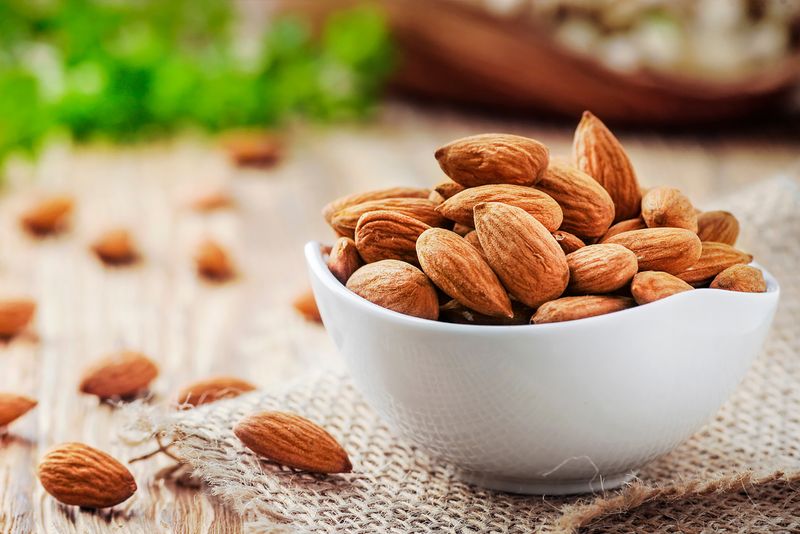
Almonds have earned their reputation as a powerhouse snack. One ounce provides about 76 mg of magnesium along with protein, fiber, and vitamin E that help sustain energy throughout the day.
They are incredibly easy to carry around, making them a go-to option for school lunches, road trips, or afternoon snacking. Roasted, raw, or sliced over oatmeal, almonds fit into nearly every eating style.
Their satisfying crunch also helps curb hunger before it leads to energy crashes.
5. Black Beans
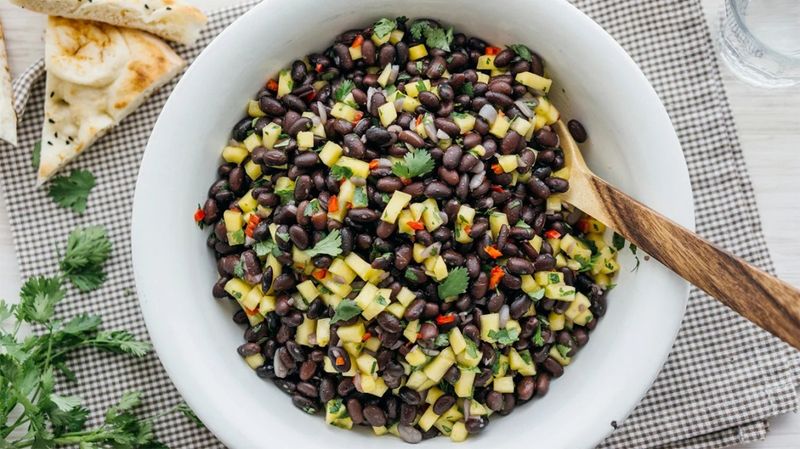
Black beans are a budget-friendly staple that quietly deliver serious nutritional value. A half-cup of cooked black beans contains around 60 mg of magnesium, plus fiber and plant-based protein that keep blood sugar levels stable.
Steady blood sugar means steadier energy, which is exactly what magnesium helps support. Add them to tacos, rice bowls, or soups for an easy upgrade.
They absorb flavors beautifully, so they never feel like a boring health food choice.
6. Avocado
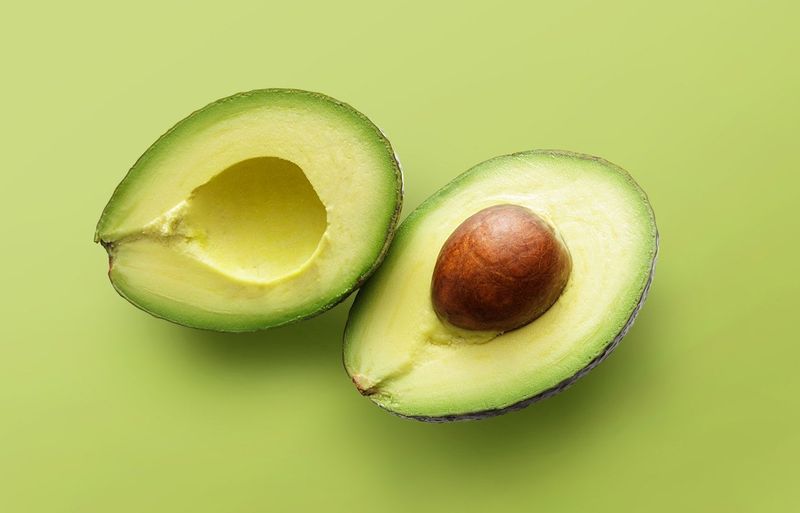
Avocados are creamy, filling, and surprisingly rich in magnesium. One medium avocado contains about 58 mg, along with heart-healthy fats and potassium that work alongside magnesium to keep your body running smoothly.
The healthy fats in avocado also slow digestion slightly, which helps prevent the blood sugar spikes that cause energy slumps. Spread it on toast, slice it into salads, or blend it into a smoothie.
It is one of the most versatile magnesium sources available.
7. Quinoa

Quinoa is technically a seed, but it cooks like a grain and fuels like a champion. One cooked cup provides about 118 mg of magnesium, making it one of the richest plant-based sources on this list.
It is also a complete protein, meaning it contains all nine essential amino acids your body cannot make on its own. That combination of protein and magnesium makes quinoa especially useful for maintaining steady energy during busy school days or active afternoons.
Swap it in for rice anytime.
8. Edamame
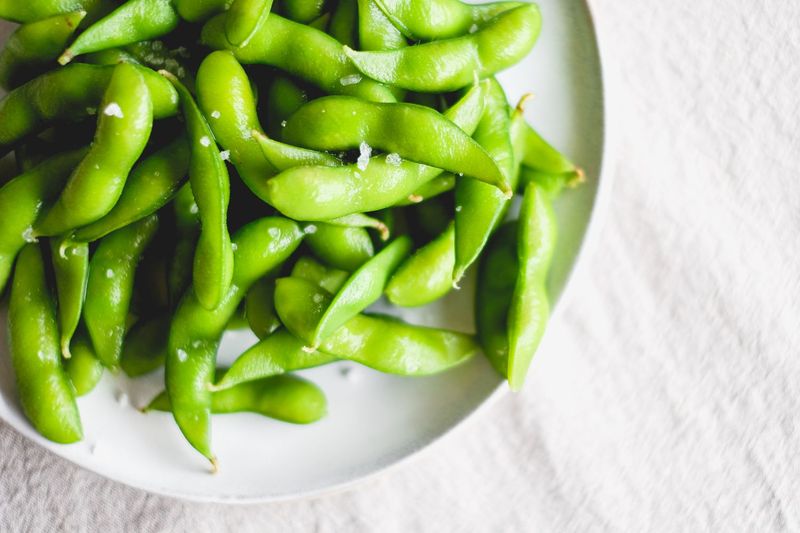
Edamame, those bright green soybeans served at Japanese restaurants, are more than just a fun appetizer. Half a cup of cooked edamame delivers around 50 mg of magnesium along with folate, fiber, and plant protein.
The combination makes it a well-rounded snack that supports lasting energy rather than a quick spike and crash. You can find frozen edamame at most grocery stores and steam it in minutes.
A light sprinkle of sea salt is all it needs to taste fantastic.
9. Tofu
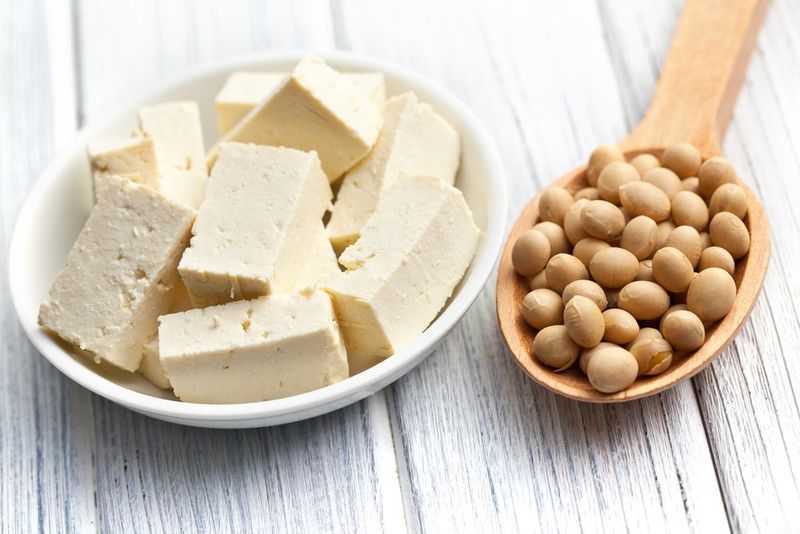
Tofu might not be the first food that comes to mind when thinking about energy, but it is a quiet overachiever. A half-cup serving of firm tofu contains roughly 47 mg of magnesium, and it is also packed with calcium and protein.
What makes tofu especially useful is how well it absorbs marinades and sauces, making it easy to enjoy in stir-fries, grain bowls, or soups. For anyone cutting back on meat, tofu is a reliable, magnesium-rich protein alternative worth keeping in the fridge.
10. Brown Rice
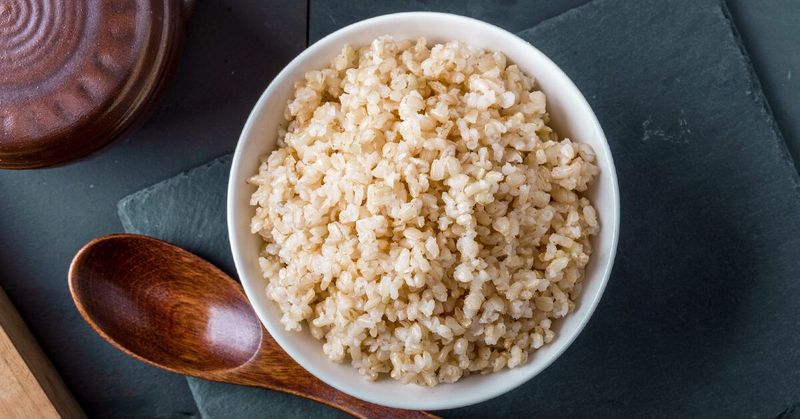
Switching from white rice to brown rice is a simple swap with real payoff. One cooked cup of brown rice contains about 84 mg of magnesium, compared to just 19 mg in the same amount of white rice.
Brown rice also has more fiber, which slows digestion and helps prevent the energy dips that can hit after a carb-heavy meal. It has a slightly nutty flavor that pairs well with almost any dish.
Making the switch is one of the easiest upgrades for a more energizing diet.
11. Cashews

Cashews have a buttery, mild flavor that makes them one of the most enjoyable ways to sneak more magnesium into your day. One ounce delivers around 74 mg, along with copper and healthy unsaturated fats.
Copper plays a role in energy production at the cellular level, so cashews are pulling double duty here. They work beautifully in stir-fries, blended into cashew cream sauces, or simply eaten by the handful.
Keep a small bag at your desk or in your backpack for an easy energy boost.
12. Bananas

Bananas are famous for potassium, but they also bring a decent amount of magnesium to the table. One medium banana contains about 32 mg, along with natural sugars and fiber that provide quick but sustained energy.
Athletes have relied on bananas for decades because they are easy to digest and fast to prepare. No cooking, no prep, just peel and eat.
Pair a banana with a handful of almonds for a snack that combines multiple magnesium sources and keeps you going longer between meals.
13. Salmon
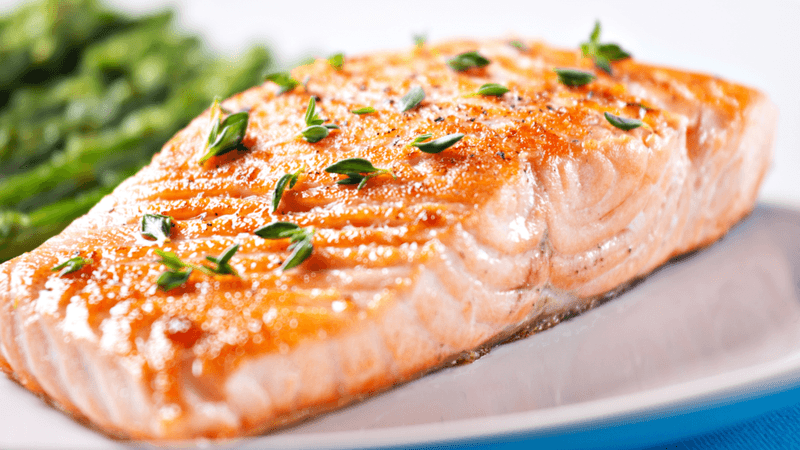
Salmon is widely known for its omega-3 fatty acids, but it also provides a respectable 53 mg of magnesium per three-ounce serving. Those omega-3s work hand in hand with magnesium to reduce inflammation and support brain function.
Better brain function often translates to sharper focus and more consistent mental energy throughout the day. Grilled, baked, or pan-seared, salmon is a satisfying dinner option that does a lot of nutritional heavy lifting.
Aim for two servings per week to feel the difference over time.
14. Kale
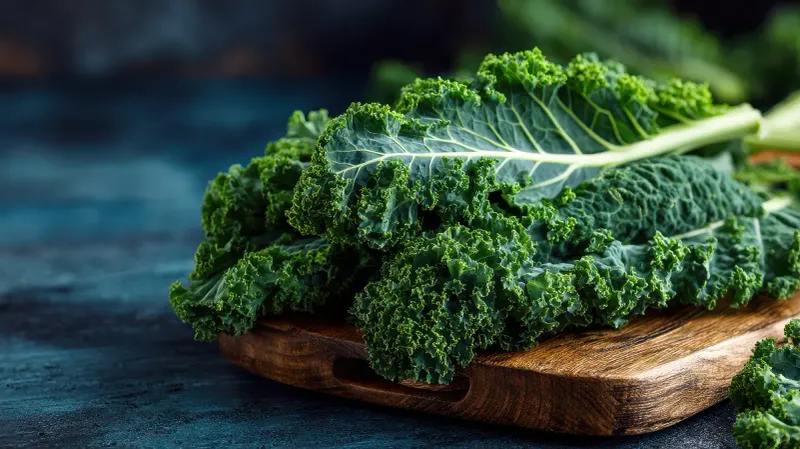
Kale has become a kitchen staple for good reason. One cooked cup provides around 37 mg of magnesium along with vitamins A, C, and K, making it one of the most nutrient-packed greens available in any grocery store.
Unlike some greens that wilt into nothing when cooked, kale holds its structure well in soups and stir-fries. Massage raw kale with a bit of olive oil and lemon juice to soften it for salads.
The slightly bitter flavor mellows out beautifully when paired with sweet or tangy ingredients.
15. Whole Wheat Bread
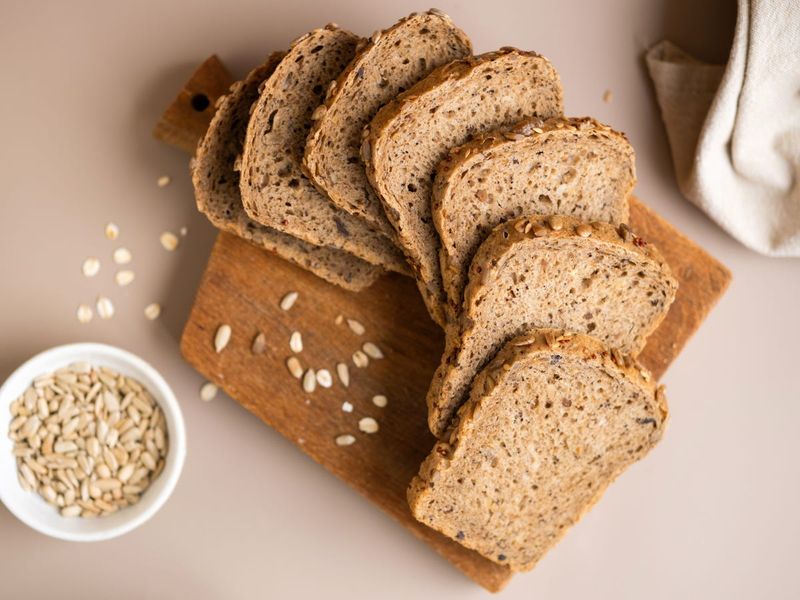
Not all bread is created equal, and whole wheat versions have a clear advantage when it comes to magnesium. Two slices of whole wheat bread deliver about 46 mg, while white bread offers almost none at all.
The bran and germ layers of the wheat kernel, which are removed when making white flour, are where most of the magnesium lives. Choosing whole wheat bread for sandwiches and toast is one of the simplest daily habits that adds up over time.
It tastes hearty and keeps you fuller longer.
16. Lentils
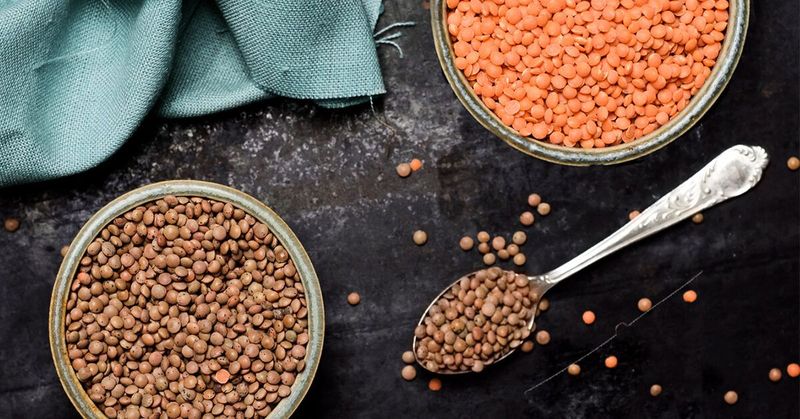
Lentils are one of the most underrated foods in the grocery store. A cooked half-cup serving packs about 36 mg of magnesium along with a hefty dose of iron, folate, and slow-digesting fiber that keeps energy levels stable for hours.
Unlike dried beans, lentils require no soaking and cook in about 20 minutes, making them one of the most convenient legumes to work with on a busy weeknight. Stir them into soups, mix them with rice, or blend them into a thick, warming dal.
17. Greek Yogurt

Greek yogurt might not top most lists of magnesium-rich foods, but it earns its spot here by combining magnesium with calcium, protein, and probiotics in one convenient package. A six-ounce serving provides around 22 mg of magnesium.
The probiotics support gut health, and a healthy gut actually helps your body absorb minerals like magnesium more efficiently. That makes Greek yogurt a smart choice even if the magnesium number seems modest.
Top it with pumpkin seeds or almonds to layer in even more of this energizing mineral.




Comments
No Comments