













You might think you eat pretty healthy, but your kitchen cupboards could be hiding a sweet secret. Many everyday foods that seem totally normal are actually packed with surprising amounts of sugar.
From sauces to snacks, the sugar can sneak up on you fast. Knowing where hidden sugar hides is the first step to making smarter food choices.
1. Ketchup
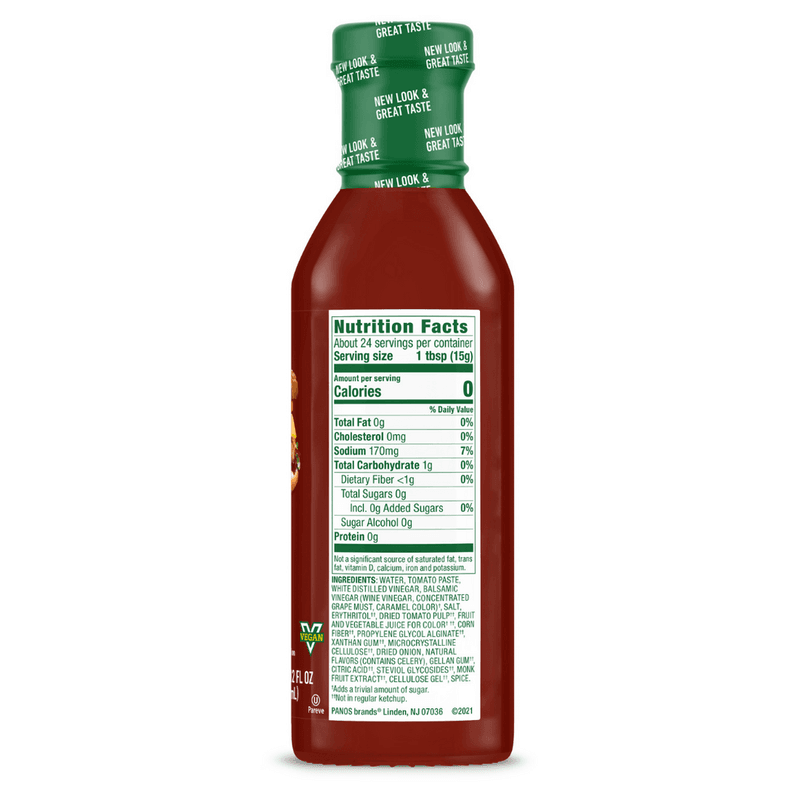
That bright red squirt of ketchup on your fries is way sweeter than it looks. A single tablespoon of ketchup can contain around one teaspoon of sugar — and most people use way more than one tablespoon at a time.
Over a meal, those spoonfuls really add up. Check the label next time you reach for the bottle — you might be surprised by what you find hiding in plain sight.
2. Flavored Yogurt
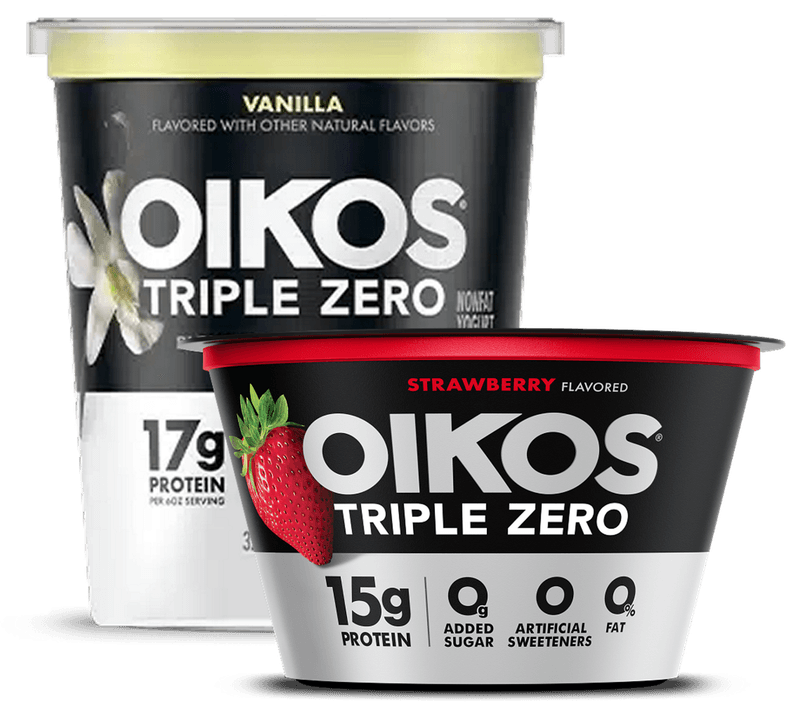
Yogurt has a reputation as a healthy snack, but the flavored kind often tells a different story. Some single-serving cups of fruit-flavored yogurt pack in 20 to 30 grams of sugar — more than some candy bars.
Plain yogurt with fresh fruit is a much smarter swap. Add a drizzle of honey yourself so you control exactly how much sweetness goes in.
3. Granola
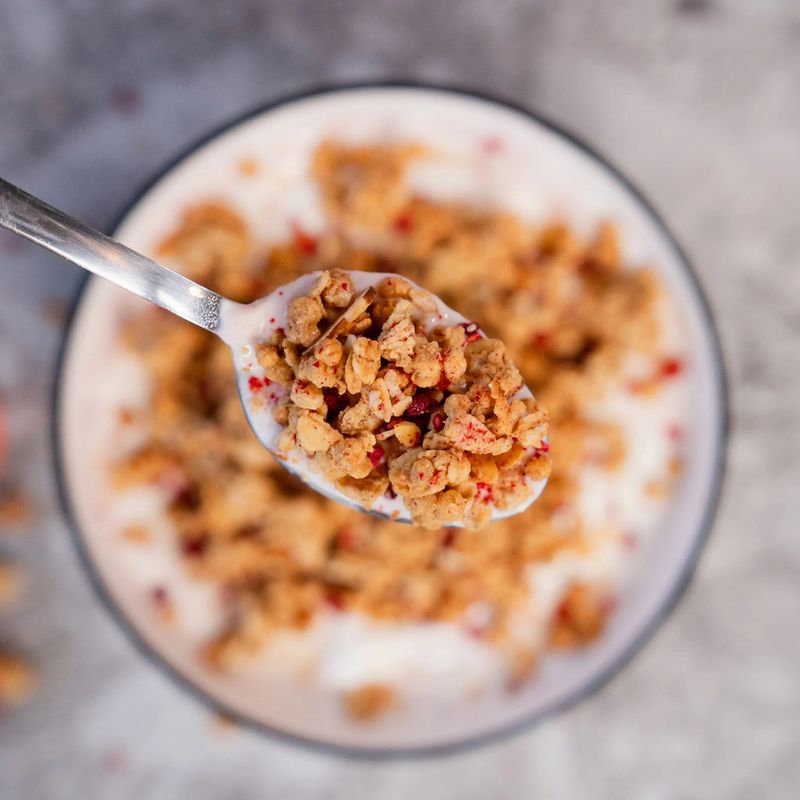
Granola sounds like the ultimate healthy breakfast, but most store-bought versions are loaded with honey, maple syrup, or refined sugar to make those clusters stick together. A half-cup serving can easily contain 12 or more grams of sugar.
Reading the nutrition label before buying is a smart move. Look for versions with less than 6 grams of sugar per serving, or try making your own at home with oats and just a little honey.
4. Pasta Sauce
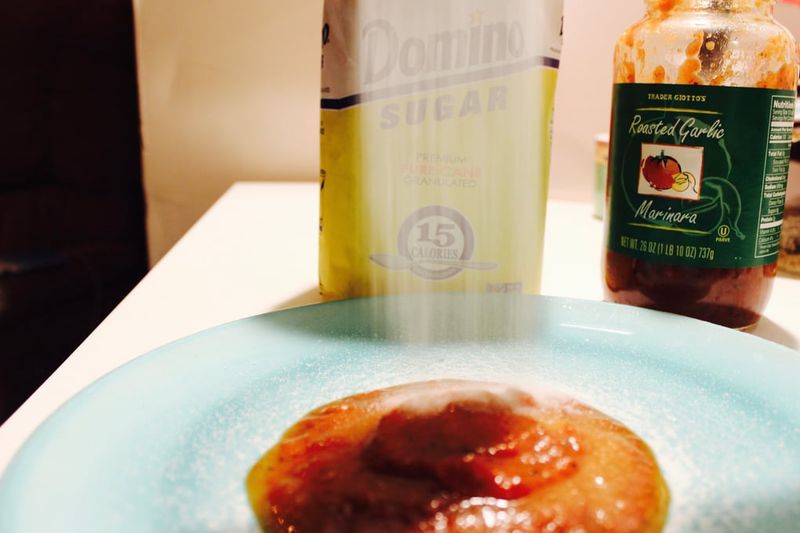
Pasta night feels wholesome and filling, but the jarred tomato sauce you pour over your noodles might be sneaking in extra sugar. Manufacturers often add sugar to balance out the acidity of tomatoes, and some brands add as much as 12 grams per half-cup serving.
Making your own sauce at home gives you full control over the ingredients. A simple blend of canned tomatoes, garlic, and olive oil works beautifully without the extra sweetness.
5. Bread
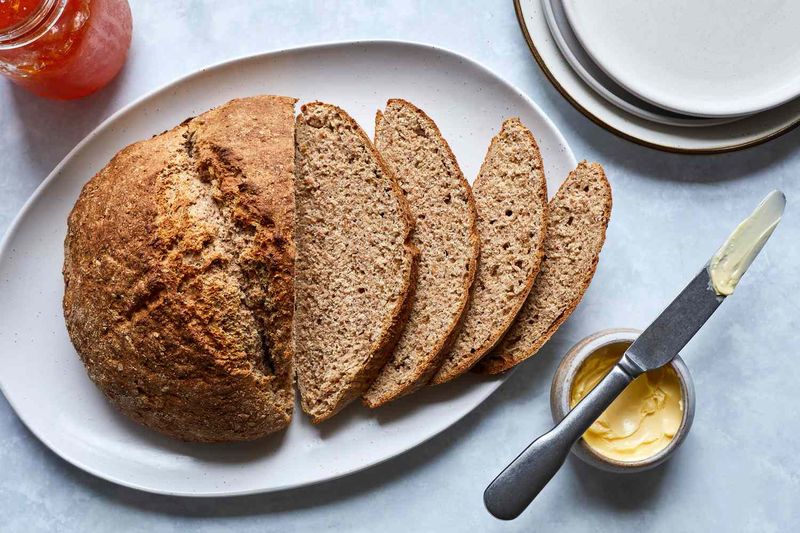
Most people would never guess that a plain slice of sandwich bread contains sugar, but many commercial brands add it to improve flavor and texture. Some white breads contain 2 to 4 grams of sugar per slice — and sandwiches usually use two slices.
Whole grain or sourdough breads tend to have less added sugar. Flipping the bag over to read the ingredients list is always a worthwhile habit before buying.
6. Peanut Butter
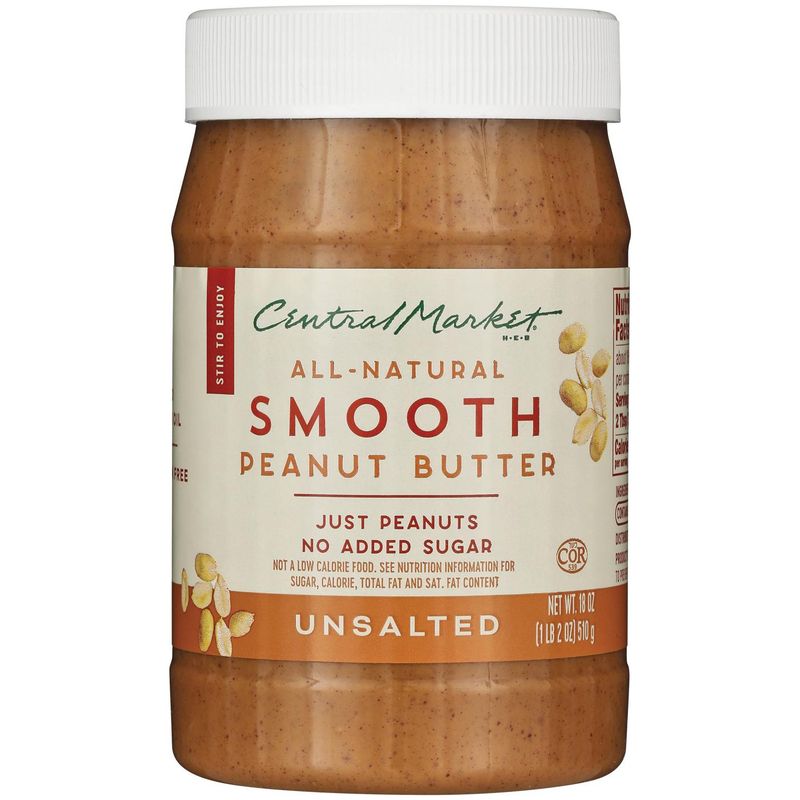
Natural peanut butter is just peanuts and maybe a little salt — but the popular commercial brands are a totally different story. Many creamy peanut butters sold in grocery stores contain added sugar and partially hydrogenated oils to make them smooth and shelf-stable.
Switching to a natural version with just one or two ingredients is an easy win. Give the jar a good stir before using, and store it in the fridge to keep it fresh.
7. Salad Dressing
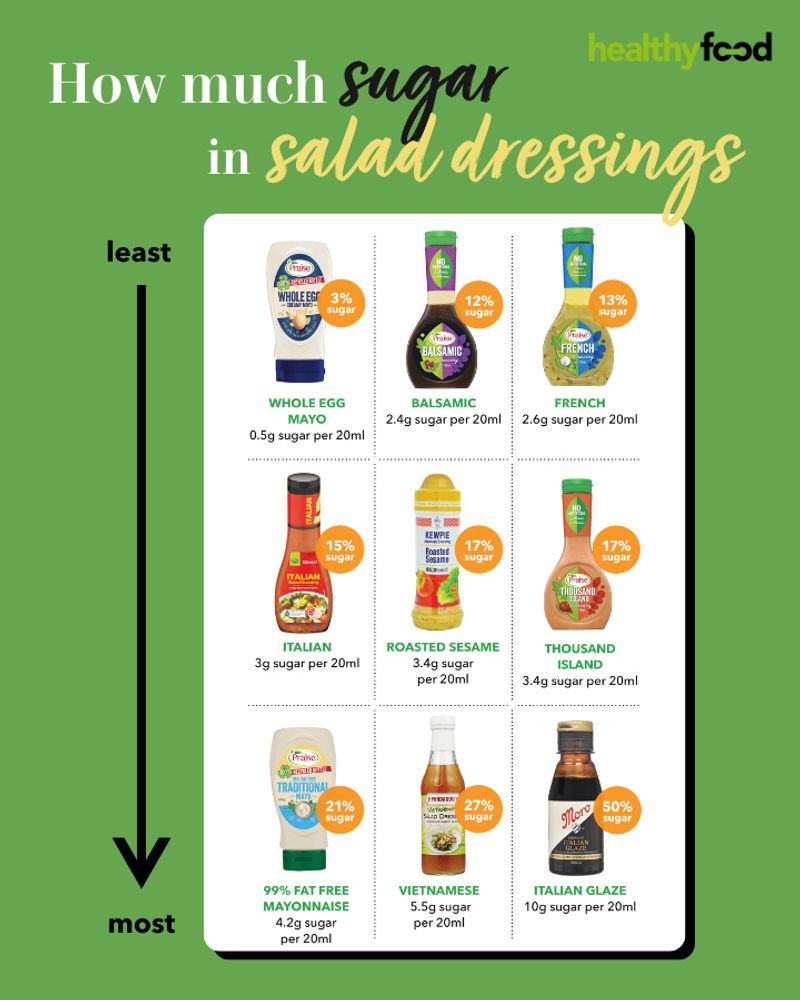
Pouring dressing over a salad feels like the healthy move, but many bottled dressings — especially fat-free versions — are surprisingly sugary. When manufacturers remove fat, they often replace it with sugar to keep the flavor interesting.
French and honey mustard dressings can contain 5 to 7 grams of sugar per serving. A simple homemade dressing using olive oil, lemon juice, and herbs takes about two minutes to whip up and skips the hidden sweetness entirely.
8. Instant Oatmeal Packets
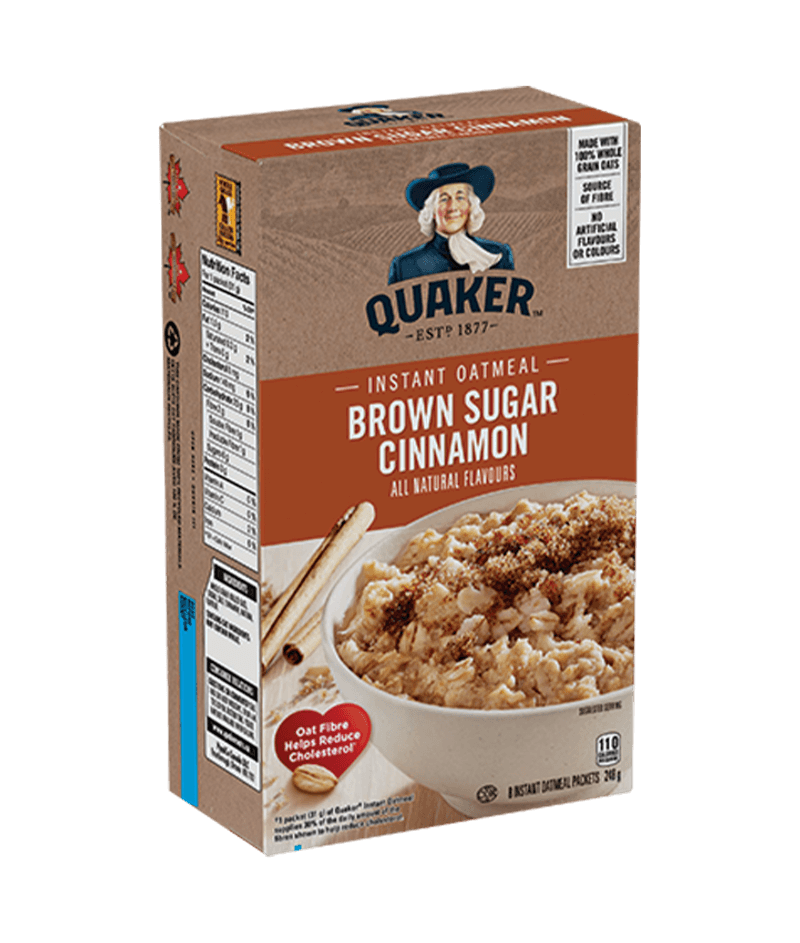
Oatmeal is one of the most celebrated healthy breakfasts around, but the convenient flavored packets are a completely different food from plain rolled oats. Varieties like "maple and brown sugar" or "strawberries and cream" can contain 10 to 13 grams of added sugar per packet.
Plain oats cooked with water or milk and topped with banana slices or cinnamon taste amazing and cost less too. The flavored packets are basically dessert dressed up as breakfast.
9. Barbecue Sauce
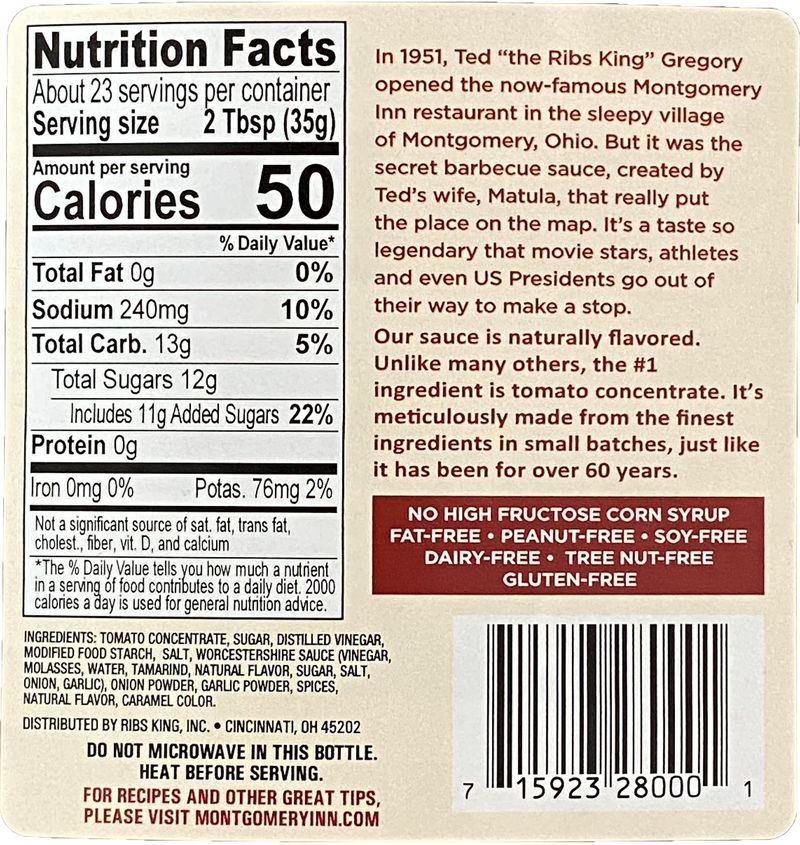
Barbecue sauce is practically liquid sugar — and that rich, smoky-sweet flavor is exactly why it tastes so good. A single two-tablespoon serving can contain anywhere from 10 to 16 grams of sugar, which is close to half the recommended daily limit for kids.
Grilling chicken or ribs with just dry spices and herbs is a lower-sugar alternative that still delivers big on flavor. You can also look for reduced-sugar BBQ sauce options at most grocery stores.
10. Canned Baked Beans
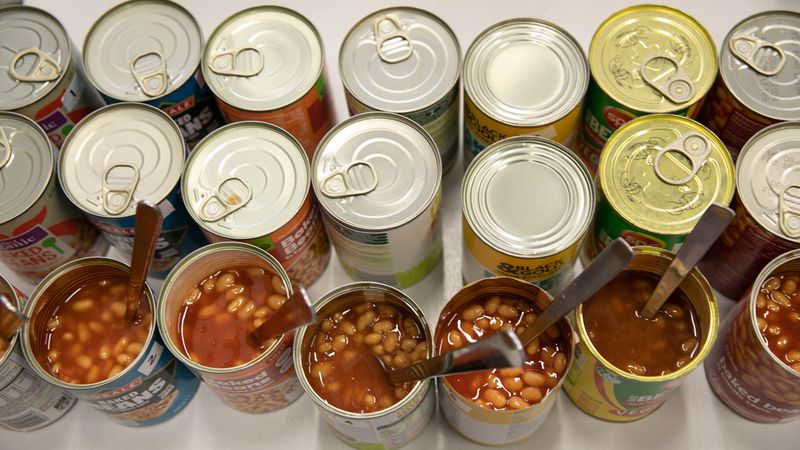
Baked beans are a classic comfort food, and the canned version makes dinner incredibly easy. The catch?
Most brands use a tomato-molasses sauce that can deliver 12 or more grams of sugar per half-cup serving.
Beans themselves are nutritious and high in fiber, so swapping to a lower-sugar or no-added-sugar variety is worth it. You still get all the protein and fiber benefits without the extra sweetness weighing down your meal.
11. Sports Drinks
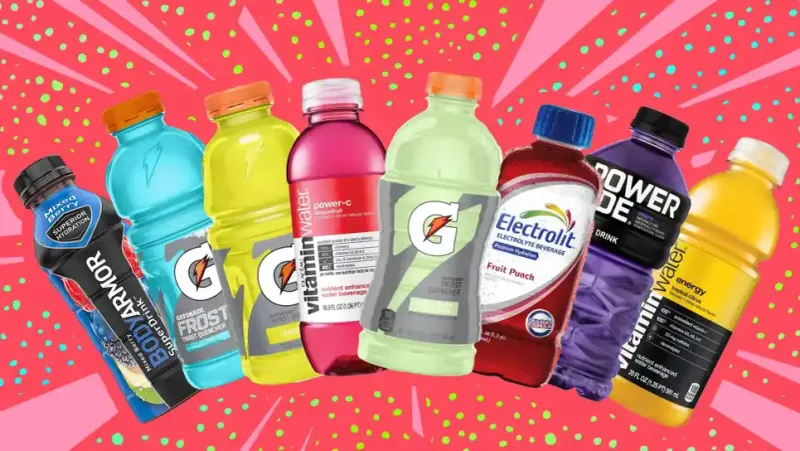
Sports drinks like Gatorade or Powerade are marketed to active kids and athletes, giving them a health halo they do not always deserve. A standard 20-ounce bottle can contain around 34 grams of sugar — nearly as much as a can of soda.
Unless you just finished a really intense workout, plain water is almost always the better hydration choice. Electrolyte tablets or coconut water offer a lower-sugar way to replenish after heavy exercise.
12. Canned Soup
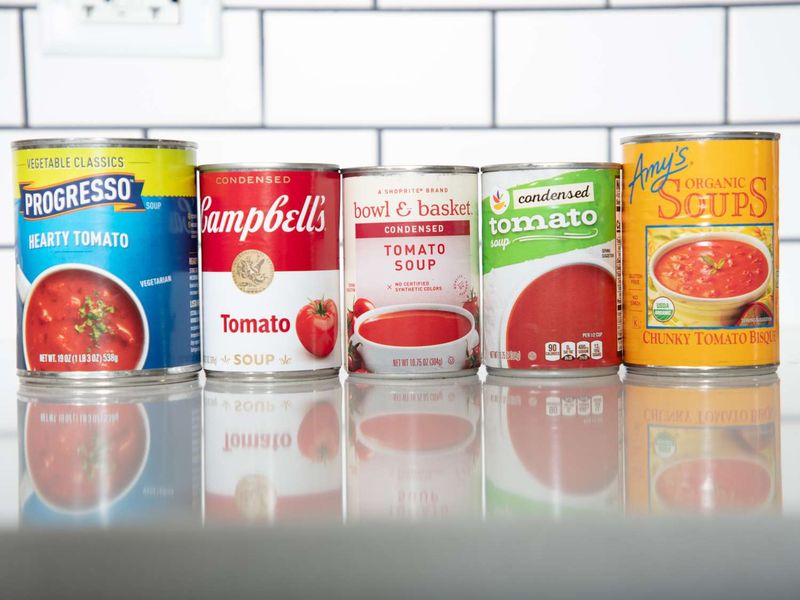
Soup feels like pure comfort on a cold day, but canned varieties — especially tomato and vegetable soups — often sneak in a surprising amount of sugar. Some tomato soup brands contain up to 20 grams of sugar per can, which is more than a glazed donut.
Checking the nutrition label before buying is a quick habit that pays off. Homemade soup using fresh or canned unsalted tomatoes gives you all the warmth with none of the surprise sweetness.
13. Fruit Juice
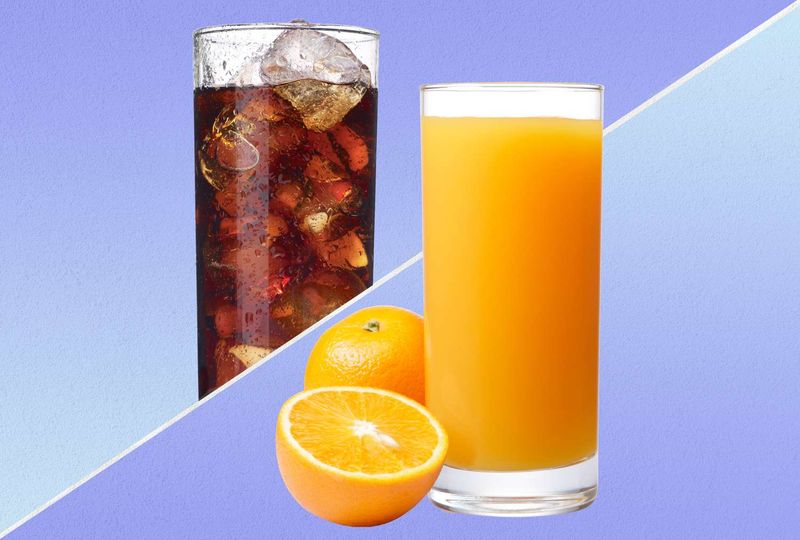
Fruit juice sounds like a vitamin-packed choice, but most store-bought versions contain as much sugar as a soda. Even 100% juice with no added sugar delivers a concentrated sugar hit because all the fiber from the whole fruit has been removed during processing.
Eating a whole orange gives your body fiber along with the natural sugars, which slows down absorption. If you love juice, try diluting it with sparkling water to cut the sugar content in half.
14. Flavored Coffee Creamers
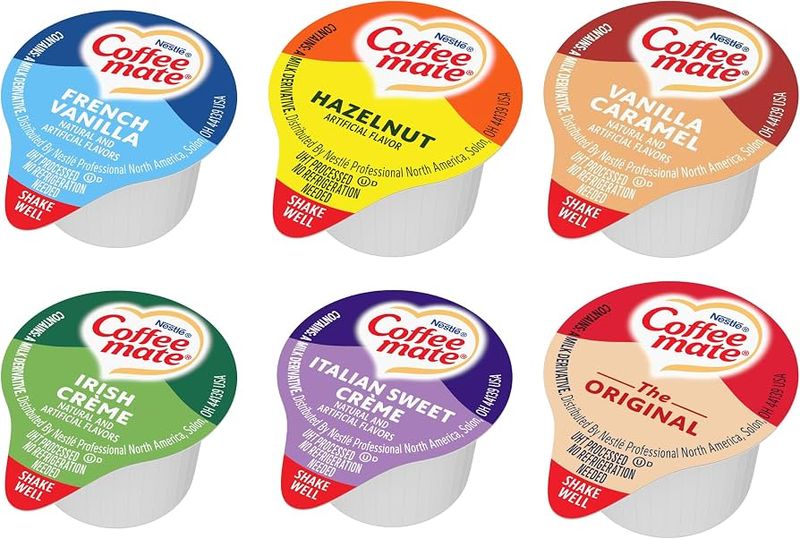
Flavored coffee creamers like hazelnut or vanilla caramel make your morning cup taste like a dessert — because they basically are dessert. Just one tablespoon of many popular creamers contains 5 grams of sugar, and most people pour in far more than that.
Switching to plain milk or unsweetened almond milk is a simple change with real impact. A little cinnamon or vanilla extract stirred into your coffee adds flavor without piling on the sugar.
15. Breakfast Cereal
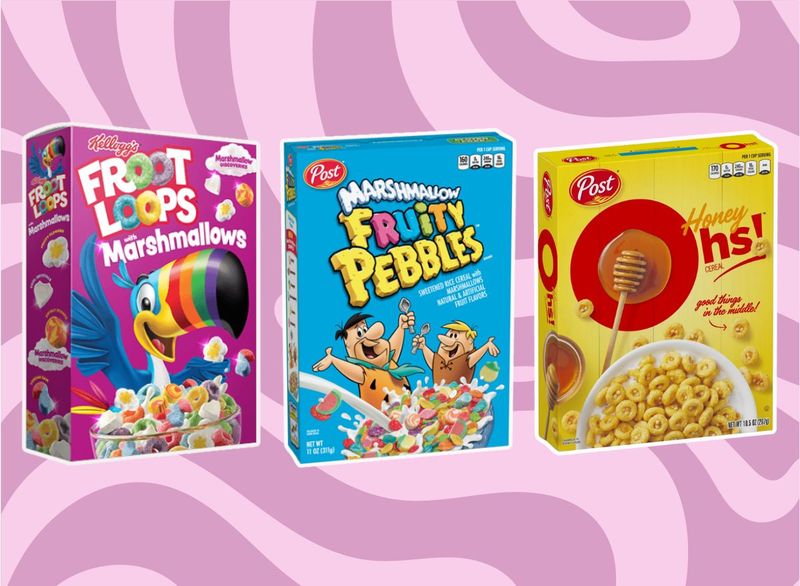
Walk down any cereal aisle and you will find boxes covered in cartoon characters and bold colors — and inside, an alarming amount of sugar. Some popular kids cereals contain 10 to 15 grams of sugar per serving, and the serving size listed is usually smaller than what most people actually pour.
Choosing a cereal with whole grains listed first and less than 8 grams of sugar per serving is a simple upgrade. Tossing in fresh berries adds natural sweetness without extra sugar.
16. Teriyaki Sauce
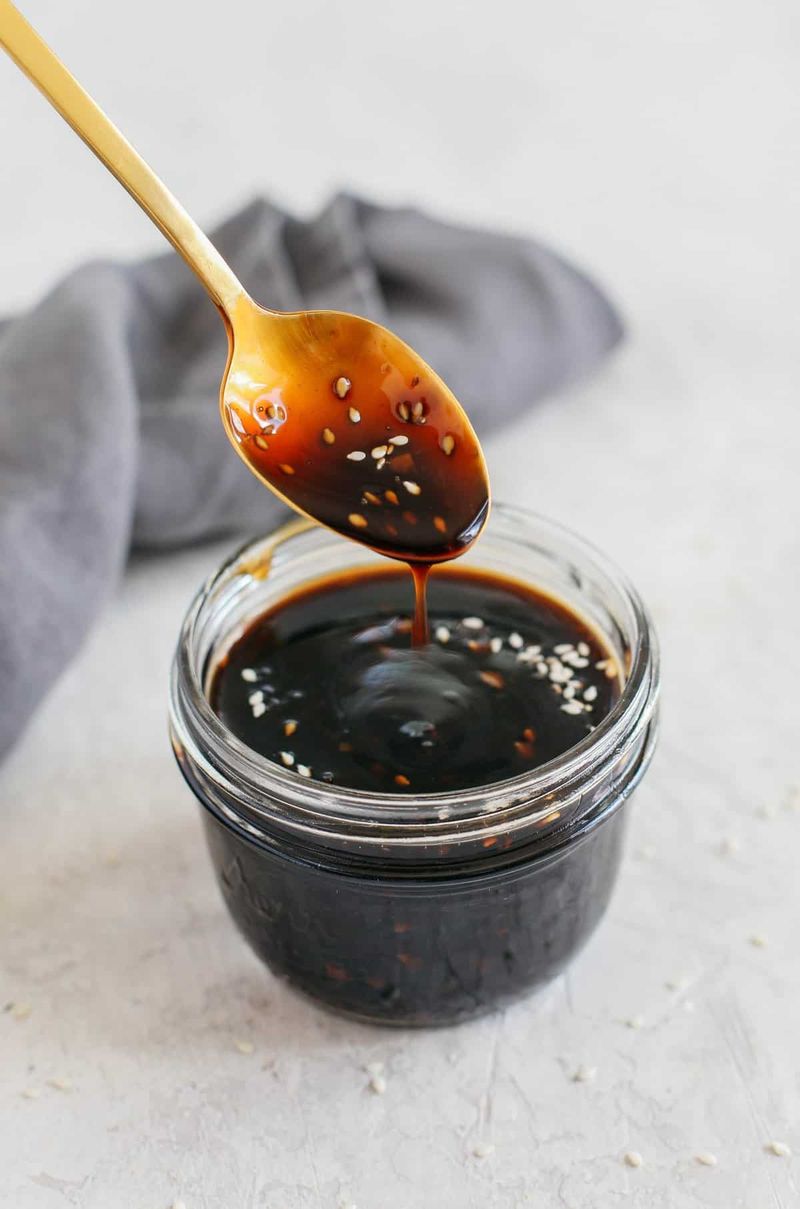
Teriyaki sauce brings that glossy, savory-sweet coating to chicken and stir-fries, but its sweetness comes with a real sugar cost. Just two tablespoons can contain up to 8 grams of sugar, and most recipes call for much more than that.
Making a lighter version at home using low-sodium soy sauce, a touch of honey, garlic, and ginger is surprisingly easy. You get the same sticky, flavorful glaze with way more control over what goes into your food.
17. Protein Bars
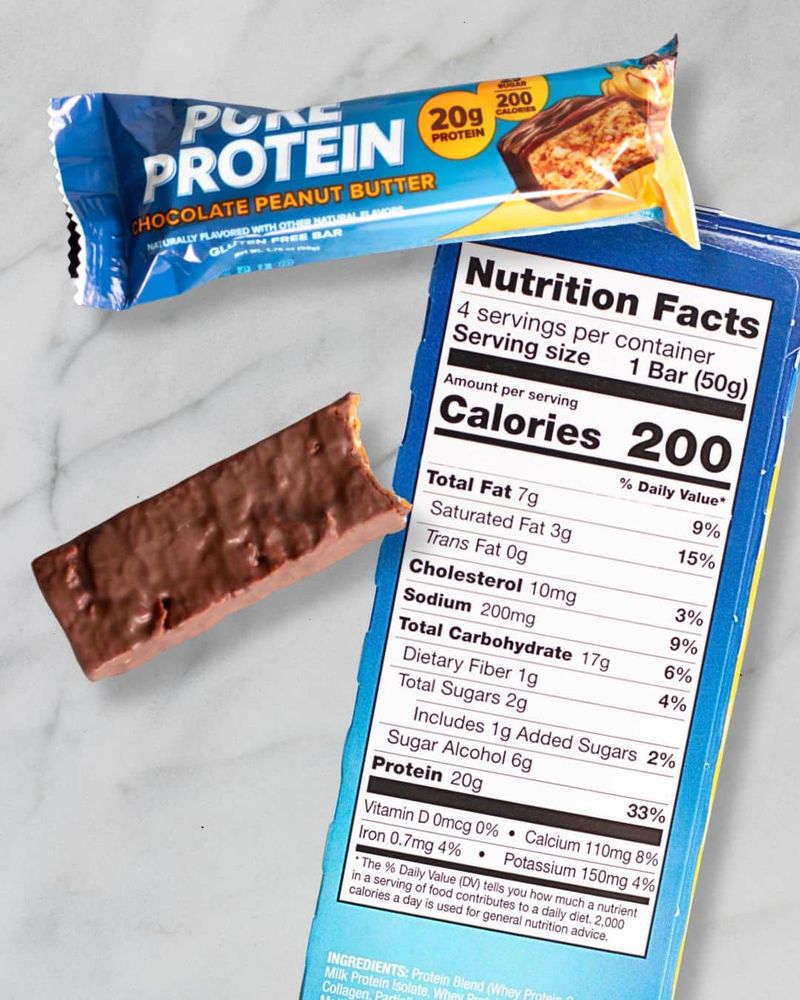
Protein bars are sold as gym fuel and healthy snacks, but flip one over and read the label — many of them read more like a candy bar ingredient list. Some popular brands contain 20 to 25 grams of sugar per bar alongside their protein content.
Look for bars with at least 10 grams of protein and fewer than 10 grams of sugar. Ingredients like nuts, seeds, and oats near the top of the list are good signs you are holding a genuinely nutritious option.
18. Canned Fruit
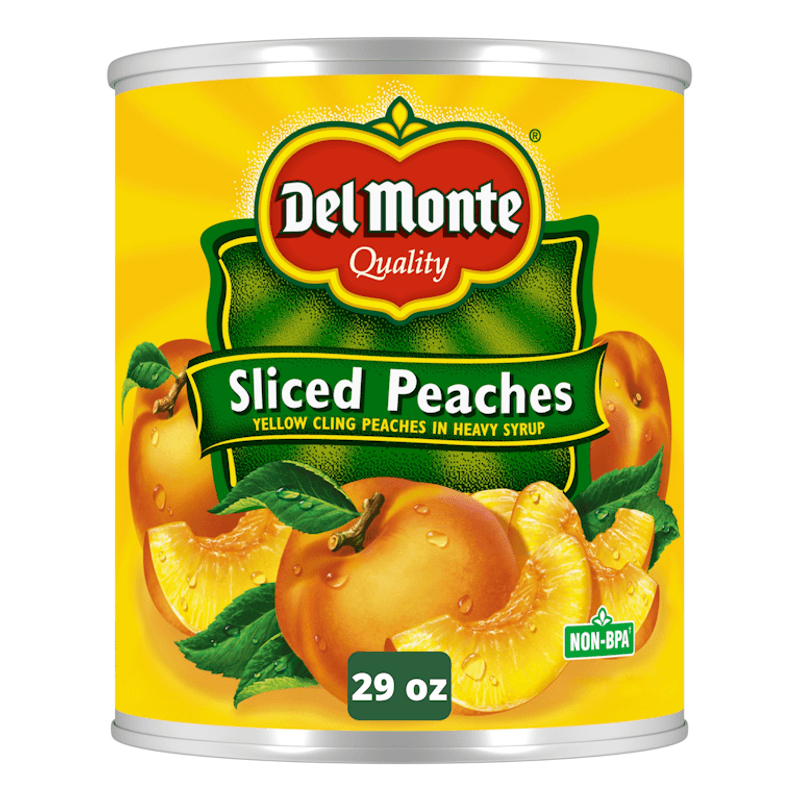
Canned fruit seems like a convenient and healthy pantry staple, but many varieties are packed in heavy syrup that turns a nutritious food into a sugary treat. A half-cup of peaches canned in heavy syrup can contain up to 20 grams of sugar — most of it added.
Choosing canned fruit packed in water or its own juice is the easy fix here. Rinsing syrup-packed fruit under cold water before eating also removes a good chunk of the excess sweetness.




Comments
No Comments