













Leafy greens are some of the most powerful foods you can add to your plate, and the best part is they are easy to find at almost any grocery store. From boosting your immune system to strengthening your bones, these everyday vegetables pack a serious nutritional punch.
You might already have some of them sitting in your fridge right now without realizing just how amazing they are for your body. Get ready to see your salad bowl in a whole new way.
1. Spinach
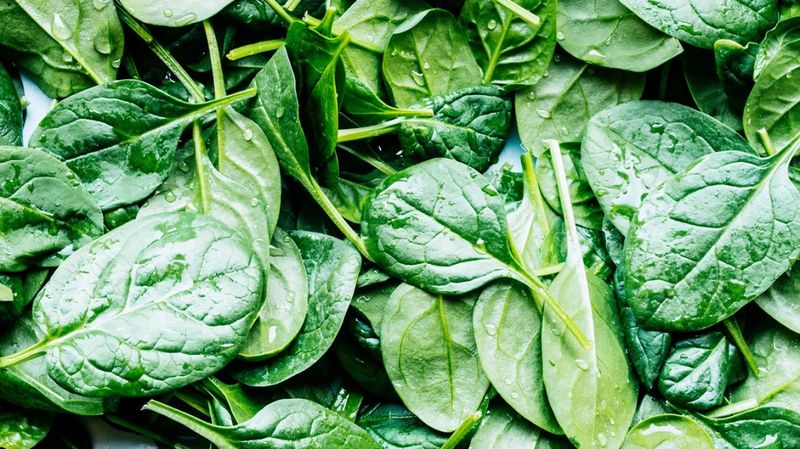
Popeye was onto something when he reached for that can of spinach. This dark green superstar is loaded with iron, which helps your blood carry oxygen all around your body.
It also contains vitamin K for strong bones and lutein for healthy eyes.
Toss a handful into a smoothie or scrambled eggs and you will barely taste it. Spinach is one of the easiest greens to sneak into meals without anyone noticing.
2. Kale
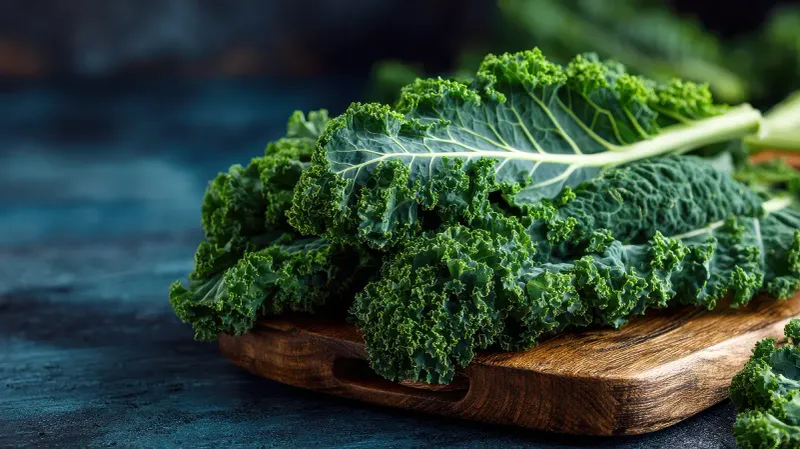
Once considered a garnish that nobody actually ate, kale became a full-on food legend for good reason. It is packed with vitamin C, which keeps your immune system fighting strong, and calcium that rivals dairy products cup for cup.
Massaging kale leaves with a little olive oil softens them and makes the flavor much milder. Roast the leaves into crispy chips for a snack that actually does your body some serious good.
3. Swiss Chard
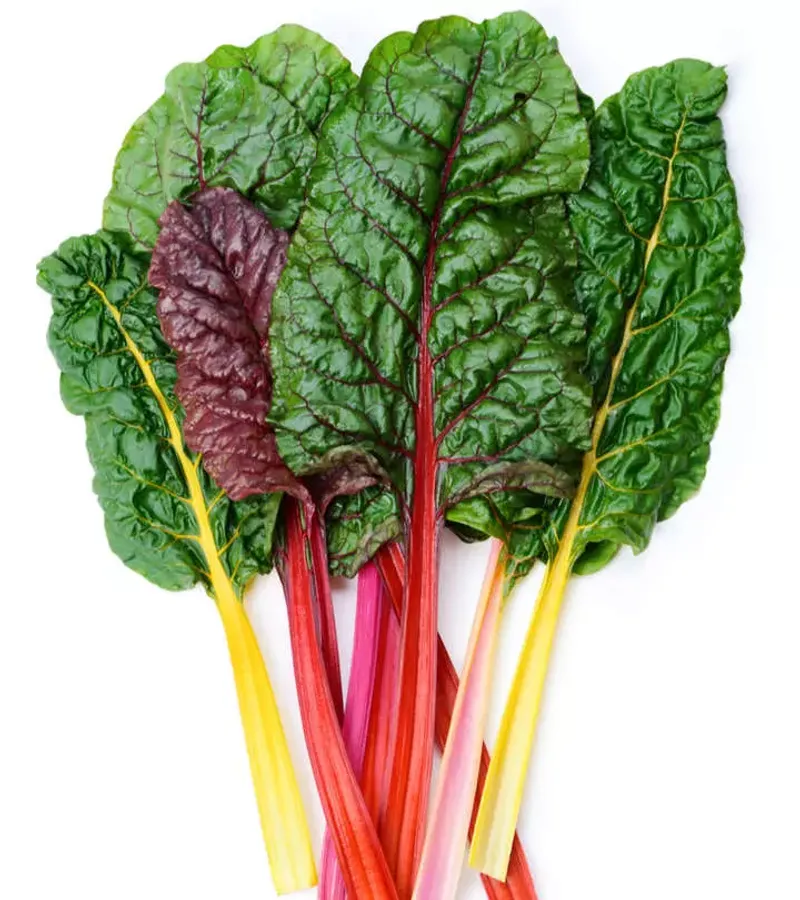
Those rainbow-colored stems are not just for show. Swiss chard is a visual treat and a nutritional powerhouse, offering generous amounts of magnesium, which helps your muscles relax and your heart beat steadily.
One cup of cooked chard delivers nearly half your daily vitamin A needs.
Saute it with garlic and a squeeze of lemon for a quick and tasty side dish. The stems and leaves both cook up beautifully in just a few minutes.
4. Arugula
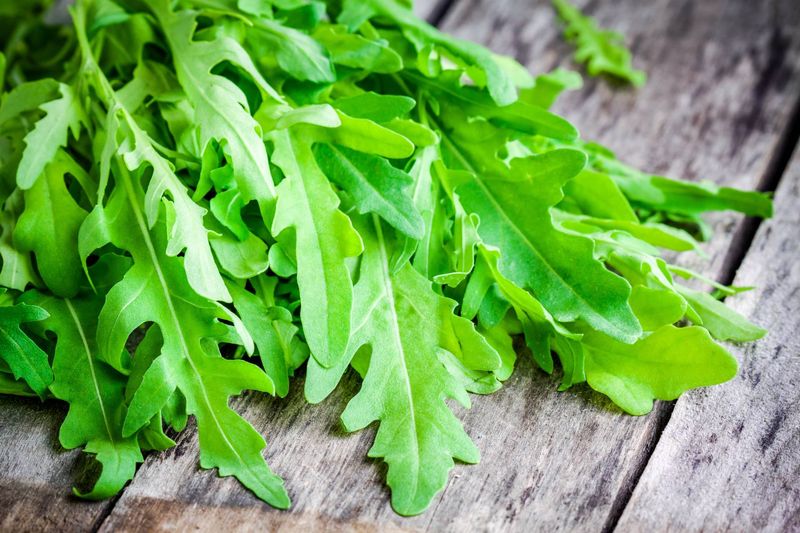
Arugula brings a peppery, slightly bitter kick that wakes up any salad or pizza. That bold flavor comes from natural compounds called glucosinolates, which researchers have studied for their potential cancer-fighting properties.
It is also rich in folate, a B vitamin important for cell growth.
Try layering arugula on top of a hot pizza right when it comes out of the oven. The heat wilts it just enough to mellow the sharpness while keeping all that nutrition intact.
5. Romaine Lettuce
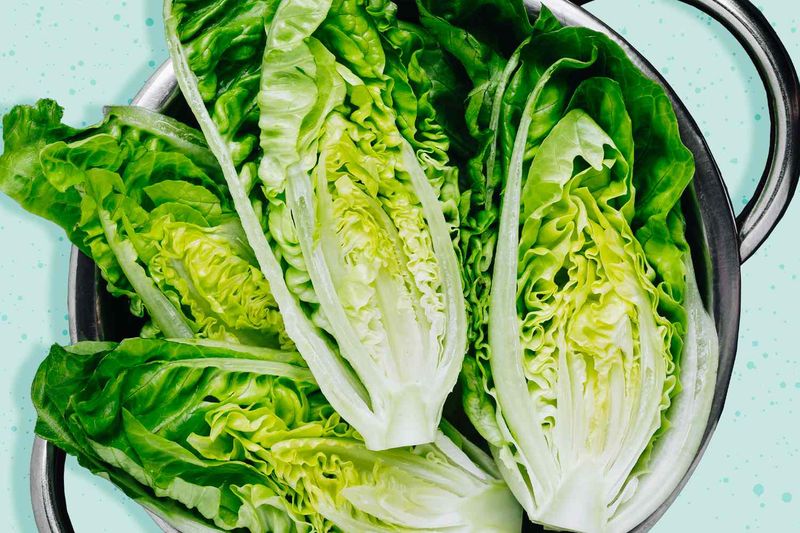
Romaine is the backbone of a classic Caesar salad, but its value goes way beyond crunchy texture. It is surprisingly rich in vitamin C and beta-carotene, two antioxidants that protect your cells from damage.
Most people do not realize that darker outer leaves hold the most nutrients.
Skip the pale inner leaves and reach for the darker ones to get the biggest health boost. Romaine also contains folate, which supports a healthy heart over the long run.
6. Collard Greens
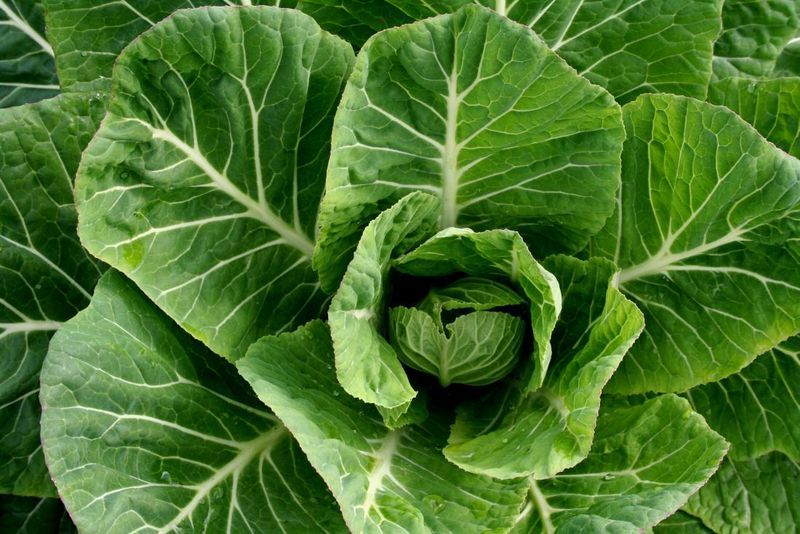
A staple of Southern cooking for generations, collard greens have earned their place at the dinner table with impressive nutritional credentials. They are one of the best plant-based sources of calcium available, making them a fantastic option for people who avoid dairy.
Long, slow cooking with a bit of smoked seasoning brings out their rich, earthy flavor. Collard greens also deliver a solid dose of vitamin K, which plays a key role in blood clotting and bone strength.
7. Watercress

Ounce for ounce, watercress might be one of the most nutrient-dense foods on the planet. Scientists at the Centers for Disease Control ranked it as the top powerhouse food based on its concentration of 17 essential nutrients.
It is especially high in vitamin K and vitamin C.
Add it to sandwiches in place of lettuce for a peppery upgrade, or blend it into soups. Its delicate leaves cook quickly, so add them at the very end of any hot dish.
8. Butter Lettuce
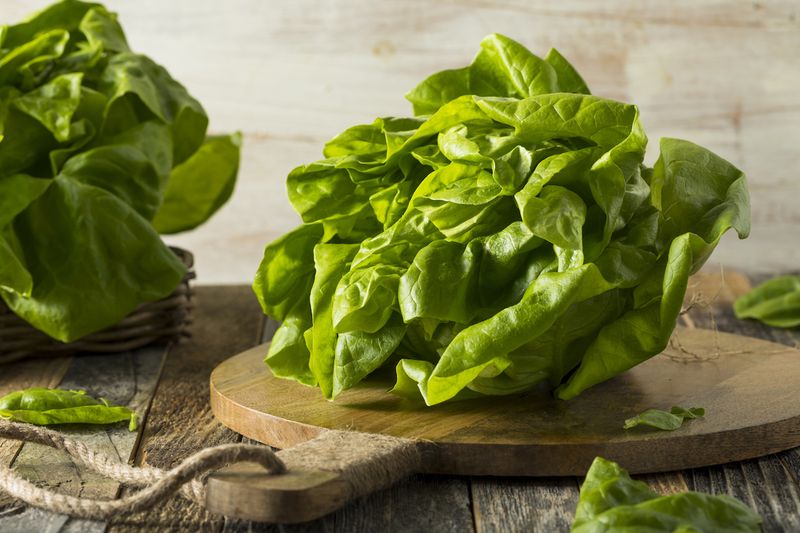
Soft, silky, and mild in flavor, butter lettuce is the kind of green that even picky eaters tend to enjoy. It gets its name from the buttery texture of its leaves, which are tender enough to use as taco or wrap shells.
It contains vitamin A, which supports healthy vision and skin.
Because the leaves cup naturally, they make perfect edible bowls for grain salads or chicken fillings. Butter lettuce is a sneaky and fun way to eat more greens without even thinking about it.
9. Mustard Greens
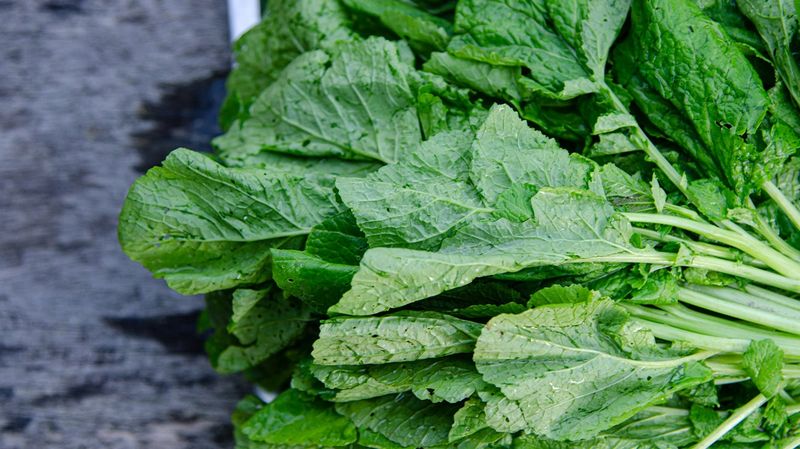
Mustard greens have a sharp, tangy bite that adds real personality to any dish. That spicy flavor comes from the same plant family as actual mustard seeds, and the leaves are rich in antioxidants that help reduce inflammation throughout the body.
They are also high in vitamins A, C, and K.
Blanching them briefly in hot water tones down the bitterness significantly. Stir them into soups or bean dishes for a nutritional boost that also adds a satisfying depth of flavor.
10. Beet Greens
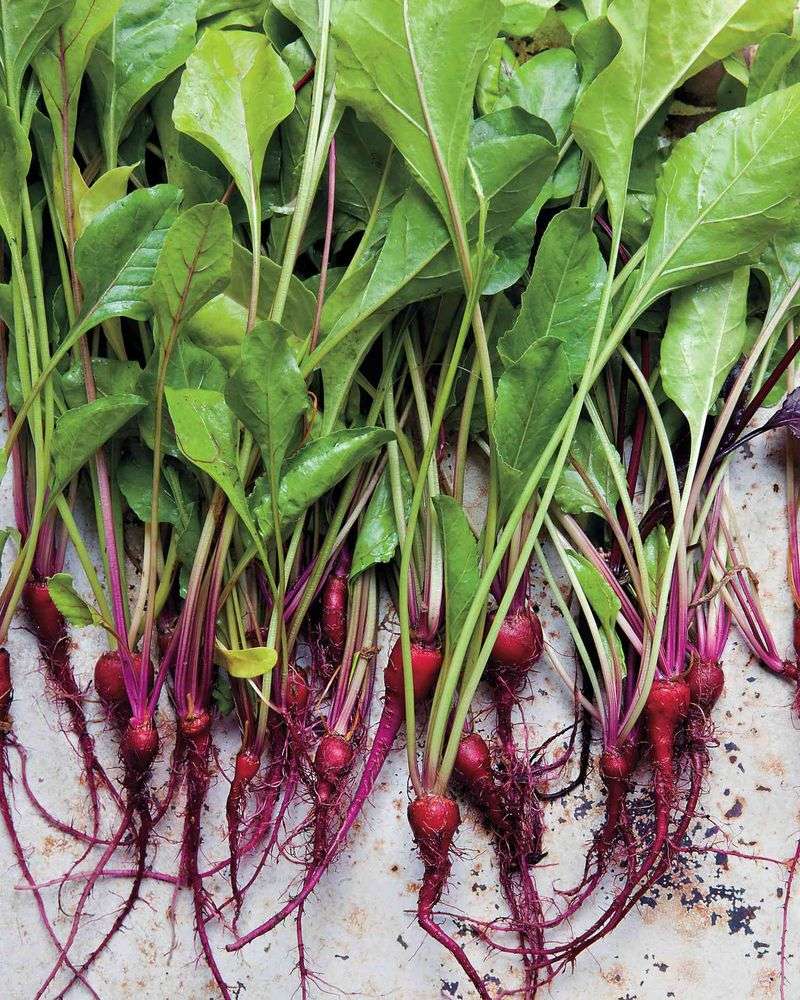
Most people toss out the leafy tops of their beets without a second thought, but that is a huge mistake. Beet greens are edible, delicious, and loaded with potassium, which helps regulate blood pressure and keeps your muscles working properly.
They also contain more iron than spinach by weight.
Saute them just like you would any other cooking green, stems and all. They wilt down quickly and have a mild, earthy flavor that pairs wonderfully with garlic and a dash of vinegar.
11. Bok Choy
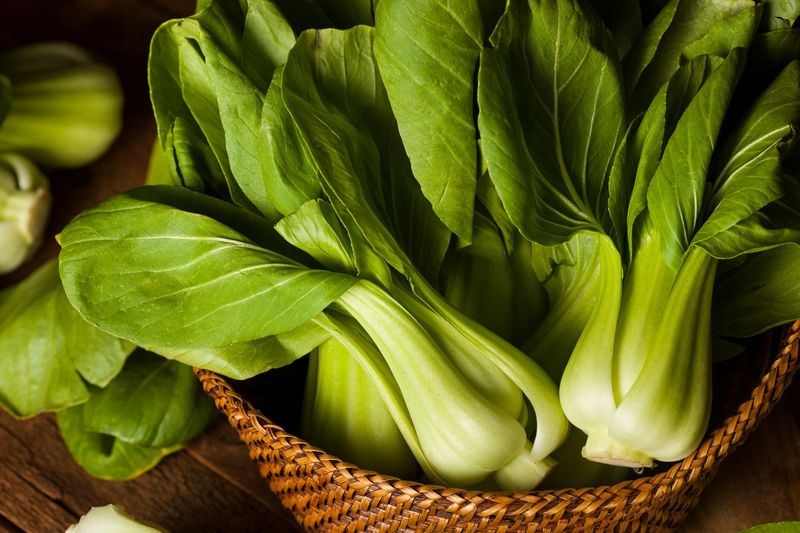
Bok choy is a staple of Asian cooking and a brilliant source of nutrition that many Western kitchens overlook. It belongs to the cruciferous vegetable family alongside broccoli and cabbage, meaning it contains powerful compounds that support the body's natural detox processes.
One cup provides a solid hit of vitamin C.
Stir-fry it quickly over high heat to keep its crunch and bright color. Baby bok choy is especially tender and works beautifully in soups, noodle bowls, and rice dishes.
12. Dandelion Greens
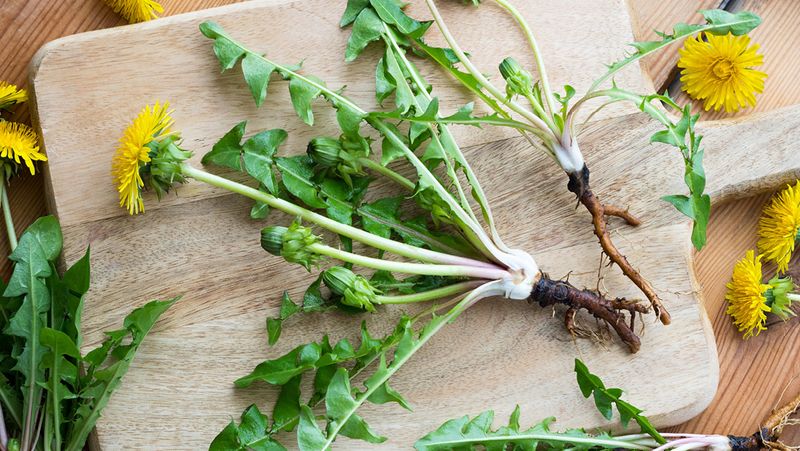
Yes, those weeds in your backyard are actually edible and surprisingly good for you. Dandelion greens have been used in herbal medicine for centuries to support liver health and aid digestion.
They are packed with vitamins A, C, and K, plus calcium and a good amount of fiber.
Young dandelion leaves are the mildest and work well in salads. Older leaves are more bitter and hold up better when cooked.
Either way, this overlooked green earns serious respect in the nutrition world.
13. Cabbage
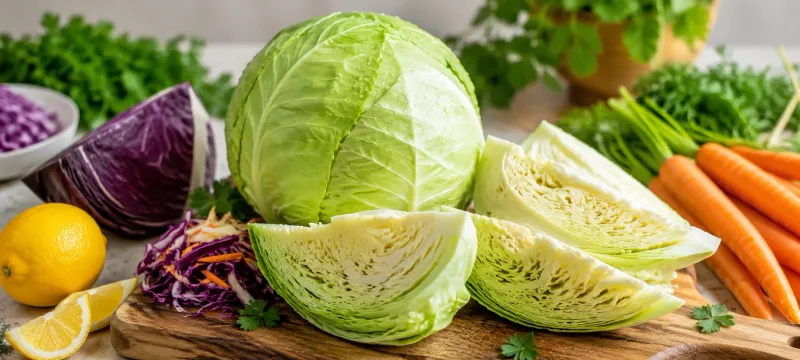
Cabbage might seem plain, but do not let its humble reputation fool you. It is one of the most affordable and versatile vegetables around, and it delivers impressive amounts of vitamin C and fiber in every serving.
Fermented cabbage, known as sauerkraut or kimchi, also feeds the good bacteria in your gut.
Raw cabbage adds satisfying crunch to slaws and tacos. Cooked, it becomes tender and sweet, making it a comforting addition to soups and stews during cooler months.
14. Turnip Greens

Turnip greens fly under the radar compared to kale and spinach, but they deserve a spot at the top of the leafy green rankings. They are exceptionally high in calcium and vitamin K, two nutrients that work together to keep bones dense and strong throughout your life.
Like collard greens, they are a beloved part of Southern cuisine and are often cooked low and slow for maximum tenderness. Add a splash of apple cider vinegar at the end to brighten their earthy, slightly bitter flavor.
15. Endive
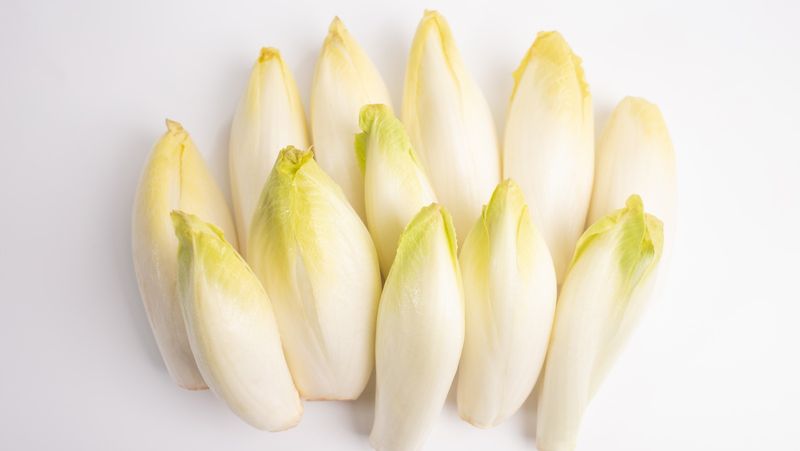
Endive has a satisfying crunch and a mildly bitter taste that makes it a sophisticated addition to salads and appetizer platters. The boat-shaped leaves are sturdy enough to hold fillings like tuna salad, cheese, or hummus, making them a clever low-carb alternative to crackers or bread.
It contains inulin, a type of fiber that acts as a prebiotic, feeding the healthy bacteria that live in your digestive system. Endive is also a good source of folate and vitamin K, both essential for long-term wellness.
16. Microgreens
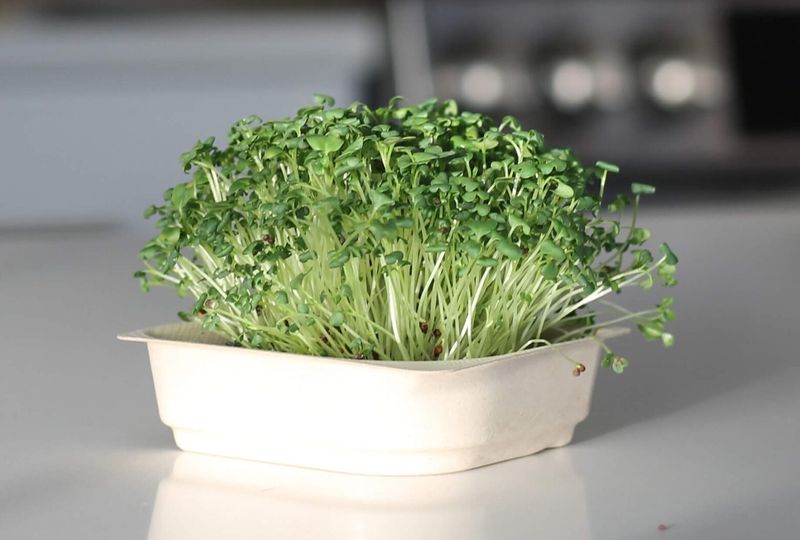
Tiny but absolutely mighty, microgreens are the young seedlings of vegetables and herbs harvested just a week or two after sprouting. Studies show they can contain up to 40 times more nutrients than their fully grown counterparts, making them one of the most concentrated health foods available.
Sprinkle them on sandwiches, soups, avocado toast, or grain bowls for an instant nutrition upgrade. Radish, sunflower, and pea shoot microgreens are among the easiest to find and the most flavorful to eat.
17. Purslane
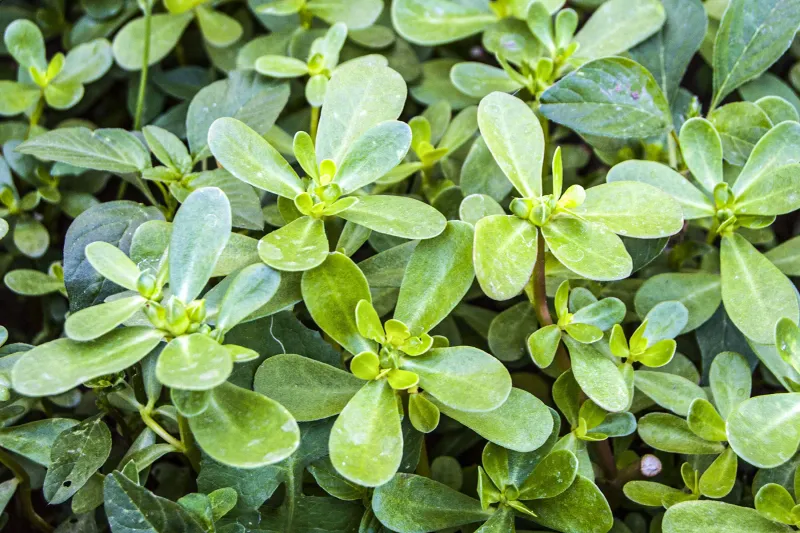
Purslane is probably growing in your garden right now and being pulled out as a weed, which is a real shame. It is one of the only plant-based sources of omega-3 fatty acids, the same healthy fats found in fish that support brain and heart health.
It also contains melatonin, the sleep hormone.
The thick, juicy leaves have a mild, slightly lemony flavor that works well in salads or stir-fries. Once you know what to look for, you might never weed it out again.




Comments
No Comments