













Magnesium is one of those nutrients most of us forget about, yet it plays a huge role in keeping our bodies running smoothly. From supporting healthy muscles and bones to helping us sleep and manage stress, this mighty mineral does a lot of heavy lifting.
Studies suggest that a large number of people in the UK fall short of the recommended daily intake. The good news is that boosting your magnesium levels can be as simple as tweaking what's already on your plate.
1. Dark Chocolate

Here's a reason to feel zero guilt about your chocolate habit. Dark chocolate, especially varieties with 70% cocoa or more, is surprisingly rich in magnesium.
Just a 30g square can deliver around 65mg of the mineral, which is roughly 15% of your daily needs.
Beyond magnesium, it's packed with antioxidants that support heart health. Choose a good-quality bar with minimal added sugar and enjoy it as an afternoon treat.
Your body and your taste buds will both thank you.
2. Spinach
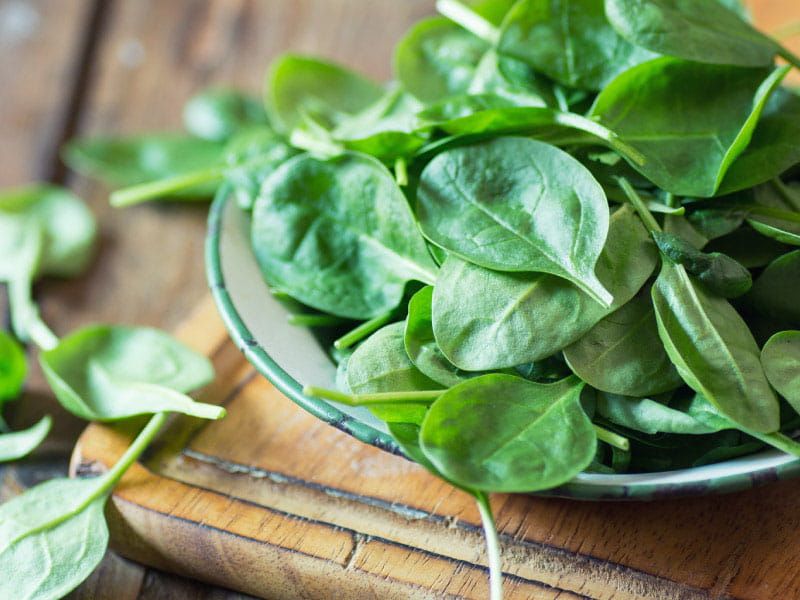
Popeye was onto something. Spinach is one of the most magnesium-dense leafy greens available, and it's incredibly easy to work into everyday meals.
A 180g serving of cooked spinach delivers around 157mg of magnesium, which is nearly 40% of the recommended daily amount.
Toss it into pasta, blend it into smoothies, or wilt it into scrambled eggs. Its mild flavour means it pairs well with almost anything.
Fresh or frozen, spinach is a reliable and affordable magnesium booster.
3. Pumpkin Seeds
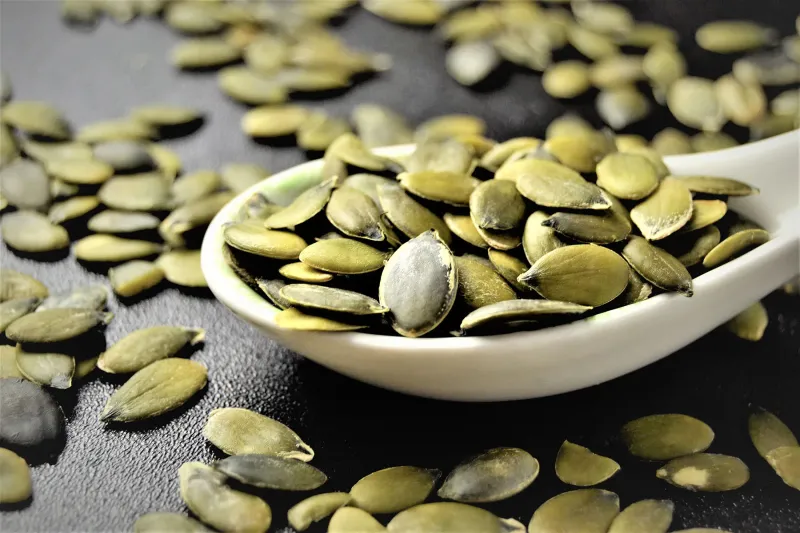
Tiny but absolutely loaded, pumpkin seeds are one of the most concentrated sources of magnesium you can snack on. A 30g handful delivers around 150mg of magnesium, making them one of the highest-ranked foods on this list.
Sprinkle them on porridge, stir them into yoghurt, or eat them straight from the bag. They're also rich in zinc and healthy fats, giving you extra nutritional bang for your buck.
Keep a small bag at your desk for easy snacking.
4. Almonds
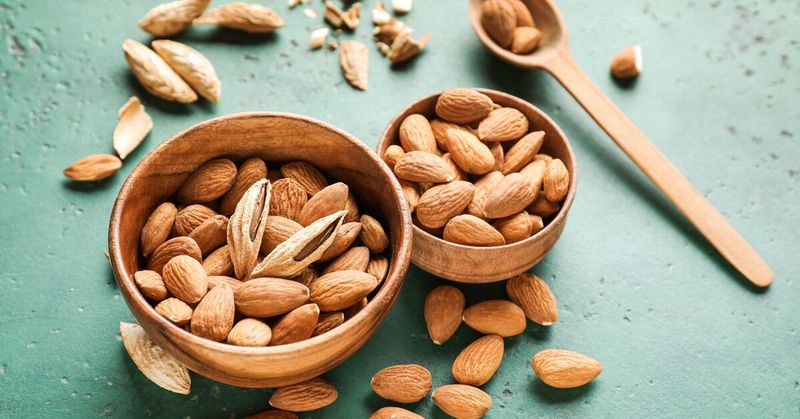
Crunchy, satisfying, and brilliantly nutritious, almonds are a magnesium-rich snack that fits into almost any lifestyle. A 30g serving provides roughly 80mg of magnesium along with healthy fats, vitamin E, and a good hit of protein.
They're ideal for keeping hunger at bay between meals without reaching for something sugary. Almond butter spread on wholegrain toast is another clever way to get your fix.
Just watch your portion size, as the calories can add up quickly.
5. Avocado

Avocados have earned their superfood status, and magnesium is one big reason why. One medium avocado contains around 58mg of magnesium, along with potassium, healthy monounsaturated fats, and fibre that keeps your gut happy.
Mash it on toast, slice it into salads, or blend it into a smoothie for a creamy texture boost. It's one of those foods that genuinely earns its place in your weekly shop.
A ripe avocado is proof that healthy eating doesn't have to feel like a sacrifice.
6. Black Beans
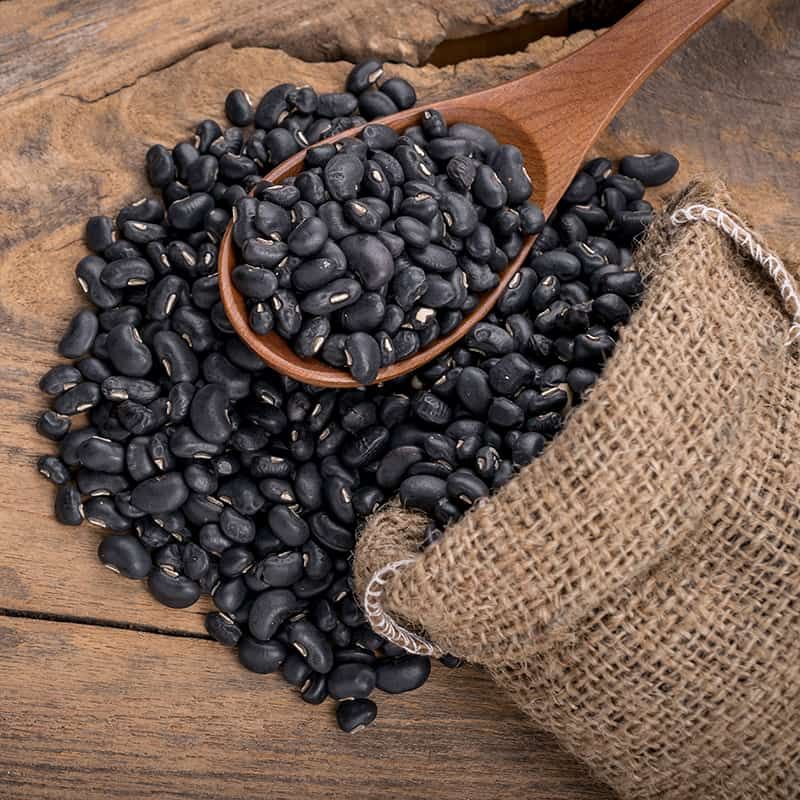
Budget-friendly and deeply underrated, black beans are a magnesium powerhouse that deserves far more attention in British kitchens. A 172g serving of cooked black beans packs around 120mg of magnesium, plus plenty of plant-based protein and fibre.
They work brilliantly in soups, stews, wraps, and even veggie burgers. Canned varieties are just as nutritious as dried ones, making them a genuinely convenient option for busy weeknights.
Stock your cupboard with a few tins and you're already ahead.
7. Edamame
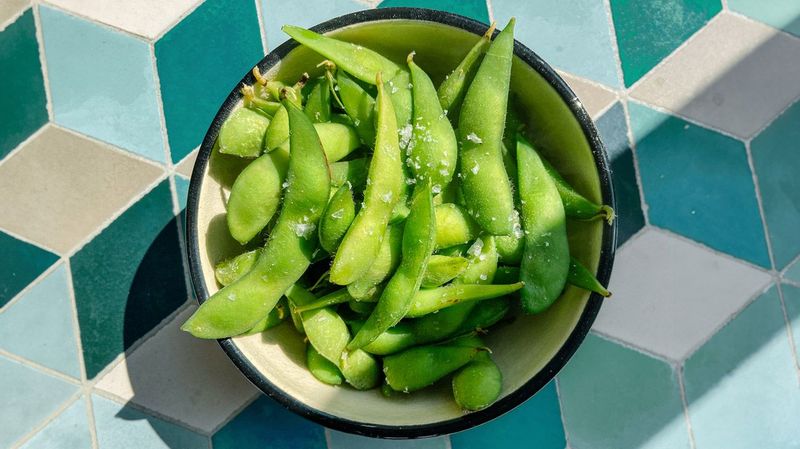
If you've only ever eaten edamame at a sushi restaurant, it's time to bring them home. These young soybeans are a surprisingly impressive source of magnesium, with around 99mg per 155g cooked serving.
They're also rich in plant-based protein, making them a smart choice for vegetarians and meat-eaters alike. Buy them frozen and steam or microwave in minutes for a quick, satisfying snack.
A light sprinkle of sea salt is all they need to taste absolutely brilliant.
8. Tofu
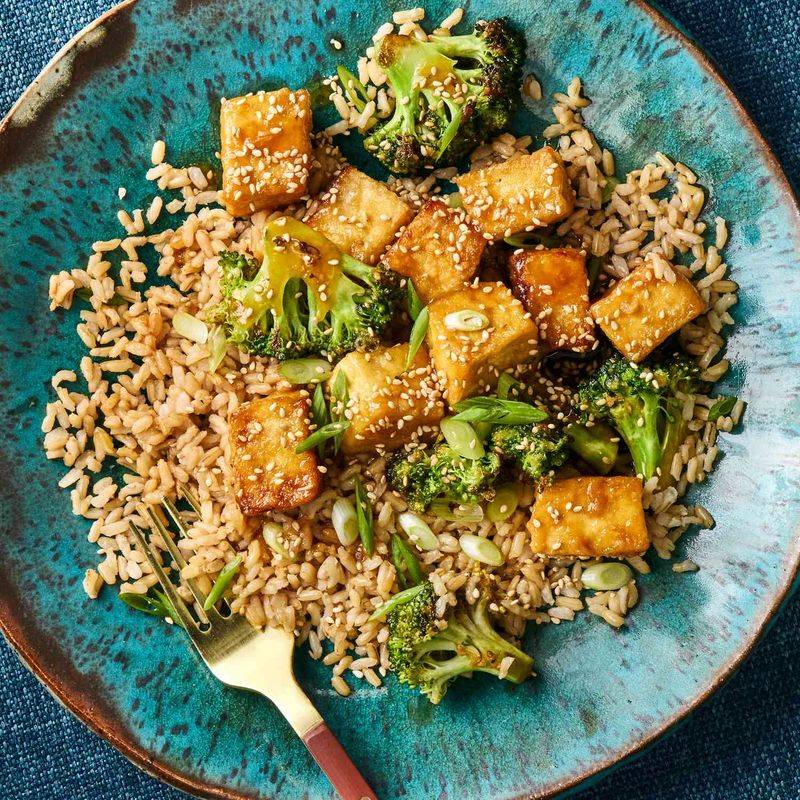
Tofu might not be everyone's first choice, but give it a chance and it can genuinely surprise you. A 126g serving of firm tofu contains around 73mg of magnesium, along with calcium and plant-based protein.
The secret is all in how you cook it. Marinate it well, fry it until golden, or crumble it into a stir-fry and it absorbs flavour beautifully.
It's a versatile, affordable ingredient that works in everything from curries to breakfast scrambles.
9. Whole Wheat Bread
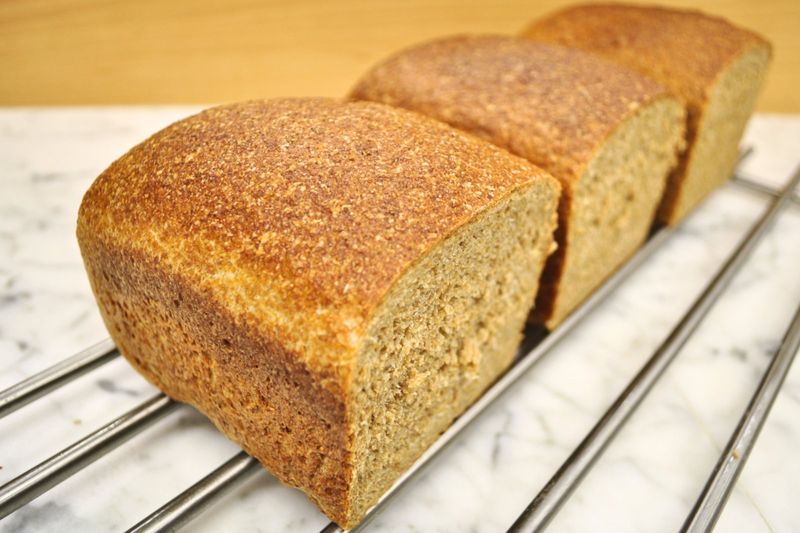
Swapping white bread for whole wheat is one of the simplest dietary upgrades you can make, and your magnesium levels will notice. Two slices of whole wheat bread provide around 46mg of magnesium, along with extra fibre and B vitamins.
The fibre also helps keep blood sugar levels steadier throughout the day, which is great for energy and focus. Look for loaves where whole wheat flour is listed as the first ingredient to make sure you're getting the real deal.
10. Salmon
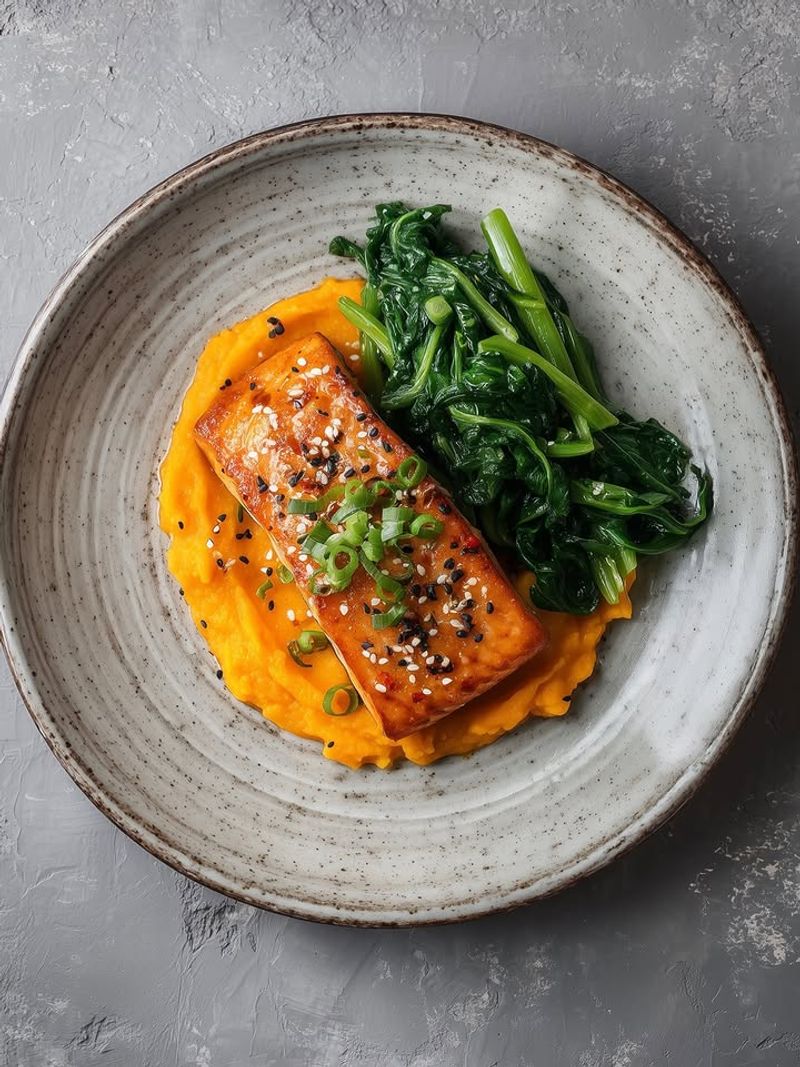
Rich, flavourful, and endlessly versatile, salmon is a fish worth eating at least twice a week. A 178g fillet provides around 53mg of magnesium alongside omega-3 fatty acids, vitamin D, and high-quality protein.
Baked, grilled, or poached, salmon fits easily into weeknight dinners without much fuss. It's also widely available across UK supermarkets, whether fresh, frozen, or tinned.
Pairing it with a side of spinach or edamame turns one meal into a serious magnesium double-up.
11. Cashews

Cashews have a naturally buttery, creamy texture that makes them one of the most enjoyable ways to top up your magnesium. A 30g serving delivers around 83mg of magnesium, which is a solid chunk of your daily target in one small handful.
They're also a good source of copper and zinc, minerals that support immune function. Add them to stir-fries for crunch, blend them into sauces, or just snack on them raw.
They're endlessly useful in both sweet and savoury cooking.
12. Quinoa
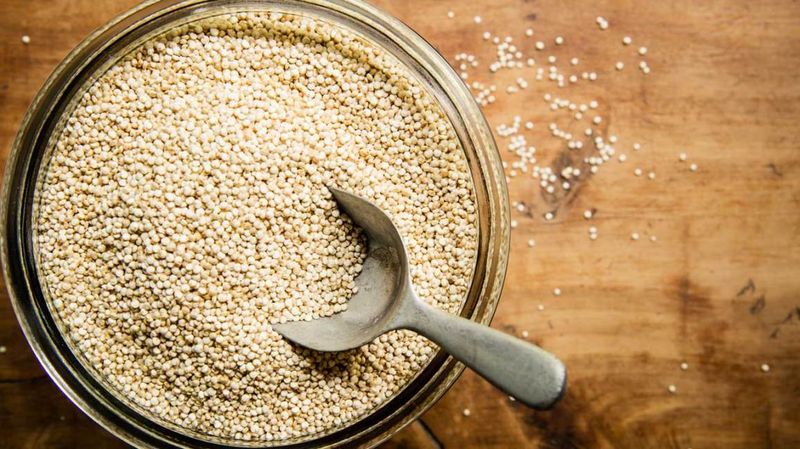
Quinoa has been a staple in South American diets for thousands of years, and modern nutrition science fully understands why. One cooked cup provides around 118mg of magnesium, plus all nine essential amino acids, making it a complete protein source.
It cooks in about 15 minutes and works brilliantly as a base for salads, grain bowls, or as a rice substitute. Its slightly nutty flavour is mild enough to complement bold dressings and spices without overpowering the dish.
13. Bananas
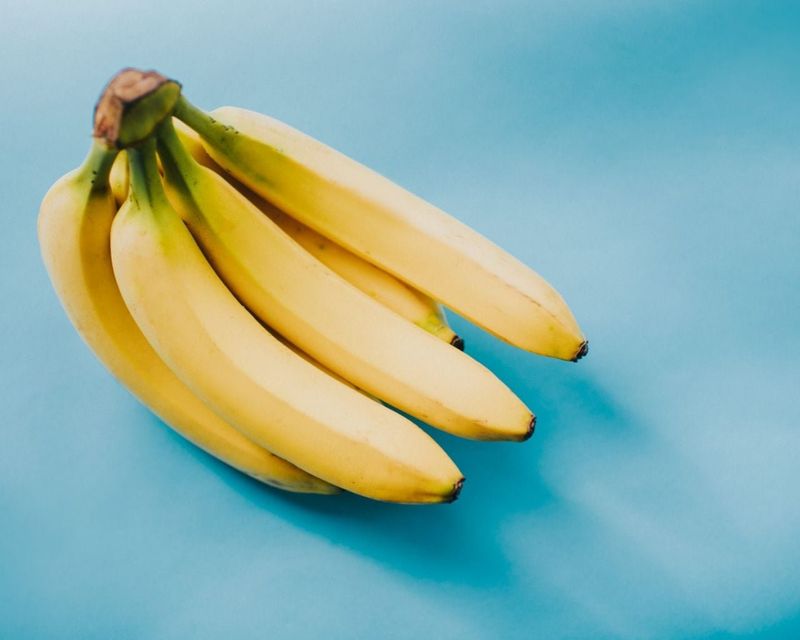
Most people associate bananas with potassium, but they're also a decent source of magnesium. One medium banana contains around 32mg of the mineral, making it a convenient on-the-go option that needs zero preparation.
They're also rich in vitamin B6 and natural sugars that provide a quick energy boost, which is why athletes love them before a workout. Keep a bunch on your kitchen counter as a visual reminder to grab one when you need a fast, nutritious snack between meals.
14. Brown Rice
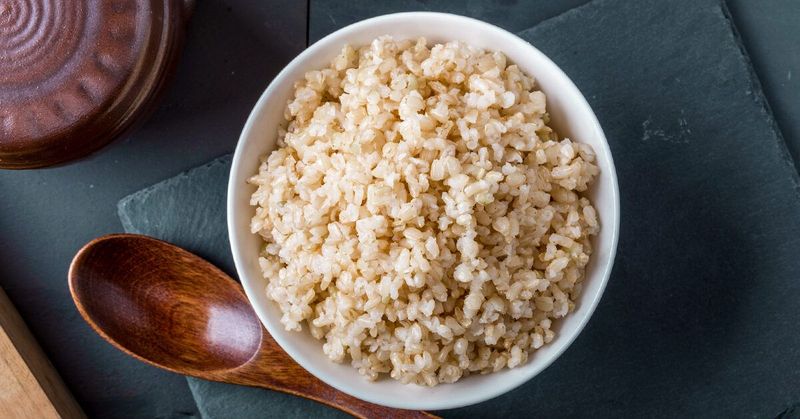
Brown rice is white rice's more nutritious older sibling. Because it retains its outer bran layer, it holds onto significantly more magnesium, with one cooked cup providing around 84mg compared to just 19mg in white rice.
It takes a little longer to cook, but the extra fibre and mineral content make it well worth the wait. Use it as a base for curries, stir-fries, or meal-prep bowls.
Batch-cooking a big portion at the start of the week saves time on busy evenings.
15. Yoghurt
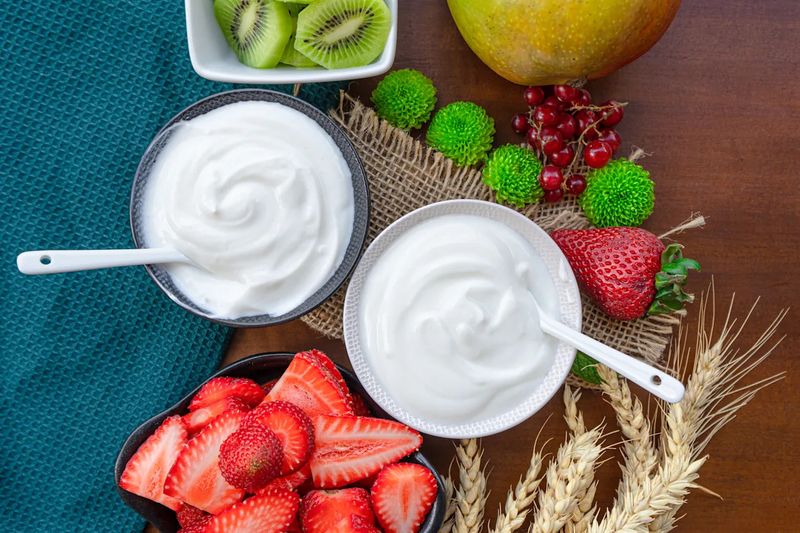
Plain yoghurt, particularly Greek-style, is a magnesium-containing food that doubles as a probiotic powerhouse. A 245g serving of plain low-fat yoghurt provides around 42mg of magnesium alongside calcium and gut-friendly live cultures.
Top it with pumpkin seeds and a drizzle of honey for a breakfast or snack that stacks multiple magnesium sources in one bowl. Choose varieties without added sugar to get the most nutritional benefit.
It's one of the easiest daily habits you can build around better nutrition.




Comments
No Comments