













Most Britons start the day with a quick bowl of cereal, a slice of toast, or a strong cup of tea, but these familiar favourites often leave important nutrients behind. Without realising it, millions of people head to work or school already running low on vitamins and minerals their bodies desperately need.
Getting the right nutrients at breakfast can boost energy, sharpen focus, and support long-term health. Small changes to your morning plate can make a surprisingly big difference.
1. Vitamin D

Nicknamed the "sunshine vitamin," Vitamin D is notoriously hard to get from food alone, and Britain's grey skies make the shortage even worse. Most traditional British breakfasts, like toast and marmalade or cornflakes with milk, barely scratch the surface of what the body needs.
Adding fortified cereals, eggs, or a small portion of smoked salmon can genuinely help. Adults need around 10 micrograms daily, especially through the darker winter months.
2. Magnesium
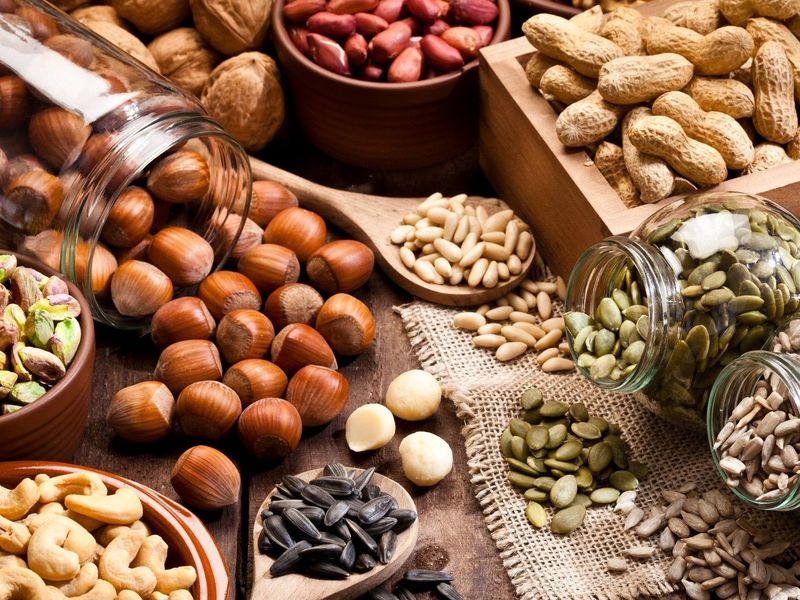
Magnesium quietly handles over 300 chemical reactions inside the human body, yet most people have never given it a second thought at the breakfast table. White bread, sugary cereals, and processed spreads that dominate many British mornings deliver almost none of it.
Swapping to whole grain toast, sprinkling seeds onto yoghurt, or adding a handful of nuts can make a real difference. Your muscles, nerves, and energy levels will all thank you for it.
3. Vitamin B12
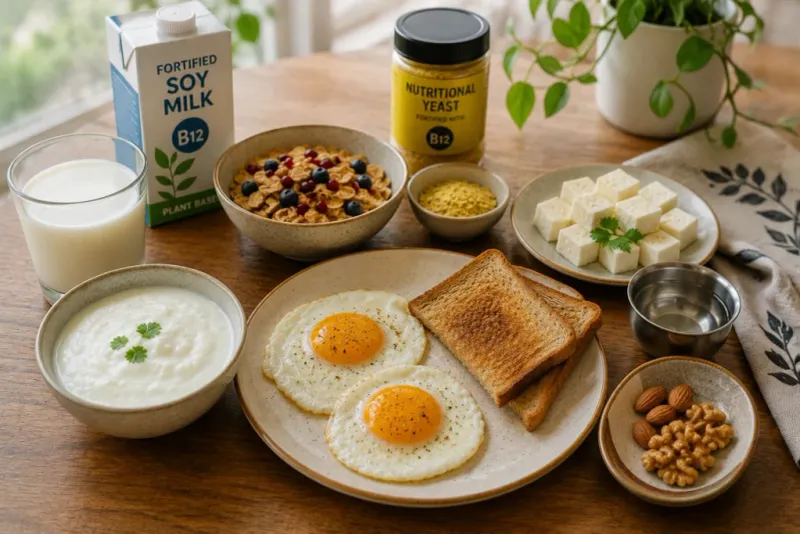
Here is a surprising fact: Vitamin B12 is found almost exclusively in animal products, which means vegetarians and vegans are at high risk of missing it entirely at breakfast. Even meat-eaters who skip eggs or dairy in the morning may fall short without realising.
B12 keeps the nervous system healthy and helps produce red blood cells. Eggs, dairy, fortified plant milks, and certain cereals are your best morning allies for hitting your daily target.
4. Iron
Tiredness that just will not shift, no matter how early you go to bed, is often a sign that iron levels are running low. Iron deficiency is one of the most common nutritional shortfalls in Britain, particularly among women and teenage girls.
Many popular British breakfasts, especially those centred around white toast and sugary spreads, offer very little iron. Fortified bran cereals, dried fruit, and seeds are easy additions that can quietly top up your levels each morning.
5. Calcium
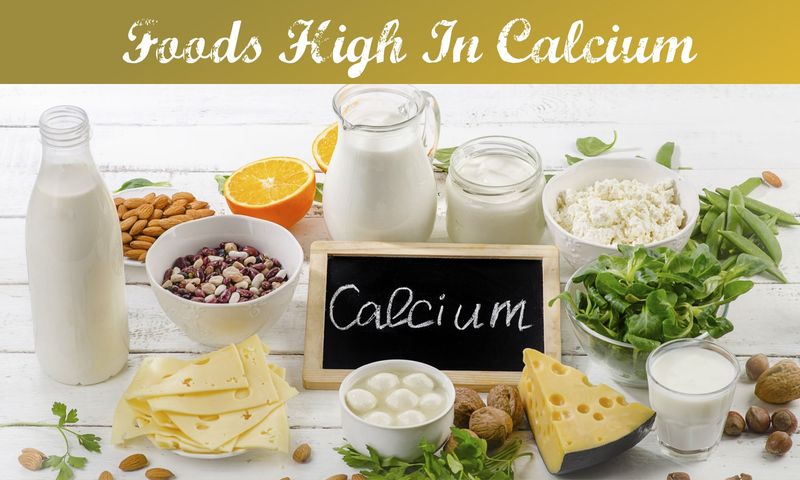
Calcium is the mineral most people associate with strong bones, but it does far more than that, supporting muscle function, nerve signalling, and even heart rhythm. The tricky part is that many Britons who skip dairy at breakfast lose their easiest daily source.
Plant-based alternatives like fortified oat or almond milk work well as substitutes. Greek yoghurt with fruit is another brilliant option that packs in calcium without requiring much effort or cooking skill at all.
6. Folate (Vitamin B9)
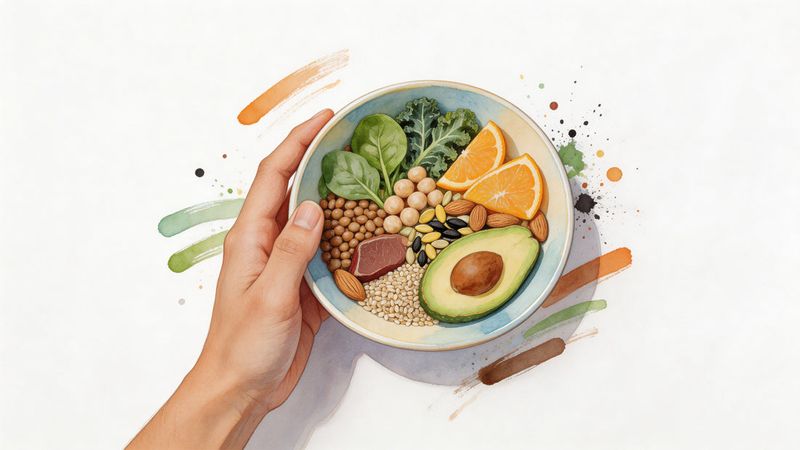
Folate, sometimes called folic acid in its synthetic form, is especially critical during pregnancy but is something everyone benefits from daily. It helps the body make DNA and keeps cells dividing properly, which matters at every stage of life.
Avocado on toast has become a British breakfast favourite, and thankfully it is a decent folate source. Spinach omelettes, fresh orange juice, and fortified cereals are other easy ways to bring this B vitamin into your morning routine without any fuss.
7. Zinc

Zinc plays a starring role in keeping the immune system strong, healing wounds, and even helping you taste and smell your food properly. Yet it rarely gets the attention it deserves at the breakfast table, particularly in households that rely heavily on processed morning foods.
Pumpkin seeds are one of the richest plant-based sources of zinc and take just seconds to scatter over porridge or yoghurt. Eggs and whole grain bread also contribute meaningful amounts to your daily needs.
8. Potassium
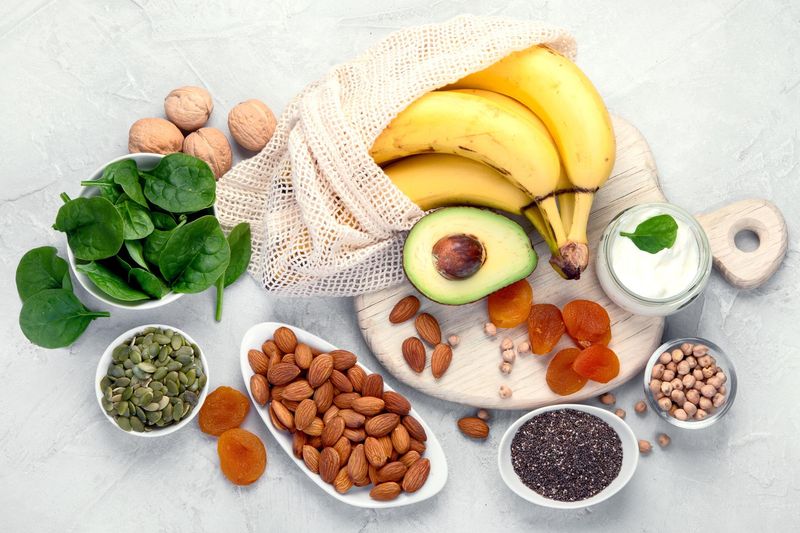
Most people know potassium is in bananas, but far fewer realise just how important it is for keeping blood pressure healthy and muscles working smoothly. British breakfasts heavy on processed meats and white bread tend to be high in sodium, which actually increases the body's need for potassium.
A banana on the side, some baked beans on toast, or even a glass of fresh orange juice can meaningfully boost your morning potassium intake with very little effort required.
9. Vitamin A

Vitamin A supports healthy eyesight, skin, and immune function, yet it is one of those nutrients that quietly slips through the cracks of a typical British morning. Cornflakes with semi-skimmed milk, for instance, offer almost none of it.
Eggs are a surprisingly good morning source of Vitamin A. Pairing them with orange or yellow fruits like cantaloupe, or sipping a small glass of carrot juice alongside your usual breakfast, is an easy and genuinely tasty way to cover your daily needs.
10. Vitamin C
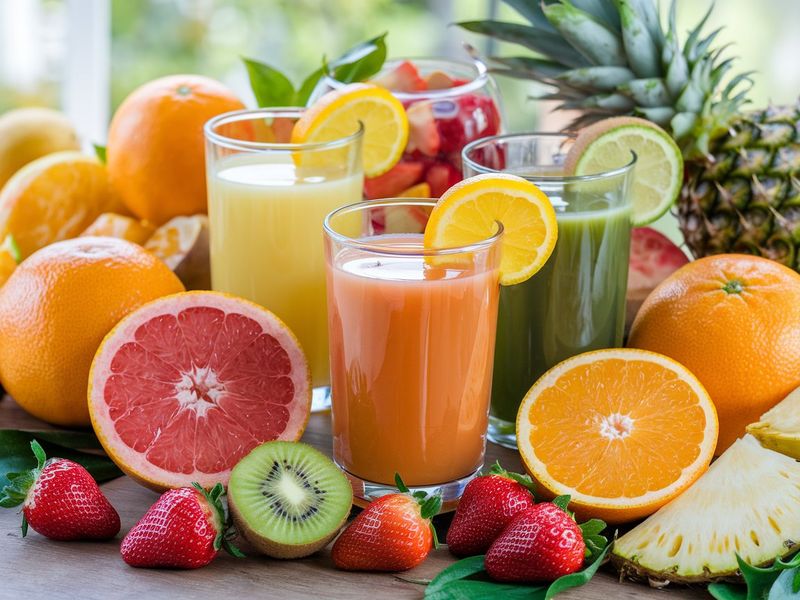
Vitamin C does more than fend off colds. It also helps the body absorb iron from plant foods, supports collagen production, and acts as a powerful antioxidant throughout the body.
A breakfast without any fruit or fresh juice is almost certainly low on this vital nutrient.
Strawberries, kiwi, and fresh orange juice are all brilliant morning sources. Even a simple handful of berries stirred into porridge or yoghurt can deliver a solid Vitamin C boost before you have left the house.
11. Vitamin E
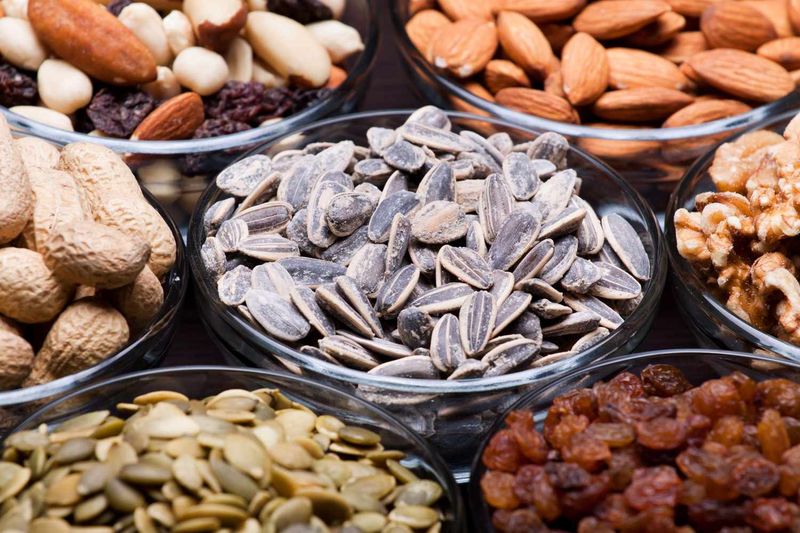
Vitamin E is a fat-soluble antioxidant that protects cells from damage and supports the immune system, yet it is one of the most overlooked nutrients at the British breakfast table. Sugary cereals, white toast, and tea with milk contain virtually none of it.
Almond butter spread on whole grain toast is a flavourful and practical way to bring Vitamin E into your morning. Sunflower seeds and avocado slices are equally effective, and they turn a basic breakfast into something genuinely nourishing and satisfying.
12. Iodine

Iodine might be the most underappreciated mineral at the breakfast table. The thyroid gland depends on it to produce hormones that regulate metabolism, growth, and energy levels throughout the day.
Low iodine is surprisingly common in the UK, particularly among people who avoid dairy.
Cow's milk and plain yoghurt are among the best breakfast sources of iodine in Britain. Those following plant-based diets need to be especially mindful, as most plant milks are not fortified with iodine unless specifically labelled.
13. Selenium
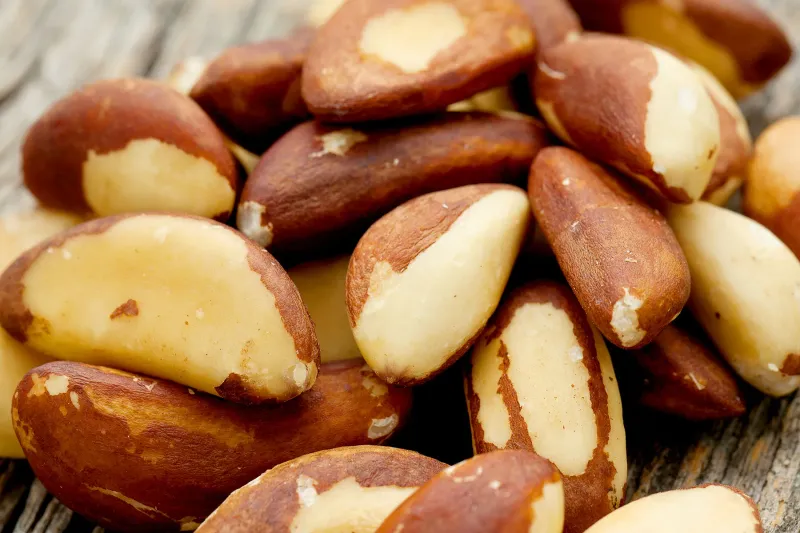
Just two Brazil nuts contain more than a full day's worth of selenium, which makes this one of the easiest nutritional gaps to fix with almost no effort at all. Selenium supports thyroid function, protects against cell damage, and plays a role in reproductive health.
British soils are naturally low in selenium, which means UK-grown crops tend to be poor sources. Eggs and whole grain bread offer moderate amounts, but adding a couple of Brazil nuts to your morning snack is the simplest fix going.
14. Omega-3 Fatty Acids
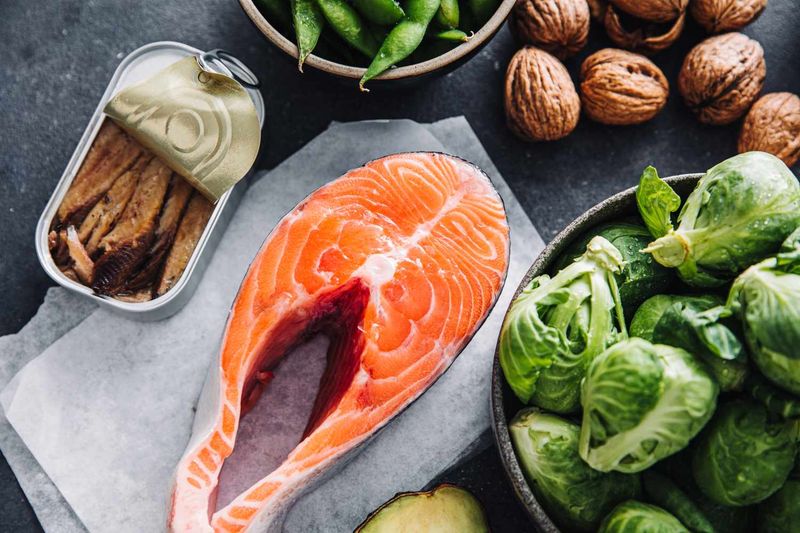
Omega-3 fatty acids are not technically vitamins or minerals, but they function so similarly to essential nutrients that nutritionists often group them together. The brain, heart, and joints all depend on them, and most Britons eat nowhere near enough at breakfast time.
Smoked salmon is one of the richest morning sources available, and it pairs beautifully with whole grain toast. Chia seeds stirred into yoghurt or a small handful of walnuts are brilliant plant-based options that are easy to grab on even the busiest mornings.
15. Vitamin K
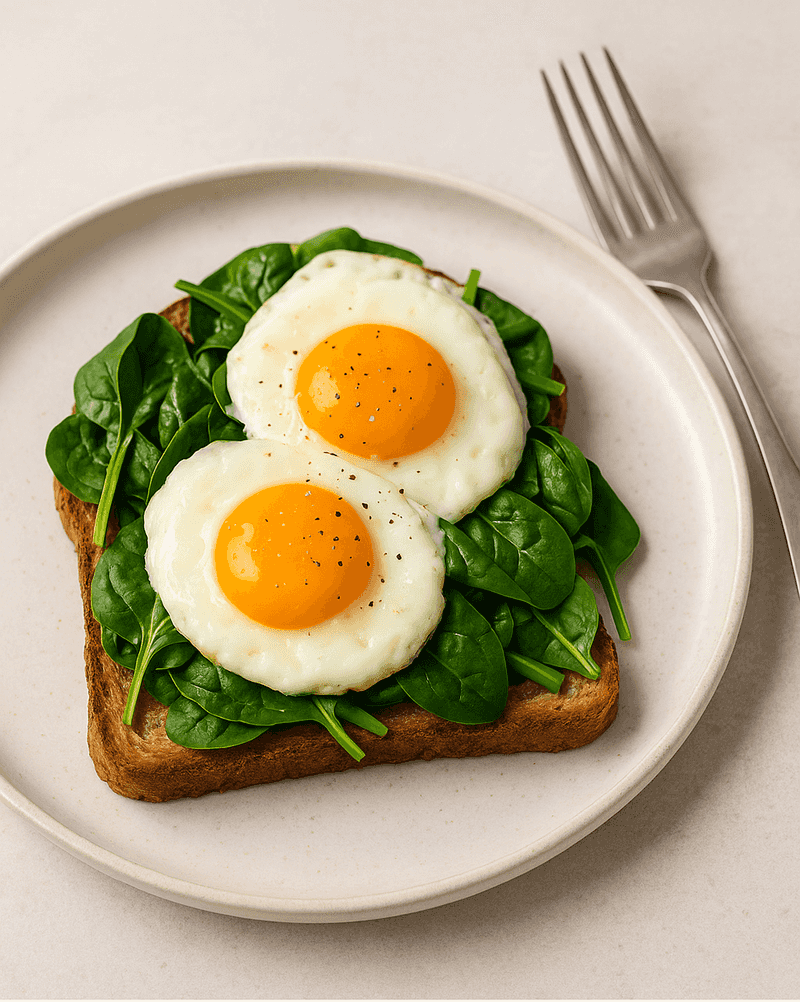
Vitamin K is the nutrient responsible for helping blood clot properly after an injury, and it also plays a crucial role in keeping bones strong over time. Yet it rarely makes anyone's breakfast checklist, largely because people simply do not know which morning foods contain it.
Spinach is one of the richest sources of Vitamin K and works wonderfully scrambled into eggs. Avocado, which has become a British breakfast staple, also delivers a useful amount, making it one of the most nutritionally well-rounded toppings you can choose in the morning.




Comments
No Comments