













Some eating habits get a bad reputation, but not everything that looks unhealthy actually is. Many foods and routines that people frown upon have surprising benefits backed by science.
Before judging someone for skipping breakfast or eating late at night, it is worth knowing the full story. You might be surprised to learn that some of your own habits are doing more good than you think.
1. Skipping Breakfast

For years, breakfast was called the most important meal of the day. But skipping it is not always a bad idea.
Research on intermittent fasting shows that giving your body a longer break from eating can actually support metabolism and help with weight management.
Many people who skip breakfast report feeling more focused in the morning. If you are not hungry right after waking up, listening to your body might be smarter than forcing a meal.
2. Eating Late at Night

Late-night eating gets blamed for weight gain, but timing alone is not the whole story. What you eat matters far more than when you eat it.
A small, protein-rich snack before bed can actually support muscle recovery while you sleep.
Studies suggest that eating a light snack like cottage cheese or Greek yogurt at night may even boost your metabolism slightly. The key is choosing the right foods rather than avoiding eating altogether after dark.
3. Eating the Same Meal Every Day
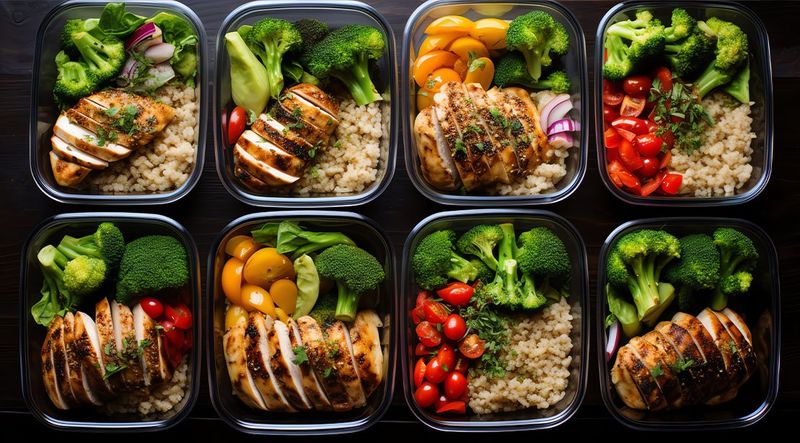
People who eat the same thing daily are often teased for being boring, but there is actually a smart logic behind it. Reducing food decisions cuts down on decision fatigue, which can save mental energy for other parts of your day.
Many successful athletes and busy professionals swear by meal repetition to stay on track with nutrition goals. When you know exactly what you are eating, it is easier to control portions and avoid impulsive, less healthy choices.
4. Snacking Between Meals
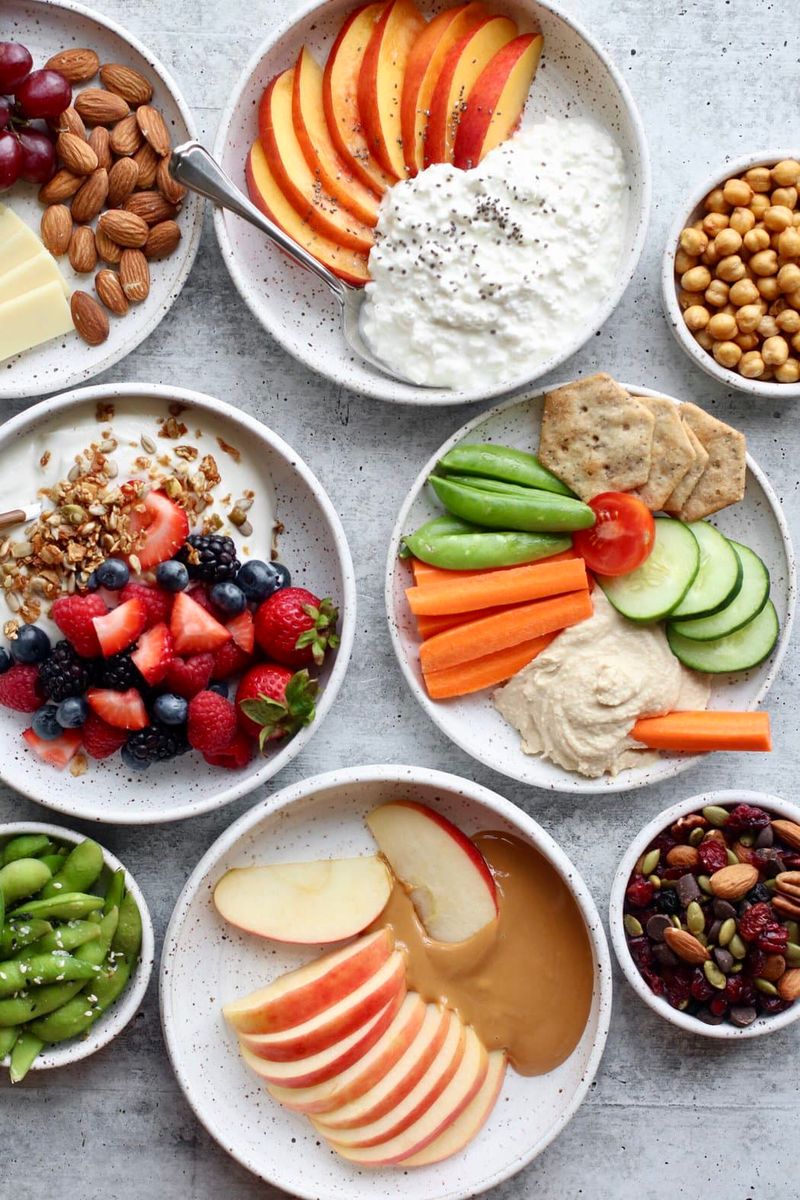
Snacking has a bad reputation, often linked to mindless munching and weight gain. However, planned snacking between meals can actually keep blood sugar levels stable throughout the day.
Stable blood sugar means fewer energy crashes and less intense hunger at mealtimes.
Choosing nutrient-dense snacks like fruit, nuts, or hummus with vegetables makes snacking a genuinely helpful habit. The problem is usually the type of snack, not the act of snacking itself.
5. Eating Carbs at Night

Carbohydrates eaten at night are often blamed for weight gain, but the science tells a more nuanced story. Your body does not automatically store carbs as fat just because it is nighttime.
Total daily calorie intake is what matters most for weight management.
Interestingly, some research suggests that eating carbs in the evening can promote better sleep by supporting serotonin production. Whole grain options like brown rice or oats are especially good choices for a satisfying evening meal.
6. Not Finishing Everything on Your Plate

Growing up, many of us were told to clean our plates. But stopping when you feel full is actually one of the healthiest things you can do.
Forcing yourself to finish food when you are already satisfied teaches your body to ignore natural hunger signals.
Listening to your body's fullness cues is a key habit in mindful eating, which is linked to healthier weight and a better relationship with food overall. Leftovers are always an option.
7. Eating Frozen Vegetables

Fresh vegetables get all the glory, but frozen ones deserve far more credit than they typically receive. Vegetables are flash-frozen at peak ripeness, which locks in their nutrients almost perfectly.
In some cases, frozen vegetables actually contain more vitamins than fresh ones that have been sitting in transit for days.
Frozen vegetables are also more affordable, reduce food waste, and are incredibly convenient. Swapping fresh for frozen is a practical choice that does not sacrifice nutrition at all.
8. Drinking Coffee on an Empty Stomach

Coffee on an empty stomach gets a bad rap, with many people warning it will upset your digestion or spike your cortisol. While this can be true for some individuals, many people tolerate it perfectly well.
Black coffee actually contains antioxidants that may support heart health and reduce inflammation.
For people who practice intermittent fasting, morning coffee without food is a common and effective part of their routine. Knowing your own body is what matters most here.
9. Eating Canned Foods
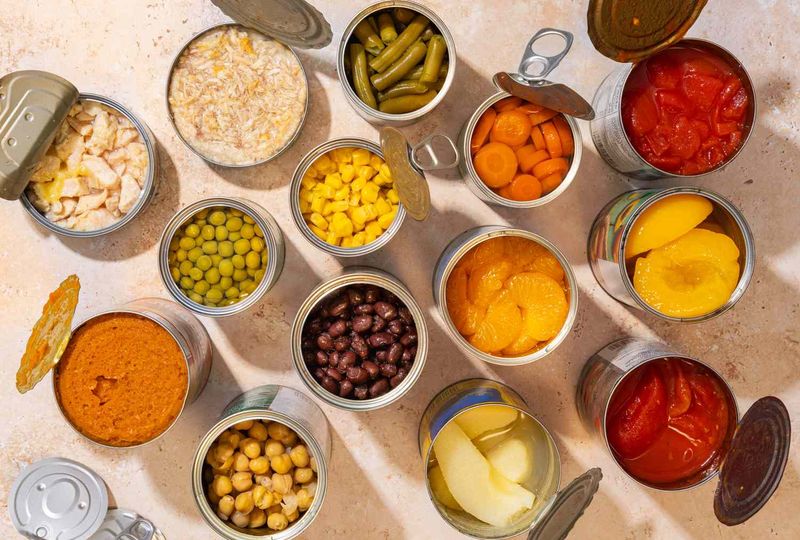
Canned food is often seen as a lesser option compared to fresh or frozen alternatives. The truth is that many canned foods are nutritional powerhouses.
Canned salmon, sardines, beans, and tomatoes are packed with protein, fiber, and essential vitamins.
The canning process preserves most nutrients effectively, and choosing low-sodium options makes canned food even healthier. Keeping a well-stocked pantry of quality canned goods is actually a smart and budget-friendly nutrition strategy.
10. Eating Egg Yolks

For decades, egg yolks were feared because of their cholesterol content. Many people tossed them out and ate only the whites.
But research has shifted significantly on this topic. Dietary cholesterol from eggs has a minimal effect on blood cholesterol for most healthy people.
Egg yolks are loaded with vitamin D, choline, and healthy fats that support brain function and hormone health. Eating whole eggs is not only acceptable for most people but genuinely beneficial.
11. Eating While Watching TV

Eating in front of the television is constantly criticized for promoting mindless overeating. While that risk is real, it is not an automatic outcome for everyone.
Some people find that eating while watching something they enjoy actually makes mealtime more relaxing and pleasant.
The key is portion awareness. Plating your food beforehand instead of eating from a large bag or container helps maintain control.
Pairing screen time with a balanced, pre-portioned meal can work just fine.
12. Eating Bread
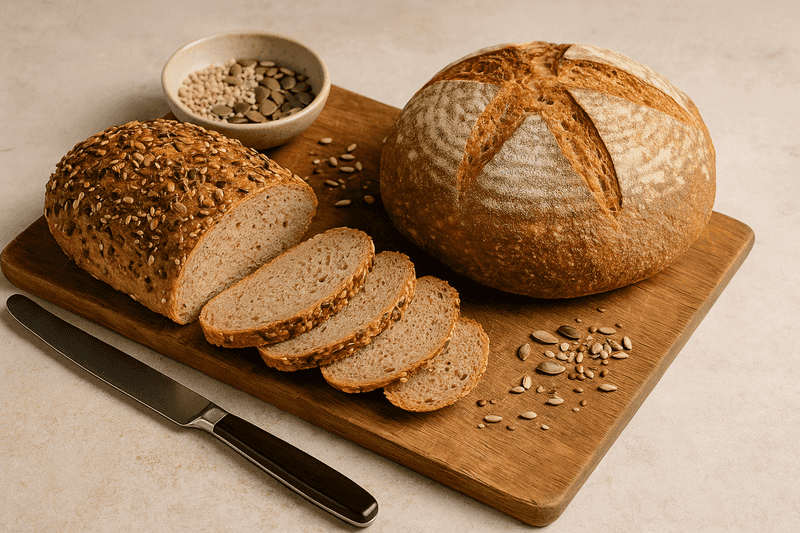
Bread has been unfairly demonized by low-carb diet culture, but not all bread deserves that label. Whole grain and sourdough breads provide fiber, B vitamins, and complex carbohydrates that fuel your brain and muscles throughout the day.
Sourdough in particular is fermented, which makes it easier to digest and may even support gut health. Cutting bread out entirely is unnecessary for most people.
Choosing quality bread and enjoying it in reasonable amounts is a perfectly balanced approach.
13. Eating Salty Foods

Salt has been painted as a dietary villain for so long that many people feel guilty for enjoying salty food. However, sodium is an essential mineral your body genuinely needs to function.
It helps regulate fluid balance, supports nerve function, and enables muscle contractions.
For people who are active and sweat regularly, adequate salt intake is especially important. The issue is excessive consumption over time, not an occasional salty snack.
Context and balance always matter more than blanket food rules.
14. Eating Fast Food Occasionally

Fast food is one of the most criticized parts of modern eating culture. But an occasional burger or order of fries is not going to derail an otherwise healthy lifestyle.
Nutritionists often emphasize that no single meal defines your overall health.
Eating fast food once in a while, especially when chosen thoughtfully, fits into a balanced diet without guilt. Grilled options, side salads, and water instead of soda can make fast food visits more nutritious without removing the enjoyment entirely.
15. Eating Chocolate

Chocolate lovers have long been told to feel guilty about their favorite treat. But dark chocolate, in particular, is rich in flavonoids, a type of antioxidant linked to improved heart health and reduced inflammation.
Studies have shown that moderate dark chocolate consumption may lower blood pressure.
Even milk chocolate provides some mood-boosting benefits through its effect on serotonin levels. Enjoying a small portion of quality chocolate daily is not indulgence gone wrong.
It might actually be doing your body some good.
16. Eating Potatoes

Potatoes have been wrongly lumped in with junk food, largely because of their association with chips and fries. On their own, potatoes are incredibly nutritious.
A medium baked potato contains more potassium than a banana, along with vitamin C, fiber, and B vitamins.
They are also naturally filling, which means you are less likely to overeat when potatoes are part of your meal. The preparation method is what determines whether potatoes are healthy or not, not the potato itself.
17. Eating Red Meat

Red meat has been heavily criticized in recent years, with many people cutting it out entirely. While excessive consumption of processed red meat does carry health risks, unprocessed red meat in moderate amounts offers real nutritional value.
It is one of the best sources of iron, zinc, and vitamin B12.
People who struggle with iron deficiency or fatigue often benefit from including lean cuts like sirloin or tenderloin in their diet. Moderation and quality are the deciding factors here.
18. Eating Spicy Food

Spicy food makes some people nervous, but it has a surprisingly impressive health profile. Capsaicin, the compound that gives chili peppers their heat, has been studied for its ability to boost metabolism, reduce appetite, and even support heart health by improving circulation.
Regular spicy food eaters may also develop a higher tolerance over time, making it easier to enjoy the benefits without discomfort. Far from being a reckless habit, eating spicy food regularly could be one of the tastier ways to support your health.
19. Grazing Throughout the Day
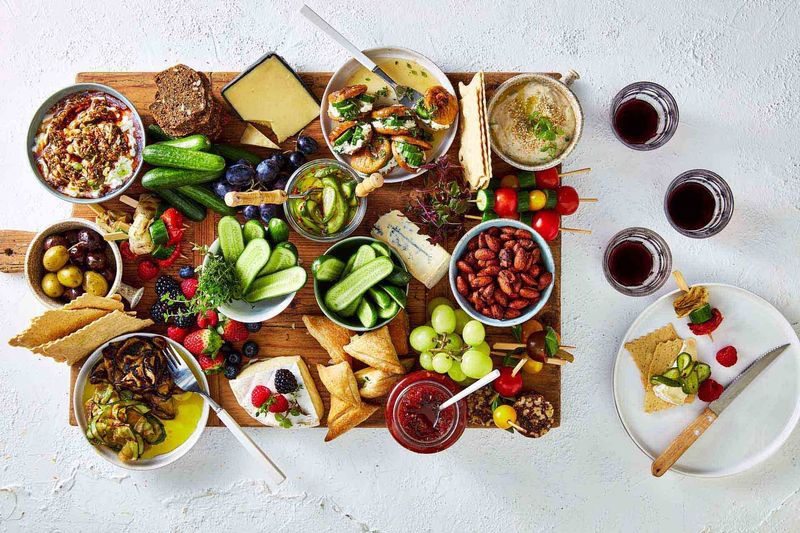
Eating small amounts continuously throughout the day, sometimes called grazing, is often dismissed as undisciplined snacking. But for some people, it is a genuinely effective way to manage hunger and maintain steady energy levels.
It can prevent the kind of intense hunger that leads to overeating at mealtimes.
People with certain digestive conditions, like acid reflux or gastroparesis, are often advised to eat smaller, more frequent portions. Grazing works best when the foods chosen are nutritious and portions remain mindful.
20. Eating Full-Fat Dairy

Low-fat dairy products were once considered the healthier choice, but full-fat dairy is making a strong scientific comeback. Research now suggests that full-fat dairy is not the heart disease risk it was once believed to be.
In fact, the fats in dairy may help your body absorb fat-soluble vitamins like A, D, and K more effectively.
Full-fat dairy also tends to be more satisfying, which can actually reduce overall calorie intake by keeping you fuller longer. Whole milk and full-fat yogurt are worth reconsidering.
21. Eating Leftovers for Breakfast

Eating dinner leftovers for breakfast raises eyebrows, but there is absolutely nothing wrong with it. Breakfast food rules are entirely cultural, not nutritional.
A balanced meal with protein, vegetables, and complex carbohydrates is a fantastic way to start your day, regardless of whether it came from a frying pan that morning.
Leftovers also save time, reduce food waste, and often taste even better the next day. Breaking the breakfast-only-foods rule might actually be one of the most practical nutrition habits you can build.




Comments
No Comments