













Remember those foods that made you feel like royalty as a kid? Maybe it was something your grandma served on special occasions, or a treat that only showed up at birthday parties.
These dishes felt like the height of sophistication back then, but today they've quietly faded from menus and grocery store shelves. Take a walk down memory lane as we revisit 19 foods that once felt incredibly fancy but have nearly vanished from our lives.
1. Shrimp Cocktail
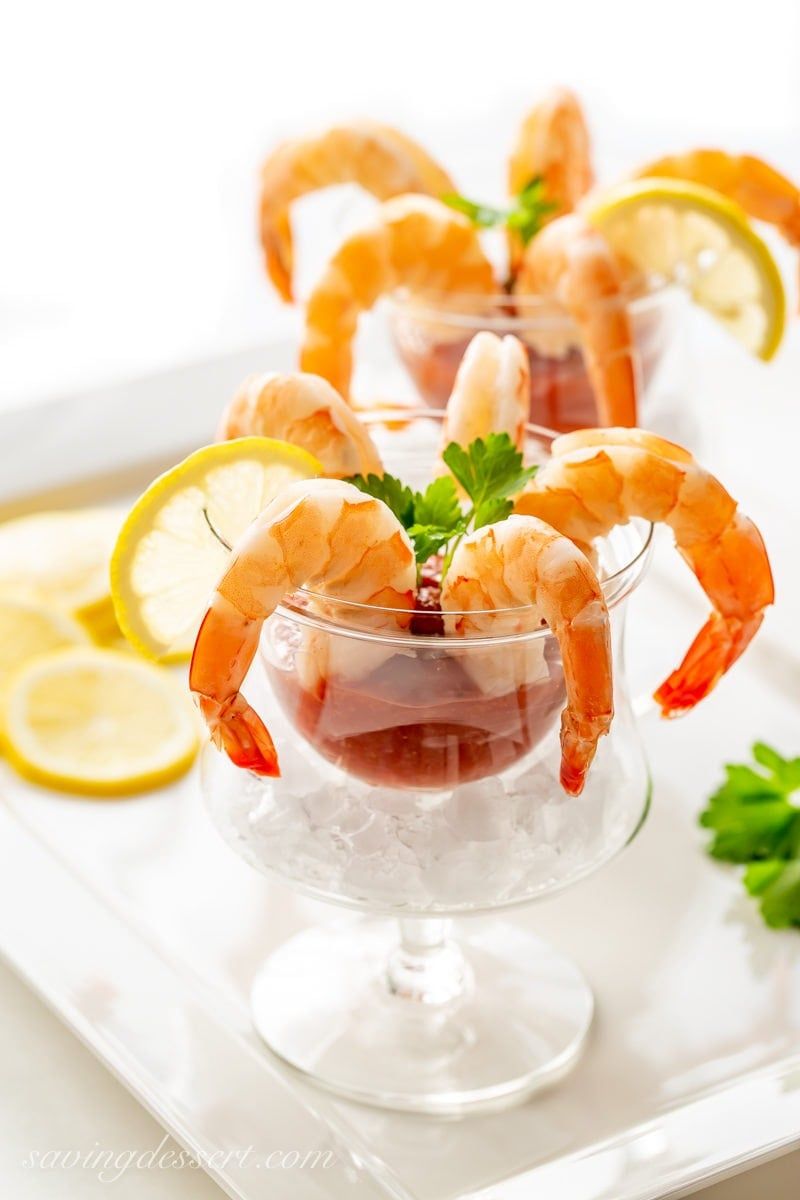
Nothing said "we're having a fancy night" quite like a glass of plump shrimp hanging over the rim with a little cup of red sauce in the middle. Shrimp cocktail was the ultimate appetizer at family gatherings and holiday parties throughout the 70s, 80s, and 90s.
Today, it rarely appears outside of old-school steakhouses. Back then, serving shrimp cocktail meant someone in the family really cared about impressing the guests.
2. Fondue
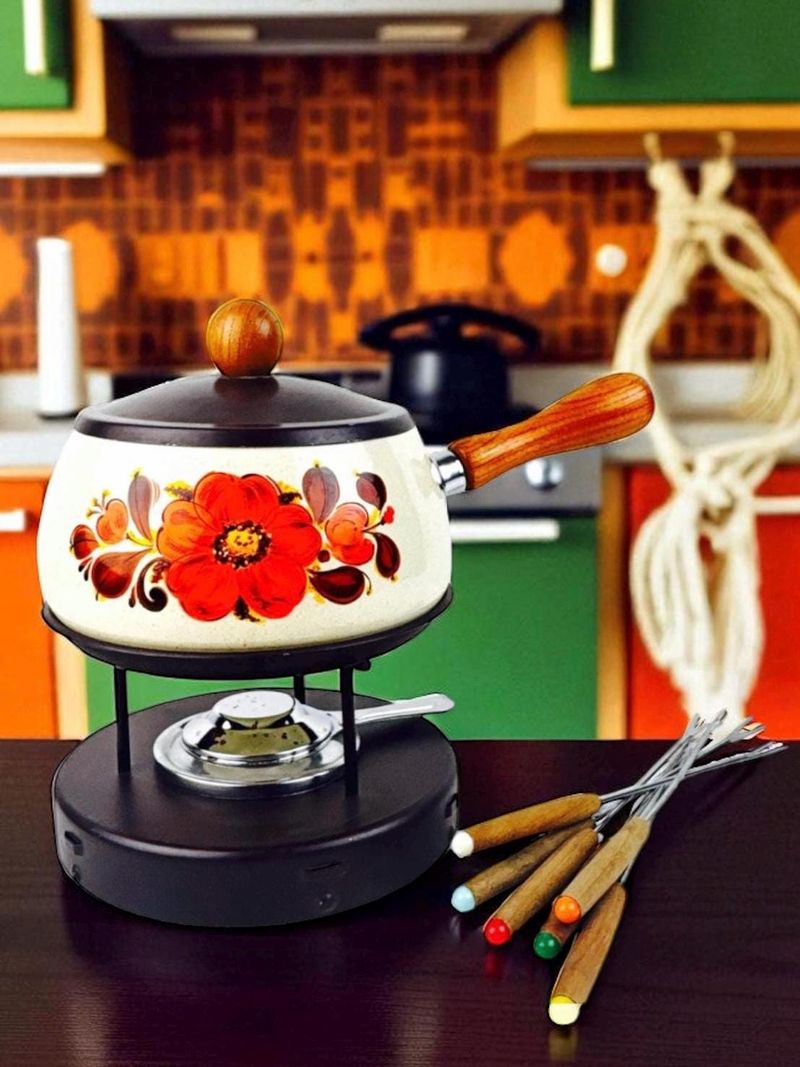
Fondue pots were practically a status symbol in the 1970s. If your family owned one, you were automatically the coolest household on the block.
Dipping bread into bubbling melted cheese felt like something straight out of a Swiss chalet.
Fondue sets were popular wedding gifts for decades, but somewhere along the way they got tucked into the back of kitchen cabinets and forgotten. Every now and then a trendy restaurant brings it back, but it never quite sticks.
3. Deviled Eggs
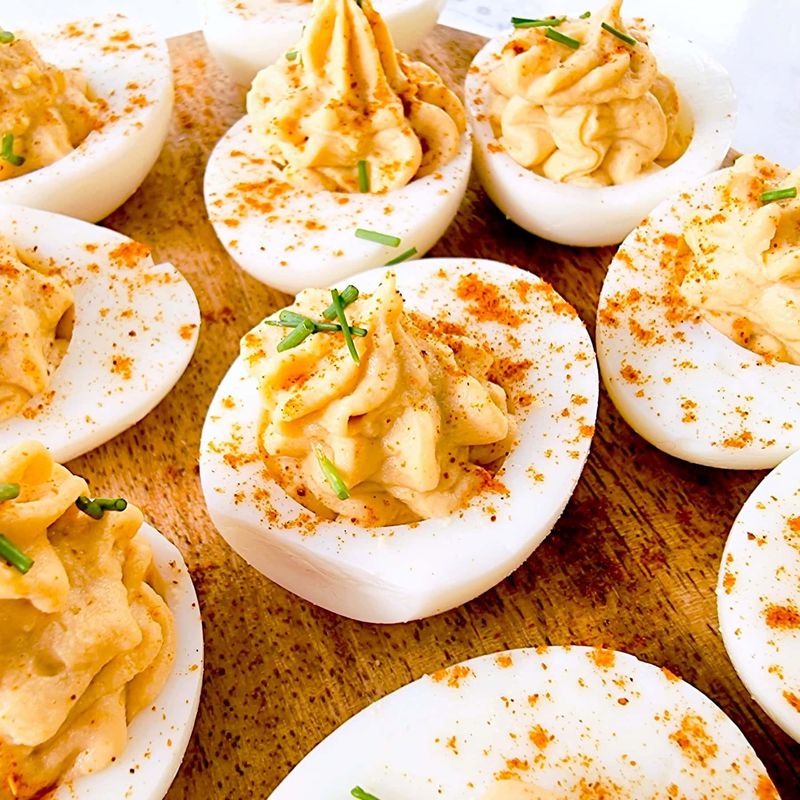
Deviled eggs showed up at every potluck, Easter dinner, and church picnic like clockwork. The little piped filling topped with a sprinkle of paprika felt almost architectural — like someone had put real effort into making something beautiful to eat.
They still exist, but the cultural moment they once owned has passed. Grandmothers everywhere had their own secret recipe, and those recipes unfortunately went with them.
A deviled egg platter used to be something to show off.
4. Beef Stroganoff
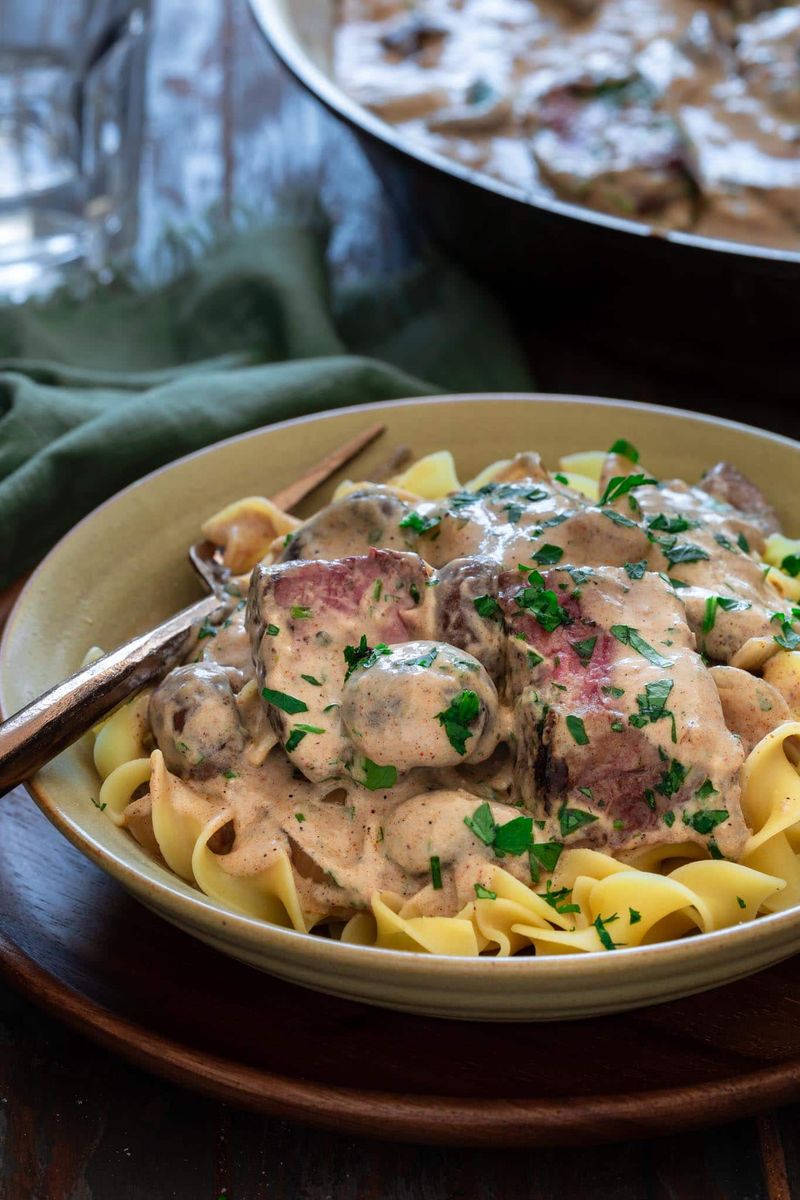
Beef stroganoff felt like gourmet cooking when it appeared on the dinner table as a kid. That creamy sauce with tender strips of beef over egg noodles seemed like something a fancy restaurant chef had invented just for your family.
It was a weeknight hero throughout the 60s, 70s, and 80s, regularly featured in family recipe boxes and church cookbooks. These days it rarely shows up on dinner menus, replaced by pasta dishes and grain bowls that have taken over the comfort food spotlight.
5. Ambrosia Salad
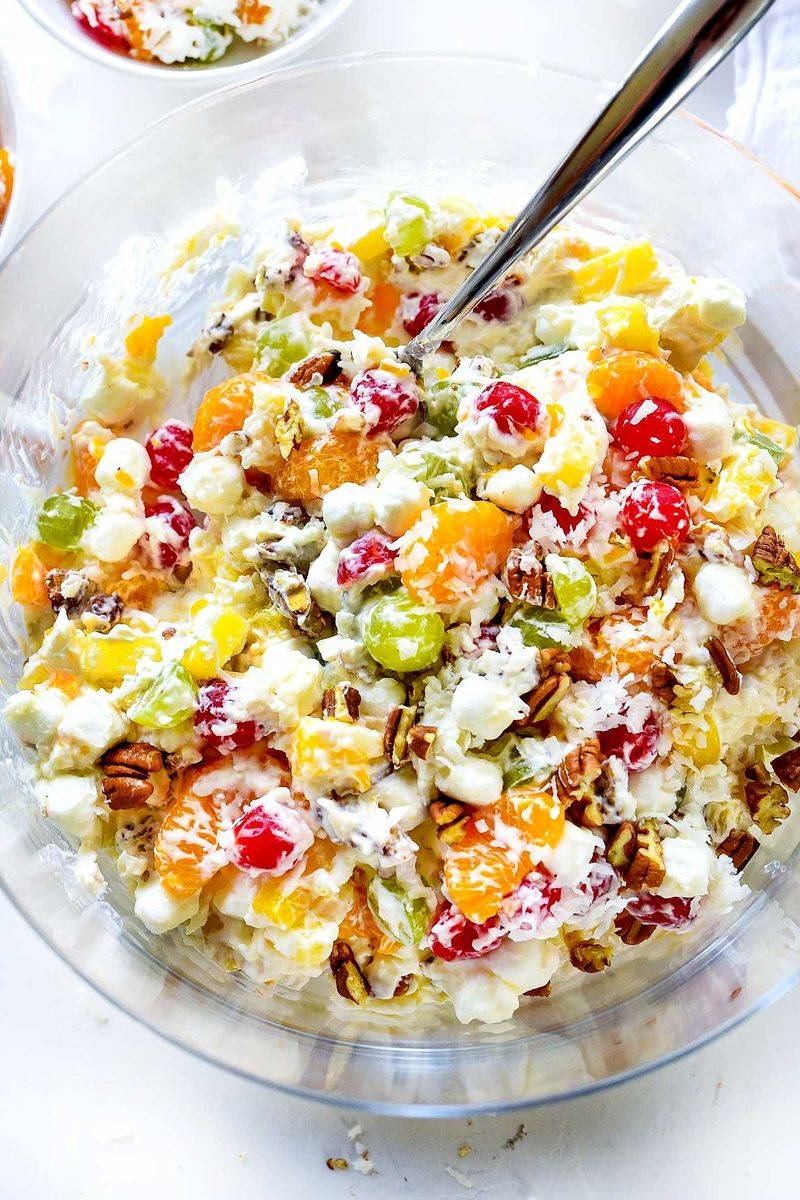
Ambrosia salad had the word "salad" in the name, but it was basically dessert in a bowl — and everyone knew it. Fluffy whipped cream, mini marshmallows, mandarin oranges, and coconut all mixed together felt like a cloud you could eat.
It was a staple at Thanksgiving and Christmas tables for generations. The name itself, borrowed from the food of the Greek gods, told you everything about how seriously people took it.
Today it mostly survives in memory and old recipe cards.
6. Lobster Bisque
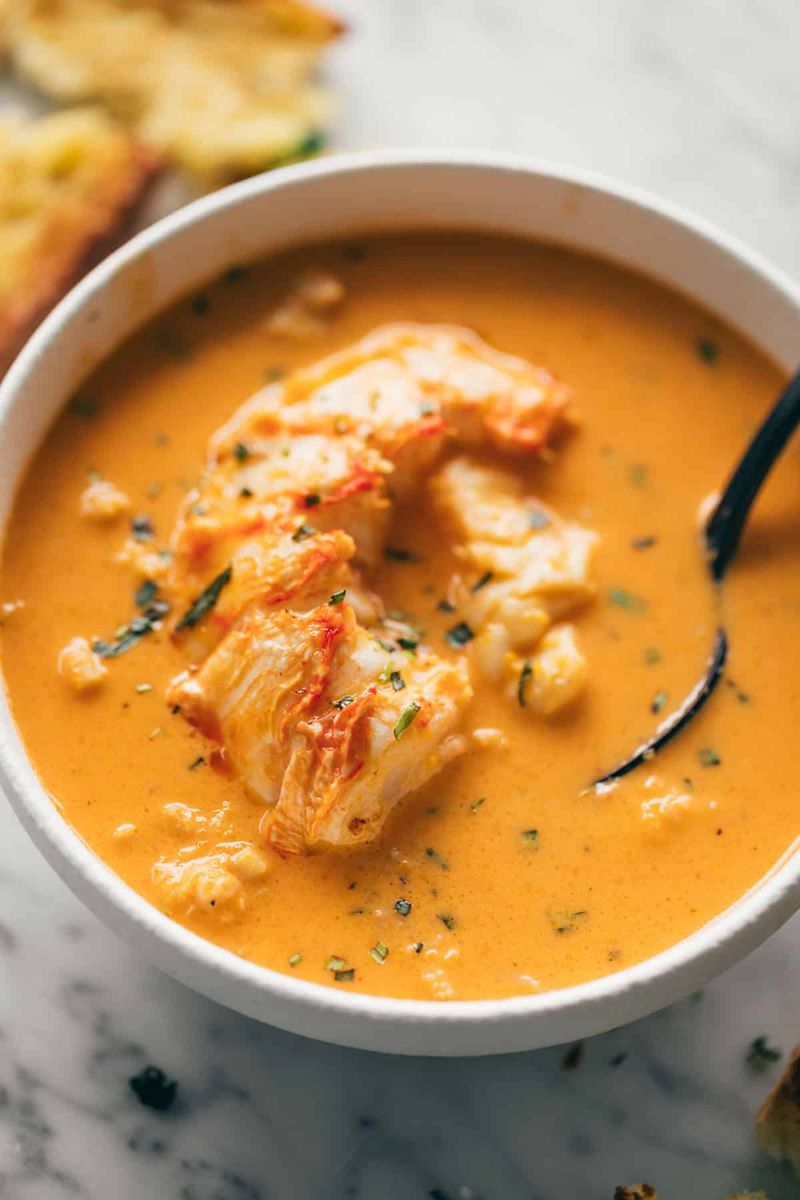
Ordering lobster bisque as a kid felt like crossing into adult territory. The rich, velvety soup came in tiny cups at fancy restaurants, and even just a few sips made you feel incredibly grown-up and sophisticated.
It was the kind of thing you only got on really special occasions — anniversary dinners your parents dragged you to, or holiday meals at a relative's country club. Lobster bisque still exists on menus, but it no longer carries that same aura of luxury it once had.
7. Stuffed Bell Peppers
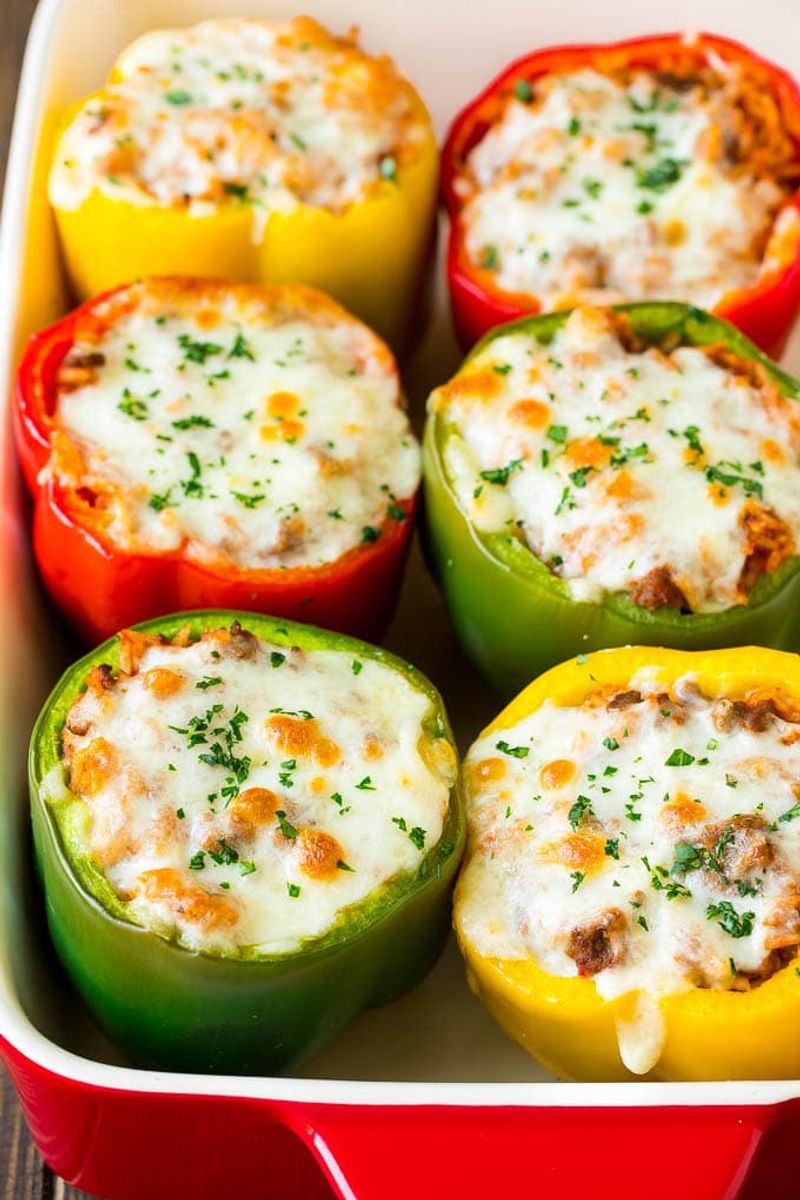
There was something theatrical about stuffed bell peppers arriving at the dinner table. Each person got their own little edible bowl, which felt like a personalized meal — something fancy restaurants do, not home kitchens.
Ground beef, rice, tomato sauce, and melted cheese packed inside a roasted pepper was weeknight magic in the 1970s and 80s. The dish required actual effort, which made it feel special.
Sadly, it has quietly disappeared from most family dinner rotations in recent decades.
8. Baked Alaska
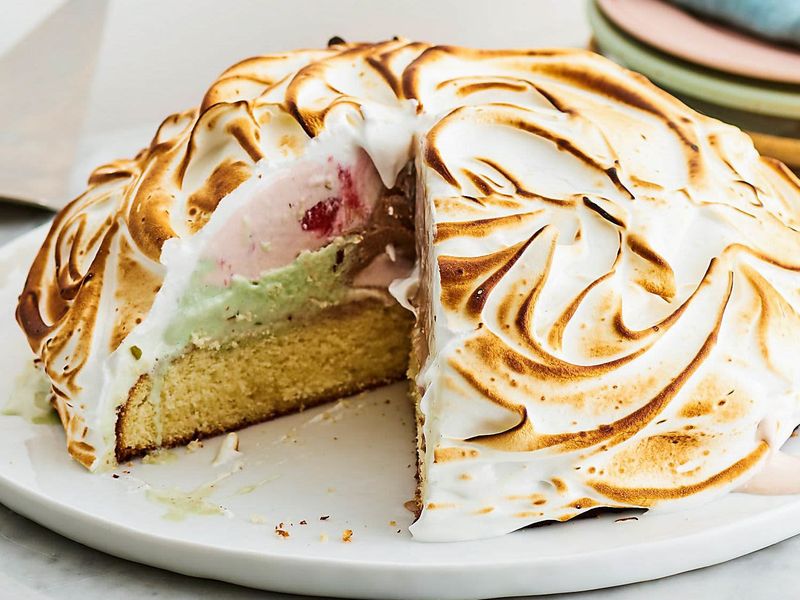
Hot on the outside, frozen on the inside — Baked Alaska was basically a magic trick you could eat. Watching an adult bring it to the table was one of the most impressive things a kid could witness at a dinner party.
The combination of toasted meringue wrapped around ice cream and cake seemed almost impossible to pull off at home, which made it all the more extraordinary. Restaurants used to feature it proudly, but it has nearly vanished from modern menus entirely.
9. Chicken Kiev
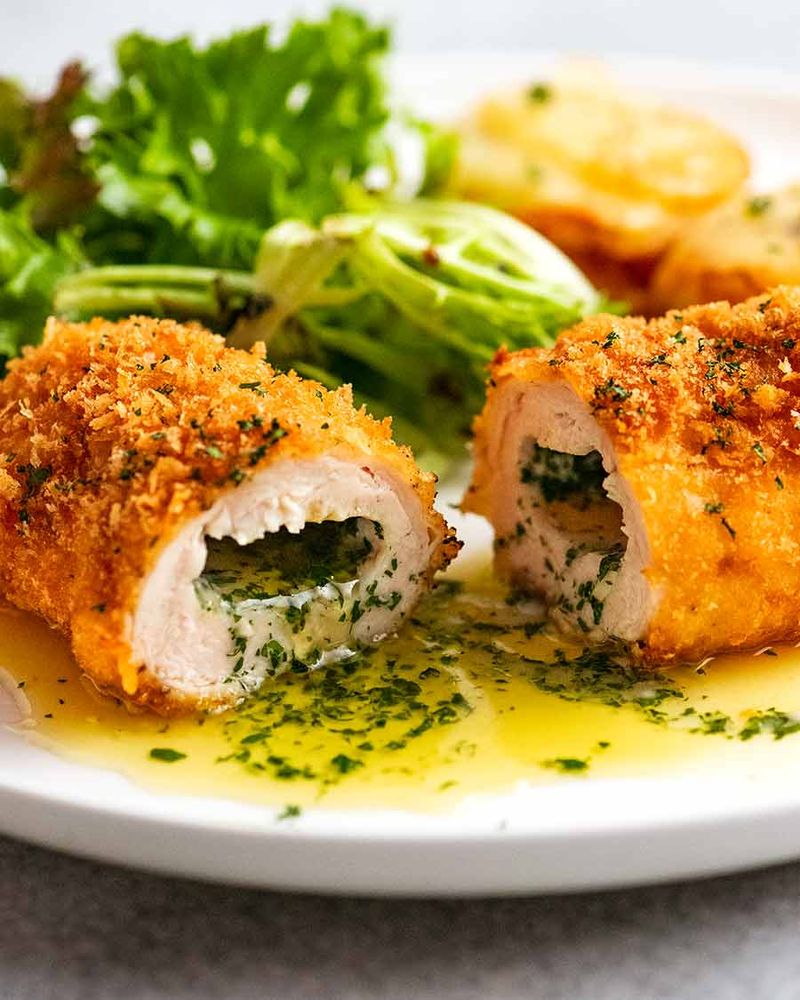
Cutting into a Chicken Kiev and watching the butter pour out felt like a science experiment crossed with a gourmet meal. That dramatic moment made it feel like the fanciest thing a home cook could possibly make.
It was a dinner party showstopper throughout the 1970s and 80s, the kind of recipe clipped from a magazine and saved for company. The breaded, herb-butter-stuffed chicken breast took real skill to prepare, which gave it serious prestige that few dishes could match.
10. Waldorf Salad
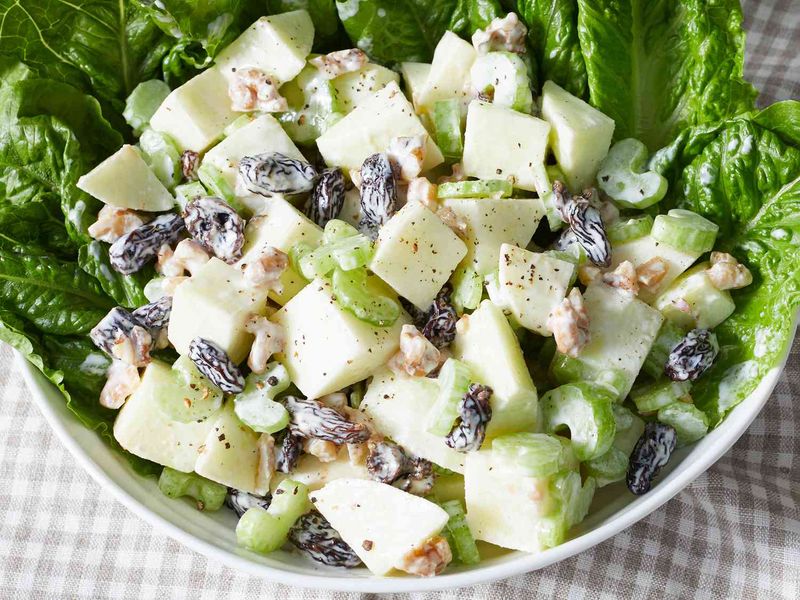
Named after the Waldorf-Astoria Hotel in New York City, this salad carried some serious prestige just by association. Apples, celery, walnuts, and creamy mayo in a lettuce cup felt like something a socialite would eat for lunch.
It was a fixture at ladies' luncheons and upscale family gatherings throughout the mid-20th century. The crunch and sweetness made it genuinely delicious, not just impressive.
Somewhere between then and now, Waldorf salad quietly stepped aside for trendier salad combinations and never came back.
11. Jell-O Molds
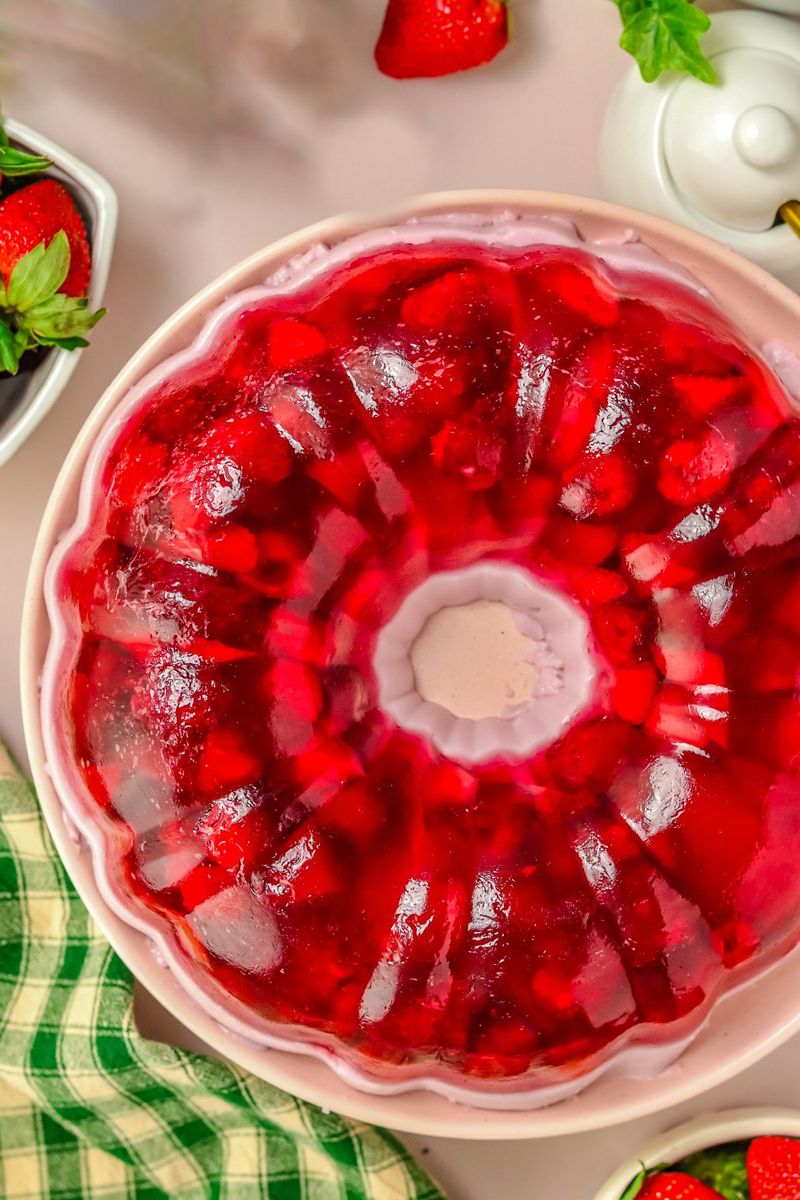
Jell-O molds were edible architecture. Suspending fruit inside translucent, wobbling gelatin and then unmolding it perfectly onto a platter was a genuine skill that home cooks took seriously for decades.
They came in every color and flavor, sometimes layered, sometimes filled with cream cheese or whipped topping. At holiday dinners, the Jell-O mold held a place of honor on the table right next to the turkey.
Today, making one would almost feel like a retro art project rather than a normal dish.
12. Creamed Chipped Beef on Toast
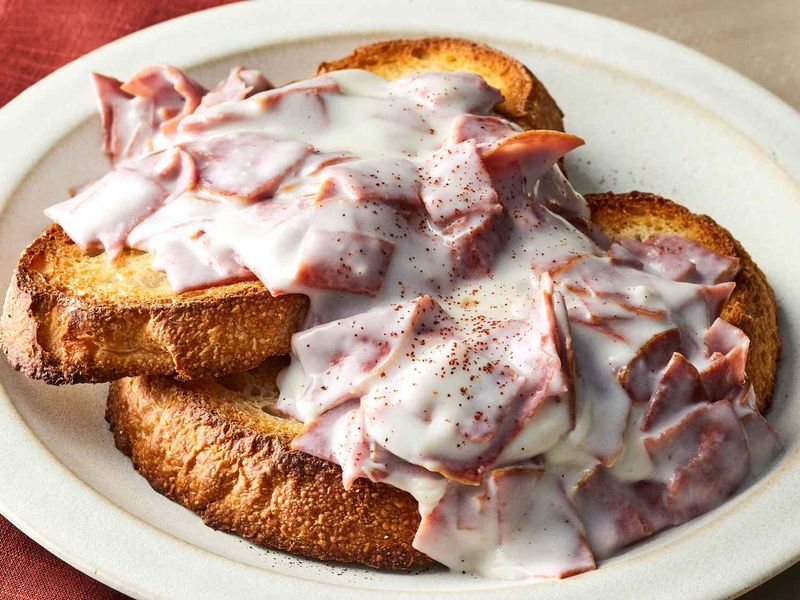
Soldiers nicknamed this dish something unprintable, but at home it was humble comfort food that somehow felt special when your mom made it from scratch. The creamy white sauce poured over dried beef and served on toast was warm, filling, and oddly satisfying.
It was a Depression-era staple that stuck around through the mid-20th century, appearing regularly on diner menus and family breakfast tables. Today it has nearly vanished, surviving mostly in military dining halls and the occasional nostalgic food blog.
13. Swedish Meatballs
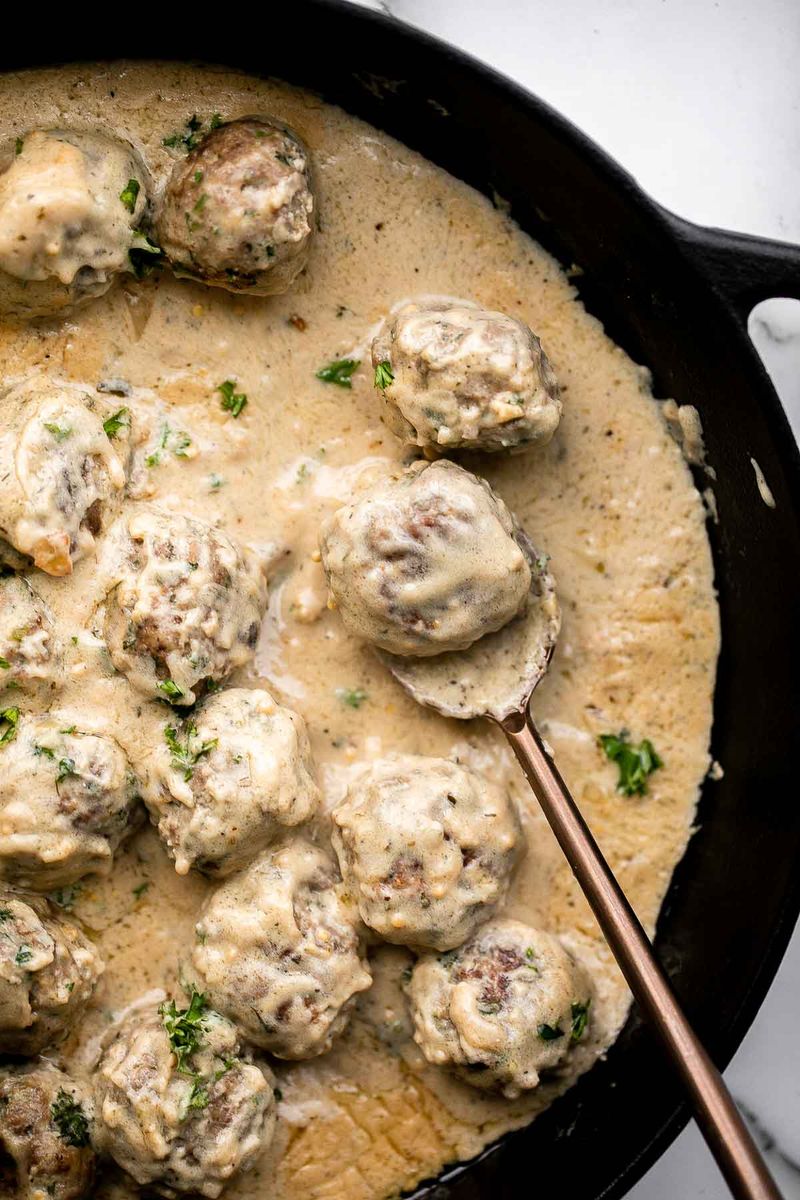
Long before IKEA made them famous again, Swedish meatballs were a dinner party staple that showed up in slow cookers and chafing dishes at every gathering worth attending. The creamy gravy-covered meatballs felt distinctly European and therefore instantly sophisticated.
Cookbook authors treated Swedish meatballs as a reliable crowd-pleaser for decades. They still pop up occasionally, but the sense of occasion they once carried has faded.
Now they feel more like a frozen food aisle memory than a centerpiece dish.
14. Pineapple Upside-Down Cake
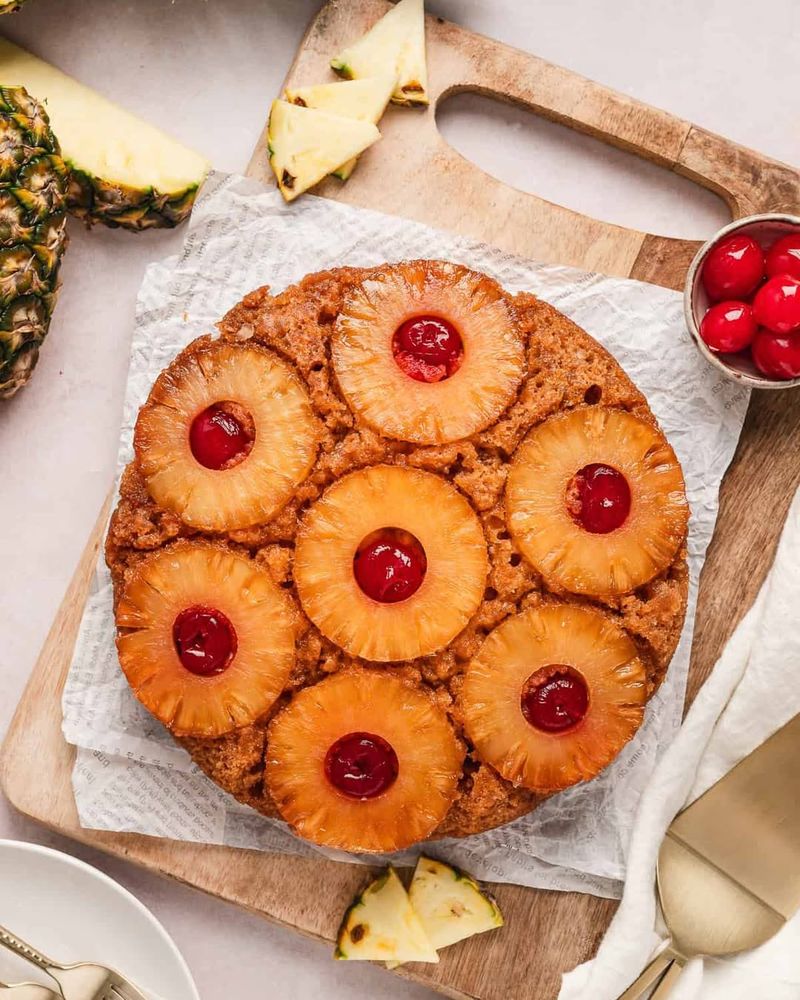
Flipping a pineapple upside-down cake out of the pan and revealing those perfect caramelized rings was pure kitchen theater. The glossy, golden top with a cherry sitting in every pineapple ring center looked almost too pretty to eat.
It was the kind of cake that made people say "you made this yourself?" with genuine admiration. Popular from the 1950s through the 1980s, it graced dessert tables at family dinners and church potlucks alike.
Somehow, it has mostly disappeared from modern baking culture.
15. Oysters Rockefeller
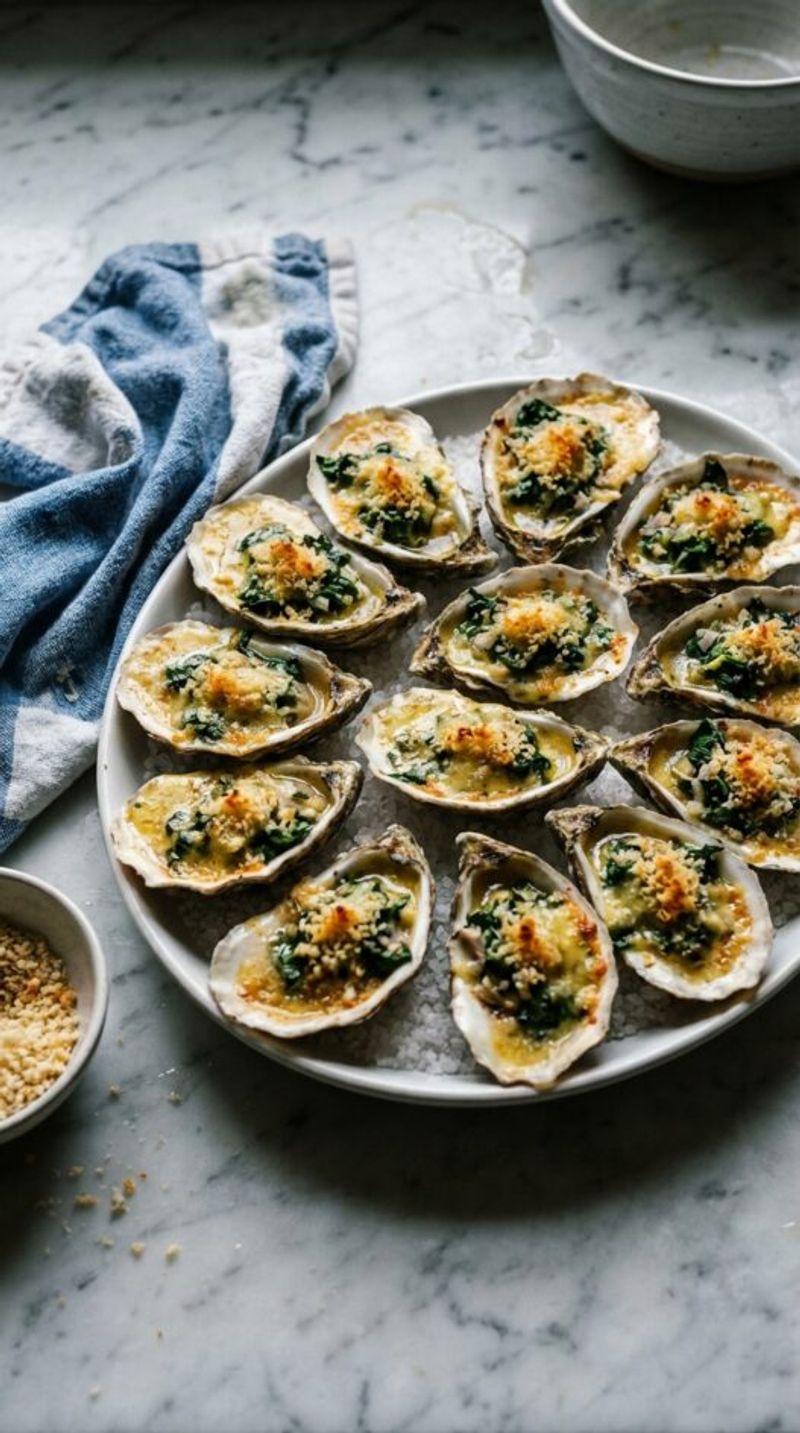
Oysters Rockefeller were named after John D. Rockefeller because the dish was considered so rich it could only be compared to the wealthiest man in America.
As a kid, even hearing the name made you feel like you were dining somewhere important.
Baked oysters topped with a buttery spinach and herb mixture appeared at upscale restaurants and special holiday dinners. The combination of the fancy name and the unusual ingredient made them feel wildly impressive.
Today they exist mainly as a curiosity on old-school seafood menus.
16. Tomato Aspic
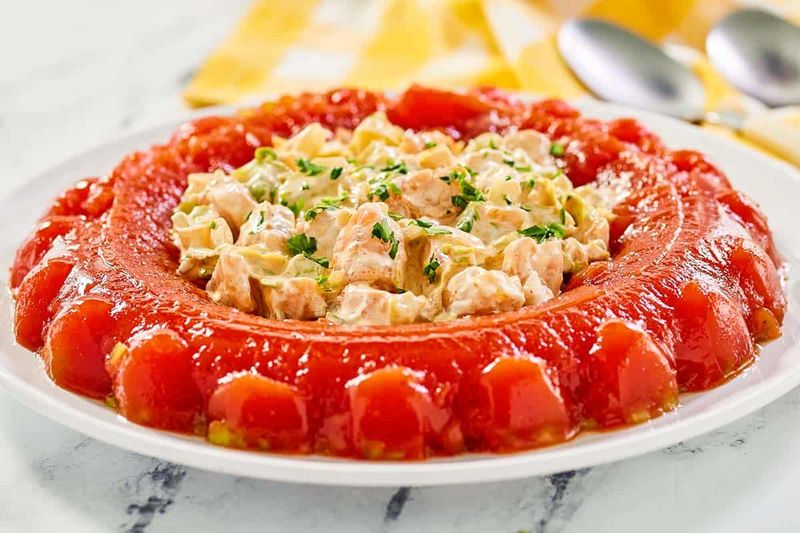
Tomato aspic was the savory cousin of the Jell-O mold, and it occupied a very specific place in mid-century American cooking. Made from seasoned tomato juice set in gelatin, it jiggled on the plate and looked remarkably fancy for something that was mostly just tomatoes.
It was a luncheon staple from the 1940s through the 1970s, served at bridge clubs and women's social gatherings everywhere. Younger generations have largely never heard of it, which tells you everything about how thoroughly it has faded away.
17. Liver Pate on Crackers
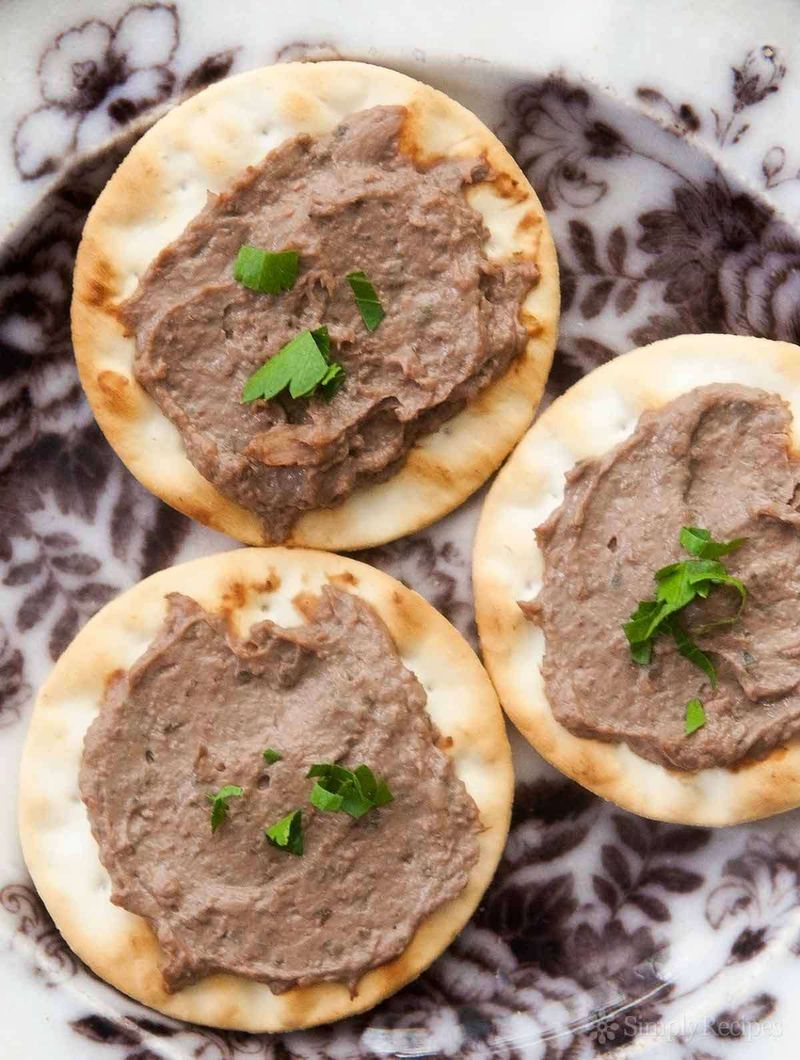
Spreading pate onto a fancy cracker at a grown-up party made you feel like you belonged in a French bistro. Never mind that you had no idea what was in it — the presentation alone demanded respect.
Liver pate was a cocktail party essential throughout the 1960s, 70s, and 80s. Hostesses prepared it from scratch or bought it in little tins and presented it like a centerpiece.
The trend faded as tastes shifted toward lighter appetizers, and pate largely disappeared from everyday entertaining.
18. Cherries Jubilee
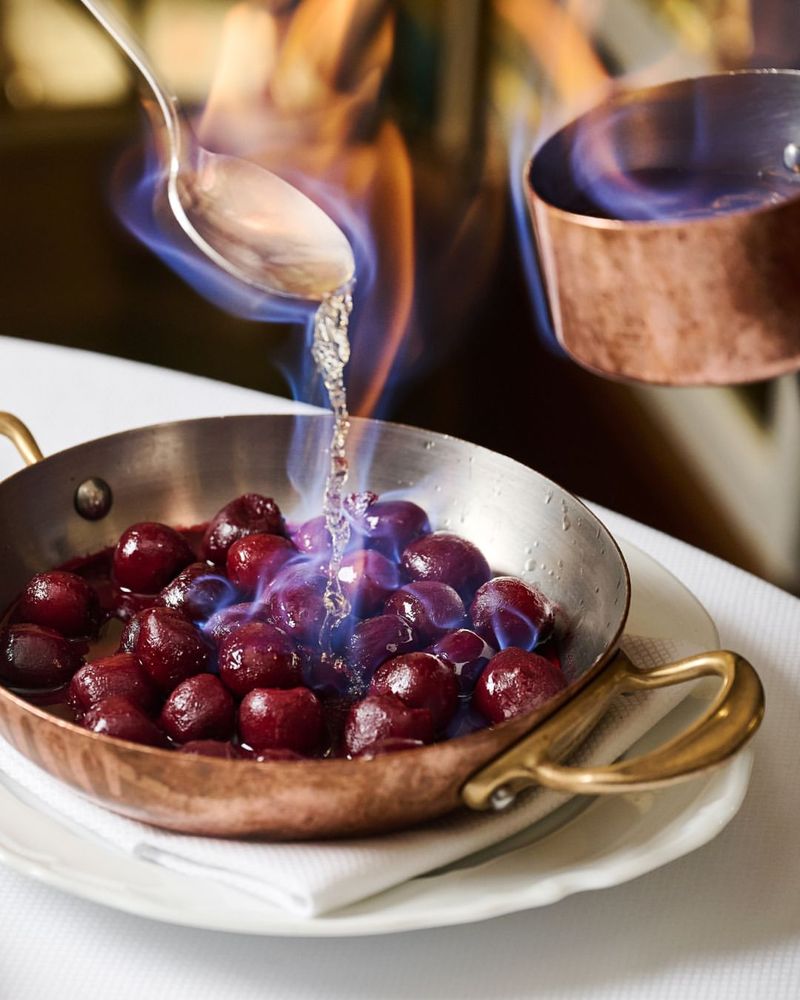
Few things in the world of childhood dining compared to watching a waiter light cherries on fire right at your table. Cherries Jubilee was pure spectacle — warm brandy-flamed cherries poured over vanilla ice cream while blue flames danced in the pan.
It was a restaurant staple from the 1950s through the 1980s, the kind of tableside performance that made every kid feel like they were at the most exciting dinner of their life. Today, tableside flambeing has nearly vanished from dining culture entirely.
19. Chipped Ham Sandwiches
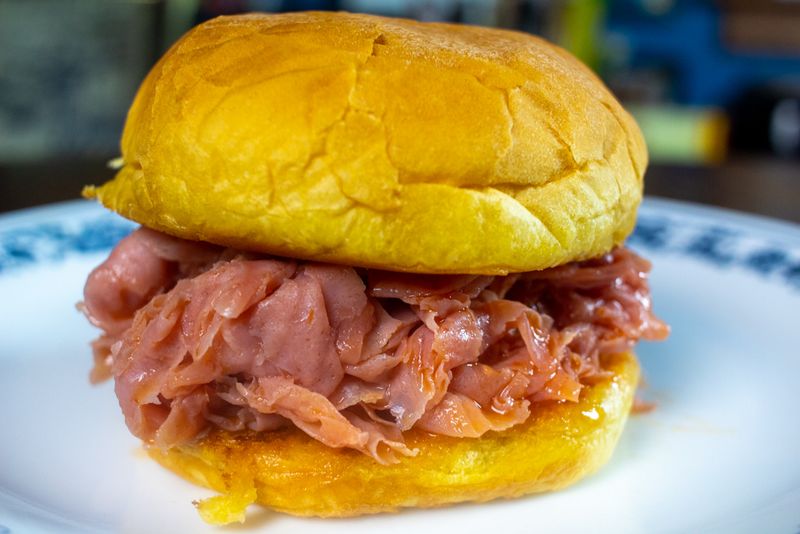
In Pittsburgh and parts of the Midwest, chipped ham was basically its own food group. Razor-thin slices of ham piled high on soft white bread with a little yellow mustard felt like the pinnacle of a good lunch when you were growing up.
Local delis and lunch counters built loyal followings around this sandwich for decades. It was unpretentious but genuinely beloved.
Outside of certain regional pockets, chipped ham has faded into near-obscurity, leaving behind only the memories of those who grew up ordering it by the pound.




Comments
No Comments