













Britain is a small island with a big appetite for comfort food. What counts as the ultimate cozy meal in Yorkshire might raise a few eyebrows in Cornwall, and that's exactly what makes British food culture so fascinating.
Every county has its own spin on classic dishes, shaped by local history, ingredients, and stubborn regional pride. Get ready to explore the delicious differences that make British comfort food one of the most varied and exciting in the world.
1. Cornish Pasty vs. Devon Pasty
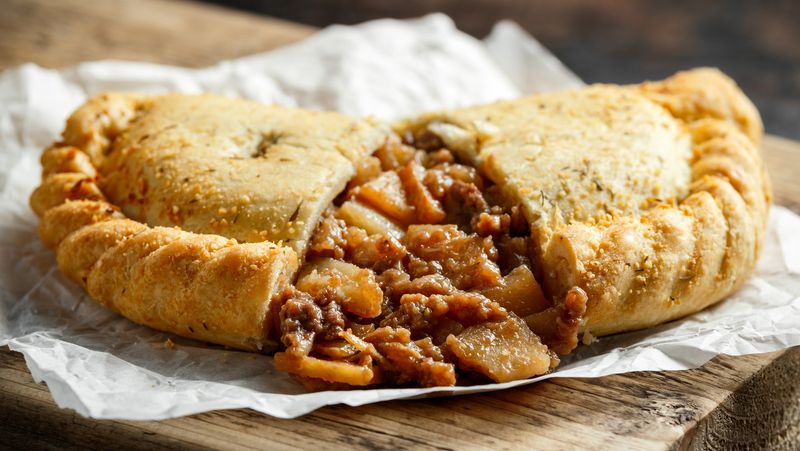
The great pasty debate has divided Cornwall and Devon for centuries. A true Cornish pasty has its crimp along the top, while Devon folk often crimp it along the side.
The filling is also fiercely debated: Cornwall insists on beef skirt, swede, potato, and onion, all raw before baking.
Devon versions sometimes sneak in carrot, which Cornish bakers consider practically criminal. The Cornish pasty even holds protected geographical indication status in Europe.
2. Lancashire Hotpot vs. Scouse (Merseyside)
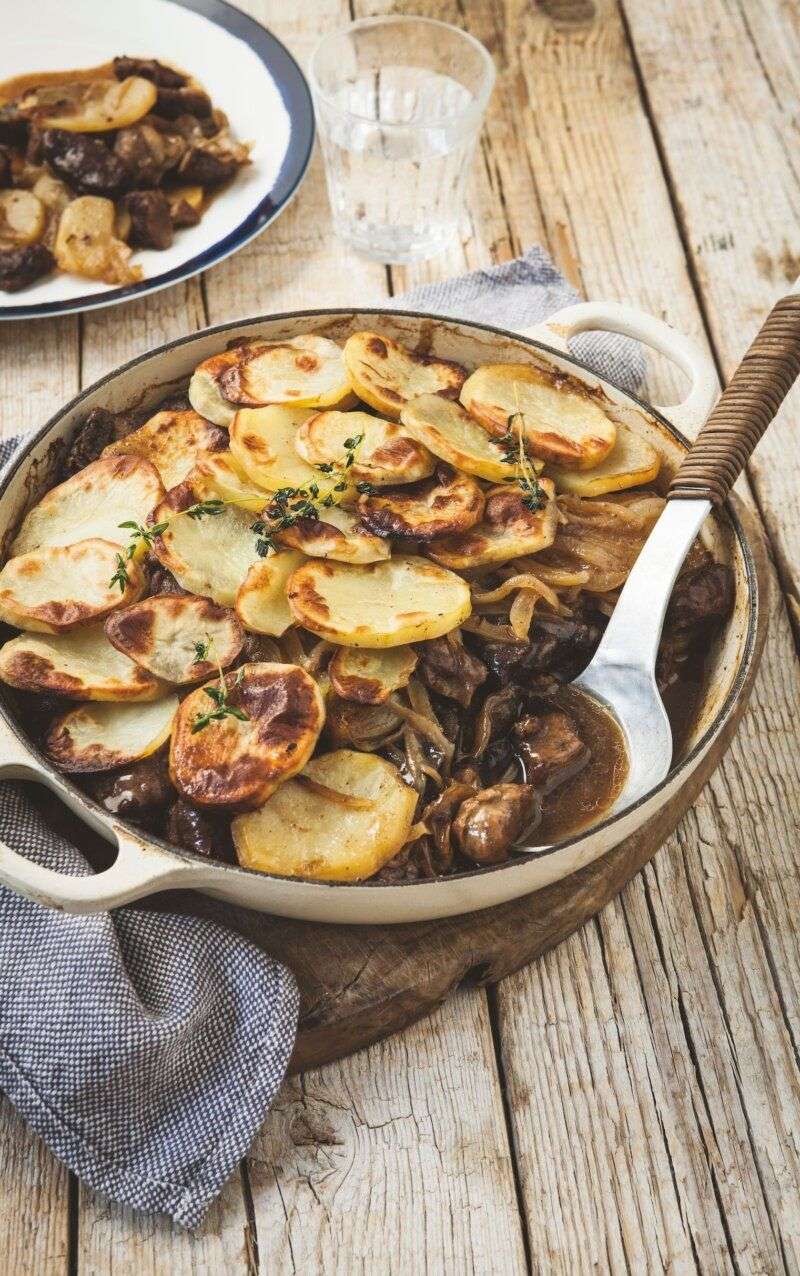
Lancashire hotpot is the kind of meal that makes a cold Tuesday feel survivable. Layers of lamb, onions, and kidneys are topped with thinly sliced potatoes and slow-baked until golden.
It is hearty, simple, and deeply satisfying.
Cross the border into Merseyside and you will find Scouse, a brothier lamb or beef stew without the crispy potato lid. Scouse is so beloved that people from Liverpool are nicknamed Scousers after the dish itself.
3. Yorkshire Pudding (Yorkshire vs. Everywhere Else)
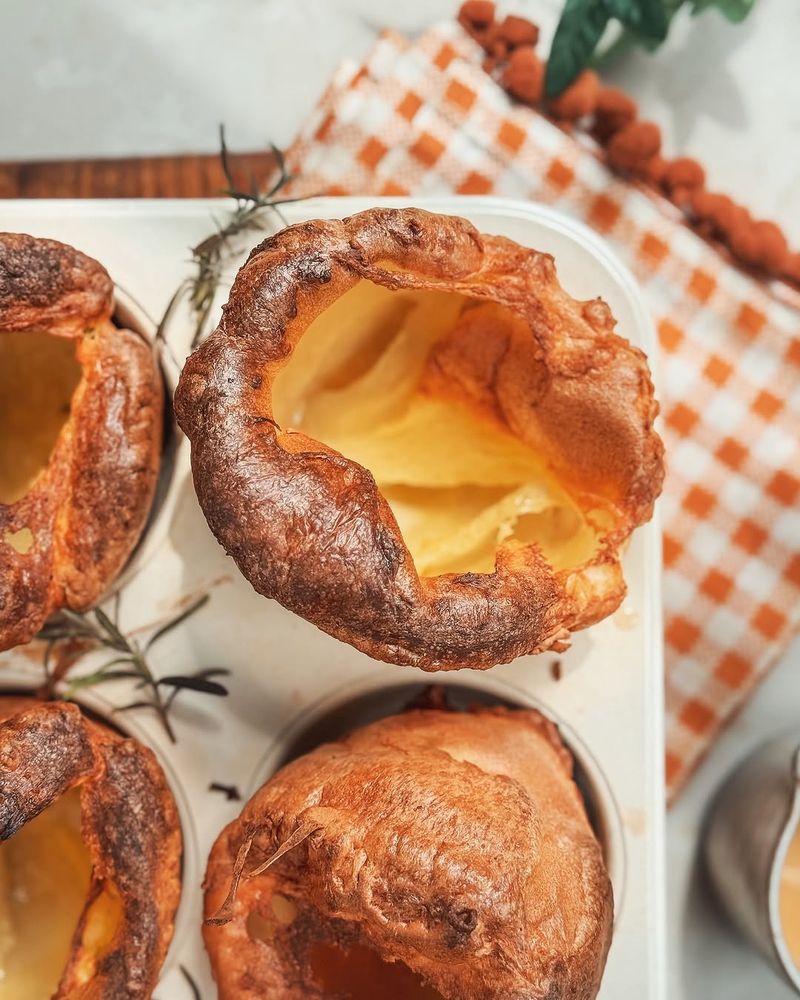
Ask anyone from Yorkshire and they will tell you flat out: nobody else makes Yorkshire pudding properly. The batter is simple enough, just eggs, flour, and milk, but the technique is everything.
The fat must be smoking hot before the batter hits the tin.
Outside Yorkshire, puddings are often smaller or used as a side dish novelty. In Yorkshire, a giant pudding filled with onion gravy is sometimes served as a starter course all on its own.
4. Staffordshire Oatcakes vs. Scottish Oatcakes
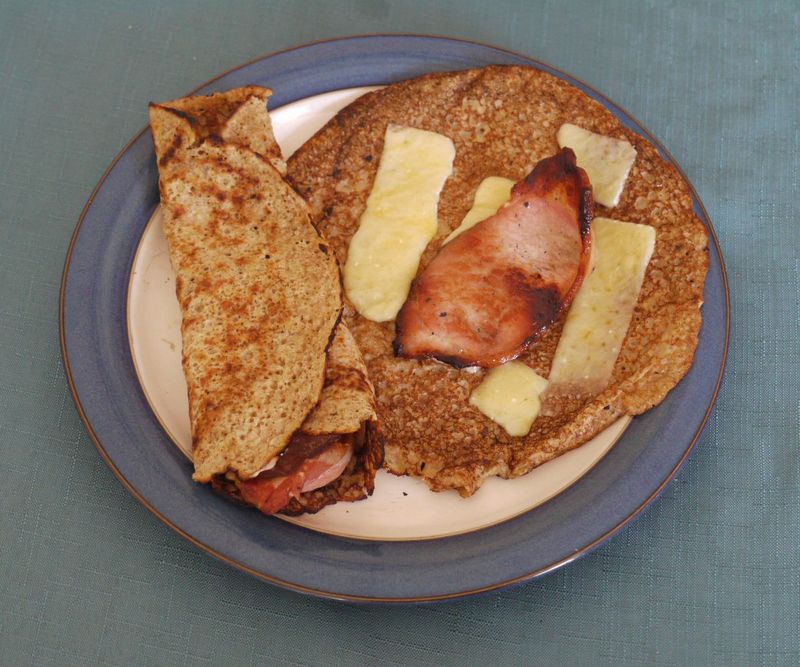
Staffordshire oatcakes are nothing like what the rest of the world imagines when they hear the word oatcake. Instead of a crispy cracker, you get a soft, spongy pancake made from oatmeal, flour, and yeast, cooked on a griddle.
They are typically filled with bacon, cheese, or eggs and folded over like a wrap. Scottish oatcakes, by contrast, are thin, dry, and cracker-like, eaten with cheese or jam.
Same name, completely different experience.
5. Norfolk Dumplings vs. Suet Dumplings
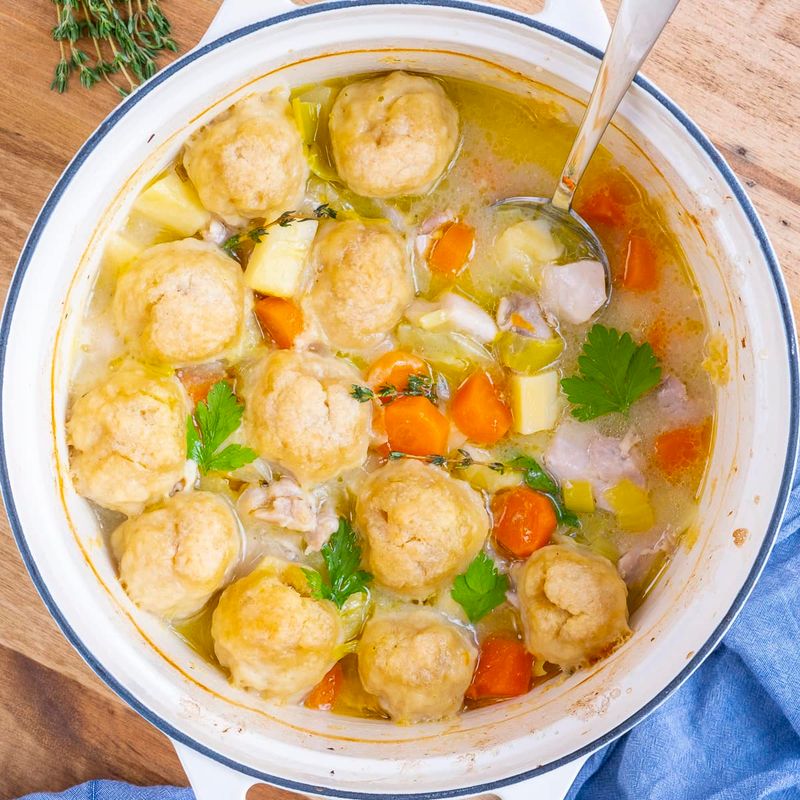
Norfolk dumplings are lighter than air, which sounds impossible for something made from flour, but it is absolutely true. Unlike the dense suet dumplings found in stews across the Midlands and North, Norfolk dumplings use no fat at all.
They are made from just flour, water, and a little yeast or baking powder.
The result is a pillowy, bread-like dumpling that floats in broth rather than sinking. Locals eat them with gravy or alongside boiled meats.
6. Welsh Cawl vs. Irish Stew
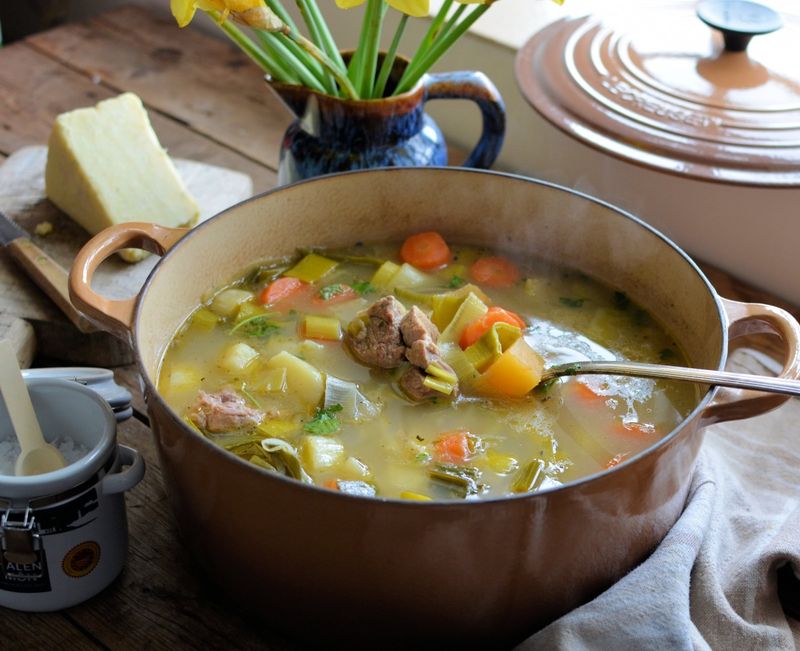
Cawl is Wales in a bowl. This ancient lamb and leek stew has been warming Welsh homes for hundreds of years, and every family swears their grandmother made the definitive version.
The broth is clear but rich, and the leeks give it a sweetness that sets it apart.
Irish stew uses similar ingredients but tends to be thicker and sometimes includes pearl barley. Both are brilliant on a rainy day, but cawl carries a particular Welsh soul that is hard to replicate.
7. Eel Pie and Mash (London) vs. Pie and Peas (North)
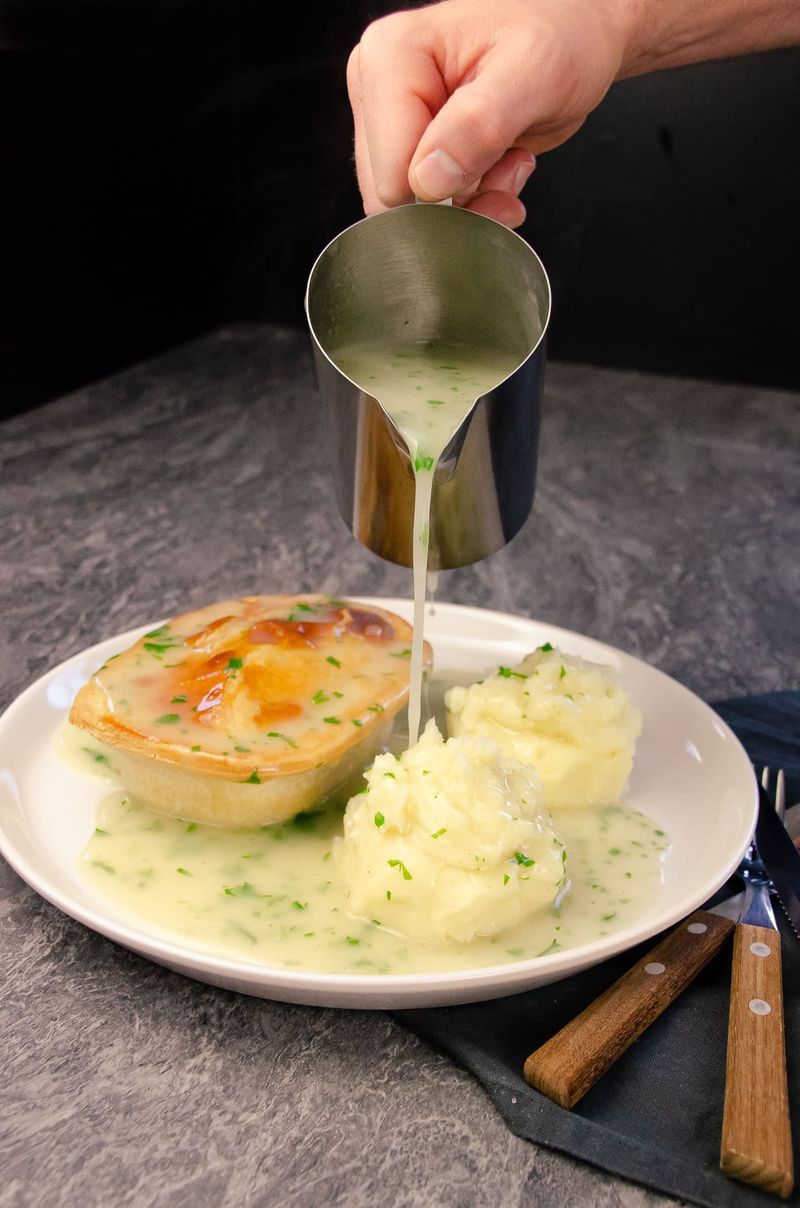
Walk into a pie and mash shop in East London and you will find a world frozen in time. Eel pie with mashed potato and parsley liquor sauce has been a working-class London staple since the Victorian era.
The liquor is not alcoholic; it is a vivid green parsley sauce that locals pour generously.
Up North, pie and peas rules instead. A hearty meat pie sits alongside mushy peas, sometimes with a splash of mint sauce.
Same comfort, different county.
8. Bedfordshire Clanger
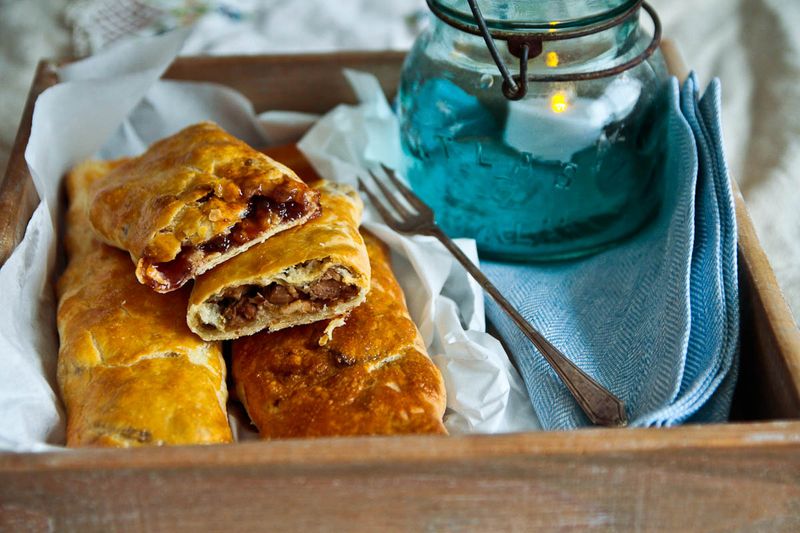
The Bedfordshire Clanger might be the most brilliantly practical food ever invented. This long suet pastry roll contains two fillings in one: a savory end packed with meat and vegetables, and a sweet end filled with jam or fruit.
Farm workers in Bedfordshire carried them as an all-in-one lunch centuries ago.
The thick pastry wall between the two fillings keeps sweet and savory perfectly separated. It is part main course, part dessert, all wrapped up in one handheld package.
9. Derbyshire Oatcakes vs. Staffordshire Oatcakes
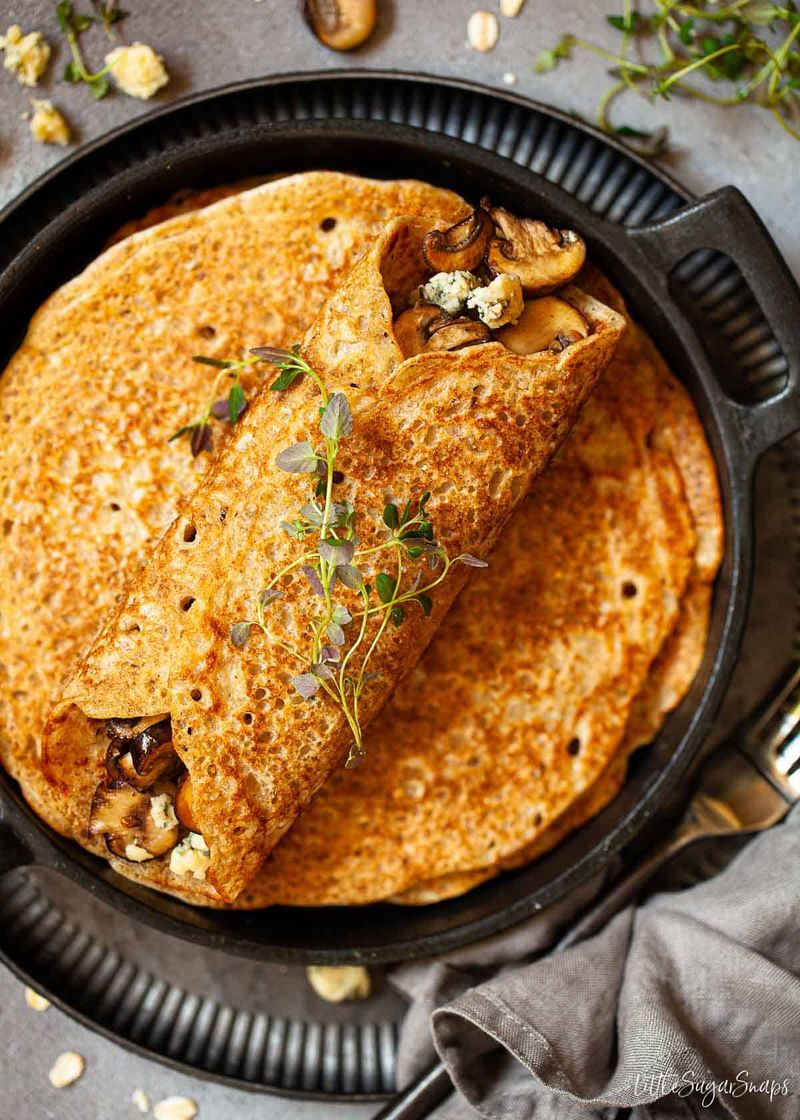
Even within neighboring counties, the same dish can spark fierce loyalty. Derbyshire and Staffordshire both claim oatcakes as their own, and locals will passionately insist theirs is better.
Both are soft, griddle-cooked pancakes made with oatmeal, but Derbyshire versions tend to be slightly thicker and chewier.
Staffordshire oatcakes are a touch thinner and more crepe-like in texture. Both are delicious stuffed with melted cheese and bacon, and both counties would be deeply offended to be lumped together.
10. Cullen Skink (Scotland) vs. Smoked Fish Chowder (Cornwall)
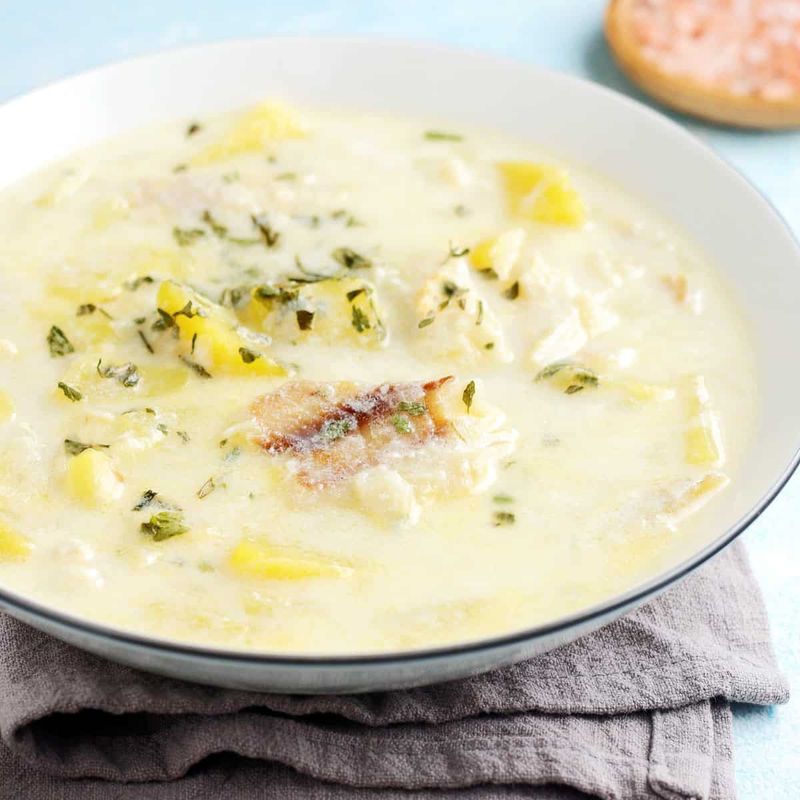
Cullen Skink comes from the Scottish fishing village of Cullen and is one of Scotland's proudest culinary exports. Smoked haddock, potatoes, and onions are simmered in a creamy broth that smells absolutely incredible.
It is thick, warming, and tastes like a seaside holiday in a bowl.
Cornwall has its own version of smoked fish chowder, but it tends to use a wider variety of local seafood. Both soups celebrate their coastal heritage, just with different accents.
11. Dorset Knobs
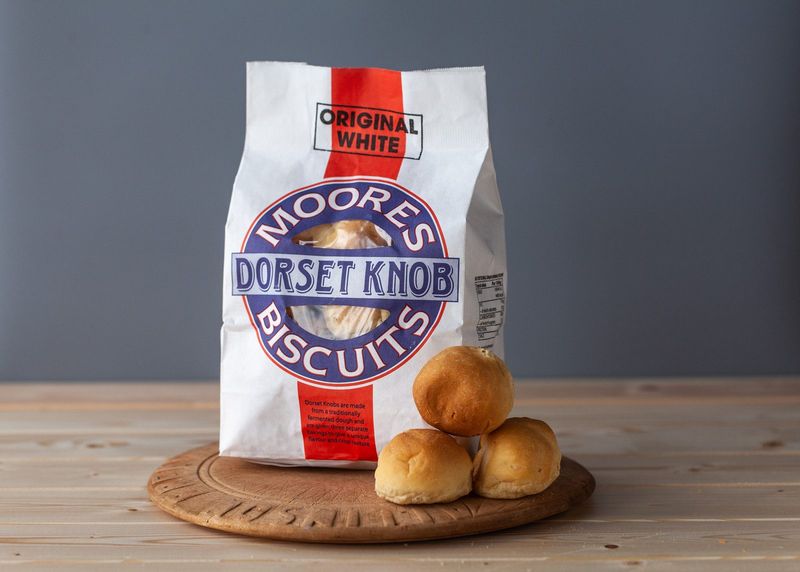
Dorset Knobs are one of Britain's most peculiar and beloved regional snacks. These small, round, rock-hard biscuits are made three times in the oven, which gives them an extraordinary crunch and a shelf life that could outlast most furniture.
They are made by just one bakery in Dorset.
Every year, Dorset celebrates with a Knob Throwing Festival, which is exactly what it sounds like. Locals eat them with blue vinny cheese or clotted cream, making them the ultimate Dorset comfort snack.
12. Black Pudding (Lancashire vs. Stornoway, Scotland)
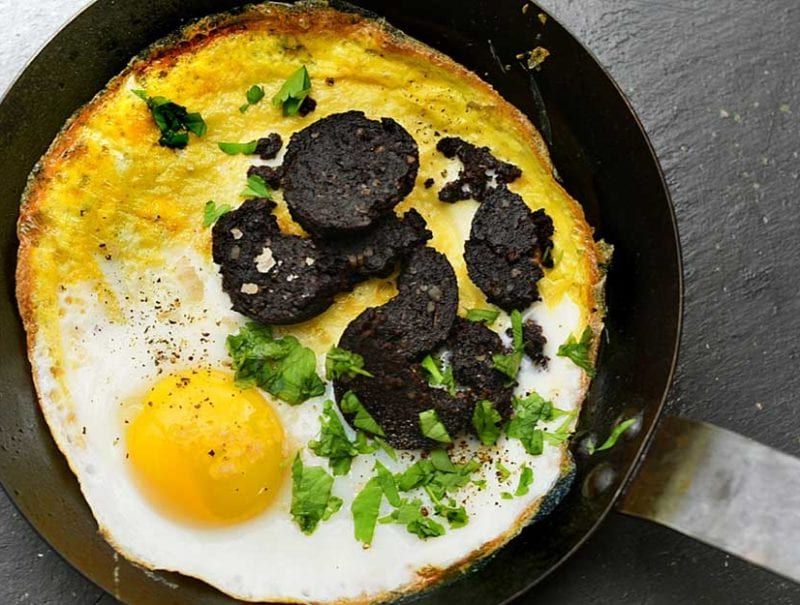
Black pudding divides Britain almost as sharply as politics. Made from pork blood, fat, and oatmeal, it is a breakfast staple from Lancashire to Scotland, but the recipe varies dramatically.
Lancashire black pudding is spiced with herbs and has a crumbly texture that crisps up beautifully in the pan.
Stornoway black pudding from the Isle of Lewis is protected by law and has a meatier, oatier texture. Both versions inspire devoted fans who refuse to settle for anything else.
13. Fidget Pie (Shropshire)
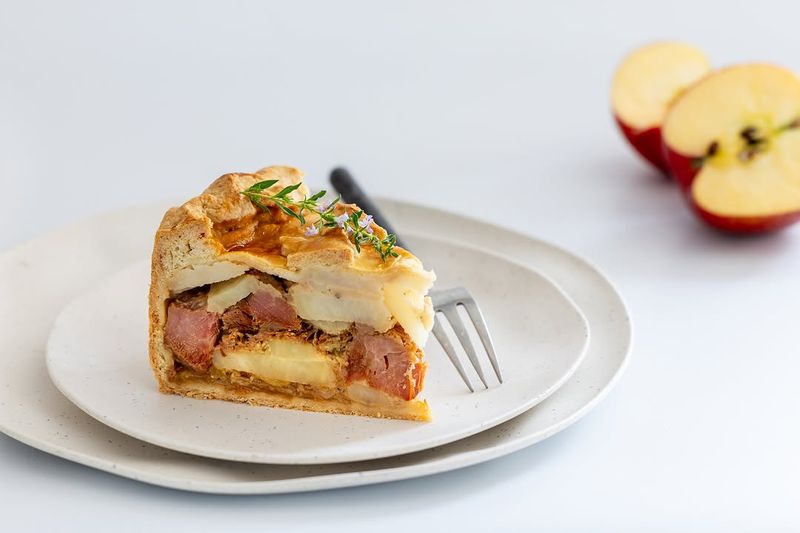
Fidget pie sounds like something from a children's book, but it is a very real and very tasty Shropshire specialty. The name likely comes from the old English word fitched, meaning five-sided, referring to the pie's traditional shape.
Inside, you will find a surprisingly delightful combination of bacon, apple, and onion.
The sweet-savory balance is unexpected but completely works. Farmers traditionally ate fidget pie during harvest season, making it a dish with deep agricultural roots in the Shropshire countryside.
14. Singing Hinnies (Northumberland) vs. Welsh Cakes
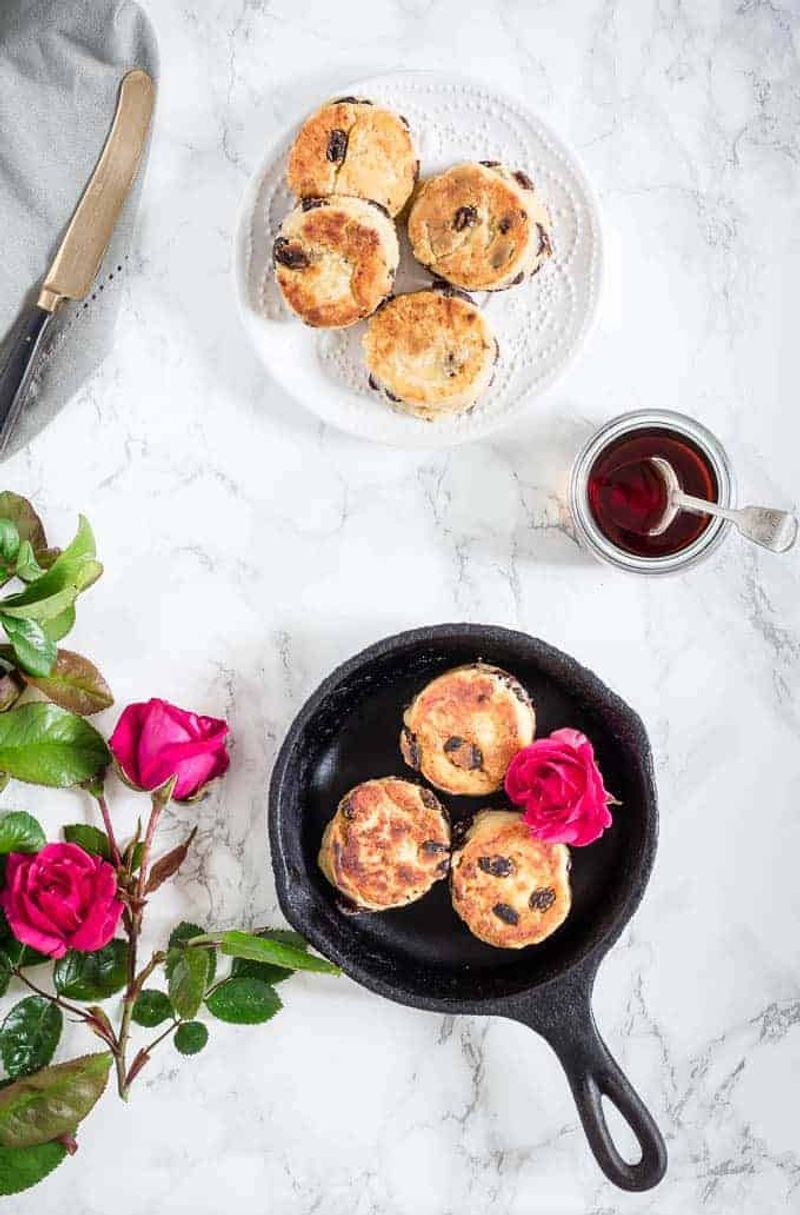
Singing Hinnies are named for the hissing, singing sound they make on a hot griddle. These griddle cakes from Northumberland are made with flour, lard, currants, and cream, and they come out rich, buttery, and absolutely irresistible.
The name also includes a term of endearment from the local Geordie dialect.
Welsh Cakes are their closest cousin, also griddle-cooked with currants and spice. But Welsh Cakes are firmer and drier, while Singing Hinnies are softer and richer.
Both are best eaten warm.
15. Bath Oliver Biscuits (Somerset) vs. Digestive Biscuits
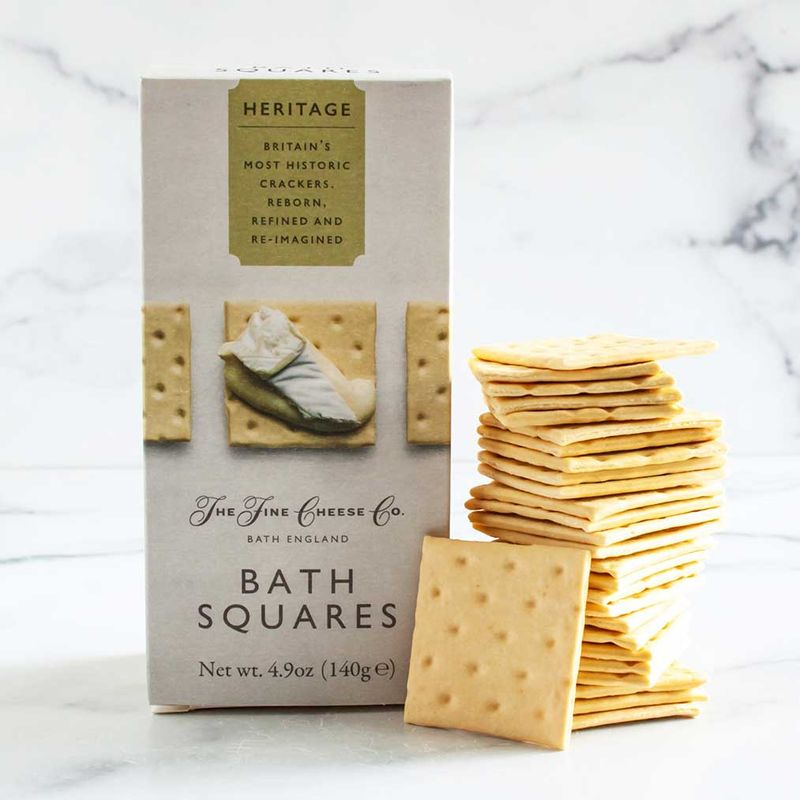
Bath Olivers have been made to the same recipe since the 1700s, invented by a Dr. William Oliver of Bath to aid digestion. They are thin, dry, and almost plain in flavor, which makes them the perfect vehicle for strong cheeses.
Unlike the sweeter digestive biscuit beloved nationwide, Bath Olivers have a delicate, almost yeasty quality.
They are particularly prized with Somerset cheddar. The recipe is so protected that only one company still makes them in the original style.
16. Lincolnshire Plum Bread vs. Yorkshire Tea Loaf
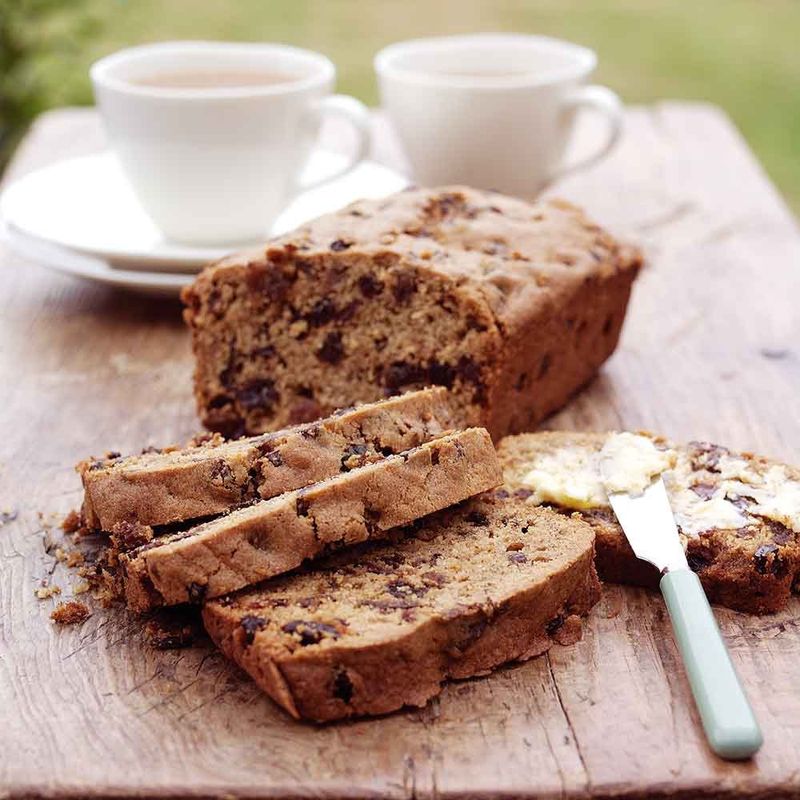
Lincolnshire plum bread is a dark, dense, fruit-packed loaf that contains no actual plums. The word plum was historically used to describe any dried fruit, so what you actually get is a loaf bursting with currants, raisins, and mixed peel.
It is almost cake-like and absolutely wonderful thickly spread with butter.
Yorkshire tea loaf follows a similar idea but is lighter in texture and traditionally made by soaking the fruit overnight in strong black tea. Same comfort, different character.
17. Devonshire Cream Tea vs. Cornish Cream Tea
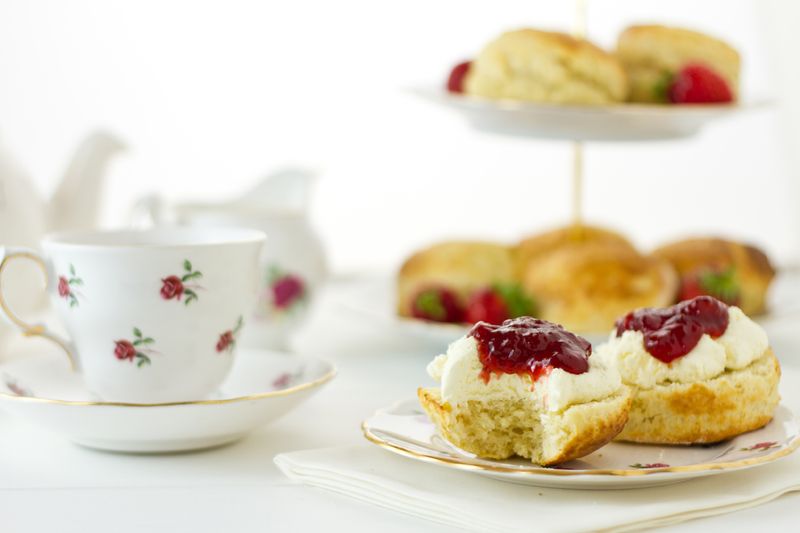
Here it is: the most heated food argument in all of Britain. Both Devon and Cornwall serve cream teas with scones, clotted cream, and jam, but the order of application is everything.
In Devon, cream goes on first, then jam on top. In Cornwall, jam goes on first, then cream.
Both counties are completely convinced the other is wrong. The debate is so fierce that it has been discussed in Parliament.
Whichever way you build it, a cream tea is pure British happiness.




Comments
No Comments