













Europe is packed with food customs that might seem strange to outsiders but make perfect sense to the people who grew up with them. From smashing plates to eating at midnight, these traditions have survived for hundreds of years and are still going strong.
Some are tied to holidays, others to everyday life, and a few are just plain fun. Get ready to discover the weird, wonderful, and delicious side of European food culture.
1. Spain's Midnight Grape Countdown
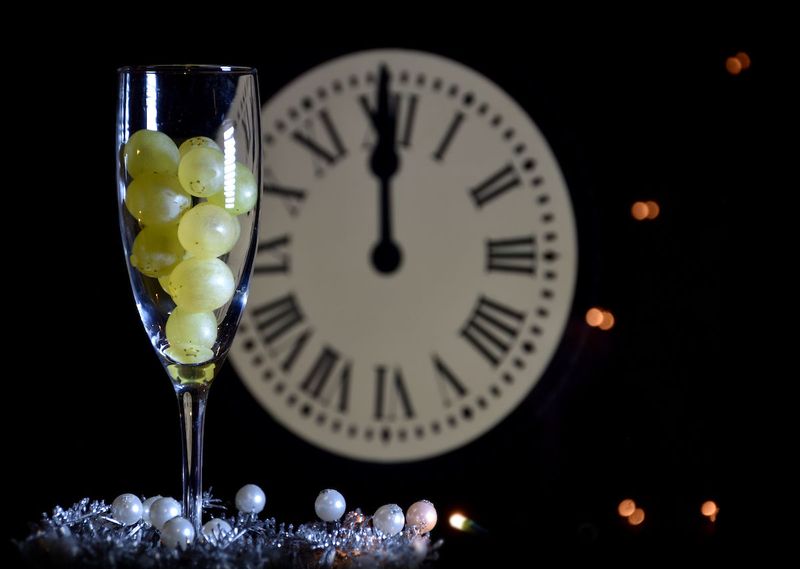
When the clock strikes midnight on New Year's Eve in Spain, everyone scrambles to eat twelve grapes — one for each chime of the bell. Miss a grape or choke on one, and some say you'll have bad luck for that month of the coming year.
Families crowd around televisions watching the famous clock in Madrid's Puerta del Sol. The tradition started in the early 1900s and has never slowed down.
It's chaotic, chewy, and completely beloved by Spaniards of all ages.
2. Norway's Smalahove Sheep Head Feast
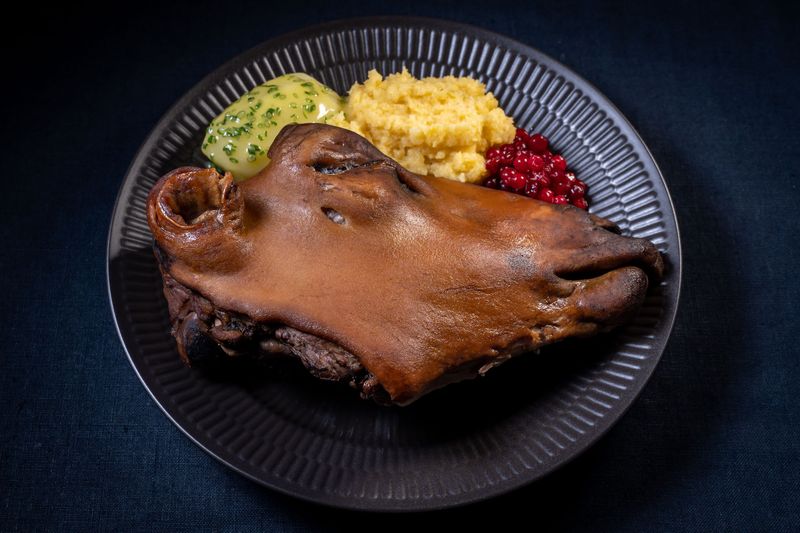
Smalahove is exactly what it sounds like — a whole sheep's head, boiled or steamed, served on a plate and eaten with potatoes and mashed rutabaga. The eyes and ears are considered the best parts, typically eaten first before the meat cools.
This dish is rooted in old Norwegian farm life, where nothing went to waste. It sounds alarming at first, but locals treat it like a warm, hearty holiday meal.
Western Norway still celebrates it enthusiastically, especially around the weeks before Christmas.
3. Portugal's Salted Cod Obsession
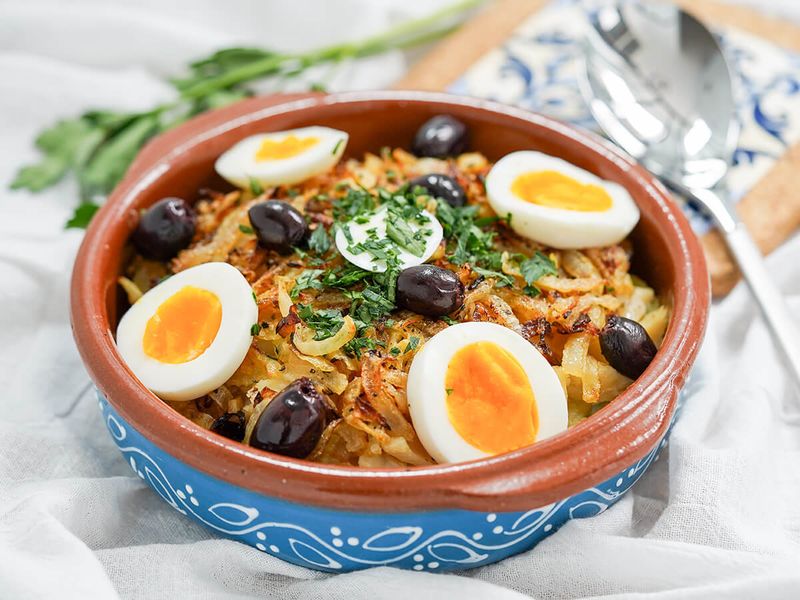
Bacalhau, or salted cod, is practically Portugal's national identity on a plate. Locals claim there are over 365 recipes — one for every day of the year — and they are not joking about it.
The fish is dried and salted until it becomes stiff as a board, then soaked in water for days before cooking. It sounds like a lot of work, and it is.
But Portuguese families have been doing this for centuries, turning a preserved fish into a cultural treasure that shows up at weddings, Christmas dinners, and random Tuesday nights.
4. Germany's New Year's Marzipan Pig
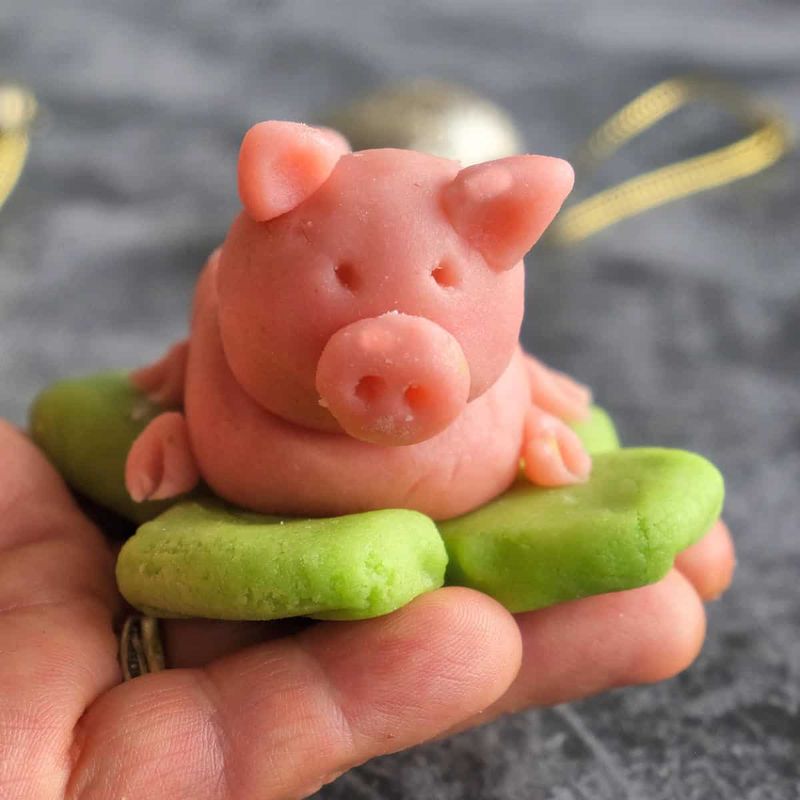
In Germany, receiving a marzipan pig on New Year's is one of the sweetest good-luck charms around. These little almond-paste sculptures are gifted to friends and family as symbols of prosperity and fortune for the year ahead.
The pig has been a lucky symbol in German culture for centuries, tied to the idea that owning pigs meant your family was well-fed and wealthy. Today, bakeries across the country craft elaborate marzipan pigs in every size imaginable.
Some are tiny enough to fit in your pocket, others are almost too pretty to eat — almost.
5. Italy's Feast of the Seven Fishes
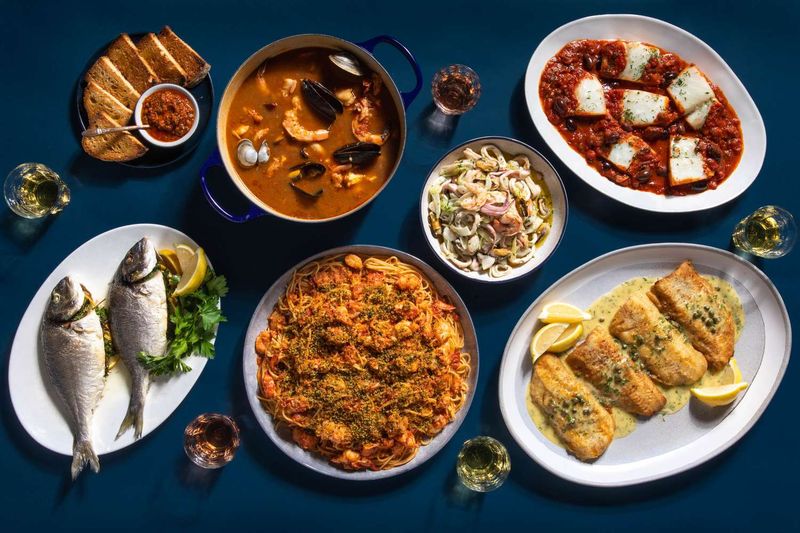
Christmas Eve in Southern Italy means one thing: a massive seafood dinner featuring seven different fish dishes. Known as La Vigilia, this tradition traces back to Roman Catholic customs of fasting from meat before major holidays.
Families gather for hours around tables loaded with fried calamari, baccala, clams, shrimp, and more. The number seven is said to represent the seven sacraments, though some families push it to nine or even thirteen dishes.
Italian-Americans brought this tradition to the United States, where it thrives just as enthusiastically as in the old country.
6. France's Galette des Rois Hidden Charm

Every January in France, bakeries sell a buttery almond pastry called the galette des rois, and hidden inside is a tiny ceramic figurine called a feve. Whoever finds it in their slice gets to wear a paper crown and be king or queen for the day.
Families buy these cakes throughout the entire month of January, not just on Epiphany. The youngest child traditionally hides under the table and calls out who gets each slice to keep the selection fair.
It is one of France's most charming and widely practiced food rituals.
7. Greece's Coin-Baked Vasilopita Bread
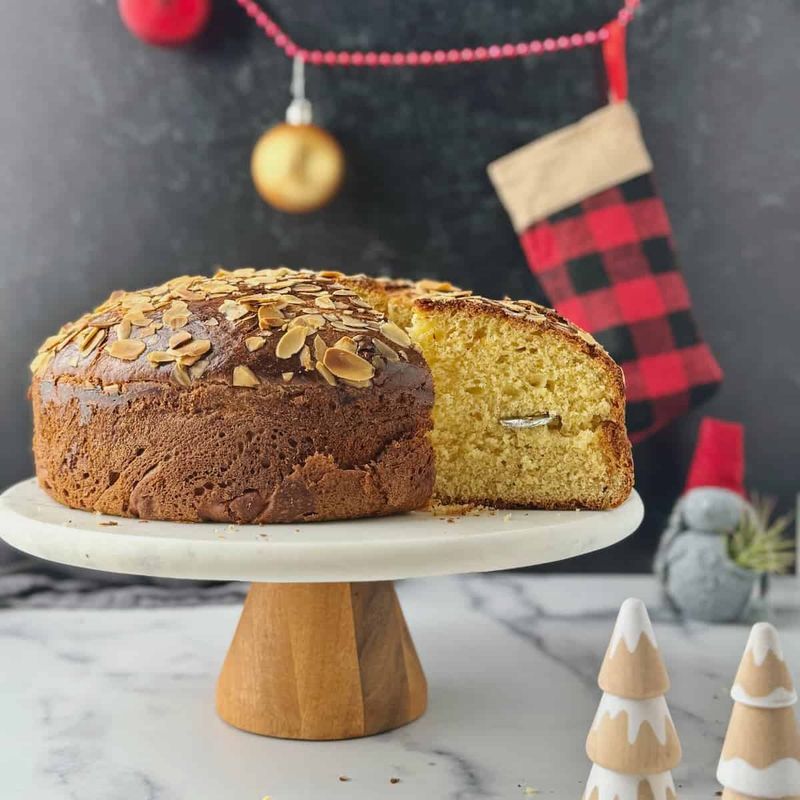
On New Year's Day, Greek families cut into a special cake or bread called vasilopita, and somewhere inside is a hidden coin. The person who finds it is believed to have incredible luck for the entire year.
Named after Saint Basil, whose feast day falls on January 1st, this tradition blends religious meaning with festive excitement. The head of the household slices the cake while assigning each piece to a family member, starting with the eldest.
Greek communities worldwide still practice this, making it one of the most widely shared European food customs outside of Europe.
8. Czech Republic's Christmas Carp in the Bathtub
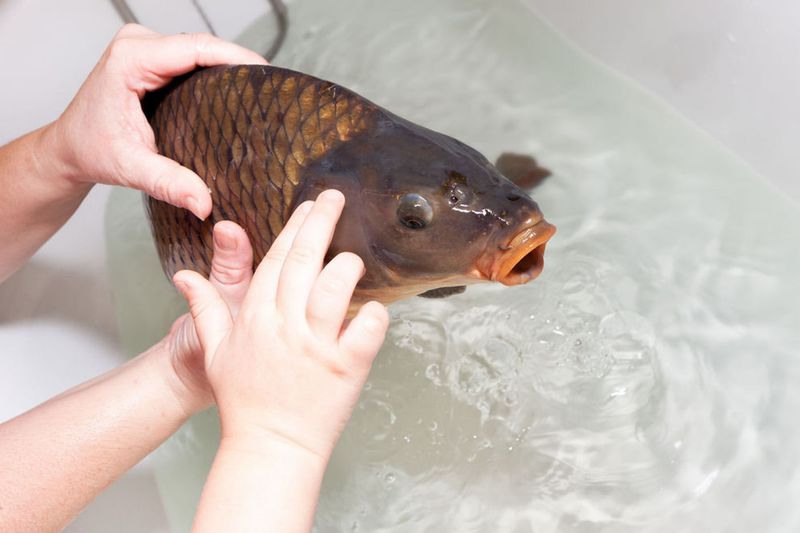
Weeks before Christmas, Czech families buy a live carp from a street vendor and keep it swimming in their bathtub until Christmas Eve. The idea is that fresh, live fish tastes far better than anything pre-packaged from a store.
Kids often name the fish, which makes the eventual dinner a bit emotionally complicated. Some families actually release their carp back into rivers instead of eating it.
For most households though, the carp gets fried and served with potato salad on December 24th — a meal so traditional it feels almost sacred to Czech people.
9. Sweden's Surströmming Fermented Herring

Surströmming is fermented Baltic herring that smells so intensely awful that many apartment buildings in Sweden have banned opening the cans indoors. Airlines have also prohibited it as cargo.
Yet Swedes eat it every August with a kind of proud, grinning determination.
The fish ferments for months inside sealed tins, which often bulge from the pressure of gases inside. Traditionally served on thin flatbread with boiled potatoes, red onion, and sour cream, the taste is reportedly milder than the smell suggests.
Foreigners rarely agree, but Swedes consider it a cultural badge of honor.
10. Switzerland's Raclette Scraping Ritual
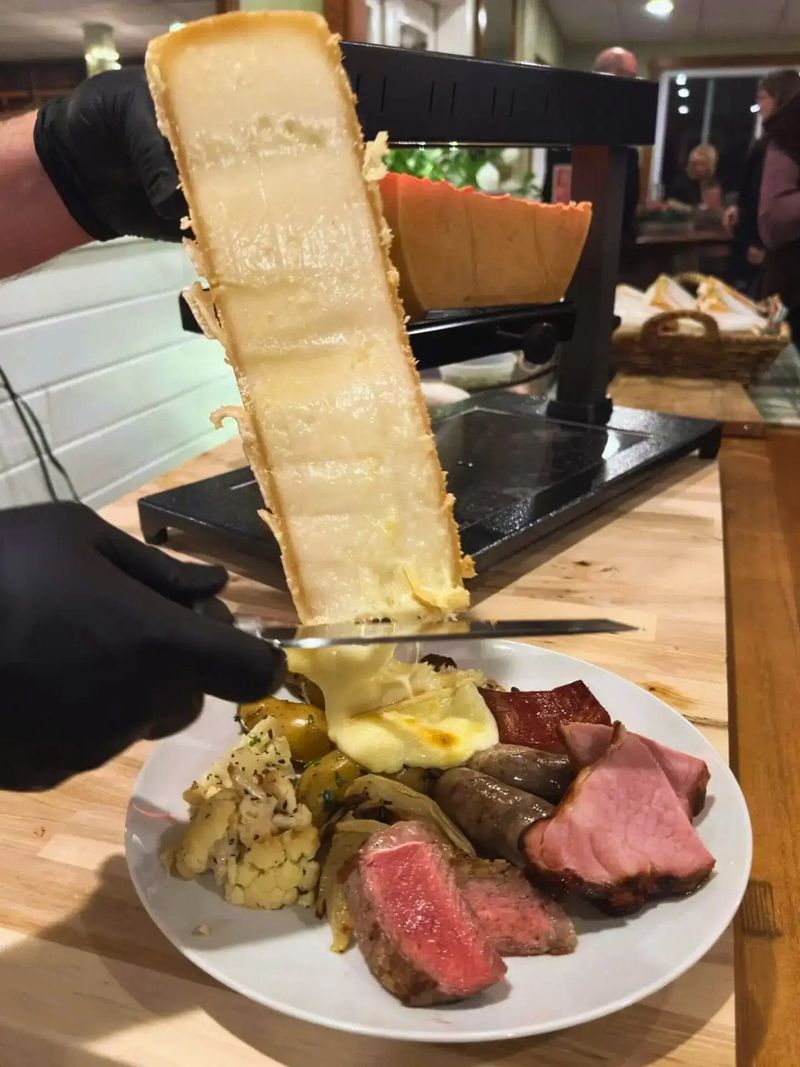
Raclette is not just a cheese — it is a Swiss social event. A large wheel of semi-firm cheese is held near a heat source until the surface bubbles and melts, then scraped directly onto plates of boiled potatoes, pickles, and cured meats.
The word raclette comes from the French word racler, meaning to scrape. Swiss families gather around raclette grills for hours during winter evenings, eating slowly and talking even slower.
It is the kind of meal designed to make time stop. Visitors to Switzerland often say raclette evenings are the warmest memory they bring home.
11. Ireland's Colcannon Halloween Fortune Telling
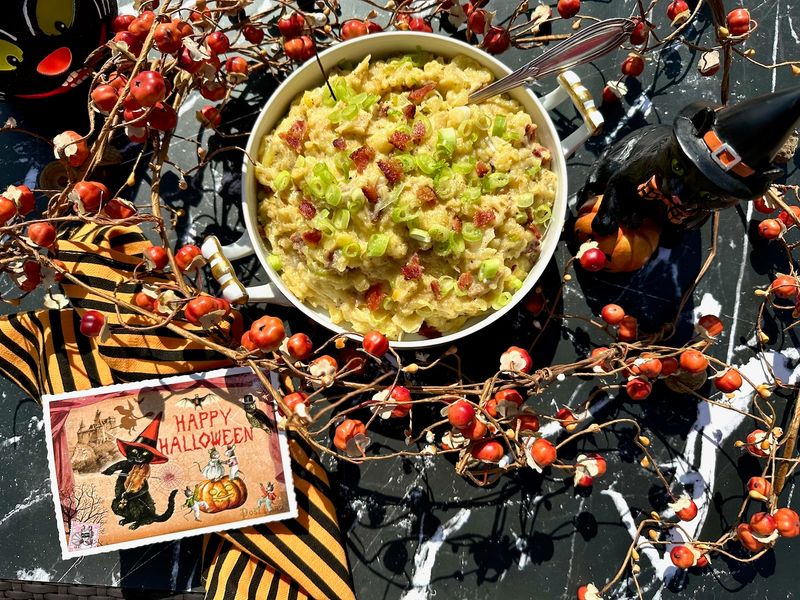
Long before Halloween became about candy and costumes, Irish families marked the holiday by hiding small objects inside a pot of colcannon — a dish made from mashed potatoes mixed with cabbage or kale. Each hidden item predicted the finder's future.
A ring meant marriage was coming. A coin promised wealth.
A button or thimble warned of a life lived alone. Children would dig through their mashed potatoes with genuine suspense, hoping for the ring.
The tradition faded in many households but has seen a cheerful revival among Irish families interested in reconnecting with their Celtic roots.
12. Belgium's Strict Waffle Regional Pride
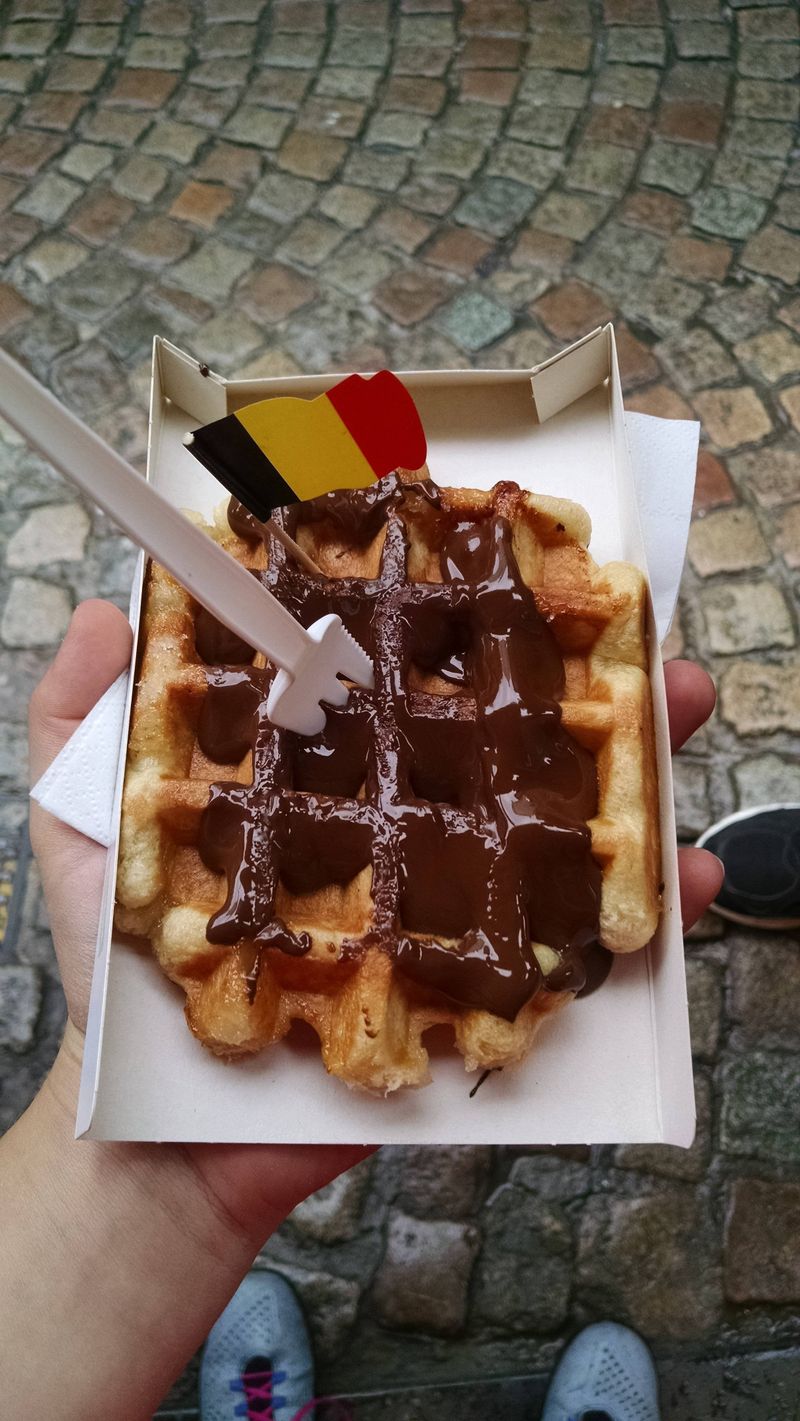
Belgium takes its waffles so seriously that starting a debate about Liege versus Brussels waffles can genuinely upset people. These are not just two waffle styles — they are regional identities baked into golden, crispy form.
The Liege waffle is dense, chewy, and studded with pearl sugar that caramelizes during cooking. The Brussels waffle is light, rectangular, and crispy, usually eaten fresh with toppings.
Belgians cringe when tourists pour syrup on a Brussels waffle, treating it like American pancakes. Respecting the waffle rules is practically a social requirement in Belgium.
13. Hungary's Langos Deep-Fried Street Bread
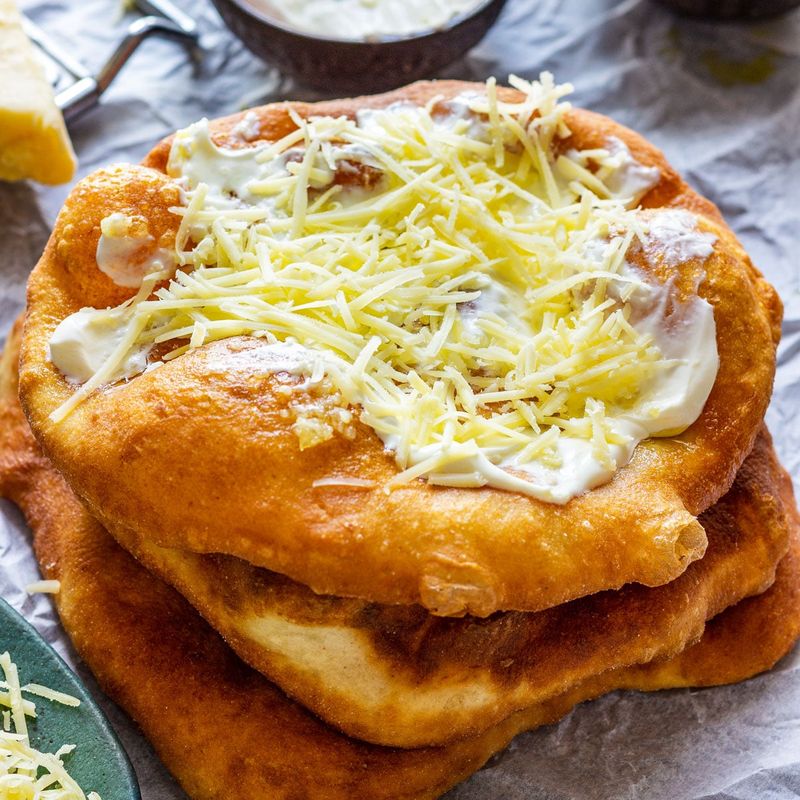
Langos is Hungary's favorite street food — a thick round of dough deep-fried until golden and puffy, then slathered with sour cream and grated cheese. It is greasy, enormous, and absolutely magnificent.
Originally eaten as a breakfast food made from leftover bread dough, langos has been a Hungarian staple for centuries. Today it shows up at every outdoor market, festival, and fairground across the country.
Hungarians argue passionately about the correct toppings — garlic butter, cheese, and sour cream being the holy trinity. Tourists take one bite and immediately understand why the debate matters.
14. Finland's Midsummer Sausage Grilling
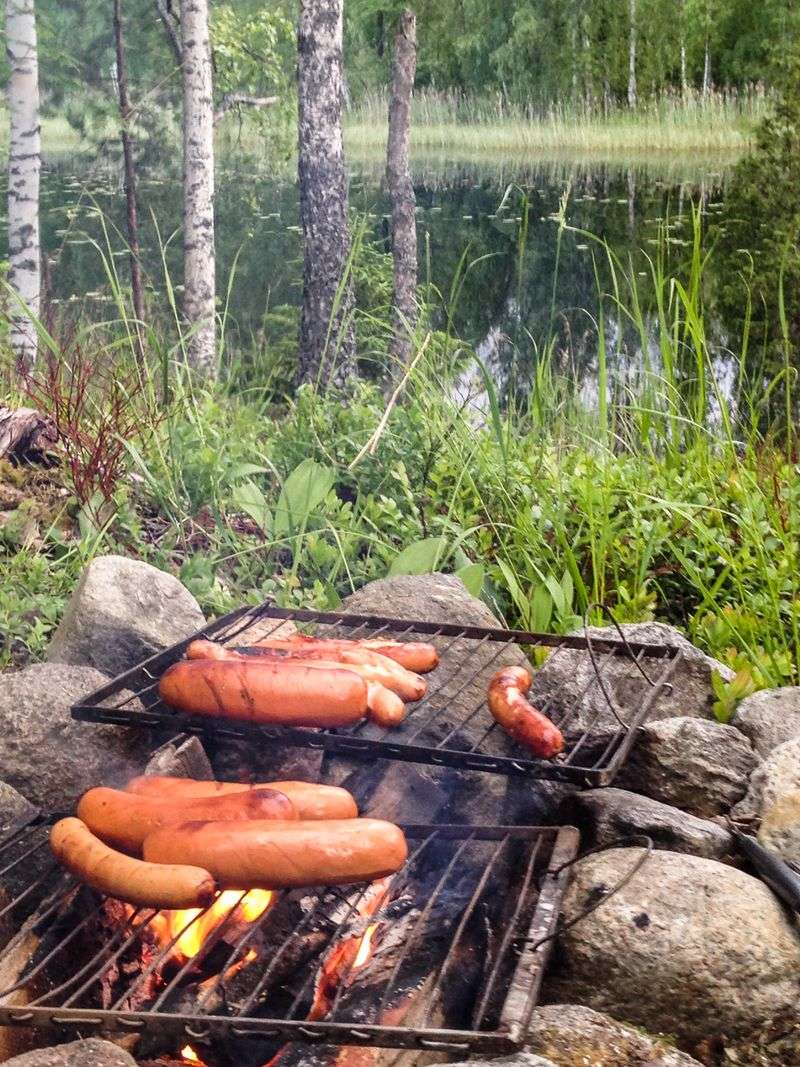
Midsummer in Finland is basically a national religion, and grilling sausages over an open fire is the centerpiece of the entire celebration. Finns head to their lakeside cabins every June, build enormous bonfires, and cook makkaraa — traditional Finnish sausages — on long sticks.
There is something deeply meditative about standing near a fire at midnight in a country where the sun barely sets in summer. The sausages are simple, the setting is stunning, and the tradition has barely changed in generations.
For many Finnish families, midsummer sausages represent the happiest memory of the year.
15. Austria's Krampusnacht Schnapps Warming
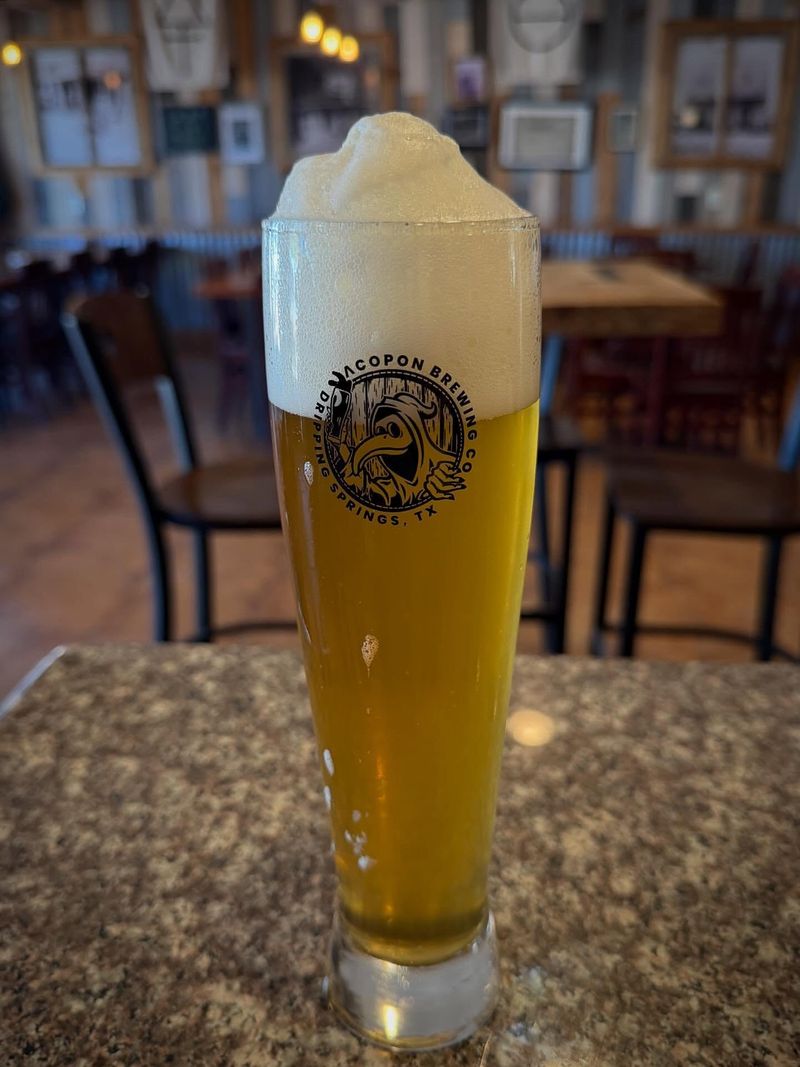
On December 5th in Austria, the terrifying Krampus creature parades through towns scaring children — and adults warm themselves afterward with small glasses of homemade schnapps. The fruit brandy is a deeply embedded part of Austrian mountain culture, distilled by families from plums, pears, or apricots.
Sharing schnapps on Krampusnacht is less about drinking and more about community warmth after a dramatic evening. Austrian farmers have held distilling licenses for generations, making each family's schnapps recipe a source of serious local pride.
The combination of fear, cold air, and warm spirits makes for an unforgettable December tradition.
16. Poland's Wigilia Meatless Christmas Eve Dinner
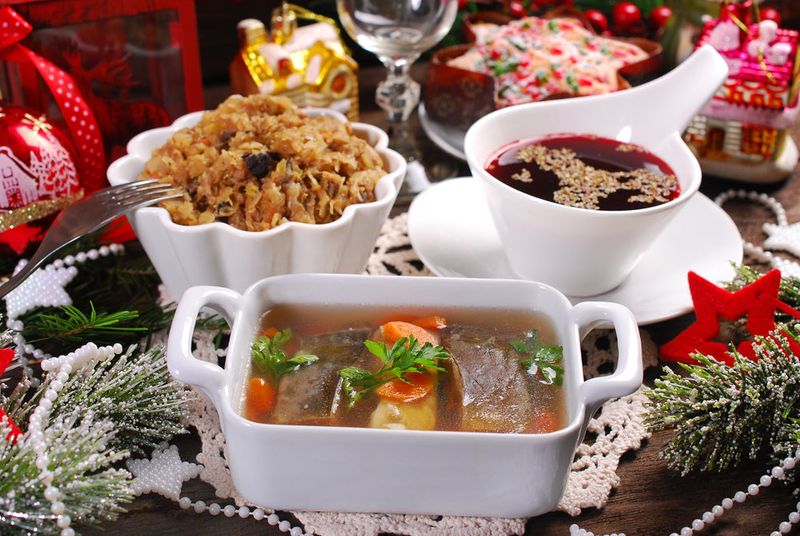
Polish Christmas Eve, called Wigilia, centers on a strict twelve-dish meatless meal eaten after the first star appears in the sky. Every dish represents one of the twelve apostles, and not a single bite of meat is allowed until Christmas Day.
An extra place is always set at the table for an unexpected guest or the spirit of a loved one who has passed. Dishes include beet soup with tiny mushroom dumplings, fried carp, herring, and poppy seed cake.
Polish families abroad maintain this tradition with remarkable dedication, keeping the recipes alive across generations and continents.




Comments
No Comments