













Eating healthy sounds simple enough, but somehow it has become one of the most confusing topics out there. Between social media trends, outdated diet advice, and well-meaning friends sharing contradictory tips, it is hard to know what to actually believe.
These nutrition myths have been floating around for years, making people feel guilty, confused, and overwhelmed. Time to clear the air and set the record straight once and for all.
1. Carbs Are the Enemy
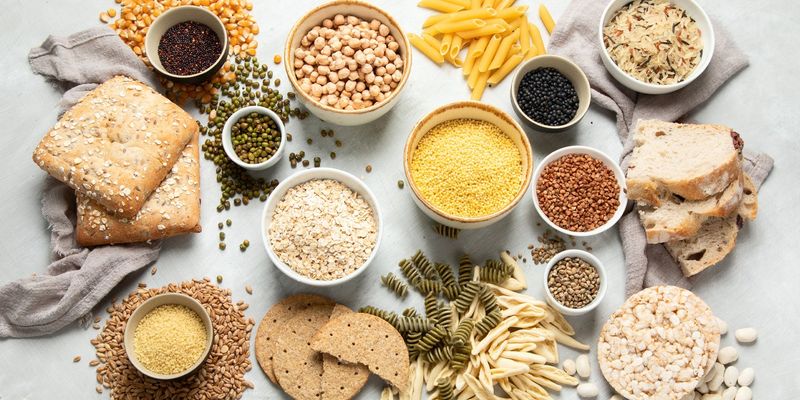
Somewhere along the way, carbohydrates got a terrible reputation, and millions of people started avoiding bread like it was poison. But here is the truth: your brain runs almost entirely on glucose, which comes from carbs.
Cutting them out completely can leave you foggy, tired, and irritable.
Not all carbs are created equal. Whole grains, fruits, and legumes provide fiber and lasting energy.
The real problem is refined sugar and processed snacks, not carbohydrates as a whole food group.
2. Eating Fat Makes You Fat
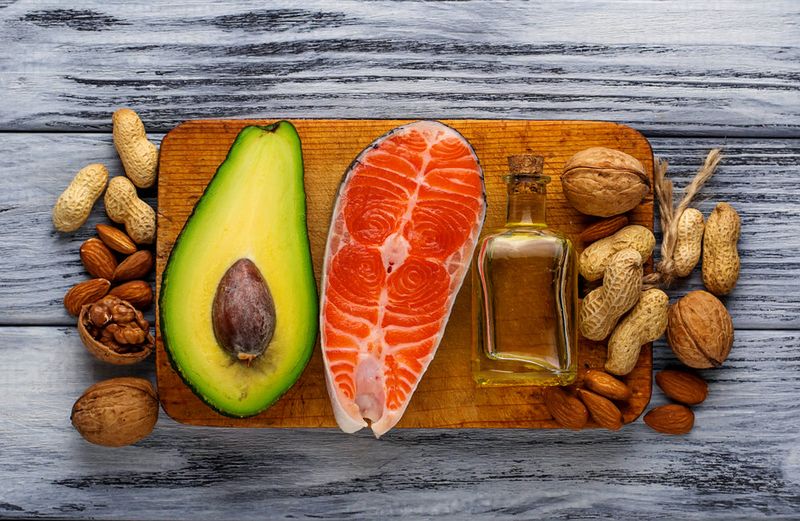
For decades, fat was public enemy number one in the nutrition world. Low-fat products flooded grocery store shelves, and people genuinely believed that eating fat meant gaining fat.
That logic sounds reasonable, but it completely ignores how the body actually works.
Healthy fats from avocados, nuts, and olive oil support brain health, hormone production, and vitamin absorption. Weight gain comes from excess calories overall, not from fat alone.
Removing fat often means adding sugar to compensate for flavor.
3. You Need to Eat Every 2-3 Hours to Boost Metabolism
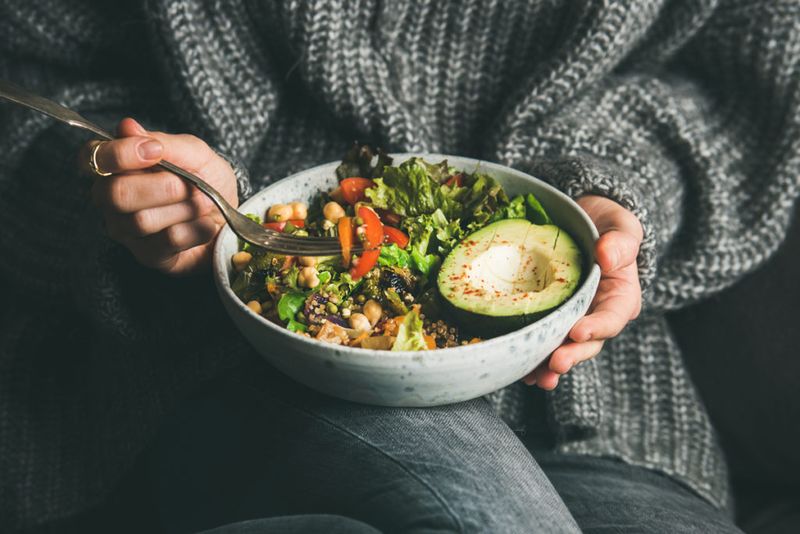
The idea that eating six small meals a day keeps your metabolism fired up became incredibly popular in fitness circles. Personal trainers repeated it, diet books promoted it, and meal prep culture ran with it.
But research has not actually backed this up in a meaningful way.
Metabolism is influenced by muscle mass, activity level, sleep, and genetics far more than meal frequency. Eating when you are genuinely hungry and stopping when full is a more sustainable and evidence-based approach for most people.
4. Fresh Produce Is Always Healthier Than Frozen
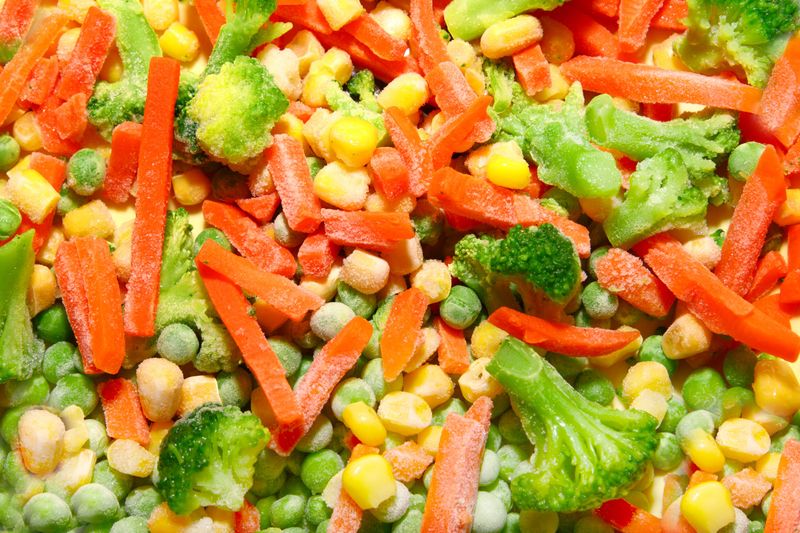
Grabbing a bag of frozen broccoli might feel like a nutritional compromise, but science says otherwise. Fresh produce starts losing nutrients the moment it is harvested, especially during long transport and storage times before reaching your plate.
Frozen vegetables are typically picked at peak ripeness and flash-frozen within hours, locking in vitamins and minerals effectively. Studies show frozen spinach, peas, and corn often match or even beat fresh versions in nutrient content.
Frozen is affordable, convenient, and genuinely nutritious.
5. Protein Bars Are a Healthy Snack

Walk into any gym or health food store and you will find walls of protein bars promising muscle gains, clean eating, and sustained energy. They look healthy, they sound healthy, and the packaging is very convincing.
Flip one over and read the ingredients, though.
Many popular protein bars contain as much sugar as a candy bar, along with artificial sweeteners, preservatives, and highly processed ingredients. A handful of almonds and a boiled egg delivers comparable protein with far fewer additives and much better nutritional value overall.
6. Detox Diets Cleanse Your Body
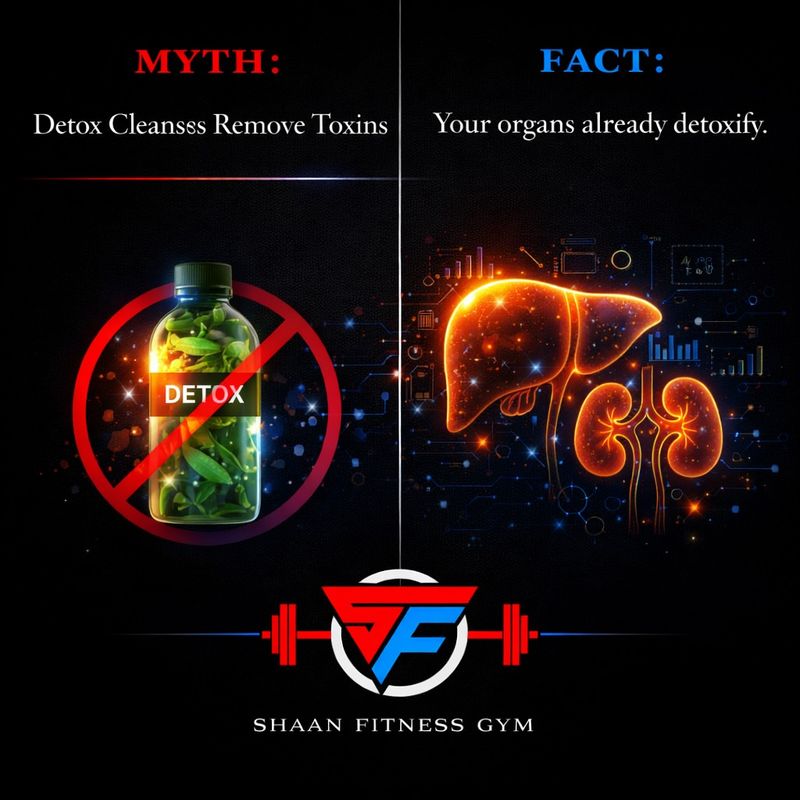
Every January, detox teas, juice cleanses, and liver-cleansing protocols trend massively online. The promise is appealing: flush out toxins, reset your system, and feel brand new in just five days.
It sounds like a fresh start, but your body already handles this 24 hours a day.
Your liver, kidneys, lungs, and digestive system are a built-in detox team working constantly without any special juice required. No scientific evidence supports the idea that commercial cleanses remove toxins more effectively than your organs already do on their own.
7. Eating After 8 PM Causes Weight Gain
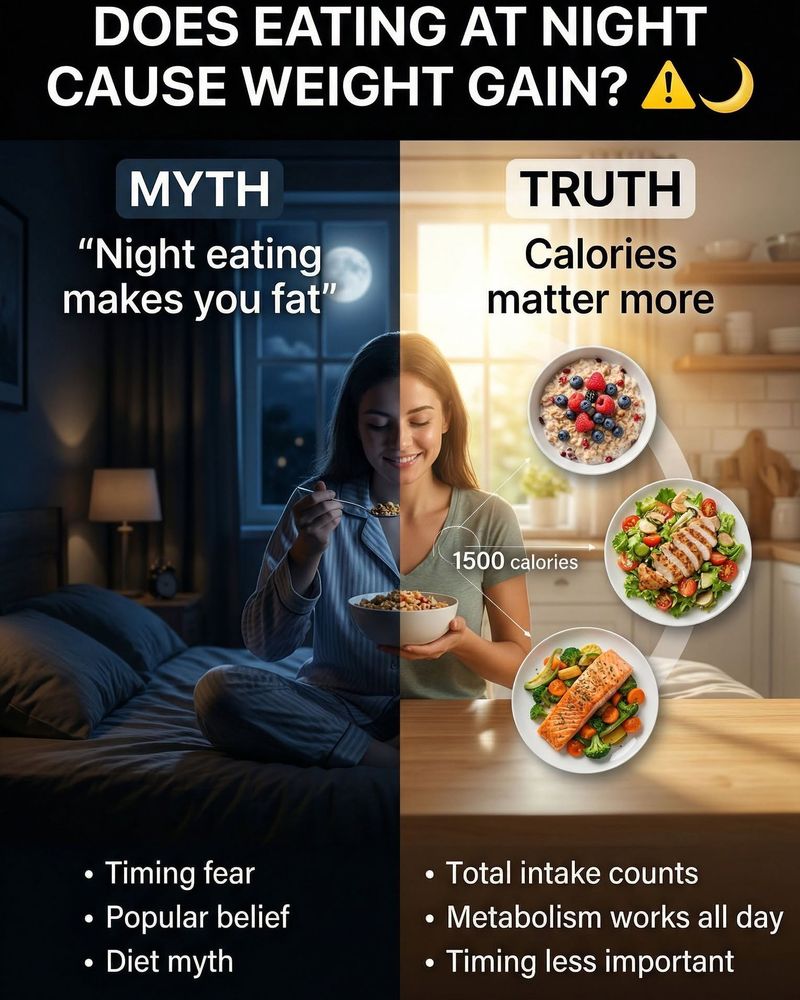
Late-night eating has long been blamed for expanding waistlines, and the rule of stopping all food intake after 8 PM has been repeated so often that most people accept it as fact. But your body does not have a clock that switches calories into fat storage mode at nightfall.
What matters most is total calorie intake throughout the entire day, not the specific time you eat. Mindless snacking at night tends to add extra calories, which is the real issue, not the hour shown on the clock above your stove.
8. All Calories Are Equal
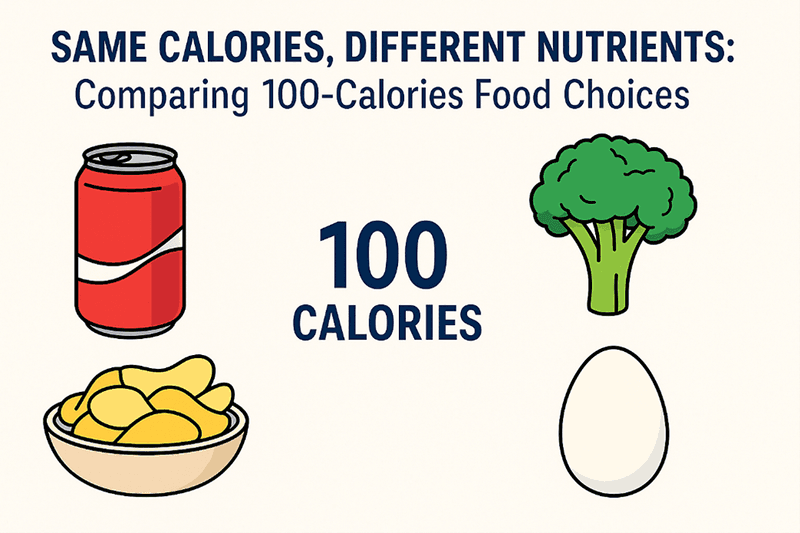
A calorie is a unit of energy, and technically, 200 calories of broccoli and 200 calories of soda contain the same energy value. That part is true.
But treating all calories as identical ignores how dramatically different foods affect your hormones, hunger, and overall health.
Protein calories keep you fuller longer than sugar calories. Fiber slows digestion and stabilizes blood sugar.
Ultra-processed foods trigger overeating in ways that whole foods simply do not. Food quality shapes how your body uses those calories in very different and important ways.
9. You Must Drink 8 Glasses of Water Every Day

Eight glasses a day has been the golden hydration rule for generations, passed down from health teachers, doctors, and fitness influencers alike. The number sounds precise and scientific, but its actual origin is surprisingly unclear and not based on rigorous modern research.
Hydration needs vary enormously depending on body size, activity level, climate, and the foods you eat. Fruits, vegetables, soups, and other beverages all contribute to your daily fluid intake.
Thirst is actually a reliable and well-designed signal your body uses to tell you when to drink.
10. Organic Food Is Always More Nutritious
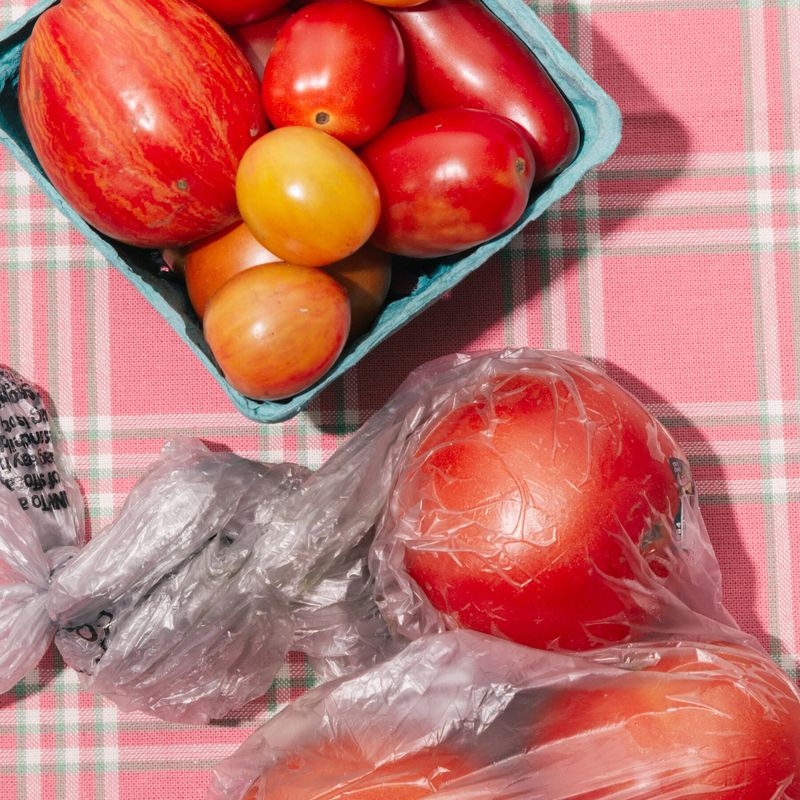
Organic food has a health halo that makes many shoppers assume it is nutritionally superior to conventionally grown produce. The premium price tag reinforces that feeling, making it seem like you are investing in better nutrition with every purchase.
Research comparing organic and conventional produce has found minimal differences in actual vitamin and mineral content. The primary benefits of organic farming relate to reduced pesticide exposure and environmental impact, not significantly higher nutrient density.
Eating more fruits and vegetables, organic or not, matters far more than the label on the package.
11. Skipping Breakfast Slows Your Metabolism

Breakfast has been called the most important meal of the day for so long that questioning it almost feels rebellious. Cereal companies especially pushed this message hard for decades, and it stuck firmly in public health messaging around the world.
Research on intermittent fasting and meal timing shows that skipping breakfast does not automatically tank your metabolism or cause weight gain. What matters is your overall daily food intake.
Some people genuinely thrive without morning meals, while others do better eating early. Individual patterns vary widely.
12. Supplements Can Replace a Balanced Diet
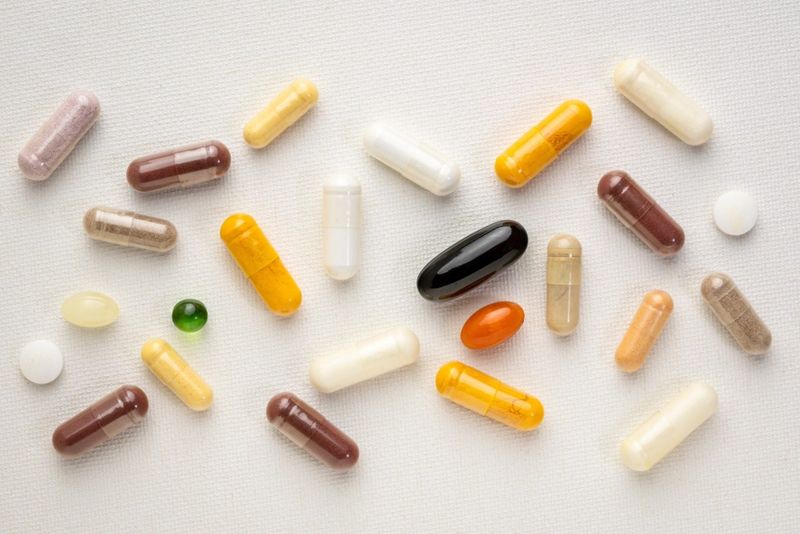
The supplement industry is worth billions of dollars, built partly on the belief that you can simply pill your way to perfect nutrition. Multi-vitamins, omega-3 capsules, and greens powders are marketed as shortcuts to everything a balanced diet provides naturally.
Whole foods contain thousands of compounds that work together in ways scientists are still discovering and studying. Supplements isolate specific nutrients but miss the fiber, antioxidants, and phytonutrients that come bundled in real food.
Pills can address specific deficiencies, but they cannot replicate the complexity of an actual varied diet.
13. High-Protein Diets Damage Your Kidneys
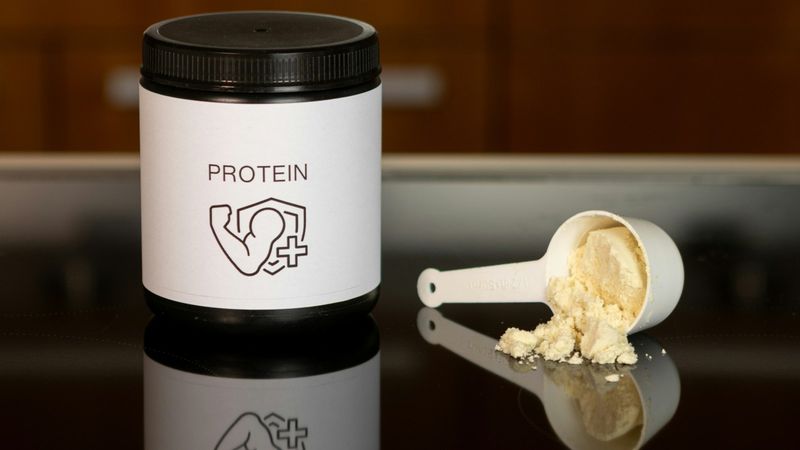
High-protein diets gained a scary reputation for supposedly destroying kidney function, which caused many people to unnecessarily limit perfectly healthy foods like eggs, chicken, and legumes. This concern does have a kernel of truth buried inside it, but the full picture matters.
People who already have diagnosed kidney disease do need to monitor protein intake carefully under medical supervision. However, research consistently shows that high protein consumption does not harm kidney function in healthy individuals.
Protein is essential for muscle repair, immune function, and keeping you satisfied after meals.
14. Natural Sugar Is Better Than Refined Sugar
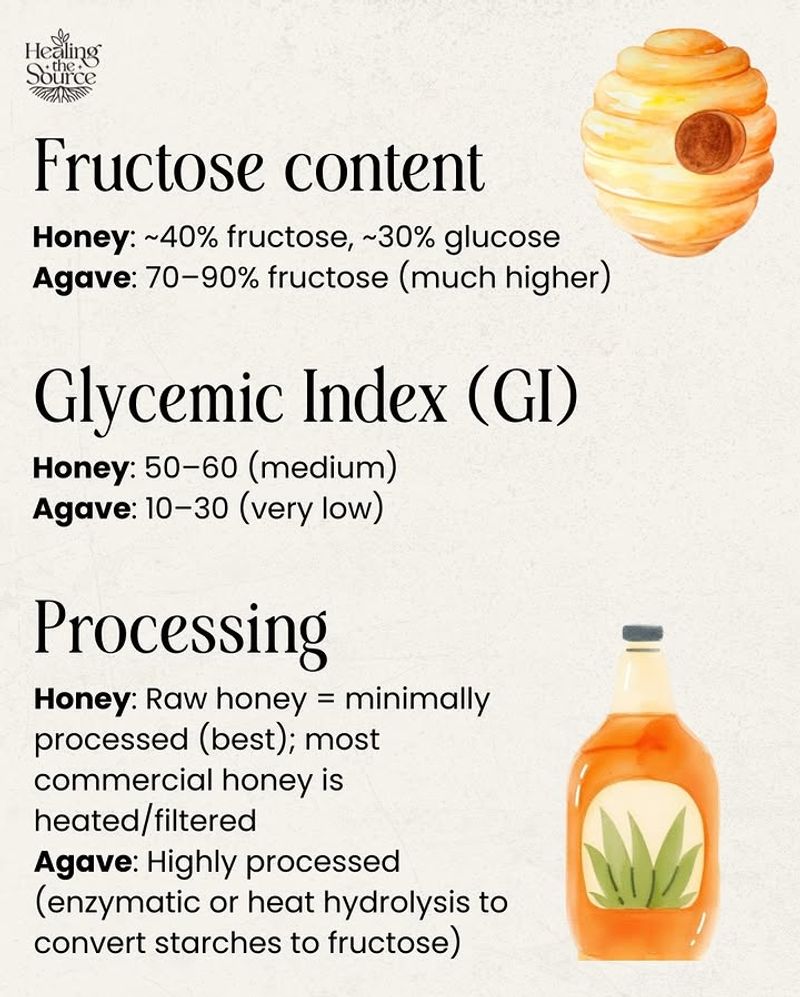
Honey, maple syrup, coconut sugar, and agave are frequently marketed as healthier alternatives to white sugar, carrying a natural and wholesome image that makes them feel like guilt-free choices. Food brands use this perception cleverly on packaging to charge premium prices.
Biochemically, your body processes fructose and glucose from honey the same way it processes them from table sugar. The differences in vitamins and minerals are genuinely tiny at the amounts people typically use.
Excess sugar in any form contributes to the same metabolic effects regardless of how rustic the jar looks.
15. Gluten-Free Means Healthier
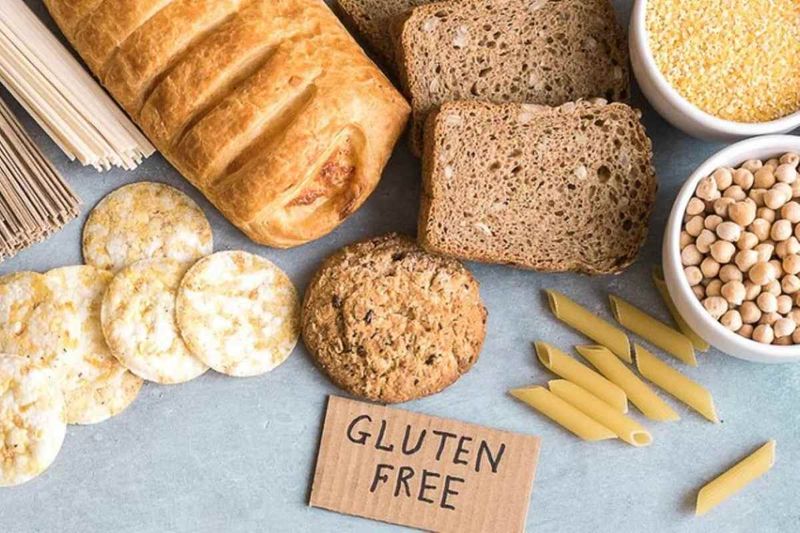
Gluten-free products have exploded in popularity, showing up in every grocery store and restaurant menu imaginable. For people with celiac disease or genuine gluten sensitivity, avoiding gluten is medically necessary and life-changing.
But for everyone else, the story gets more complicated quickly.
Many gluten-free processed foods actually contain more sugar, refined starches, and additives than their regular counterparts to compensate for texture and flavor. Whole wheat bread is not harmful for the vast majority of people.
Choosing gluten-free packaged snacks over regular ones does not automatically make your diet cleaner or healthier.
16. Egg Yolks Are Bad for Your Heart
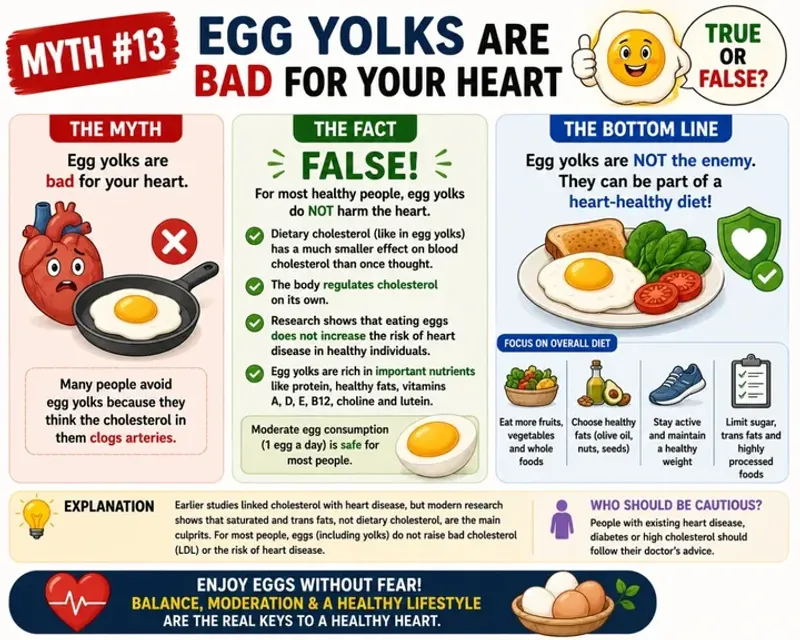
For years, eggs sat firmly on the dietary danger list because of their cholesterol content. Doctors warned patients to toss the yolks, and egg white omelets became the symbol of heart-healthy eating at every diner and brunch spot across the country.
More recent research has significantly shifted this view. Dietary cholesterol from eggs has a much smaller impact on blood cholesterol levels than saturated and trans fats do.
Eggs are packed with protein, choline, vitamin D, and antioxidants. Most healthy adults can enjoy whole eggs regularly without meaningful cardiovascular risk.
17. Eating Healthy Is Too Expensive
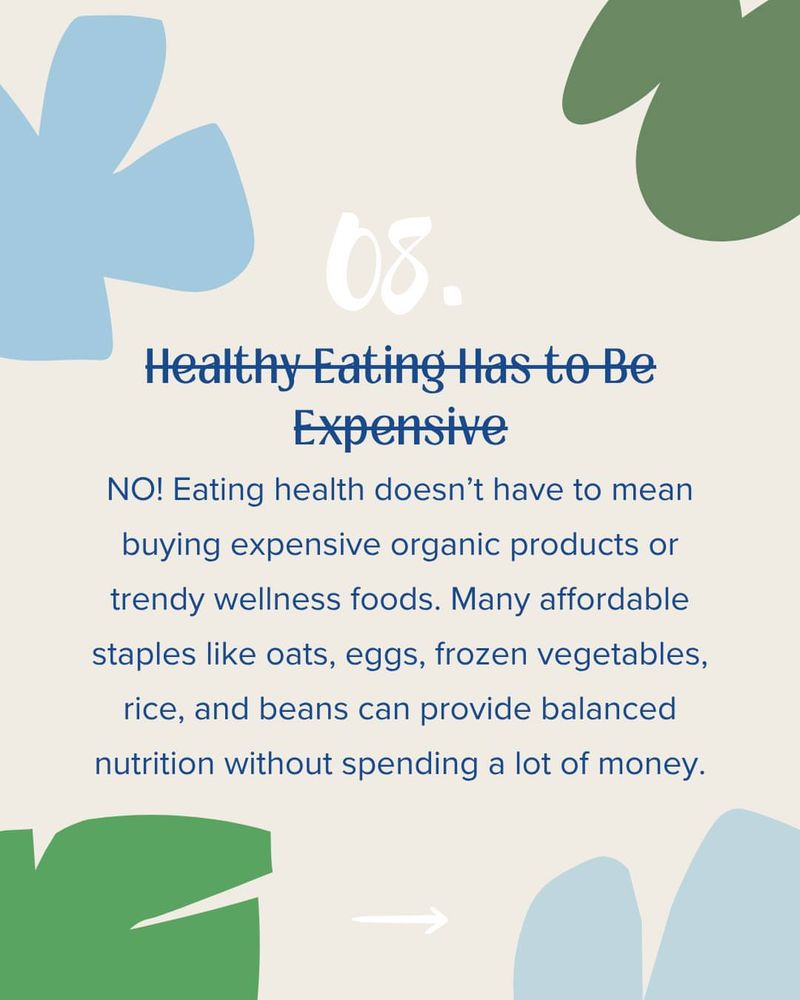
Cost is one of the most commonly cited barriers to eating well, and it is a concern worth taking seriously. Fresh salmon and organic berries can absolutely stretch a grocery budget thin, and that experience makes the expense argument feel very real and valid.
Dried beans, lentils, oats, eggs, canned tomatoes, and frozen vegetables are among the most nutrient-dense foods available and also among the most affordable. A bag of lentils costs very little and delivers protein, fiber, and iron in impressive amounts.
Healthy eating requires planning, not necessarily a large food budget.
18. You Need Dairy for Strong Bones
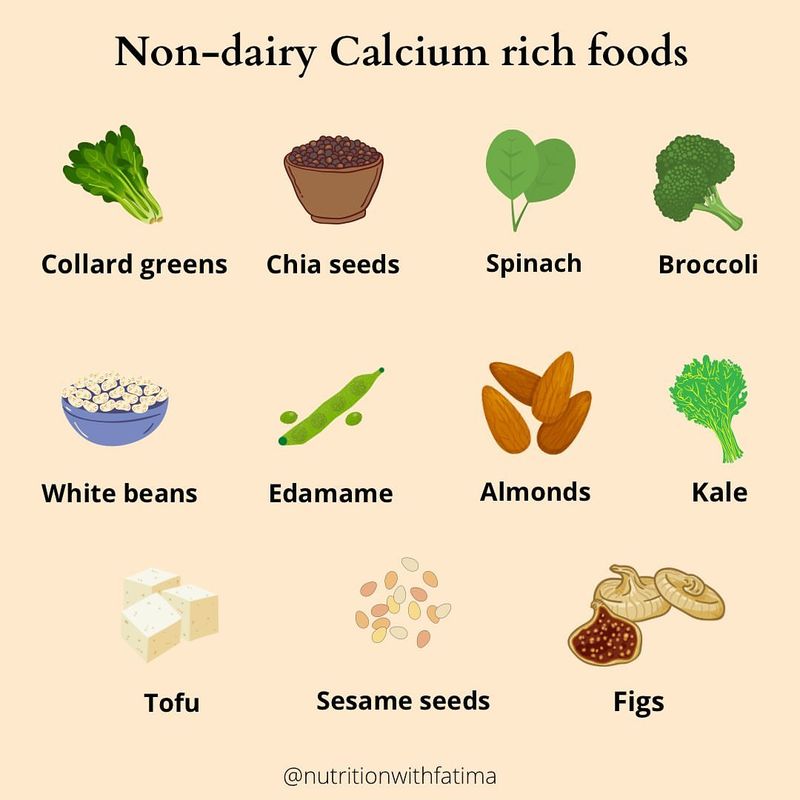
Got milk? That famous campaign convinced generations of people that dairy was the only meaningful path to strong bones and fracture prevention.
Calcium is absolutely essential for bone density, but dairy is far from the only way to get it into your daily diet.
Leafy greens like kale and bok choy, canned sardines with bones, fortified plant milks, tofu, and almonds all deliver solid amounts of calcium. Weight-bearing exercise and vitamin D also play enormous roles in bone strength.
Dairy is one option, not the only option, for skeletal health.




Comments
No Comments