













Store-bought snacks and meals are convenient, but they often hide surprising amounts of sugar, salt, and preservatives. Making food at home gives you full control over what goes into every bite.
You can swap out unhealthy ingredients, cut down on additives, and still enjoy your favorite flavors. Here are 25 foods that get a serious health upgrade when you make them yourself.
1. Salad Dressing
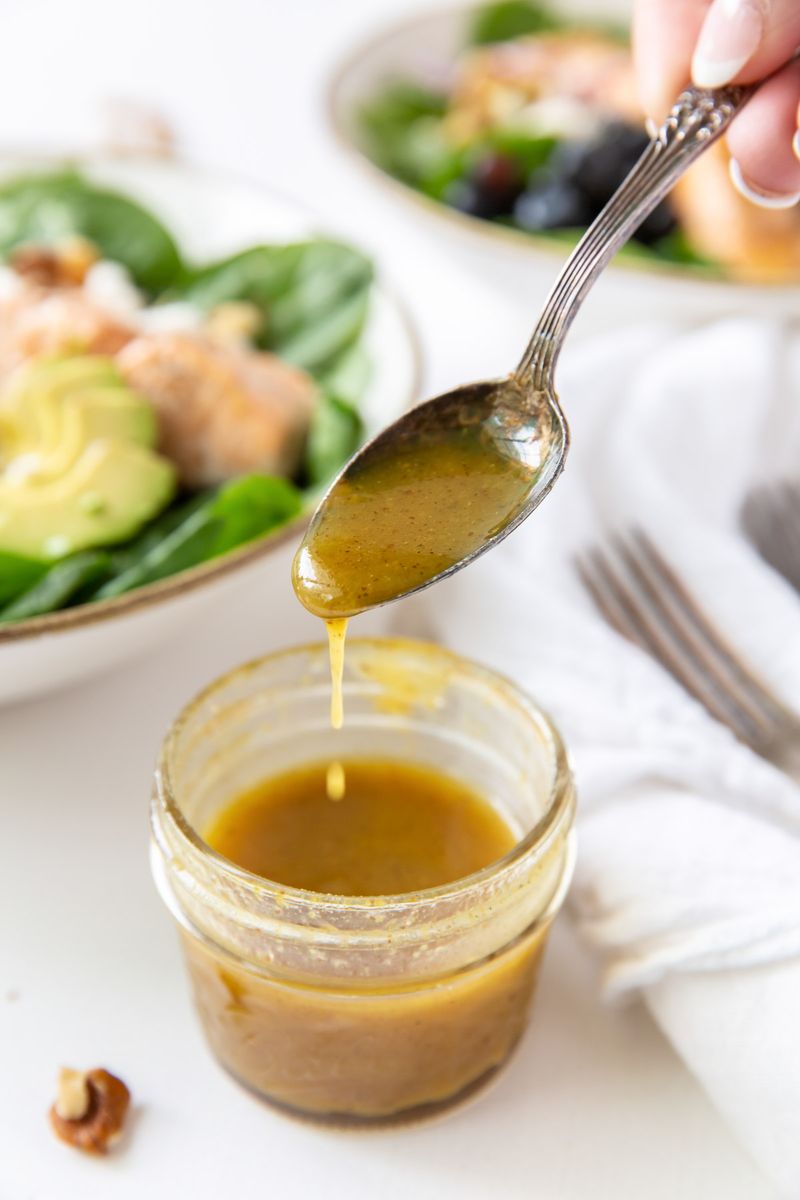
Flip over a bottle of store-bought ranch or Caesar dressing and you might be shocked by the ingredient list. Many commercial dressings are loaded with refined oils, added sugars, and artificial flavors.
At home, you can whisk together olive oil, lemon juice, garlic, and a pinch of salt in minutes. That simple swap cuts out the preservatives entirely.
Homemade dressing tastes fresher and costs less too.
2. Granola
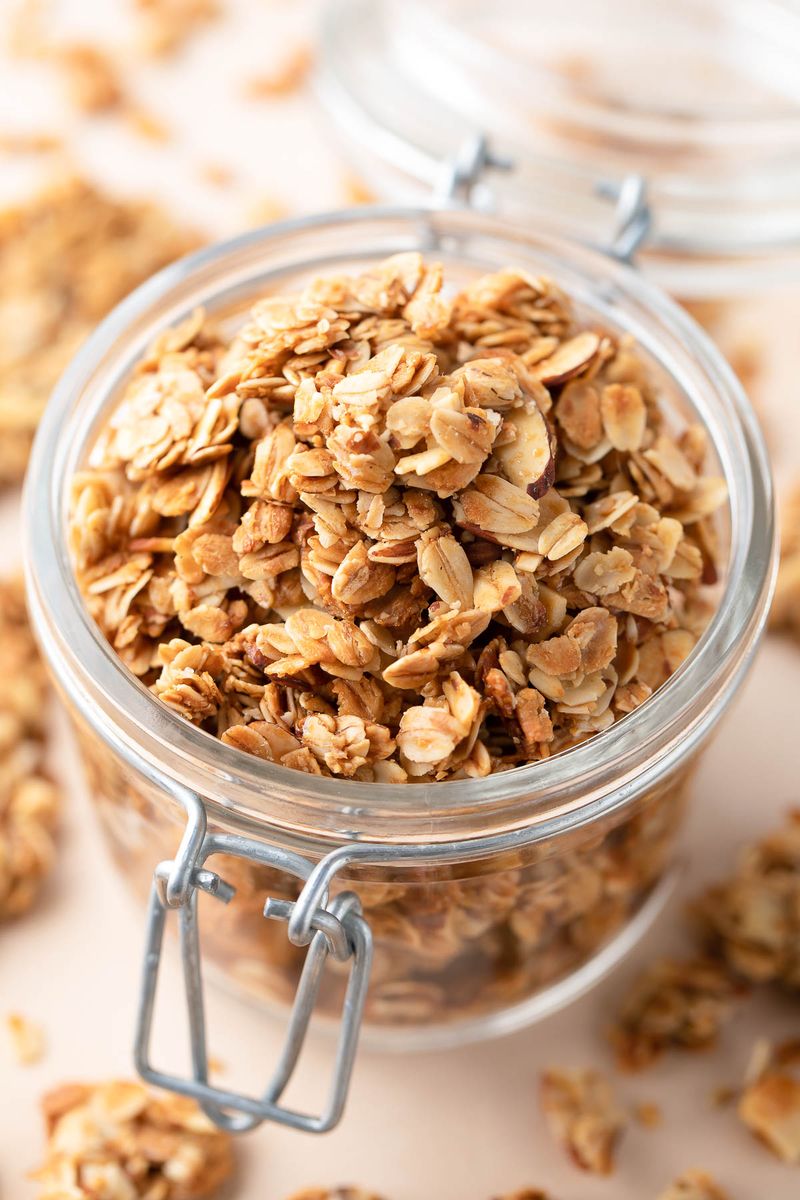
Most granola sold in stores is basically candy in disguise. A single serving can pack as much sugar as a chocolate bar, thanks to syrups, coatings, and sweetened dried fruits added during manufacturing.
Homemade granola lets you control every ingredient. Use rolled oats, a drizzle of honey, raw nuts, and a dash of cinnamon for a crunchy, satisfying breakfast.
You get all the crunch without the sugar overload.
3. Tomato Sauce
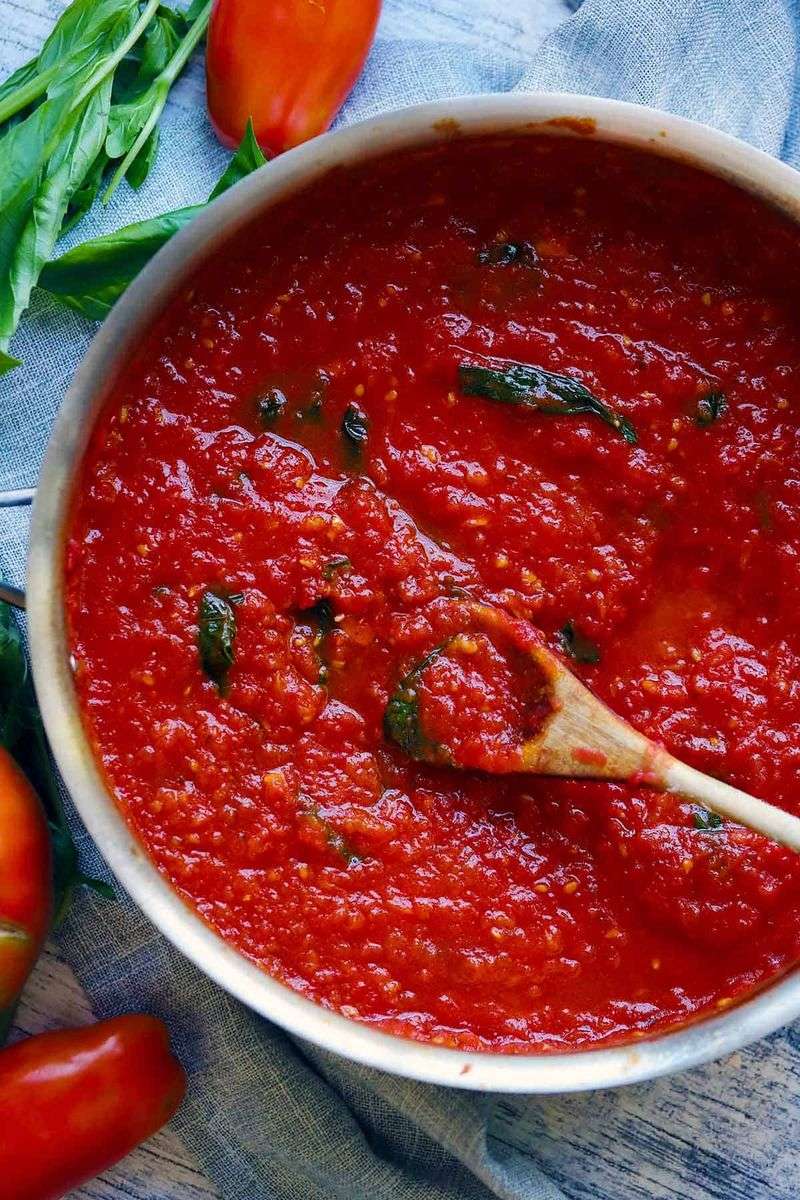
Jarred pasta sauce is a weeknight lifesaver, but it often contains way more sugar and sodium than you would ever add yourself. Some brands sneak in nearly a full teaspoon of sugar per half-cup serving.
Simmering fresh or canned tomatoes with garlic, olive oil, and basil takes only 20 minutes. The result is a rich, vibrant sauce free from unnecessary additives.
Your pasta nights just got a whole lot healthier.
4. Peanut Butter

Check the label on most commercial peanut butters and you will find hydrogenated oils and added sugars that have no business being in a jar of ground peanuts. Those extras extend shelf life but reduce nutritional value.
Blend roasted peanuts in a food processor for about two minutes and you have pure, creamy peanut butter. Add a pinch of salt if you like.
Nothing else needed, and the flavor is incredible.
5. Chicken Nuggets

Fast-food nuggets are a kid favorite, but they often contain fillers, excess sodium, and are deep-fried in low-quality oils. The actual chicken content in some brands is surprisingly low.
Homemade nuggets use real chicken breast, a simple breadcrumb coating, and can be baked instead of fried. Kids usually love them just as much, and parents can feel genuinely good about serving them.
Pair with a yogurt-based dip for an extra health boost.
6. Energy Bars
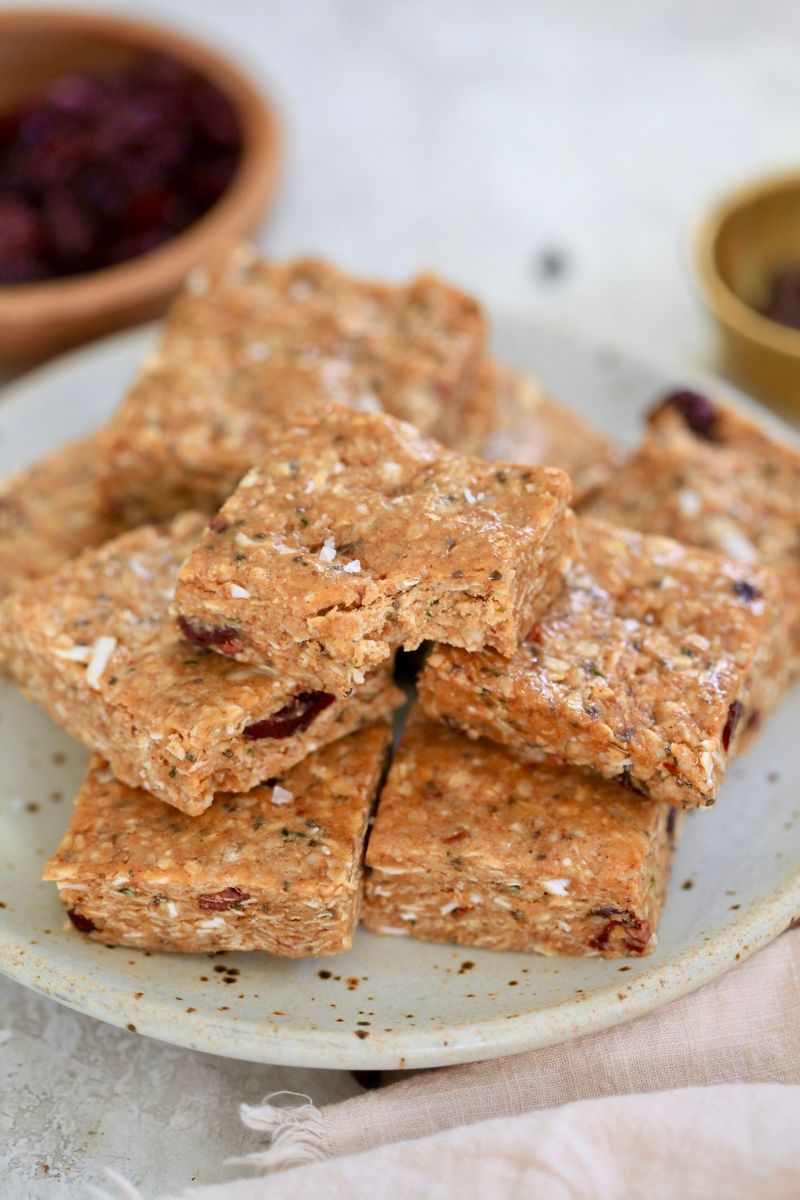
Packaged energy bars marketed as healthy can be surprisingly similar to candy bars once you look past the flashy labels. Many contain protein isolates, artificial sweeteners, and a long list of unrecognizable ingredients.
At home, you can press together oats, nut butter, honey, seeds, and dried fruit into bars that actually fuel your body. No baking required, and they store well in the fridge all week.
Real food, real energy.
7. Hummus
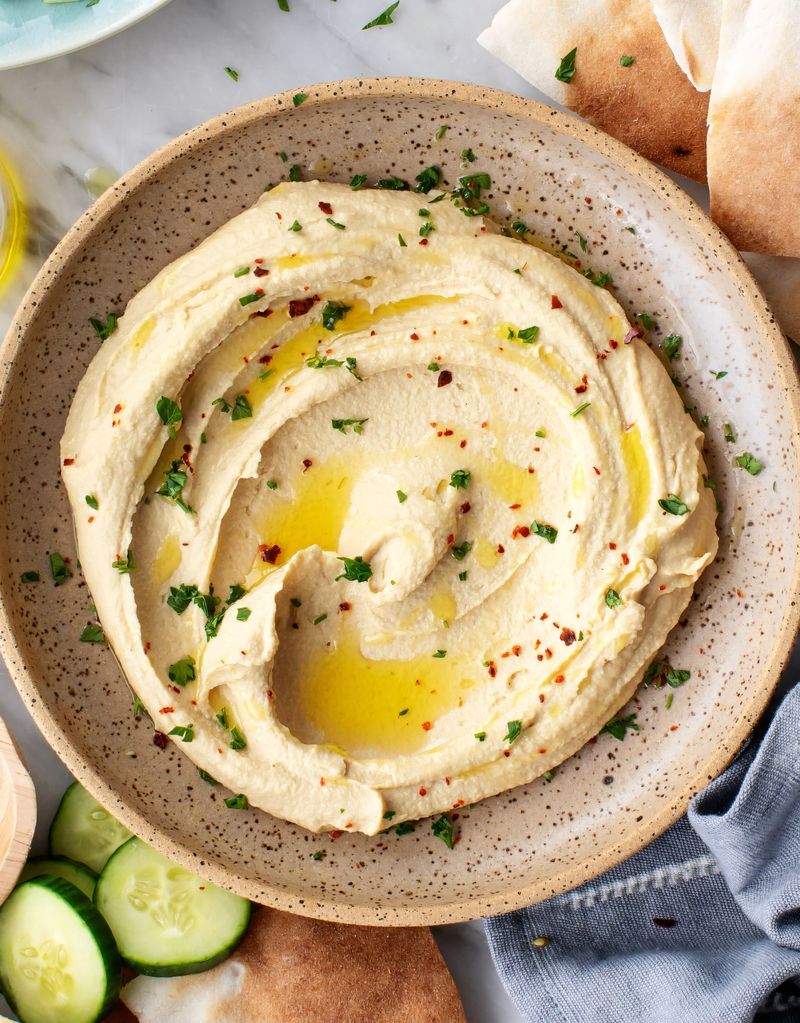
Store-bought hummus is convenient, but many brands use low-quality oils and add preservatives to extend freshness. Some versions are also surprisingly high in sodium for such a small serving size.
Blending chickpeas with tahini, lemon juice, garlic, and olive oil at home takes about five minutes. The texture is creamier, the flavor is brighter, and you know exactly what went into the bowl.
It pairs perfectly with veggies or whole grain pita.
8. Bread
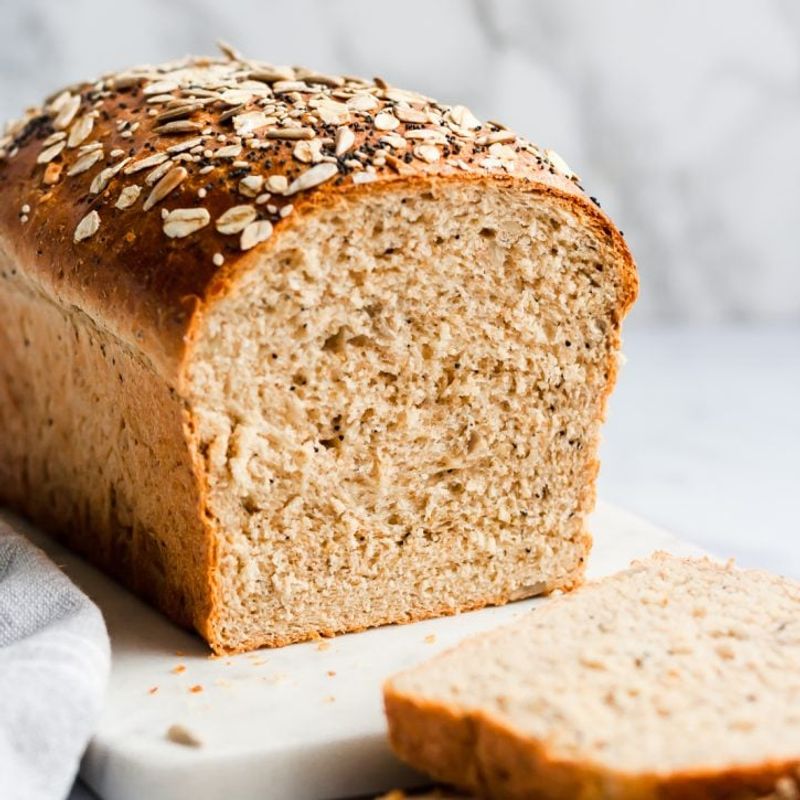
Most sliced bread from the grocery store contains dough conditioners, preservatives, and added sugars to keep it soft and shelf-stable for weeks. Even breads labeled as whole grain can have long ingredient lists.
Baking your own bread with whole wheat flour, yeast, water, and a pinch of salt gives you a loaf with far fewer ingredients. The smell alone makes it worth it.
Plus, you control the fiber and sodium content completely.
9. Yogurt
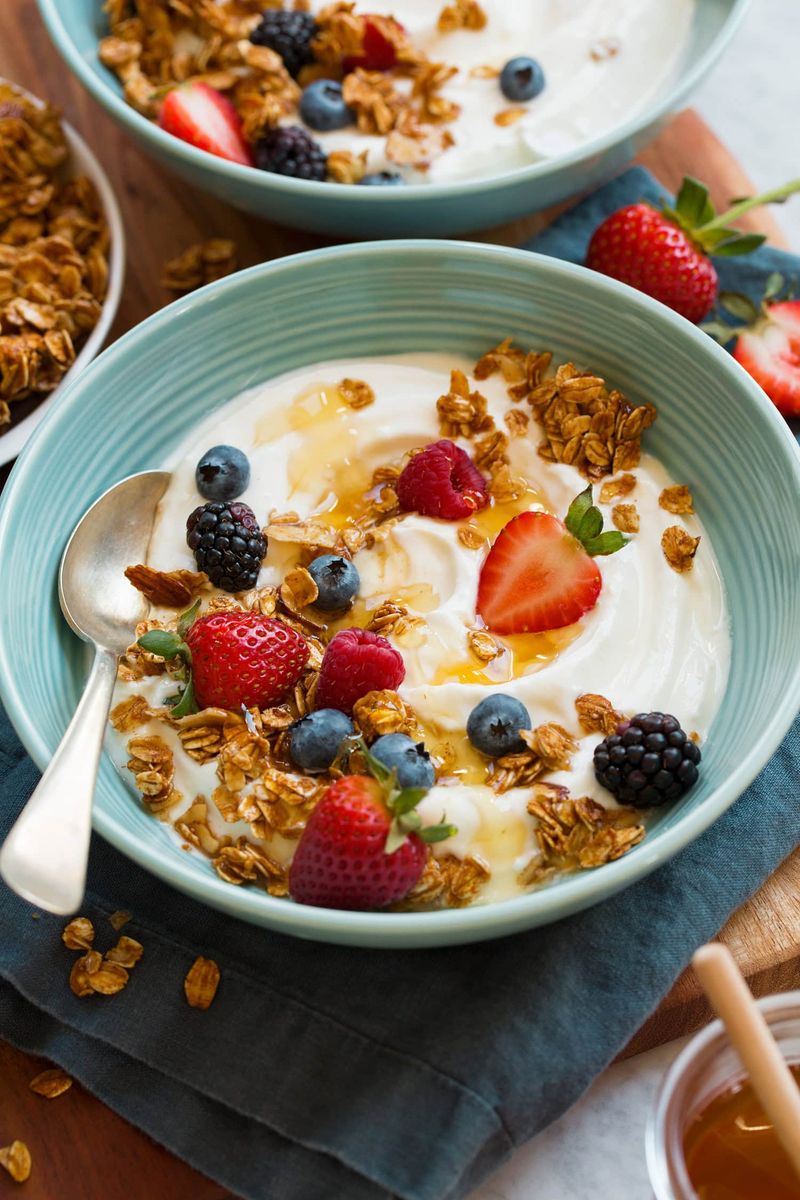
Flavored yogurts at the store are often loaded with added sugars, artificial colors, and thickeners. Even some plain varieties contain additives that are not necessary when you make it yourself.
Homemade yogurt requires just milk and a small spoonful of live-culture starter yogurt. Warm the milk, stir in the starter, and let it sit overnight.
The result is thick, tangy, and full of gut-friendly probiotics without any unnecessary extras.
10. Soup
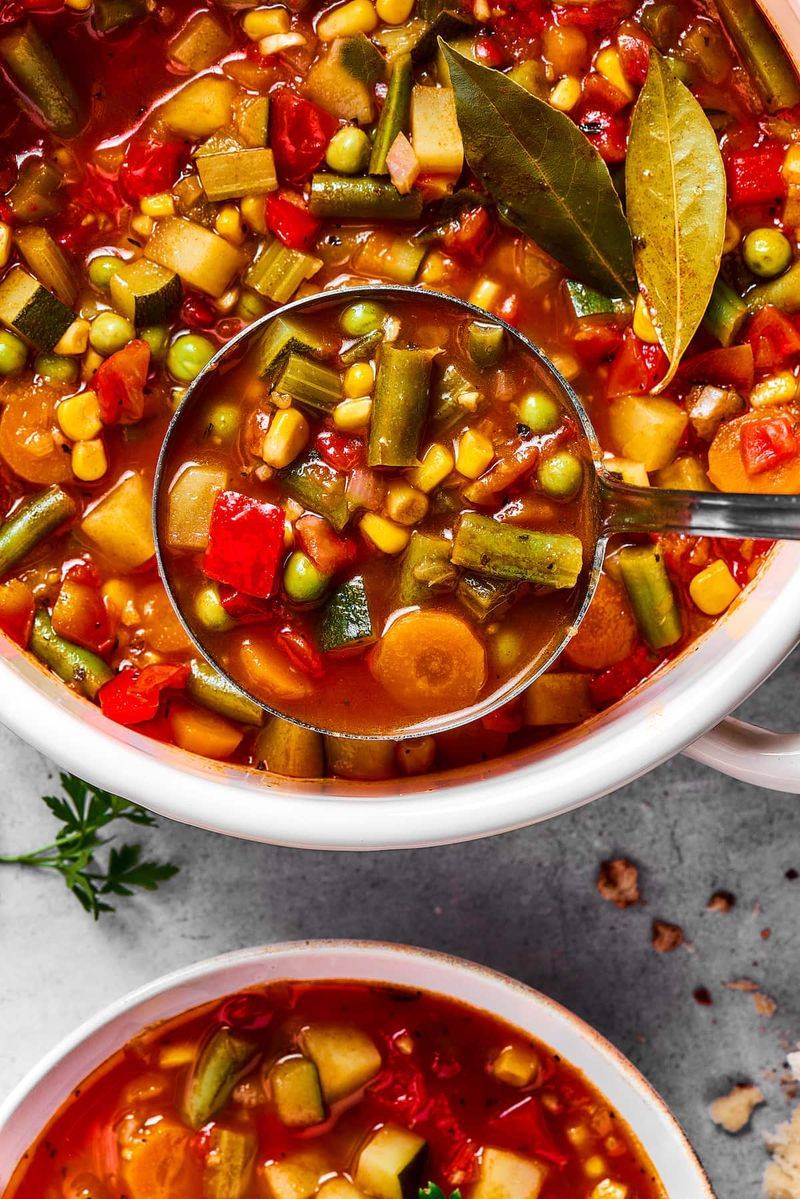
Canned soups are famous for their sky-high sodium levels. A single can of chicken noodle soup can contain over 800 milligrams of sodium, which is more than a third of the daily recommended amount.
Homemade soup lets you build deep flavor using herbs, spices, and quality broth without relying on salt. You can also pack in way more vegetables than any canned version would.
A big batch takes about an hour and feeds the whole family.
11. Smoothies
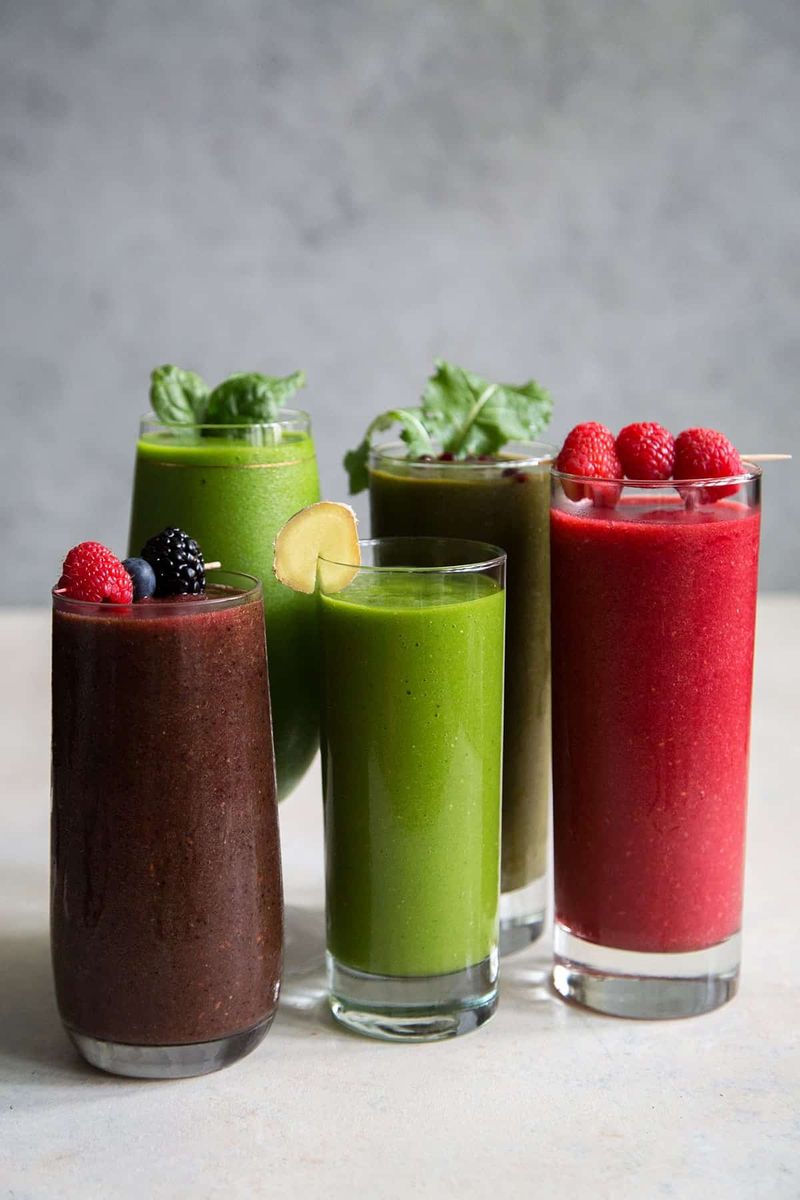
Bottled smoothies from coffee shops or grocery stores can have as much sugar as a soda, often from fruit juice concentrates and added sweeteners. They also tend to be low in fiber because the pulp is removed.
Blending whole fruits and vegetables at home keeps all the fiber intact. Toss in some spinach, frozen banana, berries, and almond milk for a filling, nutrient-dense drink.
You control the sweetness and can add protein powder or seeds as extras.
12. Cookies
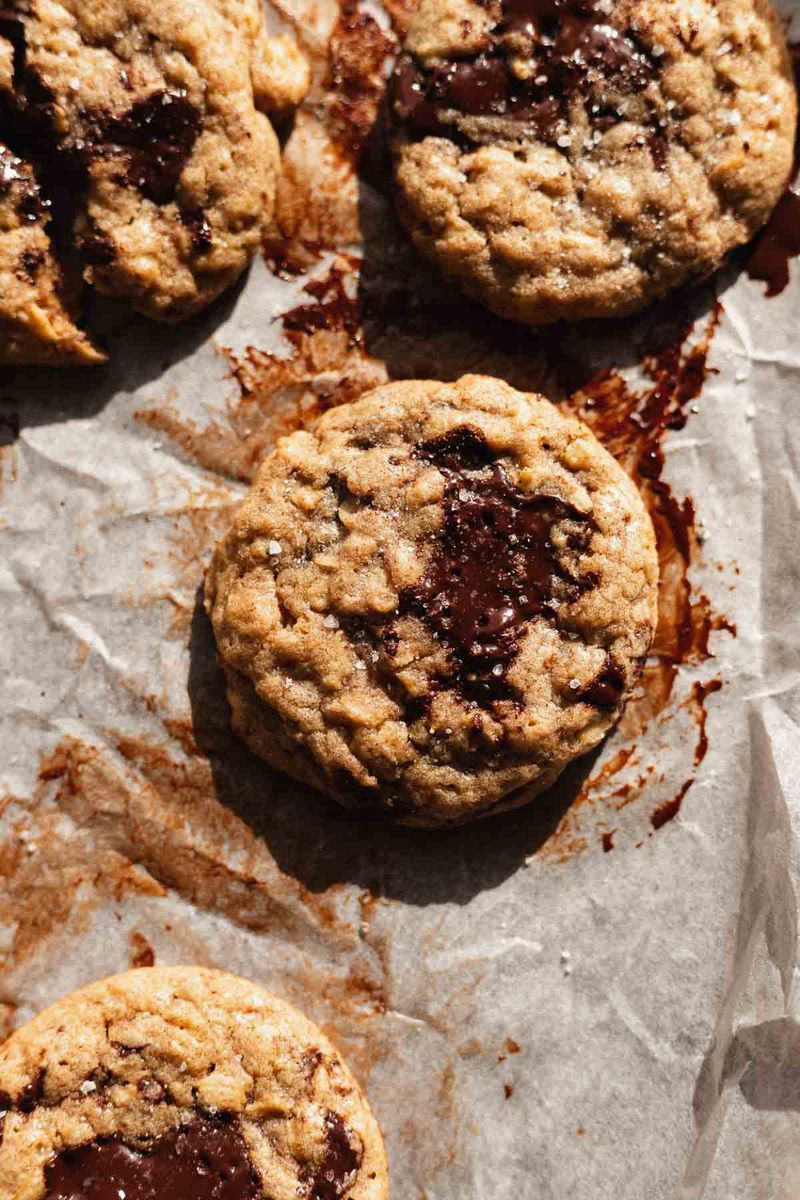
Store-bought cookies are engineered to be irresistible, which usually means lots of refined sugar, white flour, and artificial flavors working together. They are designed to last on shelves, not to nourish your body.
Baking cookies at home opens the door to smarter swaps. Use oat flour instead of white flour, reduce the sugar by a third, and add dark chocolate chips for antioxidants.
You still get a satisfying treat but with noticeably better ingredients.
13. French Fries
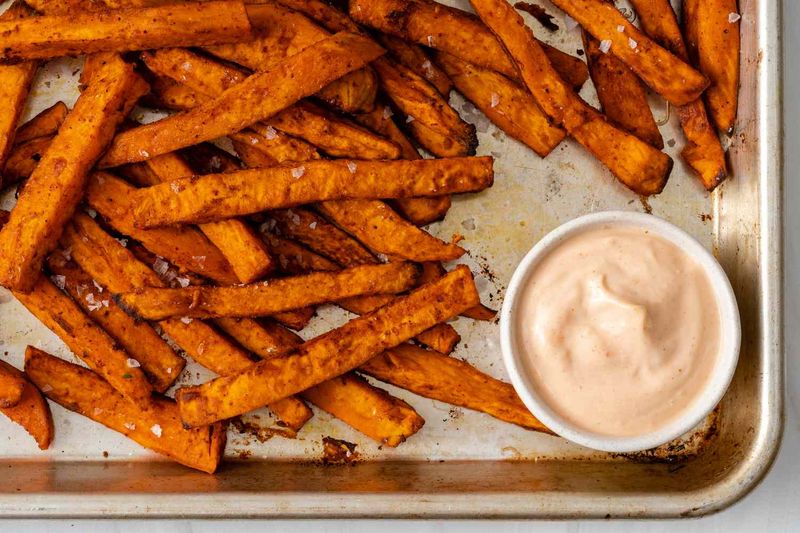
Restaurant and frozen fries are typically deep-fried in partially hydrogenated oils and heavily salted, which makes them delicious but not exactly kind to your heart. Frozen varieties also often contain additives for texture.
Cutting potatoes or sweet potatoes into wedges, tossing them in a little olive oil, and roasting them at high heat creates genuinely crispy fries with a fraction of the fat. Sweet potato fries also bring in vitamin A and extra fiber.
14. Pizza
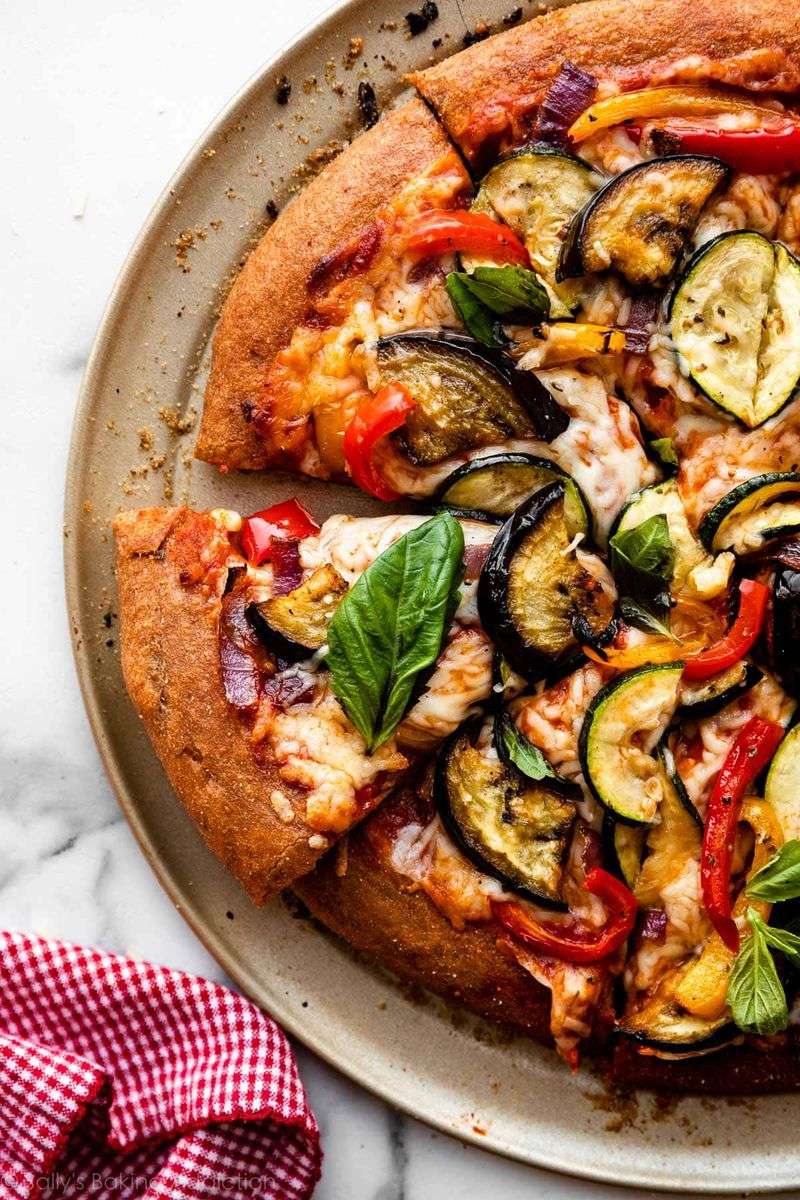
Takeout pizza is hard to resist, but it often delivers a huge amount of sodium, saturated fat, and refined carbohydrates in just a few slices. The portions are also much larger than most people realize.
Making pizza at home with a whole wheat crust, homemade sauce, and plenty of vegetable toppings turns it into a genuinely balanced meal. You choose the cheese amount and can load up on colorful veggies like peppers, mushrooms, and spinach.
15. Guacamole
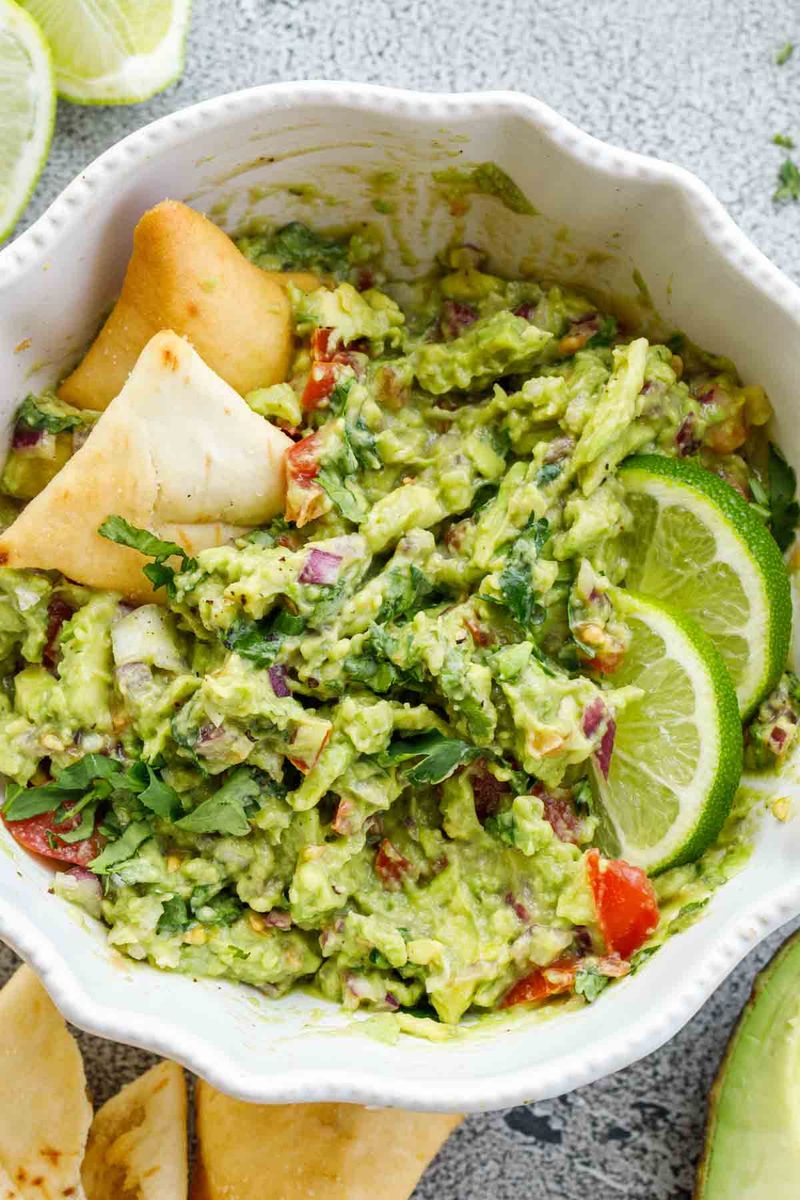
Pre-made guacamole from the store often contains preservatives and added acids to keep it from browning, which changes the flavor and adds unnecessary ingredients. Some versions even use avocado powder instead of real avocados.
Mashing a ripe avocado with lime juice, diced onion, cilantro, and a pinch of salt takes two minutes. You get healthy monounsaturated fats and a fresh flavor that store-bought versions simply cannot replicate.
Serve it immediately for the best taste.
16. Iced Tea

Bottled iced teas sitting in convenience store coolers are often more sugar water than actual tea. Many popular brands contain 30 to 40 grams of sugar per bottle, rivaling soft drinks in sweetness.
Brewing tea bags at home and chilling the result costs almost nothing and lets you control the sweetness entirely. Use green tea for antioxidants, add a squeeze of lemon, and sweeten lightly with honey if needed.
Refreshing and genuinely good for you.
17. Mac and Cheese
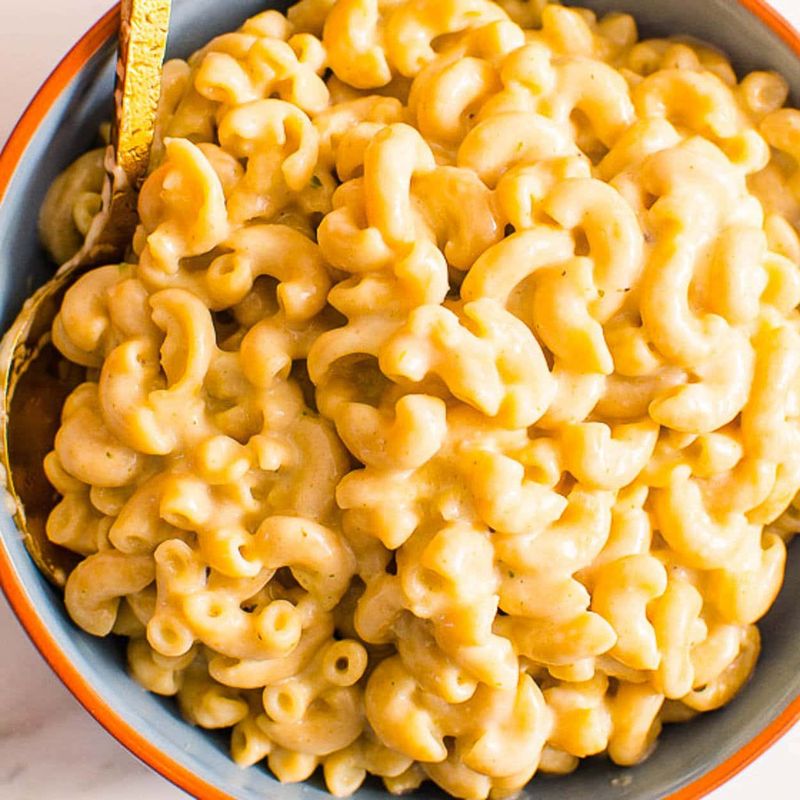
The boxed version is a childhood classic, but that bright orange powder is mostly sodium and artificial coloring rather than real cheese. One serving can contain over 500 milligrams of sodium before you even add butter and milk.
Homemade mac and cheese made with whole wheat pasta and a real cheese sauce from scratch tastes richer and skips the artificial stuff. Add pureed butternut squash to the sauce for extra nutrients kids will never even notice.
18. Protein Shakes
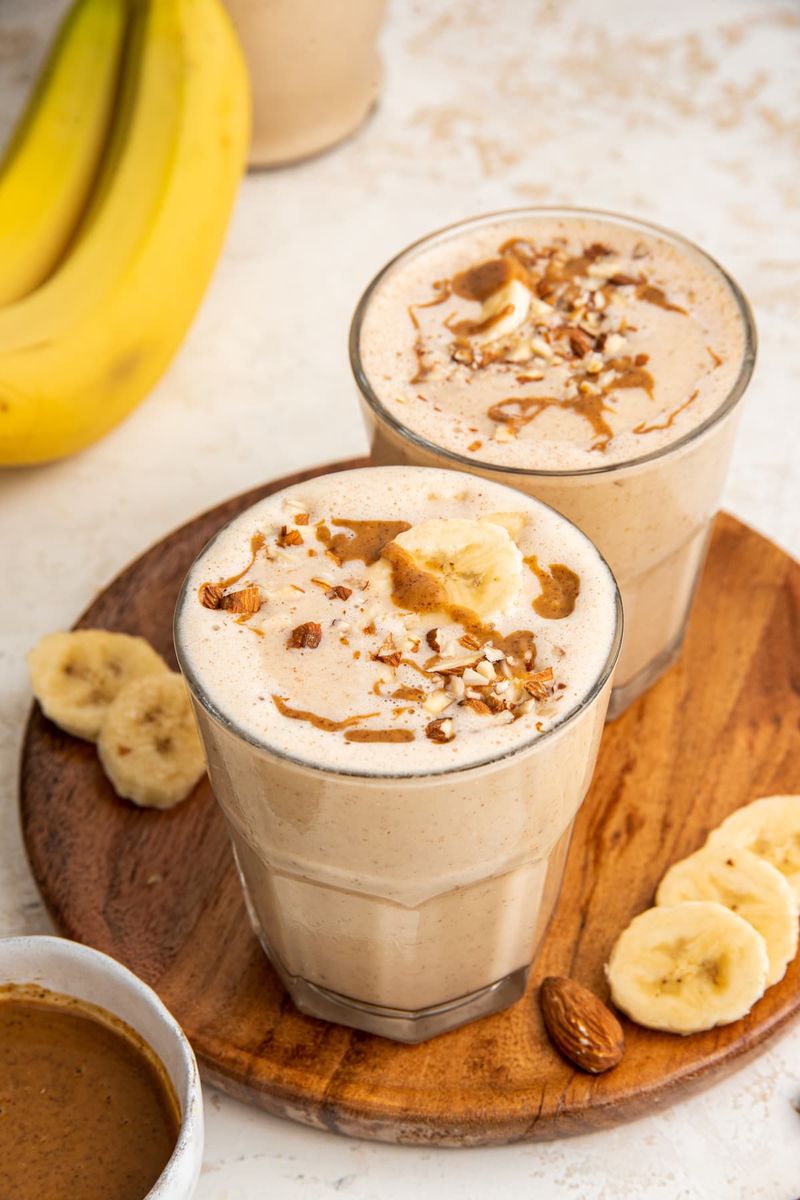
Commercial protein shakes and powders often contain artificial sweeteners, emulsifiers, and a surprisingly long list of additives beyond just the protein itself. Some popular brands also use very low-quality protein sources.
Blending whole foods like Greek yogurt, oats, banana, almond butter, and milk creates a protein-rich shake without any mystery ingredients. You get fiber, healthy fats, and natural sugars alongside the protein.
It keeps you fuller longer than most packaged versions ever could.
19. Sushi Rolls
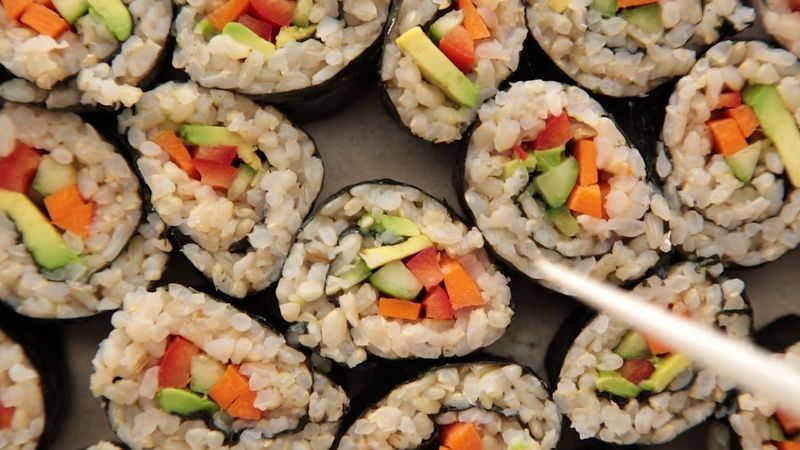
Restaurant sushi sounds healthy, but the sauces and fillings can change the picture fast. Spicy mayo, cream cheese, and tempura fillings add significant calories and sodium, while the white sushi rice contains very little fiber.
Rolling sushi at home lets you use brown rice, load up on cucumber, avocado, and carrots, and control the sauces completely. It is surprisingly fun to make and costs a fraction of what you would pay at a restaurant.
A great family activity too.
20. Pancakes
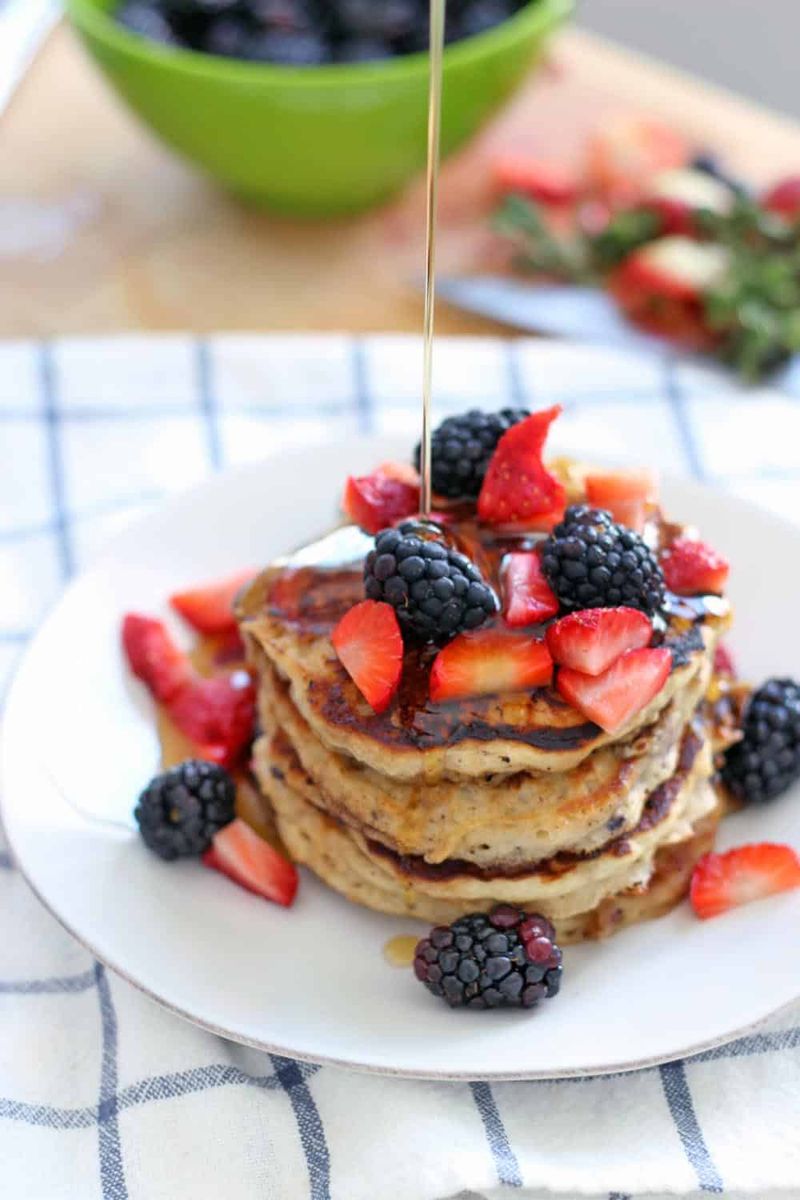
Pancake mixes from the store often contain refined flour, hydrogenated oils, and artificial flavors. Even the so-called healthy varieties can have added sugars and preservatives hiding in the ingredient list.
Mixing oat flour, a ripe banana, eggs, and a splash of milk creates fluffy pancakes with no refined flour at all. Top them with fresh berries instead of syrup to keep the sugar low.
Breakfast suddenly feels like a treat and a healthy choice at the same time.
21. Ketchup
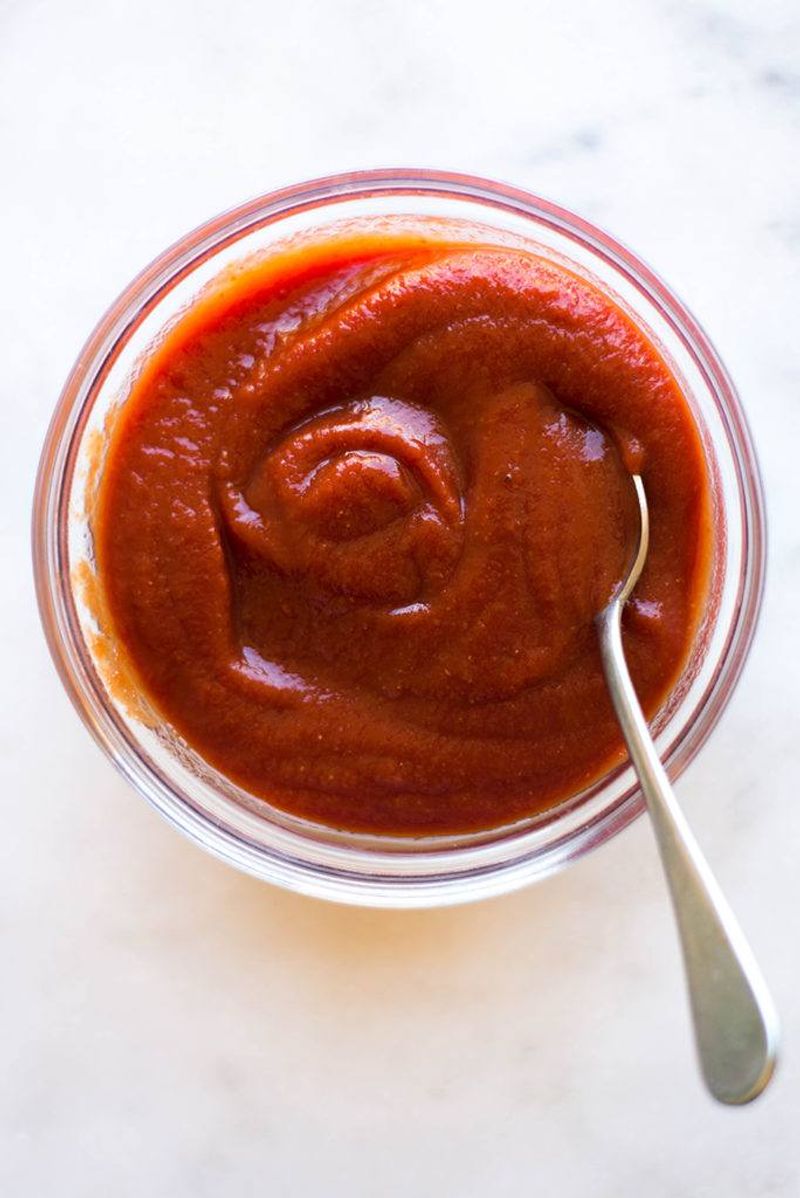
High fructose corn syrup is the second ingredient in most popular ketchup brands, which means every squeeze adds more sugar than most people expect. Some bottles also contain natural flavors that are far from natural.
Simmering tomato paste with apple cider vinegar, a touch of honey, garlic powder, and spices creates a ketchup that actually tastes like tomatoes. It is thicker, tangier, and far better for you.
Store it in a small jar in the fridge for up to two weeks.
22. Trail Mix
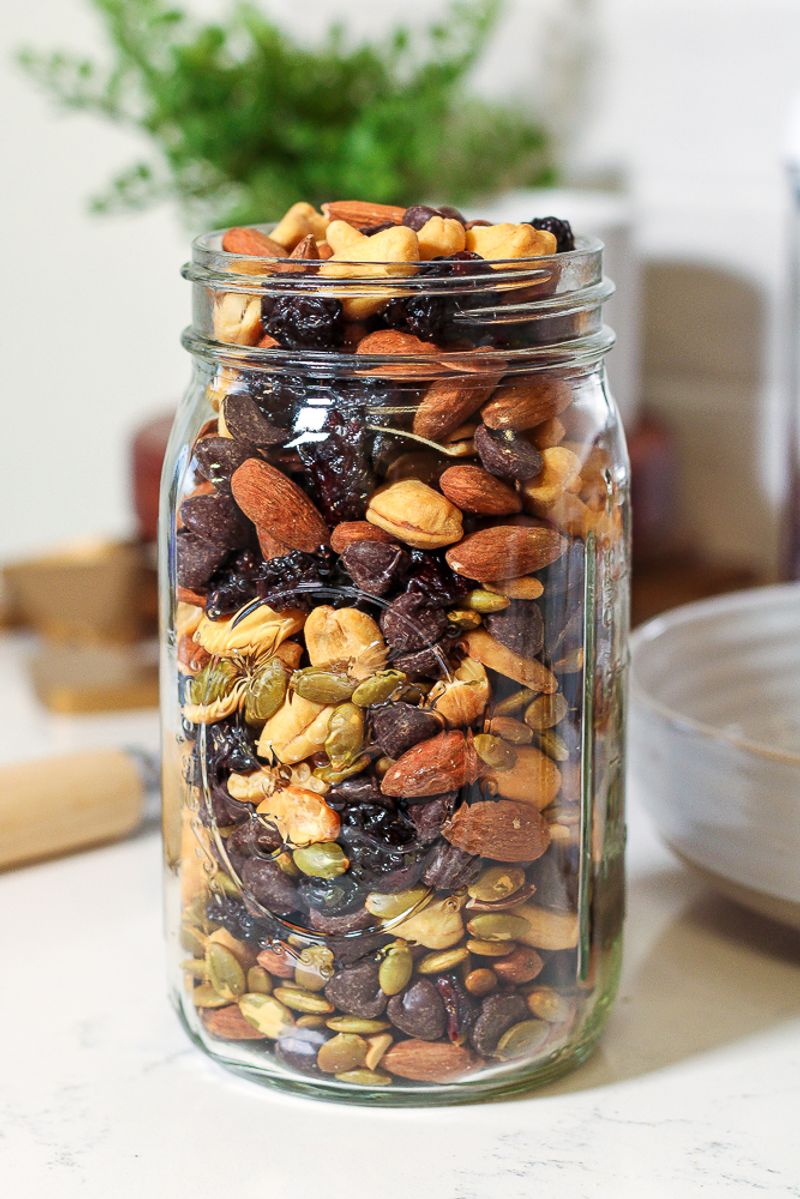
Grab-and-go trail mixes from gas stations and grocery stores are often packed with candy pieces, heavily salted nuts, and sugary dried fruits coated in extra sweeteners. The serving sizes are also unrealistically small.
Building your own trail mix at home means choosing raw or lightly roasted nuts, unsweetened dried fruits, seeds, and a small amount of dark chocolate for a satisfying crunch. You get healthy fats, fiber, and protein in every handful without the junk food additions.
23. Salsa
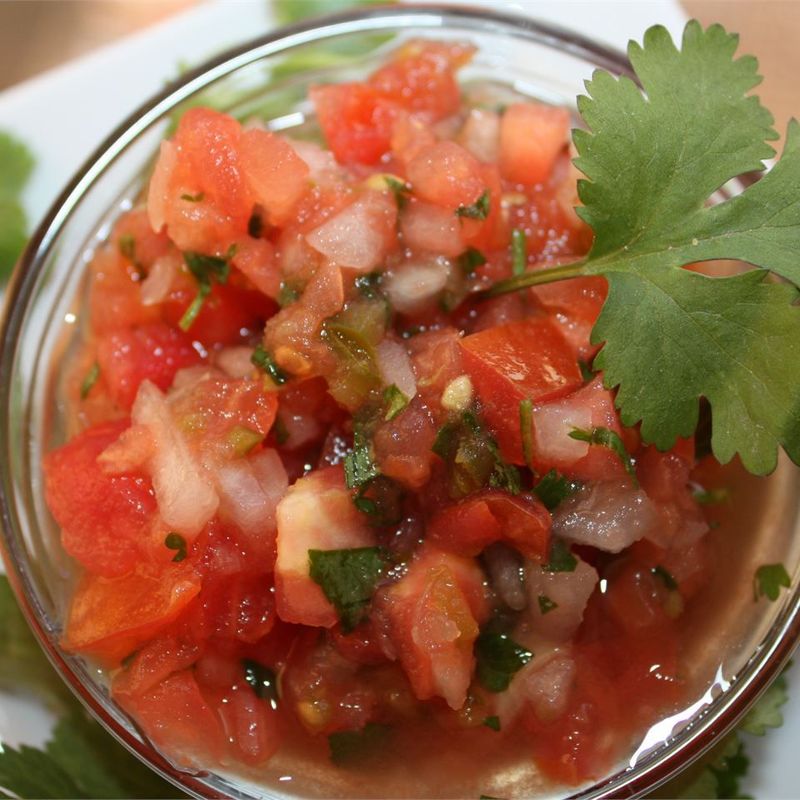
Jarred salsa is one of the sneakiest sodium traps in the condiment aisle. Many popular brands pack in over 200 milligrams of sodium per two-tablespoon serving, and nobody stops at just two tablespoons.
Chopping fresh tomatoes, onion, jalapeno, cilantro, and lime juice together takes about ten minutes and creates a salsa bursting with bright flavor. No cooking required.
The fresh version also retains more vitamins since the tomatoes are not heat-processed, making every chip dip a little more nutritious.
24. Veggie Burgers
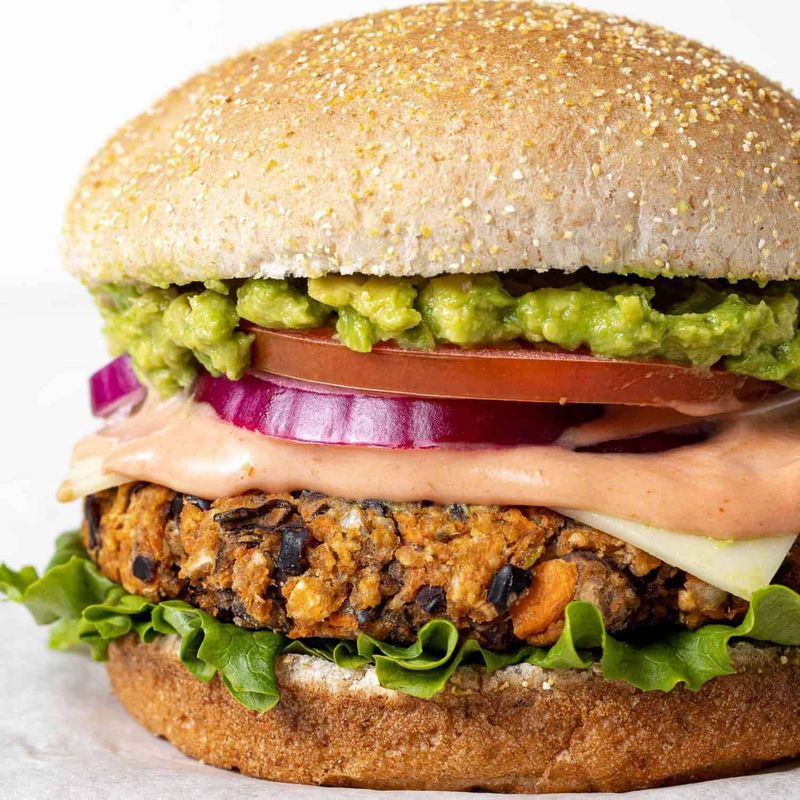
Frozen veggie burgers have improved a lot over the years, but many still rely on processed soy protein, artificial flavors, and high sodium to mimic the taste of meat. Some popular brands have ingredient lists longer than a paragraph.
Making veggie burgers at home from black beans, oats, garlic, and spices gives you a patty full of real plant-based nutrition. They hold together better than you might expect when pan-fried.
Load them onto whole grain buns with avocado for a seriously satisfying meal.
25. Ice Cream
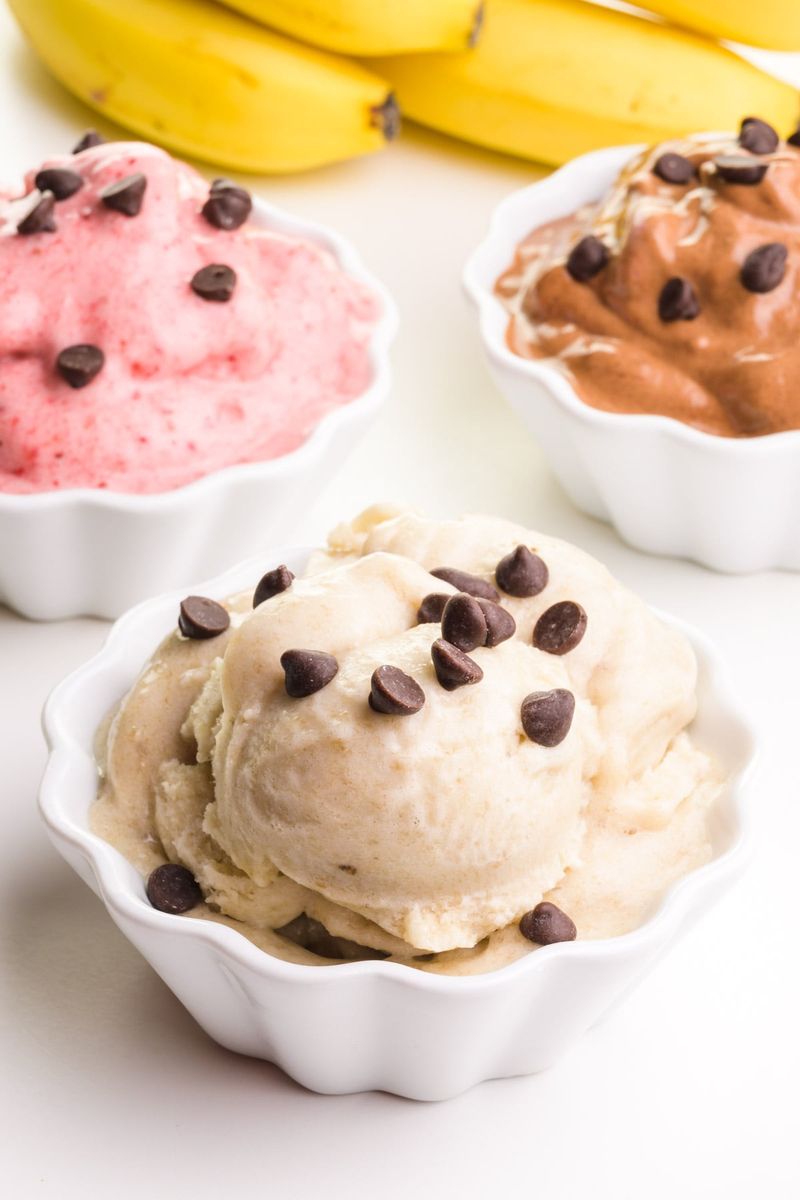
Store-bought ice cream is one of life's great pleasures, but most commercial varieties are high in saturated fat, added sugars, and artificial flavors. Even reduced-fat versions often compensate with extra sugar or thickeners.
Blending frozen bananas in a food processor creates a surprisingly creamy, naturally sweet frozen dessert with zero added sugar. Toss in cocoa powder for chocolate flavor or add frozen mango for a tropical twist.
It satisfies the ice cream craving while actually delivering real nutrients.




Comments
No Comments