













Food traditions have a remarkable way of travelling across borders while still holding onto their roots. British kitchens already reflect a mix of influences gathered through history, yet global dining habits continue to inspire fresh ideas and new routines at the table.
Some traditions highlight simple ways to share meals, while others celebrate ingredients or cooking methods that feel surprisingly adaptable to British life. Have you ever tried a food tradition abroad and wished it was easier to find back home?
Exploring both imported customs and beloved local classics shows how food culture grows through curiosity and pride.
This content is provided for general informational purposes only. Food traditions, preparation methods, and availability can vary depending on region, cultural interpretation, and personal preference.
1. Global Food Traditions Britain Should Embrace
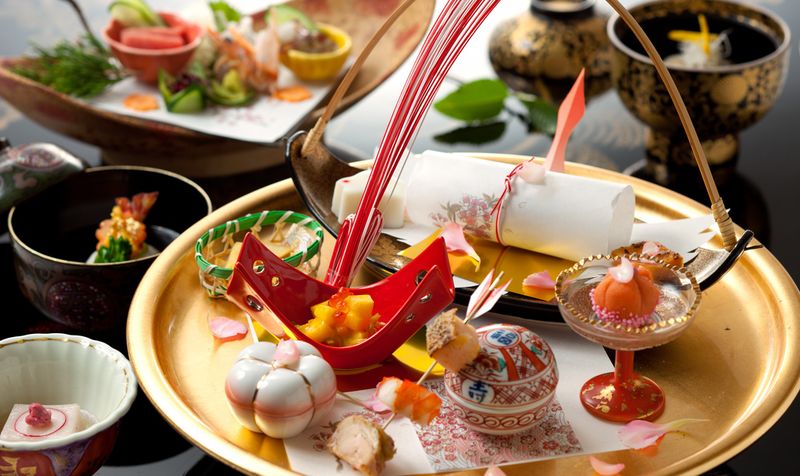
British cuisine has always been inventive, but there are incredible flavours and techniques abroad that could bring even more variety to the table. From street foods to festive feasts, these global traditions offer fresh inspiration for everyday meals and special occasions.
The next 10 slides show some of the most exciting international food traditions Britain could adopt.
2. Spanish Late-Night Dining Culture
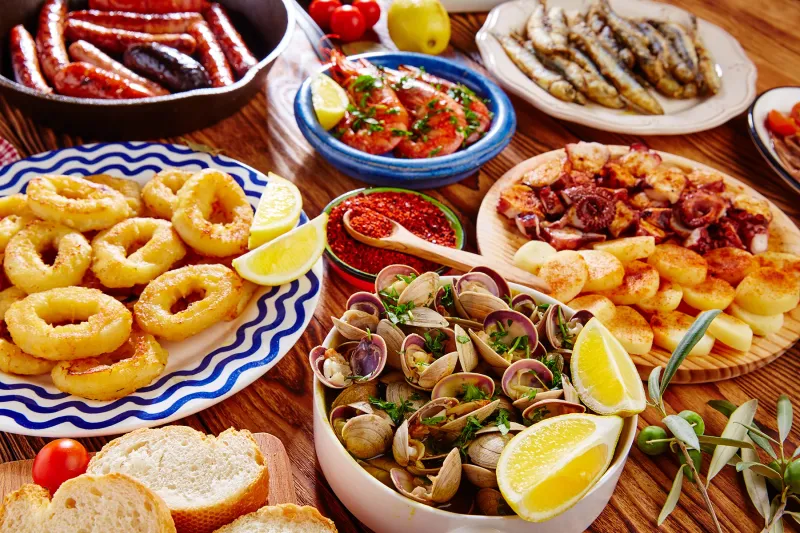
Spaniards typically eat dinner between 9 PM and 11 PM, creating a wonderfully relaxed evening atmosphere. This late schedule allows families to gather after work without rushing, enjoying lengthy conversations over multiple courses.
Britain's early dining habits often mean restaurants close before many people finish work. Adopting a later dining culture could reduce mealtime stress and encourage more meaningful family connections around the table each evening.
3. Italian Multi-Course Family-Style Meals
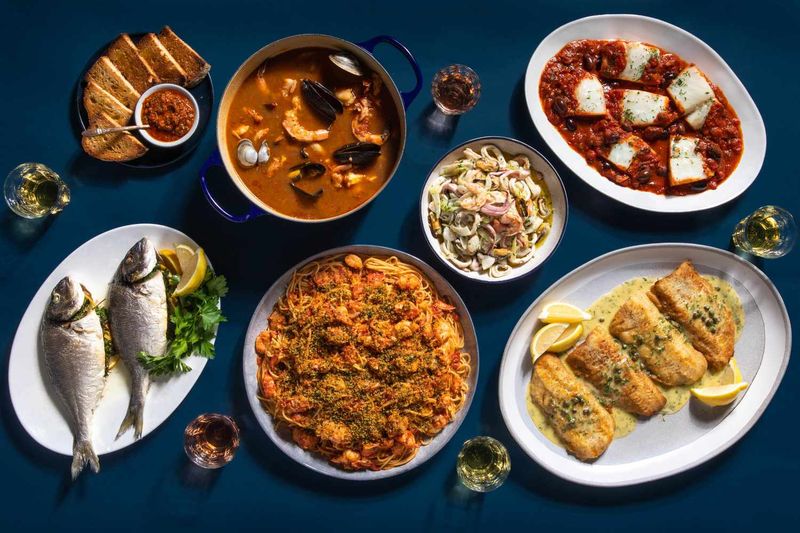
Italian meals traditionally feature several courses: antipasti, primo, secondo, and dolce, each served separately. This structure transforms eating into a leisurely social event rather than a quick fuel stop.
British meals often combine everything on one plate, missing opportunities for conversation between courses. Embracing this Italian approach could slow down mealtimes, improve digestion, and create stronger bonds through extended dining experiences.
4. Japanese Seasonal Menu Rotations
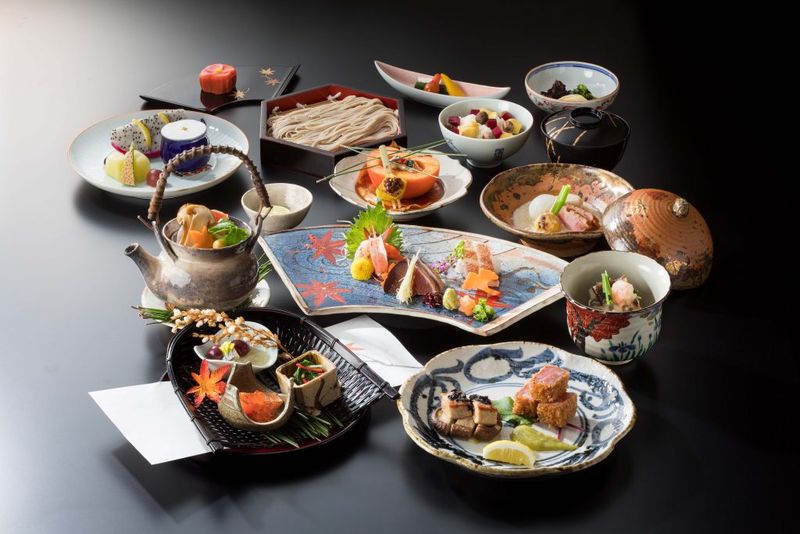
Japanese restaurants completely change their menus with each season, celebrating ingredients at their peak freshness. Spring brings sakura-flavoured treats, whilst autumn features chestnuts and persimmons, creating anticipation throughout the year.
British menus often remain static regardless of season, missing opportunities to highlight local produce. Adopting seasonal rotations would reduce food miles, support British farmers, and reconnect diners with nature's rhythms.
5. French Daily Bakery Shopping Tradition
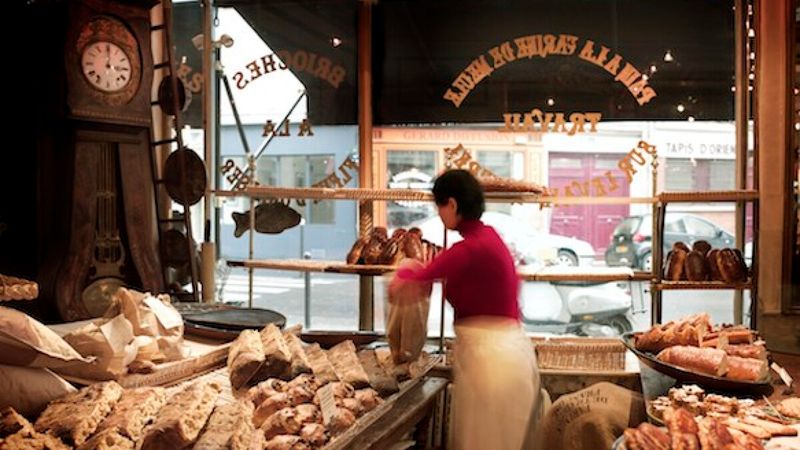
French families visit their local boulangerie daily, sometimes twice, to purchase fresh bread for each meal. This ritual ensures maximum freshness whilst supporting neighbourhood businesses and encouraging brief social interactions.
Britons typically buy bread weekly from supermarkets, sacrificing quality for convenience. Embracing daily bakery visits would improve bread quality, strengthen community ties, and provide pleasant breaks from rushed modern schedules.
6. South Korean Shared Table Dining (Banchan Culture)
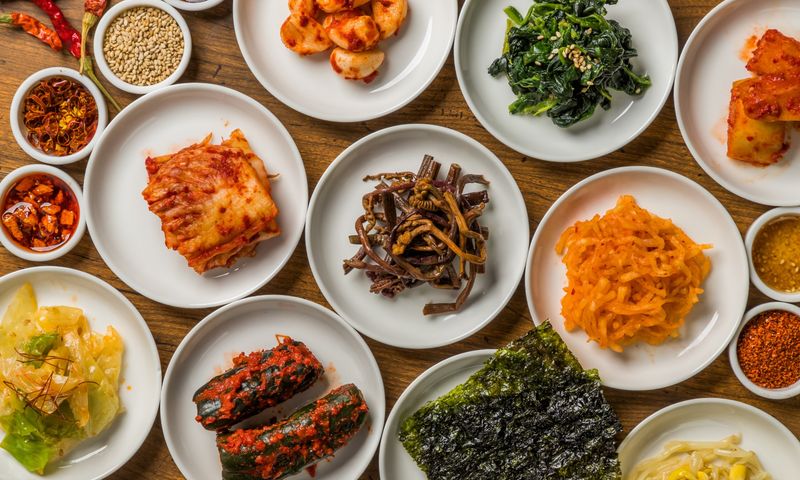
Korean meals feature banchan - numerous small shared side dishes placed at the table's centre for everyone to sample. Diners might enjoy ten different flavours in one sitting, from spicy kimchi to sweet braised potatoes.
British dining typically assigns individual portions, limiting variety and sharing opportunities. Adopting banchan culture would introduce more vegetables into meals, encourage adventurous eating, and foster communal dining experiences that bring people together.
7. Mexican Street Food Snack Variety
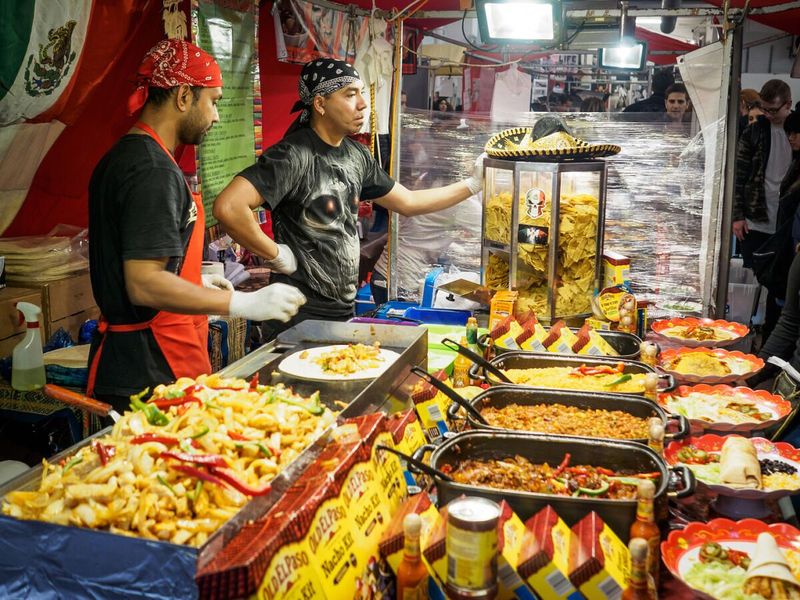
Mexico's streets burst with food vendors offering fresh tacos, elotes, tamales, and countless other snacks throughout the day. This accessibility means people can enjoy small, affordable meals whenever hunger strikes, without formal restaurant visits.
British snack culture relies heavily on packaged options from shops. Developing a vibrant street food scene with fresh, made-to-order options would provide healthier choices and support small entrepreneurs.
8. Scandinavian Coffee And Pastry Break Culture (Fika)

Swedes practise fika - a daily ritual of pausing work for coffee and pastries with colleagues or friends. This isn't merely a coffee break; it's a protected time for relaxation and genuine conversation, considered essential for wellbeing.
British tea breaks exist but often feel rushed or guilty. Institutionalising fika would improve workplace morale, reduce burnout, and acknowledge that productivity requires proper rest periods throughout the day.
9. Turkish Meze Sharing Culture
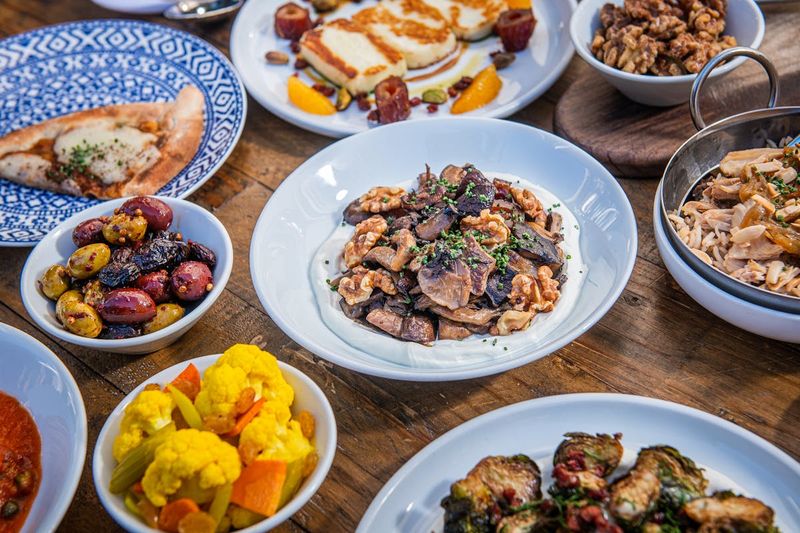
Turkish dining begins with meze - an array of small dishes shared amongst everyone at the table before the main course arrives. Diners sample hummus, stuffed vine leaves, grilled vegetables, and countless other preparations, creating a feast.
This approach transforms meals into exploratory experiences rather than individual eating sessions. Britain could benefit from this generous sharing culture that encourages conversation and introduces diverse flavours.
10. Indian Regional Thali Meal Tradition
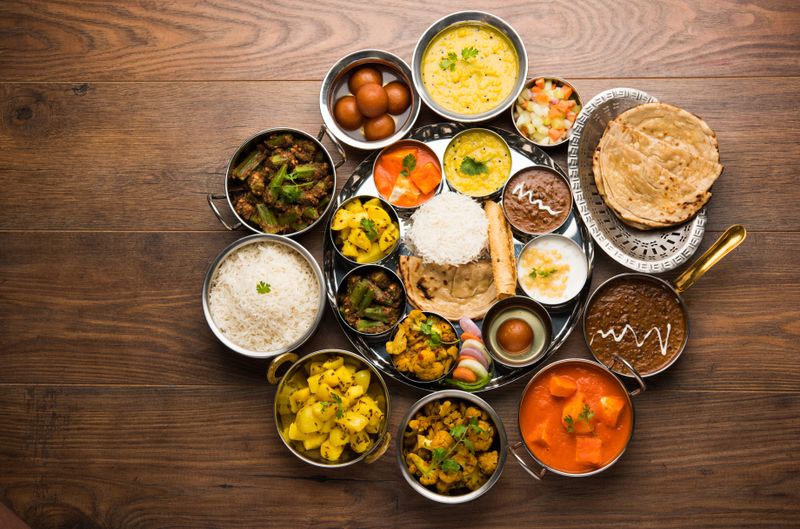
A thali presents a complete balanced meal on one plate, featuring various curries, rice, bread, pickles, and dessert representing different tastes: sweet, salty, bitter, sour, astringent, and spicy. Each region offers unique combinations reflecting local ingredients and traditions.
This concept ensures nutritional variety and flavour balance in every meal. Adopting thali principles would help Britons create more diverse, satisfying plates whilst exploring India's incredible culinary diversity.
11. Portuguese Relaxed Seafood Lunch Culture
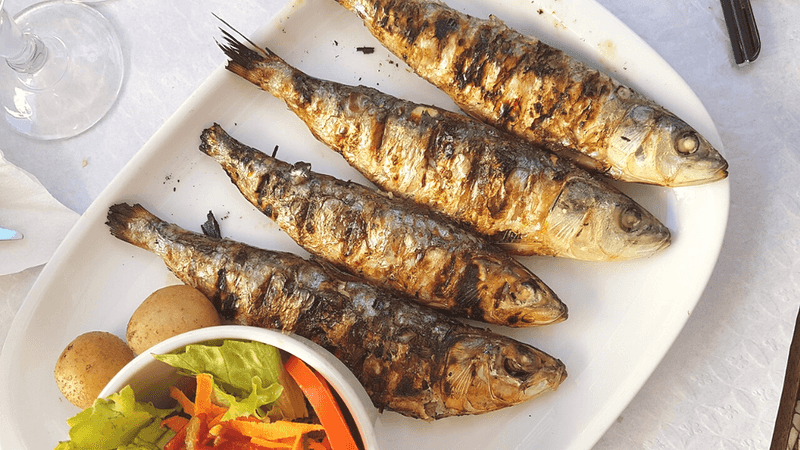
Long, relaxed seafood meals are often associated with coastal Portuguese dining traditions, especially in regions known for fresh fish and simple seasonal ingredients. Meals featuring grilled seafood, vegetables, and potatoes highlight the country’s strong connection to the ocean and local produce.
These gatherings often encourage slower dining and conversation, reflecting the social side of shared meals. Enjoying fresh seafood in a relaxed setting can remind people how food traditions connect to lifestyle and environment.
Adopting elements of this approach could encourage people to enjoy meals more mindfully and appreciate quality ingredients.
12. Food Traditions Britain Does The Best
Across the UK, certain food customs have been perfected over generations, from hearty breakfasts to afternoon teas that feel like a small celebration. These traditions highlight local ingredients, regional pride, and a knack for comforting flavours that resonate with everyone.
The next 10 slides show the food traditions Britain has mastered and continues to do brilliantly.
13. Afternoon Tea Tradition
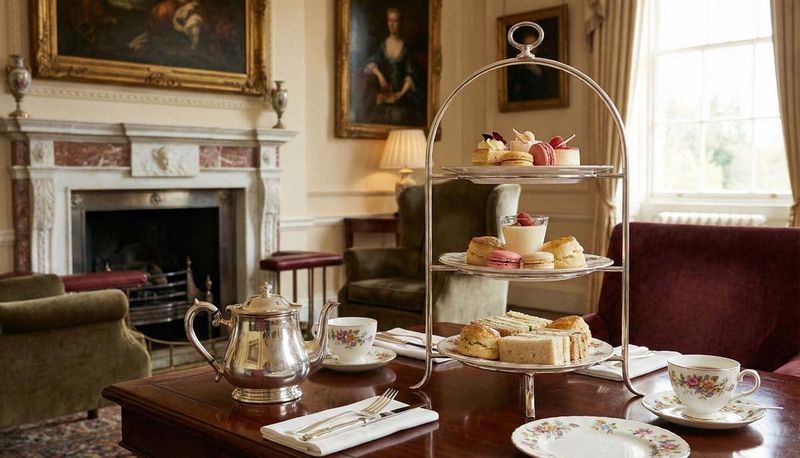
Few traditions feel more quintessentially British than afternoon tea, served between 3 PM and 5 PM with delicate sandwiches, warm scones, and fancy cakes. This custom began in the 1840s when the Duchess of Bedford needed sustenance between lunch and dinner.
Today, afternoon tea represents British hospitality at its finest, offering an excuse to slow down, chat with friends, and savour beautifully prepared treats in elegant surroundings that celebrate tradition.
14. Sunday Roast Gatherings
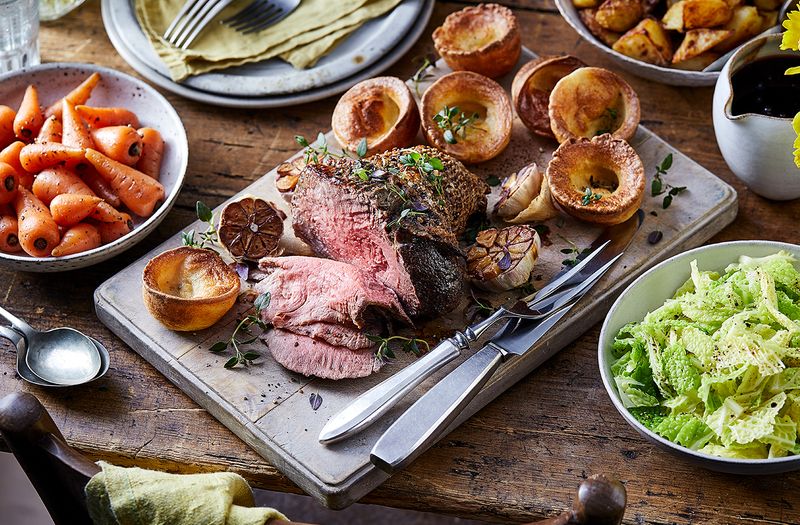
Sunday roasts bring British families together weekly for hearty meals of roasted meat, crispy potatoes, Yorkshire puddings, vegetables, and rich gravy. The lengthy cooking process fills homes with mouthwatering aromas, building anticipation throughout the morning.
This tradition strengthens family bonds through shared cooking and eating experiences. The ritual provides stability and connection in busy modern lives, proving that simple customs create lasting memories and meaningful relationships.
15. Pub Food Culture
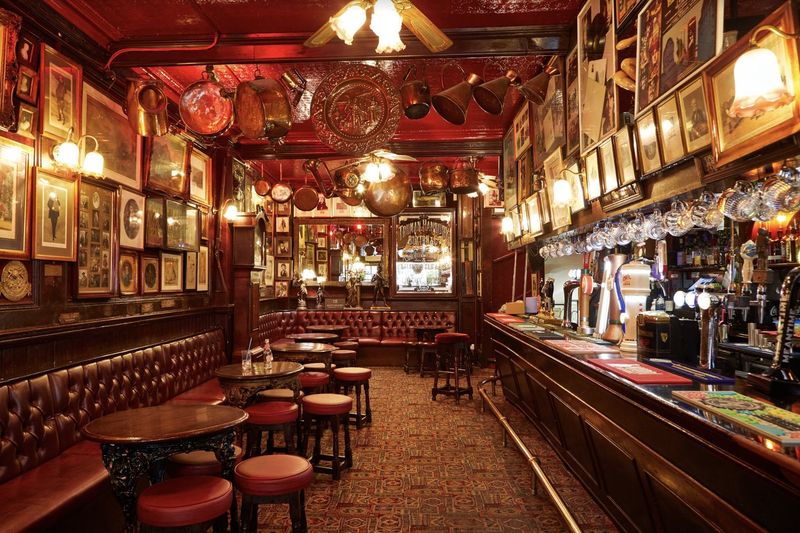
Neighbourhood pubs have long served as welcoming gathering spaces where communities enjoy familiar comfort dishes like steak pie, bangers and mash, or ploughman’s lunch. These establishments combine dining with social connection in relaxed surroundings where people of all backgrounds feel comfortable.
Pub meals often highlight traditional recipes served in an easygoing atmosphere that encourages conversation and community bonding. The balance of hearty food and friendly spaces helps create memorable dining experiences beyond just eating.
This tradition continues to represent a distinctive part of British social and food culture.
16. Full English Breakfast Tradition
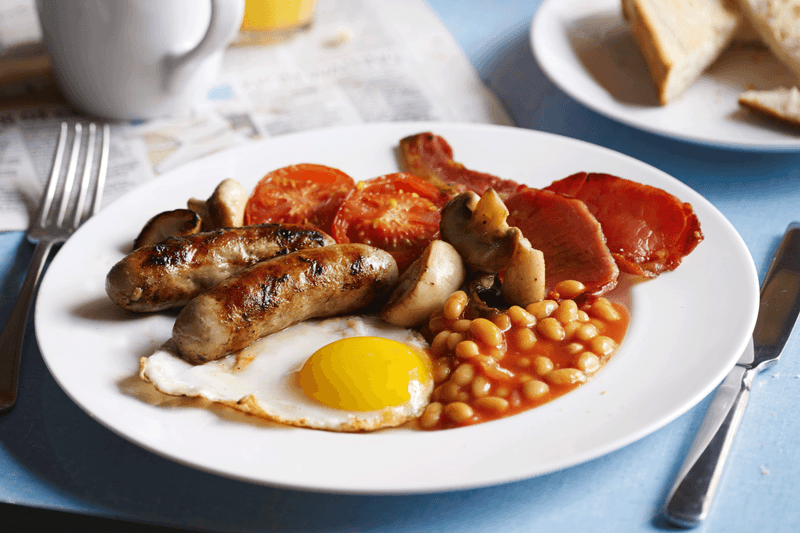
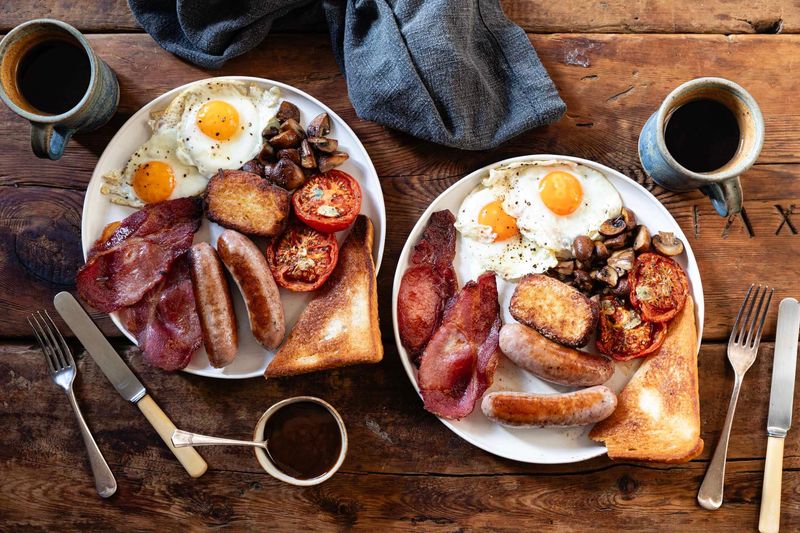
The Full English breakfast - featuring eggs, bacon, sausages, beans, mushrooms, tomatoes, and toast - provides substantial fuel for the day ahead. This morning feast originated when manual labourers needed serious energy before long workdays, and it remains beloved today.
Despite health trends favouring lighter breakfasts, nothing beats a proper fry-up for satisfaction and nostalgia. It represents British comfort food at its most unapologetic and delicious.
17. Fish And Chips Seaside Dining

Eating fish and chips by the seaside, preferably from paper wrapping whilst battling opportunistic seagulls, ranks among Britain's most cherished experiences. The combination of crispy battered fish, fluffy chips, and salty sea air creates perfect summer memories.
This tradition connects Britons to coastal heritage and simpler pleasures. Whether in Blackpool or Brighton, fish and chips represent accessible luxury that everyone can enjoy regardless of background.
18. Christmas Dinner Traditions
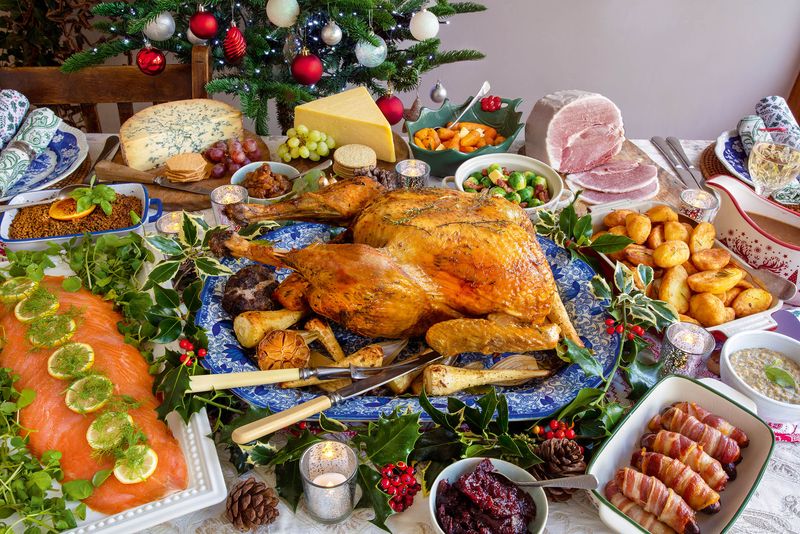
British Christmas dinners follow time-honoured patterns: roast turkey, Brussels sprouts, roast potatoes, stuffing, cranberry sauce, and Christmas pudding for dessert. Pulling crackers, wearing paper crowns, and reading terrible jokes complete the experience before the Queen's speech.
These rituals create continuity across generations, with recipes and traditions passed down through families. The predictability provides comfort, making Christmas feel authentically British regardless of changing times.
19. Pie And Mash Shop Culture
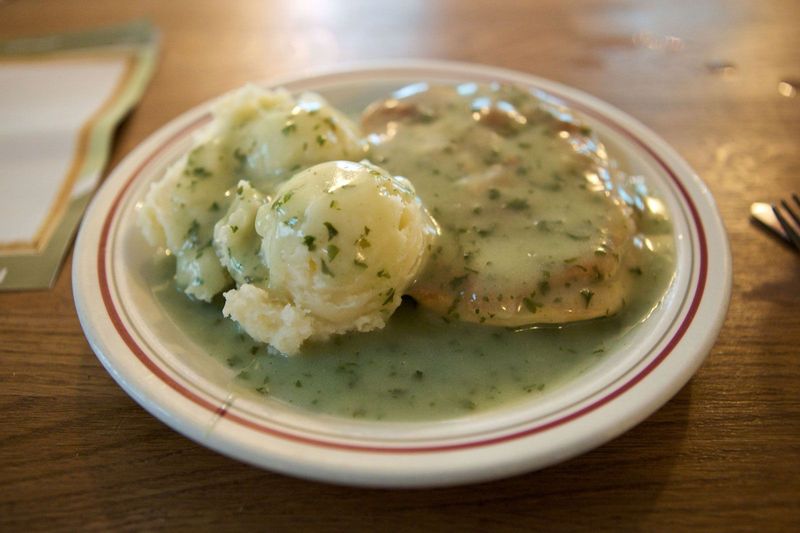
London's pie and mash shops, particularly in the East End, serve simple minced beef pies with mashed potatoes and parsley liquor (a thin green gravy). These establishments maintain Victorian-era traditions with tiled interiors and unchanging menus spanning generations.
This working-class food heritage deserves preservation and celebration. The shops represent authentic London culture, offering affordable, filling meals in atmospheric settings that connect diners to the city's history.
20. High-Quality Cheese Making Tradition
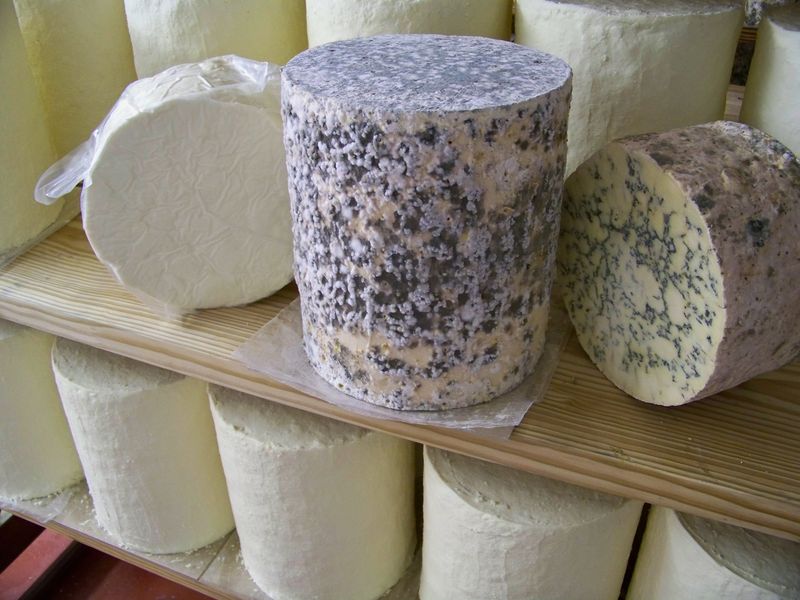
Britain produces world-class cheeses including Cheddar, Stilton, Wensleydale, and Red Leicester, with cheese-making traditions stretching back centuries. Small producers across the country craft distinctive varieties reflecting local milk and regional techniques, creating remarkable diversity.
British cheese deserves far more recognition internationally. The quality rivals French varieties, whilst the range satisfies every palate from mild and creamy to sharp and crumbly, proving Britain's dairy excellence.
21. Traditional Bakery And Cake Shop Culture
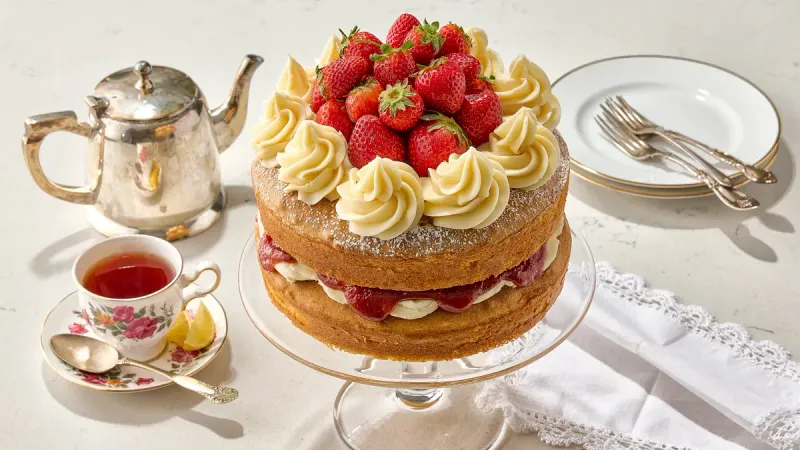
British bakeries produce regional specialities like Eccles cakes, Bakewell tarts, Chelsea buns, and Victoria sponge, each with distinct histories and passionate local followings. These establishments maintain baking standards and recipes that commercial operations cannot replicate.
Supporting traditional bakeries preserves culinary heritage whilst ensuring access to properly made treats. The care and skill involved in these baked goods represent British craftsmanship that deserves continued appreciation.
22. Regional Comfort Food Heritage
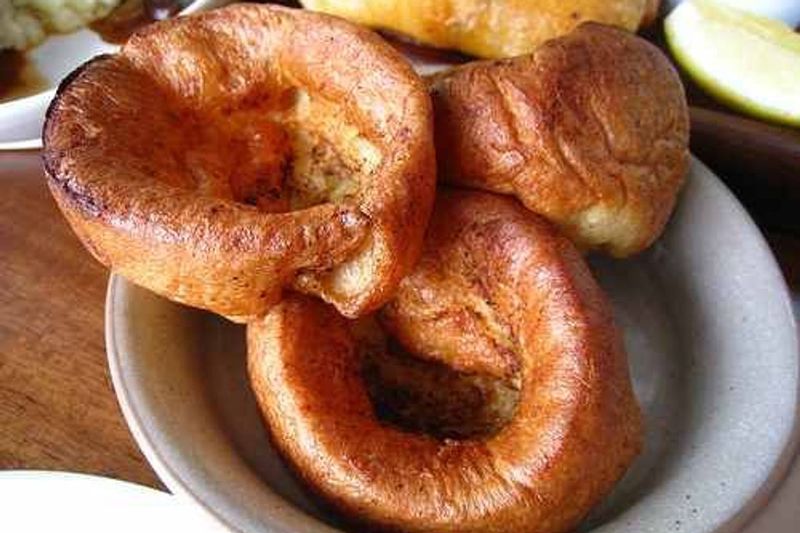
Every British region boasts distinctive comfort foods: Lancashire hotpot, Cornish pasties, Scottish haggis, Welsh cawl, and Yorkshire pudding, amongst countless others. These dishes emerged from local ingredients and historical circumstances, creating edible maps of Britain's cultural geography.
This regional diversity demonstrates British food's richness and complexity. Celebrating these traditions counters misconceptions about bland British cuisine, showcasing the nation's genuine culinary creativity and heritage.



