













Tofu often gets unfairly labelled as bland, boring, or only meant for one type of cooking, which couldn’t be further from the truth. Its quiet versatility means it happily adapts to bold flavours, comforting dishes, and quick midweek meals alike.
Once you start understanding how it really behaves in the kitchen, it suddenly becomes far more appealing and much easier to use with confidence.
All information is provided for general interest only. Cooking results, taste preferences, and product quality may vary depending on preparation methods and brands.
Why Tofu Still Gets A Bad Reputation
Decades of poor preparation have given tofu a terrible image in Western kitchens. People often serve it plain, unseasoned, and watery, expecting it to taste amazing without any effort.
Asian cultures have mastered tofu for centuries, creating incredible dishes that showcase its true potential. When cooked properly with marinades, spices, and correct techniques, tofu becomes crispy, flavourful, and genuinely exciting.
The reputation problem stems from unfair comparisons to meat rather than appreciating tofu as its own unique ingredient worth exploring.
What Tofu Is Actually Made From
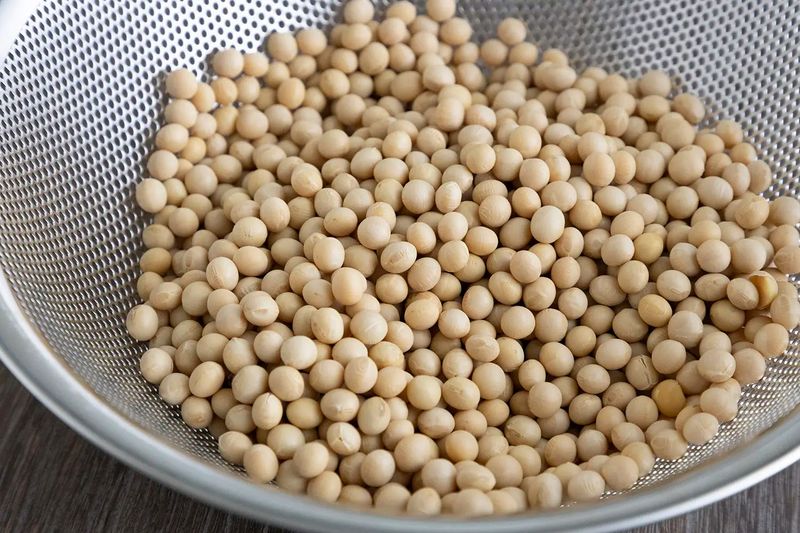
Tofu starts its life as humble soybeans soaked in water, then ground into a creamy milk. This soya milk gets heated and mixed with a coagulant, usually calcium sulphate or magnesium chloride, which makes it curdle.
The curds are pressed into blocks, similar to how cheese is made from dairy milk. Different pressing times create different textures, from silky soft to extra firm.
The entire process is surprisingly simple and has been perfected over thousands of years in Asian cooking traditions.
How Different Tofu Textures Change Cooking Results
Silken tofu has a custard-like consistency that works beautifully in smoothies, desserts, and creamy sauces when blended. Medium-firm varieties suit soups and gentle stir-fries where softer pieces hold together without falling apart.
Extra-firm tofu keeps its shape during baking, grilling, and frying, making it great for crisp edges and hearty bites. Pressing removes excess moisture, which helps seasonings cling better and encourages more even browning.
Picking the right texture makes cooking easier and results far more satisfying.
Why Tofu Absorbs Flavour Better Than Most People Expect
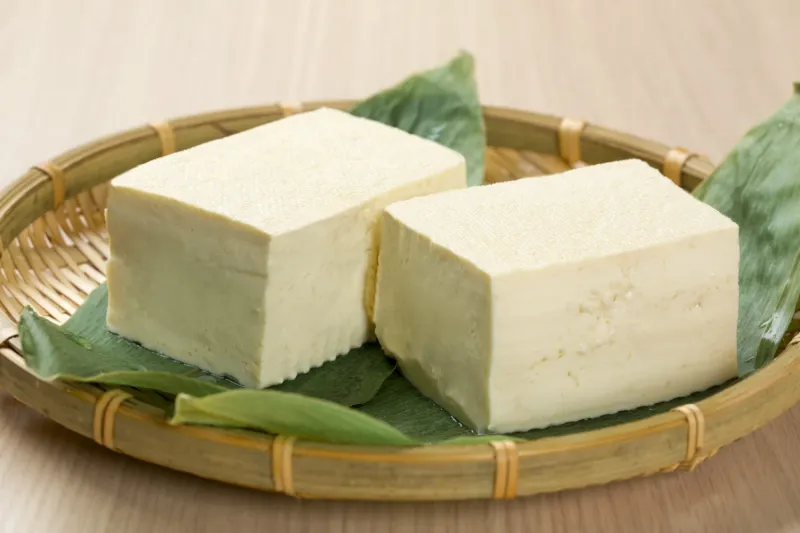
Tofu's porous structure acts like a flavour sponge when prepared correctly. Pressing out moisture creates space for marinades, sauces, and spices to seep deep inside each piece.
Freezing and thawing tofu creates even more pockets, making it incredibly absorbent and giving it a chewier, meatier texture. Marinating for at least thirty minutes allows flavours to penetrate properly, transforming bland cubes into taste explosions.
The secret lies in treating tofu as a blank canvas rather than expecting it to taste amazing on its own.
The Protein Content Compared With Other Plant Foods
A small serving of tofu provides a steady amount of complete protein that includes all essential amino acids. Its protein level is similar to many cooked beans and lentils when compared by weight.
One advantage is that tofu tends to be lower in carbohydrates than several other plant-based protein sources. This balance makes it appealing for people looking to keep meals filling without feeling overly heavy.
When paired with vegetables, grains, or legumes, tofu fits smoothly into a varied and balanced way of eating.
How Tofu Fits Into Balanced Everyday Meals
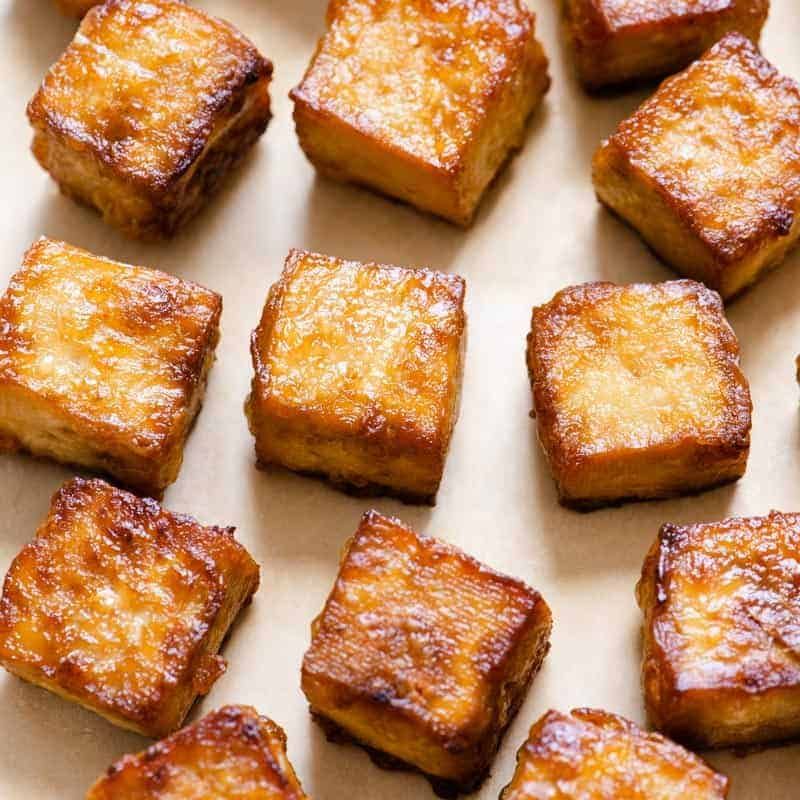
Scrambled tofu makes a brilliant breakfast when crumbled with turmeric, vegetables, and spices for a protein-packed morning start. Lunchtime salads gain substance and satisfaction when topped with crispy baked tofu cubes tossed in sesame oil.
Evening stir-fries, curries, and pasta dishes welcome tofu as a hearty addition that soaks up surrounding flavours beautifully. Its neutral base allows it to adapt to virtually any cuisine, from Italian to Mexican to Thai.
Tofu's flexibility means it never gets boring in your weekly meal rotation.
Why Freshness And Storage Matter More Than You Think
Fresh tofu should smell clean and slightly sweet, never sour or funky, which signals spoilage and potential food safety issues. Once opened, tofu must stay submerged in fresh water inside an airtight container, with daily water changes extending its life.
Properly stored tofu lasts about five days in the fridge, whilst unopened packages keep for weeks or even months. Freezing changes the texture dramatically, creating a chewier, spongier consistency some people absolutely love.
Ignoring storage rules leads to slimy, unpleasant tofu that confirms every negative stereotype.
Why Tofu Deserves A Second Look In Modern Kitchens
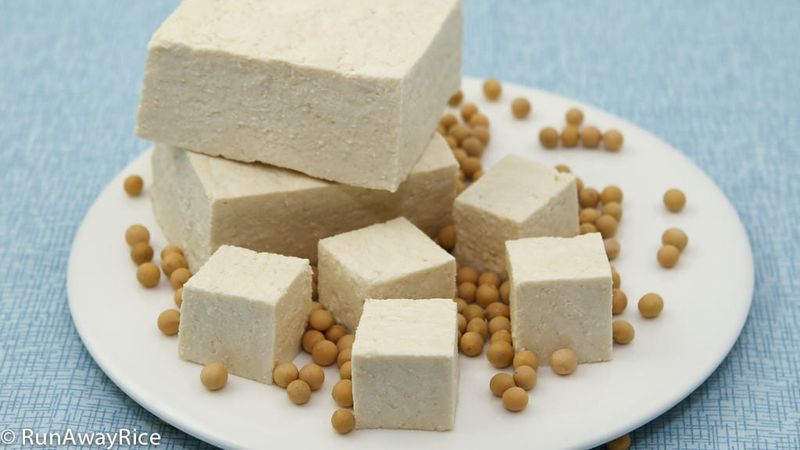
Modern cooking techniques have revolutionised how we prepare tofu, moving far beyond the bland health-food stereotype of past decades. Air fryers create incredibly crispy results without excessive oil, whilst creative seasonings unlock endless flavour possibilities.
Environmental concerns and rising meat prices make tofu an increasingly practical choice for budget-conscious and eco-aware families. Learning proper tofu techniques opens up affordable, nutritious meals that genuinely taste delicious rather than feeling like sacrifices.
Giving tofu another chance might surprise you with how enjoyable plant-based eating can actually be.



