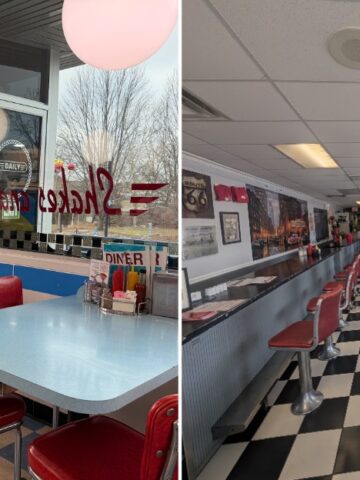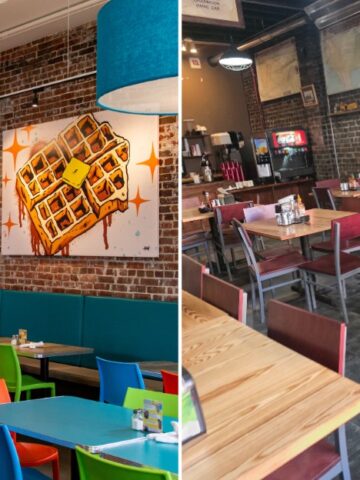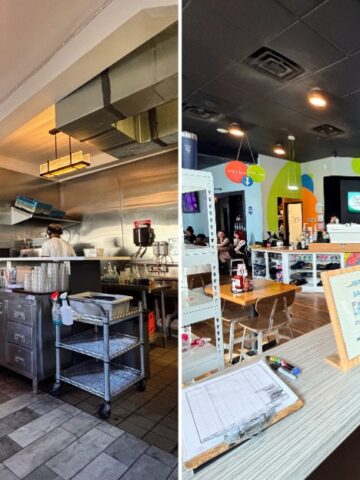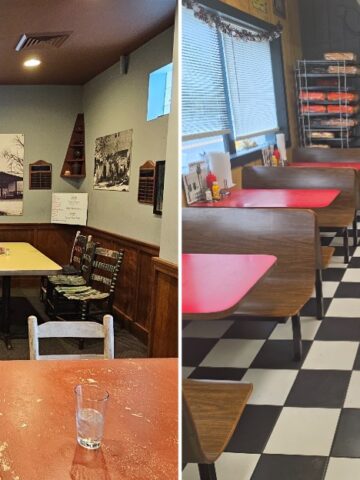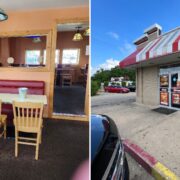
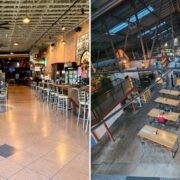



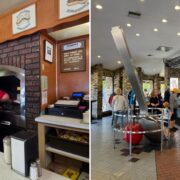
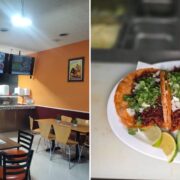

Dining experiences are shaped by more than the food itself. Elements such as lighting, noise levels, layout, and service style can influence how comfortable guests feel and how they remember a meal.
These details often affect how long people stay, how they perceive value, and whether they choose to return. Looking at the role of atmosphere helps explain why dining spaces are designed with more than just menus in mind.
This article is provided for general information only. Individual dining experiences, preferences, and restaurant offerings may vary. Photos are for illustrative purposes only.
How Lighting Influences Mood And Appetite
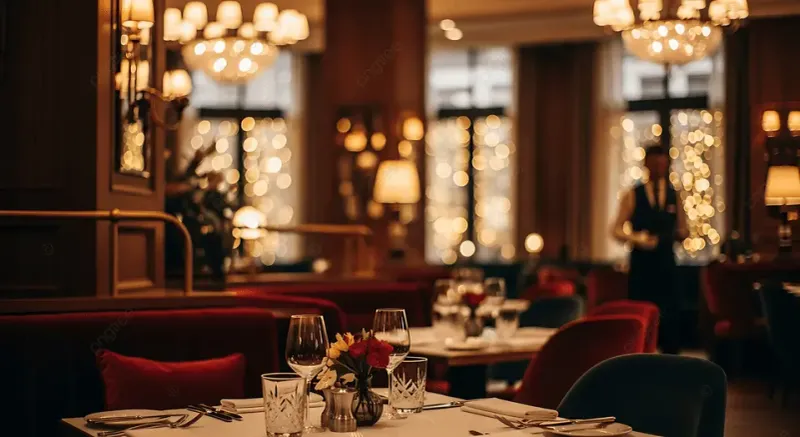
Lighting does far more than help you see your dinner. Soft, warm lighting actually makes food taste richer and more satisfying, whilst harsh fluorescent bulbs can leave even the finest dishes feeling a bit flat.
Restaurants know this trick well. Dimmer switches aren't just about romance, they're carefully calibrated to keep you relaxed and ordering that extra course.
Bright lights speed up eating and encourage quicker turnover, which explains why fast food joints feel like operating theatres.
Your appetite responds directly to light levels too, with gentle illumination encouraging leisurely meals and higher spending.
The Impact Of Noise And Music Levels
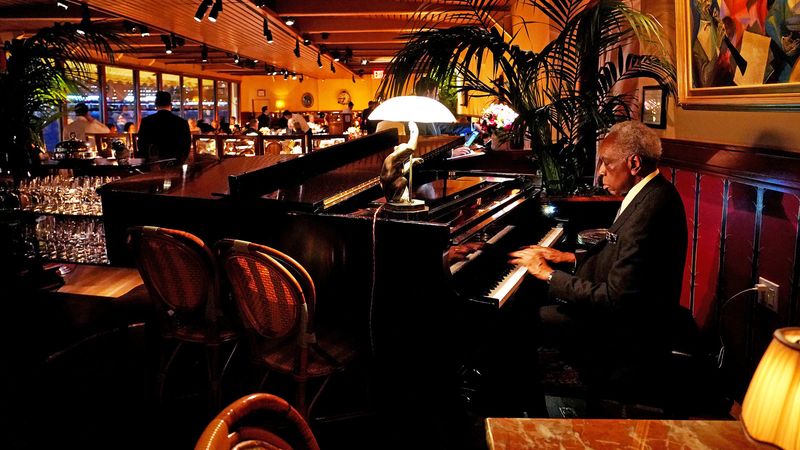
Background music sets the entire pace of your meal, whether you notice it or not. Slower tempos make you chew more slowly and savour each bite, whilst upbeat tracks have you finishing faster than you'd planned.
Volume matters just as much as the playlist itself.
When noise levels creep above comfortable conversation range, stress hormones rise and enjoyment plummets. You'll spend less, eat quicker, and probably won't return.
Restaurants balancing music and chatter create that magical buzz where everyone feels part of something lively without shouting across the table.
Sound truly shapes satisfaction.
Layout And Seating Comfort Considerations
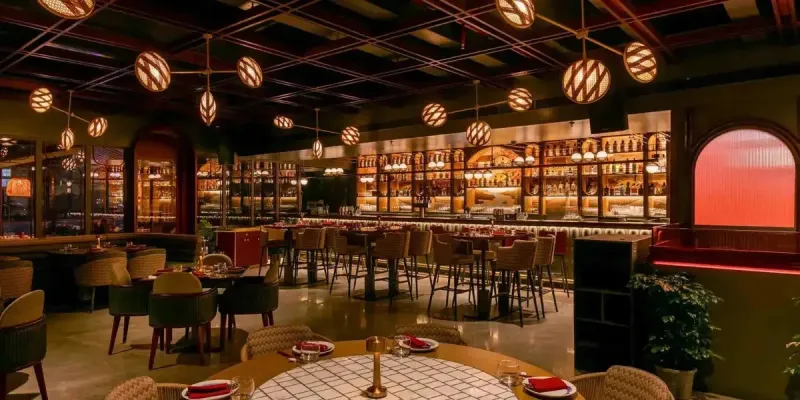
Cramped tables and wobbly chairs send a clear message: eat up and clear off. Comfortable seating encourages lingering, ordering another round, and actually enjoying the company you're with rather than fidgeting through discomfort.
Layout affects far more than physical ease. Open arrangements foster energy and social buzz, whilst cosy booths offer intimacy and privacy.
The distance between tables determines whether you're eavesdropping on strangers or lost in your own world.
Smart restaurants match their furniture to their concept, ensuring every seat supports the experience they're trying to create rather than working against it.
How Service Style Shapes The Experience
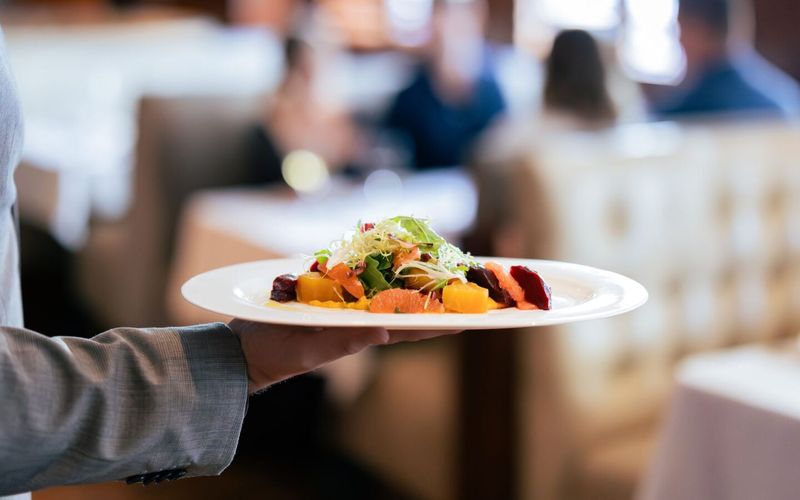
Service style isn't just about politeness; it's the invisible thread connecting every moment of your meal. Formal white-tablecloth service creates anticipation and elegance, whilst casual counter ordering keeps things breezy and relaxed.
Each approach sets different expectations before you've tasted a single bite.
Timing matters enormously too. Staff who read the room know when to chat and when to disappear, when to suggest another course and when to bring the bill without being asked.
The best service feels invisible yet attentive, matching the restaurant's atmosphere perfectly and making you feel genuinely looked after.
The Role Of Scent And Temperature
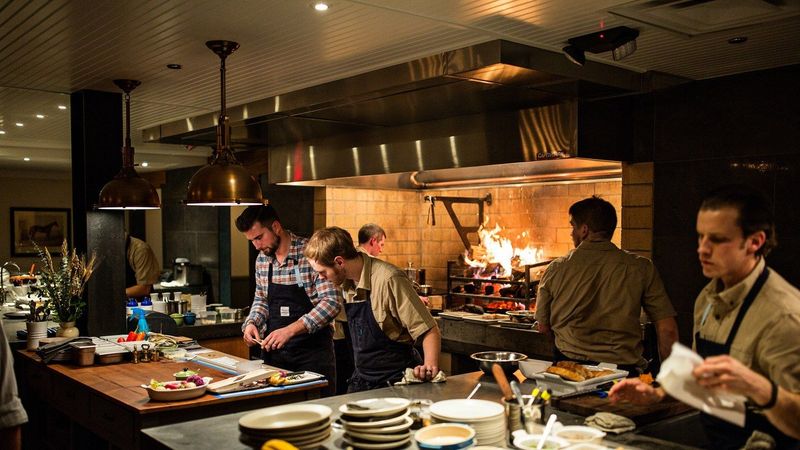
Walk past a bakery and your stomach growls instantly. That's scent working its magic, and restaurants know it.
The aroma of fresh bread, sizzling garlic, or roasting meat primes your appetite before you've even sat down, making everything taste better by association.
Temperature plays a surprisingly powerful supporting role. Too cold and diners feel unwelcome and hurried; too warm and they become sluggish and irritable.
The sweet spot keeps everyone comfortable enough to forget about their surroundings entirely.
Together, scent and temperature create an invisible cocoon that either enhances or undermines everything else.
Visual Design And First Impressions
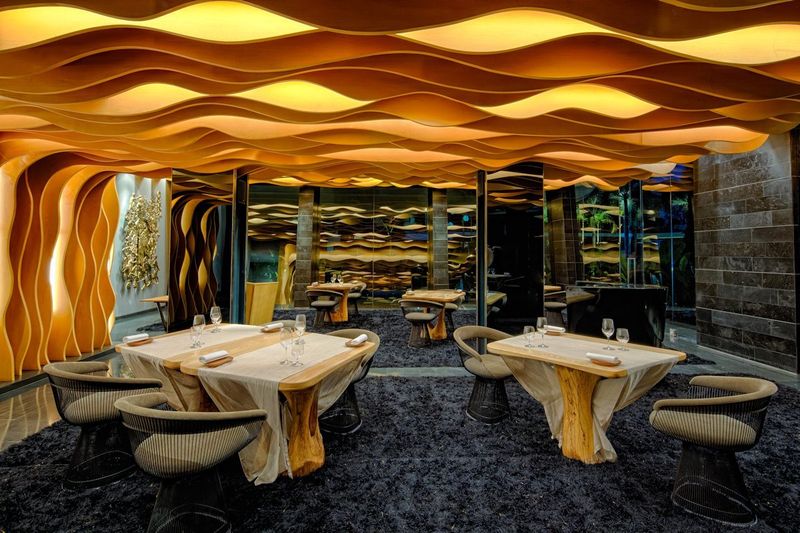
You've judged the restaurant before reading the menu. Visual design telegraphs everything from price point to the type of evening you're about to have, setting expectations that the food must then meet or exceed.
Colour schemes aren't arbitrary either. Warm tones like reds and oranges stimulate appetite and energy, whilst blues and greens promote calm and conversation.
Every design choice, from artwork to table settings, reinforces the brand identity and tells you what kind of experience awaits.
First impressions stick hard, and visual coherence builds trust that the kitchen knows what it's doing too.
Why Atmosphere Affects Dining Pace
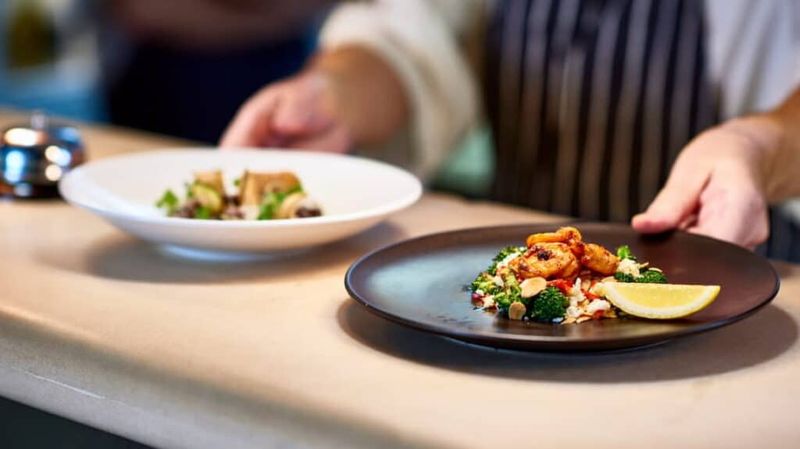
Ever noticed how some restaurants have you in and out within forty minutes whilst others stretch a meal across hours? Atmosphere controls your internal clock more than you'd think.
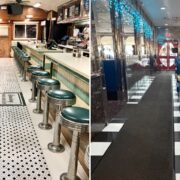
Fast-casual spots use bright lights, hard surfaces, and upbeat music to keep things moving briskly.
Fine dining establishments do precisely the opposite, with soft lighting, plush seating, and gentle acoustics encouraging you to settle in properly. Your body responds instinctively to these environmental cues, adjusting eating speed without conscious thought.
Restaurants engineer pace deliberately, matching turnover goals with the experience they're selling and your wallet's expectations.
How Ambiance Shapes Customer Expectations
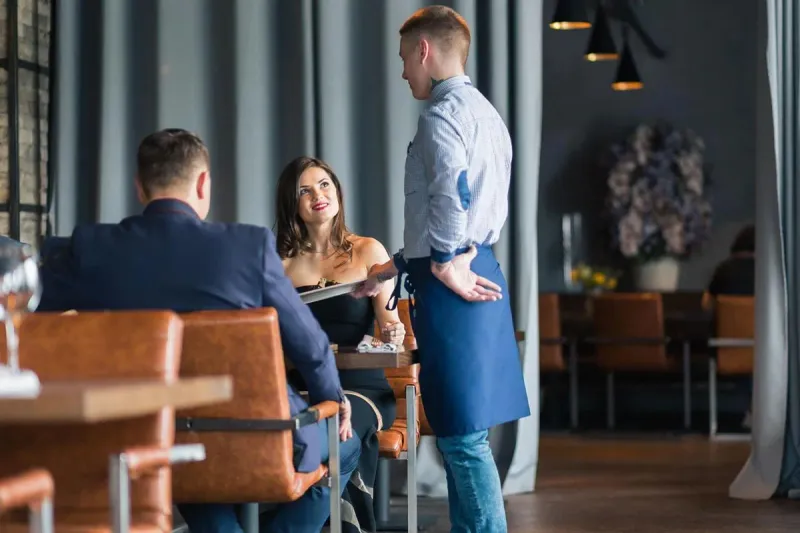
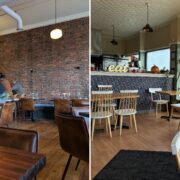
Ambiance writes a promise before you've ordered anything. Crisp linens and candlelight suggest culinary excellence and higher prices, whilst exposed brick and mismatched furniture signal casual creativity and value.
These visual cues set a mental benchmark your meal must clear.
When atmosphere and food quality align, satisfaction soars. When they clash, disappointment follows regardless of how tasty the actual dishes are.
A perfectly cooked steak served on a wobbly table under fluorescent lights feels wrong, whilst decent pasta in a gorgeous setting often gets rave reviews.
Successful restaurants understand this psychology completely.